Nordic Wabi Sabi Silk Chandelier Suppliers and Manufacturers
Source 27 verified suppliers for the Nordic Wabi Sabi Silk Chandelier. Compare grounded dimensions including location, lead time, MOQ, response time, certifications, and pricing. Review product specifications and request quotes to streamline your procurement process; review the available evidence before requesting comparable quotations from suitable candidates.
Suppliers List
Changsha DLSC Technology Co.,LTD
- Manufacturer, Trading Company
- Hunan, China
- Lead time7 days
- Avg. response≤ 8h
Main productsLed pendant lamp,led chandelier lamp,Led wall lamp,led floor lamp,led table lamp
Main marketsWestern Europe(35.0%), Eastern Europe(20.0%), North America(20.0%), Northern Europe(10.0%), Mid East(5.0%), Southern Europe(2.0%), Domestic Market(1.0%), South Asia(1.0%), Oceania(1.0%), Southeast Asia(1.0%), Central America(1.0%), South America(1.0%), Eastern Asia(1.0%), Africa(1.0%)

Zhongshan Yafei Lighting Technology Co., Ltd.
- Verified by TUVRHEINLAND
- Combined
- China Guangdong
- Lead time30 days
- Avg. response≤ 5h
Main productsChandelier, Crystal Lamps, Wall Lamp, Pendant Lamp, Ceiling Light with MP3, Crystal Chandelier, Table Lamp, Ceiling Light, Crystal Ceiling Light, Nordic Lamp
Main marketsAfrica

Nordic Designer Retro Guest Restaurant Bedroom Chandelier Wabi-Sabi Zen Silk Lighting
$40.50 - $76.47
MOQ: 20 Pieces

Restaurant Wabi Sabi LED Modern Lighting Coffee Bar Study Bedroom Chandelier Pendant Light
$45.00 - $58.83
MOQ: 20 Pieces
Hefei Bahe Import Export Co., Ltd.
- Manufacturer
- Anhui, China
- Lead time7 days
- Avg. response≤ 2h
Main productsChandeliers & Pendant Lights,Floor Lamps,Wall Lamps,Table Lamps,LED Ceiling Fans
Main marketsNorth America(60.0%), Western Europe(15.0%), Mid East(5.0%), Oceania(5.0%), Eastern Europe(5.0%), Southern Europe(3.0%), Northern Europe(3.0%), South America(3.0%), Domestic Market(1.0%)
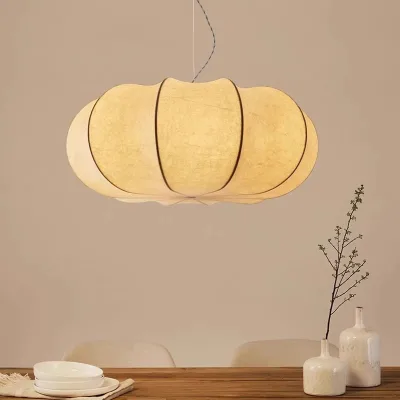
Wabi Sabi Chandelier Hotel B&B Dining Room Living Room Bedroom Study Pumpkin Silk Chandelier
$47.35 - $53.93
MOQ: 1 Minimum
$24.73 - $92.76
MOQ: 2 sets

Zhongshan Biggest Lighting Technology Co., Ltd.
- Verified by BV
- Combined
- China Guangdong
- Lead time30 days
- Avg. response≤ 2h
Main productsChandelier, Table Lamp, Floor Lamp, Wall Lamp, Ceiling Light
Main marketsSoutheast Asia/ Mideast,Europe,North America

Design Nordic Creative Chandelier Decorative Dinning Lighting Shade Wabi Sabi Pendant Light
$24.60 - $38.70
MOQ: 2 Pieces


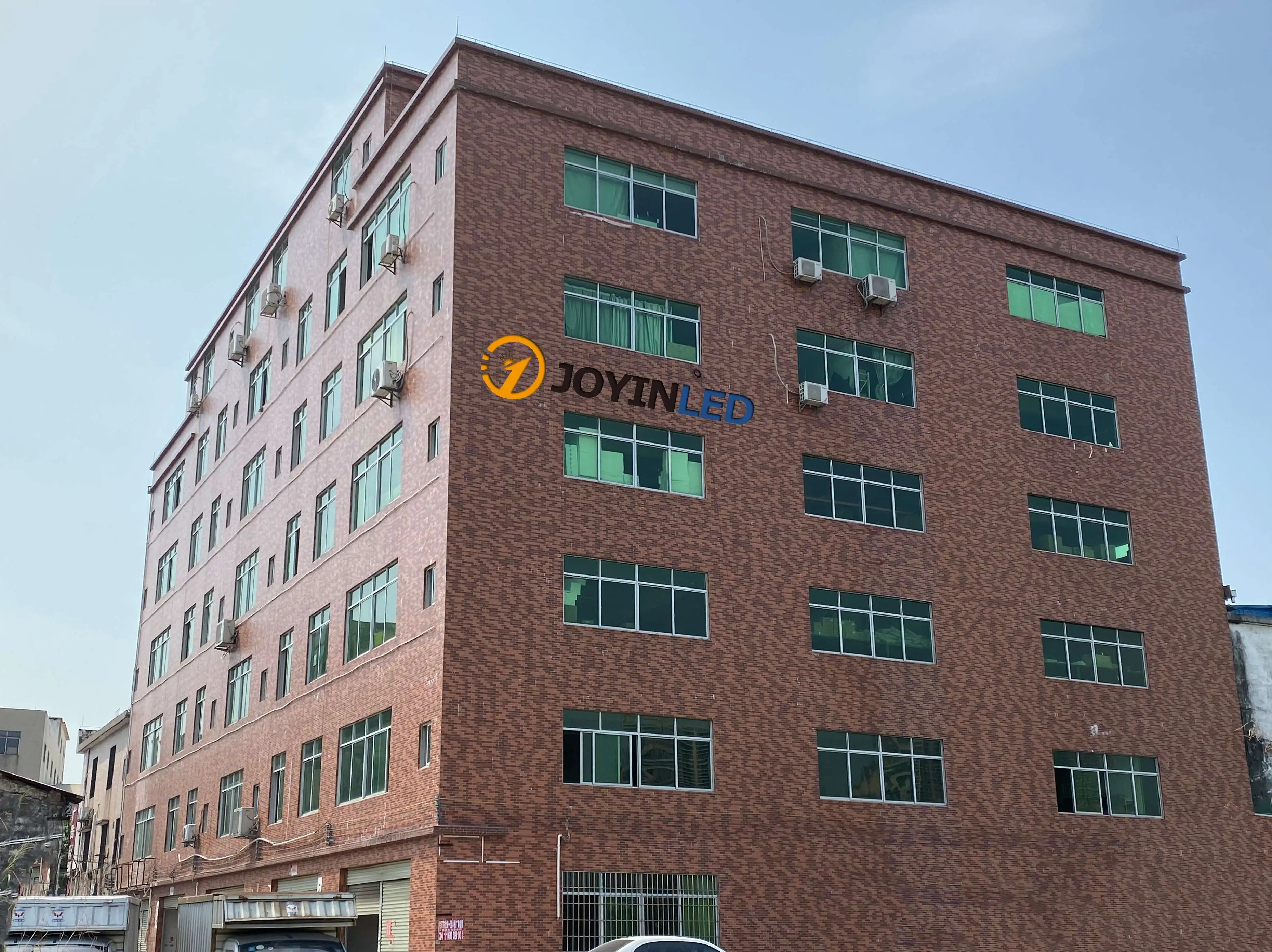
Shenzhen Joyinled Technology Co., Ltd.
- Manufacturer, Trading Company
- Guangdong, China
- Lead time25 days
- Avg. response≤ 7h
Main productsPendant Hanging Lamp, LED Lamp Fitting, LED Downlight, LED Wall Washer, LED Ceiling Lamp
Main marketsWestern Europe(30.0%), Northern Europe(20.0%), Southern Europe(15.0%), Southeast Asia(10.0%), North America(8.0%), Eastern Europe(5.0%), Domestic Market(5.0%), South America(3.0%), South Asia(2.0%), Mid East(2.0%)
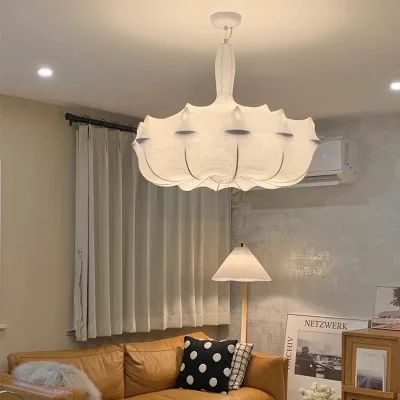
Wabi Sabi White Silk Cloth Light Pendant Chandelier for Home Office New Hand-Woven Pendant Light
$66.00 - $230.80
MOQ: 2 Minimum
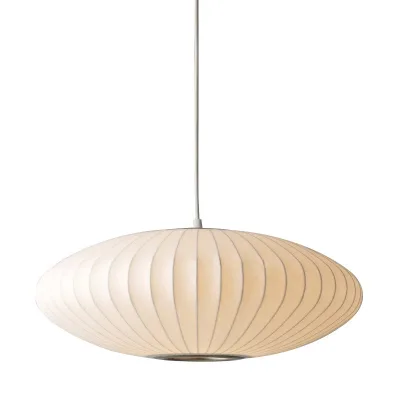
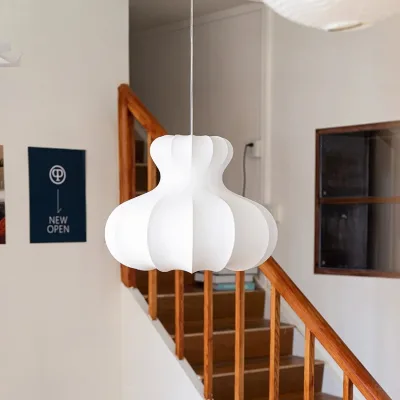
$45.70 - $80.50
MOQ: 10 Minimum
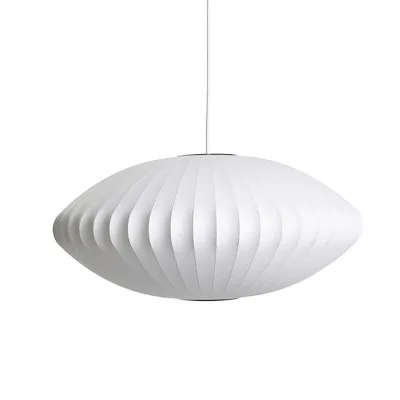
$60.50 - $112.70
MOQ: 1 Minimum

Shenzhen Well House Lighting Co.,Ltd
- Verified by SGS
- Manufacturer
- China Guangdong
- Lead time15 days
- Avg. response≤ 8h
Main productsChandelier Lighting, Ceiling Lights, Pendant Lights, LED Wall Lamp, Table Lamp, Floor Lamp, Ceiling Fan, Crystal Chandelier, Mirror Lamp, LED Lamp

Nordic E27 LED Pendant Lights Silk Hanging Lamp Minimalism Wabi Sabi Suspend Lamp (WH-AP-564)
$1.00 - $100.00
MOQ: 5 Pieces

$1.00 - $500.00
MOQ: 5 Pieces

$1.00 - $100.00
MOQ: 5 Pieces

Postmodern Minimalist White Chandeliers Resin Design Living Room Wabi Sabi Chandelier (WH-MI-395)
$1.00 - $500.00
MOQ: 5 Pieces

Wabi Sabi Pendant Light White Resin Chandeliers Dining Room Hanging Lamp (WH-AP-577)
$1.00 - $100.00
MOQ: 5 Pieces

$1.00 - $100.00
MOQ: 1 Pieces
Zhongshan Sanliang Lighting Co., Ltd.
- Verified by SGS Group
- Manufacturer, Trading Company
- Lead time35 days
Main productsPendant Light, Ceiling Lamp, Table Lamp, Floor Lamp, Wall Lamp
Main marketsNorth America(50%), South America(10%), Eastern Europe(5%)

Xiamen TJ Lighting Technology Co., Ltd.
- Manufacturer/Factory
- China Fujian
- Lead time23 days
- Avg. response≤ 5h
Main productsExhibition Light, High Bay Light, LED Strip Light, Showcase Light, Track Light, Night Light, Pendant Light
Main marketsSouth America,Mid East,North America,Southeast Asia,Oceania,Western Europe

Home Rattan Chandelier Loft Hanging Lamp Nordic Wabi Sabi LED Pendant Light
$13.00 - $13.90
MOQ: 10 Pieces

Chandelier Modern Ceiling Hanging Lamp Wabi Sabi Pendant Light for Home Restaurant
$24.50 - $25.50
MOQ: 10 Pieces

Modern Hanging Lighting Living Room Bedroom Bar Chandelier Wabi Sabi Pendant Light
$52.50 - $54.50
MOQ: 10 Pieces

Chandeliers Ceiling Modern Wabi Sabi Pendant Light for Restaurant Hotel Shopping Mall
$52.50 - $54.50
MOQ: 10 Pieces
Shenzhen Xin Hengstar Technology Co., Ltd.
- Trading Company
- Guangdong, China
- Lead time15 days
- Avg. response≤ 3h
Main productsLED Street Light,LED Flood Light,LED Solar Light,LED Wall Light,LED Downlight
Main marketsWestern Europe(40.0%), Eastern Europe(15.0%), Southern Europe(10.0%), North America(10.0%), Oceania(10.0%), South America(10.0%), Northern Europe(5.0%)

Foshan YIWU Lighting Co., Ltd.
- Verified by SGS
- Combined
- China Guangdong
- Lead time30 days
- Avg. response≤ 12h
Main productsChandelier, Chandelier Light, Wall Lamp, Hotel Lamp, Table Lamp, Floor Lamp
Main marketsDomestic

Wabi-Sabi Silk Cloth Japanese Retro Living Room Main Light Bedroom Chandelier (613)
$38.00 - $68.00
MOQ: 10 Pieces


French Wabi-Sabi Living Room Retro Zen Dining Room Cream Wind Chandelier (A-907)
$76.00 - $388.00
MOQ: 5 Pieces

Retro Creative Web Red Cream Wind Industrial Wind Wabi-Sabi Wind Chandelier (840)
$99.00 - $399.00
MOQ: 20 Pieces

Zhongshan Guzhen Ganyi Lighting Factory
- Manufacturer, Trading Company
- GuangDong, China
- Lead time0 days
- Avg. response≤ 4h
Main productsrattan lamp,hemp rope lamp,wooden lamp,bamboo lamp,fabric lamp
Main marketsSouth America(15.0%), North America(15.0%), Eastern Europe(14.000000000000002%), Western Europe(13.0%), Northern Europe(12.0%), Southern Europe(11.0%), Southeast Asia(8.0%), Domestic Market(7.000000000000001%), Mid East(5.0%)
Changsha XDCQ Technology Co., Ltd.
- Manufacturer, Trading Company
- Hunan, China
- Lead time3 days
- Avg. response≤ 8h
Main productsSolar led street light,Solar led flood light,Led Garden light,Led wall light,UFO High bay light
Main marketsSouth America(25.0%), Eastern Europe(15.0%), Western Europe(15.0%), Mid East(10.0%), Southern Europe(10.0%), North America(10.0%), Northern Europe(5.0%), Eastern Asia(5.0%), Africa(2.0%), South Asia(1.0%), Oceania(1.0%), Central America(1.0%)

Zhongshan Ocean Smart Lighting Co., Ltd
- Verified by BV
- Combined
- China Guangdong
- Lead time15 days
- Avg. response≤ 4h
Main productsChandelier, Crystal Chandelier, Pendant Light, Table Light, Floor Lamp, Ceiling Light, Wall Light, Lighting, Hotel Lighting, Energy-Saving Lamp
Main marketsSouth America,Africa,Others(foreignTradeCapacity.exportBusinessCapacityMarketOther),Southeast Asia/ Mideast,Europe,Australia,North America

$150.99 - $399.99
MOQ: 5 Pieces

Modern Creative Home Yellow Cave Stone Wabi Sabi Decorative Chandelier Indoor Decor Pendant Lighting
$30.99 - $38.99
MOQ: 5 Pieces

Modern Creative Home Yellow Cave Stone Wabi Sabi Chandelier Indoor Decor Pendant Lighting
$30.99 - $38.99
MOQ: 5 Pieces

$30.99 - $38.99
MOQ: 5 Pieces

Zhongshan City Zhi Yi Lighting Co., Ltd
- Verified by BV
- Combined
- China Guangdong
- Lead time23 days
- Avg. response≤ 2h
Main productsLighting, Chandelier, Pendant Light Pendant Lamp, Ceiling Light Ceiling Lamp, Table Lamp Desk Light, Floor Lamp Floor Light, LED Light LED Lighting, Wall Lamp Wall Light, Downlight, Crystal Chandelier
Main marketsAfrica,Southeast Asia/ Mideast,Domestic,North America


Oriental Aesthetic Wabi Sabi Pendant Light Chandelier for Kitchen Island Lighting Restaurant (Cj001)
$30.00 - $35.00
MOQ: 2 Pieces


Modern Wabi Sabi Hanging Light E27 Chandelier for Kitchen Dining Room Pendant Lamp (Cj022)
$36.00 - $123.00
MOQ: 2 Pieces
Shenzhen Qianhai Baihuixin Invest Industry Company Limited
- Trading Company
- Guangdong, China
- Lead time15 days
- Avg. response≤ 1h
Main productsProjector Lamp,Flood Lights,Landscape Lamp,Motif Light,Chandelier Lights
Main marketsNorth America(25.0%), Southeast Asia(15.0%), Western Europe(15.0%), Eastern Europe(10.0%), Eastern Asia(8.0%), Africa(5.0%), Southern Europe(5.0%), Oceania(5.0%), Mid East(4.0%), Northern Europe(3.0%), South America(3.0%), South Asia(1.0%), Central America(1.0%)

Zhongshan Wynns Lighting Co.,Ltd
- Verified by TUVRHEINLAND
- Manufacturer/Factory
- China Guangdong
- Lead time15 days
- Avg. response≤ 6h
Main productsLighting, Lamp, Chandelier, LED Modern Lamp, Hotel Project Lighting, Custom-Made Lighting, Home Lighting, Office Lighting, Crystal Chandelier, Table Lamp Floor Lamp and Wall Lamp
Main marketsSouth America,Eastern Europe,Mid East,North America,Southeast Asia,Eastern Asia,Oceania,Western Europe,Africa


$17.00 - $75.00
MOQ: 1 Pieces


Zhongshan Xinghong Lighting Co., Ltd.
- Verified by SGS
- Manufacturer/Factory
- China Guangdong
- Lead time23 days
- Avg. response≤ 2h
Main productsChandelier Light, Pendant Light, LED Lighting, Wall Light, Floor Light, Table Light, Modern Light, Crystal Light
Main marketsMid East,North America,Southeast Asia,Eastern Asia,Africa

Anhui Lanyou Lighting Technology Co., Ltd.
- Verified by BV
- Trading Company
- China Anhui
- Lead time15 days
- Avg. response≤ 7h
Main productsLED Sign, LED Bulb, LED Light, Project Design
Main marketsSouth America,Southeast Asia/ Mideast,East Asia(Japan/ South Korea),Europe,Australia
Zhongshan Blossom Lights Co., Ltd.
- Trading Company
- Guangdong, China
- Lead time0 days
- Avg. response≤ 3h
Main productsChandelier-E27 SeriesPendent light,Chandelier-LED series,Iron lampshade,LED ceiling lights,Table lights
Main marketsSoutheast Asia(30.0%), Africa(25.0%), Oceania(20.0%), Southern Europe(10.0%), Mid East(10.0%)
Changsha Lido Sci & Tech Co., Ltd.
- Trading Company
- Hunan, China
- Lead time35 days
- Avg. response≤ 2h
Main productsChandelier,Customized chandelier,led table light,LED floor light,LED wall light
Main marketsDomestic Market(5.0%), South Asia(5.0%), Southern Europe(5.0%), Northern Europe(5.0%), Central America(5.0%), Western Europe(5.0%), Eastern Asia(5.0%), Mid East(5.0%), Oceania(5.0%), Africa(5.0%), Southeast Asia(5.0%), Eastern Europe(5.0%), South America(5.0%), North America(5.0%)
Zhongshan BeauLighting Technology Co.,Ltd
- Manufacturer, Trading Company
- Guangdong, China
- Lead time30 days
- Avg. response≤ 3h
Main productsCrystal Chandelier,Custom light,Outdoor lighting fixtures,wall lamp,ceiling light
Main marketsSoutheast Asia(25.0%), North America(20.0%), Africa(10.0%), Northern Europe(10.0%), Mid East(10.0%), Central America(5.0%), South Asia(5.0%), South America(5.0%), Southern Europe(5.0%), Eastern Asia(3.0%), Western Europe(1.0%), Eastern Europe(1.0%)

Zhong Shan Rima Lighting Co., Ltd.
- Verified by CTI
- Combined
- China Guangdong
- Lead time23 days
- Avg. response≤ 2h
Main marketsSoutheast Asia/ Mideast,Domestic,Europe,North America

Chic Wabi-Sabi Style Wholesale Fabric Chandelier Pendant Lamp for Cozy Interiors
$15.00 - $50.00
MOQ: 10 Pieces


Huizhou Homelighting Technology Co., Ltd.
- Verified by BV
- Trading Company,Manufacturer/Factory
- China Guangdong
- Lead time0 days
- Avg. response≤ 9h
Main productsTable Lamp, Wall Lamp, Floor Lamp, Hotel Lamp, Tiffany Lamp, Lampshade, Chandelier Lamp
Main marketsSouth America,Eastern Europe,Mid East,North America,Southeast Asia,Eastern Asia,Oceania,Western Europe,Africa


$25.00 - $32.00
MOQ: 300 Pieces

Zhongshan Gebang Lighting Co., Ltd.
- Trading Company
- Guangdong, China
- Lead time0 days
- Avg. response≤ 3h
Main productsLighting,Crafts,table lamp,pendant
Main marketsNorth America(80.0%), Western Europe(10.0%), Mid East(10.0%)
$36.64 - $142.48
MOQ: 1 Minimum

SHANGLI LIGHTING CRAFTS CO.,LTD
- Verified by BV
- Manufacturer/Factory
- China Guangdong
- Lead time30 days
- Avg. response≤ 10h
Main productsPortable Table and Floor Lamp, LED Lamp, Hotel Lamp, Chandelier Lamp, Pendant Lamp, Ceiling Lamp, Wall Lamp, Lampshade, Accessory, Mirror
Main marketsSouth America,Eastern Europe,Mid East,North America,Southeast Asia,Eastern Asia,Oceania,Western Europe,Africa


Scandinavian MID-Century Japanese Wabi-Sabi Style Living Room Bedroom Dining Room B&B Chandelier
$18.00 - $58.00
MOQ: 1 Pieces


Wabi-Sabi Wind Chandelier Chinese Vintage Living Room Restaurant Tea Room Zen Pendant Lamp
$18.00 - $58.00
MOQ: 1 Pieces
Zhongshan Woge Lighting Appliance Co., Ltd.
- Manufacturer, Trading Company
- Guangdong, China
- Lead time30 days
- Avg. response≤ 2h
Main productsDecorative lighting,Electrical lighting,project light,crystal Chandelier,pendant light
Main marketsMid East(15.0%), North America(15.0%), Africa(12.0%), Southeast Asia(12.0%), Central America(10.0%), Eastern Europe(8.0%), Western Europe(8.0%), Domestic Market(5.0%), Northern Europe(5.0%)
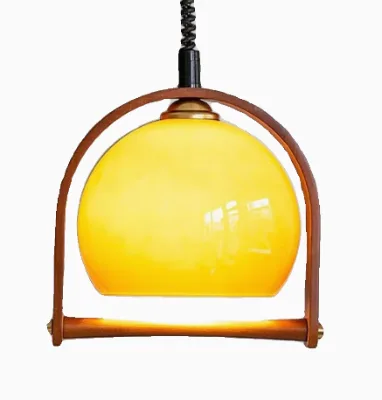
Antique Glass Telescopic Chandelier Grapefruit Retro Solid Wood Wabi-sabi Style Small Pendant Light
$30.66 - $61.32
MOQ: 20 Minimum
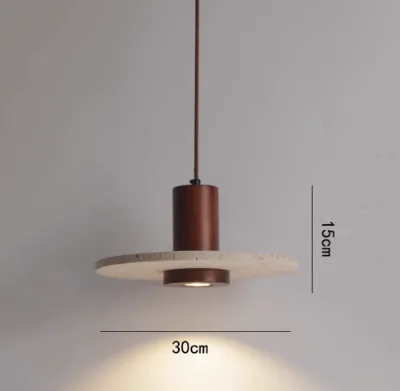
Wabi-Sabi Style Vintage Island Stone Chandelier for Home Office and Bedroom Bedside
Contact supplier
MOQ: 20

- Manufacturer
- China Guangdong
- Lead time15 days
- Avg. response≤ 3h
Main productsChandelier, Crystal Chandelier, Ceiling Light, Pendant Light, Wall Light, Table Light, Floor Light, Modern Chandelier, LED Chandelier, Pendant Lamp
Main marketsEurope,North America
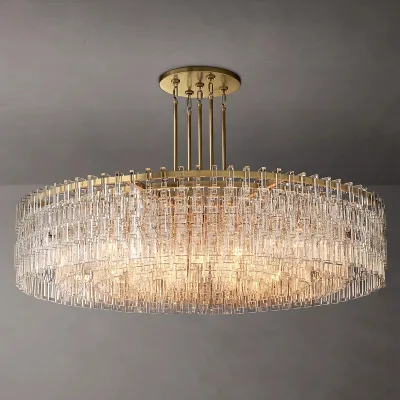
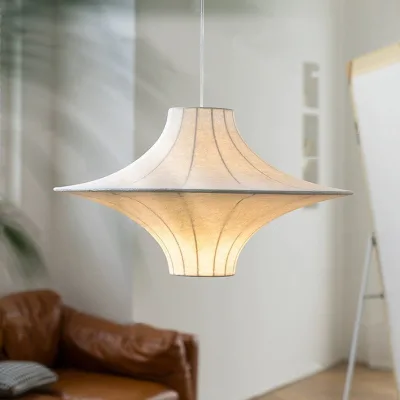
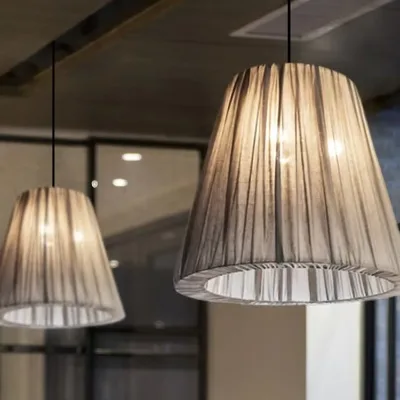
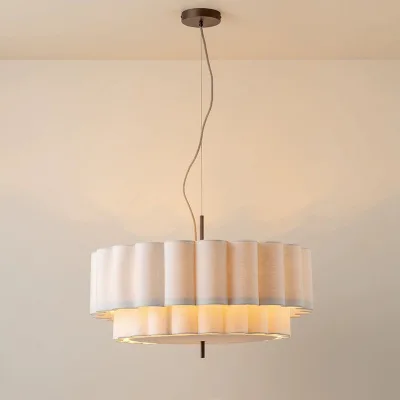
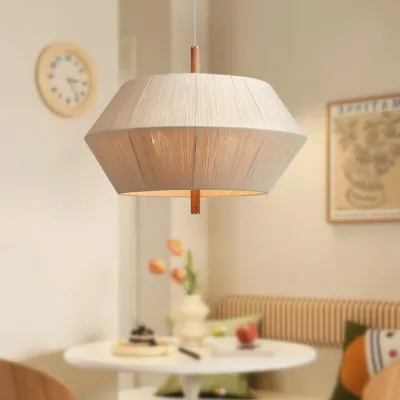
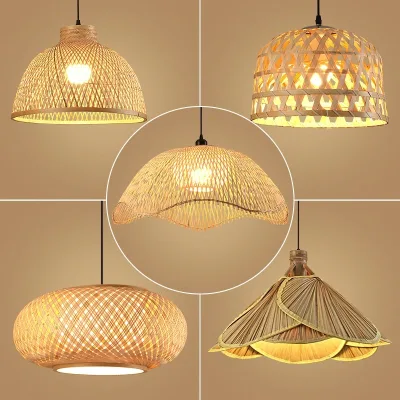
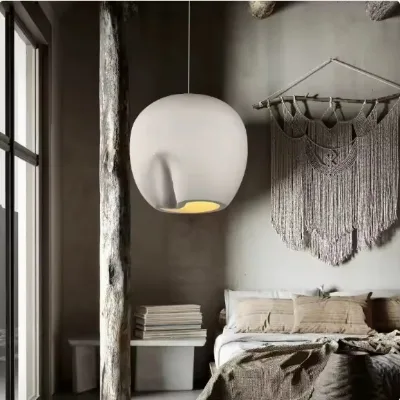
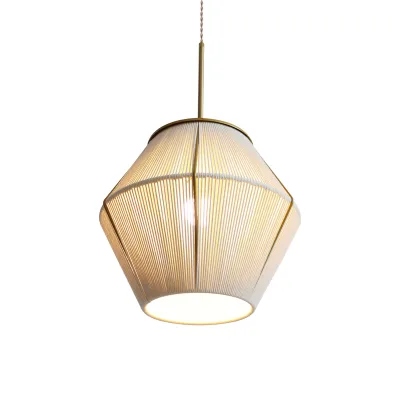
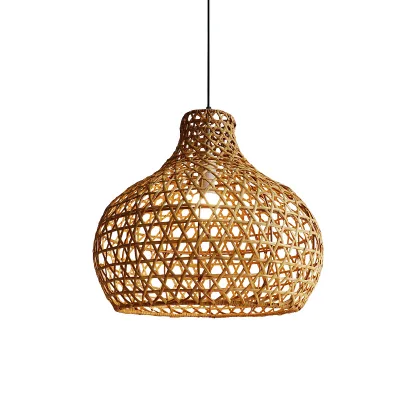
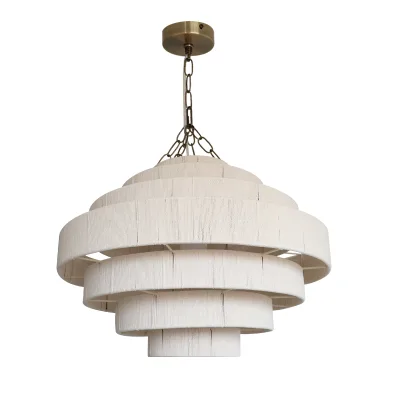
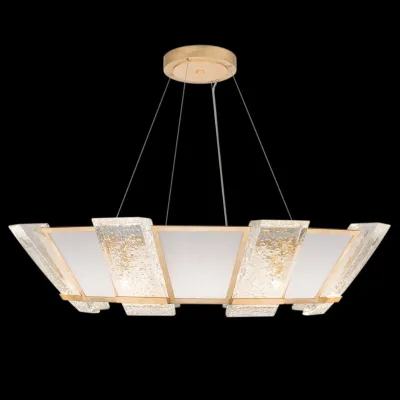
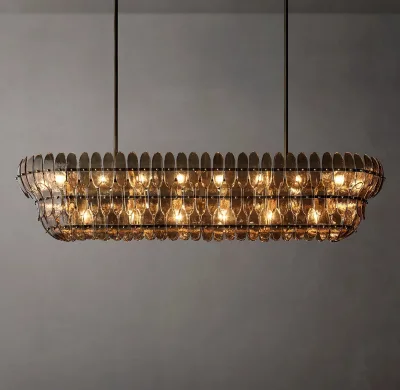
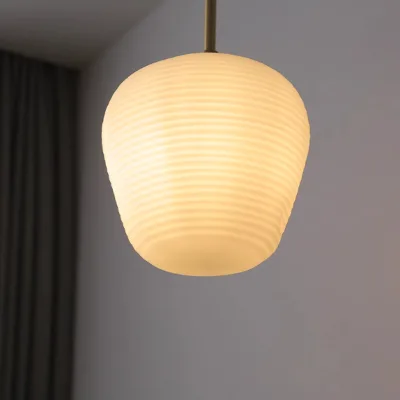


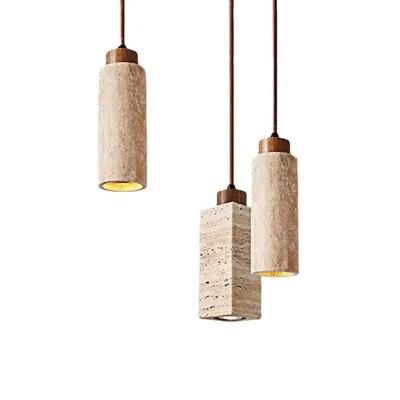
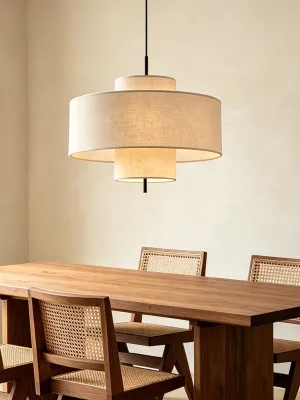
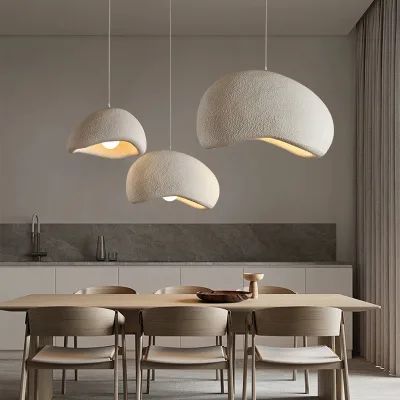
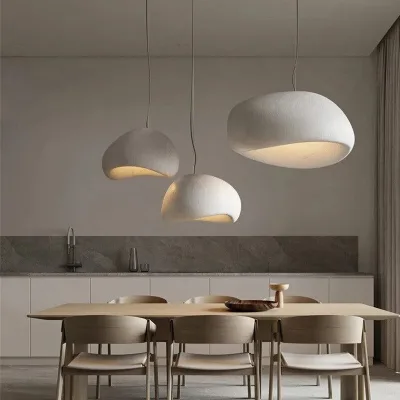
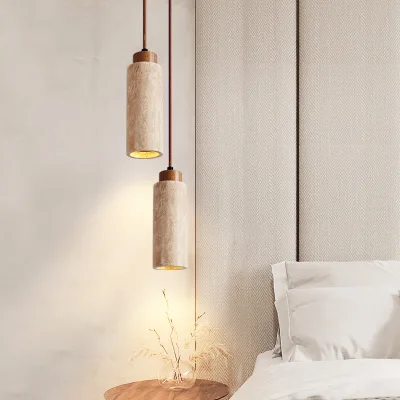
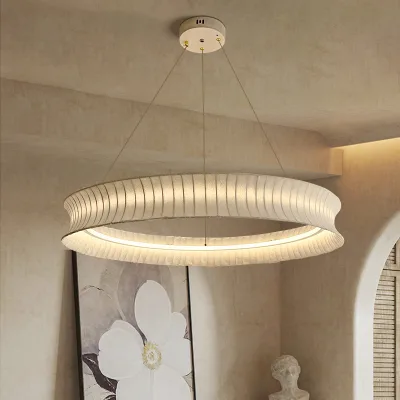
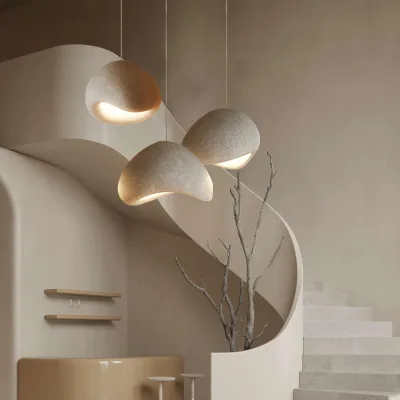


Comprehensive Sourcing Guide
Nordic Wabi Sabi Silk Chandelier Supplier Concentration and Factory Types
Current data indicates that manufacturers and trading companies offering these lighting solutions are located in Hunan and Guangdong, China. Some suppliers list their primary output as a mix of pendant lamps, chandeliers, and wall lamps, while others focus specifically on Nordic and Wabi-sabi styles. The presence of both manufacturer and trading company types suggests a varied supply chain where some entities handle direct production while others manage distribution. Buyers should verify if the specific factory they engage in Hunan or Guangdong possesses the capacity to produce the complex silk and fabric elements required for this aesthetic.
When evaluating the factory type, it is crucial to distinguish between entities that design and build the lighting units versus those that simply source them. Evidence shows some suppliers offer lighting and circuitry design services, indicating a higher level of in-house engineering capability. Others may rely on external partners for the custom silk shades or specific metalwork. A buyer must confirm whether the supplier is the actual producer of the iron, brass, or steel components and the silk fabric assembly. This distinction affects quality control, as the manufacturer holds direct responsibility for the structural integrity and the finish of the materials used in the chandelier.
How to Verify Nordic Wabi Sabi Silk Chandelier Suppliers
Verification begins with checking for specific system certifications and third-party validations. Some suppliers in the current results display a Declaration of Conformity, while others show no listed certifications. A few entries indicate verification by TUVRHEINLAND, which serves as a concrete marker of a supplier's operational status. Buyers should request proof of these certifications directly, as the absence of a listed standard does not guarantee non-compliance but requires active confirmation. It is essential to ask for the specific certificate documents rather than relying solely on the platform's badge display to ensure the supplier meets international safety standards for electrical components.
Response time and lead time are also critical verification metrics that reflect a supplier's operational readiness. Data shows response times ranging from approximately 4.4 hours to 8 hours, with lead times varying significantly from 7 days to 30 days. A supplier with a 30-day lead time may be operating on a different production schedule or capacity level compared to one offering a 7-day turnaround. Buyers should verify if the quoted lead time includes the time for customizing the silk shades or if it is a standard stock item. Confirming these timelines through direct communication helps establish the supplier's reliability and their ability to meet project deadlines without unexpected delays.
What to Compare Across Nordic Wabi Sabi Silk Chandelier Suppliers
Comparing suppliers requires a detailed look at product specifications, particularly regarding light source, color temperature, and material composition. Available data lists options with LED sources, color temperatures ranging from 3500K to 6000K, and body materials including iron, brass, and steel. Some products feature alabaster or fabric shades, while others use metal or glass. Buyers must compare these attributes to ensure the selected chandelier matches the intended design style, whether it is modern, luxury, or European. The presence of specific model numbers and custom size options allows for precise matching of the product to the architectural requirements of the space.
Pricing and minimum order quantities (MOQ) are equally vital factors in the comparison process. Current listings show price ranges from roughly $40 to $102 per unit, with MOQs varying from 1 piece to 20 pieces. Some suppliers offer a single item purchase, while others require a batch order of 20 units. Buyers should calculate the total cost of ownership, including shipping and potential customization fees, rather than focusing solely on the unit price. Additionally, comparing warranty periods, such as 1-year versus 3-year coverage, provides insight into the manufacturer's confidence in their product durability. These commercial terms directly impact the financial viability of the sourcing decision.
Common Nordic Wabi Sabi Silk Chandelier Sourcing Risks
One significant risk involves the inconsistency of product attributes across different listings, such as varying support for dimmers or different input voltages. Some products support dimming while others do not, and input voltages range from AC 220V to AC 85-265V. If a buyer selects a product without verifying the voltage compatibility with their local grid, the fixture may fail or require expensive transformers. Similarly, the support for dimming must be confirmed against the buyer's existing lighting control systems. Failing to check these electrical specifications can lead to installation failures and additional costs for retrofitting the electrical infrastructure.
Another risk lies in the customization capabilities and the resulting lead times. While some suppliers offer personalized lighting and custom sizes, others have fixed dimensions or limited customization options. The data indicates that some products are designed for specific applications like villas or hotels, which may not suit residential needs. Buyers must verify if the supplier can actually deliver the custom dimensions and materials requested within the quoted timeframe. Delays in custom manufacturing can disrupt project schedules, especially for large-scale installations in hotels or commercial spaces. Ensuring the supplier has the capacity to handle custom orders without compromising quality is essential to mitigate this risk.
Nordic Wabi Sabi Silk Chandelier Regional Sourcing and Logistics
Sourcing from regions like Hunan and Guangdong offers access to established manufacturing clusters, but logistics planning must account for the specific weight and dimensions of the products. Data shows single package sizes ranging from 120x120x50 cm to 120x120x40 cm, with gross weights varying from 25 kg to 100 kg. These heavy and bulky items require specialized shipping arrangements to prevent damage during transit. Buyers should verify the packaging standards and whether the supplier uses reinforced cartons suitable for international freight. Understanding the logistics requirements early helps in budgeting for freight costs and ensuring the chandeliers arrive in perfect condition.
The place of origin also influences the supply chain efficiency and potential tariffs. Products originating from Guangdong or Hunan may have different shipping routes and transit times compared to other regions. Buyers should confirm the exact port of loading and the estimated transit time to their destination. Some suppliers may offer project installation services, which can simplify the logistics of getting the product from the port to the final site. However, this service must be clearly defined in the contract to avoid confusion regarding responsibilities. Clear communication about the logistics chain ensures that the heavy and delicate nature of these chandeliers is managed correctly throughout the shipping process.
Nordic Wabi Sabi Silk Chandelier Commercial Terms and Order Planning
Order planning must account for the varying warranty periods and after-sales support offered by different suppliers. Current evidence shows warranty terms ranging from 1 year to 3 years, which reflects the manufacturer's confidence in their product lifespan. Buyers should prioritize suppliers offering longer warranties, as this indicates a commitment to quality and durability. Additionally, the availability of lighting solutions services, such as circuitry design or project installation, can add significant value to the order. These services should be explicitly included in the commercial terms to ensure the buyer receives comprehensive support beyond just the physical product.
Payment terms and sample availability are also critical components of the order planning phase. Some suppliers indicate that free samples are not available, which means buyers must rely on product specifications and images before placing a bulk order. This increases the risk of receiving a product that does not meet expectations. Buyers should negotiate for a paid sample or a detailed video inspection before committing to a large order. Furthermore, understanding the payment structure, including any escrow options, provides financial security. Ensuring that the commercial terms align with the buyer's risk tolerance and project timeline is essential for a successful sourcing outcome.
FAQs
What is the typical lead time for these chandeliers?
Lead times vary by supplier, with observed ranges from 7 to 30 days. Some manufacturers in Hunan offer faster 7-day delivery, while others in Guangdong may require up to 30 days. Buyers should confirm specific timelines before placing orders to ensure timely project completion.
What are the minimum order quantities for silk chandeliers?
Minimum order quantities differ across listings, ranging from 1 to 20 units. Some suppliers accept single items, while others require a minimum of 2 or 20 pieces. Buyers must check individual product pages to verify the specific MOQ applicable to their selected design and customization needs.
Which certifications do these lighting products typically hold?
Certifications vary by manufacturer, with some products holding RoHS and CE marks. One listing mentions a Declaration of Conformity, while another shows no specific system certification. Buyers should request current certificates for each supplier to ensure compliance with local safety and electrical standards.
What is the price range for Nordic style chandeliers?
Prices for these chandeliers range from approximately 40.50 to 102.29 USD per unit. Specific costs depend on materials like steel, alabaster, or iron, as well as customization options. Buyers should compare multiple listings to find the best value within their budget constraints.
How quickly do suppliers typically respond to inquiries?
Response times vary, with some suppliers replying within 4.41 hours and others taking up to 8 hours. Faster response times often indicate higher availability or dedicated sales teams. Buyers seeking urgent quotes should prioritize suppliers with shorter response windows to expedite the sourcing process.
What materials are commonly used for these chandelier bodies?
Common body materials include iron, brass, steel, and alabaster. Some designs feature fabric shades while others use metal or glass. Buyers should review product attributes to confirm material composition, as this affects durability, weight, and the overall aesthetic of the final lighting installation.
Are these chandeliers suitable for commercial spaces like hotels?
Yes, many listings specify applications for hotels, villas, restaurants, and clubs. Products often include project installation services and customizable dimensions to fit commercial requirements. Buyers should verify that the supplier offers the specific lighting solutions service needed for their venue size and design style.