Stainless Steel Fire Damper Machine Suppliers and Manufacturers
Explore 16 verified options for Stainless Steel Fire Damper Machine suppliers and manufacturers in China. Compare locations, response times, lead times, certifications, and product specifications to find the right partner. Contact suppliers directly to request quotes and verify capabilities; review the available evidence before requesting comparable quotations from suitable candidates.
Suppliers List

Qingdao Zoomfine Indotech Co.,Ltd
- Verified by SGS
- Trading Company
- China Shandong
- Lead time30 days
- Avg. response≤ 3h
Main productsCooled Chillers and Heat Pumps, Air Handling Unit (Ahu), Axial Fan, Centrifugal Fan, Fan Coil Unit (Fcu), Air Distribution Products, HVAC Product, Air Ducts, Fire Damper, Cooling Tower
Main marketsOthers(foreignTradeCapacity.exportBusinessCapacityMarketOther)

Air Volume Control Valve Stainless Steel Square Fire Damper Manufacturer
$1.00 - $200.00
MOQ: 1 Pieces


Fire Damper Square Stainless Steel Fire Door Adjustable HVAC Air Fire Damper for Large Factories
$1.00 - $200.00
MOQ: 1 Pieces


Small and Circular High Temperature 3mm Thick Mild Steel Plate Smoke Fire Damper
$1.00 - $200.00
MOQ: 1 Pieces

- Verified by TUVRHEINLAND
- Manufacturer/Factory
- China Fujian
- Lead time38 days
- Avg. response≤ 12h
Main productsCZ Purlin Machine, Floor Deck Roll Forming Machine, Roller Shutter Door Machine, Stud and Track Machine, Strut Channel Roll Forming Machine, Highway Guardrail Roll Forming Machine, Standing Seam Roof Panel Roll Forming Machine, Cable Tray Roll Forming Machine, Roof Panel Roll Forming Machine, C Purlin Machine
Main marketsSouth America,Eastern Europe,Mid East,North America,Southeast Asia,Eastern Asia,Oceania,Western Europe,Africa

Hunan Xinhongyuan High Tech Co., Ltd.
- Verified by TUVRHEINLAND
- Combined
- China Hunan
- Lead time30 days
- Avg. response≤ 8h
Main productsCentrifugal Fan
Main marketsDomestic

Dezhou Zhengyun Air Conditioning Equipment Co., Ltd.
- Verified by BV
- Combined
- China Shandong
- Lead time30 days
- Avg. response≤ 11h
Main productsMotor, Air Handling Unit, Fan Coil Unit, AC Motor, Permanent Magnet Motor, Single Phase Motor, Three Phase Motor, Heat Exchanger, Fire Damper, Centrifugal Fan
Main marketsDomestic

HVAC Fire Damper Durable Contemporary Heating Stainless Fire Damper for Hall Application
$67.00 - $100.00
MOQ: 10 Pieces

Original Us Fire and Smoke Dampers for HVAC Systems Stainless Steel Contemporary Design
$67.00 - $100.00
MOQ: 10 Pieces


Stainless Steel Fire Dampers Fire Valves for HVAC Systems Size Can Be Customized
$67.00 - $100.00
MOQ: 10 Pieces

Guangzhou Xingjin Fire Equipment Co., Ltd.
- Manufacturer, Trading Company
- Guangdong, China
- Lead time25 days
- Avg. response≤ 5h
Main productsFM200 Fire Suppression System, HFC-227ea Fire Extinguishing Equipments, Automatic Fire Extinguishing Devices, Safety Relief Devices, Novec1230 Fire
Main marketsDomestic Market(60.00%), South Asia(10.00%), Mid East(10.00%), Southeast Asia(10.00%), Eastern Asia(5.00%), Africa(5.00%)
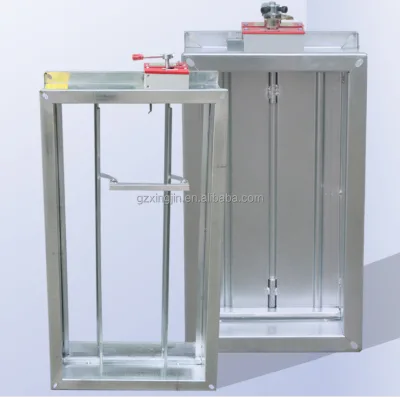
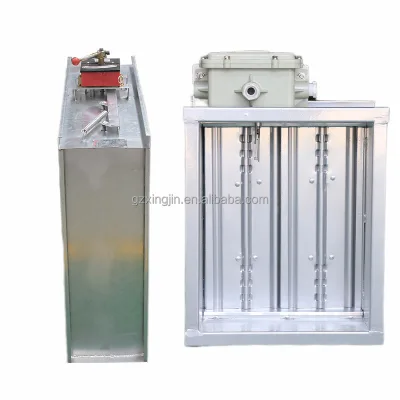
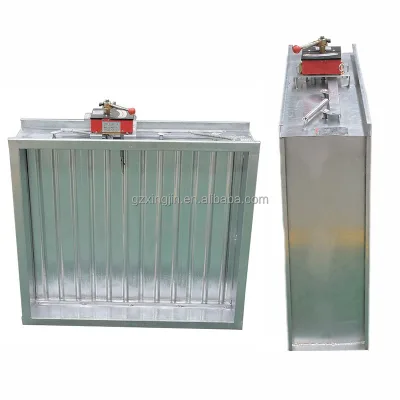
Rectangular Duct Connection Fire Dampers in Galvanized / Stainless Steel
$320.00 - $360.00
MOQ: 10 sets

- Verified by SGS
- Combined
- China Shandong
- Lead time30 days
- Avg. response≤ 6h
Main productsCommercial Air Conditioner, Chiller, Air Handling Unit, Fan Coil Unit, HVAC, Industrial Air Cinditioning, Rooftop Packaged Unit, Water Chiller, Air Cooled Chiller, Central Air Conditioning
Main marketsSouth America,Europe,North America


Manual / Motorized Stainless Steel Fire Damper for Ventilation Duct System
$60.00 - $170.00
MOQ: 1 Pieces


Guangdong Yaoan Industrial Co., Ltd.
- Verified by SGS
- Combined
- China Guangdong
- Lead time30 days
- Avg. response≤ 2h
Main productsHVAC Ventilation and Fire Protection Equipment
Main marketsDomestic

Ningbo Star Win Actuators Manufacture Co., Ltd.
- Verified by TUVRHEINLAND
- Combined
- China Zhejiang
- Lead time30 days
- Avg. response≤ 1h
Main productsDamper Actuator, Spring Return Damper Actuator, Fire Smoke Damper Actuator, Gear, Transmission Shaft, Machinery Parts
Main marketsSouth America,Southeast Asia/ Mideast,Europe,North America

Qingdao Rely Environmental Technology Co., Ltd
- Combined
- China Shandong
- Lead time30 days
- Avg. response≤ 1h
Main productsBiogas Plant, Biogas Project, Biogas Digester & Biodigester, Biogas Tank, Biogas Purification Devices, Anaerobic Fermentation Tank, Biogas Generation CNG Plant, Sewage Treatment Plant, Mbr Domestic Sewasge Treatment Plant, Landfill Leachate Sewage Treatment Plant
Main marketsDomestic

Foshan Zhongjing Purification Equipment Co., Ltd.
- Verified by TUVRHEINLAND
- Combined
- China Guangdong
- Lead time30 days
- Avg. response≤ 6h
Main productsAirshower, Passbox, Laminar Flow Hood, Louver, Damper, Air Filter, HEPA, Flow Clean Bench, Stainless Steel Cabinet
Main marketsDomestic


Fire Damper for Duct of Ventilation or Air-Conditioning Systems Volume Control
$30.00 - $40.00
MOQ: 1 Sets


Jiangsu Gmusem Ventilation System Manufacture Co., Ltd.
- Verified by SGS
- Combined
- China Jiangsu
- Lead time15 days
- Avg. response≤ 1h
Main productsVentilation Systems, Air Curtain Machine, Erv, Fresh Air System, Duct Fans, Air Conditioning Cabinets, Smoke Extraction Fans, Hrv
Main marketsSoutheast Asia/ Mideast,Domestic

Hangzhou Pri-Safety Fire Technology Co., Ltd.
- Verified by BV
- Combined
- China Zhejiang
- Lead time30 days
- Avg. response≤ 5h
Main productsKitchen Fire Suppression Systems, Vehicle Fire Suppression Systems, Electric Panel Fire Systems, Mining Machine Fire Suppression Systems, Automatic Fire Suppression Systems, Compressed Foam Fire Systems, FM200 Fire Systems, Fire and Safety Emergency Kit for Car, Fire Extinguishers, Rally Car Fire Extinguisher System
Main marketsSouth America,Africa,Southeast Asia/ Mideast,East Asia(Japan/ South Korea),Europe,Australia,North America

Jiangxi Zhi yuan Fire Technology Co., Ltd.
- Verified by SGS
- Combined
- China Jiangxi
- Lead time15 days
- Avg. response≤ 8h
Main productsFire Alarm, Smoke Detector, Hfc-227ea, Fire Fighting System, Fire Suppression, FM200, Fire Suppression System
Main marketsDomestic

Kunming Gen Qian Commercial Co., Ltd.
- Trading Company
- China Yunnan
- Lead time15 days
- Avg. response≤ 5h
Main productsFire Extinguisher, FM200, Low Pressure CO2 Fire Fighting System, High Pressure Water Mist Fire Fighting System, Fire Fighting System for Tobacco Green Warehouse, Fire Fighting System for Tobacco Pmd Line, Fire Fighting System for Civil Building Project, Fire Fighting System for Warehouse Logistics, Fire Fighting System Fore Industry Field Project, High Pressure CO2 Fire Fighting System
Main marketsSouth America,Southeast Asia/ Mideast,Europe

Nanjing Auto Electric Co., Ltd.
- Verified by TUVRHEINLAND
- Manufacturer/Factory
- China Jiangsu
- Lead time120 days
- Avg. response≤ 6h
Main productsPipe Spool Fabrication Solution, Pipe Cutting and Beveling All-in-One Machine, High Speed Band Saw Cutting Machine, Automatic Pipe Welding Machine, Sub-Arc Girth Welding Machine, Automatic Electric-Gas Vertical Welding Machine, Plate Cutting and Milling Machine, CNC Pipe End Beveling Machine, Multi-Function Pipe Fitting-up Station, Automatic Elbow Welding Machine
Main marketsSouth America,Eastern Europe,Mid East,North America,Southeast Asia,Eastern Asia,Oceania,Western Europe,Africa

MOQ: 1 Pieces

MOQ: 1 Pieces

MOQ: 1 Pieces

SHANDONG NEUTRON CNC TECHNOLOGY CO., LTD.
- Trading Company,Manufacturer/Factory
- China Shandong
- Lead time60 days
- Avg. response≤ 22h
Main productsCNC Machine, CNC Punching Machine, CNC Drilling Machine, Forming Machine, Steel Processing Machine, Metal Production Machine, Angle Punching Machine, Plate Drilling Machine, Beam Drilling Machine, Plate Punching Machine


Comprehensive Sourcing Guide
Stainless Steel Fire Damper Machine Supplier Concentration and Factory Types
Current supplier data indicates manufacturing clusters primarily located in Shandong, Fujian, and Hunan provinces within China. Shandong-based entities often list trading company structures alongside product lines including air handling units and fire dampers, while Fujian suppliers frequently appear as manufacturers specializing in roll-forming machinery for construction materials. Hunan results show combined company types with a focus on centrifugal fans and specific HVAC components. These geographic concentrations suggest regional specialization where Shandong may offer broader HVAC system parts, Fujian focuses on heavy forming equipment, and Hunan provides integrated fan and damper solutions. Buyers should verify if a supplier's listed location matches their actual factory floor, as trading companies may list a provincial hub without owning production assets.
Factory types vary significantly across the observed results, ranging from pure trading companies to manufacturers with OEM and ODM capabilities. Some suppliers explicitly state ODM capacity for custom designs, while others focus on OEM production for established brands. The presence of ISO 9001 and ISO 14001 certifications in certain profiles indicates a commitment to quality management systems, though not all suppliers display these credentials. Buyers must distinguish between a trading firm that sources from third-party factories and a manufacturer that owns the machinery and assembly lines. This distinction impacts lead times, customization flexibility, and direct communication with engineering teams. Always confirm the physical location of the production facility before committing to a large order.
How to Verify Stainless Steel Fire Damper Machine Suppliers
Verification processes should prioritize third-party audit reports and platform-issued badges over self-declared claims. Current data shows suppliers with SGS verification or TÜV Rheinland certification, which serve as external validations of business legitimacy and operational standards. Buyers should request these specific audit documents to confirm the supplier's legal status and factory conditions. A verified badge alone does not guarantee product quality, so cross-referencing the audit scope with the specific machinery being purchased is essential. Ensure the verification covers the exact production lines required for stainless steel fire damper machines, as audits often focus on general business practices rather than specific technical capabilities.
Beyond verification badges, buyers must assess response times and communication reliability as indicators of operational maturity. Observed response times vary from approximately 2.34 hours to over 11 hours, suggesting differences in staffing levels and customer service infrastructure. A faster response time often correlates with a more active sales team and better project management, which is critical for complex machinery orders. However, speed should not be the sole metric; the quality of the technical information provided during the initial inquiry is equally important. Request detailed specifications, factory layout photos, and video demonstrations of the machinery in operation to validate the supplier's technical competence and transparency.
What to Compare Across Stainless Steel Fire Damper Machine Suppliers
When evaluating potential partners, lead time is a critical differentiator that affects project scheduling and inventory planning. Available data indicates lead times ranging from 30 days to 38 days, reflecting variations in production capacity and supply chain stability. Suppliers with shorter lead times may have higher inventory levels or more streamlined processes, but buyers must verify if these timelines include shipping and customs clearance. Longer lead times might indicate a build-to-order model or reliance on imported components, which could introduce delays. Always request a written production schedule that breaks down the timeline into raw material procurement, fabrication, assembly, and testing phases.
Minimum Order Quantity (MOQ) and pricing structures also require careful comparison to align with budget and volume requirements. Current product listings show an MOQ of 1 unit with prices ranging from $1 to $200 for specific components, while heavy machinery listings display prices between $16,980 and $57,600. This wide variance suggests that some suppliers offer modular components while others sell complete production lines. Buyers should clarify whether the quoted price includes installation, training, and spare parts, as these factors significantly impact the total cost of ownership. Additionally, compare the customization options available, such as material thickness, motor power, and control system integration, to ensure the machine meets specific operational needs.
Common Stainless Steel Fire Damper Machine Sourcing Risks
One significant risk involves the discrepancy between advertised capabilities and actual production capacity, particularly regarding ODM and OEM services. While some suppliers claim ODM capabilities, others may only offer standard models with limited customization. Buyers must verify if the supplier has the engineering resources to modify the machine design for specific stainless steel requirements or if they simply resell generic equipment. Misalignment in technical specifications can lead to costly modifications or complete machine failure during operation. Request detailed engineering drawings and a bill of materials to confirm the supplier's ability to deliver the exact configuration required for your facility.
Another risk is the potential for inconsistent quality control and certification validity across different suppliers. Although some profiles list CE, ISO, or UL certifications, these credentials may apply to specific product lines rather than the entire manufacturing process. Buyers should verify that the certification covers the specific machine model and that the testing was conducted by an accredited body. Inconsistent quality can result in safety hazards, particularly for fire dampers where performance is critical for building safety. Always request recent test reports and inspection records for the specific batch of machinery being purchased to ensure compliance with international safety standards.
Stainless Steel Fire Damper Machine Regional Sourcing and Logistics
Geographic location plays a pivotal role in determining shipping costs, transit times, and import compliance requirements. Suppliers in Shandong, Fujian, and Hunan provinces offer distinct logistical advantages depending on the buyer's location and port access. Shandong's proximity to major northern ports may reduce shipping costs for buyers in East Asia, while Fujian's coastal location offers efficient access to southern shipping lanes. Buyers should calculate the total landed cost, including freight, insurance, and duties, rather than focusing solely on the ex-works price. Regional differences in infrastructure can also impact the speed of delivery and the condition of the machinery upon arrival.
Logistics planning must account for the size and weight of the machinery, which often requires specialized shipping containers or flat racks. Current product data indicates that machines are packed in crates or covered by plastic film, but heavy equipment may require additional securing measures. Buyers should confirm the packaging dimensions and weight with the supplier to ensure compatibility with their chosen freight forwarder. Delays in customs clearance can occur if documentation is incomplete or if the machinery classification is ambiguous. Engage a logistics partner experienced in industrial equipment imports to navigate these complexities and ensure the machine arrives at the facility without damage or regulatory hold-ups.
Stainless Steel Fire Damper Machine Commercial Terms and Order Planning
Commercial terms such as payment methods, escrow services, and warranty provisions are essential for mitigating financial risk during the procurement process. While specific escrow availability varies, buyers should prioritize transactions that offer secure payment protection until the machinery is delivered and inspected. Clear definitions of Incoterms, such as FOB or CIF, determine who bears the risk and cost during transit, which can significantly impact the overall budget. Buyers must negotiate terms that align with their cash flow and risk tolerance, ensuring that payments are tied to measurable milestones like design approval, production completion, and final testing.
Order planning requires a detailed timeline that accounts for manufacturing, shipping, and installation phases to avoid project delays. Based on observed lead times of 30 to 38 days, buyers should initiate the ordering process well in advance of their required installation date. Include buffer time for potential delays in component sourcing or customs clearance to maintain schedule integrity. Establish a communication protocol with the supplier to receive regular updates on production status and shipping progress. A well-structured order plan ensures that all stakeholders are aligned and that the machinery is ready for deployment when needed, minimizing downtime and maximizing operational efficiency.
FAQs
What is the lead time for stainless steel fire dampers?
The lead time for these products is typically 30 days. Some manufacturers may require up to 38 days depending on order volume. Buyers should confirm specific delivery schedules before placing orders to ensure project timelines are met without delays.
Are these fire dampers available with UL certification?
Yes, several listed products carry UL certification for fire dampers. This ensures compliance with safety standards for smoke and fire control. Buyers should verify the specific certification documents provided by the supplier to confirm the product meets local regulatory requirements.
What is the minimum order quantity for fire dampers?
The minimum order quantity is one unit for many stainless steel fire damper models. This allows buyers to test product quality before committing to larger orders. Bulk pricing may apply for quantities exceeding the initial single unit threshold.
Where are the manufacturers of these fire dampers located?
Manufacturers are located in China, specifically in Shandong, Fujian, and Hunan provinces. These regions host both trading companies and factories specializing in HVAC components. Buyers can filter results by location to find suppliers closest to their logistics needs.
What materials are used for the valve body of these dampers?
Valve bodies are constructed from stainless steel, hot dip galvanized steel, or mild steel. Some models feature sheet metal construction with high-temperature paint. The material choice depends on the specific application requirements and environmental conditions of the installation site.
Do suppliers offer customization for fire damper dimensions?
Customization is available for various fire damper dimensions and specifications. Buyers can request specific sizes like 600 by 900 millimeters or custom shapes. Suppliers typically accommodate unique design requests to fit specific ductwork systems and architectural constraints.
What is the price range for stainless steel fire dampers?
Prices range from one dollar to two hundred dollars per unit depending on specifications. Larger machines for forming dampers cost significantly more, ranging from sixteen thousand to fifty-seven thousand dollars. Final pricing depends on material grade, size, and order volume.
How quickly do suppliers respond to inquiries?
Response times vary between 2.34 and 11.65 hours depending on the supplier. Trading companies often respond faster than manufacturers. Buyers should expect a reply within a few hours during business days to ensure efficient communication regarding product details.