Automatic Alloy Wheel Polisher Suppliers and Manufacturers
Discover 13 verified suppliers offering automatic alloy wheel polishers with varying lead times, response speeds, and certifications. Compare dimensions, voltage, and warranty terms to select the right factory for your needs. Contact suppliers directly to request quotes; review the available evidence before requesting comparable quotations from suitable candidates.
Suppliers List

Hangzhou Color Powder Coating Equipment Co., Ltd.
- Verified by TUVRHEINLAND
- Combined
- China Zhejiang
- Lead time15 days
- Avg. response≤ 8h
Main productsSandblasting Machine, Wet Sandblasting Machine, Automatic Sandblasting Machine, Wheel Sand Blasting Machine, Conveyor Sandblasting Machine, Sand Blasting Machine, Wet Sandblast Machine, Sandblasting Cabinet, Sandblasting Equipment, Vibratory Polishing Machine
Main marketsAfrica,Europe


Automatic Aluminum Rim Polishing Equipment Wheel Straightening Machine
$3580.00 - $4300.00
MOQ: 1 Sets


Anhui advanced grinding tools Co., Ltd.
- Verified by SGS
- Combined
- China Anhui
- Lead time30 days
- Avg. response≤ 4h
Main productsPolishing Machine, Grinding Machine
Main marketsSouth America,Others(foreignTradeCapacity.exportBusinessCapacityMarketOther),Southeast Asia/ Mideast,East Asia(Japan/ South Korea),Europe,Australia,North America


Adv Top Quality Alloy Wheel Rims Polisher for Sale with Unique Design
$9000.00 - $10500.00
MOQ: 1 Sets

Professional Automatic Wheel Polishing Machine for Aluminum/Alloy/Stainless Steel Wheel
$3500.00 - $4000.00
MOQ: 1 Pieces

Aluminum Wheel Polisher Truck Wheel Car Whelel Motorcycle Wheel Polishing Machine
$3500.00 - $4000.00
MOQ: 1 Pieces


Huzhou Antron Machinery Co., Ltd.
- Verified by BV
- Trading Company
- China Zhejiang
- Lead time30 days
- Avg. response≤ 4h
Main productsSurface Finishing Machine, Vibratory Finishing machine, Plastic Polishing Mdeia, Centrifugal Polishing Machine, Wheel Repair Machine, Wheel Polishing Machine, Industrial Wide Belt Sander, Polishing Liquid, Steel Tube Polishing Machine, Ceramic Polishing Mdeia
Main marketsOthers(foreignTradeCapacity.exportBusinessCapacityMarketOther),Southeast Asia/ Mideast,Australia,North America


OEM/ODM Automatic Wheel Rotary Polisher for Alloy Wheel Surface Treatment Machine
$3200.00 - $3500.00
MOQ: 3 Pieces

New Automatic Single Wheel Media Rotary Polisher for Alloy Wheel Surface
$3200.00 - $5000.00
MOQ: 1 Pieces

Wheel Polishing Machine with Abrasive Medias, Wheel Polisher for Alloy Wheels
$4000.00 - $4500.00
MOQ: 1 piece


Metal Truck Rim Alloy Wheel Vibratory Polishing Machine/Wheel Polisher Machine
$4000.00 - $4500.00
MOQ: 1 piece
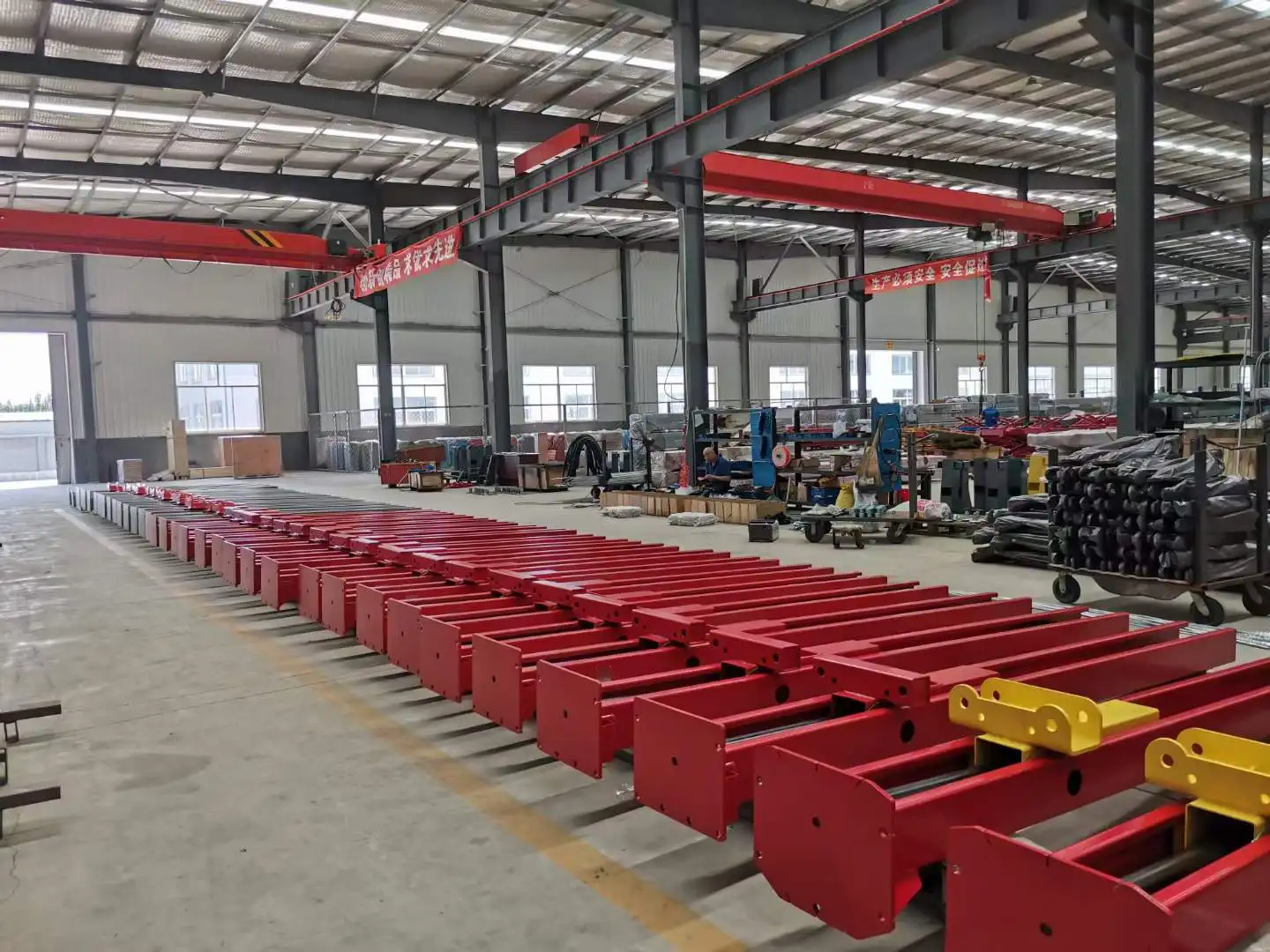
- Trading Company
- Jiansu, China
- Lead time7 days
- Avg. response≤ 10h
Main productsSpray booth,Tire Changer,Car lift,Wheel Balancer,Car Washinf Machine
Main marketsNorth America(20.00%), Mid East(15.00%), South America(15.00%), Northern Europe(10.00%), Africa(10.00%), Western Europe(10.00%), Eastern Europe(5.00%), South Asia(5.00%), Central America(5.00%), Southeast Asia(5.00%)

Hangzhou Kafan Machinery & Equipment Co., Ltd.
- Verified by TUVRHEINLAND
- Combined
- China Zhejiang
- Lead time30 days
- Avg. response≤ 7h
Main productsSandblasting Machine, Sand Blasting Machine, Automatic Sandblasting Machine, Automatic Sand Blasting Machine, Sandblasting Cabinet, Sand Blasting Cabinet, Automatic Sand Blasting Cabinet, Automatic Sandblasting Cabinet, Sandblasting Equipment, Wheel Shot Blasting Machine
Main marketsEurope,Australia

Taian Crystal Machinery Co., Ltd.
- Verified by BV
- Combined
- China Shandong
- Lead time30 days
- Avg. response≤ 3h
Main productsCNC Lathe, CNC Milling Machine, CNC Lathe Machine, Alloy Wheel Repair Lathe, CNC Lathe Price, CNC Machine for Alloy Wheels, Wheel Repair Machine, Pipe Threading Machine, Automatic CNC Lathe Machine, Small CNC Lathe
Main marketsSouth America,Africa,Southeast Asia/ Mideast,East Asia(Japan/ South Korea),Domestic,Europe,Australia,North America


Car Alloy Wheel Polisher Machine Vibration Aluminum Wheel Polish Machine Dzm900-PRO
$4300.00
MOQ: 1 Pieces
Hangzhou Kafan Machinery & Equipment Co., Ltd.
- Verified by TüVRheinland
- Manufacturer, Trading Company
- Lead time3 days
- Avg. response≤ 5h
Main productsSandblasting Machine, Metal Polishing Machine, Powder Coating Machine, Powder Spray Booth, Powder Curing Oven
Main marketsNorth America(18%), Southern Europe(13%), Southeast Asia(12%)
Dongguan Dongyuan Grinding Machinery Co., Ltd.
- Manufacturer
- Guangdong, China
- Lead time15 days
- Avg. response≤ 5h
Main productsfully auto finishing and polishing production line,Magetic polishing Machine,disc Polishing Machine,Vibratory polishing Machine,Centrifugal Finishing Machine
Main marketsDomestic Market(80.00%), Northern Europe(12.00%), Southeast Asia(8.00%), Eastern Asia(5.00%), South Asia(5.00%), Southern Europe(4.80%), Western Europe(3.90%), Central America(3.00%), South America(2.00%), North America(2.00%), Oceania(2.00%), Eastern Europe(1.50%), Africa(1.00%), Mid East(1.00%)
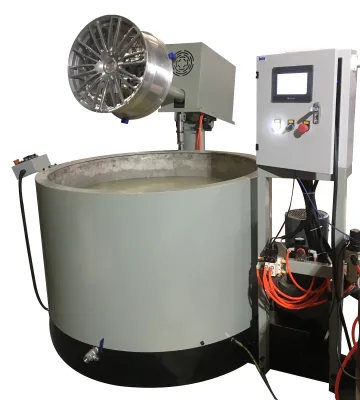
High Performance Wheel Vibratory Polishing Machines for Alloy Car Wheel Surface Treatment
$29995.00 - $30000.00
MOQ: 1 sets
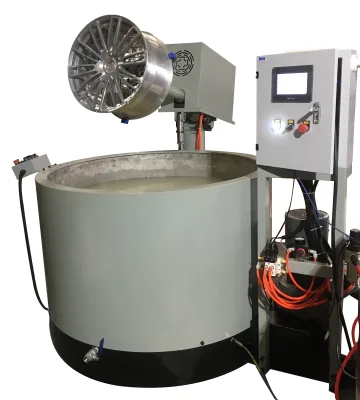
New Design Alloy Wheel Polishing Machine Volume Finishing Machine for Trunk Wheel
$29995.00 - $30000.00
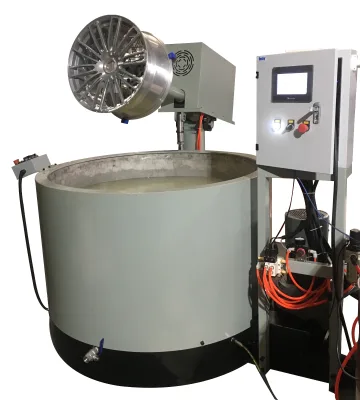
- Trading Company
- Sichuan, China
- Lead time10 days
- Avg. response≤ 4h
Main productschrome machine,rim diamond cutting machine,rim straightening machine,hydro dipping machine,electropolishing machine
Main marketsNorth America(25.00%), South Asia(15.00%), Domestic Market(10.00%), Africa(6.00%), Mid East(6.00%), Eastern Europe(5.00%), South America(5.00%), Western Europe(5.00%), Eastern Asia(5.00%), Southeast Asia(5.00%), Southern Europe(5.00%), Central America(3.00%), Oceania(3.00%), Northern Europe(2.00%)

- Combined
- China Jiangsu
- Lead time60 days
- Avg. response≤ 3h
Main productsWhirling Machine, Laser Hardening Machine, Polishing Machine, Broaching Machine
Main marketsSouth America,Others(foreignTradeCapacity.exportBusinessCapacityMarketOther),Southeast Asia/ Mideast,Domestic,Europe,North America

- Verified by TUVRHEINLAND
- Combined
- China Zhejiang
- Lead time30 days
- Avg. response≤ 7h
Main productsPower Tools, Jig Saw, Impact Drill, Angle Grinder, Corldess Drill, Electric Drill, Polisher, Heat Gun, Rotary Hammer, Cordless Drill
Main marketsSouth America,Southeast Asia/ Mideast,Europe


Professional Automatic Angle Polisher Electric Car Wax Polishing Machine Angle Polisher
$16.00 - $16.60
MOQ: 150 Pieces


WUXI JIEBO INSTRUMENT TECHNOLOGY CO., LTD.
- Verified by TUVRHEINLAND
- Combined
- China Jiangsu
- Lead time15 days
- Avg. response≤ 1h
Main productsOptical Emission Spectrometer, Infrared Carbon Sulfur Analyzer, Hardness Tester, Micro-Coulometric Synthesize Analyzer, Wireless Smelting Thermometer, Ultrasonic Flaw Detector/Universal Test Machine, Microscope/Grinding/Polishing Machince, Ceramic Crucible/Tungsten/Iron Flux, Standard Sample
Main marketsSoutheast Asia/ Mideast,Domestic


Metallographic Grinding Polishing Machine
MOQ: 1 Sets

Hangzhou Zonki New Materials Co., Ltd.
- Verified by BV
- Trading Company
- China Zhejiang
- Lead time30 days
- Avg. response≤ 3h
Main productsAir Freshener, Detergent, AC Cleaner, Carburetor Cleaner, Rust Remover & Lubricant, Brake & Parts Cleaner, Refrigerant Gas, PU Sealant, Spray Paint, Engine Degreaser
Main marketsNorth America
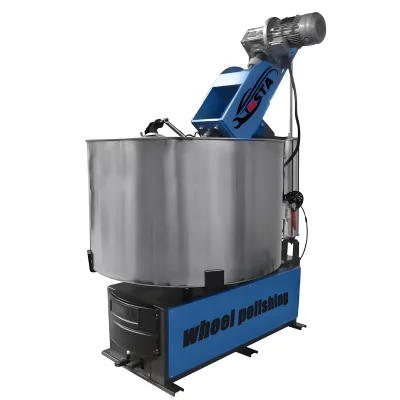
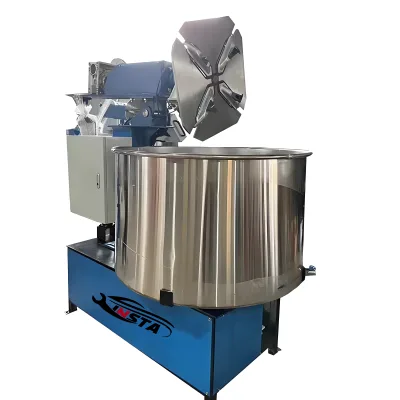


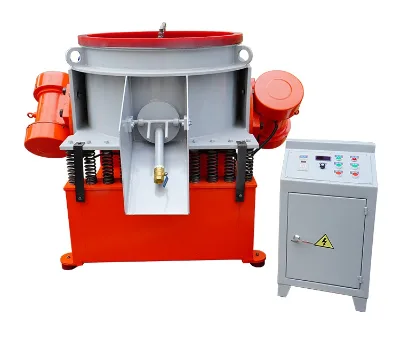
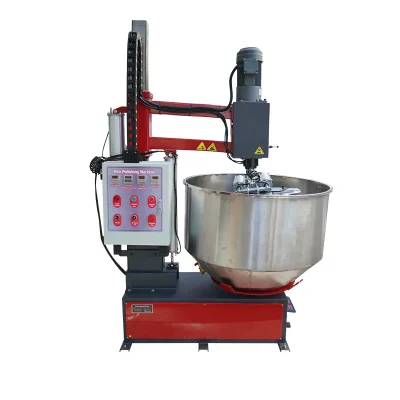
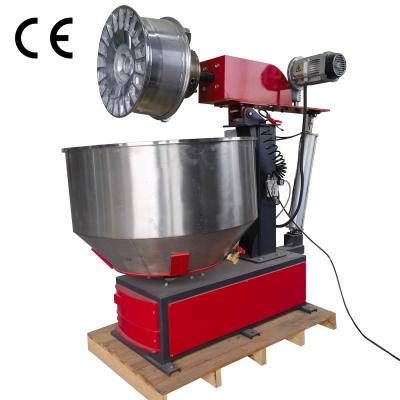
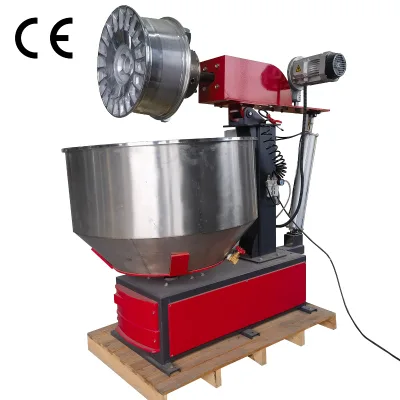


Comprehensive Sourcing Guide
Automatic Alloy Wheel Polisher Supplier Concentration and Factory Types
Current data indicates that manufacturers of automatic alloy wheel polishers are concentrated in specific Chinese provinces, with Zhejiang and Anhui emerging as primary hubs for this industrial machinery. Factories in these regions often list main products that include sandblasting equipment, vibratory polishing machines, and automatic wheel polishers, suggesting a specialized cluster for metal finishing solutions. When evaluating potential partners, buyers should verify if the supplier's stated location matches these known manufacturing zones, as proximity to these clusters often correlates with supply chain maturity and component availability. The presence of combined company types in these areas suggests a mix of direct manufacturing and trading capabilities, which can influence lead times and communication efficiency.
Buyers must distinguish between pure manufacturers and combined entities when assessing factory types, as this distinction impacts production control and customization flexibility. Evidence shows that some suppliers operate as manufacturers with ODM and OEM capacities, while others may function as trading companies with broader product ranges. It is critical to confirm the supplier's actual role through verification badges or direct inquiry, as a trading company might offer faster response times but less control over the production process. Understanding the factory type helps in predicting the supplier's ability to handle custom specifications, such as specific voltage requirements or unique polishing disc configurations, which are common in alloy wheel finishing applications.
How to Verify Automatic Alloy Wheel Polisher Suppliers
Verification of suppliers for automatic alloy wheel polishers relies heavily on third-party audit reports and platform-issued badges rather than self-declared claims. Current records show that some suppliers hold verification from recognized bodies like TÜV Rheinland or SGS, which provides a baseline of confidence regarding their business legitimacy and operational standards. Buyers should prioritize suppliers displaying these specific verification marks, as they indicate that an independent party has reviewed the company's credentials. However, the absence of a specific badge does not automatically disqualify a supplier; it simply means the buyer must request alternative proof of their operational history and financial stability before proceeding.
Beyond verification badges, buyers should scrutinize the supplier's response time and the depth of their product documentation to gauge reliability. Data indicates response times can vary significantly, with some suppliers responding within hours while others take longer, which affects the speed of the initial negotiation phase. A supplier with a rapid response time often demonstrates better customer service infrastructure, which is crucial for resolving technical queries about machine specifications like voltage, working size, or automation levels. Additionally, checking for detailed product attributes such as warranty periods, packaging details, and material specifications helps confirm that the supplier has genuine inventory and technical knowledge, rather than acting as a generic intermediary.
What to Compare Across Automatic Alloy Wheel Polisher Suppliers
When comparing suppliers, buyers should focus on tangible operational metrics such as lead time, minimum order quantity, and price ranges to ensure alignment with project requirements. Available data reveals that lead times for these machines can range from 15 to 30 working days, depending on the specific model and customization needs. Buyers must calculate how these timelines fit into their production schedules, as a shorter lead time might be essential for urgent orders, while a longer lead time could be acceptable for planned inventory replenishment. Comparing the minimum order quantity is equally important, as some suppliers may require a single unit while others might have higher thresholds, impacting the initial investment and risk exposure.
Price comparison should extend beyond the base unit cost to include total landed costs, considering factors like packaging and shipping requirements. Current listings show price variations for similar automatic alloy wheel polishers, with ranges reflecting differences in motor power, automation levels, and included features like PLC control systems. Buyers should analyze whether a lower price point correlates with reduced warranty periods or simpler packaging, such as wooden cases versus standard cartons, which affects protection during transit. Furthermore, comparing the supplier's main product focus helps identify specialists who might offer better technical support for specific machine models, ensuring that the purchased equipment meets the rigorous demands of alloy wheel finishing processes.
Common Automatic Alloy Wheel Polisher Sourcing Risks
One significant risk in sourcing automatic alloy wheel polishers is the potential mismatch between advertised specifications and actual machine performance, particularly regarding automation and control systems. Some product listings highlight features like PLC control and automatic operation, but buyers must verify if these systems are fully integrated or if they require additional configuration that delays deployment. The risk is compounded if the supplier lacks detailed technical documentation or if the machine's working style, such as shaking or vibrating, does not match the buyer's specific workflow requirements. This discrepancy can lead to operational inefficiencies and increased downtime, negating the benefits of automation.
Another critical risk involves the variability in warranty terms and after-sales support, which can differ widely between suppliers. While some listings specify a 12-month warranty on core components, others may offer limited coverage or exclude specific parts like motors and polishing discs. Buyers must clarify the scope of the warranty and the process for claiming repairs or replacements before finalizing an order. Additionally, the lack of standardized certifications across all suppliers poses a compliance risk, as some machines may carry CE or ISO marks while others do not, potentially affecting import regulations in the buyer's region. Understanding these risks allows buyers to negotiate better terms and mitigate potential disruptions in their supply chain.
Automatic Alloy Wheel Polisher Regional Sourcing and Logistics
Sourcing from regions like Zhejiang and Anhui in China offers logistical advantages due to established export infrastructure and proximity to major shipping ports. Factories in these areas are accustomed to handling international orders, often providing packaging details such as wooden cases to ensure safe transit of heavy machinery. Buyers should verify the specific export capabilities of the supplier, including their experience with global shipping and their ability to handle customs documentation efficiently. The regional concentration of suppliers also facilitates easier communication and potential site visits, which can be valuable for verifying production capacity and quality control measures before placing large orders.
Logistics planning must account for the specific dimensions and weight of the automatic alloy wheel polishers, as these factors influence shipping costs and container utilization. Product attributes often list machine sizes, such as 180016002150mm, which are critical for determining the number of units that can be shipped per container. Buyers should request detailed packing lists and dimensions from the supplier to optimize freight costs and ensure that the machinery fits within standard container constraints. Additionally, understanding the supplier's delivery date estimates, which can range from 10 to 15 working days for production, helps in planning the overall timeline from order placement to final delivery at the destination port.
Automatic Alloy Wheel Polisher Commercial Terms and Order Planning
Commercial terms for automatic alloy wheel polishers often include specific conditions regarding payment, delivery, and customization, which must be clearly defined to avoid disputes. Buyers should negotiate terms that align with their cash flow and risk tolerance, considering that some suppliers may require deposits before production begins. The availability of customization options, such as specific voltage requirements or unique polishing disc types, should be confirmed in writing to ensure that the final product meets the buyer's exact specifications. Clear communication regarding these terms is essential, as changes made after the order is placed can lead to delays and additional costs.
Order planning for these machines requires a strategic approach to inventory management and production scheduling, given the variability in lead times and production capacity. Buyers should assess the supplier's capacity to handle their order volume, especially if they plan to scale up production in the future. Understanding the supplier's main product focus and their ability to deliver consistent quality is crucial for long-term partnerships. Additionally, buyers should consider the total cost of ownership, including maintenance, spare parts availability, and energy consumption, to ensure that the investment in an Automatic Alloy Wheel Polisher delivers the expected return on investment over its operational lifespan.
FAQs
What is the price range for automatic alloy wheel polishers?
Prices typically range from $3,300 to $6,250 depending on the model and specifications. Basic sandblasting units start around $3,300, while advanced polishing machines can reach $6,250. Buyers should verify specific pricing for customized configurations or bulk orders to ensure accurate budgeting for their operations.
What is the typical lead time for delivery?
Manufacturers generally require 10 to 30 working days for production and delivery. Some suppliers offer a standard lead time of 15 working days, while others may need up to 30 days for complex orders. Buyers should confirm exact timelines with the supplier before placing an order.
What certifications are available for these machines?
Many automatic alloy wheel polishers come with CE certification, and some models include ISO certification as well. These certifications ensure compliance with international safety and quality standards. Buyers should request specific certification documents from the supplier to verify that the equipment meets their local regulatory requirements.
What is the minimum order quantity for these machines?
The minimum order quantity is typically one unit, allowing buyers to purchase single machines for testing or small-scale operations. This low MOQ makes it easier for businesses to acquire equipment without committing to large volumes. Buyers should confirm if bulk discounts apply for larger orders.
What is the warranty period for these machines?
Most automatic alloy wheel polishers come with a 12-month warranty covering core components and general machine functionality. This warranty provides buyers with peace of mind regarding the initial performance and reliability of the equipment. Buyers should clarify specific warranty terms and coverage details with the supplier.
Where are these machines typically manufactured?
These machines are primarily manufactured in China, with suppliers located in provinces such as Zhejiang and Anhui. Chinese manufacturers offer a wide range of options, from sandblasting to vibratory polishing machines. Buyers should verify the specific origin and manufacturing capabilities of the supplier to ensure quality standards.
What power sources do these machines use?
Automatic alloy wheel polishers typically use electricity as their primary power source, with voltages often customizable to 380V or 220V. This flexibility allows the machines to be used in various industrial settings with different electrical infrastructure. Buyers should specify their voltage requirements when ordering to ensure compatibility.