Stainless Steel Glass Metal Balusters Suppliers and Manufacturers
Discover 11 verified suppliers offering Stainless Steel Glass Metal Balusters with customizable sizes and CE certifications. Compare response times, lead times, and MOQs to find the right factory for your project needs today; review the available evidence before requesting comparable quotations from suitable candidates.
Suppliers List

Foshan Hanse Industrial Co., Ltd.
- Verified by CTI
- Manufacturer/Factory
- China Guangdong
- Lead time23 days
- Avg. response≤ 3h
Main productsAluminum Door, Aluminum Window, Glass Door, Glass Window, Casement Window, Sliding Door, Sliding Window, Aluminum Sunroom, Aluminium Pergola, Balustrades & Handrails
Main marketsSouth America,Eastern Europe,Mid East,North America,Southeast Asia,Eastern Asia,Oceania,Western Europe,Africa

Metal Decorative Stainless Steel Balusters Handrail Balcony Railing Design Glass Balustrade
$78.00 - $85.00
MOQ: 10 Square Meters

Staircase Stainless Steel Round Baluster Glass Railing Metal Balustrade Designs Glass Balustrades
$78.00 - $85.00
MOQ: 10 Square Meters


Outdoor Balcony Stainless Steel 316 Glass Balustrade Good Quality
$78.00 - $85.00
MOQ: 10 Square Meters

Shenzhen Ace Architectural Products Co., Limited
- Trading Company,Manufacturer/Factory
- China Guangdong
- Lead time23 days
- Avg. response≤ 10h
Main productsStaircase, Railing, Balustrade, Stainless Steel Balustrade, Stainless Steel Wire Balustrade, Stainless Steel Glass Balustrade, Glass Balustrade, Aluminum U Base Channel Glass Balustrade, Aluminum Balustrade, Aluminium Glass Balustrade
Main marketsSouth America,Eastern Europe,Mid East,North America,Southeast Asia,Eastern Asia,Oceania,Western Europe,Africa


Ace Modern Indoor Balusters Glass Stair Railing Glass Stainless Steel Banisters
$89.00 - $168.00
MOQ: 1 Meters


Durable Balcony Railing Glass Handrail Design Round Baluster Stainless Steel Balustrade
$85.00 - $147.00
MOQ: 1 Meters

Guangdong Zoyue Technology Co., Ltd.
- Verified by CTI
- Combined
- China Guangdong
- Lead time15 days
- Avg. response≤ 1h
Main marketsSoutheast Asia/ Mideast,Domestic,Australia,North America

Foshan Laishang Yuding Building Materials Co., Ltd
- Verified by SGS
- Combined
- China Guangdong
- Lead time15 days
- Avg. response≤ 1h
Main productsStainless Steel Decorative Lines, Stainless Steel Tile Finishing Strip, Stainless Steel Skirting Board, Stainless Steel T-Shaped Bar, Stainless Steel Grating, Stainless Steel Screen Partition, Stainless Steel Wine Cabinet
Main marketsDomestic


Simple Design Stair Railing Tempered Glass Handrail Stainless Steel Stair Baluster
$50.00 - $100.00
MOQ: 1 Pieces

QingDao Tome International Co., Ltd.
- Trading Company,Manufacturer/Factory
- China Shandong
- Lead time45 days
- Avg. response≤ 4h
Main productsHandrail, Balustrade, Railing, Rigging, Glass Standoff, Handrail Fittings, Stainless Steel Handrail, Inox Railing, Rigging Hardware, Inox Baluster
Main marketsSouth America,Eastern Europe,Mid East,North America,Southeast Asia,Eastern Asia,Oceania,Western Europe,Africa
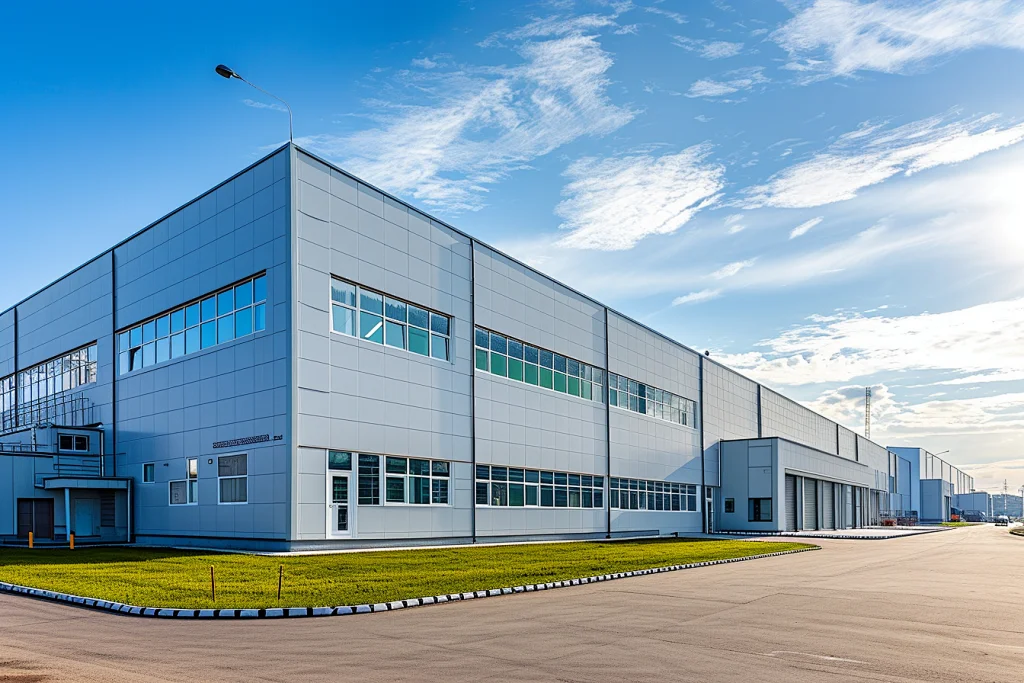
Taizhou Panyue Metal Products Co., Ltd.
- Manufacturer, Trading Company
- Jiangshu, China
- Lead time10 days
- Avg. response≤ 1h
Main productsRailing,Staircase column,Stair handrail,Glass clamp,Curtain wall accessories
Main marketsDomestic Market(35.0%), North America(5.0%), South Asia(5.0%), Southern Europe(5.0%), Northern Europe(5.0%), Central America(5.0%), Western Europe(5.0%), Eastern Asia(5.0%), Mid East(5.0%), Oceania(5.0%), Africa(5.0%), Southeast Asia(5.0%), Eastern Europe(5.0%), South America(5.0%)
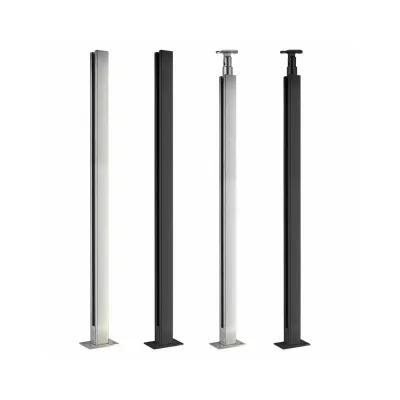
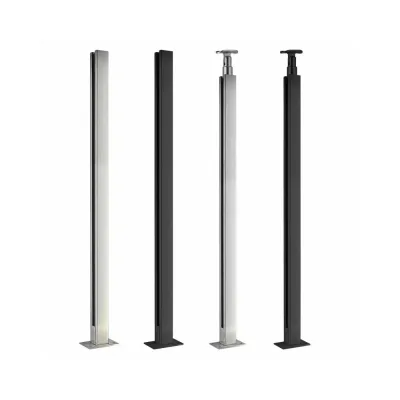
Customized Chinese Factory Balcony Glass Fence Stainless Steel square Baluster
$21.60 - $23.50
MOQ: 2 pieces
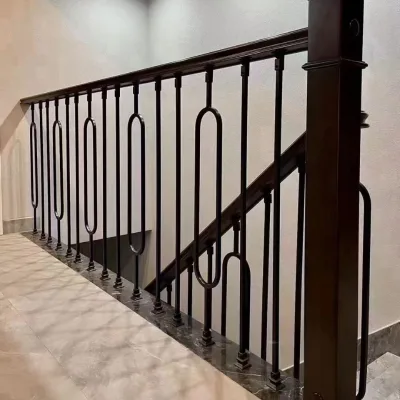
Metal Modern Stair Baluster With 28 Inch Oval for Indoor Decoration Staircase Railing
$22.10 - $24.05
MOQ: 2 pieces

Double Building Materials Co., Ltd.
- Verified by BV
- Combined
- China Guangdong
- Lead time30 days
- Avg. response≤ 6h
Main productsRailing, Staircase, Aluminum Window, Kitchen Cabinet, Bathroom Products, Vanity, Waredrobe, Railing Hardware, Building Materials, Wooden Door
Main marketsEast Asia(Japan/ South Korea),Europe,Australia,North America


Tempered Glass Baluster Railing for Stairs/304/316 Stainless Steel Baluster for Balcony/Deck
$40.00 - $45.00
MOQ: 50 Meters

Iron Balusters Elegant Balcony Durable Material Metal Stair Railing Wrought Iron Balustrades
$50.00 - $80.00
MOQ: 2 Meters

Ningbo Unikim Metal Products Co., Limited
- Trading Company,Manufacturer/Factory
- China Zhejiang
- Lead time30 days
- Avg. response≤ 11h
Main productsGlass Railing, Stainless Steel Railing, Stainless Steel Handrail, Stainless Steel Balustrade, Glass Railings, Aluminun System, Canopy System, Cable Railings, Stair Railings, Glass Balustrade
Main marketsSouth America,Eastern Europe,Mid East,North America,Southeast Asia,Eastern Asia,Oceania,Western Europe,Africa

Foshan Darnuo Hardware Products Co., Ltd.
- Verified by TUVRHEINLAND
- Combined
- China Guangdong
- Lead time45 days
- Avg. response≤ 1h
Main productsStaircase, Stainless Steel Slide, Balcony Railing, Aluminum/Copper Handrail, Staircase Accessories, Aluminum Safety Gate, Simple Staircase, Sun Room, Door Handle, Window
Main marketsDomestic

DINGGIN HARDWARE(DALIAN) CO., LTD.
- Trading Company
- China Liaoning
- Lead time30 days
- Avg. response≤ 3h
Main productsCast Iron Pipe, Ductile Iron Pipes, Cast Iron Fittings, Ductile Iron Fittings, Stainless Steel IBC, IBC Tote Tank, Iron Balusters, Tire Protection Chain
Main marketsSouth America,Africa,Southeast Asia/ Mideast,East Asia(Japan/ South Korea),Domestic,Europe,Australia,North America

Cangzhou Weijiang Metal Products Co., Ltd.
- Verified by TUVRHEINLAND
- Combined
- China Hebei
- Lead time15 days
- Avg. response≤ 4h
Main productsFence, Fence Ornament, Metal Stamping Products., OEM Metal Parts, Iron Art, House Connector
Main marketsEast Asia(Japan/ South Korea),Domestic,Europe,Australia,North America


Comprehensive Sourcing Guide
Stainless Steel Glass Metal Balusters Supplier Concentration and Factory Types
The current supplier landscape for Stainless Steel Glass Metal Balusters reveals a distinct concentration of manufacturing capabilities within specific industrial regions, with China Guangdong emerging as a primary hub for production. This geographic clustering suggests a mature supply chain ecosystem where raw material sourcing, specialized metalworking, and glass processing facilities operate in close proximity, potentially reducing logistical friction for bulk orders. Buyers evaluating these suppliers will encounter a mix of company types, ranging from pure manufacturing factories to combined entities that blend trading services with production oversight. Understanding this distinction is critical because factory-direct suppliers often offer more flexibility in customization and lower base costs, whereas trading companies may provide broader product assortments and consolidated shipping solutions. The presence of both types indicates a competitive market where buyers must carefully assess whether they prioritize direct factory engagement or the convenience of a single-point procurement interface.
Within this concentrated region, the operational models vary significantly in terms of research and development capacity and brand ownership. Some suppliers are identified as manufacturers with dedicated OEM and ODM capabilities, allowing them to produce custom designs based on buyer specifications without relying on third-party design firms. Others operate as combined entities that may also maintain their own brands, such as ACE ARCHI, which suggests a dual focus on private label production and branded product sales. This variation impacts the buyer’s ability to secure unique designs or proprietary finishes, as suppliers with strong ODM backgrounds are better equipped to handle complex structural requirements for balustrades. Additionally, the verification status of these entities, such as CTI verification, provides an additional layer of confidence regarding their operational legitimacy and quality control processes. Buyers should prioritize suppliers whose company type aligns with their specific needs for customization, volume, and brand integration to ensure a smooth sourcing experience.
How to Verify Stainless Steel Glass Metal Balusters Suppliers
Verifying the credibility and operational capacity of Stainless Steel Glass Metal Balusters suppliers requires a multi-layered approach that goes beyond basic company profiles. Buyers should prioritize suppliers who have undergone third-party verification processes, such as CTI verification, which confirms the existence and legitimacy of the business entity. This step is crucial for mitigating the risk of engaging with fraudulent or non-existent operations, particularly when dealing with international transactions. In addition to basic verification, examining the supplier’s system certifications is essential for ensuring compliance with international quality and safety standards. Certifications such as ISO 9001 indicate a structured quality management system, while others like BSCI and GMP suggest adherence to social responsibility and good manufacturing practices. These credentials serve as objective evidence of a supplier’s commitment to consistent product quality and ethical business operations, providing buyers with a reliable baseline for assessment.
Beyond certifications, buyers must scrutinize the specific product attributes and testing results associated with the balusters to ensure they meet project requirements. Product evidence often includes detailed specifications such as glass type, certification marks like CE, and material grades, which are critical for safety and durability. For instance, tempered glass and specific stainless steel grades like SS304 are common indicators of quality, but buyers should verify these claims against independent test reports or factory audit results. Response time is another practical metric for verification, as it reflects the supplier’s operational efficiency and customer service readiness. A supplier with a rapid response time, such as under three hours, is likely more engaged and capable of handling urgent inquiries or changes. By combining verification status, certification records, product specifications, and responsiveness, buyers can construct a comprehensive profile of each supplier’s reliability and suitability for their specific sourcing needs.
What to Compare Across Stainless Steel Glass Metal Balusters Suppliers
When evaluating multiple suppliers for Stainless Steel Glass Metal Balusters, buyers must systematically compare key operational metrics to identify the most suitable partner for their project. Lead time is a critical factor, as it directly impacts project scheduling and installation timelines. Suppliers may offer varying lead times, ranging from fifteen days to thirty days, depending on their current production capacity and order volume. Comparing these durations helps buyers assess which suppliers can meet their delivery deadlines without compromising quality. Additionally, the minimum order quantity (MOQ) is a significant consideration, as it influences the feasibility of small-scale or prototype orders. Some suppliers may have an MOQ of just one unit, catering to custom or small projects, while others may require larger quantities, such as one hundred units, which is more suitable for bulk commercial installations. Understanding these thresholds allows buyers to align their order size with supplier capabilities.
Price and customization options are also essential dimensions for comparison, as they affect the overall cost and design flexibility of the procurement. Prices for balusters can vary significantly, with some suppliers offering ranges from five to eighty-five dollars per unit, depending on the complexity and materials used. Buyers should compare these price points alongside the available customization services, such as OEM and ODM capabilities, to determine the value proposition of each supplier. Furthermore, the response time of the supplier can indicate their level of engagement and willingness to accommodate specific requests. A supplier with a faster response time may be more responsive to design changes or urgent queries, enhancing the overall sourcing experience. By systematically comparing lead times, MOQs, prices, and customization options, buyers can make informed decisions that balance cost, speed, and flexibility to meet their project requirements effectively.
Common Stainless Steel Glass Metal Balusters Sourcing Risks
Sourcing Stainless Steel Glass Metal Balusters involves several inherent risks that buyers must proactively manage to ensure project success. One significant risk is the variability in product quality, particularly regarding the glass and metal components. While suppliers may claim to use tempered glass or specific stainless steel grades, discrepancies can arise if quality control processes are not rigorously enforced. Buyers must be vigilant about verifying material specifications and requesting test reports to confirm that the products meet safety and durability standards. Another risk is the potential for delays in production and delivery, which can disrupt project timelines. Suppliers with longer lead times or those experiencing production bottlenecks may fail to meet critical deadlines, leading to costly delays in construction or installation. Understanding the supplier’s production capacity and historical performance can help mitigate this risk.
Communication and service reliability are also common sources of risk in international sourcing. Suppliers with slower response times may struggle to address urgent inquiries or resolve issues promptly, leading to misunderstandings or unresolved problems. Additionally, the complexity of custom designs can introduce risks related to fit and finish, especially if the supplier lacks robust OEM or ODM capabilities. Buyers must ensure that the supplier has the technical expertise to handle custom dimensions and finishes without compromising structural integrity. Packaging and logistics are another area of concern, as improper packaging can lead to damage during transit. Suppliers should use appropriate packaging methods, such as plywood cases or bubble film, to protect fragile glass components. By identifying and addressing these risks through thorough due diligence and clear communication, buyers can minimize disruptions and ensure a smooth sourcing process.
Stainless Steel Glass Metal Balusters Regional Sourcing and Logistics
Regional sourcing plays a pivotal role in the logistics and cost structure of Stainless Steel Glass Metal Balusters procurement. Suppliers concentrated in specific manufacturing hubs, such as China Guangdong, benefit from established supply chains and infrastructure that facilitate efficient production and shipping. This geographic concentration allows for easier coordination of raw material sourcing, manufacturing, and quality control, potentially reducing lead times and costs. Buyers leveraging these regional advantages can access a wide range of suppliers with diverse capabilities, from basic standard products to highly customized designs. However, buyers must also consider the logistical implications of sourcing from these regions, including shipping distances, customs procedures, and import regulations. Understanding these factors is essential for accurate cost estimation and timeline planning.
Logistics planning must account for the specific packaging requirements of balusters, which often include fragile glass components and heavy metal parts. Suppliers typically use robust packaging methods, such as plywood cases or woven bags, to protect products during transit. Buyers should verify these packaging standards to ensure that items arrive undamaged and ready for installation. Additionally, the origin of the products, such as Guangdong, China, may influence shipping routes and transit times. Buyers should work closely with their suppliers to optimize shipping methods, whether by sea or air, based on the urgency and volume of the order. By aligning regional sourcing strategies with efficient logistics planning, buyers can minimize transit risks and ensure timely delivery of high-quality balusters to their project sites.
Stainless Steel Glass Metal Balusters Commercial Terms and Order Planning
Effective commercial terms and order planning are essential for successful procurement of Stainless Steel Glass Metal Balusters. Buyers must carefully negotiate payment terms, delivery schedules, and warranty conditions to protect their interests and ensure project continuity. Suppliers may offer various warranty periods, such as three years, which provides assurance against defects and enhances buyer confidence. Understanding these terms is crucial for risk management and long-term maintenance planning. Additionally, buyers should clarify the customization process and associated costs, as custom designs may incur additional fees or require longer lead times. Clear communication regarding design specifications, material grades, and finish options is vital to avoid misunderstandings and ensure that the final products meet project requirements.
Order planning should also consider the scalability of the supplier’s production capacity and their ability to handle large volumes. Suppliers with OEM and ODM capabilities are better positioned to accommodate bulk orders and custom requests, but buyers must verify their capacity to meet demand without compromising quality. Establishing a clear timeline for design approval, production, and delivery is essential for coordinating with other project stakeholders. Buyers should also plan for potential contingencies, such as delays or quality issues, by maintaining open communication with suppliers and having backup options in place. By integrating commercial terms with strategic order planning, buyers can streamline the procurement process, reduce risks, and ensure the timely delivery of high-quality Stainless Steel Glass Metal Balusters for their projects.
FAQs
What is the typical lead time for stainless steel glass balusters?
Lead times vary by supplier, with observed ranges from 15 to 30 days for production. Some manufacturers offer faster turnaround of 23 days, while others require up to 30 days for customized orders. Buyers should confirm specific delivery schedules before placing orders.
What certifications do these balustrades typically hold?
Products often carry CE and ISO 9001 certifications to ensure quality and safety standards. Some listings also mention GMP or BSCI compliance for broader system verification. Buyers must verify specific certificates for each product model to ensure regulatory compliance in their target markets.
What is the minimum order quantity for these items?
Minimum order quantities differ significantly, ranging from 1 unit for some suppliers to 100 units for others. Standard listings often require 10 units as a baseline. Buyers should check individual product pages to confirm the specific MOQ applicable to their desired design and customization needs.
Where are these stainless steel balusters manufactured?
Most suppliers are located in Guangdong, China, which is a major hub for metal and glass fabrication. Products originate from this region, ensuring access to established supply chains. Buyers should verify the specific origin listed on product details to confirm manufacturing location.
What glass types are used in these balustrades?
Tempered glass is the standard material, with thicknesses typically ranging from 10mm to 19mm. Laminated glass options are also available for enhanced safety. Some suppliers offer clear, frosted, or tinted glass colors to match specific architectural designs and aesthetic requirements.
Are customization options available for these balusters?
Yes, customization is widely available for size, color, and design specifications. Many suppliers offer OEM and ODM services to create unique railing systems. Buyers can request tailored dimensions and finishes, though this may impact lead times and pricing depending on the complexity of the request.
What is the price range for stainless steel glass balusters?
Prices vary based on material and design, ranging from 5 to 168 units of currency per unit. Lower-cost items often start around 5 to 10 units, while premium custom designs can reach higher price points. Buyers should compare specific product listings to determine accurate costs for their project.