Translucent Backlit Onyx Stone Tiles Suppliers and Manufacturers
Compare 22 verified suppliers offering Translucent Backlit Onyx Stone Tiles with data on location, lead times, response times, and certifications. Review product specifications like slab sizes and surface finishes to select the right vendor for your project needs; review the available evidence before requesting comparable quotations from suitable candidates.
Suppliers List
Shenzhen Chiva Industry Co., Ltd.
- Trading Company, Distributor/Wholesaler
- Guangdong, China
- Lead time15 days
- Avg. response≤ 4h
Main productsgranite,marble,natural stone,slate,travertine
Main marketsMid East(25.00%), Africa(25.00%), Eastern Asia(15.00%), North America(10.00%), South Asia(5.00%), Southern Europe(5.00%), Western Europe(5.00%), Eastern Europe(5.00%), South America(5.00%)

- Verified by BV
- Trading Company,Manufacturer/Factory
- China Fujian
- Lead time23 days
- Avg. response≤ 9h
Main productsQuartz, Sintered Stone, Nano Crystallized Glass, Artificial Marble Stone, Terazzo, Marble Tile & Slab, Granite Tile & Slab, Slate & Basalt & Pebble Stone, Sandstone & Limestone& Travertine, Countertop&Vanitytop
Main marketsSouth America,Eastern Europe,Mid East,North America,Southeast Asia,Eastern Asia,Oceania,Western Europe,Africa

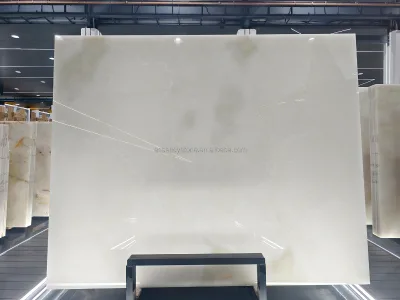
Luxury Stone Onyx Tile Marble Slab Backlit Onyx Stone Translucent Marble
$60.00 - $100.00
MOQ: 100 Square Meters

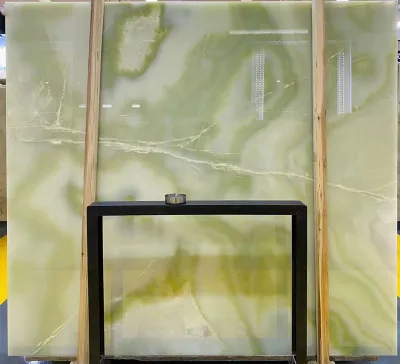
Natural Stone Green Onyx Stone Tile for Background Wall Home Decoration
$80.00 - $450.00
MOQ: 100 Pieces

High Quality Wall Tiletransparent Artificial Onyx for Interior Decoration Slab
$100.00 - $1000.00
MOQ: 1 Pieces


Shenzhen Chiva Industry Co., Ltd.
- Verified by TUVRHEINLAND
- Trading Company
- China Guangdong
- Lead time15 days
- Avg. response≤ 5h
Main productsGranite, Marble, Cheap White Marble, Cheap Grey Beige Granite, Basalt, Travertine, Paver Tile, Slab, Fireplace, Bluestone
Main marketsAfrica,Southeast Asia/ Mideast,Europe

Marble Slabs Interior/Design Backlit Translucent Staircase Onyx Stone Floor/Wall Tiles
$88.00 - $98.00
MOQ: 500 Square Meters

Translucent White Marble Onyx Stone Backlit Panel Background Wall Tile
$98.00 - $168.00
MOQ: 100 Square Meters

Natural Stone Ivory/White Big Marble/Slabs Jade/Onyx Translucent Back-Lit/Backlit Wall Tiles
$90.00 - $100.00
MOQ: 100 Square Meters


$43.00 - $70.00
MOQ: 500 Square Meters

Translucent/Backlit Green Onyx/Jade Background Interior Decoration Slab Wall/Floor/Stairs Tiles
$100.00 - $300.00
MOQ: 50 Square Meters

XIAMEN KA UNITED IMP. & EXP. CO., LTD.
- Trading Company,Manufacturer/Factory
- China Fujian
- Lead time30 days
- Avg. response≤ 12h
Main productsCabinets, Counterttop&Vanity, Marble, Quartz, Granite, Quartzite, Tiles, Paving Stone, Mosaic, Carving Stone
Main marketsEastern Europe,North America,Western Europe


Polished and Translucent Light Green Onyx Marble Floor and Wall Tiles
$68.00 - $75.00
MOQ: 100 Square Meters


Iranian Blue Onyx Marble Tiles Translucent for Wall and Floor
$100.00 - $200.00
MOQ: 100 Square Meters

Newstar (Quanzhou) Industrial Co., Ltd.
- Verified by BV
- Manufacturer/Factory
- China Fujian
- Lead time15 days
- Avg. response≤ 4h
Main productsStone Products, Marble, Quartz, Onyx, Granite, Travertine, Slate & Quartzite, Sandstone, Benyeequartz, Glass Stone Surface
Main marketsSouth America,Eastern Europe,Mid East,North America,Southeast Asia,Eastern Asia,Oceania,Western Europe,Africa

Natural Floor Wall Marble Traslucent Backlit White Onyx Stone Tile
$39.00 - $59.00
MOQ: 100 Square Feet

$139.00 - $250.00
MOQ: 10 Square Meters

Natural Stoen Flooring Tile Green Marble Onyx Translucent Onyx Slab
$39.00 - $99.00
MOQ: 1 Square Meters

Newstar Light Green Jade Stone Marble Onyx Mosaic Bathroom Wall Tile
$5.99 - $7.99
MOQ: 1000 Square Feet

Curve Fluted Marble Tiles Stone Background Wall Mosaic Fluted Tile Fluted Wall Tiles
$199.00 - $259.00
MOQ: 100 Square Meters

Living Room Background Fluted Wall Tiles Panel Bathroom Mosaic Fluted Tile Marble Fluted Tiles
$199.00 - $259.00
MOQ: 100 Square Meters
Xiamen Essency Import And Export Co., Ltd.
- Verified by SGS Group
- Trading Company
- Lead time30 days
- Avg. response≤ 7h
Main productsCountertop and Vanity Top, Travertine Table and Tile, Quartzite Slab and Tile, Marble Slab and Tile, Granite Tile and Paver
Main marketsNorth America(50%), Western Europe(30%), Mid East(20%)
Xiamen Eastwood Industry Co., Ltd.
- Verified by SGS Group
- Manufacturer, Trading Company
- Lead time30 days
- Avg. response≤ 3h
Main productsGranite Paver, Marble Slab, Slate Stone Veneer, Limestone Tile, Sandstone Tile
Main marketsNorth America(82%), Oceania(5%), Mid East(3%)
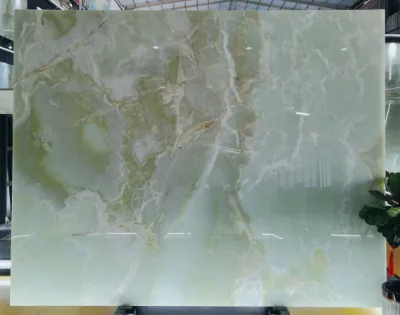
$139.59 - $263.67
MOQ: 20 Minimum
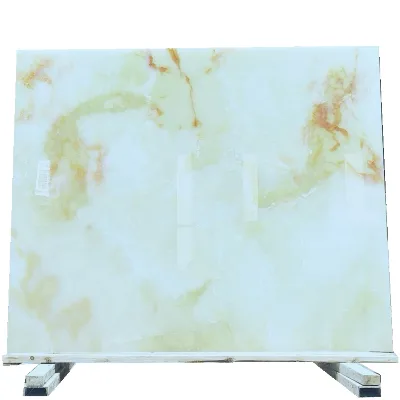
White Color Onyx Transparent Nature White Onyx Stone Tiles for Wall Background and Kitchen
$112.49 - $306.79
MOQ: 10 Minimum
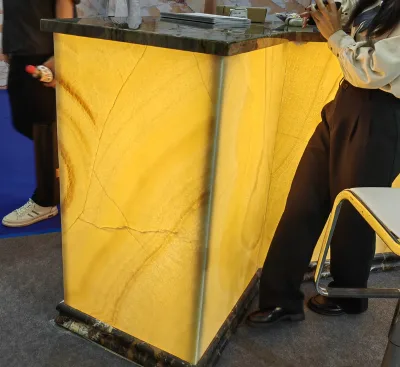
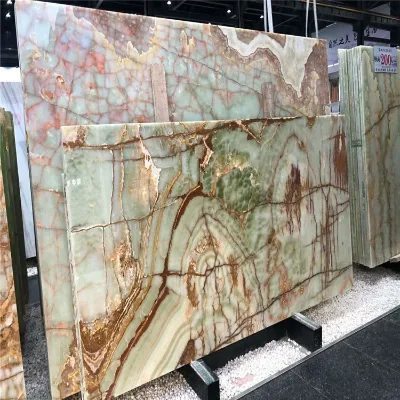
Xiamen Siming District Jiehui Changrong Building Materials Business Department
- Manufacturer, Trading Company, Business Service (Transportation, finance, travel, Ads, etc)
- Fujian, China
- Lead time7 days
- Avg. response≤ 7h
Main productsMarble carving,rtificial rose,Granite,Cultural stone,Real estate building materials and supplies
Main marketsNorth America(50.00%), South America(20.00%), Southern Europe(10.00%), Western Europe(10.00%), Eastern Europe(10.00%)
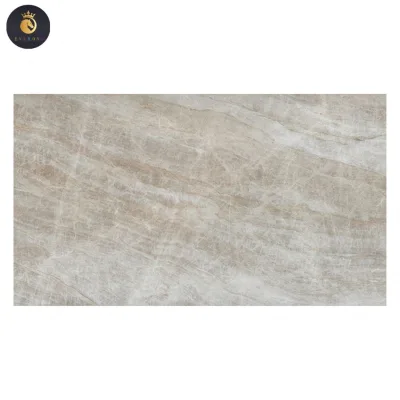
$49.99 - $498.90
MOQ: 100 pieces
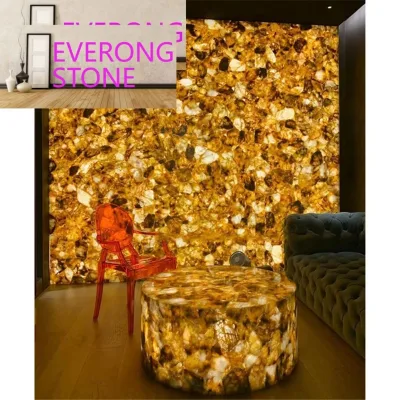
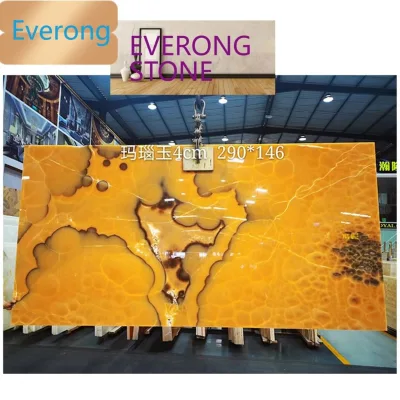
$80.00 - $150.00
MOQ: 10 pieces
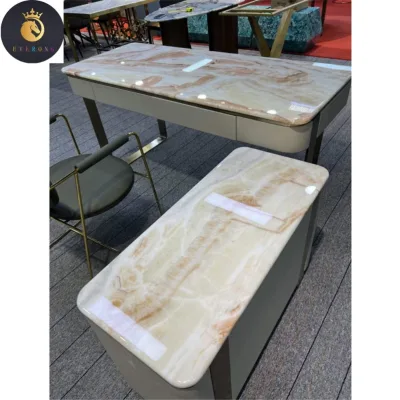
$70.00 - $150.00
MOQ: 50 Minimum
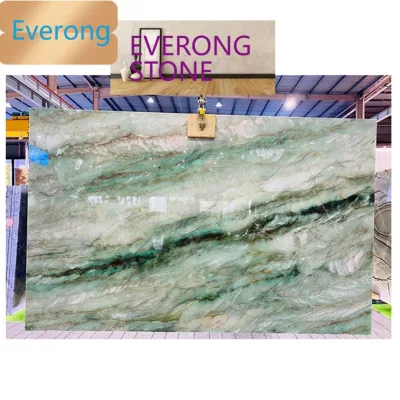
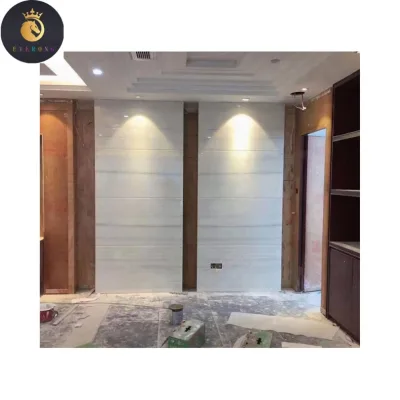
Athens White Marble Wall Panel White Onyx Wall Tiles
$51.10 - $153.29

Quanzhou Allonly Stone Co., Ltd.
- Verified by SGS
- Trading Company
- China Fujian
- Lead time23 days
- Avg. response≤ 5h
Main productsGranite/Marble Kitchen and Bathroom Countertop, Marble Furniture Coffee Table Dining Table, Side Table Console Table Marble Travertine, Quartz/Solid Surface, Granite Marble Slab Floor Wall Tile, Marble Mosaic Medallion Waterjet Fireplace, Granite Cobblestone Pavingstone, Pebble Landscape Stone, Column Baluster Stair, Lava Stone/Culture Stone
Main marketsSoutheast Asia/ Mideast,Europe,Australia,North America

Backlit Translucent Stone Design White Onyx for Floor and Wall Deisgn
$155.00 - $250.00
MOQ: 5 Square Meters

Large Format Translucent Jade Stone Onyx Tile Bathroom for Floor and Wall
$155.00 - $250.00
MOQ: 5 Square Meters
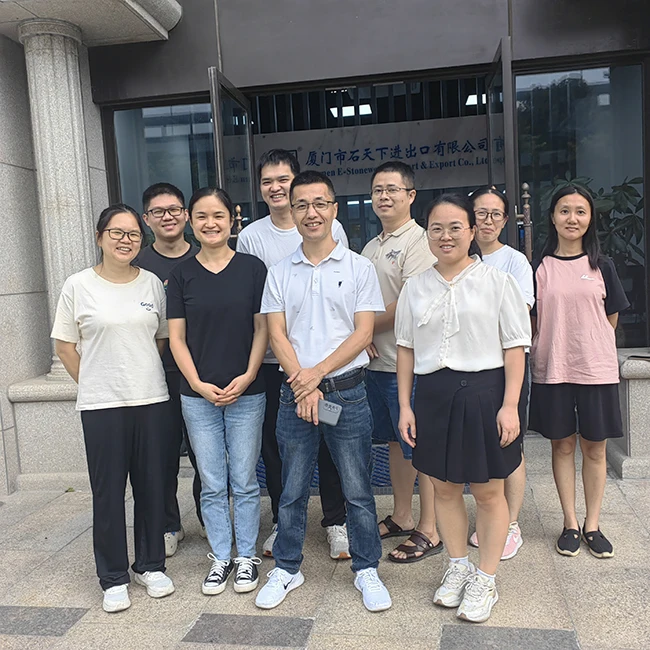
Xiamen E-Stone World Import & Export Co., Ltd.
- Manufacturer, Trading Company, Buying Office, Agent, Other
- Fujian, China
- Lead time7 days
- Avg. response≤ 2h
Main productsStone Tombstone,Stone Craft,Stone Furniture,Stone Mosaic,Marble Stone
Main marketsNorth America(80.00%), Western Europe(11.00%), South Asia(5.00%), Southeast Asia(4.00%)

Quanzhou Tianyuan Stone Co., Ltd.
- Verified by BV
- Trading Company
- China Fujian
- Lead time15 days
- Avg. response≤ 3h
Main productsGranite Marble Tile and Slab, Countertop Vanity Table, Slate Sandstone Pebble Travertine, Pillar Column Fountain, Waterjet Medallion Mosaic Tile, Cobblestone Kerbstone Paving, Sculpture Statue, Construction Landscape Stone, Fireplace Bathtub, Floor and Wall Stone
Main marketsSouth America,Southeast Asia/ Mideast,Europe,North America

Natural Stone Crystal White Onyx Big Marble/Slabs Jade/Onyx Wall Tiles
$150.00 - $200.00
MOQ: 10 Square Meters


Natural Green Onyx for Transparent Tile/Background/Wall Tiles/Flooring Tiles
$90.00 - $200.00
MOQ: 50 Square Meters

$124.85 - $245.90
MOQ: 10 Square Meters
Linyi Aowei International Trade Co., Ltd.
- Verified by BV
- Trading Company
- China Shandong
- Lead time23 days
- Avg. response≤ 4h
Main marketsSouth America,Africa,Southeast Asia/ Mideast,Europe,North America


Durable Flexible Soft Ceramic Tile with Real Stone Texture and Natural Look
$6.68 - $6.75
MOQ: 100 Piece


Xiamen Ocean G Stone Co., Ltd.
- Verified by TUVRHEINLAND
- Trading Company,Manufacturer/Factory
- China Fujian
- Lead time23 days
- Avg. response≤ 4h
Main productsCountertop, Granite, Marble, Granite Tiles, Granite Slabs, Marble Slabs, Marble Tiles, Quartz Slabs, Quartz Countertops
Main marketsSouth America,Eastern Europe,Mid East,North America,Southeast Asia,Eastern Asia,Oceania,Western Europe,Africa

Natural Stones Agate Jade Red Yellow Onyx Tiles for Interior Floor Wall
$20.00 - $100.00
MOQ: 50 Square Meters

$250.00 - $500.00
MOQ: 20 Square Meters

Natural Stone Customized polished pink onyx tiles for interior/indoor floor/wall/ceiling decoration
$100.00 - $200.00
MOQ: 20 Square Meters

XIAMEN SINO TOPSTONE IMP & EXP TRADE CO., LTD.
- Verified by TUVRHEINLAND
- Trading Company
- China Fujian
- Lead time15 days
- Avg. response≤ 5h
Main productsMarble Crafts, Marble Furniture, Marble Slabs, Granite Tile, Countertop, Landscaping Stones, Marble Sink & Bathtub, Marble Mosaic, Waterjet and Medallions, Tombstone
Main marketsEurope

Natural White Agate Backlit Slabs Translucent Semiprecious Stone Tiles for Luxury Decor
$530.00 - $1000.00
MOQ: 100 Square Meters

Luxurious Light Green Onyx Tiles and Slabs for Elegant Design Projects
$150.00 - $300.00
MOQ: 50 Square Meters


China Arts Building Material Group Co.,Limited
- Trading Company,Manufacturer/Factory
- China Fujian
- Lead time23 days
- Avg. response≤ 2h
Main productsStone/ Granite/ Marble, Kitchen Countertop and Vanity Tops, Slab and Tiles, Quartz and Artificial Stone, Composite Products, Mosaic and Medallion, Sink Basin Sculpture and Tomb, Sand Stone, Crafts and Arts, Paving Stone
Main marketsEastern Europe,Mid East,North America,Southeast Asia,Western Europe

Shenzhen Eshine Technology Co., Ltd
- Verified by SGS
- Manufacturer/Factory
- China Guangdong
- Lead time15 days
- Avg. response≤ 2h
Main productsSolid Surface Sheets, Quartz Stone, Bathtub & Wash Basin, Kitchen Countertops, Bathroom Vanity Tops, Benchtops, Tables, Wash Sink, Building Materials, Corian Furniture
Main marketsSouth America,Eastern Europe,Mid East,North America,Southeast Asia,Eastern Asia,Oceania,Western Europe,Africa

Foshan Genbersin New Materials Co., Ltd.
- Trading Company
- China Guangdong
- Lead time0 days
- Avg. response≤ 11h
Main productsWPC Flooring, Ceramic Tiles, WPC Wall Panel, WPC Wall Cladding, WPC DIY Floor, WPC Decking, WPC Fence, WPC Gate, WPC Squre Tube, Rustic Tiles

FOSHAN YUHIN IMPORT&EXPORT Co., Ltd
- Trading Company
- China Guangdong
- Lead time30 days
- Avg. response≤ 21h
Main productsfloor tile
Main marketsSoutheast Asia/ Mideast,Europe

Dezhou Jiucheng Industry Tech Co.,Ltd
- Verified by SGS
- Trading Company
- China Shandong
- Lead time15 days
- Avg. response≤ 7h
Main productsCeramic Tiles, Porcelain Tiles, Plastic Sheet
Main marketsSoutheast Asia/ Mideast

600X600mm Brown Black Onyx Look Porcelain Tile for Elegant Floor and Wall
$3.99 - $4.99
MOQ: 500 Square Meters

600X600mm Polished Yellow White Ceramic Tile with Crystal Veins for Opulent Interiors
$3.99 - $4.99
MOQ: 500 Square Meters

- Verified by BV
- Trading Company
- China Shandong
- Lead time30 days
- Avg. response≤ 3h
Main productsFilm Faced Plywood, OSB, Plywood, MDF, Birch Plywood, Bintangor, Okoume, Particle Board, Marine Plywood, Shuttering Plywood
Main marketsAfrica,Southeast Asia/ Mideast,Europe,Australia

Jiangxi WIFi Ceramics Co., Ltd.
- Manufacturer/Factory
- China Guangdong
- Lead time23 days
- Avg. response≤ 5h
Main productsTiles, Porcelain Tiles, Glazed Polished Tiles, Rustic Tiles, Floor Tiles, White Marble Tiles, Mosaic Tiles, Glazed Tiles, Ceramic Tiles, Porcelain Tiles for Floor and Wall
Main marketsSouth America,Eastern Europe,Mid East,North America,Southeast Asia,Eastern Asia,Oceania,Western Europe,Africa


$27.75 - $28.05
MOQ: 10 Square Meters
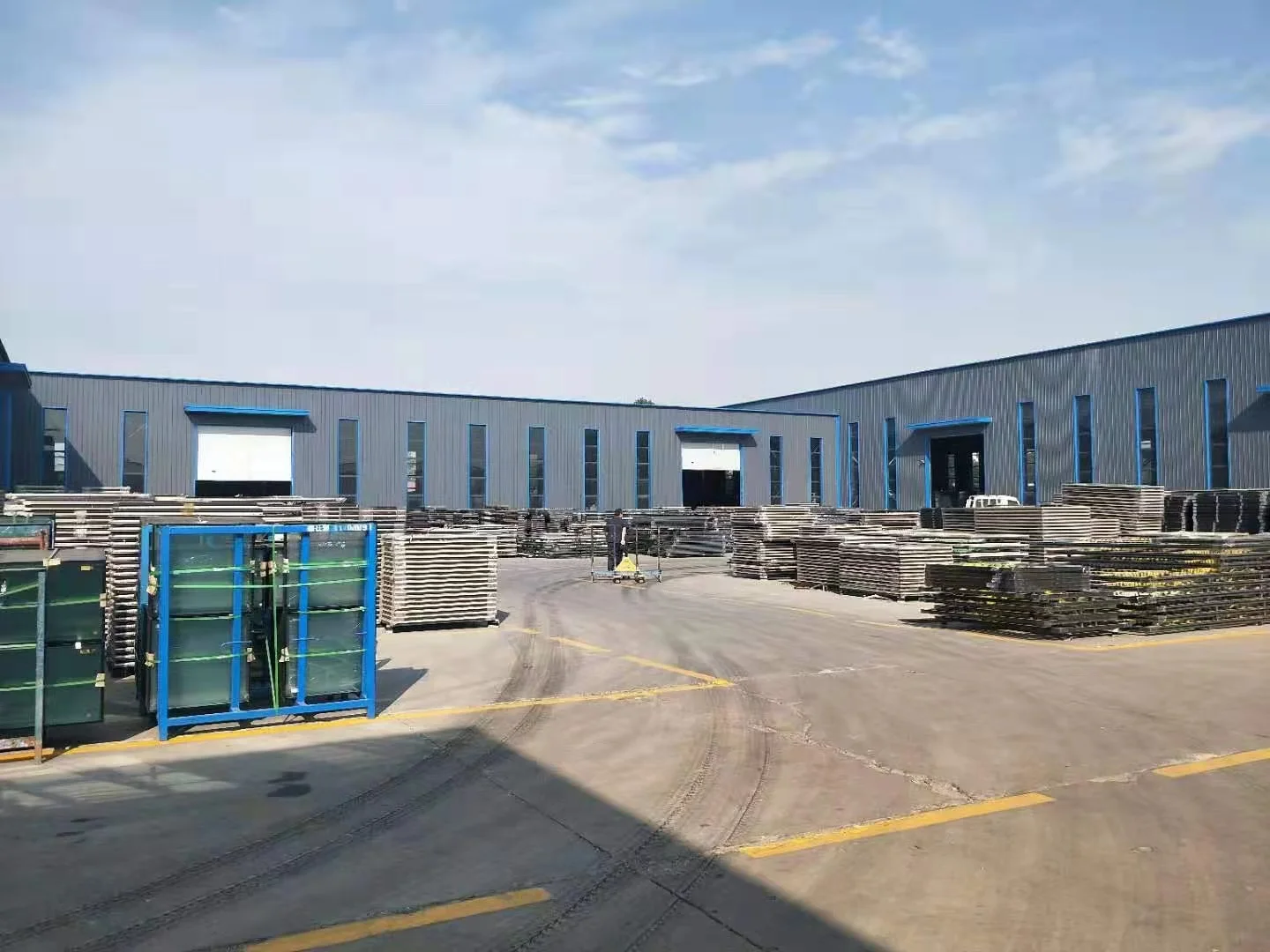
Foshan Caria Home Decor Co., Ltd.
- Manufacturer, Trading Company
- Guangdong, China
- Lead time7 days
- Avg. response≤ 5h
Main productsTile,Stone,Mosaic,Furniture,Wall Panel
Main marketsSoutheast Asia(30.00%), Africa(30.00%), Oceania(10.00%), Southern Europe(5.00%), Northern Europe(5.00%), Western Europe(5.00%), Mid East(5.00%), Eastern Europe(5.00%), North America(5.00%)
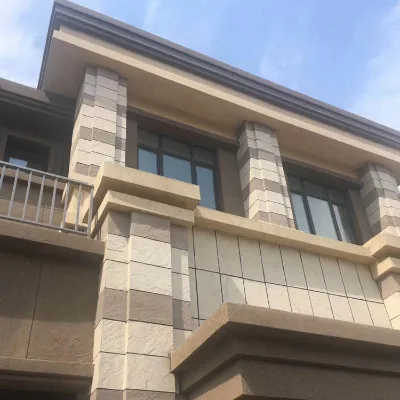
Faux Stone Thin Marble Texture Tile Highly Flexible
$8.00 - $8.80
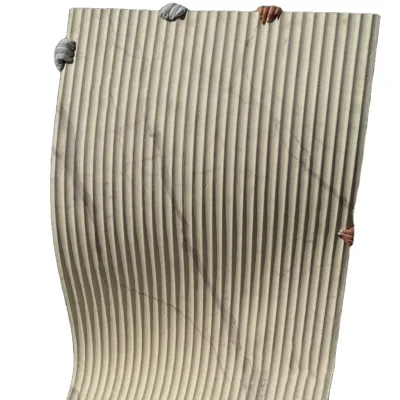
Stone Tiles for Exterior and Interior Wall Slate
$8.85 - $9.85
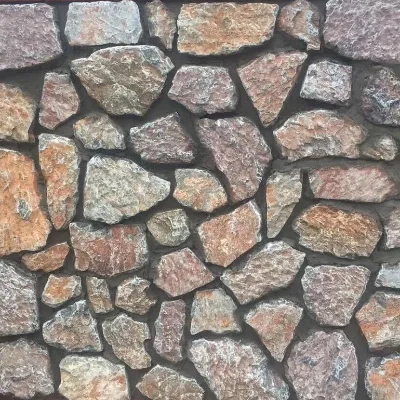
Building Stone Wall Tiles Rock Stone
Contact supplier


Comprehensive Sourcing Guide
Translucent Backlit Onyx Stone Tiles Supplier Concentration and Factory Types
The available data indicates that suppliers for Translucent Backlit Onyx Stone Tiles are concentrated in specific regions of China, with Guangdong and Fujian emerging as key manufacturing hubs. Fact records show a distinct cluster in Guangdong, where companies list natural stone, granite, and marble as primary products alongside onyx. Another significant group operates out of Fujian, where the main product list includes quartz, sintered stone, and artificial marble stone, suggesting a diverse capability in both natural and engineered stone solutions. Buyers should prioritize verifying the specific factory location against the product origin stated in the listing, as the distinction between a trading company and a manufacturer often correlates with these geographic clusters.
Company types in this sector vary between trading companies and manufacturers, with some entities holding dual roles as distributors or wholesalers. Evidence shows that certain suppliers in the results are classified as trading companies, while others are identified as manufacturers or factories with their own brands. This distinction is critical because a manufacturer may offer more control over the polishing degree and slab size, whereas a trading company might provide a broader range of stone types like travertine or slate. Buyers must confirm whether the supplier is the actual producer or an intermediary by checking for specific manufacturing capabilities such as OEM or ODM services, which are explicitly mentioned in some supplier profiles but absent in others.
How to Verify Translucent Backlit Onyx Stone Tiles Suppliers
Verification of suppliers requires a rigorous check of their stated credentials and physical location data. The provided facts highlight that some suppliers hold ISO 9001 and ISO 14001 certifications, which are essential for quality management and environmental compliance in stone processing. Additionally, verification badges such as BV are present in the data, serving as a third-party confirmation of the supplier's business legitimacy. Buyers should not rely solely on the presence of these badges but must cross-reference them with the supplier's claimed location, ensuring that the factory address matches the region where the stone is quarried or processed, such as the confirmed Guangdong or Fujian origins.
Response times and delivery capabilities also serve as practical verification metrics for supplier reliability. The data indicates response times ranging from four hours to nearly nine hours, which can signal the efficiency of the sales team and the operational readiness of the factory. A supplier claiming a lead time of fifteen days versus one stating twenty-three days offers different insights into their production capacity and inventory management. Buyers should request proof of these metrics, such as recent shipment records or video calls from the factory floor, to ensure that the stated response time and lead time are consistent with actual operations rather than generic marketing claims.
What to Compare Across Translucent Backlit Onyx Stone Tiles Suppliers
When evaluating multiple suppliers, the primary comparison points should include lead times, minimum order quantities, and specific product attributes like slab dimensions and finishing. The observed data shows lead times varying significantly, with some suppliers offering fifteen days while others require up to twenty-three days or even forty days for delivery. Minimum order quantities also differ, with some listings specifying an MOQ of one hundred units, while others may accept mixed orders or single items. Buyers must align these constraints with their project timeline and budget, ensuring that the supplier can meet the specific volume requirements without compromising on the quality of the translucent onyx stone.
Product specifications such as stone form, thickness, and surface finishing are critical differentiators in this category. The facts reveal that suppliers offer various stone forms, including big slabs and cut-to-size options, with thicknesses ranging from 1.8 centimeters to 3 centimeters. Surface finishing options like polished, honed, and sand-blasted treatments are available, and the polished degree is sometimes specified as above 85 or 90 degrees. Buyers should compare these technical details to ensure the selected supplier can provide the exact translucency and texture required for backlit applications, as variations in density and marble type, such as dolomite versus calcite, can significantly affect the final aesthetic and performance of the installed tiles.
Common Translucent Backlit Onyx Stone Tiles Sourcing Risks
One significant risk in sourcing translucent onyx involves the inconsistency of natural stone properties, which can lead to variations in color and translucency across different batches. The product evidence lists colors such as white, blue, yellow, and green, but natural stone is inherently variable, and a "Grade A" designation does not guarantee uniformity in every slab. Buyers must be aware that the "European Quality" or "European Market" standards mentioned in some listings are self-declared and require independent verification. Without strict quality control protocols, such as the mentioned process where experienced QC checks all products before packing, there is a risk of receiving slabs that do not meet the desired aesthetic or structural requirements for backlit installations.
Another risk pertains to the accuracy of shipping and packaging details, which can impact the integrity of the fragile stone during transit. The data indicates that some suppliers use strong wooden crates with fumigation certificates, while others may have less robust packaging standards. The diagonal tolerance of plus or minus one millimeter is a critical specification that, if not strictly adhered to, can cause installation issues in large-scale projects. Buyers should verify the transportation methods, such as sea or train, and ensure that the packaging is sufficient to prevent breakage, as the cost of replacing damaged onyx slabs can be substantial and delay project completion significantly.
Translucent Backlit Onyx Stone Tiles Regional Sourcing and Logistics
Regional sourcing decisions should be guided by the specific logistics capabilities and origin points of the suppliers. The facts confirm that suppliers are located in Guangdong and Fujian, regions known for their stone processing infrastructure and proximity to major ports. These locations facilitate efficient transportation by sea or train, which is essential for heavy stone products like onyx slabs. Buyers should prioritize suppliers who explicitly state their transportation methods and have experience in handling international shipments, as the distance from the factory to the destination port can significantly impact the overall lead time and shipping costs.
Logistics planning must also account for the specific dimensions and weight of the onyx products, which vary based on the slab size and thickness. The data shows slab sizes ranging from 260 up by 160 up centimeters with thicknesses of 1.8 to 3 centimeters, requiring specialized handling and packaging. Buyers should verify that the supplier's packaging, such as strong wooden crates, is designed to protect these large and heavy items during transit. Additionally, the availability of custom dimensions and the ability to handle mixed orders can streamline the logistics process, allowing buyers to consolidate shipments and reduce the complexity of managing multiple deliveries from different sources.
Translucent Backlit Onyx Stone Tiles Commercial Terms and Order Planning
Commercial terms and payment structures are vital components of the order planning process for translucent onyx stone tiles. The observed data includes payment terms such as T/T or L/C at sight, which are standard in the industry but require careful negotiation to balance risk and cash flow. Buyers should also consider the pricing ranges, which vary from sixty to one hundred dollars per unit for some products and up to four hundred and fifty dollars for others, depending on the stone type and finishing. Understanding these price points helps in budgeting and ensures that the selected supplier offers a competitive rate without compromising on the quality of the natural stone.
Order planning must also incorporate the warranty and after-sales support provided by the supplier. The facts indicate that some suppliers offer a one-year warranty and online technical support, which are crucial for addressing any issues that may arise after installation. Buyers should verify the scope of this warranty, including coverage for defects in material or workmanship, and ensure that the supplier has a clear process for handling claims. Additionally, the availability of project solution capabilities, such as graphic design and 3D model design, can assist in planning the layout and installation of the onyx tiles, ensuring a seamless integration into the final design.
FAQs
What are the standard tile sizes for white onyx?
Standard tile sizes for white onyx typically include 60 by 60 centimeters and 60 by 120 centimeters. These dimensions are widely available for polished finishes. Buyers can also request custom sizes to fit specific project requirements. This flexibility ensures the stone fits various interior design layouts effectively.
What is the typical lead time for onyx orders?
Typical lead times for onyx orders range from 15 to 23 days after payment confirmation. Some suppliers offer faster delivery within 10 to 25 days. These timeframes depend on order volume and specific customization needs. Buyers should confirm exact schedules with suppliers before placing large orders.
What is the minimum order quantity for onyx tiles?
The minimum order quantity for onyx tiles is often set at 100 units. This threshold allows suppliers to process production and packaging efficiently. Buyers seeking smaller quantities may need to inquire about sample availability or special arrangements. Confirming MOQs directly with suppliers ensures accurate planning for project material needs.
What certifications do onyx suppliers typically hold?
Many onyx suppliers hold ISO 9001 and ISO 14001 certifications for quality and environmental management. Products may also carry CE and GS certifications for market compliance. These credentials indicate adherence to international standards. Buyers should verify specific certificates for their target markets to ensure regulatory compliance for imported stone materials.
What surface finishes are available for onyx stone?
Available surface finishes for onyx stone include polished, honed, and sand-blasted options. Polished finishes are most common, offering a glossy appearance above 85 degrees. These treatments enhance the stone's translucency and color depth. Buyers can select finishes based on their desired aesthetic and functional requirements for walls or floors.
Where are these onyx suppliers located?
These onyx suppliers are primarily located in Guangdong and Fujian provinces in China. These regions are known for extensive natural stone processing capabilities. Buyers can source various stone types, including marble and travertine, from these locations. Proximity to manufacturing hubs often facilitates efficient logistics and supply chain management for international orders.
What payment terms are accepted for onyx orders?
Common payment terms for onyx orders include T/T or L/C at sight. These methods provide security for both buyers and suppliers. Buyers should discuss specific payment arrangements during the negotiation phase. Clear payment terms help prevent misunderstandings and ensure smooth transaction processing for large stone shipments.