Trailer Mounted Diesel Boom Lift Suppliers and Manufacturers
Source 14 verified suppliers for Trailer Mounted Diesel Boom Lift units from China. Compare specifications like CE certification, lifting heights up to 24m, and prices ranging from $3,500 to $12,000. Contact suppliers directly to request quotes and verify lead times.
Suppliers List

Jinan Moral International Co., Ltd.
- Verified by BV
- Trading Company
- China Shandong
- Lead time23 days
- Avg. response≤ 4h
Main productsDisabled Wheelchair Lift, Parking Equipment, Scissor Lift, Cargo Lift, Work Platform, Transfer Cart, Car Turntable, Dock Lift, Flatcar, Dock Ramp
Main marketsSouth America,Africa,Southeast Asia/ Mideast,Europe,Australia,North America

Shandong Unid Intelligent Technology Co., Ltd.
- Verified by BV
- Manufacturer/Factory,Group Corporation
- China Shandong
- Lead time23 days
- Avg. response≤ 5h
Main productsVacuum Glass Lifter, Small Suction Cups, Vacuum Panel Lifter, Metal Sheet Vacuum Lifter, Spider Crane, Electric Floor Crane, Towable Boom Lift, Scissor Lift, Other Hydraulic Lift Platform
Main marketsSouth America,Eastern Europe,Mid East,North America,Southeast Asia,Eastern Asia,Oceania,Western Europe,Africa

Shandong Cathay Machinery Co., Ltd.
- Verified by SGS
- Trading Company
- China Shandong
- Lead time15 days
- Avg. response≤ 3h
Main productsLift Platform, Boom Lift, Scissor Lift, Mast Lift, Hydraulic Lift, Cargo Lift, Home Lift, Vacuum Lifter, Spider Crane, Lift Table
Main marketsSouth America,Africa,Southeast Asia/ Mideast,East Asia(Japan/ South Korea),Domestic,Europe,Australia,North America


Trailer Mounted 18m Tow Behind Trailer Mounted Boom Lift Mini Boom Lift
$8500.00 - $9000.00
MOQ: 1 Pieces


Trailer Boom Lift Portable Cherry Picker Lift with Trailer Mounted Boom
$8500.00 - $9000.00
MOQ: 1 Pieces


SHANDONG YILU MACHINERY EQUIPMENT CO., LTD
- Verified by SGS
- Combined
- China Shandong
- Lead time15 days
- Avg. response≤ 5h
Main productsLift Platform, Scissor Lift, Hydraulic Lift, Lift Table, Boom Lift, Order Picker, Cargo Lift, Vacuum Lifter, Glass Lifter, Lifting Equipment
Main marketsSouth America,Southeast Asia/ Mideast,East Asia(Japan/ South Korea),Europe,Australia

Jinan Tuhe Heavy Industry Machinery Co., Ltd.
- Verified by SGS
- Manufacturer
- China Shandong
- Lead time23 days
- Avg. response≤ 5h
Main productsScissor Lift, Lift Table, Boom Lift, Mast Lift, Load Ramp, Home Lift, Wheelchair Lift
Main marketsOthers(foreignTradeCapacity.exportBusinessCapacityMarketOther),Southeast Asia/ Mideast,North America
Jinan Gradin Machinery Co., Ltd.
- Verified by SGS Group
- Manufacturer, Trading Company
- Shandong, China
- Lead time旺季: "1 - 1":15,"2 - 20":30,"> 20":"To be negotiated", 淡季: "1 - 1":15,"2 - 20":30,"> 20":"To be negotiated"
- Avg. response≤ 2h
Main productsCargo Lift, Vertical reciprocating conveyors, Scissor Lift, Articulated boom lift, Tilters & Upenders
Main marketsNorth America(19%), Central America(16%), South America(13%)
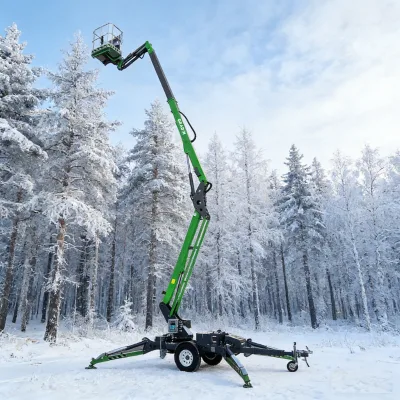
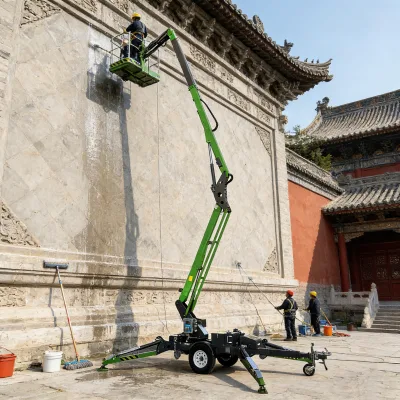
CE 35' Trailer Mounted Boom Lift Towable Man Lift
$6800.00 - $8700.00
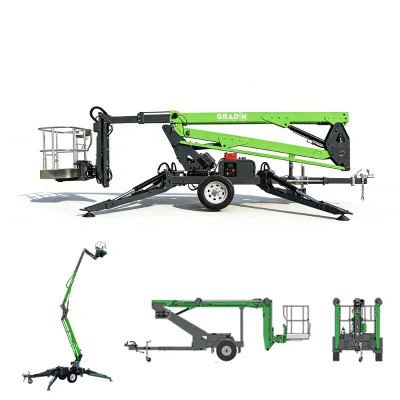
Ce Iso 9001 Trailer Boom Lift Towable Lift Platform with DC or diesel
$4500.00 - $6800.00

Huashi (Shandong) Machinery Equipment Co., Ltd.
- Verified by BV
- Trading Company
- China Shandong
- Lead time15 days
- Avg. response≤ 4h
Main productsScissor Lift, Boom Lift, Lifting Platform
Main marketsSoutheast Asia/ Mideast

Electric Trailer-Mounted Boom Lift Articulated Self-Propelled Aerial Boom Lift
$28456.00 - $28694.00
MOQ: 1 Pieces

Electric Self Propelled Articulated Boom Lift Trailer-Mounted Boom Lift
$28456.00 - $28694.00
MOQ: 1 Pieces

Electric Hydraulic Articulated Boom Lift Trailer-Mounted Boom Lift Aerial Platform
$28456.00 - $28694.00
MOQ: 1 Pieces

16-22m Electric Trailer-Mounted Boom Lift Articulated Self-Propelled Aerial Boom Lift
$28456.00 - $28694.00
MOQ: 1 Pieces

16-22m Self-Propelled Electric Articulated Boom Lift Trailer-Mounted Boom Lift
$28456.00 - $28694.00
MOQ: 1 Pieces


East Intelligent Technology (Jinan) Co., Ltd.
- Verified by SGS
- Trading Company
- China Shandong
- Lead time15 days
- Avg. response≤ 1h
Main productsScissor Lift, Car Lift, Forklift, Boom Lift, Lifting Equipment, Manual Hydraulic Stacker, Dock Leveler, Electric Stacker, Motorcycle Lift Table, Hydraulic Lift Table
Main marketsSoutheast Asia/ Mideast


10m12m14m16m18m20m Boom Lift Towable Boom Lift Articulated Boom Lift Trailer-Mounted Boom Lift
$2270.00 - $2776.00
MOQ: 1 piece


Trailer Boom Lift Cherry Picker Height Boom Lift Trailer-Mounted Boom Lift 8m10m12m14m16m18m
$1680.00 - $1980.00
MOQ: 1 piece


$1100.00 - $1280.00
MOQ: 1 piece

Qingdao Daxin Machinery Co., Ltd.
- Verified by TUVRHEINLAND
- Trading Company,Manufacturer/Factory
- China Shandong
- Lead time23 days
- Avg. response≤ 6h
Main productsScissor Lift, Lift Table, Aluminum Aerial Work Platform, Vacuum Lifter, Vertical Cargo Lift, Villa Elevator, Boom Lift, Wheelchair Lift, Dock Ramp, Car Lift
Main marketsSouth America,Eastern Europe,Mid East,North America,Southeast Asia,Eastern Asia,Oceania,Western Europe,Africa


High Quality Safe Durable Cheap Price High-Altitude Trailer Mounted Boom Lift
$1999.00 - $3899.00
MOQ: 1 Pieces

Qingdao Yilu Intelligent Equipment Co., Ltd.
- Verified by CTI
- Combined
- China Shandong
- Lead time15 days
- Avg. response≤ 3h
Main productsSpider Crane, Vacuum Lifter, Glass Lifter, Lift Table, Mobile Crane, Car Mover, Electric Tractor, Stacker


Diesel Powered 26m Trailer Boom Lift with Wireless Remote Control for Outdoor Use
$1850.00 - $1999.00
MOQ: 1 Pieces

Qingdao Eterlift Machinery Co., Ltd.
- Verified by TUVRHEINLAND
- Trading Company
- China Shandong
- Lead time15 days
- Avg. response≤ 2h
Main productsLift Table, Electric Stacker, Cargo Lift, Single Mast Lift, Mobile Scissor Lift, Car Lift, Boom Lift
Main marketsNorth America

- Manufacturer
- China Shandong
- Lead time15 days
- Avg. response≤ 7h
Main productsScissor Lift
Main marketsSoutheast Asia/ Mideast,Europe,Australia

Trailer Mounted Towable Boom Lift 16m 14m 12m 10m Aerial Work Platform Man Lift
$800.00 - $1200.00
MOQ: 1 Pieces

14m 16m Hydraulic Manlift Trailer Mounted Aerial Work Platform Towable Boom Lift
$800.00 - $1200.00
MOQ: 1 Pieces

HERED (Shandong) Intelligent Technology Co., Ltd.
- Verified by BV
- Trading Company,Manufacturer/Factory,Group Corporation
- China Shandong
- Lead time15 days
- Avg. response≤ 1h
Main productsScissor Lift, Boom Lift, Man Lift, Aerial Platform, Articulating Boom Lift, Telescopic Boom Lift, Aerial Work Platform, Hydraulic Scissor Lift, Electric Scissor Lift, Crawler Scissor Lift
Main marketsSouth America,Eastern Europe,Mid East,North America,Southeast Asia,Eastern Asia,Western Europe,Africa

SHANDONG BELIFT MACHINERY CO., LTD.
- Verified by SGS
- Manufacturer/Factory
- China Shandong
- Lead time23 days
- Avg. response≤ 4h
Main productsSelf Propelled Scissor Lift, Mobile Scissor Lift, Self Propelled Low Level Access Lift, Towable Boom Lift, Simple Aluminum Aerial Work Platform, High End Auminum Aerial Work Platform, Self Propelled Aluminum Work Paltform, Heavy Duty Customized Lift Tables
Main marketsSouth America,Eastern Europe,Mid East,North America,Southeast Asia,Eastern Asia,Oceania,Western Europe,Africa

14 M Gasoline Powered Trailer Mounted Boom Lift 16mtow Behind Boom Lifters
$4800.00 - $6920.00
MOQ: 1 Pieces

14m 16m Gasoline Electric Powered Trailer Mounted Boom Lift 12m 18m 22m
$1500.00 - $3500.00
MOQ: 1 Pieces

12m to 24m Telescopic Trailer Mounted Towable Boom Lift with Jib Arm
$3160.00 - $5620.00
MOQ: 1 Pieces


Comprehensive Sourcing Guide
Trailer Mounted Diesel Boom Lift Supplier Concentration and Factory Types
The available data indicates a specific concentration of suppliers located in Shandong, China, which serves as a primary manufacturing cluster for this equipment category. Within this region, the supplier base includes both trading companies and manufacturer factories, offering distinct advantages depending on the buyer's procurement strategy. Trading companies often aggregate products from various workshops, providing a broader catalog that may include disabled wheelchair lifts, parking equipment, and scissor lifts alongside the core boom lift offerings. In contrast, manufacturer entities typically focus on direct production capabilities, often holding ISO 9001 system certifications and offering OEM or ODM services under their own brand names.
When evaluating the factory types in this cluster, buyers should note that some suppliers list diverse main products ranging from vacuum glass lifters to electric floor cranes, suggesting a versatile production environment. The presence of a BV verification badge on certain entities provides a baseline for trust, though it does not guarantee specific product performance without further validation. Buyers must distinguish between a pure trading entity and a factory with in-house assembly lines, as this distinction impacts customization flexibility and direct communication regarding technical specifications. The concentration in Shandong allows for efficient logistics but requires careful vetting to ensure the specific supplier has the actual capacity to build the requested diesel engine configurations rather than simply reselling third-party goods.
How to Verify Trailer Mounted Diesel Boom Lift Suppliers
Verification of suppliers in this category requires a multi-layered approach that goes beyond basic platform badges. While some results show a BV verification status, this should be treated as a starting point rather than a comprehensive safety guarantee. Buyers must actively request and validate specific system certifications, such as ISO 9001, which appears in the data for certain manufacturers, to ensure consistent quality control processes are in place. Additionally, product-specific certifications like CE, RoHS, and GS are critical for compliance in international markets, and buyers should demand test reports that explicitly cover the hydraulic systems and diesel engines used in the lift mechanisms.
Response time metrics, such as the observed 3.18 or 4.04 hour averages, offer a practical indicator of supplier engagement levels, but they do not replace technical due diligence. A fast response does not equate to engineering competence, so buyers should verify the supplier's ability to provide detailed product attributes, including lifting height ranges, load capacities, and power specifications. It is essential to confirm whether the supplier offers customization services, as the data indicates availability for specific modifications. Buyers should also check for evidence of past projects or references that align with the specific application, such as workshop cranes or shipboard operations, to ensure the supplier has relevant experience with the complex mechanical requirements of trailer-mounted units.
What to Compare Across Trailer Mounted Diesel Boom Lift Suppliers
Comparing suppliers effectively requires a structured analysis of key operational dimensions found in the search results, including lead times, minimum order quantities, and pricing structures. Lead times can vary significantly, with some data points indicating a 23-day window, which impacts project scheduling and inventory planning. Buyers should compare these timelines against their specific delivery deadlines and assess whether the supplier can accommodate rush orders or if the standard lead time is rigid. Minimum order quantities, such as the observed MOQ of 1 unit, are favorable for smaller procurement needs, but buyers must verify if bulk pricing tiers exist for larger orders to optimize total cost of ownership.
Pricing is another critical variable, with observed ranges spanning from approximately $3,500 to $12,000 depending on the model and specifications. Buyers must compare these figures against the detailed product attributes provided, such as lifting height, load capacity, and power source options like diesel or electric. A lower price point might correspond to a basic model with a 10-meter lift height, while higher costs could reflect advanced features like 360-degree rotation or explosion-proof capabilities. Additionally, the main product focus of each supplier should be evaluated; a company specializing in vacuum lifters may have less depth in boom lift engineering compared to a dedicated aerial work platform manufacturer. Buyers should also consider the response time as a proxy for service quality, ensuring that the supplier can address technical queries promptly throughout the procurement lifecycle.
Common Trailer Mounted Diesel Boom Lift Sourcing Risks
One significant risk in sourcing this equipment involves the potential mismatch between advertised specifications and actual product performance, particularly regarding hydraulic systems and engine reliability. The data shows varied power options, including diesel, electric, and DC battery systems, which introduces complexity in verifying the correct configuration for specific job sites. Buyers face the risk of receiving units that do not meet the required load capacity or lifting height if the supplier fails to provide accurate technical documentation. Furthermore, the absence of specific certification details for some listings, marked as NIL in certain records, creates compliance risks for buyers operating in regions with strict safety regulations.
Another critical risk is the variability in after-sales support and warranty terms, which are not explicitly detailed in the initial search results. While some suppliers offer customization and specific packing standards like plywood packages, the long-term availability of spare parts for hydraulic outriggers or articulating mechanisms remains uncertain without direct negotiation. Buyers must also be wary of suppliers who list a wide array of unrelated products, such as parking equipment or transfer carts, as this may indicate a lack of specialized focus on boom lift engineering. The lack of standardized response times across the supplier base further complicates risk management, as delays in communication can lead to production bottlenecks or shipping errors that are difficult to rectify once the order is placed.
Trailer Mounted Diesel Boom Lift Regional Sourcing and Logistics
Sourcing from the identified cluster in Shandong, China, offers logistical advantages due to the region's established infrastructure for heavy machinery export. The proximity of manufacturers to major ports facilitates efficient shipping of large, heavy items like trailer-mounted boom lifts, which often require specialized packing to prevent damage during transit. Buyers should verify the specific packing standards, such as the plywood packages or standard export packing mentioned in the data, to ensure the equipment arrives in optimal condition. The dimension data provided, such as 950019502200mm, highlights the need for careful logistics planning to accommodate the size of the units during loading and transport.
However, regional sourcing also presents challenges related to customs clearance and import regulations in the destination country. Buyers must ensure that the supplier provides all necessary documentation, including certificates of origin and compliance with local safety standards, to avoid delays at the border. The variation in product origins, with some listings specifying Jinan or general Shandong locations, suggests that buyers should confirm the exact factory address to streamline communication and logistics coordination. Additionally, the travel speed and dimensions of the units, such as the 15-30km/h travel speed and 4000mm horizontal extent, must be considered when planning on-site deployment and transport routes within the buyer's country.
Trailer Mounted Diesel Boom Lift Commercial Terms and Order Planning
Commercial terms for trailer mounted diesel boom lifts require careful negotiation to align with the specific operational needs of the buyer. The observed price ranges and MOQs suggest flexibility in order sizing, but buyers must clarify payment terms, delivery schedules, and warranty coverage before finalizing any agreement. Lead times, such as the 23-day window noted in some records, should be integrated into the project timeline to prevent delays in equipment deployment. Buyers should also inquire about the customization process, as the data indicates that customization is available, which may affect both the cost and the production schedule.
Order planning must also account for the technical specifications and power requirements of the selected units. With options ranging from diesel engines to electric or DC battery systems, buyers need to ensure that the chosen model matches the power availability at the intended job site. The load capacity and lifting height specifications, such as the 150kg to 200kg range and 4m to 24m heights, must be verified against the specific application requirements to avoid under-specification. Finally, buyers should establish clear communication channels with the supplier to monitor production progress and address any technical queries promptly, ensuring that the final delivered product meets all agreed-upon standards and performance criteria.
FAQs
What is the typical lead time for trailer mounted boom lifts?
The typical lead time for these units is 23 days based on current supplier data. Buyers should verify specific delivery schedules with individual vendors as production capacity varies. Some manufacturers may offer expedited options depending on order volume and customization requirements.
Do suppliers offer CE certification for these lifts?
Yes, CE certification is available for several models including towable articulating and crank arm variants. Some suppliers also provide ISO RoHS and GS certifications for specific industrial applications. Buyers must confirm the exact certification list for their chosen model before finalizing any purchase agreement.
What is the minimum order quantity for these lifts?
The minimum order quantity is one unit for most listed trailer mounted boom lifts. This allows buyers to test the equipment without committing to large bulk orders. However, pricing tiers may vary significantly based on the specific model and customization options selected by the buyer.
Where are the manufacturers of these lifts located?
Manufacturers and trading companies are primarily located in Shandong, China, with specific facilities in Jinan. This region is known for its concentration of lifting equipment producers. Buyers should verify the exact city and factory address to ensure accurate shipping calculations and logistics planning.
What is the price range for a 12-24m boom lift?
Prices for 12-24m boom lifts range from 3500 to 6999 depending on the specific configuration. Lower prices often apply to standard models while higher costs reflect custom features or advanced power systems. Buyers should request detailed quotes to understand the final cost including shipping and taxes.
Are customization options available for these lifts?
Customization is available for many models including color, power source, and specific lifting heights. Suppliers can adjust dimensions and features to meet unique workshop or construction site requirements. Buyers should discuss their specific needs early in the negotiation process to ensure the final product meets all operational standards.
What is the response time for supplier inquiries?
Supplier response times average around 3 to 4 hours based on current platform data. This ensures quick communication regarding technical specifications and pricing. Buyers should expect prompt replies but should also verify individual supplier availability as response speeds can fluctuate during peak business periods.