Transistor Forklift Power Module Suppliers and Manufacturers
Compare 23 verified suppliers offering transistor forklift power modules with CE certification and response times under 13 hours. Review lead times, MOQs, and origin details to source components from China Guangdong or Hangzhou for your next project; review the available evidence before requesting comparable quotations from suitable candidates.
Suppliers List
Hangzhou Manlong Forklift Parts Co., Ltd.
- Verified by TüVRheinland
- Manufacturer, Trading Company
- Lead time10 days
- Avg. response≤ 5h
Main productsSensor, Steerong Motor, Forklift Switch, Contactor, Cover
Main marketsSoutheast Asia(35%), South America(15%), Eastern Asia(10%)
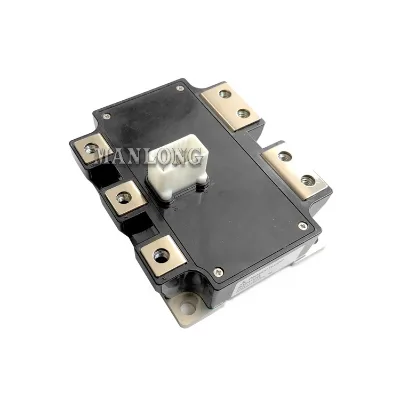
Forklift Parts FET Power Module Transistor Used for Nichiyu FB with OEM PM600CTU007
$56.21 - $817.57
MOQ: 1 Minimum
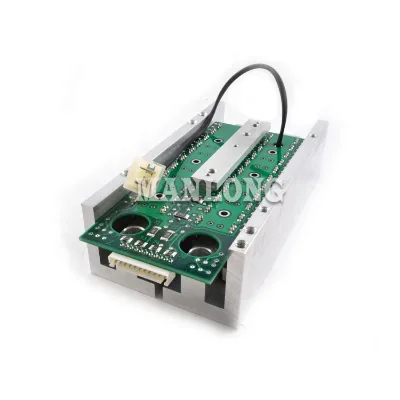
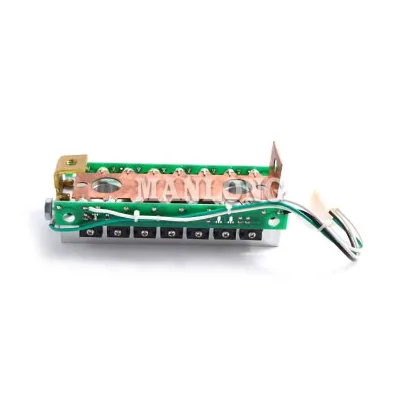
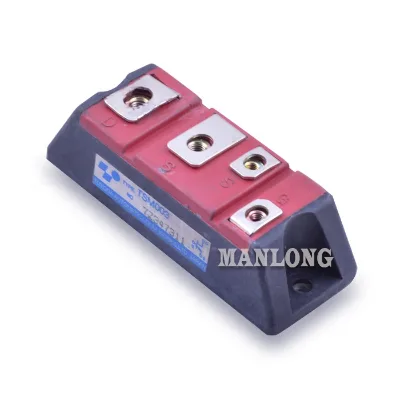

Shenzhen Jin Da Peng Technology Co., Ltd.
- Trading Company
- China Guangdong
- Lead time23 days
- Avg. response≤ 13h
Main productsTransistor, IC, IGBT, Sollcon- Controlled Rectifier, Three End Comstant Voltage
Main marketsSouth America,Others(foreignTradeCapacity.exportBusinessCapacityMarketOther),Southeast Asia/ Mideast,Europe

Sailing Commercial (Tianjin) Co., Ltd.
- Verified by TUVRHEINLAND
- Trading Company
- China Tianjin
- Lead time15 days
- Avg. response≤ 2h
Main productsThyristor, Welding Diode, High Voltage Control Cabinet, Water Cooling Power Cable, Semiconductor Device
Main marketsSouth America,Africa,Southeast Asia/ Mideast,East Asia(Japan/ South Korea),Domestic,Europe,Australia,North America

- Verified by BV
- Trading Company
- China Guangdong
- Lead time15 days
- Avg. response≤ 12h
Main productsIC, Transistor, Capacitor, Diodes, Reistor, Relay, Connector, Electronic Component, Intergrated Circuit, Sensor
Main marketsSouth America,Southeast Asia/ Mideast,Europe,North America
Shenzhen Chengfangchip Electronic Technology Co., Ltd.
- Verified by Intertek
- Trading Company
- Lead time0 days
- Avg. response≤ 3h
Main productsPCBA, ICs, Transistor, IGBT, Development Board
Main marketsNorth America(40%), Southeast Asia(20%), Mid East(20%)

Dongguan Meizhao Electronics Co., Ltd.
- Verified by TUVRHEINLAND
- Manufacturer/Factory
- China Guangdong
- Lead time15 days
- Avg. response≤ 3h
Main productsDiode Bridge Rectifier Mosfet Transistor, IGBT Tube IGBT Module Sic Integrated Circuits, Capacitor Resistor and Other Semiconductor
Main marketsSouth America,Eastern Europe,Mid East,North America,Southeast Asia,Eastern Asia,Oceania,Western Europe,Africa

Shenzhen New Chip international Ltd
- Verified by TUVRHEINLAND
- Combined
- China Guangdong
- Lead time30 days
- Avg. response≤ 9h
Main productsPCB, PCBA, IC
Main marketsSoutheast Asia/ Mideast

Hangzhou Manlong Forklift Parts Co., Ltd.
- Verified by SGS
- Combined
- China Zhejiang
- Lead time15 days
- Avg. response≤ 8h
Main productsForlift Parts, Sensor, Joystick, Lamp, Brake, Gear, Pedal, Contactor, Switch, Cover
Main marketsSoutheast Asia/ Mideast,Europe

Shenzhen Leruan Electronics Co., Ltd.
- Verified by TUVRHEINLAND
- Trading Company
- China Guangdong
- Lead time15 days
- Avg. response≤ 17h
Main productsElectronic Product, SSD, RAM
Main marketsDomestic


Transistors 2SA1302 2sc3281 A1302 Audio Amplifier Transistor Power Transistor to-3pl
$0.65 - $1.18
MOQ: 100 Pieces


Shenzhen Yihexin Electronic Technology Co., Ltd.
- Distributor/Wholesaler
- Guangdong, China
- Lead time3 days
- Avg. response≤ 2h
Main productsElectronic Components,Integrated Circuit IC,integrated module,chip,electronic module
Main marketsWestern Europe(10.00%), Southeast Asia(10.00%), Mid East(10.00%), Eastern Europe(10.00%), South America(10.00%), North America(10.00%), Domestic Market(5.00%), South Asia(5.00%), Southern Europe(5.00%), Northern Europe(5.00%), Central America(5.00%), Oceania(5.00%), Eastern Asia(5.00%), Africa(5.00%)

Shenzhen Sinosky Electronics Co., Ltd.
- Verified by SGS
- Trading Company
- China Guangdong
- Lead time15 days
- Avg. response≤ 5h
Main productsIntegrated Circuits, Semiconductor, Transistor, Relays, Connector, Capacitor, Resistor, Switch, Module, LED Diode
Main marketsSouth America,Africa,Southeast Asia/ Mideast,Europe,Australia,North America

Electronic Components Diode Thyristor Relay IGBT Module Transistor for PCB
$0.90 - $1.00
MOQ: 10 Pieces


ShenZhen Nova Semiconductor Co., Ltd.
- Verified by TUVRHEINLAND
- Trading Company
- China Guangdong
- Lead time15 days
- Avg. response≤ 7h
Main productsIC, Resistor, Capacitor, Sensor, Transistor, Diode, Triode, Passive Components, Drive IC, PCBA
Main marketsSouth America,Southeast Asia/ Mideast,East Asia(Japan/ South Korea),Europe,Australia,North America

Shenzhen STHL Technology Co., Ltd.
- Verified by TUVRHEINLAND
- Combined
- China Guangdong
- Lead time15 days
- Avg. response≤ 11h
Main productsPCBA, PCB, PCB Board, PCB Assembly, Circuit Board, PCB Design, PCB Layout, Printed Circuit Board, LED Circuit Board, Electronic Components
Main marketsSouth America

Chips Semiconductor Transistor GSM Module Electrical Component Assembly PCB
$0.60 - $20.00
MOQ: 1 Pieces

Circuit Semiconductor Transistor GSM Module Electrical Component PCBA Board
$0.60 - $20.00
MOQ: 1 Pieces
Shenzhen Goldeleway Electronics Technology Co., Ltd.
- Verified by Intertek
- Trading Company
- Lead time2 days
- Avg. response≤ 4h
Main productsIC Chips, Transistor Diode, IGBT Mosfet, Resistor, PCB PCBA
Main marketsNorth America(25%), South America(15%), Eastern Europe(15%)
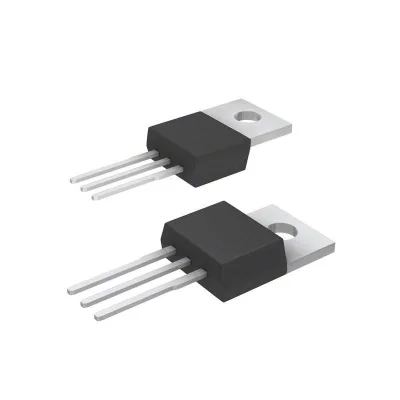
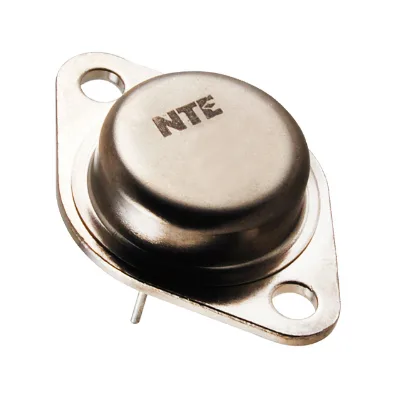
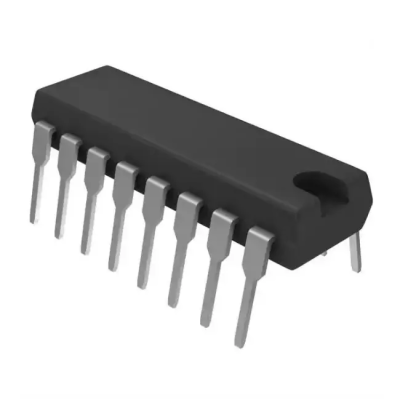
Original Brand NPN Power Transistor J13009-2 for Computer Use TO-220 Package
$0.61 - $0.72
MOQ: 100 pieces
Shenzhen Dianxian Technology Co., Ltd.
- Verified by TüVRheinland
- Trading Company
- Lead time1 days
- Avg. response≤ 1h
Main productsIC, MCU, Capacitor, Diode, Optocoupler
Main marketsSouth America(15%), Eastern Europe(15%), Southeast Asia(15%)

- Manufacturer/Factory
- China Guangdong
- Lead time15 days
- Avg. response≤ 12h
Main productsPCB Board, PCB / Aluminum PCB, Printed Circuit Board / Circuit Board, LED PCB / LED Strip / Light PCB, PCBA / PCB Assembly, OEM PCB / MCPCB, Multilayer PCB / Fr4 PCB, Flexible PCB / FPC, SMT Assembly / PCB Layout, PCB Manufacturers / Electronics PCB
Main marketsSouth America,Eastern Europe,North America,Southeast Asia,Oceania,Western Europe


Good Quality Electronic Component Integrated Circuits Power Management Ics
$0.60 - $1.00
MOQ: 10 Pieces


Jiangsu Donghai Semiconductor Co.,Ltd
- Combined
- China Jiangsu
- Lead time30 days
- Avg. response≤ 10h
Main productsMosfets, Diodes, IGBT, Transistor, Thyristor
Main marketsOthers(foreignTradeCapacity.exportBusinessCapacityMarketOther)
Shenzhen Keshengtai Electronics Co., Ltd.
- Trading Company
- Guangdong, China
- Lead time15 days
- Avg. response≤ 1h
Main productsIC Electronic Component,Film capacitance,Resistance inductance,Radio frequency filter,Electrolytic capacitance of aluminium
Main marketsDomestic Market(20.00%), Africa(10.00%), Oceania(10.00%), Eastern Europe(10.00%), South America(10.00%), Western Europe(8.00%), Northern Europe(7.00%), North America(5.00%), South Asia(5.00%), Mid East(5.00%), Central America(5.00%), Southeast Asia(5.00%)

Dongguan Merry Electronic Co., Ltd.
- Verified by SGS
- Manufacturer/Factory
- China Guangdong
- Lead time15 days
- Avg. response≤ 6h
Main productsDiode, Transistor, Mosfet, Bridge, IC, Integrated Circuits, Microcontroller, Schottky Diodes, Super Junction Mosfets, Tvs ESD Protection
Main marketsSouth America,Eastern Europe,Mid East,North America,Southeast Asia,Eastern Asia,Oceania,Western Europe,Africa

Emi International (Hk) Co. Ltd
- Verified by SGS
- Manufacturer/Factory
- China Guangdong
- Lead time38 days
- Avg. response≤ 6h
Main productsIntergrated Circuit, IC, Electronic Components, IC Chips, IGBT, Chips, MCU, Fpga, Semiconductors, Electronic Connectors
Main marketsEastern Europe,North America,Eastern Asia,Western Europe


Electronic Components Integrated Circuit MCU Diode Transistor Inductor Capacitor Resistor Patch
$0.90 - $9999.00
MOQ: 1 Pieces

Integrated Circuit Microcontrollers Voltage Regulators IC Chip Electronic Component
$0.02 - $0.05
MOQ: 1 Pieces
Shenzhen Nanfeng Quancheng Electronics Co., Ltd.
- Agent, Distributor/Wholesaler
- Guangdong, China
- Lead time3 days
- Avg. response≤ 1h
Main productsMicrocontroller MCU,Integrated Circuits IC,RF Transceiver & Modules,PCB/PCBA,Electronic Components BOM
Main marketsEastern Europe(60.00%), Eastern Asia(10.00%), Southern Europe(10.00%), North America(10.00%), Domestic Market(5.00%), Southeast Asia(5.00%)

- Trading Company
- China Guangdong
- Lead time15 days
- Avg. response≤ 2h
Main productsIC, Capacitor, Resistor, Electronic Components, Integrated Circuit, Transistor, Relay, Diode, MCU, Connector
Main marketsSouth America,East Asia(Japan/ South Korea),Europe
Chongqing Zhongjing Mircroelectronics Technology Co.,ltd
- Manufacturer, Trading Company
- Chongqing, China
- Lead time0 days
- Avg. response≤ 5h
Main productsAxial diodes,SMD diodes,Bridge rectifier diodes,Transistors,integrated circuit
Main marketsDomestic Market(30.00%), North America(30.00%), Southeast Asia(10.00%), Mid East(10.00%)




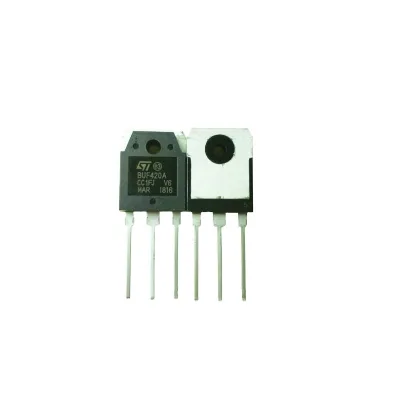
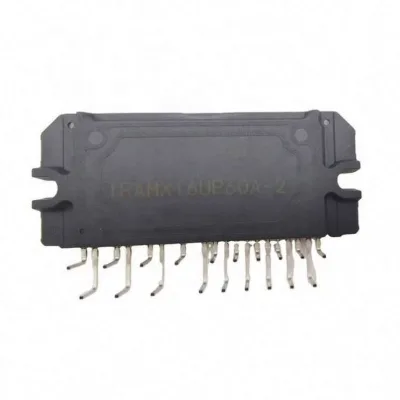
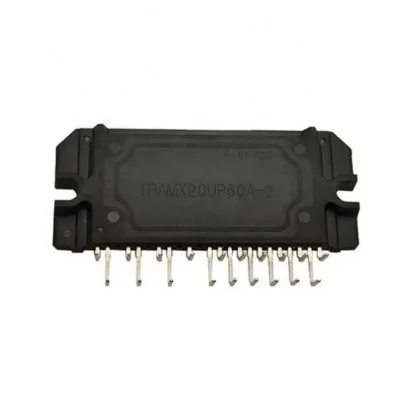


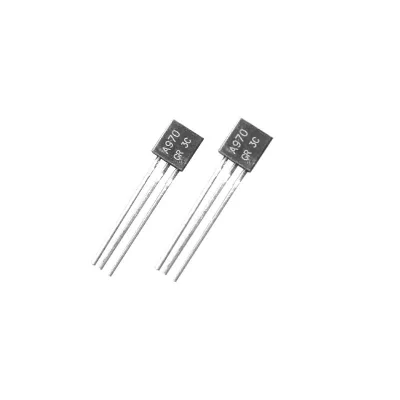
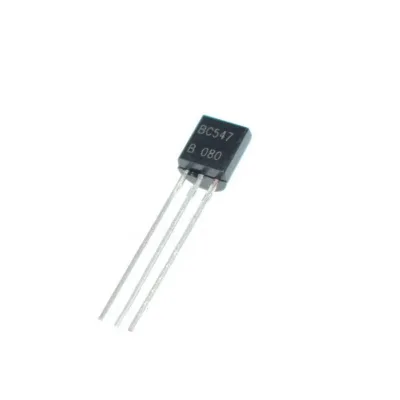


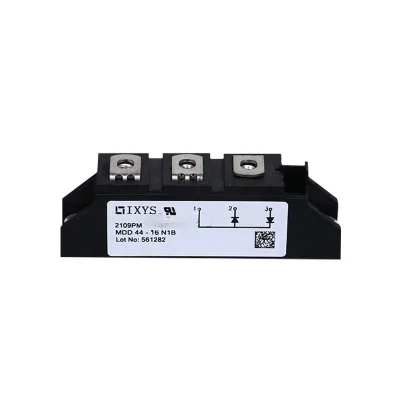


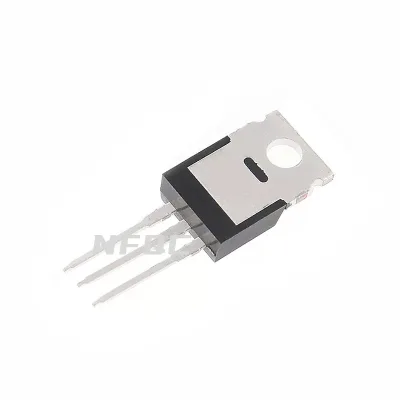


Comprehensive Sourcing Guide
Transistor Forklift Power Module Supplier Concentration and Factory Types
The current supplier landscape for transistor forklift power modules reveals a mix of manufacturers and trading companies operating primarily within China. Specific product evidence indicates that many suppliers are based in Hangzhou, China (Mainland), with some operations extending to Guangdong. These locations serve as key hubs for the production of components like FET power modules and transistors used in brands such as Nichiyu, TCM, Komatsu, and Toyota. The presence of these specific geographic markers allows buyers to identify clusters where specialized electronic components for material handling equipment are concentrated. However, the data also shows a significant number of trading companies alongside manufacturers, suggesting that the supply chain involves both direct production and distribution layers.
When evaluating the factory types, it is crucial to distinguish between entities that produce the components and those that facilitate trade. The available facts confirm that some suppliers offer customized on-demand services and sample processing, which are capabilities often associated with manufacturing facilities. Others focus on trading, offering a broader range of electronic parts like ICs and IGBTs alongside the core transistor modules. Buyers should verify the actual nature of the supplier by checking their company type designation and main product lists. Understanding whether a supplier is a manufacturer or a trading company helps in assessing their control over quality, production capacity, and the ability to handle complex customization requests for specific forklift models.
How to Verify Transistor Forklift Power Module Suppliers
Verification of suppliers in this category requires a rigorous check of their credentials and operational capabilities. The data indicates that some suppliers hold TüVRheinland verification status, which serves as a concrete indicator of third-party validation. Additionally, system certifications such as CE are present in the supplier profiles, suggesting adherence to specific safety and quality standards for electronic components. Buyers must confirm these certifications directly rather than assuming they apply to all listed products. The presence of video outgoing-inspection services for certain transistor modules further demonstrates a commitment to transparency, allowing buyers to visually verify the condition and specifications of the goods before shipment.
Beyond certifications, buyers should assess the supplier's response time and their ability to provide detailed product attributes. The observed response times vary, with some suppliers responding within 5 hours and others taking up to 12.76 hours, which can impact the speed of the sourcing process. It is essential to verify if the supplier can provide machinery test reports, as some listings indicate these are provided while others state they are not available. For used modules, the availability of a machinery test report is particularly critical to ensure the component's functionality. Buyers should also check for specific product evidence, such as the exact model numbers and OEM codes, to ensure the supplier can deliver the precise parts required for their forklift fleet.
What to Compare Across Transistor Forklift Power Module Suppliers
Comparing suppliers requires a focus on key operational metrics such as lead time, minimum order quantity, and response speed. The data shows lead times ranging from 10 days to 23 days, which significantly affects inventory planning and production schedules. Buyers must evaluate whether a shorter lead time justifies a potentially higher price or if a longer lead time offers better value through lower costs. Minimum order quantities also vary, with some suppliers accepting orders as low as one piece, while others require a minimum of 10 units. This flexibility is crucial for buyers who need small batches for testing or replacement of single units versus those planning large-scale procurement.
In addition to logistics metrics, buyers should compare the specific product attributes and service offerings. The available evidence highlights differences in product conditions, with some modules listed as new and others as used. Warranty terms also differ, with some suppliers offering a three-month warranty while others list it as unavailable. Service capabilities such as OEM customized services and after-warranty support like video technical support or spare parts availability are vital differentiators. Buyers should also consider the supply ability, noting that some suppliers can provide up to 1000 pieces per week, which is essential for high-volume needs. Comparing these factors ensures the selected supplier aligns with the buyer's specific operational requirements and risk tolerance.
Common Transistor Forklift Power Module Sourcing Risks
One significant risk in sourcing transistor forklift power modules is the variability in product condition and warranty coverage. The data reveals that some products are listed as used, which introduces uncertainty regarding their remaining lifespan and performance reliability. While some suppliers offer video outgoing-inspection to mitigate this, the absence of a machinery test report for certain items increases the risk of receiving non-functional components. Buyers must be cautious when purchasing used modules without comprehensive testing documentation, as the lack of a warranty or limited after-warranty service can lead to unexpected downtime and additional replacement costs.
Another risk involves the potential mismatch between the supplier's claimed capabilities and their actual delivery performance. Lead times can fluctuate, and the difference between a 10-day and a 23-day lead time can disrupt production lines if not managed correctly. Furthermore, the distinction between manufacturers and trading companies can lead to communication gaps or delays in resolving technical issues. If a supplier claims to offer customized services but lacks the necessary capacity or expertise, the buyer may face delays in receiving the correct specifications. Buyers should verify the supplier's ability to meet specific technical requirements and ensure that the supply chain is robust enough to handle potential disruptions or changes in demand.
Transistor Forklift Power Module Regional Sourcing and Logistics
Regional sourcing for transistor forklift power modules is heavily influenced by the concentration of suppliers in China, particularly in Hangzhou and Guangdong. These regions offer a dense network of manufacturers and trading companies specializing in electronic components for material handling equipment. The proximity of these hubs to major ports like Ningbo, Shenzhen, Guangzhou, and Shanghai facilitates efficient logistics and shipping. Buyers should leverage these port options to optimize shipping costs and delivery times, as the availability of multiple dispatch points provides flexibility in choosing the most suitable route for their specific needs.
However, buyers must also consider the logistics implications of sourcing from different regions. While the data confirms that many suppliers are based in China, the specific location of the factory can impact shipping times and costs. For instance, suppliers in Guangdong may offer faster access to Shenzhen port, while those in Hangzhou might rely on Ningbo or Shanghai. Buyers should verify the port of dispatch for each supplier to ensure it aligns with their logistics strategy. Additionally, the packaging details, such as carton dimensions and weight, should be reviewed to calculate shipping costs accurately. Understanding the regional logistics landscape helps buyers make informed decisions about where to source their components to minimize transit times and maximize efficiency.
Transistor Forklift Power Module Commercial Terms and Order Planning
Commercial terms for transistor forklift power modules vary significantly based on the supplier's pricing structure and order requirements. The data indicates a wide price range, with minimum prices starting as low as 0.001 and maximum prices reaching up to 817.56, depending on the specific product and quantity. Buyers must carefully analyze these price points to determine the most cost-effective option for their needs. Minimum order quantities also play a crucial role in order planning, as some suppliers require a minimum of 10 units while others accept single-item orders. This flexibility allows buyers to tailor their orders to their budget and inventory requirements without overcommitting to large quantities.
Order planning should also account for the supplier's response time and lead time to ensure timely delivery. With response times ranging from 5 to 12.76 hours and lead times between 10 and 23 days, buyers need to factor these variables into their procurement schedules. It is essential to establish clear communication channels with the supplier to confirm order details and track progress. Additionally, buyers should verify the warranty terms and after-warranty service options to ensure long-term support. By understanding the commercial terms and planning accordingly, buyers can mitigate risks and ensure a smooth procurement process for their transistor forklift power modules.
FAQs
What is the typical lead time for forklift power modules?
The typical lead time for these modules is 10 days based on current supplier data. Some trading companies may require up to 23 days for processing. Buyers should confirm specific timelines with the manufacturer before placing orders to ensure timely delivery.
Are these modules available with CE certification?
Yes, the available forklift power modules carry CE certification as verified in the product listings. This ensures compliance with European safety standards. Buyers should request the specific certificate documents from the supplier to confirm validity for their region before finalizing purchases.
What is the minimum order quantity for these parts?
The minimum order quantity varies by supplier, with some accepting single items while others require ten pieces. Specific listings show an MOQ of one for certain power modules. Buyers must check the individual product page to confirm the exact quantity required for their order.
Where are these forklift transistors manufactured?
These transistors are manufactured in China, specifically in locations like Hangzhou and Guangdong. The products originate from mainland China factories. Buyers should verify the exact city of origin on the product details page to ensure it matches their logistical requirements.
Do suppliers offer video inspection services?
Several suppliers provide video outgoing inspection services for these power modules. This allows buyers to verify product condition before shipment. The availability of this service depends on the specific supplier, so buyers should check the product attributes section for confirmation.
What is the response time for supplier inquiries?
Supplier response times vary, with some responding within five hours and others taking up to twelve hours. Fast response is common for manufacturers, while trading companies may take longer. Buyers should expect a reply within a day based on the current supplier data.
Are these modules compatible with Nichiyu forklifts?
Yes, specific FET power modules are designed for use with Nichiyu FB series forklifts. They are also available for TCM and Komatsu models. Buyers must match the OEM part number, such as PM600CTU007, to ensure the correct fit for their specific forklift equipment.
What warranty is provided for these electronic parts?
Warranty terms vary, with some listings offering three months of coverage while others state it is unavailable. Buyers should verify the specific warranty period in the product details before purchasing. After-sales support often includes online assistance and spare parts availability depending on the supplier.