Travel Thermal Water Bottle with Lid and Straw Suppliers and Manufacturers
Compare 22 verified suppliers offering Travel Thermal Water Bottle with Lid and Straw products with ISO9001:2015 and SGS verification. Review lead times, MOQs, and certifications before requesting quotes for your specific needs; review the available evidence before requesting comparable quotations from suitable candidates.
Updated
Suppliers List

Zhejiang Daian Commodity Co., Ltd.
- Verified by TUVRHEINLAND
- Combined
- China Shanghai
- Lead time45 days
- Avg. response≤ 7h
Main productsTumbler, Water Bottle, Stainless Steel Water Bottle, Travel Mug, Coffee Mug, Stainless Steel Tumbler, Mug, Plastic Cup, Barware, Pet Bowl
Main marketsSouth America,East Asia(Japan/ South Korea),Australia,North America

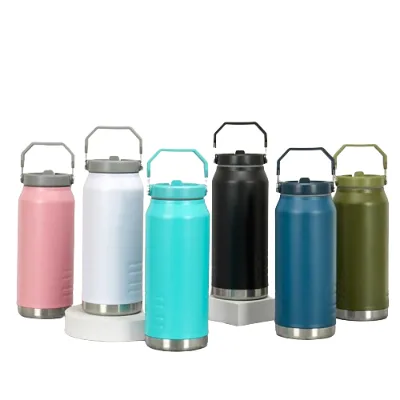
Custom 32 Oz Double Wall Insulated Thermal Stainless Steel Water Bottle with Lid and Straw
$5.00 - $5.20
MOQ: 1000 pieces

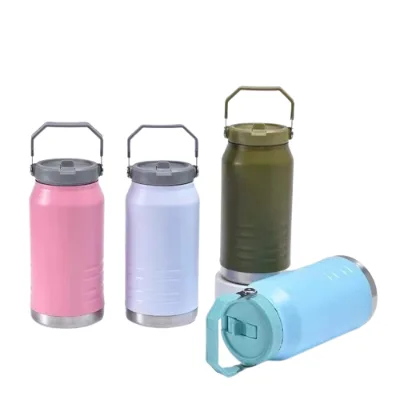
Portable Insulated Water Bottle Stainless Steel Water Bottle Water with Straw and Lid
$3.09 - $3.69
MOQ: 1000 pieces

Printed Stainless Steel Travel Water Bottle with Lid for Adults and Kids
$4.00 - $4.50
MOQ: 1000 pieces

BPA-Free 180oz Insulated Stainless Steel Water Bottle with Straw for Sports and Travel
$4.00 - $4.80
MOQ: 1000 pieces


Jinhua great metal products co.,ltd.
- Verified by SGS Group
- Trading Company
- Lead time30 days
- Avg. response≤ 3h
Main productsStainless Steel Water Bottle, Coffee Mug, Thermal Flasks, Dog Bottles, Hip Flask
Main marketsNorth America(45%), Western Europe(18%), Oceania(7%)

Changsha Sunflower B&T Co., Ltd.
- Verified by TUVRHEINLAND
- Manufacturer/Factory
- China Hunan
- Lead time0 days
- Avg. response≤ 5h
Main productsWater Bottle, Sponge, Tumblers, Plastic Water Bottle, Stainless Steel Water Bottle, Mugs, Mat, Make up Sponge, Backpack, Drinlwares
Main marketsSouth America,Eastern Europe,Mid East,North America,Southeast Asia,Eastern Asia,Oceania,Western Europe,Africa


650ml Large Capacity Thermal Flask Bottle for Travel Outdoor Printed Cups
$7.39 - $7.99
MOQ: 100 Pieces
Hangzhou Wecan Houseware Co., Ltd.
- Verified by SGS Group
- Trading Company
- Lead time25 days
- Avg. response≤ 2h
Main productsPlastic Water Bottle, Stainless Steel Water Bottle, Glass Water Bottle, Silicone Cup, Smart Bottle
Main marketsNorth America(40%), Eastern Europe(10%), Western Europe(10%)

Shenzhen Kingline Technology Development Co., Ltd.
- Verified by BV
- Trading Company
- China Guangdong
- Lead time15 days
- Avg. response≤ 3h
Main productsShaker Bottle, Water Bottle, Sports Water Bottle, Pill Box, Stainless Steel Water Bottle, Vacuum Flask, Water Jug, Travel Water Bottle, Gym Water Bottle, Cycling Water Bottle
Main marketsSouth America,Southeast Asia/ Mideast,Europe,Australia,North America

550ml plastic drinking water bottle with straw and strap for travel camping
$0.95 - $1.15
MOQ: 1000 Pieces


550ml drinking bottle Cute shape water bottle with straw and strap for travel
$0.65 - $2.00
MOQ: 200 Pieces

650ml Straw drinking bottle Portable sports water bottle with handle for camping
$0.65 - $2.00
MOQ: 200 Pieces


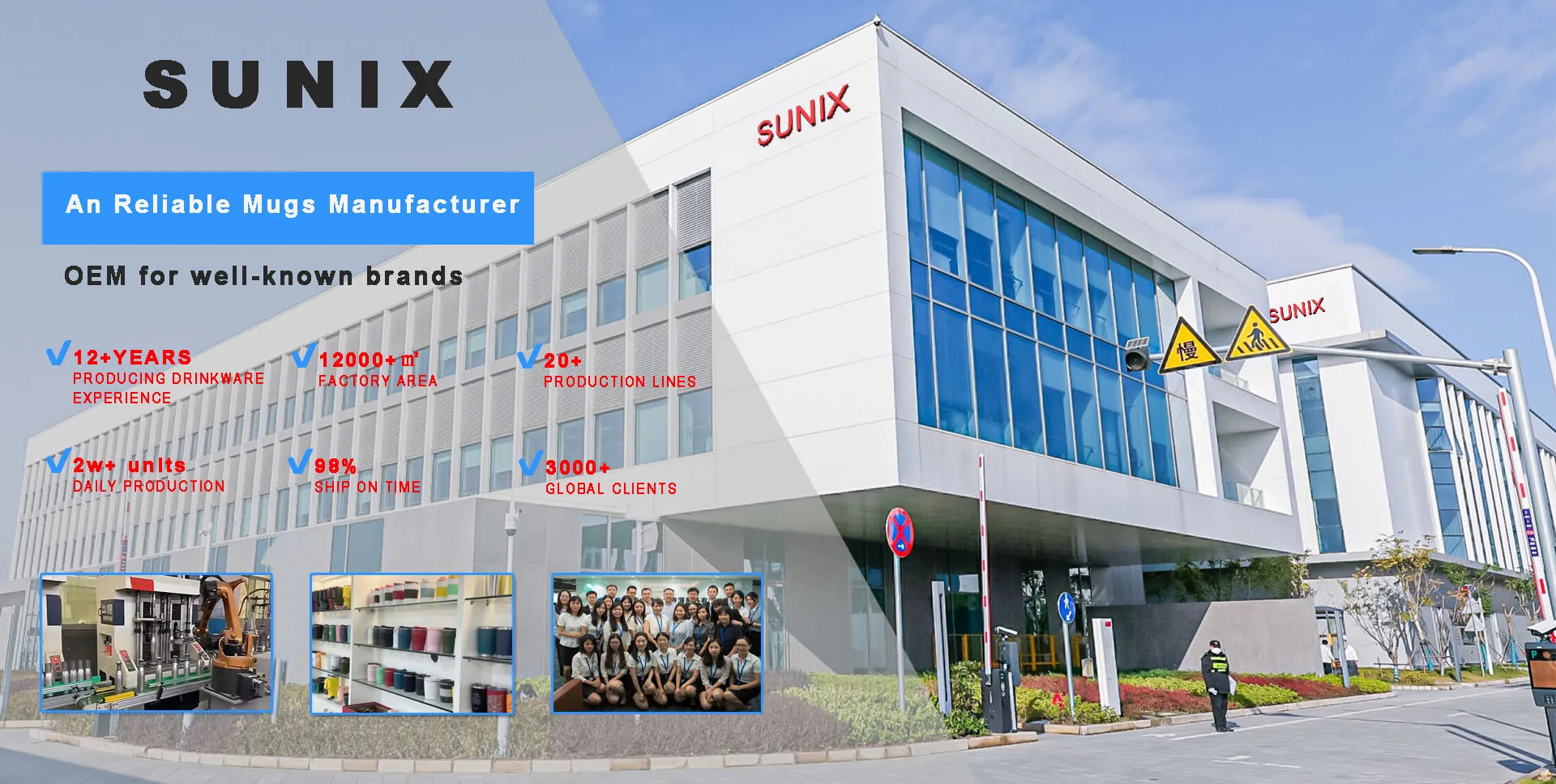
- Trading Company
- Jiangxi, China
- Lead time7 days
- Avg. response≤ 2h
Main productsTumbler with Handle,Coffee Mug,Water bottle
Main marketsNorth America(50.00%), Domestic Market(10.00%), Western Europe(10.00%), Southeast Asia(8.00%), Eastern Europe(5.00%), Mid East(5.00%), Oceania(3.00%), South Asia(3.00%), Central America(2.00%), Eastern Asia(2.00%), Southern Europe(2.00%)
- Verified by TüVRheinland
- Trading Company
- Lead time30 days
- Avg. response≤ 3h
Main productsStainless Steel Sports Water Bottle, Stainless Steel Vacuum Flask, Stainless Steel Insulated Tumbler, Stainless Steel Thermos, Stainless Steel Lunch Box
Main marketsNorthern Europe(40%), North America(30%), Western Europe(20%)
Ningbo General Union Co., Ltd.
- Verified by SGS Group
- Trading Company
- Lead time旺季: "1 - 2000":10,"> 2000":"To be negotiated", 淡季: "1 - 2000":10,"> 2000":"To be negotiated"
- Avg. response≤ 10h
Main productsHousehold Products, Cleaning Tools, Disposable Tableware, Kitchen Tableware, Kitchen Accessories
Hefei Base Environment Protection Technology Co., Ltd.
- Manufacturer, Trading Company
- Anhui, China
- Lead time20 days
- Avg. response≤ 1h
Main productsVacuum Thermal Bottles,Protein Shaker Bottle,Plastic Bottles,Outdoor Tents,Camping Furniture
Main marketsSouth America(15.00%), North America(15.00%), Mid East(10.00%), Eastern Europe(10.00%), Domestic Market(5.00%), South Asia(5.00%), Southern Europe(5.00%), Northern Europe(5.00%), Central America(5.00%), Western Europe(5.00%), Eastern Asia(5.00%), Southeast Asia(5.00%), Oceania(5.00%), Africa(5.00%)

Anhui YOTO Import & Export Co., Ltd.
- Verified by SGS
- Manufacturer/Factory
- China Anhui
- Lead time23 days
- Avg. response≤ 3h
Main productsWater Bottle, Vacuum Flask, Cup & Mugs, Thermos, Plastic Water Bottles, Kid's Bottles, Tumblers, Sports Bottles
Main marketsSouth America,Eastern Europe,Mid East,North America,Southeast Asia,Eastern Asia,Western Europe,Africa

Yongkang HOBO Tattoo Equipment Manufactory
- Verified by TUVRHEINLAND
- Combined
- China Zhejiang
- Lead time30 days
- Avg. response≤ 23h
Main productsTattoo Tube, Tattoo Needle, Tattoo Cartridges, Tattoo Power Supply, Tattoo Machine, Tattoo Kit, Tattoo Needle Cartridges, Tattooo Grips, Tattoo Supplies, Piercing Supplies
Main marketsNorth America

Stainless Steel Water Bottle Coffee Mug Insulated Cup Travel Tumbler with Straw
$8.00
MOQ: 1000 Pieces


Guangzhou Diller Daily Necessities Co., Ltd.
- Verified by CTI
- Trading Company
- China Guangdong
- Lead time60 days
- Avg. response≤ 9h
Main productsGlass Water Bottles, Plastic Water Bottles, Thermos Bottles, Baby Water Bottles, Kids Water Bottles
Main marketsSoutheast Asia/ Mideast,East Asia(Japan/ South Korea),Europe,North America


Stainless Steel Sports Outdoor Vacuum Insulated Flask Travel Thermal Water Bottle
$4.00 - $4.70
MOQ: 50 Pieces


Can Keep Hot or Cold for 6~12hours Thermal Bottle Insulated Water Bottles
$2.65 - $3.68
MOQ: 50 Pieces


Guangzhou Haha Housewares Manufacturing Co., Ltd.
- Trading Company
- Guangdong, China
- Lead time30 days
- Avg. response≤ 4h
Main productsTumbler,Water Bottle,Mug,Can Cooler
Main marketsNorth America(85.00%), Northern Europe(3.00%), South America(2.00%), South Asia(1.00%), Southern Europe(1.00%), Eastern Europe(1.00%), Central America(1.00%), Western Europe(1.00%), Eastern Asia(1.00%), Mid East(1.00%), Oceania(1.00%), Africa(1.00%), Southeast Asia(1.00%)

Shanghai Touch Industrial Development Co., Ltd.
- Verified by TUVRHEINLAND
- Combined
- China Shanghai
- Lead time15 days
- Avg. response≤ 6h
Main productsInstant Hot Pack, Hot Cold Pack, Gel Eye Mask, Gel Ice Pack, Gel Bottle Cooler, Instant Ice Pack, Hand Warmer, Heat Pack, Cooling Scarf, Gel Beads
Main marketsSouth America,Others(foreignTradeCapacity.exportBusinessCapacityMarketOther),Southeast Asia/ Mideast,East Asia(Japan/ South Korea),Domestic,Europe,Australia,North America
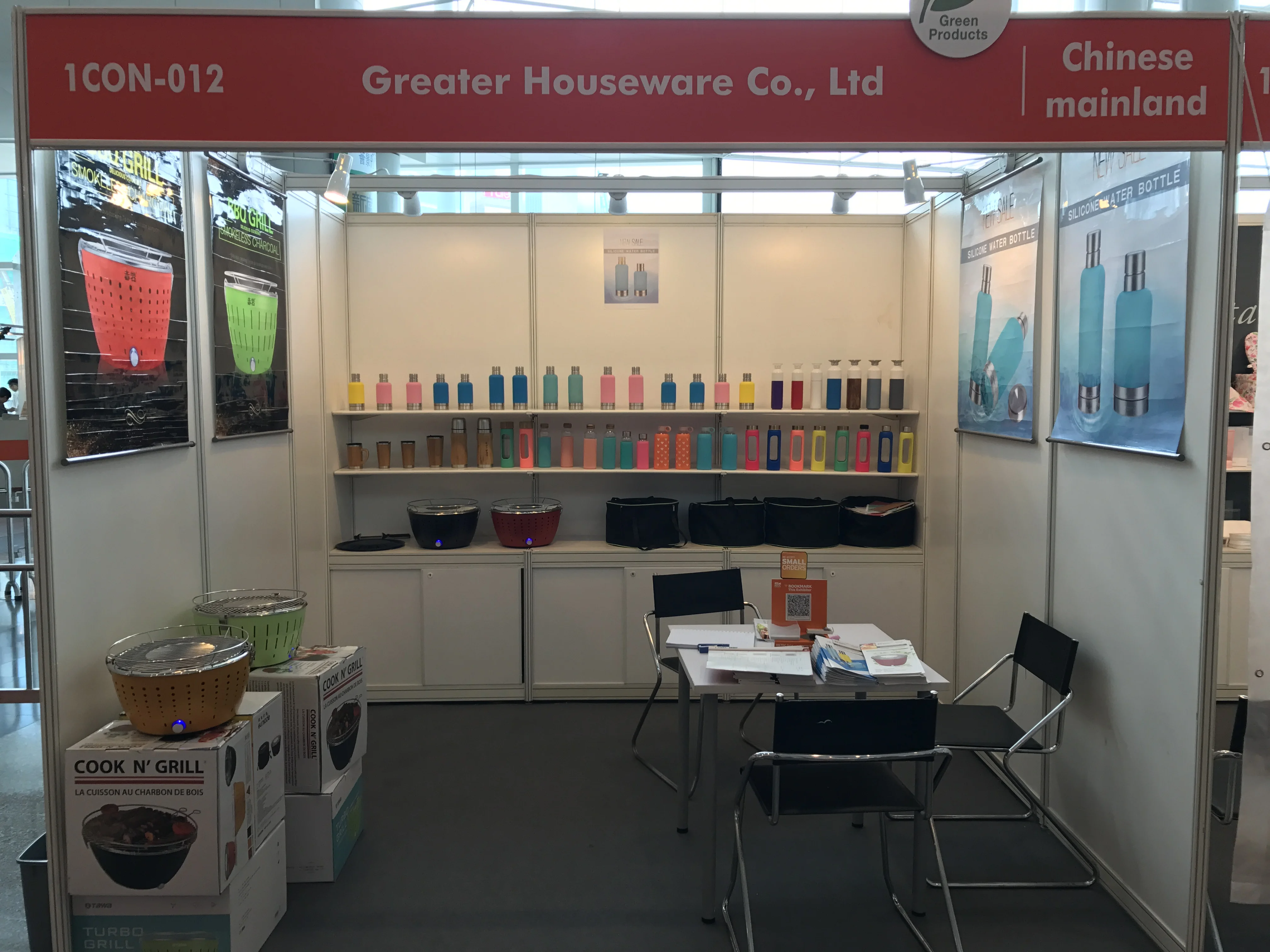
Yongkang Greater Houseware Co., Ltd.
- Trading Company
- Zhejiang, China
- Lead time30 days
- Avg. response≤ 4h
Main productsWater Bottle,Coffee Mug,Vacuum Flask,Pet Bottle,Tumbler
Main marketsEastern Europe(43.00%), Western Europe(13.00%), Oceania(12.00%), Eastern Asia(11.00%), Northern Europe(8.00%), Africa(5.00%), North America(3.00%), Southeast Asia(2.00%), Mid East(2.00%), South America(1.00%)
- Trading Company
- Jiangsu, China
- Lead time0 days
- Avg. response≤ 8h
Main productswooden jigsaw puzzles,wooden balance board,wooden toys,wooden coatrack,wooden stools
Main marketsNorth America(30.00%), Western Europe(20.00%), South America(10.00%), Eastern Asia(10.00%), Northern Europe(10.00%), South Asia(5.00%), Southern Europe(5.00%), Mid East(5.00%), Central America(5.00%)
Everich Commerce Group Limited
- Manufacturer, Trading Company
- Lead time旺季: "1 - 1000":40,"1001 - 5000":50,"5001 - 30000":60,"> 30000":"To be negotiated", 淡季: "1 - 1000":40,"1001 - 5000":50,"5001 - 30000":60,"> 30000":"To be negotiated"
- Avg. response≤ 4h
Main productsWater Bottle, Tumbler, Mug, Lunch Box, Cooler Bag
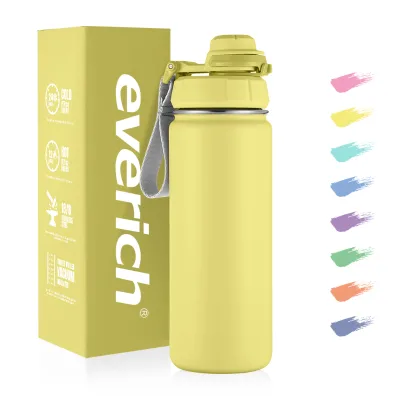
American Style 14oz 22oz Wide Mouth Water Bottle for Hot Cold Hiking Travel Flask With Straw Lid
$3.28 - $4.12
MOQ: 500 pieces
Yongkang Zhome Hardware Products Co., Ltd.
- Trading Company
- Zhejiang, China
- Lead time20 days
- Avg. response≤ 6h
Main productsStainless steel vacuum water bottle,Insulated tumblers,Coffee cups,Glass water bottle,Hip flask
Main marketsNorth America(80.00%), Western Europe(5.00%), Northern Europe(5.00%), South America(5.00%), Eastern Asia(3.00%), Oceania(2.00%)

Shanghai Karry Industrial Co., Ltd.
- Verified by BV
- Combined
- China Zhejiang
- Lead time30 days
- Avg. response≤ 5h
Main productsSports Bottle
Main marketsSoutheast Asia/ Mideast,Europe,North America

Portable Stainless Steel Small Mouth Water Bottle Outdoor Sports Travel Drink Thermos Water Bottles
$2.18 - $2.88
MOQ: 500 Pieces

Low Price 22oz Thermal Tumbler Reusable Leakproof Stainless Steel Flip Straw Water Bottle
$2.58 - $3.38
MOQ: 500 Pieces

Personalised Modern Wide Mouth Double Wall Travel Bulk Thermal Water Bottle
$3.38 - $3.98
MOQ: 500 Pieces
Ningbo Cuplus International Trade Co., Ltd.
- Trading Company
- Zhejiang, China
- Lead time30 days
- Avg. response≤ 1h
Main productsStainless Steel Thermos; Coffee Mug; High Borosilicate Glass Water Bottle; Carafe; Tumbler
Main marketsNorth America(60.00%), Western Europe(35.00%), Oceania(3.00%), Africa(2.00%)
Anhui Champion Technology Co., Ltd.
- Manufacturer
- Anhui, China
- Lead time0 days
- Avg. response≤ 18h
Main productskitchenware,drinkware,custom printing & packaging,sports goods,biodegradable tableware
Main marketsNorth America(30.00%), Mid East(20.00%), Western Europe(20.00%), Southeast Asia(10.00%), Northern Europe(10.00%), Africa(5.00%), South America(5.00%)
Shenzhen Cootty Outdoor Products Co., Ltd.
- Manufacturer
- Guangdong, China
- Lead time30 days
- Avg. response≤ 2h
Main productsWater Bottle,Smart Bottle
Main marketsNorth America(45.00%), Eastern Europe(35.00%), South Asia(10.00%), Oceania(10.00%), South America(10.00%)




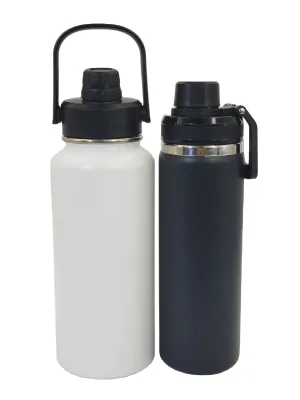
Comprehensive Sourcing Guide
Travel Thermal Water Bottle with Lid and Straw Supplier Concentration and Factory Types
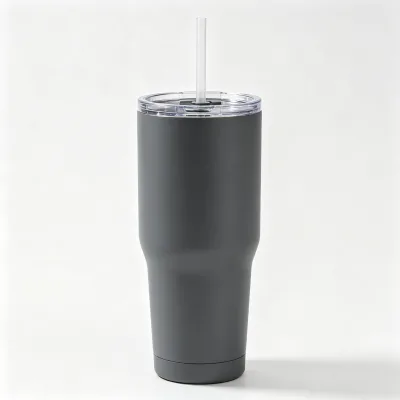
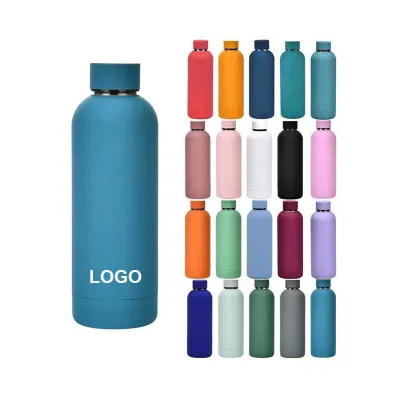
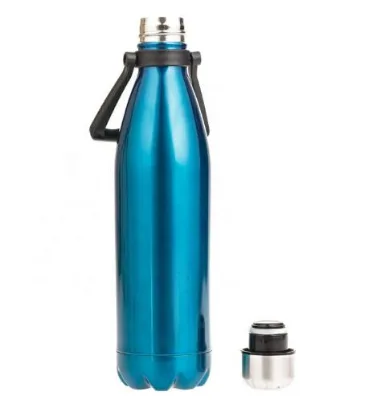
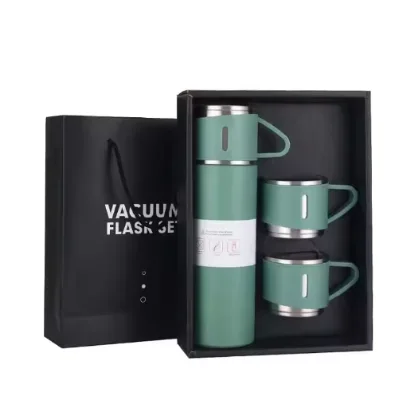
Current data indicates a concentration of suppliers located in China, specifically within the Shanghai region, alongside manufacturing origins noted in Zhejiang. These facilities often operate as combined entities or trading companies, offering a mix of direct manufacturing capabilities and sourcing services. The primary product focus for these suppliers centers on stainless steel water bottles, travel mugs, tumblers, and related barware, with specific emphasis on double-wall insulated designs suitable for thermal retention. Some suppliers list main products that include pet bowls and hip flasks, suggesting a broader capacity in metal drinkware manufacturing beyond standard travel bottles.
When evaluating the factory type, buyers should distinguish between combined companies that may handle both production and trading, and pure trading companies that facilitate connections between buyers and manufacturers. The presence of a trading company structure often implies a broader product range, such as coffee mugs and thermal flasks, while combined entities might offer more direct control over the production process for specific models like the 32-ounce double-wall insulated bottles. Understanding this distinction is crucial for determining the level of customization available, as some suppliers explicitly offer OEM services for logo, color, and design, while others may focus on standard inventory.
How to Verify Travel Thermal Water Bottle with Lid and Straw Suppliers
Verification of supplier credibility relies heavily on third-party audit reports and system certifications rather than self-declared claims. Available evidence shows that certain suppliers hold ISO9001:2015 and ISO14001:2015 certificates, indicating adherence to quality and environmental management standards. Additionally, specific verification bodies such as TÜV Rheinland and SGS Group have been noted as validators for these suppliers, providing an external layer of trust regarding their operational integrity. Buyers should prioritize suppliers with these documented verifications to ensure that the manufacturing processes meet international safety and quality benchmarks before committing to large orders.
Beyond general system certifications, product-specific attributes and factory audits offer further verification points. Some suppliers display factory audits conducted by BV, alongside product certifications like FDA, CE/EU, LFGB, and CIQ, which are critical for food-contact materials. The presence of these specific certifications suggests that the bottles are safe for holding beverages and meet regulatory requirements for markets like the USA and Europe. Buyers must cross-reference these claims with the actual product specifications, ensuring that the listed certifications match the materials used, such as stainless steel, and that the anti-corrosion coatings or other features align with the stated safety standards.
What to Compare Across Travel Thermal Water Bottle with Lid and Straw Suppliers
Comparing suppliers requires a detailed analysis of operational metrics such as lead times, minimum order quantities, and response speeds. Data indicates that lead times can vary significantly, with some suppliers offering a 30-day turnaround while others require up to 45 days. Minimum order quantities also differ, ranging from 200 pieces for certain customized items to 1000 pieces for standard models. Response times are another critical factor, with some suppliers demonstrating a rapid response capability of approximately three hours, whereas others may take over six hours to reply to inquiries. These variations directly impact project timelines and inventory planning for buyers.
Price and customization capabilities form the second pillar of comparison. Unit prices for similar stainless steel travel bottles can range from approximately $3.09 to $5.20, depending on capacity, features like straws and lids, and order volume. Suppliers offering light customization, graphic processing, and sample processing may command different price points compared to those providing standard OEM services. Buyers should also evaluate the specific product attributes, such as thermal insulation performance lasting 12 to 24 hours, the inclusion of accessories like handgrips, and the design style, which can range from American style to modern luxury. These factors collectively determine the value proposition and suitability for specific market segments.
Common Travel Thermal Water Bottle with Lid and Straw Sourcing Risks
One significant risk involves the discrepancy between claimed certifications and actual product compliance. While suppliers may list FDA, LFGB, or CE/EU certifications, buyers must verify that these apply to the specific model being ordered, as some products may lack anti-corrosion coatings or fail to meet specific material standards. For instance, certain listings indicate that anti-corrosion coatings are not equipped, which could affect durability and safety if not properly managed. Additionally, the origin of the product, such as Zhejiang, China, must be confirmed to ensure that the manufacturing location aligns with the buyer's sourcing strategy and any potential trade restrictions or tariffs.
Another risk pertains to the reliability of lead times and the consistency of quality standards. Suppliers with longer lead times of 45 days may face delays due to production bottlenecks or logistical issues, whereas those with 30-day lead times might be more reliable for urgent orders. The quality standard, often cited as Aql, should be strictly enforced to prevent defects in the final product. Furthermore, the transportation method, whether air, sea, or courier, can introduce risks related to damage or loss during transit. Buyers should ensure that the supplier has robust packaging, such as carton boxes, and clear transportation protocols to mitigate these logistical risks effectively.
Travel Thermal Water Bottle with Lid and Straw Regional Sourcing and Logistics
Regional sourcing in China, particularly from Shanghai and Zhejiang, offers access to a dense network of manufacturers specializing in stainless steel drinkware. These regions benefit from established supply chains for raw materials like stainless steel and components such as lids and straws, which can streamline production. However, buyers must account for the specific logistics requirements associated with these locations. Transportation options include air, sea, and courier services, each with different cost structures and delivery speeds. Understanding the local infrastructure and the supplier's experience with these logistics channels is essential for ensuring timely delivery and cost-effective shipping.
Logistics planning also involves considering the packaging standards and the physical dimensions of the products. Product standards often specify dimensions like 10x10x17 cm or 10x10x20 cm, which influence how many units can be packed into a single container. Efficient packing reduces shipping costs and minimizes the risk of damage during transit. Buyers should verify that the supplier uses appropriate packaging, such as carton boxes, and that the packing dimensions align with the buyer's storage and distribution needs. Additionally, the supplier's ability to handle different transportation modes, including air for urgent orders and sea for bulk shipments, provides flexibility in managing supply chain disruptions.
Travel Thermal Water Bottle with Lid and Straw Commercial Terms and Order Planning
Commercial terms for these products often include specific pricing structures based on order volume and customization levels. Prices can range from $3.09 to $5.20 per unit, with minimum order quantities varying from 200 to 1000 pieces. Buyers should carefully review the pricing tiers to understand how volume discounts apply and whether additional costs are incurred for features like laser printing, silk screening, or heat transfer logo application. The inclusion of services such as OEM for logo, color, and design may also affect the final cost, requiring a clear agreement on the scope of work and associated fees before placing an order.
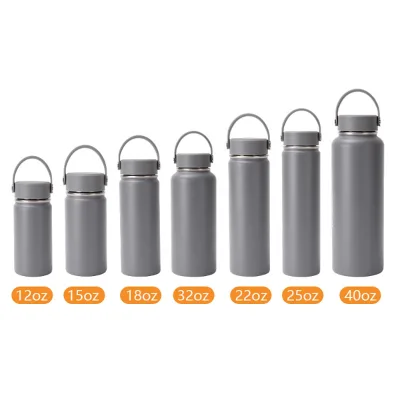
Order planning must account for the production timeline and the specific requirements of the product. With lead times ranging from 30 to 45 days, buyers need to factor in this duration when scheduling their inventory replenishment or product launches. The thermal insulation performance, which can last 12 to 24 hours, and the capacity options, such as 32oz, 20oz, or 12oz, should be aligned with market demand. Additionally, the supplier's response time, which can be as fast as three hours, plays a crucial role in resolving any issues that arise during the production process. Clear communication and detailed order specifications are essential to ensure that the final product meets all expectations and arrives on schedule.
FAQs
What is the typical lead time for these bottles?
Manufacturers generally require 30 to 45 days to produce orders. This timeframe allows for material sourcing, vacuum sealing, and quality checks. Buyers should confirm exact schedules with suppliers before finalizing contracts to ensure timely delivery for seasonal campaigns.
What certifications are standard for stainless steel bottles?
Common certifications include FDA, LFGB, CE, and ISO standards. These ensure the materials are safe for food contact and meet international quality benchmarks. Buyers should request valid certificates to verify compliance with regulations in their specific target markets.
What is the minimum order quantity for customization?
Minimum order quantities typically range from 200 to 1000 pieces depending on the supplier. Lower MOQs may apply for basic designs, while complex OEM logo printing often requires higher volumes. Buyers should negotiate MOQs based on their initial market testing needs.
How fast do suppliers usually respond to inquiries?
Response times vary, with many suppliers replying within three to six hours. Quick responses indicate active sales teams and efficient communication channels. Buyers should prioritize suppliers with faster response rates to streamline the negotiation and sampling process effectively.
What is the price range for insulated water bottles?
Prices generally range from $3.09 to $5.20 per unit based on capacity and features. Factors like double-wall insulation, straw lids, and custom printing affect the final cost. Buyers should request detailed quotes to understand pricing tiers for larger volume orders.
Can suppliers provide thermal insulation performance details?
Yes, suppliers often specify insulation performance lasting 12 to 24 hours. This ensures drinks remain hot or cold for extended periods. Buyers should verify specific thermal claims and request product specifications to confirm the insulation meets their functional requirements.