Eco-Friendly Bamboo Tumbler with Lid Suppliers and Manufacturers
Compare 21 verified suppliers offering Eco-Friendly Bamboo Tumbler with Lid products from China Zhejiang, Anhui, and Shanghai. Review certifications like LFGB and FDA, response times, and MOQs to select a partner. Contact suppliers directly to request samples and confirm lead times.
Suppliers List
Eleven International Trade (Hangzhou) Co., Ltd.
- Verified by CTI
- Trading Company
- China Zhejiang
- Lead time15 days
- Avg. response≤ 17h
Main productsGlass Cup Stainless Steel Tumbler Plastic Cup
Main marketsAustralia,North America

500ml Eco-Friendly Glass Tumbler with Bamboo Lid Zero Waste Reusable Tumbler
$1.10 - $1.45
MOQ: 30 Pieces

16oz Drinking Double Walled Tumbler Water Bottle Plastic Cup Tea Tumblers
$1.45 - $1.75
MOQ: 60 Pieces
- Verified by BV
- Combined
- China Anhui
- Lead time15 days
- Avg. response≤ 5h
Main productsStorage Basket, Laundry Basket, Kitchen Rack, Storage Shelf, Storage Jar, RPET Tableware Set, Matcha Whisk, Handmade Storage Basket, Wall & Table Decoration, Hamper
Main marketsSouth America,Southeast Asia/ Mideast,North America

400ml Eco-Friendly Reusable Bamboo Coffee Fiber Cup Drinking Tumbler Reusable with Lid Travel Mug
$1.53 - $1.65
MOQ: 500 Pieces

New Design Reusable Eco Friendly Cups Customized Bamboo Fiber Coffee Cup with Lid Bamboo Fiber Mugs
$1.49 - $1.69
MOQ: 500 Pieces

Eco Friendly BPA Free Healthy Bamboo Fiber Coffee Tea Cup with Custom Design
$1.49 - $1.69
MOQ: 500 Pieces

Shanghai Jspeed Industry Co.Ltd
- Verified by TUVRHEINLAND
- Trading Company
- China Shanghai
- Lead time30 days
- Avg. response≤ 3h
Main productsWater Bottle, Stainless Steel Bottle, Vacuum Bottle, Thermal Mug, Vacuum Flask, Thermal Cup, Insulated Cup, Vacuum Cup
Main marketsSouth America


50oz Glass Tumbler with Bamboo Lid and Straw Glass Water Bottles with Handle
$2.00 - $10.00
MOQ: 200 Pieces


Wholesale Glass Tumblers with Bamboo Lid and Straw Drinking Iced Coffee
$2.00 - $10.00
MOQ: 200 Pieces

Hemera (Tianjin) Technology Development Limited
- Verified by TUVRHEINLAND
- Manufacturer/Factory
- China Tianjin
- Lead time38 days
- Avg. response≤ 4h
Main productsGlass Cup, Glass Teapot, Glass Jar&Container, Glass Pitcher&Carafe, Water Jug, Coffee Set, Wine Set, Glass Cooking Ware
Main marketsSouth America,Eastern Europe,Mid East,North America,Southeast Asia,Eastern Asia,Oceania,Western Europe,Africa


Bamboo Tea Tumbler Glass Water Bottle with Infuser 16oz 20oz and Glass Water Bottle Straw Bamboo Lid
$2.85 - $3.55
MOQ: 300 Pieces


Glass Tumbler Glass Water Bottle with Glass Straw Silicone Protective Sleeve Bamboo Lid - BPA Free
$2.85 - $3.55
MOQ: 300 Pieces


$2.59 - $3.59
MOQ: 500 Pieces
Xuzhou Zhengda Glass Products Co., Ltd.
- Verified by SGS
- Trading Company
- China Jiangsu
- Lead time15 days
- Avg. response≤ 11h
Main marketsDomestic


Glass Daily Sports Water Cup with Bamboo Lid Eco Friendly Sustainable Choice
$0.51 - $0.54
MOQ: 60 Pieces

Xiamen Ebei Import & Export Co., Ltd.
- Verified by CTI
- Trading Company,Manufacturer/Factory
- China Fujian
- Lead time45 days
- Avg. response≤ 2h
Main productsEco-Friendly Products, Bamboo Tableware, Bamboo Furniture, Bamboo Kitchenware, Bamboo Office Supply, Bamboo Fibre Products, Biodegradable Products, Bamboo Towel, Solar Energy Products, Bamboo Garden Products
Main marketsSouth America,Eastern Europe,Mid East,North America,Southeast Asia,Eastern Asia,Oceania,Western Europe,Africa

Eco-Friendly Stainless Steel Bamboo Water Bottle Vacuum Bottle Bamboo Cup
$3.68 - $3.82
MOQ: 500 Pieces


Eco-Friendly Reusable Biodegradable Bamboo Fiber Coffee Cup for Juice Tea Milk
$1.50 - $1.75
MOQ: 1000 Pieces

Double Wall Glass Cup with Bamboo Lid
MOQ: 1000 Pieces

Glass Water Cup with Bamboo Lids and Bamboo Straws
MOQ: 500 Pieces


Changsha Sofly Industry Co.,Ltd
- Verified by BV
- Trading Company
- China Hunan
- Lead time15 days
- Avg. response≤ 6h
Main productsPower Bank, Digital Luggage Scale, USB Flash Drive, LED Light, LED, Mobile Battery Charger, USB Stick, USB 2.0 USB 3.0, Digital Hanging Portable Scale, Digital Scale
Main marketsEurope

Bamboo Bottle with Infuser Tumbler Eco-Friendly Stainless Steel Insulated Bamboo Water Bottles
$3.30 - $3.80
MOQ: 100 Pieces

Eco-Friendly Bottle Stainless Steel Bamboo Tumbler 16oz Travel Coffee Mug Bamboo Cups
$3.50 - $4.00
MOQ: 100 Pieces
- Trading Company
- China Zhejiang
- Lead time30 days
- Avg. response≤ 11h
Main productsHome Appliance, Cookware Set, Thermos, Home Storage, Furniture, Pet Supplies, Garden Tools, Outdoor Supplies, Baby Supplies, Houesehold Items
Main marketsSouth America,Africa,Southeast Asia/ Mideast,East Asia(Japan/ South Korea),Domestic,Europe,Australia,North America
Shuifu Huiyang Agricultural Technology Co., Ltd.
- Verified by SGS
- Trading Company
- China Yunnan
- Lead time23 days
- Avg. response≤ 3h
Main productsBamboo Products, Bamboo Crafts, Bamboo Chopsticks, Bamboo Skewers, Bamboo Weaving, Bamboo Tray, Bamboo Box, Bamboo Placemat, Bamboo Fruit Bowl, Lamp Shades
Main marketsDomestic
Wuhan Xinhuahang Household Goods Co., Ltd.
- Verified by BV
- Combined
- China Hubei
- Lead time15 days
- Avg. response≤ 4h
Main productsWine Glasses, Beer Glass, Drinking Glass, Decanter, Shot Glass, Coffee Glass, Cocktail Glass, Champagne Glass, Wine Accessories
Main marketsEurope,Australia,North America

$1.50 - $2.20
MOQ: 100 Pieces


Free Sample 16oz Double Walled Glass Tumbler Cup with Bamboo Lid and Straw
$0.60 - $1.00
MOQ: 100 Pieces
Shanghai Karry Industrial Co., Ltd.
- Verified by BV
- Combined
- China Zhejiang
- Lead time30 days
- Avg. response≤ 6h
Main productsSports Bottle
Main marketsSoutheast Asia/ Mideast,Europe,North America

Classic Vacuum Reusable Engraved Thermal Flask Wholesale Bamboo Custom Tumbler with Lids
$2.88 - $3.48
MOQ: 500 Pieces

$3.08 - $4.80
MOQ: 500 Pieces

Best Quality Wide Thermal Bamboo Portable Cute Wholesale Coffee Tumbler with Handle
$2.88 - $3.48
MOQ: 500 Pieces
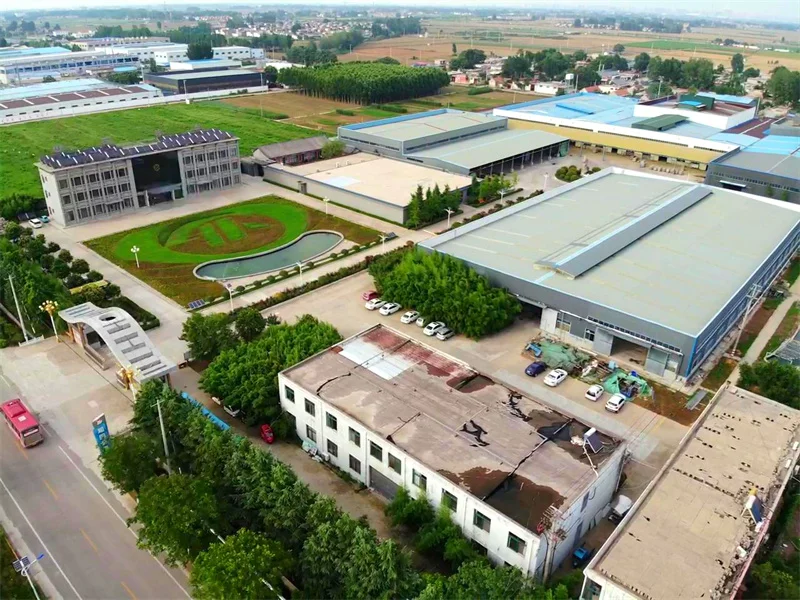
Shandong Houde Glass Products Co., Ltd.
- Manufacturer, Trading Company
- Shandong, China
- Lead time30 days
- Avg. response≤ 2h
Main productsGlass Storage Jar,candle jar,Glass Vase,Glass Cup,glass jar
Main marketsDomestic Market(70.00%), North America(10.00%), Southern Europe(3.00%), Northern Europe(3.00%), Central America(3.00%), Western Europe(3.00%), South Asia(1.00%), South America(1.00%), Oceania(1.00%), Africa(1.00%), Southeast Asia(1.00%), Eastern Europe(1.00%), Eastern Asia(1.00%), Mid East(1.00%)

Jinan Glass International Trade Co., Ltd.
- Manufacturer/Factory
- China Shandong
- Lead time15 days
- Avg. response≤ 6h
Main productsGlass Smoking Pipe, Glass Pipe, Printing and Package, Laboratory Glassware, Home Glassware, Machine, Sticker, Wall Decal
Main marketsSouth America,Eastern Europe,North America,Southeast Asia,Eastern Asia,Oceania,Western Europe,Africa
Suzhou TopRising International Trade Co., Ltd
- Verified by BV
- Trading Company
- China Jiangsu
- Lead time15 days
- Avg. response≤ 2h
Main productsStainless Steel Tumbler, Ceramic Coffee Mug, Pop It Fidget Sensory Toy, Inflatable Mattress, Anti Stress Silicone Toy, Bivy Sack, Water Bottle, Self Stiring Coffee Mug, Vacuum Insulated Tumbler, Non Tipping Suction Mug
Main marketsSouth America,North America
Taiyuan Jarvi Glassware Co., Ltd.
- Trading Company
- Shanxi, China
- Lead time0 days
- Avg. response≤ 5h
Main productswine glasses,glass plates,glass vases,glass candle holders,glass decanters
Main marketsNorth America(65.00%), Northern Europe(20.00%), Mid East(10.00%), South Asia(2.00%), Africa(2.00%), Domestic Market(1.00%)
Xuzhou Honghua Glass Technology Co., Ltd.
- Verified by CTI
- Combined
- China Jiangsu
- Lead time15 days
- Avg. response≤ 3h
Main productsGlass Bottle, Glass Jar, Candle Jar, Lunch Box, Glassware, Class Cup
Main marketsSouth America,Africa,Others(foreignTradeCapacity.exportBusinessCapacityMarketOther),Southeast Asia/ Mideast,East Asia(Japan/ South Korea),Domestic,Europe,Australia,North America

24oz Glass Tumbler with Handle Clear Glass Coffee Tumbler Juice Cup with Bamboo Lid and Straw
$0.30 - $0.40
MOQ: 1000 Pieces

$0.30 - $0.40
MOQ: 1000 Pieces

24oz Handled Mason Cup Tumbler with Bamboo Lids and Straw Beer Glass Mug
$0.30 - $0.40
MOQ: 1000 Pieces

24oz Wide Mouth Mason Jar Drinking Glasses Tumbler with Handle and Bamboo Lids
$0.30 - $0.40
MOQ: 1000 Pieces

Xiamen Forever Rise Imp and Exp Co., Ltd.
- Verified by BV
- Trading Company
- China Fujian
- Lead time23 days
- Avg. response≤ 15h
Main productsBamboo Plywood, Bamboo Panel, Bamboo Chopping Board, Bamboo Pizza Board, Bamboo Kitchenwares, Bamboo Weaving Mat, Bamboo Table Top, Bamboo Skewer Sticks, Outdoor Bamboo Decking, Outdoor Wall Panel
Main marketsSoutheast Asia/ Mideast,East Asia(Japan/ South Korea),Europe,Australia,North America
Anhui Nature Imp. & Exp. Co., Ltd.
- Verified by SGS
- Trading Company
- China Anhui
- Lead time15 days
- Avg. response≤ 2h
Main productsBamboo Products, Wooden Products, Multiple Knife Fork & Spoon, Bamboo Scissors Stick, Bamboo Sushi Curtain, Disposable Creative Bead Bamboo Stick, Bamboo Straw, Bamboo Stick, Wooden Cutlery, Wooden Knife Spoon Fork
Main marketsSoutheast Asia/ Mideast,Europe,North America

Xiamen Green Light Garden Industry and Trade Co., Ltd.
- Verified by TUVRHEINLAND
- Trading Company
- China Fujian
- Lead time23 days
- Avg. response≤ 10h
Main productsHotel Amenities, Restaurant Supplies, Baking Products, Packing Products, Home and Baking Products, Bread Bags, Paper Box, Bamboo Products, Baking Paper, Bed Sheet
Main marketsSouth America,Eastern Europe,Mid East,North America,Southeast Asia,Eastern Asia,Oceania,Western Europe,Africa

Customized Reusable Silicone Lid Wheat Straw Coffee Mug Eco-Friendly Fibre Tumbler Cup
$0.60 - $1.30
MOQ: 500 Pieces

High Quality Disposable Customized Cup Coffee Paper Cups Lids Double Wall Cup
$0.10 - $0.30
MOQ: 5000 Pieces

Yangzhou Muhe Trading Co., Ltd.
- Trading Company
- China Jiangsu
- Lead time15 days
- Avg. response≤ 2h
Main productsHeadband, Bamboo Fiber Scrunchie, Bamboo Cotton Make up Removers Pads, Silk Scrunchie, Hair Claw Clip, Bow Hair Clip, Cellulose Acetate Hair Claw Clip, Fashion Hair Accessories, Flannel Wristband & Headband
Main marketsSoutheast Asia/ Mideast,Europe

Anhui Taicheng Paper & Plastic Technology Co., Ltd.
- Verified by SGS
- Trading Company
- China Anhui
- Lead time30 days
- Avg. response≤ 5h
Main productsDisposable Paper Cups, Compostable Lids, Disposable Cutlery, Biodegradable Tableware, Disposable Food Box, Disposable Plate, Disposable Tableware, Kraft Paper Food Container, Sugarcane Tableware, Cornstarch Tableware
Main marketsSouth America,Africa,Southeast Asia/ Mideast,Europe,North America



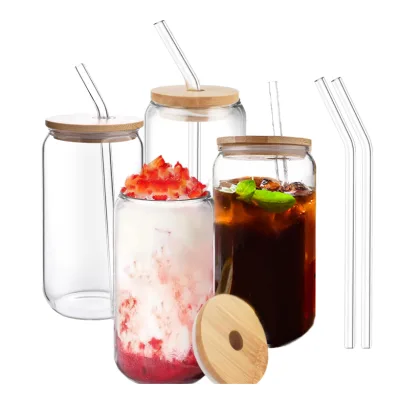


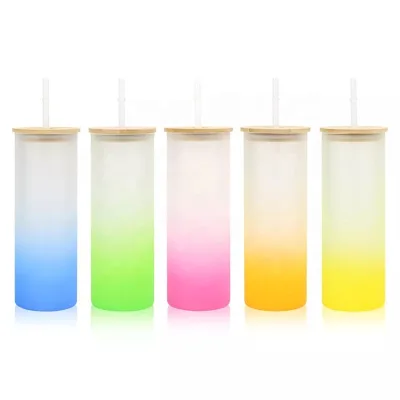
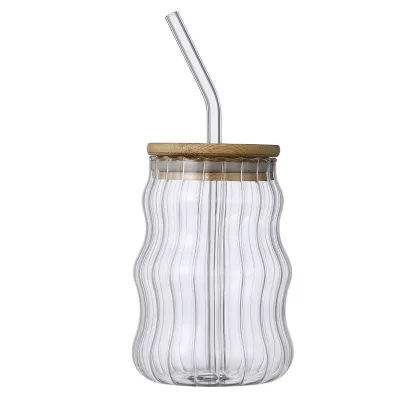


Comprehensive Sourcing Guide
Eco-Friendly Bamboo Tumbler with Lid Supplier Concentration and Factory Types
Current data indicates that suppliers offering eco-friendly bamboo tumblers with lids are concentrated in specific Chinese provinces, with Zhejiang and Anhui appearing as verified locations for manufacturers and trading entities. In Zhejiang, a mix of trading companies and combined suppliers operates, often listing glass cups, stainless steel tumblers, and plastic cups alongside bamboo fiber products. These entities frequently highlight capabilities in ODM and OEM services, suggesting a manufacturing cluster capable of handling custom designs for bamboo fiber mugs and travel cups. The presence of these diverse product lines within a single facility often points to a trading company model that aggregates goods from various factories rather than a single dedicated bamboo production line.
In contrast, suppliers located in Anhui and Shanghai demonstrate different operational profiles, with some focusing heavily on storage baskets and kitchen racks while others specialize in vacuum bottles and glassware. The Anhui-based combined suppliers explicitly list bamboo fiber cups and matcha whisks as main products, indicating a specialized cluster for eco-friendly drinkware. Shanghai-based entities often emphasize high-end certifications and complex customization, such as double-walled glass tumblers with bamboo lids, suggesting a hub for premium or specialized manufacturing. Buyers should verify if a supplier's primary location aligns with their specific product needs, as a trading company in Zhejiang might source bamboo items from a different factory than a combined supplier in Anhui who manufactures them in-house.
How to Verify Eco-Friendly Bamboo Tumbler with Lid Suppliers
Verification of suppliers for bamboo tumblers requires checking specific third-party audit reports and certification statuses provided in the supplier profile. Current records show that some suppliers hold CTI verification, while others possess BV or TÜV Rheinland certifications. These distinct verification bodies indicate different levels of scrutiny regarding factory conditions and product safety. For instance, a supplier with CTI verification may have undergone specific testing for the materials used in their bamboo fiber cups, whereas a TÜV Rheinland verified entity might have stricter compliance with European safety standards for glass and bamboo components. Buyers must confirm that the specific product listing, such as a 400ml bamboo fiber cup, is covered under the active verification scope rather than assuming the entire company is certified for all product lines.
Beyond general company verification, buyers should scrutinize product-specific attributes like certifications for food contact safety. The data reveals that bamboo fiber products often carry FDA, LFGB, ROHS, and REACH certifications, which are critical for drinkware intended for human consumption. A supplier claiming to offer eco-friendly bamboo tumblers must provide evidence that their specific models, such as the 12 oz travel mug, meet these regulatory standards. If a supplier lists certifications like FDA for plastic cups but does not explicitly link them to the bamboo fiber line, the buyer must request separate test reports. Relying on general company verification without confirming product-specific compliance can lead to sourcing items that fail to meet international safety requirements for food-grade materials.
What to Compare Across Eco-Friendly Bamboo Tumbler with Lid Suppliers
When evaluating potential partners, buyers should prioritize comparing response times, lead times, and minimum order quantities (MOQ) to ensure alignment with their supply chain needs. The available data shows significant variation in response speeds, ranging from approximately 2.44 hours to over 16 hours, which can impact the speed of negotiation and sample approval. Lead times also differ, with some suppliers offering 15-day turnaround while others require up to 30 days. These metrics are crucial for planning inventory, especially for seasonal products like party or camping tumblers. A supplier with a fast response time but a long lead time might be suitable for urgent inquiries but risky for tight production schedules, whereas a slower responder with a short lead time could be more efficient for bulk orders.
MOQ and pricing structures provide another critical layer of comparison for budget and volume planning. Current listings indicate MOQs ranging from 30 pieces for glass tumblers to 500 pieces for bamboo fiber cups, reflecting the different production complexities and material costs. Price points also vary, with some bamboo fiber mugs listed between $1.49 and $1.69, while glass options with bamboo lids can range from $2.00 to $10.00. Buyers must assess whether the lower MOQs justify the potentially higher unit costs or if the higher volume requirements of bamboo fiber suppliers offer better economies of scale. Additionally, customization availability and sample provision policies should be weighed against these financial constraints to determine the total cost of ownership for the specific eco-friendly tumbler model.
Common Eco-Friendly Bamboo Tumbler with Lid Sourcing Risks
One significant risk involves the discrepancy between product descriptions and actual material composition, particularly regarding the "bamboo" content in fiber cups. While some listings explicitly state "Bamboo Fiber," others may use generic terms like "Plastic" or "Eco-Friendly" without clarifying the blend ratio. The data shows products labeled as bamboo fiber cups alongside plastic cups with similar keywords, creating confusion about the actual material safety and biodegradability. Buyers must verify that the specific model number, such as BC-C1029, corresponds to the claimed bamboo fiber composition and not a plastic alternative. Relying solely on marketing keywords without checking the detailed product attributes for material specifications can lead to receiving non-compliant goods that do not meet the eco-friendly promise.
Another risk pertains to the consistency of certifications across different product lines within the same supplier. A supplier might hold FDA certification for their plastic water bottles but lack specific LFGB or REACH certification for their bamboo fiber mugs. The data indicates that certifications like LFGB, ROHS, and REACH are listed for glass products, while FDA is noted for plastic items. If a buyer sources a bamboo fiber cup from a supplier who primarily manufactures plastic goods, they must ensure the bamboo product has its own independent test reports. Assuming that a supplier's general certification covers all their product categories can result in regulatory non-compliance in the destination market, especially for food-contact items that require specific migration testing for bamboo and fiber blends.
Eco-Friendly Bamboo Tumbler with Lid Regional Sourcing and Logistics
Sourcing from verified locations like Zhejiang, Anhui, and Shanghai offers distinct logistical advantages and challenges that buyers must navigate. Suppliers in Zhejiang often operate as trading companies, which can streamline communication but may introduce additional layers in the supply chain. The proximity of these hubs to major ports facilitates export, yet the reliance on trading companies means the actual factory location might be further inland, potentially affecting transit times. Buyers should verify the specific origin of the bamboo fiber cups, as the data notes "China" as the origin but does not always specify the exact city for every product model. Understanding the precise manufacturing location helps in estimating accurate shipping costs and delivery windows for the final destination.
Logistics planning must also account for the packaging standards and product fragility associated with different materials. The data reveals that bamboo fiber cups are often packed in inner boxes and export cartons, while glass tumblers with bamboo lids use carton packaging. The fragility of glass components requires careful handling and potentially higher insurance costs compared to the more durable bamboo fiber options. Suppliers in Shanghai, known for high-end certifications, may offer more robust packaging solutions for premium glass products, whereas Anhui-based suppliers focusing on bamboo fiber might prioritize cost-effective packing. Buyers should request detailed packing lists to ensure that the chosen supplier's packaging standards align with the shipping method and the durability requirements of the destination market to prevent damage during transit.
Eco-Friendly Bamboo Tumbler with Lid Commercial Terms and Order Planning
Commercial terms for eco-friendly bamboo tumblers vary significantly based on the supplier type and product complexity. Trading companies in Zhejiang may offer flexible payment terms but might have higher MOQs for custom designs, while combined suppliers in Anhui could provide more direct pricing for standard bamboo fiber models. The data shows that customization is available across most listings, but the lead time for custom orders can extend to 30 days, compared to 15 days for stocked items. Buyers must clarify whether the quoted price includes the cost of custom molds or if these are charged separately, as this can significantly impact the total order cost. Understanding the specific terms for customization is essential for accurate budgeting and avoiding unexpected expenses during the order planning phase.
Order planning should also consider the sample availability and the timeline for sample approval before mass production begins. The data indicates that samples are provided for various products, including glass tumblers and bamboo fiber cups, but the response time for sample requests can vary from under 5 hours to over 16 hours. This variance affects the speed at which a buyer can validate product quality and design before committing to a large order. For suppliers with longer lead times, such as those requiring 30 days for production, early sample approval is critical to avoid delays. Buyers should establish a clear timeline for sample testing and approval that accounts for the supplier's response speed and the production lead time to ensure the final delivery meets the required market launch date.
FAQs
What certifications do eco-friendly bamboo tumblers have?
Suppliers offer products with LFGB, ROHS, REACH, and FDA certifications. These credentials ensure the materials meet international safety standards for food contact. Buyers should verify specific certificates for their target market to guarantee compliance and product safety during import and distribution.
What is the minimum order quantity for these tumblers?
Minimum order quantities vary by supplier and material type. Glass tumbler orders typically start at 30 pieces, while plastic options require 60 pieces. Bamboo fiber cup suppliers often set higher thresholds, such as 500 pieces, to accommodate custom manufacturing and packaging requirements.
How long does production take for custom orders?
Lead times generally range from 15 to 30 days depending on the supplier location and order volume. Suppliers in Zhejiang often report faster turnaround times around 15 days, while Shanghai-based manufacturers may require up to 30 days for complex custom designs and packaging.
Are customization and logo printing available?
Yes, most suppliers provide customization services including screen printing and logo application. Buyers can request OEM and ODM designs for various styles and volumes. Customization is available for glass, plastic, and bamboo fiber materials, allowing brands to create unique packaging and product aesthetics.
What is the price range for bulk orders?
Prices typically range from $1.10 to $10.00 per unit based on material and volume. Glass tumblers start around $1.10, while plastic options cost approximately $1.45. Bamboo fiber cups range from $1.49 to $1.65, and premium double-wall glass designs can reach higher price points.
Where are these suppliers located in China?
Manufacturers are primarily located in Zhejiang, Anhui, and Shanghai provinces. Zhejiang suppliers often specialize in glass and plastic drinkware with quick response times. Anhui-based producers focus on bamboo fiber products, while Shanghai suppliers offer comprehensive vacuum and thermal bottle solutions with extensive certification options.