Traveling Daily Messenger Bag Suppliers and Manufacturers
Source 26 verified suppliers for Traveling Daily Messenger Bag options. Compare dimensions like lead time, MOQ, and certifications such as ISO 9001 and SGS. Review product specs and request quotes directly from factories in China; review the available evidence before requesting comparable quotations from suitable candidates.
Updated
Suppliers List

Quanzhou Changyi Crafts Gifts Limited
- Verified by TUVRHEINLAND
- Manufacturer/Factory
- China Fujian
- Lead time23 days
- Avg. response≤ 6h
Main productsBallpoint Pen, Silicone Bracelet, Name Card Holder, Luggage Tag, Gift Set, Mobile Phone Accessory, Passport Cover, Ceramic Coaster, Gift Bag, Gift Box
Main marketsSouth America,Mid East,North America,Southeast Asia,Eastern Asia,Oceania,Western Europe,Africa

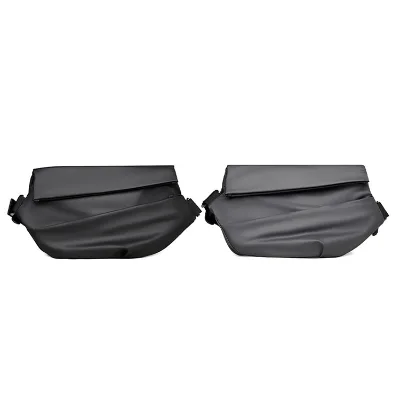
Man Briefcase Bag Shoulder Bag Daily Casual Handbag Business Messenger Bag
$3.00 - $3.80
MOQ: 50 Pieces

Single Shoulder Bag Men's Daily Casual Handbag Business Men's Briefcase Messenger Bag
$3.00 - $3.80
MOQ: 50 Pieces

Quanzhou Song Hu Bags Co., Ltd.
- Verified by BV
- Combined
- China Fujian
- Lead time30 days
- Avg. response≤ 3h
Main productsTravel Bag, Backpacks, School Bag, Cooler Bag, Bike Bags, Laptop Documents Briefcase, Documents Bag, Sports Bag, Hydration Bag, Mountain Backpacks
Main marketsDomestic
Baoding Baigou New City Kuncheng Bag Sales Department
- Trading Company
- Hebei, China
- Lead time0 days
- Avg. response≤ 2h
Main productsbackpack,waistpack,Messenger bag,chest bag,Travel bags
Main marketsSoutheast Asia(20.00%), North America(20.00%), South Asia(10.00%), Northern Europe(10.00%), Central America(10.00%), Western Europe(10.00%), Mid East(10.00%), Africa(10.00%)
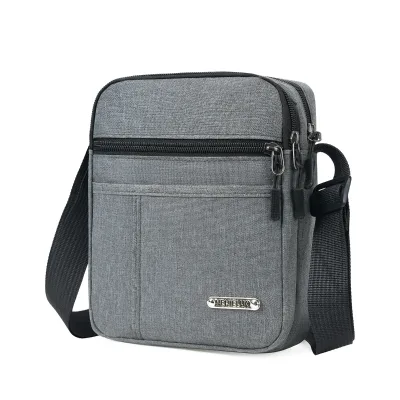
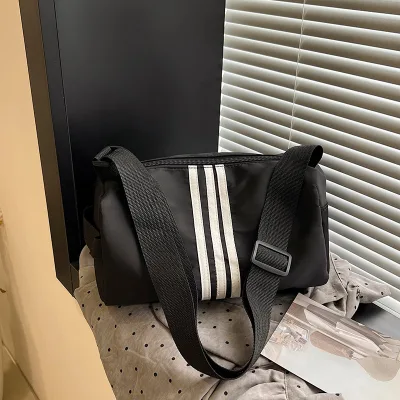
Custom Messenger Bag Fashion Travel Work Small Shoulder Pack Messenger Bags
$2.00 - $3.00
MOQ: 100 pieces
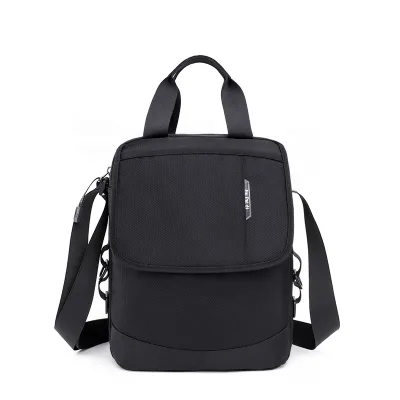
Men's Lightweight Waterproof Casual Sling Chest Crossbody Messenger Shoulder Bag
$5.00 - $7.00
MOQ: 100 pieces

Shenzhen Kasi Teng Technology Co., Ltd
- Manufacturer, Trading Company
- Guangdong, China
- Lead time35 days
- Avg. response≤ 1h
Main productsTool Bag,EVA Case,Car Detailing Bag,Camping Bag,Toiletry Bag
Main marketsNorth America(35.00%), Oceania(20.00%), Eastern Asia(15.00%), Western Europe(15.00%), Northern Europe(10.00%), Mid East(5.00%)
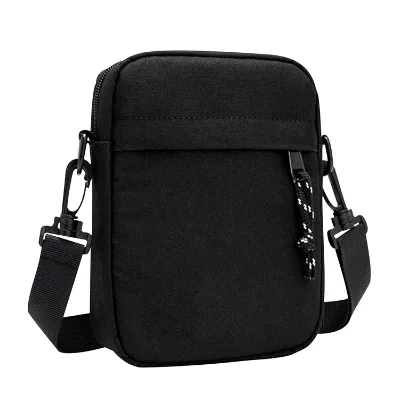
Casual Satchel Shoulder Sling Bag Crossbody Mini Messenger Bag for Men
$3.5898 - $4.1018
MOQ: 1 pieces
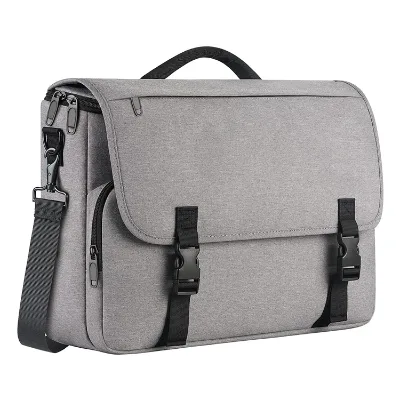

Foshan Yunmaotong International Trade Co., Ltd.
- Trading Company
- China Guangdong
- Lead time0 days
- Avg. response≤ 6h
Main productsWatch, Bag, Shoe, Belt, Perfume, Jewelry
Guangzhou Hecda Fashion Leather Co., Ltd.
- Verified by Intertek
- Manufacturer, Trading Company
- Lead time0 days
- Avg. response≤ 5h
Main productsHandbag, Shoulder Bag, Wallet, Crossbody Bag, Backpack
Main marketsWestern Europe(50%), South America(40%), Eastern Europe(10%)
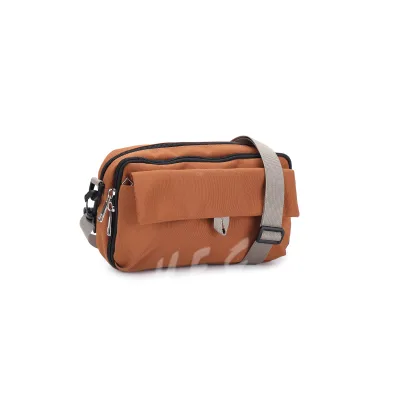
Factory Direct Fashion Multifunctional Sports Messenger Bag Men and Women Messenger Bag
$6.60 - $8.58
MOQ: 500 pieces
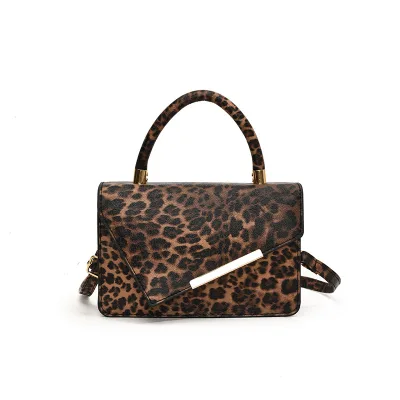
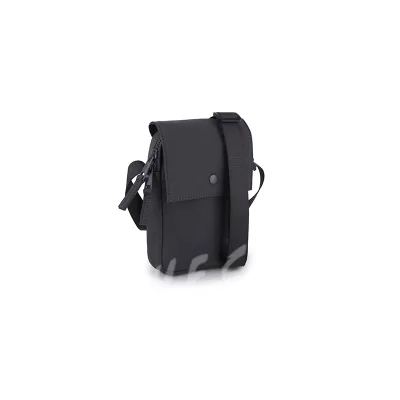
Hot Casual, Simple, High-quality Messenger Bag, Large-capacity Shoulder Bag Handbag
$4.40 - $5.72
MOQ: 500 pieces
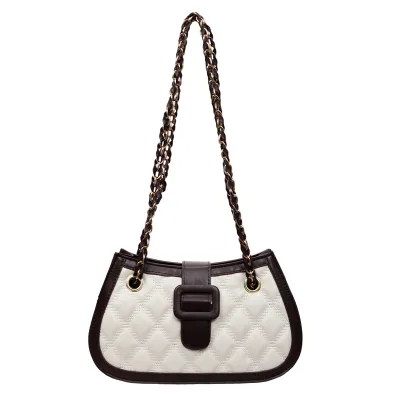
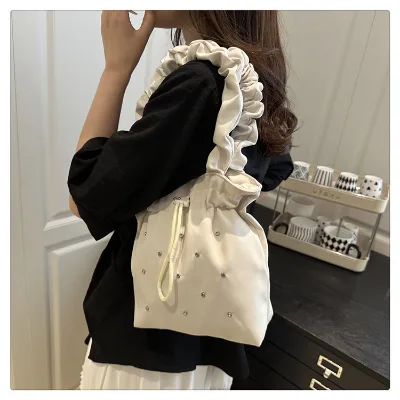
$2.1916 - $2.3757
MOQ: 2 pieces
Baoding Xuguan Leather Goods Manufacturing Co., Ltd.
- Verified by SGS Group
- Manufacturer, Trading Company
- Lead time30 days
- Avg. response≤ 2h
Main productsBackpack, Men's bags, Travelling bag, Lady's handbag, Kids' backpack
Main marketsNorth America(35%), Domestic Market(20%), Southeast Asia(15%)

Quanzhou Jiahui Trading Co., Ltd.
- Trading Company
- Fujian, China
- Lead time0 days
- Avg. response≤ 2h
Main productsschool bag,laptop backpack,travel bag,shoulder bag,hiking bag
Main marketsCentral America(30.00%), South America(30.00%), Eastern Europe(20.00%), Northern Europe(20.00%), Western Europe(10.00%)
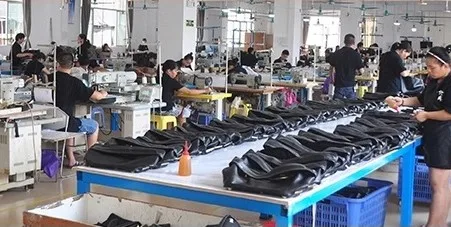
Guangzhou Youbeige Leather Co., Ltd.
- Manufacturer
- Guangdong, China
- Lead time45 days
- Avg. response≤ 14h
Main productsHandbag,Waist Bags,Backpacks,Wallets & Holders,Duffel
Main marketsEastern Asia(30.00%), Mid East(30.00%), Oceania(20.00%), South America(10.00%), North America(10.00%)
- Verified by SGS Group
- Manufacturer, Trading Company
- Lead time30 days
- Avg. response≤ 2h
Main productsDry Backpack, Cooler Bag, Hiking Backpack, Tactical Bag, Waterproof Duffel Bag
Main marketsWestern Europe(45%), North America(25%), Northern Europe(15%)
Baoding Jiezhen Luggage Manufacturing Co., Ltd.
- Manufacturer, Trading Company
- Hebei, China
- Lead time15 days
- Avg. response≤ 4h
Main productsTravel bags,Backpacks,Messenger Bags,Custom bag,Handbag
Main marketsNorth America(20.00%), Southeast Asia(15.00%), Africa(15.00%), Central America(10.00%), Southern Europe(7.00%), South America(7.00%), Western Europe(6.00%), Oceania(5.00%), Northern Europe(5.00%), Eastern Europe(5.00%), Mid East(5.00%)
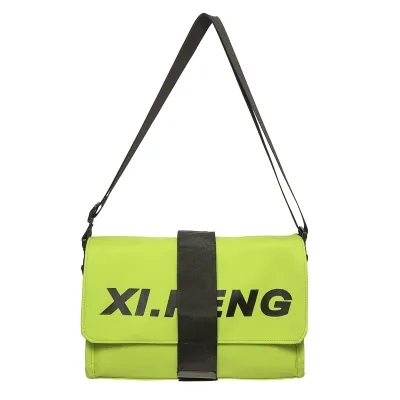
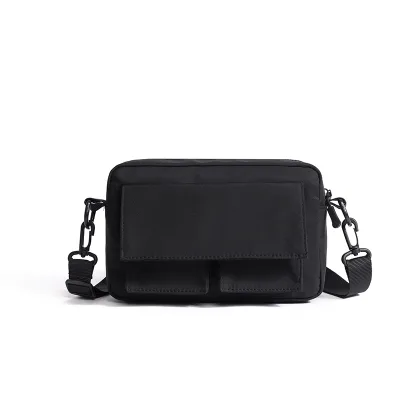
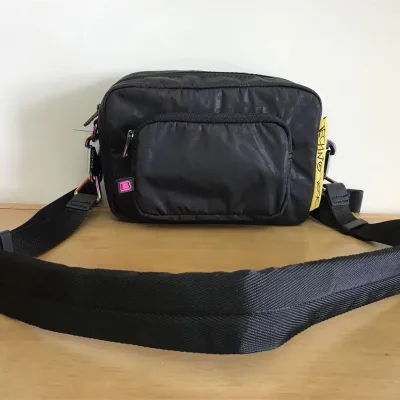
One-shoulder Messenger Bag Waterproof Messenger Bag Outdoor Western Style Cycling Convenient Bag
$4.3518 - $5.491
MOQ: 2 pieces

- Verified by CTI
- Manufacturer/Factory
- China Fujian
- Lead time45 days
- Avg. response≤ 7h
Main productsBackpack, Duffle Bag, Cooler Bag, Medical Bag, Canvas Bag, Pet Carrier, Tote Bag, Tool Bag, Makeup Bag, Drawstring Bag
Main marketsSouth America,Eastern Europe,Mid East,North America,Southeast Asia,Eastern Asia,Oceania,Western Europe,Africa

QUANZHOU DANKIN IMP AND EXP CO., LTD.
- Manufacturer/Factory
- China Fujian
- Lead time45 days
- Avg. response≤ 2h
Main productsBackpack, Cooler Bag, Tool Bag, Laptop Bag, Gun Bag, Travel Bag, Hiking Bag, Tennis Bag, Running Bag, Diaper Bag
Main marketsSouth America,Eastern Europe,Mid East,North America,Southeast Asia,Eastern Asia,Oceania,Western Europe,Africa


Classic Shoulder Messenger Travel Twopocket Crossbody Casual Lightweight Bag
$3.99 - $5.99
MOQ: 500 Pieces

Quanzhou Xinxingda Bags Co., Ltd.
- Manufacturer, Trading Company
- Fujian, China
- Lead time15 days
- Avg. response≤ 4h
Main productsBags
Main marketsNorth America(75.00%), Western Europe(10.00%), Oceania(5.00%), Eastern Asia(5.00%), Northern Europe(5.00%)

Zhengzhou Yunguang Technology Co., Ltd.
- Verified by TUVRHEINLAND
- Trading Company
- China Henan
- Lead time30 days
- Avg. response≤ 11h
Main marketsDomestic


$6.38 - $6.68
MOQ: 100 Pieces

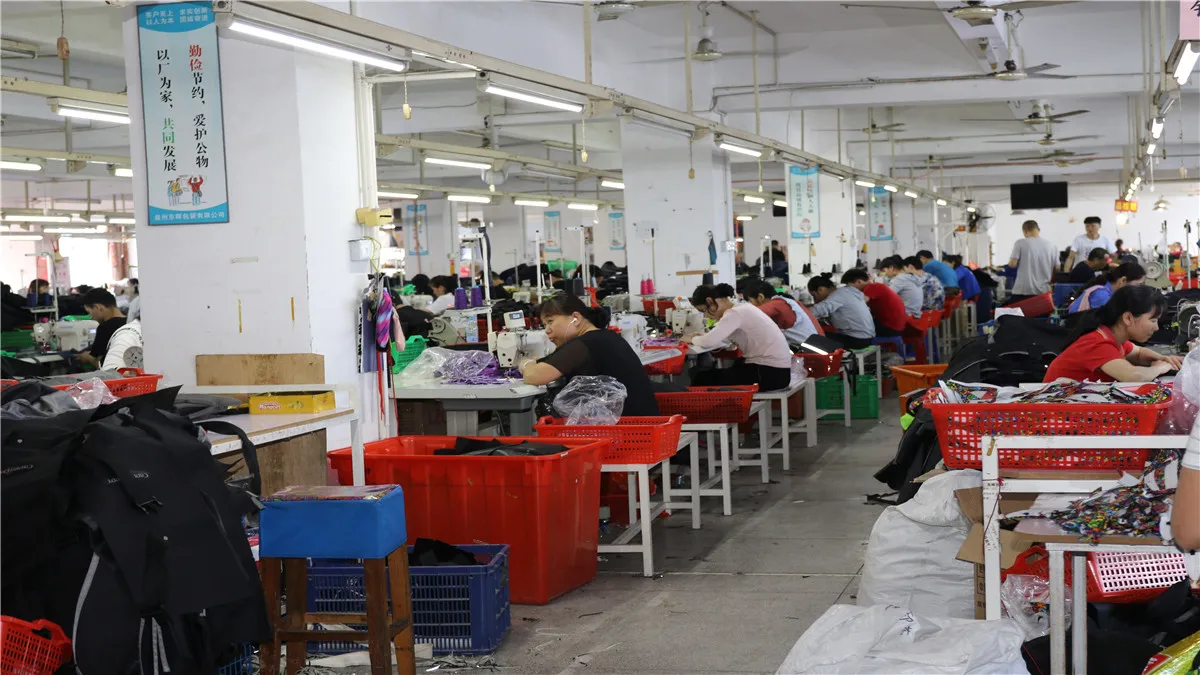
Quanzhou Skysoar Bags Co., Ltd.
- Manufacturer, Trading Company
- Fujian, China
- Lead time45 days
- Avg. response≤ 7h
Main productsBags
Main marketsSouthern Europe(40.00%), North America(40.00%), Eastern Europe(20.00%)

- Verified by CTI
- Manufacturer/Factory
- China Fujian
- Lead time23 days
- Avg. response≤ 6h
Main productsTrolley Luggage, Travel Bags, School Bag, Cooler Bag, Special Backpack, Delivery Bag, Picnic Bag, Hunting Bag, Duffel Bag, Rolling Bag
Main marketsMid East,North America,Southeast Asia,Western Europe

2024 Lightweight Design Bags Fashion Shoulder Bag Travel Casual Sports Messenger Bag
$8.99 - $10.99
MOQ: 500 Pieces

Large Crossbody Messenger Bag Business Waterproof Casual 14-Inch Laptop Bag
$4.58 - $6.99
MOQ: 500 Pieces
Anhui Three Six Seven Travel Products Co., Ltd.
- Verified by Intertek
- Manufacturer, Trading Company
- Lead time30 days
- Avg. response≤ 2h
Main productsBackpack, Tote Bags, Crossbody Bags, Lunch Bags, Shopping Bags
Main marketsSoutheast Asia(32%), North America(22%), Western Europe(12%)
Shenzhen SNAWI Technology Co., Ltd.
- Trading Company, Distributor/Wholesaler
- Guangdong, China
- Lead time10 days
- Avg. response≤ 3h
Main productssuitcase,handbag,backpack,waistbag,Chest bag
Main marketsNorth America(33.00%), South America(9.00%), Africa(6.00%), South Asia(5.00%), Northern Europe(5.00%), Central America(5.00%), Domestic Market(5.00%), Eastern Asia(5.00%), Mid East(5.00%), Oceania(5.00%), Eastern Europe(5.00%), Southeast Asia(5.00%), Southern Europe(4.00%), Western Europe(3.00%)
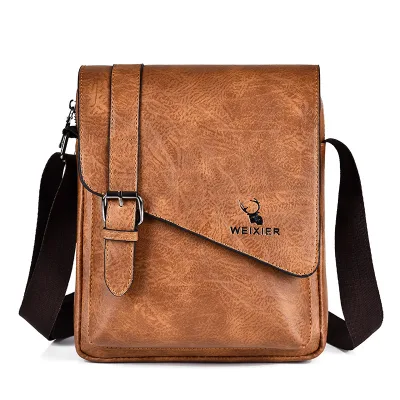
$4.39 - $5.59
MOQ: 50 pieces
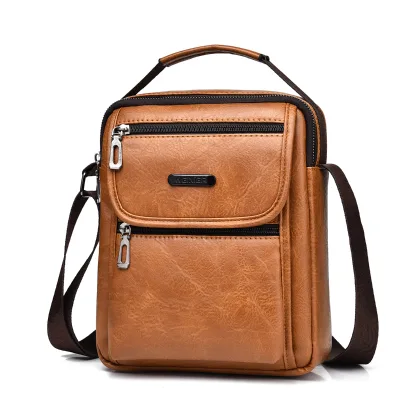
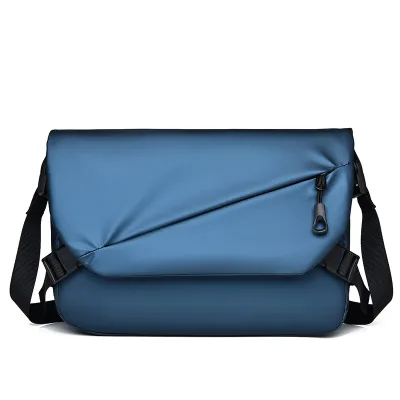
Custom logo Water Resistant Back Pack Crossbody Chest Shoulder Bag Outdoor Travel Sling Bags for Men
$4.37 - $5.54
MOQ: 50 pieces
Guangzhou Changrong Bags Manufacture Co., Ltd.
- Verified by Intertek
- Manufacturer, Trading Company
- Lead time45 days
- Avg. response≤ 6h
Main productsBackpack, Kids Backpack, Women Backpack, Fanny Pack, Duffle Bag
Main marketsNorth America(45%), Western Europe(15%), Oceania(10%)

QUANZHOU VEKEDUO SUPPLY CHAIN MANAGEMENT CO.,LTD
- Verified by SGS
- Trading Company
- China Fujian
- Lead time30 days
- Avg. response≤ 7h
Main productsNon-Woven Bags, Apparel, Stationery, Resin Crafts, Stuffed Toys, Sport Products, Textile, Inflatable Toy
Main marketsSoutheast Asia/ Mideast,East Asia(Japan/ South Korea),Europe,North America
Guangzhou Changrong Bags Manufacture Co., Ltd.
- Verified by Intertek
- Manufacturer, Trading Company
- Lead time旺季: "1 - 300":30,"301 - 500":35,"501 - 1000":45,"> 1000":"To be negotiated", 淡季: "1 - 300":30,"301 - 500":35,"501 - 1000":45,"> 1000":"To be negotiated"
- Avg. response≤ 2h
Main productsBackpack, Weekender Bag, Messenger Bag, Sling Bag, Waist Bag
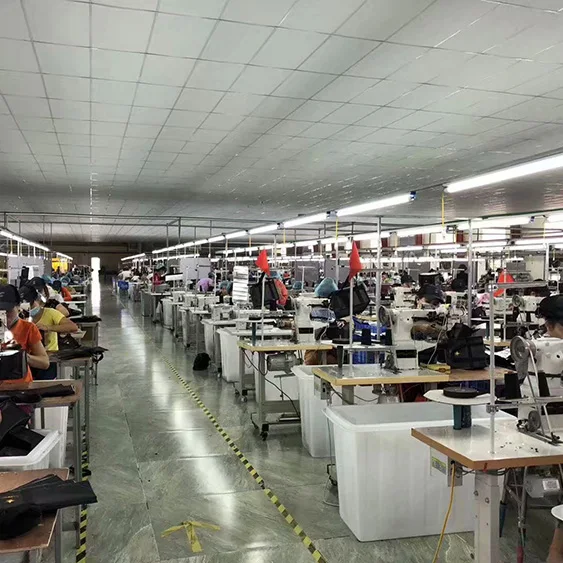
- Manufacturer, Trading Company
- Zhejiang, China
- Lead time7 days
- Avg. response≤ 8h
Main productsPet carrier bag,Toiletry bag,Backpack,Garment bag,Promotional bag
Main marketsNorth America(50.00%), Western Europe(20.00%), South America(20.00%), Eastern Europe(10.00%)
Hengshui Liou Import And Export Trade Co., Ltd.
- Verified by SGS Group
- Trading Company
- Lead time15 days
- Avg. response≤ 4h
Main productsClothing, Camping Cart, Wallet and bags, Watch, Sport Brace
Main marketsNorth America(50%), South America(10%), Oceania(10%)

Changrun Bag & Case Manufacture Co., Ltd.
- Verified by TUVRHEINLAND
- Combined
- China Guangdong
- Lead time23 days
- Avg. response≤ 4h
Main productsBackpack, Travel Bag, Laptop Bag, Trolley Bag, Cosmetic Bags, Handbag, Duffel Bag, Bag, China Backpack, China Travel Bag
Main marketsDomestic
Wuxi Jihe Industrial Technology Co., Ltd
- Verified by SGS Group
- Trading Company
- Lead time15 days
- Avg. response≤ 4h
Main productsBaseball Cap, Bucket Hat, Trucker Hat, Shorts, T-Shirt
Main marketsNorth America(70%), Oceania(25%), South America(5%)


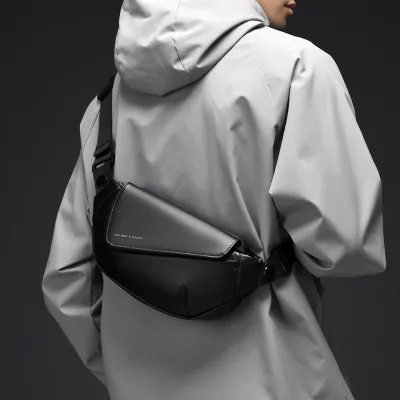
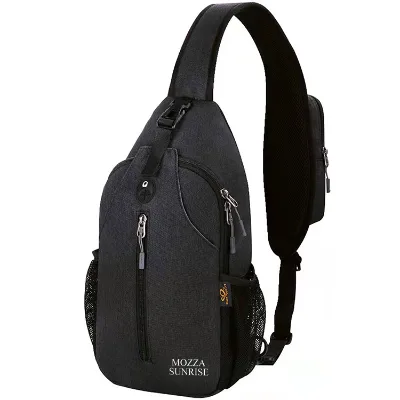
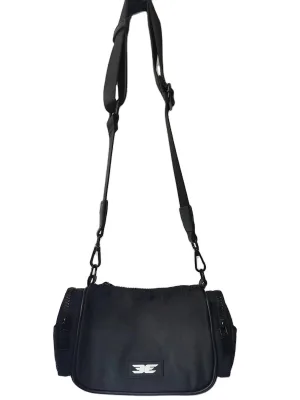
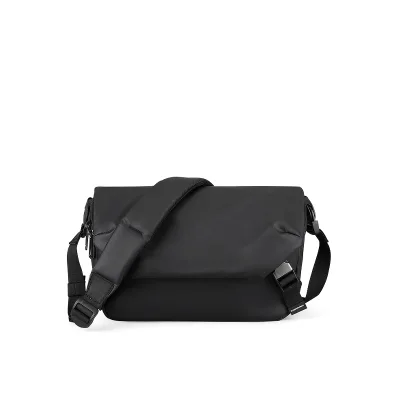


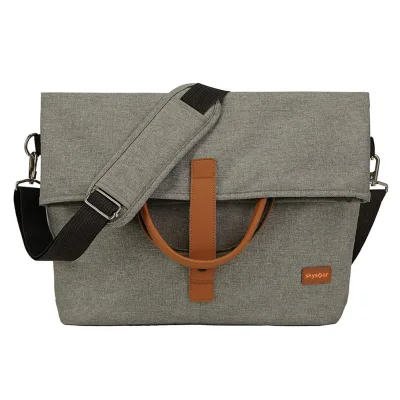
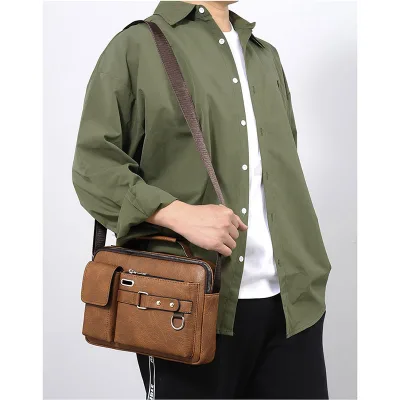
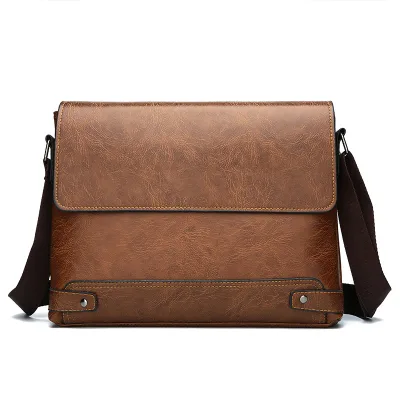
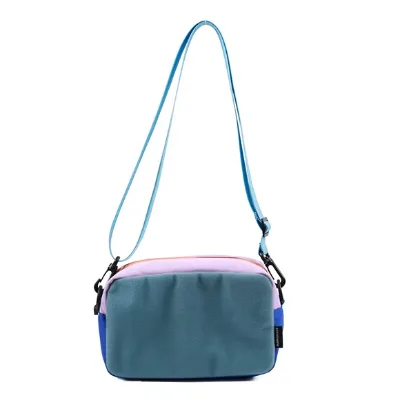
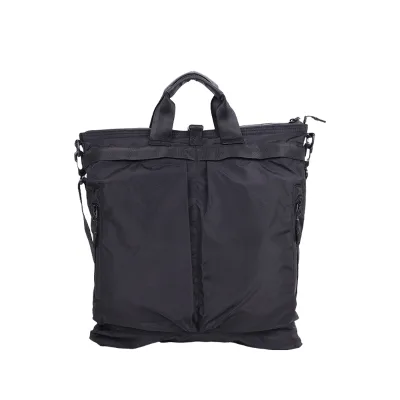


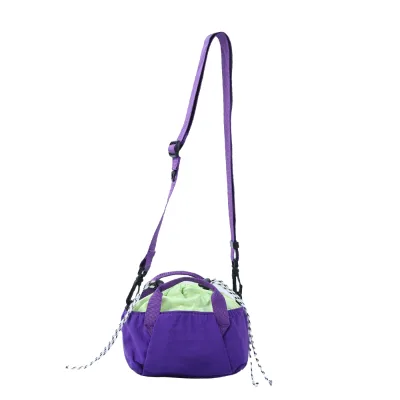
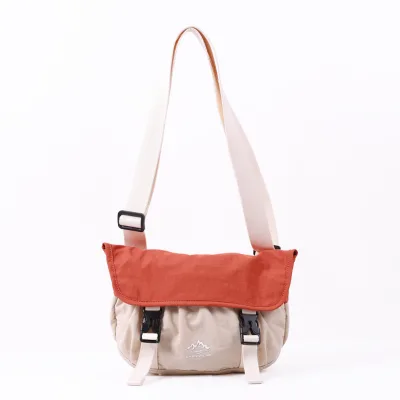
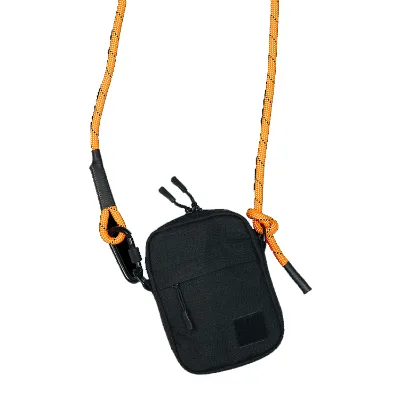



Comprehensive Sourcing Guide
Traveling Daily Messenger Bag Supplier Concentration and Factory Types
The current supplier landscape for traveling daily messenger bags reveals a distinct concentration of manufacturing capabilities within specific geographic regions, with China Fujian emerging as a notable hub for production. This location is associated with a diverse array of main products that extend beyond simple bags, including ballpoint pens, silicone bracelets, and gift sets, suggesting a versatile manufacturing ecosystem. The presence of these varied items indicates that many suppliers in this cluster are not limited to single-category production but rather operate as comprehensive gift and accessory manufacturers. This breadth of product offering often correlates with the ability to handle complex customization requests, as the underlying machinery and material sourcing infrastructure are already established for multiple consumer goods. Buyers evaluating suppliers from this region should recognize that the concentration of factories here provides a robust network for sourcing, but it also requires careful differentiation between pure bag manufacturers and generalist factories that may treat bags as just one line among many.
Company types in this sector vary significantly, ranging from dedicated manufacturers and factories to combined entities that may blend trading and production functions. The observed data highlights that some suppliers operate strictly as manufacturers or factories, which typically implies direct control over the production line and potentially more competitive pricing on volume orders. In contrast, combined company types suggest a hybrid model that might offer greater flexibility in product selection but could introduce additional layers in the supply chain. This distinction is critical for buyers who prioritize direct factory communication versus those who value a broader catalog of complementary items. The variation in company structure also impacts the level of customization available, with OEM and ODM capacities being explicitly listed for certain suppliers. Understanding whether a supplier is a pure factory or a combined entity helps buyers assess the depth of their technical expertise and the reliability of their production schedules, ensuring that the chosen partner aligns with the specific operational needs of the purchasing project.
How to Verify Traveling Daily Messenger Bag Suppliers
Verification of suppliers is a critical step that goes beyond simple profile reviews, requiring a close examination of third-party certifications and verification badges to ensure legitimacy. The current market data shows that suppliers may hold verification from reputable agencies such as TÜV Rheinland or Bureau Veritas (BV), which serve as independent validations of their business operations and quality management systems. These badges are not merely decorative; they indicate that the supplier has undergone rigorous audits regarding their legal status, factory conditions, and operational capabilities. Buyers should prioritize suppliers with these visible verification marks, as they provide a higher degree of confidence in the supplier's reliability. Additionally, system certifications like ISO 9001 and ISO 14064 are present in the supplier pool, signaling adherence to international quality and environmental management standards. These certifications are particularly important for buyers who have strict corporate social responsibility requirements or need to ensure that their supply chain meets specific regulatory benchmarks for quality control and environmental impact.
Beyond certifications, verifying the authenticity of product-specific claims is essential to avoid misrepresentation. Suppliers often list detailed product attributes, such as material composition, waterproof features, and specific certifications like SGS, BSCI, CE, and RoHS for their messenger bags. Buyers must cross-reference these claims with actual test reports or certificates provided by the supplier, as the presence of a "Test Report" or specific standard labels in the product data does not automatically guarantee compliance without documentation. For instance, while some products are described as waterproof or made from specific materials like nylon or polyester, the actual performance can only be confirmed through verified test results. Furthermore, the response time of the supplier, which can vary significantly from under three hours to over five hours, serves as an indirect indicator of their operational efficiency and customer service quality. A faster response time often correlates with a more organized sales team, which is crucial for resolving issues quickly during the sourcing process. Buyers should actively engage with suppliers to request proof of these certifications and assess their responsiveness to ensure they are dealing with a transparent and professional partner.
What to Compare Across Traveling Daily Messenger Bag Suppliers
When evaluating multiple suppliers, comparing key operational metrics such as lead times, minimum order quantities (MOQs), and response speeds is vital for aligning supplier capabilities with project requirements. The data indicates that lead times can range from approximately twenty-three days to thirty days, with some suppliers offering sample lead times of seven to fifteen days. These variations can significantly impact inventory planning and time-to-market strategies, making it essential for buyers to clarify production schedules early in the negotiation process. Similarly, MOQs vary widely, with some suppliers requiring as few as fifty units, while others demand quantities of five hundred or even one thousand pieces. This disparity allows buyers with different scale needs to find suitable partners, but it also requires careful calculation of total landed costs, including shipping and handling, to determine the most economical option. Suppliers with lower MOQs may be more suitable for testing new markets or launching limited editions, whereas those with higher MOQs might offer better unit economics for large-scale distribution.
In addition to logistical metrics, comparing product specifications and customization options provides insight into the supplier's technical flexibility. Products are described with specific attributes such as material (canvas, nylon, polyester), color options, and features like waterproofing or multifunctionality. Some suppliers offer customization for packaging, size, and design, which is crucial for brands seeking unique product differentiation. The presence of OEM and ODM capabilities further expands the scope of potential collaboration, allowing buyers to either produce their own designs or leverage the supplier's existing product lines. Response times also play a role in this comparison, as quicker replies can facilitate faster decision-making and problem resolution. Buyers should create a comparison matrix that includes these factors, along with price ranges which can vary from around three dollars to over eight dollars per unit, to objectively assess which suppliers offer the best balance of cost, quality, and service for their specific needs. This structured approach ensures that all critical aspects of the supplier relationship are evaluated systematically.
Common Traveling Daily Messenger Bag Sourcing Risks
One of the primary risks in sourcing traveling daily messenger bags is the potential mismatch between advertised product specifications and the actual delivered goods. Suppliers may list products with attributes such as "waterproof" or specific materials like nylon, but without rigorous quality control and verification, these claims may not hold up under real-world conditions. The risk is compounded by the fact that some suppliers are combined entities rather than pure manufacturers, which can lead to inconsistencies in quality control processes. Buyers must be vigilant in requesting physical samples and independent test reports to verify claims about durability, material composition, and functional features like waterproofing. Failure to do so can result in receiving products that do not meet the expected standards, leading to customer dissatisfaction and potential returns. Additionally, the variability in lead times and production capacities means that delays can occur if the supplier is overcommitted or lacks the necessary infrastructure to handle large orders efficiently.
Another significant risk is the lack of transparency in commercial terms and compliance standards. While some suppliers display certifications like BSCI or ISO standards, others may not provide clear documentation, leaving buyers exposed to potential ethical or regulatory issues. The presence of various certifications such as CE, RoHS, and SGS suggests that compliance is a factor, but buyers must ensure that these certifications are current and applicable to the specific products being ordered. There is also a risk associated with customization, as unclear specifications can lead to production errors that are costly to rectify. Furthermore, the diversity in main products offered by some suppliers, ranging from bags to pens and gift sets, may indicate a lack of specialized focus, which could affect the depth of expertise in bag manufacturing. Buyers should conduct thorough due diligence, including factory audits if possible, to mitigate these risks and ensure that the supplier has the necessary capabilities and commitment to quality to deliver products that meet their standards.
Traveling Daily Messenger Bag Regional Sourcing and Logistics
Sourcing from regions like China Fujian offers logistical advantages due to the established infrastructure for manufacturing and export, but it also requires careful planning to manage shipping and customs processes. The concentration of suppliers in this area means that buyers can potentially consolidate orders from multiple product lines, such as bags and accessories, to optimize shipping costs. However, the distance from major global markets necessitates accurate estimation of transit times, which can be affected by seasonal peaks and global supply chain disruptions. Buyers should work closely with their suppliers to understand the specific shipping terms, such as FOB or CIF, and ensure that logistics partners are reliable. The lead times observed, ranging from twenty-three to thirty days, should be factored into the overall timeline, including production, quality inspection, and shipping. Additionally, the origin of the products, explicitly stated as China in some product attributes, may have implications for tariffs and trade regulations in the buyer's home country, which must be considered in the total cost calculation.
Logistics planning also involves managing the physical characteristics of the products, such as their size and weight, which can impact shipping costs. Products are described with specific dimensions, such as 341126 cm or 23209 cm, and weights like 1kg, which are crucial for calculating volumetric weight and freight charges. Buyers should request detailed packing information, including the number of units per carton and the total carton dimensions, to optimize container loading and reduce shipping expenses. The availability of customized packaging options can also affect logistics, as non-standard packaging may require special handling or additional materials. Furthermore, the response time of the supplier can influence the efficiency of logistics coordination, as quick communication is essential for resolving shipping issues or updating tracking information. By understanding these logistical factors, buyers can develop a more robust supply chain strategy that minimizes delays and costs while ensuring timely delivery of products to their customers.
Traveling Daily Messenger Bag Commercial Terms and Order Planning
Effective order planning requires a clear understanding of commercial terms, including pricing structures, payment conditions, and customization policies. The price ranges observed, from approximately three dollars to over eight dollars per unit, provide a baseline for budgeting, but buyers must negotiate based on volume and specific requirements. Suppliers with lower MOQs may have higher unit prices, while those with higher MOQs might offer discounts, so buyers should calculate the total cost including shipping and duties to determine the most cost-effective option. Payment terms should be clearly defined, with options like escrow services providing security for both parties. It is also important to clarify the terms for samples, including costs and lead times, as these are essential for quality verification before placing a large order. Buyers should ensure that all commercial agreements are documented in writing to avoid misunderstandings and protect their interests.
Customization policies are another critical aspect of order planning, as they directly impact the final product and its marketability. Suppliers offering OEM and ODM services allow for significant flexibility in design and branding, but this requires detailed specifications and clear communication to avoid errors. Buyers should provide comprehensive design files and material requirements, and confirm that the supplier has the capability to meet these specifications. The availability of customization for packaging, size, and features should be confirmed early in the process, as changes later in production can be costly and time-consuming. Additionally, buyers should establish clear quality acceptance criteria and inspection procedures to ensure that the final products meet their standards. By carefully planning these commercial and customization aspects, buyers can streamline the ordering process, reduce risks, and ensure that the final products align with their brand and market expectations.
FAQs
What is the price range for daily messenger bags?
Daily messenger bags are available within a price range of $3.00 to $8.05 per unit. The cost varies based on material selection, such as canvas or nylon, and specific customization requirements. Buyers should consider the minimum order quantity when calculating total procurement expenses for their specific business needs.
What materials are used for these messenger bags?
Manufacturers primarily use durable materials like canvas, nylon, and polyester for daily messenger bags. These materials offer varying levels of waterproofing and weight. Canvas options provide a classic look, while nylon and polyester versions often feature enhanced durability and water resistance for professional or travel environments.
What is the typical lead time for production?
The typical production lead time for these bags ranges from 23 to 30 days. Sample lead times may take 7 to 15 days depending on the supplier. Buyers should confirm exact timelines with manufacturers to ensure alignment with their inventory planning and delivery schedules for bulk orders.
What are the minimum order quantities for these bags?
Minimum order quantities vary significantly, ranging from 50 units to 1000 units per style. Lower MOQs are often available for standard canvas or polyester designs, while higher volumes may be required for specialized nylon or custom-colored options. Buyers should verify the specific MOQ for their desired product model.
Are these bags certified for quality and safety?
Many suppliers hold ISO 9001 and ISO 14064 certifications for their manufacturing systems. Products may also include test reports or certifications like SGS, BSCI, CE, and RoHS. Buyers should request specific certification documents to verify compliance with international standards and ensure product safety for their target markets.
Can I customize the design and branding?
Customization is available for most daily messenger bags, including logo printing and material selection. Suppliers offer OEM and ODM services to tailor products to specific brand requirements. Buyers should discuss customization options, such as color, size, and packaging, directly with manufacturers to ensure the final product meets their specifications.