Wall-Mounted AC Air Extractor Suppliers and Manufacturers
Explore 15 verified options for Wall-Mounted AC Air Extractor units from China Jiangsu and Guangdong. Compare lead times, certifications like ISO9001, response times, and product specifications to source effectively. Contact suppliers directly to request quotes; review the available evidence before requesting comparable quotations from suitable candidates.
Suppliers List

Jiangsu Gmusem Ventilation System Manufacture Co., Ltd.
- Verified by SGS
- Combined
- China Jiangsu
- Lead time15 days
- Avg. response≤ 1h
Main productsVentilation Systems, Air Curtain Machine, Erv, Fresh Air System, Duct Fans, Air Conditioning Cabinets, Smoke Extraction Fans, Hrv
Main marketsSoutheast Asia/ Mideast,Domestic

Shenzhen Yukon Glory Technology Co., Ltd.
- Trading Company
- China Guangdong
- Lead time0 days
- Avg. response≤ 2h
Main productsSolar Exhaust Fan, Kitchen Ventilation Fan with Battery, Solar Pet Exhaust Fan, Solar Roof Fan, Solar Cooling Fan, Solar Exhaust Fan for Chicken Coop, Battery, Solar Fan, Solar Ventilation Fan, Ventilating Device


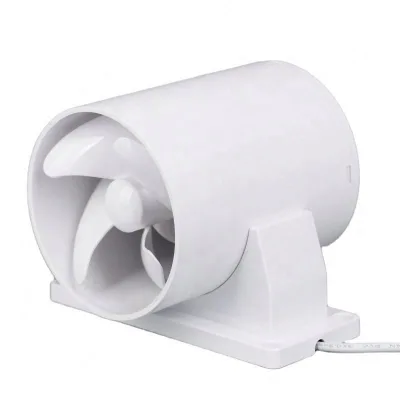
Ceiling Tubular Ventilation Fan Air Extractor Bedroom Ceiling Mount Exhaust Fan
$25.90 - $28.90
Moq: 10


Ningbo Aoshun Electrical Co., Ltd
- Verified by CTI
- Manufacturer/Factory
- China Zhejiang
- Lead time23 days
- Avg. response≤ 10h
Main productsWall Mounted Exhaust Fan, Mixed Flow Inline Fan, Air Curtain, Centrifugal Fan, Industrial Fan, Ventilation Air Grille & Other Accessories, Ceiling Mounted Exhaust Fan, Inline Duct Fan, Bathroom Ventilation Exhaust Fan, Ventilation Exhaust Fan
Main marketsSouth America,Mid East,Southeast Asia,Oceania,Western Europe
Ningbo Imetal Industry Co., Ltd
- Verified by SGS
- Trading Company
- China Zhejiang
- Lead time30 days
- Avg. response≤ 2h
Main productsMetal Parts, HVAC Parts, AC Bracket, Anti-Vibration Dampers, Metal Duct, Leveling Feet, Pipe Clamp, Hardware Tools, Damper, Air Vent
Main marketsSouth America,Africa,Southeast Asia/ Mideast,Europe,Australia,North America


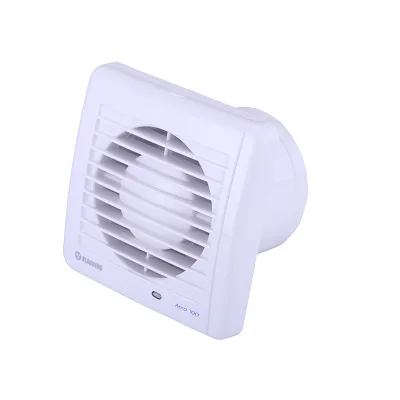
Kitchen Toilet Wall Ceiling Mounted Pull Cord Ventilating Exhaust Air Extractor Fan
$10.20 - $12.00
Moq: 200


HVAC External Extractor Wall Outlet Stainless Steel Ventilation Air Range Hood Vent
$8.50 - $9.00
Moq: 100

Ningbo Hseng Electrical Co., Ltd.
- Trading Company
- Lead time旺季: "1 - 100":20,"101 - 1000":30,"1001 - 5000":35,"> 5000":"To be negotiated", 淡季: "1 - 100":20,"101 - 1000":30,"1001 - 5000":35,"> 5000":"To be negotiated"
- Avg. response≤ 4h
Main productsVentilation Fan, Ventilation Accessories, AU Switch & Socket, AU Conduit System, AU Electrical Accessories

Anhui Jimei Air Treatment Equipment Co., Ltd.
- Verified by BV
- Combined
- China Anhui
- Lead time15 days
- Avg. response≤ 4h
Main productsCooling Pad, Ventilation Fans, Exhaust Fans, Air Cooler, Circulation Fans, External Rotor Fans
Main marketsSouth America,Southeast Asia/ Mideast,Domestic,Europe,North America


Hot Sales Industrial Ventilation Fan Axial Flow Exhaust Fan Air Extractor for HVAC
$118.00 - $188.00
Moq: 25

- Verified by SGS
- Trading Company
- China Zhejiang
- Lead time23 days
- Avg. response≤ 2h
Main productsRefrigeration, HVAC, Ventilation, Washing Machine Parts, Dryer Parts, Air Conditioning Parts, Customized Metal Products, AC Installation Products, Electrical
Main marketsSouth America,Africa,Southeast Asia/ Mideast,East Asia(Japan/ South Korea),Europe,Australia,North America

Jinan Huaxin Automation Engineering Co., Ltd.
- Verified by BV
- Combined
- China Shandong
- Lead time15 days
- Avg. response≤ 4h
Main productsWelding Fume Dust Collector/Extractor, Special Welding Equipment, Gas Mixer
Main marketsSouth America,Africa,Southeast Asia/ Mideast,Domestic,Europe,Australia,North America

Beijing Holtop Air Conditioning Co., Ltd.
- Verified by TUVRHEINLAND
- Combined
- China Beijing
- Lead time23 days
- Avg. response≤ 1h
Main productsHrvs, Air Handling Units, Heat Recovery Exchangers, Ervs, Energy Recovery Ventilators, Rotary Heat Exchanger, Ahu, Air to Air Energy Recovery Ventilation
Main marketsSoutheast Asia/ Mideast,Domestic,Europe,Australia,North America

Jinan Huaxin Automation Engineering Co., Ltd.
- Verified by TUVRHEINLAND
- Combined
- China Shandong
- Lead time15 days
- Avg. response≤ 1h
Main productsDust Collector, Welding Fume Extractor, Filter Cartridge, Gas Mixer
Main marketsSouth America,Africa,Southeast Asia/ Mideast,Europe,Australia,North America

Guangdong Xinfeng Fan Co., Ltd.
- Verified by BV
- Manufacturer/Factory
- China Guangdong
- Lead time45 days
- Avg. response≤ 7h
Main productsCentrifugal Fan, Centrifugal Blower, Axial Fan, Axial Fan Blade, Centrifugal Fan Impeller, Inlet Cone, Spray Fan, Stainless Steel Fan, Filter Cabinet Fan, Volute-Shaped Shell
Main marketsSouth America,Eastern Europe,Mid East,North America,Southeast Asia,Eastern Asia,Oceania,Western Europe,Africa

Ningbo Hseng Electrical Co., Ltd.
- Manufacturer/Factory
- China Zhejiang
- Lead time23 days
- Avg. response≤ 9h
Main productsSmart Switch, Smart Plug Socket, Wall Switches Accessories, Ventilation Fan, Exhaust Fan, Mixed Flow Inline Fan, HVAC System & Parts, Ventilation Accessories, Brackets&Saddles, Aus/Nzs Switch Socket
Main marketsSouth America,Mid East,Southeast Asia,Oceania,Western Europe

Hebei Ruiao Machine Tool Accessories Producing Co., Ltd.
- Verified by SGS
- Combined
- China Hebei
- Lead time15 days
- Avg. response≤ 4h
Main productsCable Chain, Slideway Cover, Oil Mist Collector, Chip Conveyor and Chain, Cantilever Control Box
Main marketsOthers(foreignTradeCapacity.exportBusinessCapacityMarketOther),Southeast Asia/ Mideast,Europe,Australia,North America
Blauberg Environment System (suzhou) Co., Ltd.
- Trading Company
- Jiangsu, China
- Lead time0 days
- Avg. response≤ 24h
Main productsventilation system
Main marketsSoutheast Asia(40.0%), Northern Europe(20.0%), North America(20.0%), Mid East(15.0%), South Asia(5.0%)
Dalian Binhang Ecological Environmental Protection Engineering Co., Ltd.
- Verified by TUVRHEINLAND
- Trading Company
- China Liaoning
- Lead time30 days
- Avg. response≤ 1h
Main productsWaste Gas Treatment Equipment, Dust Collector, Spray Tower, Washing Tower, Rto Thermal Energy Storage Catalytic Combustion, Activated Carbon Adsorption Tower, Industrial Dust Collector, Mobile Intelligent Welding Fume Purifier, Zeolite Rotary Equipment, Catalytic Combustion Equipment
Main marketsDomestic






Comprehensive Sourcing Guide
Wall-Mounted AC Air Extractor Supplier Concentration and Factory Types
Current supplier data indicates manufacturing activity concentrated in specific Chinese provinces, with Jiangsu and Guangdong emerging as primary hubs for ventilation equipment. Suppliers in Jiangsu often operate as combined entities capable of handling both manufacturing and trading functions, while those in Guangdong frequently present as trading companies specializing in solar-powered ventilation solutions. This geographic clustering suggests that buyers seeking wall-mounted AC air extractors should expect a significant portion of inventory to originate from these two regions, though specific factory locations must be confirmed through direct inquiry rather than assumed from general market trends.
The company types observed vary significantly, ranging from combined manufacturers offering ODM and OEM capabilities to pure trading companies that may source from multiple factories. A combined supplier in Jiangsu might provide ISO9001:2015 and ISO14001:2015 certifications alongside a verified status from third-party agencies like SGS, indicating a robust internal quality management system. In contrast, trading companies in Guangdong may focus on aggregating products like solar exhaust fans or DC air condition vent kits, potentially offering different customization support structures. Buyers must distinguish between these models to ensure the supplier can meet specific production requirements or if they require a middleman for logistics coordination.
How to Verify Wall-Mounted AC Air Extractor Suppliers
Verification of supplier credibility relies heavily on checking for specific third-party validations and certification documents rather than relying solely on platform badges. The available data shows that some suppliers hold ISO9001:2015 and ISO14001:2015 certificates, which are critical for ensuring consistent manufacturing quality and environmental compliance. Additionally, verification status from agencies like SGS provides an external layer of trust regarding the supplier's business legitimacy. Buyers should request copies of these certificates directly and cross-reference them with the issuing bodies to confirm validity, as the presence of a badge alone does not guarantee current compliance or accurate product specifications.
Beyond certifications, buyers must assess the supplier's response time and product evidence to gauge operational reliability. Data indicates response times can vary, with some suppliers showing a response metric around 0.79 while others may be slower, which impacts the speed of negotiation and issue resolution. Product evidence such as detailed specifications for airflow, material composition, and certification marks like RoHS, CE, or CCC on the actual product listings serves as a tangible proof of capability. Buyers should scrutinize these product attributes to ensure the wall-mounted AC air extractors match the required technical standards, such as low pressure ratings or specific airflow volumes, before proceeding with any transaction.
What to Compare Across Wall-Mounted AC Air Extractor Suppliers
When evaluating potential partners, buyers should prioritize comparing lead times, minimum order quantities, and response speeds to align with their supply chain needs. The observed data reveals a lead time of 15 days for certain manufacturers, while other suppliers may list zero days, suggesting immediate availability or drop-shipping capabilities. Minimum order quantities also vary widely, with some products requiring only a single unit while others demand a batch of 50 units. Understanding these constraints is essential for determining whether a supplier can accommodate small-scale testing or large-volume production runs without incurring prohibitive costs or delays.
Price ranges and customization options represent another critical comparison point that directly affects the total cost of ownership. Product listings show price points ranging from approximately $10.90 to $199.00 depending on the complexity and features of the unit, such as solar integration or motor type. Buyers must compare these figures against the specific material requirements, such as stainless steel versus plastic, and the inclusion of features like remote controls or specific certifications. Furthermore, the availability of OEM and ODM support should be verified, as some suppliers offer full customization while others may only provide standard models, influencing the ability to brand the product or modify technical specifications for specific market needs.
Common Wall-Mounted AC Air Extractor Sourcing Risks
One significant risk involves the discrepancy between advertised product attributes and actual manufacturing capabilities, particularly regarding material quality and certification validity. While product evidence lists materials like stainless steel or plastic and certifications such as RoHS and CE, buyers must verify that these claims hold true for the specific batch ordered. There is a risk that a supplier may list generic specifications that do not match the actual product, especially when dealing with trading companies that aggregate goods from various sources. This mismatch can lead to compliance issues in the destination market or performance failures in the field, making direct product sampling and third-party inspection a necessary precaution.
Another risk pertains to the reliability of after-sales support and warranty terms, which are often vague in initial product listings. Although some suppliers mention online support or video technical assistance, the duration and scope of these services are not always clearly defined in the initial data. For instance, a warranty period of one year may be offered, but the conditions for claims and the availability of replacement parts are critical factors that require explicit confirmation. Buyers should also be wary of suppliers with undefined lead times or those that do not clearly state their capacity for handling custom orders, as these ambiguities can lead to project delays and increased costs if the supply chain is disrupted.
Wall-Mounted AC Air Extractor Regional Sourcing and Logistics
Sourcing from Jiangsu and Guangdong offers distinct logistical advantages and challenges that buyers must navigate carefully. Suppliers in Jiangsu often have established manufacturing infrastructure, which can facilitate faster production times for standard models, while Guangdong-based trading companies may offer a broader range of solar and DC-powered options. The origin of the product, whether from Jiangsu or Guangdong, impacts shipping routes and transit times, with both regions having access to major ports. Buyers should calculate the total landed cost by factoring in freight charges from these specific locations, as shipping costs can vary significantly based on the weight and volume of the ventilation units.
Logistics planning must also account for the specific packaging and handling requirements of the products to prevent damage during transit. Product evidence indicates that items are often packed in cartons or packing boxes, which provides a baseline for shipping calculations. However, buyers should verify if the packaging is sufficient for long-distance international shipping, especially for units with delicate components like motors or solar panels. Additionally, the origin location affects customs clearance procedures, as different regions may have varying export regulations or documentation requirements. Buyers should work with freight forwarders who are familiar with the specific export processes of Jiangsu and Guangdong to ensure smooth delivery.
Wall-Mounted AC Air Extractor Commercial Terms and Order Planning
Commercial terms regarding payment, escrow, and delivery conditions are pivotal for securing a successful transaction and mitigating financial risk. While specific escrow details are not always explicitly detailed in the initial product data, buyers should insist on using secure payment methods that protect their funds until the goods are verified. The lead time of 15 days observed for some suppliers suggests a standard production window, but buyers must confirm if this includes packaging and shipping preparation. Understanding the full timeline from order placement to delivery is essential for inventory planning, especially for businesses that rely on just-in-time delivery models to minimize storage costs.
Order planning should also consider the flexibility of the supplier regarding customization and volume scaling. Some suppliers offer OEM and ODM support, allowing for tailored solutions, while others may have rigid minimum order quantities that limit flexibility. Buyers should assess whether the supplier can scale production up or down based on market demand without compromising quality or lead times. Additionally, the availability of after-sales services, such as video technical support or warranty claims, should be integrated into the long-term business strategy. Clear communication of these terms at the outset ensures that both parties have aligned expectations, reducing the likelihood of disputes and fostering a sustainable business relationship.
FAQs
What airflow range do wall mounted AC air extractors typically cover?
Listed Wall-Mounted AC Air Extractor models cover airflow from around 82–95 cfm for compact 4 inch units up to 3000 cfm for larger solar roof-mounted extractors, with industrial axial fans offering 600–37,200 cbm options. Choose capacity based on room size and application. Confirm the exact airflow rating for your chosen model before ordering, since output varies by size and configuration.
What is the minimum order quantity for these extractor fans?
Minimum order quantities vary by model and supplier. Some axial flow extractor fan listings show an MOQ of 1 unit, while a solar wall mount air condition vent kit lists an MOQ of 50 units. Always check the MOQ shown on each product listing and confirm it with the supplier before placing a sample or bulk order.
What certifications should I look for on a wall mounted extractor fan?
Common certifications on these products include CE, RoHS, CCC, ISO and UR, depending on the model and destination market. European buyers usually need CE and RoHS compliance, while CCC applies to products sold in China. Ask suppliers for current certificate copies and verify they match the exact model you intend to purchase before confirming any order.
Do suppliers offer customization for wall mounted air extractor fans?
Yes, customization is available on multiple listed models, and several suppliers support OEM, ODM and even OBM services. Options can include branding, packaging, voltage and mounting configurations. Contact suppliers directly to discuss your requirements, minimum quantities for customized units and any additional tooling or development costs before committing to a customized production run.
How fast do these suppliers respond to buyer inquiries?
Response times among the listed suppliers range from roughly 0.79 to 1.24 hours, so most inquiries receive replies within about one to one and a half hours. Fast response helps when comparing quotes or clarifying specifications. Message several suppliers with the same detailed requirements so you can compare responses and pricing on an equal basis.
What materials are used in these extractor fans?
Materials vary by model. Industrial axial flow extractors may use stainless steel housings, a solar duct fan lists stainless steel blades with galvanized steel fan blade material, compact wall fans use copper motors with dual ball bearings, and plastic housings appear on bathroom and kitchen exhaust models. Match material choice to your environment, especially humid, corrosive or high-temperature installations.
What warranty and after-sales support can buyers expect?
Listed products show warranties of around 1 year, with after-sales support provided through online support or video technical support channels. A solar duct fan listing also mentions a 1 year defects liability period. Warranty terms differ by supplier and model, so request written warranty conditions, coverage details and the support process before confirming your purchase order.
Which locations do these extractor fan suppliers ship from?
The suppliers in these results are based in Jiangsu and Guangdong, China, both established manufacturing regions for ventilation and HVAC products. Product origins listed include Jiangsu and Guangdong. Confirm shipping terms, lead time and freight costs with each supplier, since delivery times and logistics options vary by port, order size and destination country.