Wall Knock-in Plug Tie Holder Suppliers and Manufacturers
Explore 16 verified options for Wall Knock-in Plug Tie Holder products from Zhejiang and Tianjin. Compare response times, lead times, certifications, and MOQs to find the right fit. Contact suppliers directly to request samples or quotes; review the available evidence before requesting comparable quotations from suitable candidates.
Suppliers List
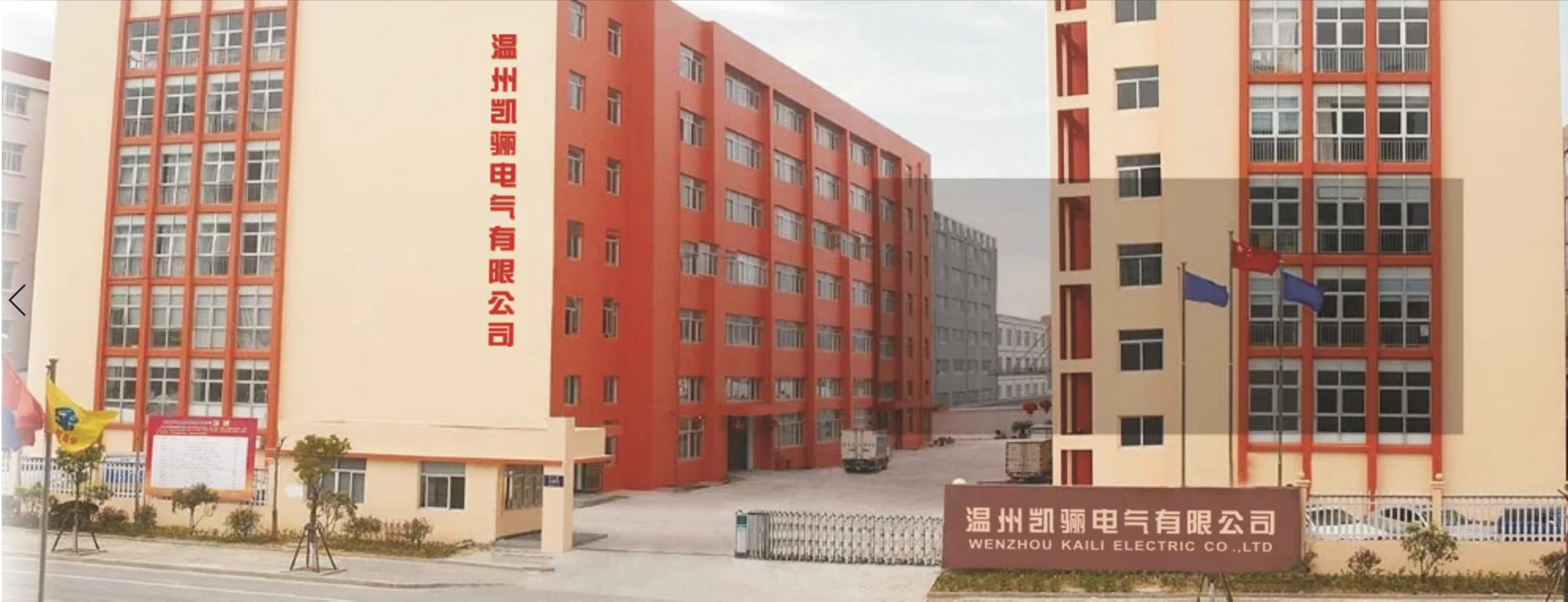
Wenzhou Kaili Electric Co., Ltd.
- Trading Company
- Zhejiang, China
- Lead time20 days
- Avg. response≤ 4h
Main productscable tie,marker plate/tag,cable gland,nylon cable tie,solar cable clip
Main marketsAfrica(90.00%), Central America(90.00%), Eastern Europe(90.00%), Western Europe(90.00%), South America(90.00%), South Asia(80.00%), North America(50.00%), Mid East(16.00%), Southeast Asia(3.00%)
Wenzhou High Fun Electronic Co. Ltd
- Verified by BV
- Trading Company,Manufacturer/Factory
- China Zhejiang
- Lead time23 days
- Avg. response≤ 4h
Main productsTerminal, Busbar, Vinyl Cap, Rubber Cover, Alligator Clip, Test Lead, Cable Tie, Booster Cable, Heat Shrink Tube/Cable Gland, Banana Plug/Binding Post
Main marketsSouth America,Eastern Europe,Mid East,North America,Southeast Asia,Eastern Asia,Oceania,Western Europe,Africa
Tianjin Yiren Import & Export Co., Ltd.
- Verified by TUVRHEINLAND
- Combined
- China Tianjin
- Lead time15 days
- Avg. response≤ 10h
Main productsGas Nailer, Gas Pins, Drive Pin, Clips Drive Pins, High Velocity Eyelet Drive Pins, Threaded Studs Drive Pin, Plastic Insulation Nails, Screw
Main marketsSoutheast Asia/ Mideast,East Asia(Japan/ South Korea),Europe,Australia,North America

Durable Cable Tie Holder for Organizing and Securing Cables Efficiently
$0.01 - $0.02
MOQ: 1000 Pieces


Durable Cable Tie Holder for Organizing and Securing Cables Effectively
$0.01 - $0.02
MOQ: 1000 Pieces


Jiangxi Heying Technology Co., Ltd.
- Verified by SGS
- Combined
- China Jiangxi
- Lead time15 days
- Avg. response≤ 11h
Main productsRotary Damper, Push Latch, Rivet, Auto Clips and Retainers, Plastic Screw and Nut, Book Screw, PCB Support, Wire Mount, Cable Clamp, Foot Pad
Main marketsEast Asia(Japan/ South Korea)


$0.06 - $0.08
MOQ: 1000 Pieces


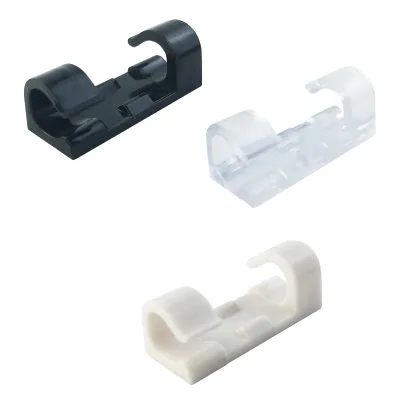
Self-Adhesive Cable Tie Mount Adjustable Cable Clips Wire Organizer Wire Holder
$0.06 - $0.08
MOQ: 1000 Pieces


Xinxiang Hongqi District Huafeiwu Import And Export Trade Co., Ltd.
- Trading Company
- Henan, China
- Lead time0 days
- Avg. response≤ 3h
Main productsHome decor,Kitchenware,Garden Supplies
Main marketsSoutheast Asia(20.00%), Mid East(20.00%), South Asia(20.00%), Africa(10.00%), Eastern Asia(10.00%), Northern Europe(10.00%), Domestic Market(10.00%)
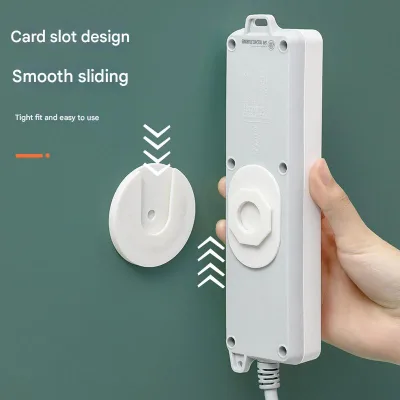
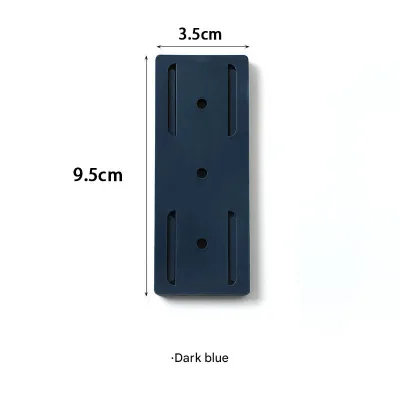
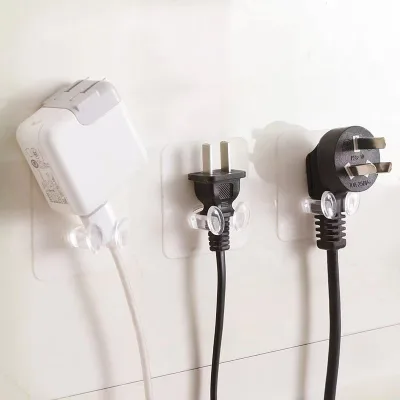
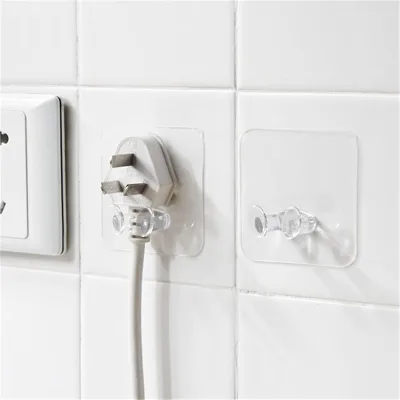
Power Cord Plug Bracket Wall Mounted Power Plug Socket Holder Adhesive Hook Socket Storage Rack
$0.04 - $0.05
MOQ: 50 pieces
Shenzhen Hui Shi Da Technology Co., Ltd.
- Manufacturer, Trading Company, Agent
- Guangdong, China
- Lead time0 days
- Avg. response≤ 2h
Main productsComputer accessories,LED Series,Consumer Electronics,Auto and motorcycle parts,Cars motorcycles
Main marketsEastern Europe(22.10%), North America(20.50%), Western Europe(15.60%), South Asia(12.30%), South America(10.40%), Africa(9.50%), Northern Europe(8.60%), Southern Europe(1.00%)

Changhong Plastics Group Imperial Plastics Co., Ltd.
- Verified by TUVRHEINLAND
- Combined
- China Zhejiang
- Lead time30 days
- Avg. response≤ 7h
Main productsCable Tie, Cable Clip, Terminal, Tie Mounts, Cable Tie Holders, Wiring Ducts, Wire Connectors, Terminal Blocks, Cable Glands, Spiral Wrapping Bands
Main marketsEurope

Fuzhou Keruida Electric Porcelain And Appliance Co., Ltd.
- Verified by SGS
- Combined
- China Fujian
- Lead time15 days
- Avg. response≤ 5h
Main productsRetro Switch
Main marketsEurope
- Trading Company
- Jilin, China
- Lead time10 days
- Avg. response≤ 2h
Main productsStorage box,Gardening supplies,Metal Crafts,lunch Box,Christmas Decorations
Main marketsDomestic Market(20.00%), North America(20.00%), South Asia(10.00%), Northern Europe(10.00%), Western Europe(10.00%), Eastern Asia(10.00%), Eastern Europe(10.00%), South America(5.00%), Southern Europe(5.00%)

Wenzhou Gaoxinte Electric Co., Ltd.
- Trading Company,Manufacturer/Factory
- China Zhejiang
- Lead time38 days
- Avg. response≤ 19h
Main productsSwitch, Socket, Plug, Outlet, Lampholder, Switch Socket, Switched Socket with USB Outlet, Socket with Switch, GFCI, Type C
Main marketsSouth America,North America,Eastern Asia

- Combined
- China Guangdong
- Lead time15 days
- Avg. response≤ 22h
Main productsPlug Insert
Main marketsSoutheast Asia/ Mideast,Europe,North America
Jiaxing Sunrise Import & Export Co., Ltd.
- Verified by SGS
- Trading Company
- China Zhejiang
- Lead time30 days
- Avg. response≤ 8h
Main productsScrew, Washer, Stamping Part, Auto Part, Nail, Sheet Metal, Spare Parts, Drywall Screw, Fastener, Self Drilling Screw
Main marketsSouth America,Southeast Asia/ Mideast,Europe

Ningbo Leap Electronics Technology Co., Ltd.
- Verified by TUVRHEINLAND
- Trading Company
- China Zhejiang
- Lead time23 days
- Avg. response≤ 24h
Main productsExtension Cord, Power Cords, Plug Insert, Power Cables, Plug Pins, Metal Spare Parts, NEMA USA Power Cords, SAA Extension Cord, Switch on Line, String Light
Main marketsDomestic

WANSHUN ELECTRICAL & INTELLIGENT MANUFACTURE (GUANGDONG) CO., LTD.
- Trading Company
- China Guangdong
- Lead time0 days
- Avg. response≤ 9h
Main productsSocket, Switch, Travel Adapter, Extension Socket, Plug Top, Terminal Block, Conversion Box

Ningbo A-Line Cable & Wire Co., Ltd.
- Verified by TUVRHEINLAND
- Combined
- China Zhejiang
- Lead time23 days
- Avg. response≤ 3h
Main productsPower Cord, Power Plug, Work Light, Wire Harness, Plug Insert, Electric Wire, Extension Cord, Wiring Harness, Power Cable
Main marketsEast Asia(Japan/ South Korea),Domestic,Europe,North America

NINGBO BEVIEW TRADING CO., LTD.
- Verified by SGS
- Trading Company,Manufacturer/Factory
- China Zhejiang
- Lead time23 days
- Avg. response≤ 22h
Main productsPower Cord, Plug Insert, Crimping Machine, Automatic Wire Twisting Machine, Hollow Brass Pins, Electrical Plug, Hollow Type Plug Insert, Plug Integrated Tester, Silver Plating Pins for EV Charger, Silver Plating Pins
Main marketsSouth America,Eastern Europe,Mid East,North America,Southeast Asia,Eastern Asia,Oceania,Western Europe,Africa

Korean Plug Inserts with 2 Pins
MOQ: 100000 Pieces

MOQ: 100000 Pieces

Korean Type Plug Inserts 2 Pins
MOQ: 100000 Pieces
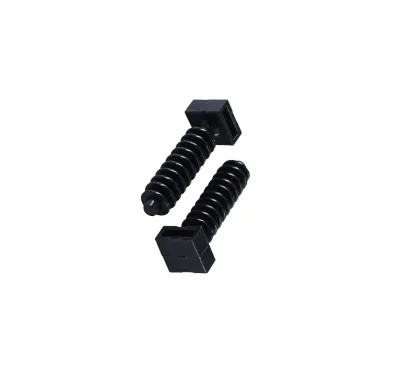
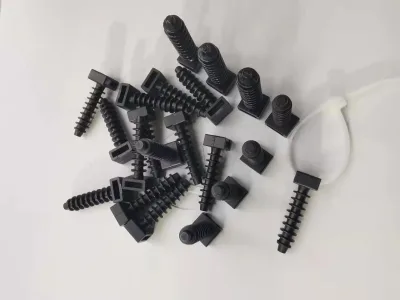


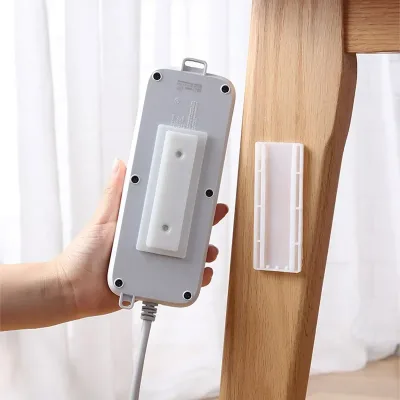




Comprehensive Sourcing Guide
Wall Knock-in Plug Tie Holder Supplier Concentration and Factory Types
The available data indicates a concentration of suppliers in Zhejiang, China, specifically within the Wenzhou and general Zhejiang regions, which appear to be primary hubs for manufacturing cable ties and related mounting accessories. Several listings explicitly state Zhejiang as the place of origin for products like white plastic hole plugs and nylon cable tie holders, suggesting a regional cluster for these specific wiring accessories. Buyers should prioritize verifying the specific city or industrial zone within Zhejiang to confirm proximity to raw material sources for polypropylene and nylon, which are critical for the production of these durable holders. While some suppliers list themselves as trading companies, others identify as manufacturers or factories, indicating a mixed supply chain structure where direct factory access may be available for certain product lines.
When assessing factory types, it is essential to distinguish between pure trading entities and those with manufacturing capabilities, as this impacts customization and quality control. The observed supplier profiles include both trading companies and combined entities that function as manufacturers, with some offering OEM and ODM services for branding and design. Buyers must verify if the supplier's main products align with the specific wall knock-in plug tie holder requirements, as some vendors focus on broader electrical equipment while others specialize in cable management solutions. The presence of established brands like Kableclip in the product attributes suggests that some manufacturers have their own proprietary lines, which can be a signal of production maturity and quality consistency in the Zhejiang manufacturing ecosystem.
How to Verify Wall Knock-in Plug Tie Holder Suppliers
Verification of suppliers requires a multi-layered approach focusing on third-party certifications and business credentials rather than relying solely on self-reported claims. The data shows that some suppliers hold significant certifications such as ISO 9001, ISO 14001, and TS 16949, while others display CE, RoHS, and Reach compliance for their specific products. Buyers should request current certification documents to confirm that the standards apply to the specific wall knock-in plug tie holder models being sourced, as certifications can sometimes be generic to the company rather than product-specific. Additionally, verification badges from recognized agencies like BV or TÜV Rheinland provide an external layer of trust regarding the supplier's business legitimacy and operational stability.
Response time and lead time data serve as practical indicators of a supplier's operational efficiency and reliability. The observed response times vary, with some suppliers responding within 3.28 hours and others taking up to 9.75 hours, which can significantly impact the speed of the sourcing process. Buyers should compare these response metrics against their project timelines to ensure the supplier can communicate effectively during critical phases of order placement and production. Furthermore, checking the lead time, which ranges from immediate stock availability to approximately 23 days, helps in planning inventory levels and delivery schedules. A supplier with a consistent lead time and rapid response is better positioned to handle urgent orders or last-minute specification changes without disrupting the supply chain.
What to Compare Across Wall Knock-in Plug Tie Holder Suppliers
Comparing suppliers requires a detailed analysis of minimum order quantities (MOQ) and pricing structures, as these vary significantly across the market. The data reveals MOQs ranging from as low as 10 pieces for certain cable management organizers to 1000 or even 10,000 pieces for specific nylon cable tie holders. Buyers must align their order volume with these thresholds to avoid unnecessary costs or inventory buildup, especially when testing new product lines. Pricing also fluctuates based on material and specifications, with some listings showing unit prices around $0.02 for bulk orders, while others may have different pricing tiers for custom designs or specialized materials like silver-plated copper components.
Beyond cost and volume, buyers should evaluate the customization capabilities and product attributes offered by different vendors. Some suppliers explicitly welcome OEM and ODM requests, allowing for logo customization and specific design modifications, which is crucial for brands seeking unique market differentiation. The product attributes, such as fire ratings (e.g., 94V), material composition (PP or Nylon), and dimensions (M8, M10), must be matched precisely to the application requirements. Additionally, the availability of free samples, often limited to three pieces, provides a tangible method to verify product quality before committing to larger orders. Buyers should create a comparison matrix that includes these technical specifications alongside logistical factors like packing lists and single package sizes to make an informed selection.
Common Wall Knock-in Plug Tie Holder Sourcing Risks
One significant risk in sourcing wall knock-in plug tie holders is the potential mismatch between claimed certifications and actual product compliance. While some suppliers list CE, ISO, or RoHS certifications, others may have no system certifications listed, creating uncertainty about the safety and regulatory adherence of the products. Buyers must be vigilant in requesting proof of these certifications for the specific batch of goods, as generic company certifications do not guarantee that every product SKU meets the required standards. This is particularly important for electrical accessories that must adhere to strict fire safety ratings and material safety regulations in the destination market.
Another critical risk involves the reliability of lead times and the consistency of stock availability. The data shows a mix of "instock" items and production lead times extending up to 23 days, which can lead to delays if the supplier underestimates production capacity or faces raw material shortages. Buyers should verify the supplier's current inventory status and production schedule before finalizing orders, especially for time-sensitive projects. Inconsistent lead times can disrupt downstream assembly lines or retail launches, making it essential to establish clear communication channels and contingency plans. Additionally, the variation in response times suggests that some suppliers may be less responsive to urgent inquiries, which can exacerbate delays when issues arise during the production or shipping phases.
Wall Knock-in Plug Tie Holder Regional Sourcing and Logistics
Sourcing from the identified regions in Zhejiang, China, offers logistical advantages due to the established infrastructure for exporting electrical components and wiring accessories. The concentration of manufacturers in this area facilitates efficient logistics, with many suppliers offering standardized packing options such as export cartons and pallets to ensure safe transit. Buyers should consider the proximity of these suppliers to major ports, which can reduce shipping costs and transit times for international orders. The specific origin details, such as Wenzhou or general Zhejiang, provide a basis for estimating freight costs and selecting the most efficient shipping routes for the destination market.
However, buyers must also account for the variability in packaging and shipping requirements across different suppliers. The data indicates diverse packing methods, ranging from simple plastic bags to more robust export cartons with specific weight limits, such as 23kg per pallet. These differences can impact the total shipping volume and cost, requiring careful calculation during the procurement planning phase. Additionally, the single package sizes and gross weights provided in the product attributes are essential for determining the number of containers needed for large orders. Buyers should confirm the exact packing specifications with the supplier to avoid unexpected freight charges or logistical complications during the loading and unloading processes at the destination port.
Wall Knock-in Plug Tie Holder Commercial Terms and Order Planning
Commercial terms for wall knock-in plug tie holders often include flexible options for sample acquisition and customization, which are vital for initial order planning. Many suppliers offer free samples within a limited quantity, such as three pieces, allowing buyers to test product quality and fit before committing to bulk purchases. This practice helps mitigate the risk of ordering unsuitable products and ensures that the final order meets the specific technical requirements of the project. Buyers should clearly communicate their sample needs and any specific customization requests, such as logo printing or unique dimensions, to ensure the supplier can accommodate these requirements within the agreed timeline.
Order planning must also consider the payment terms and the potential for escrow services to protect the buyer's financial interests. While specific payment terms are not detailed in the provided data, the presence of established suppliers with certifications suggests a level of trust that may facilitate standard trade terms. Buyers should negotiate clear terms regarding deposit percentages, balance payments, and delivery schedules to align with their cash flow and project milestones. Additionally, understanding the supplier's capacity for OEM and ODM services is crucial for long-term planning, as it allows for scaling production and adapting to market changes. By carefully reviewing these commercial aspects, buyers can establish a robust sourcing strategy that minimizes risk and ensures a smooth procurement process.
FAQs
What is the typical MOQ for wall knock in plug tie holders?
The minimum order quantity for these holders is generally 1000 pieces, though some suppliers may require 10000 pieces for specific nylon models. Buyers should verify the exact threshold with the manufacturer before placing an order to ensure it aligns with their procurement volume needs.
How long does production take for these cable tie mounts?
Lead times vary significantly, with some items available in stock for immediate dispatch while others require up to 23 days for manufacturing. Buyers should confirm the current stock status and production schedule with the supplier to plan their inventory and project timelines effectively.
Are samples available for these plastic cable holders?
Yes, many suppliers offer free samples for quantities within three pieces to help buyers evaluate quality. This allows purchasers to test the fit and material durability before committing to a larger bulk order, ensuring the product meets their specific installation requirements.
What certifications do these cable tie holders typically have?
Common certifications include CE, RoHS, and ISO standards such as ISO 9001 and ISO 14001. Some products also carry a 94V fire rating. Buyers should request valid certificates to ensure compliance with regional safety and environmental regulations for their projects.
Where are these cable tie mounts primarily manufactured?
Most of these products are manufactured in Zhejiang, China, with some origins listed specifically in Wenzhou. Buyers can verify the exact place of origin on the product details page to assess logistics costs and supply chain reliability for their specific region.
What is the price range for these wall knock-in plugs?
Prices for these holders are typically around 0.02 USD per piece for bulk orders. The cost is generally stable, but buyers should request a formal quotation to confirm the final unit price, including any potential discounts for larger volume purchases or custom branding.