Wall Mounted Towel Bar with Hook Suppliers and Manufacturers
Explore 30 verified options for Wall Mounted Towel Bar with Hook from manufacturers and trading companies in China. Compare response times, lead times, certifications like RoHS and CE, and customization capabilities to find the right partner. Contact suppliers directly to request samples and pricing details.
Updated
Suppliers List
Guangzhou Hongdec Sanitary Ware Co., Ltd.
- Verified by SGS Group
- Manufacturer, Trading Company
- Lead time0 days
- Avg. response≤ 2h
Main productsFaucet, Hand Shower, Shower Set, Stainless Steel Towel Bar Set, Bidet
Main marketsNorth America(42%), South America(35%), Eastern Europe(10%)
- Manufacturer
- Guangdong, China
- Lead time20 days
- Avg. response≤ 4h
Main productsToothbrush Sterilize,Kitchen Storage Basket,Shower Head Holder,Towel Holder,Shower Caddy
Main marketsDomestic Market(41.00%), Eastern Asia(24.00%), Southeast Asia(19.00%), South America(10.00%), North America(6.00%)

Wenzhou Baogeli Sanitary Wares Co., Ltd.
- Verified by BV
- Combined
- China Zhejiang
- Lead time23 days
- Avg. response≤ 3h
Main productsBathroom Accessories Set, Towel Bar, Towel Rack, Toilet Paper Holder, Robe Hook, Tumbler Holder, Soap Dish, Toilet Brush, Soap Dispenser, Bathroom Shelf
Main marketsSouth America,Africa,Southeast Asia/ Mideast,East Asia(Japan/ South Korea),Europe,Australia,North America

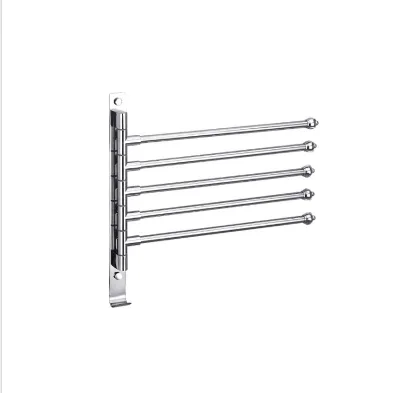
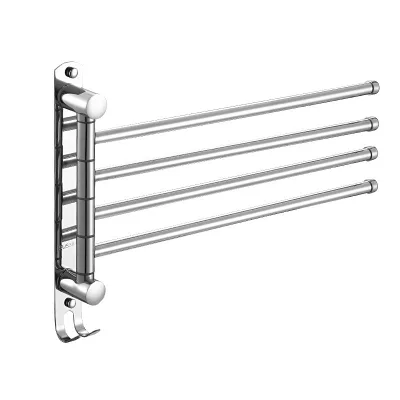
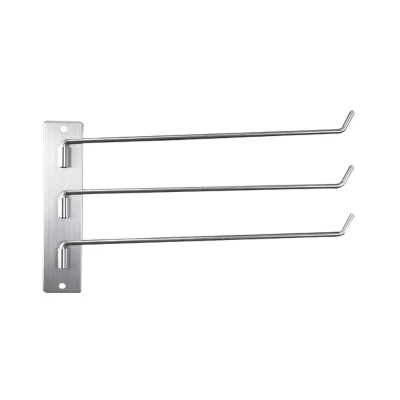
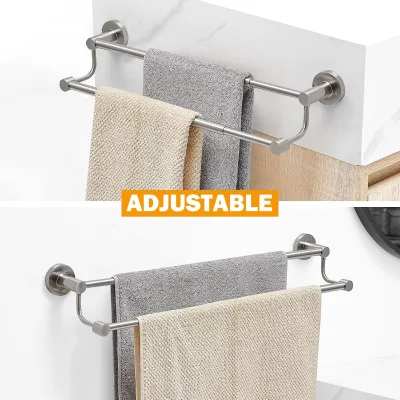
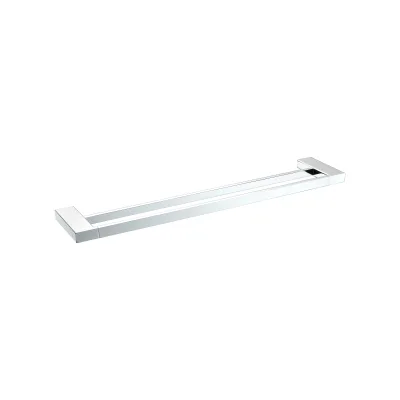
Double Towel Rod Chrome Wall Mounted Bathroom Swivel Towel Bar with Hook
$5.90 - $10.90
MOQ: 300 Pieces


Ningbo Huazhu Precision Machinery Co., Ltd.
- Manufacturer
- China Zhejiang
- Lead time23 days
- Avg. response≤ 3h
Main productsBathroom Accessories, Bath Enclosure Hardware, Shower Hinge, Faucet Handle, Shower Handle, Windows Fittings, Door & Windows Handle, Fingerprint Lock Accessory, Door Handles, Towel Bar Towel Shelf
Main marketsSouth America,Europe,North America


Wall Mounted Towel Shelf Towel Bar for Bathroom Towel Holder OEM Factory
$7.00 - $8.50
MOQ: 500 Pieces


- Verified by TUVRHEINLAND
- Combined
- China Guangdong
- Lead time30 days
- Avg. response≤ 6h
Main productsCabinet Handle, Door Handle, Door Lock, Furniture Knob, Cabinet Hinge, Drawer Slide, Door Hinge, Mortise Lock, Cylinder Lock, Door Stopper
Main marketsSouth America,Southeast Asia/ Mideast,Europe

Guangdong Youyuan Trading Co., Ltd.
- Verified by BV
- Trading Company,Manufacturer/Factory
- China Guangdong
- Lead time0 days
- Avg. response≤ 11h
Main productsSanitary Ware, Toilet Seat Cover, Bathroom Toilet, Smart Toilet, Bathroom Cabinet, Smart Mirror
Main marketsSouth America,Eastern Europe,Mid East,North America,Southeast Asia,Eastern Asia,Oceania,Western Europe,Africa


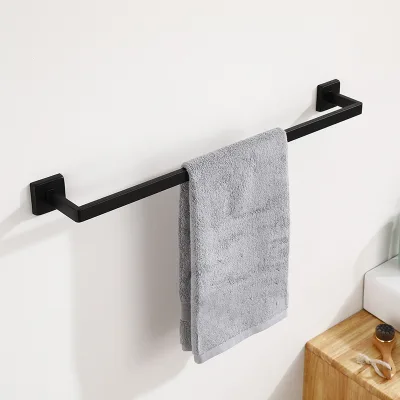
Bathroom Storage Short Rack Towel Bathroom Wall Mounted Single Towel Rack
$4.50 - $4.70
MOQ: 50 Pieces

Zhejiang Feimai Sanitary Co., Ltd.
- Manufacturer, Trading Company
- Zhejiang, China
- Lead time35 days
- Avg. response≤ 7h
Main productsBathroom Accessories,Brass Hardware,Make-up Mirror
Main marketsSouthern Europe(25.00%), North America(12.00%), Mid East(10.00%), Northern Europe(10.00%), Southeast Asia(8.00%), Oceania(8.00%), South America(8.00%), Eastern Europe(7.00%), South Asia(5.00%), Domestic Market(5.00%), Africa(2.00%)
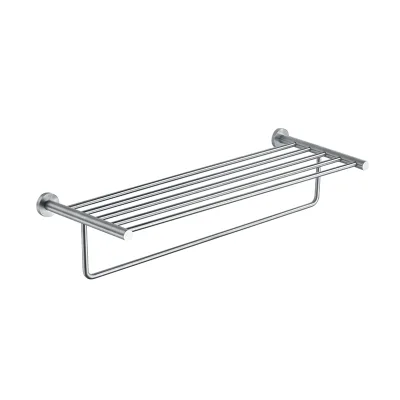
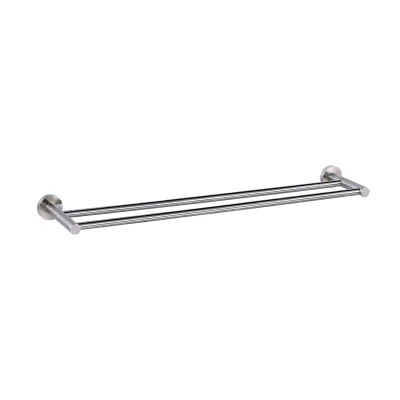
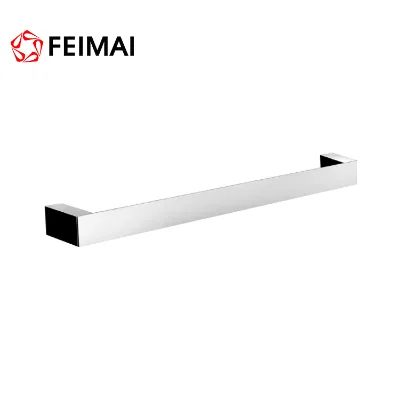
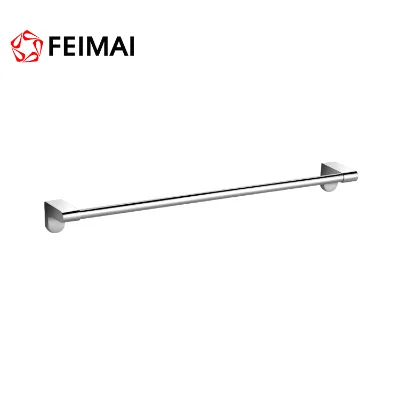
High Quality Bathroom Fittings Wall Mounted Bathroom Brass Chrome Plating Towel Bar
$1.0261 - $9.2352
MOQ: 100 Minimum
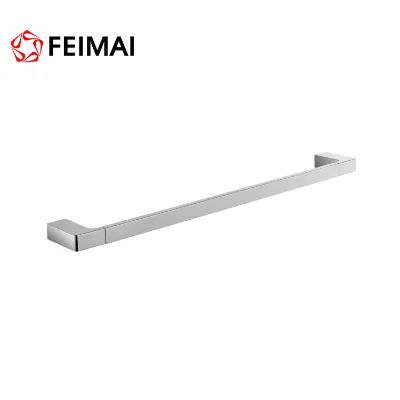
Bathroom Accessories Chrome Heated Towel Bar , Towel Rod / Towel Rail
$1.0246 - $9.2217
MOQ: 100 Minimum

Shenzhen Thomas Homeware Co., Limited
- Verified by BV
- Manufacturer/Factory
- China Guangdong
- Lead time0 days
- Avg. response≤ 5h
Main productsWall Shelf, Wine Bottle Rack, Display Shelf, Towel Rack, Metal Basket, Spice Rack, Wine Rack, Anti-Slip Mat, Shower Curtain, Window Curtain
Main marketsEastern Europe,North America

Ningbo Youlong International Trading Co., Ltd.
- Verified by TUVRHEINLAND
- Trading Company
- China Zhejiang
- Lead time30 days
- Avg. response≤ 6h
Main productsFaucet, Tap, Water Mixer, Shower Column, Drain, Siphon, Shower Head, Hand Shower, Bathroom Accessories, Soap Dispenser
Main marketsSouth America,Southeast Asia/ Mideast,Europe,Australia,North America
Chaozhou Miaojie Smart Home Co., Ltd.
- Verified by Intertek
- Manufacturer, Trading Company
- Guangdong, China
- Lead time5 days
- Avg. response≤ 4h
Main productsGrab Bar, Floor Drain, Bathroom Set, Storage Shelf, Shower Chair
Main marketsDomestic Market(25%), Mid East(20%), Southeast Asia(15%)
Jiangmen Banyan Metal Co., Ltd.
- Verified by SGS Group
- Manufacturer, Trading Company
- Lead time30 days
- Avg. response≤ 2h
Main productsKitchen Tools & Storage, Coffee accessories, Bathroom Accessory, Storage Rack & Hooks, Grills and Tools
Main marketsNorth America(25%), Eastern Europe(25%), Western Europe(25%)
Shenzhen Betsen Industrial Co., Ltd.
- Verified by Intertek
- Trading Company
- Lead time15 days
- Avg. response≤ 4h
Main productsDish Rack, Shower Caddy
Main marketsNorth America(50%), Western Europe(30%), Oceania(20%)
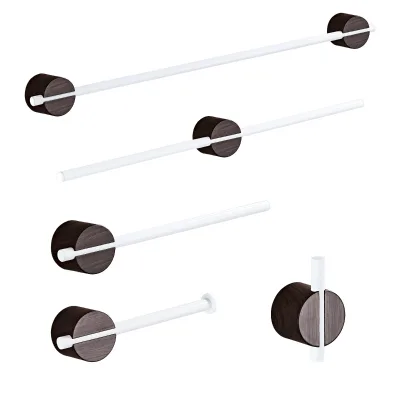
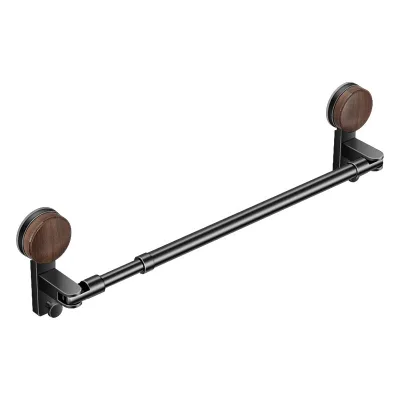
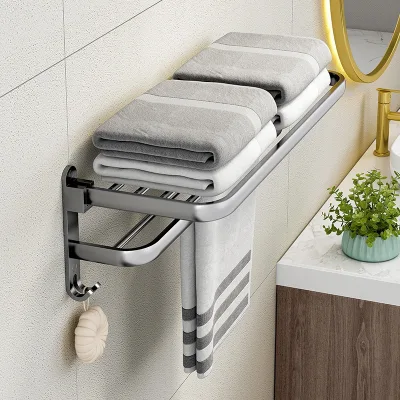
$1.76 - $18.30
MOQ: 200 Minimum
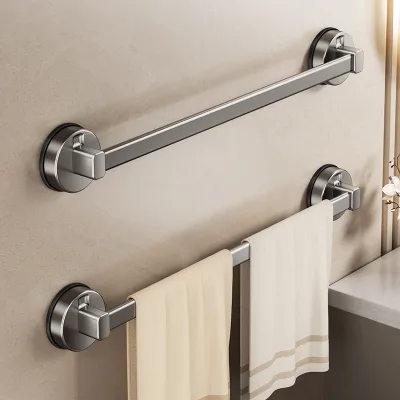
$1.8261 - $2.4492
MOQ: 200 Minimum
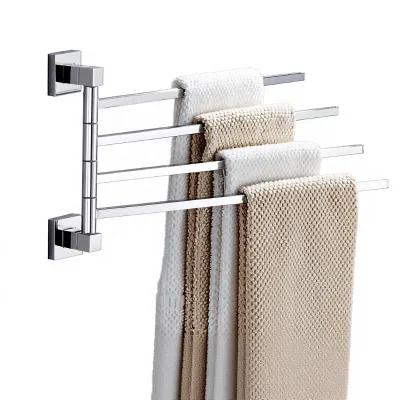

Zhongshan Zoomerry Bathroom Accessories Co.,Ltd
- Manufacturer/Factory
- China Guangdong
- Lead time23 days
- Avg. response≤ 4h
Main productsGrab Bar, Shower Door, Shower Enclosure, Bathroom Accessories, LED Bathroom Mirror, Electric Towel Warmer, Shower Curtain Rod, Shower Seat, Shower Shelf, Towel Bar
Main marketsSouth America,Eastern Europe,Mid East,North America,Southeast Asia,Eastern Asia,Oceania,Western Europe,Africa


Double Bath Towel Bar Stainless Steel Towel Rack Wall Mount Towel Holder
$6.50 - $9.50
MOQ: 500 Pieces


GUANGZHOU ATGET DECORATION & HARDWARE CO., LTD.
- Verified by SGS
- Combined
- China Guangdong
- Lead time15 days
- Avg. response≤ 13h
Main productsSoap Dispenser, Paper Towel Dispenser, Paper Holder, Bathroom Grab Bar, Floor Drain, Handrail for The Disabled, Bathroom Shower Shelf, Cosmetic Mirror, Bathroom Accessories, Miscellaneous Hardware
Main marketsSouth America,Southeast Asia/ Mideast,Europe


Stainless Steel Towel Bar Bathroom Towel Holder Rustproof Wall Mounted Towel Rail
$4.50 - $4.80
MOQ: 1 Pieces


- Verified by TUVRHEINLAND
- Combined
- China Guangdong
- Lead time15 days
- Avg. response≤ 11h
Main productsStainless Steel Faucet, Stainless Steel Bathroom Accessories, Stainless Steel Sink, Shower, Basin Faucet, Kitchen Faucet, Water Tap, Floor Drain, Kitchen Ink, Sink
Main marketsEurope

Wall Mounted Towel Hanger Rack Shelf Hanging Bathroom Bar Towel Holder
$16.77 - $19.35
MOQ: 100 Pieces


Hot Sell Stainless Steel Brushed Towel Rack Self Wall Mounted Towel Holder
$5.90 - $6.30
MOQ: 100 Pieces

Kaiping City Kaipu Sanitary Ware Co., LTD
- Combined
- China Guangdong
- Lead time30 days
- Avg. response≤ 4h
Main productsBathroom Faucet, Kitchen Faucet, Shower Faucet, Bathtub Faucet, Sanitary Ware, Shower Head, Handheld Shower, Bathroom Accessories, Hardware Fittings, Shower Set
Main marketsSoutheast Asia/ Mideast,Domestic
Meizhou Meta San Metal Product Industries Co., Ltd.
- Verified by SGS Group
- Trading Company
- Lead time20 days
- Avg. response≤ 3h
Main productsKitchen Storage Rack, Bathroom Accessories, Metal Bracket, Buffet Stove, Garden Bicycle Shed
Main marketsNorth America(20%), Southeast Asia(15%), Eastern Europe(10%)
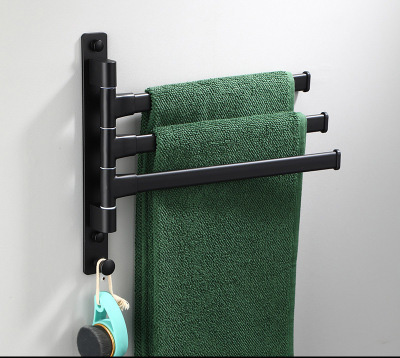
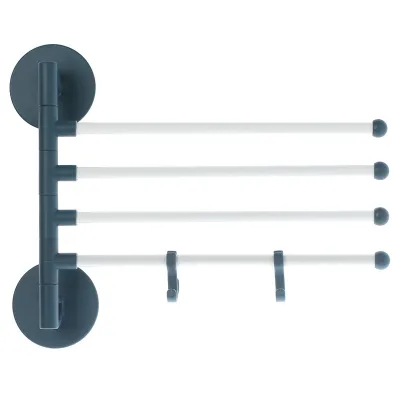
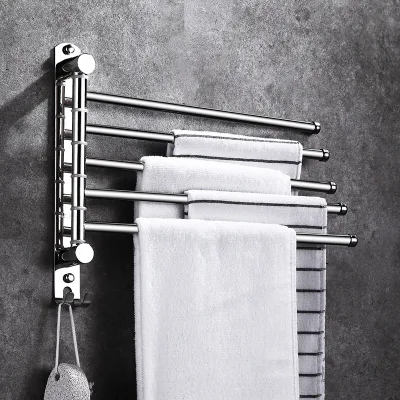
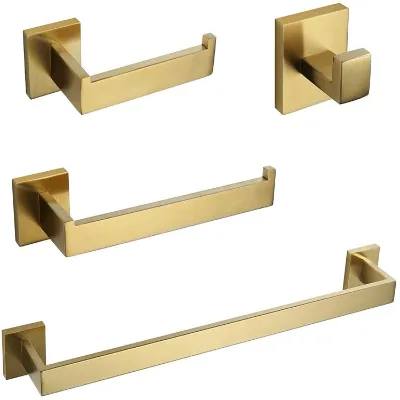
$3.25 - $5.85
MOQ: 10 Minimum

Jinjiang Jiaxing Import and Export Co., Ltd.
- Verified by CTI
- Manufacturer/Factory
- China Fujian
- Lead time120 days
- Avg. response≤ 2h
Main productsShoes, Slipper, Clothes, Promotion Gifts, Silicone Products, Outdoor Sports Products, Bags, Fashion Accessories, Consumer Electronics
Main marketsSouth America,Eastern Europe,Mid East,North America,Southeast Asia,Eastern Asia,Oceania,Western Europe,Africa
Guangzhou HOMEDEC Sanitary Ware Co., LTD.
- Verified by SGS Group
- Manufacturer, Trading Company
- Lead time0 days
- Avg. response≤ 1h
Main productsShower System, Hand Shower, Shower Head, Faucet, Bidet Sprayer
Main marketsNorth America(60%), Domestic Market(6%), South America(5%)
- Verified by SGS Group
- Trading Company
- Lead time20 days
- Avg. response≤ 10h
Main productsKitchenware, Coffee French Maker, Plastic Bento Box, Bamboo Wooden Kitchen Items, Ceramic & Glass Products
Main marketsNorthern Europe(20%), South Asia(20%), North America(10%)
Zhongshan Leerju Home Furnishings Co., Ltd.
- Verified by Intertek
- Manufacturer, Trading Company
- Lead time30 days
- Avg. response≤ 2h
Main productsMagnetic Knife Holder, Tissue Paper Holder, Towel Holder, Wall Hook, Shower Shelf
Main marketsDomestic Market(34%), North America(20%), Eastern Europe(10%)

Hangzhou Yimei Import and Export Co., Ltd
- Verified by SGS
- Trading Company
- China Zhejiang
- Lead time15 days
- Avg. response≤ 4h
Main productsFaucet, Shower Head, Door Lock, Door Stopper, Floor Drain, Lock Body, Door Hinge, Shower Bracket, Stainless Steel Shower Hose, Bathroom Accessory
Main marketsSouth America


High Quality Bathroom Accessories Wall Mounted Towel Rack Stainless Steel Towel Bar
$6.50 - $11.50
MOQ: 100 Pieces

ZHONGSHAN BOJON HARDWARE CO. LTD
- Verified by TUVRHEINLAND
- Manufacturer
- China Guangdong
- Lead time30 days
- Avg. response≤ 1h
Main products304 Stainless Steel Handles, 304 Stainless Steel Bathroom Grabs, Shower Door Handles, Shower Door Hinges, Stainless Steel Towel Rails, Boat Grab Bars, Bathroom Accessories, Bathroom Towel Racks, Shower Door Parts, Shower Rooms

TAIZHOU YINADA SANITARY WARE CO., LTD.
- Trading Company,Manufacturer/Factory
- China Zhejiang
- Lead time45 days
- Avg. response≤ 5h
Main productsPop up Waste, Pop up Drain, Bottle Trap, Bidet Faucet, T Trap, Clic Clac, Plumbing, Kitchen Faucet, Basin Faucet, Floor Drain
Main marketsSouth America,Eastern Europe,North America,Eastern Asia,Oceania,Western Europe
Foshan Haoxi Metal Products Co., Ltd.
- Manufacturer, Trading Company
- Guangdong, China
- Lead time0 days
- Avg. response≤ 2h
Main productsBathroom Accessories, Robe Hooks, Towel Bar, Toilet Paper Holder, Grab Bars
Main marketsNorth America(45.00%), Western Europe(30.00%), Southeast Asia(13.00%), Domestic Market(12.00%)

Shenzhen CHY Technology Co., Ltd.
- Trading Company
- Guangdong, China
- Lead time15 days
- Avg. response≤ 6h
Main productsBathroom Towel Hook,Bathroom Shelves,Paper Holder,Towel Bar,Toilet Brush
Main marketsWestern Europe(60.00%), North America(20.00%), Southern Europe(10.00%), Eastern Europe(5.00%), Northern Europe(5.00%)
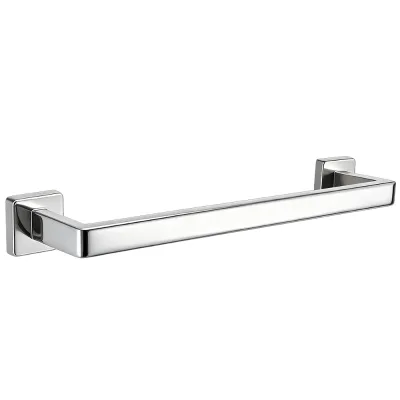
$2.214 - $7.9184
MOQ: 200 Minimum
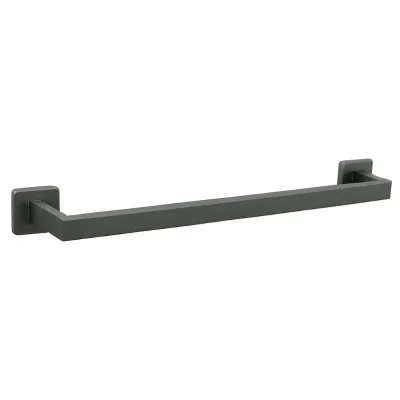
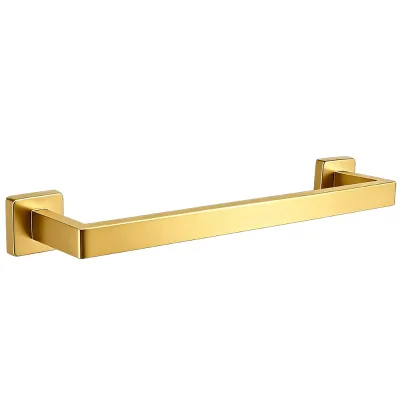
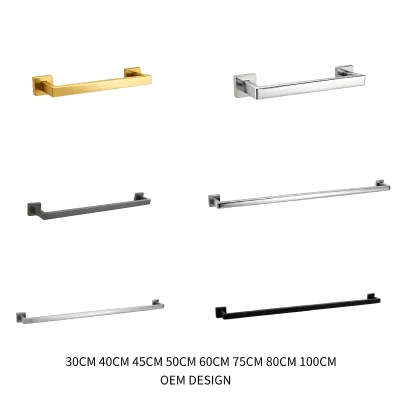
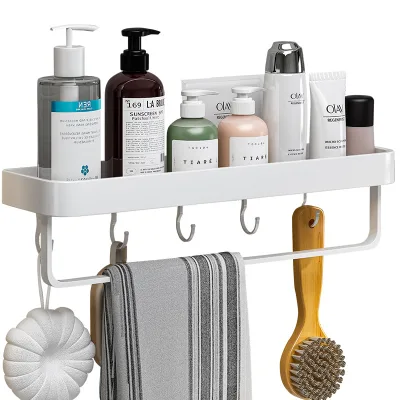
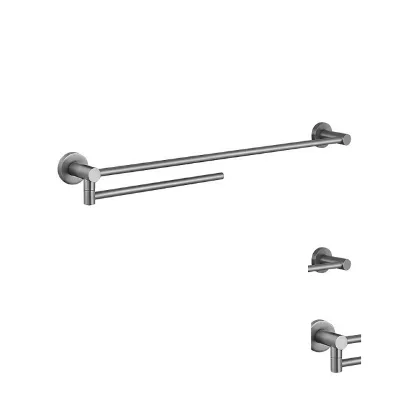
Guangzhou KIND Architecture Material Technology Co., Ltd.
- Verified by Intertek
- Manufacturer, Trading Company
- Lead time20 days
- Avg. response≤ 2h
Main productsBasin Faucet, Kitchen Faucet, Shower Set, Bathroom Accessories, Ceramic Sanitary Ware
Main marketsOceania(30%), Western Europe(20%), North America(15%)
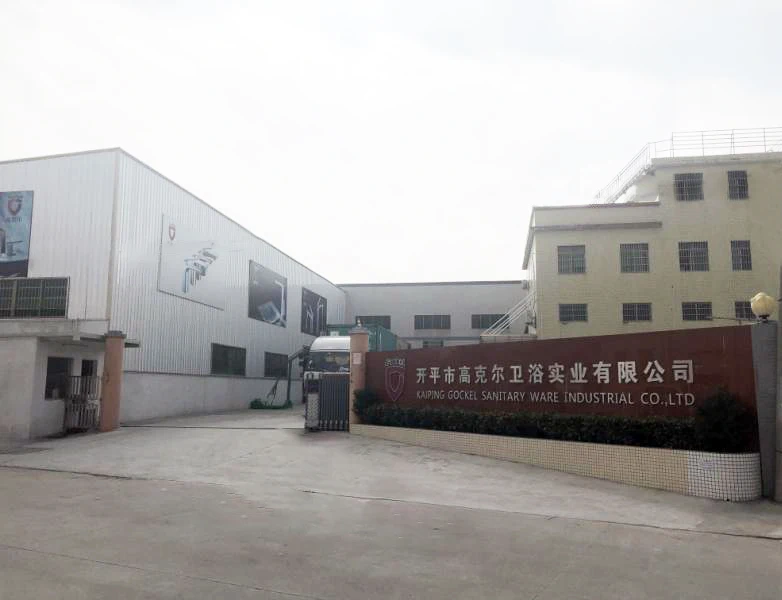
Kaiping Gockel Sanitary Ware Industrial Co., Ltd.
- Manufacturer
- Guangdong, China
- Lead time35 days
- Avg. response≤ 4h
Main productsKitchen faucet,basin faucet,bathroom faucet,shower set,shower mixer
Main marketsMid East(12.00%), North America(12.00%), Western Europe(10.00%), South America(10.00%), Northern Europe(10.00%), Eastern Europe(10.00%), Southeast Asia(2.00%)
Ningbo Aikehan Metal Product Co., Ltd.
- Trading Company
- Lead time旺季: "1 - 2":9,"> 2":"To be negotiated", 淡季: "1 - 2":9,"> 2":"To be negotiated"
- Avg. response≤ 2h
Main productsStainless Steel Grab Bar, Plastic Grab Bar, Heated Towel Rack, Shower Curtain Rod, Steel Grab Rail
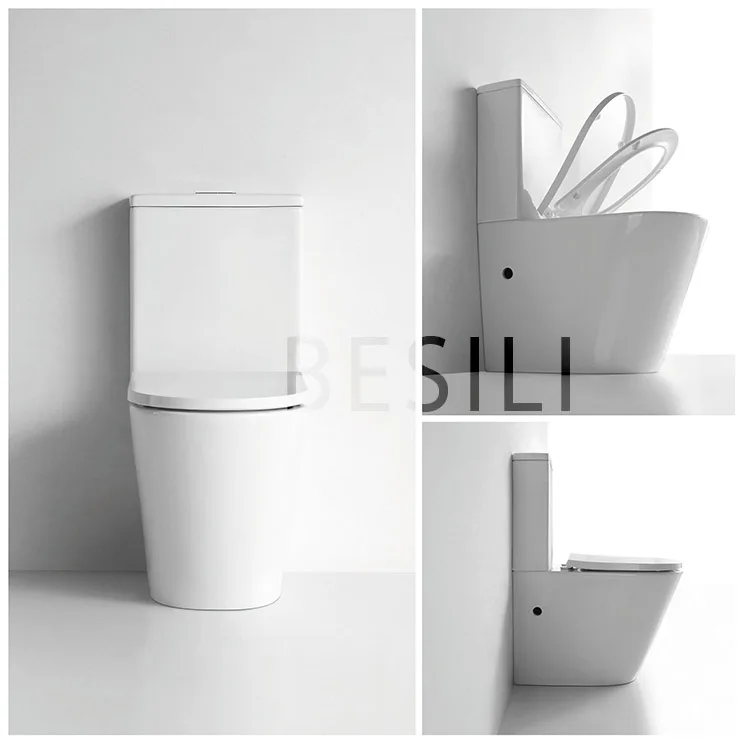
Foshan Besili Sanitary Ware Co., Ltd.
- Manufacturer, Trading Company
- Guangdong, China
- Lead time15 days
- Avg. response≤ 7h
Main productsFaucets/Showers/Bathroom Accessories,shower set,shower room,Bathroom cabinet,kitchen sink
Main marketsOceania(60.00%), Southeast Asia(20.00%), Eastern Europe(10.00%), Domestic Market(5.00%), Western Europe(5.00%)


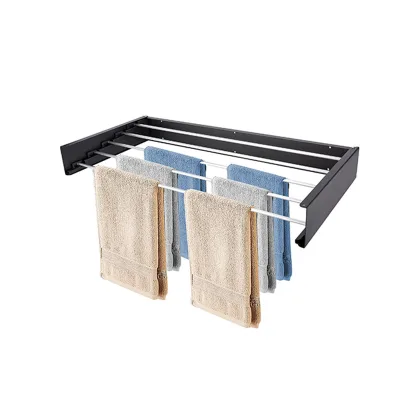


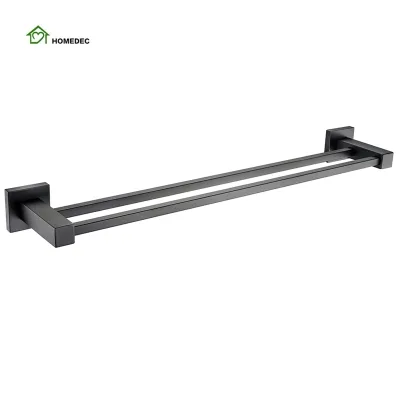
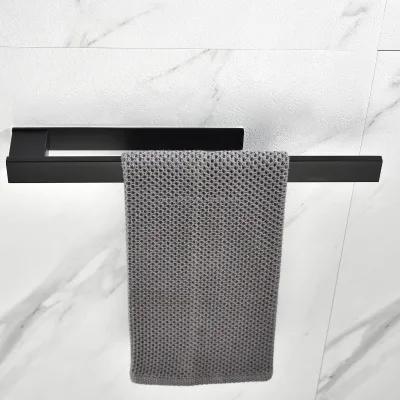


Comprehensive Sourcing Guide
Wall Mounted Towel Bar with Hook Supplier Concentration and Factory Types
The landscape for sourcing Wall Mounted Towel Bar with Hook products is defined by a mix of manufacturing capabilities and trading structures. Current data indicates that suppliers operate as both manufacturers and trading companies, with some entities classified as combined entities offering broader service scopes. This diversity allows buyers to choose between direct factory engagement for cost efficiency or trading partners for logistical convenience. The presence of manufacturers suggests that production facilities are actively involved in the supply chain, potentially offering more control over customization and quality assurance. Conversely, trading companies may provide a wider array of complementary bathroom accessories, simplifying the procurement process for buyers seeking complete bathroom sets. Understanding this distinction is crucial for aligning supplier selection with specific business needs, whether prioritizing direct manufacturing relationships or diversified product portfolios.
Geographic concentration plays a significant role in the availability and specialization of these suppliers. Evidence points to Guangdong, China, as a key location for production, indicating a robust industrial cluster in this region. This area is known for its mature supply chains and manufacturing expertise in bathroom hardware. Additionally, some suppliers are located in Zhejiang, China, suggesting a secondary hub for production capabilities. These regional concentrations often correlate with specialized expertise in materials like stainless steel and aluminum, as well as surface finishing techniques such as chrome and walnut treatments. Buyers should consider these geographic factors when evaluating potential partners, as proximity to manufacturing hubs can influence lead times, shipping costs, and the ability to conduct factory audits. The presence of suppliers in these specific regions highlights the importance of regional sourcing strategies in optimizing the procurement process for Wall Mounted Towel Bar with Hook products.
How to Verify Wall Mounted Towel Bar with Hook Suppliers
Verification is a critical step in ensuring the reliability and legitimacy of potential suppliers. Buyers should prioritize suppliers who have undergone third-party verification processes, as this adds a layer of trust and accountability to the sourcing relationship. Current data shows that some suppliers are verified by SGS Group, a globally recognized inspection and certification company. This verification indicates that the supplier has met specific standards for business operations and product quality. Additionally, other suppliers may be verified by BV, another reputable verification body. These verifications provide buyers with confidence that the supplier’s claims regarding capacity, quality control, and business practices have been independently assessed. It is essential for buyers to look for these verification badges when evaluating supplier profiles, as they serve as a tangible indicator of supplier credibility and operational maturity.
Beyond third-party verification, buyers should examine the certifications held by suppliers to ensure compliance with international standards. The data indicates that suppliers may hold certifications such as RoHS, cUPC, Lead Free, WaterMark, WELS, and CE. These certifications are particularly important for bathroom products, as they relate to safety, environmental impact, and water efficiency. For instance, RoHS compliance ensures that the products are free from hazardous substances, while cUPC and WaterMark certifications are crucial for products intended for use in specific markets like the United States and Australia. Buyers should request documentation for these certifications to verify their validity and relevance to their target markets. Additionally, some suppliers may hold ISO9001:2015 certificates, indicating a commitment to quality management systems. By thoroughly checking these credentials, buyers can mitigate risks associated with non-compliant products and ensure that their sourcing decisions align with regulatory requirements.
What to Compare Across Wall Mounted Towel Bar with Hook Suppliers
When evaluating multiple suppliers, buyers must compare key operational metrics to identify the most suitable partner. Response time is a significant indicator of supplier efficiency and customer service quality. Data shows that some suppliers have a response time of 2 hours, while others may take up to 4 hours or more. A faster response time suggests that the supplier is more likely to address inquiries and resolve issues promptly, which is crucial for maintaining smooth communication throughout the sourcing process. Buyers should prioritize suppliers with shorter response times, especially if they require quick turnaround for samples or urgent orders. Additionally, lead time is a critical factor that impacts inventory management and project timelines. Some suppliers offer a lead time of 0 days for certain items, while others may have lead times of 20 or 23 days. Understanding these variations helps buyers plan their procurement schedules more effectively and avoid potential delays.
Another important aspect to compare is the minimum order quantity (MOQ) and pricing structure. The data indicates that MOQs can vary significantly, with some suppliers offering an MOQ of just 1 piece, while others require orders of 300 or 504 pieces. This flexibility is beneficial for buyers who are testing the market or have smaller initial orders. Pricing also varies, with some products ranging from $8.00 to $18.32 per unit. Buyers should analyze these price ranges in conjunction with the MOQ to determine the total cost of ownership. Furthermore, customization capabilities should be assessed, as some suppliers offer ODM and OEM services, allowing for tailored product designs. The ability to customize products can be a significant competitive advantage, enabling buyers to differentiate their offerings in the market. By carefully comparing these operational metrics, buyers can make informed decisions that align with their specific business requirements and strategic goals.
Common Wall Mounted Towel Bar with Hook Sourcing Risks
One of the primary risks in sourcing Wall Mounted Towel Bar with Hook products is the variability in product quality and material composition. Suppliers may use different materials, such as stainless steel, zinc, or space aluminum, which can affect the durability and appearance of the final product. Buyers must ensure that the materials specified in the product descriptions match their quality expectations and intended use. For instance, products intended for high-humidity environments may require higher-grade stainless steel to prevent corrosion. Additionally, surface finishing options like chrome or walnut treatments can vary in quality and longevity. Buyers should request samples to physically inspect the material quality and finish before committing to large orders. Failing to verify material specifications can lead to product failures, customer complaints, and reputational damage. Therefore, rigorous quality control measures and clear material specifications are essential to mitigate this risk.
Another significant risk is the inconsistency in after-sales service and warranty terms. The data shows that warranty periods can range from 1 year to 3 years, and after-sales services vary from online technical support to free spare parts. Buyers must clearly understand the warranty coverage and the process for claiming repairs or replacements. Inconsistent or inadequate after-sales support can lead to increased costs and operational disruptions for the buyer. Additionally, the reliability of the supplier’s supply chain should be assessed to ensure consistent product availability. Some suppliers may have limited supply abilities, which could result in stockouts or delayed deliveries. Buyers should evaluate the supplier’s production capacity and inventory management practices to ensure they can meet ongoing demand. By proactively addressing these risks through thorough due diligence and clear contractual agreements, buyers can protect their interests and ensure a stable supply chain.
Wall Mounted Towel Bar with Hook Regional Sourcing and Logistics
Regional sourcing from China offers distinct advantages in terms of manufacturing efficiency and cost competitiveness. The concentration of suppliers in Guangdong and Zhejiang provinces provides access to a mature ecosystem of raw material suppliers, component manufacturers, and logistics providers. This clustering effect can lead to economies of scale and faster production cycles. Buyers should consider the logistical implications of sourcing from these regions, including shipping routes and transit times. Guangdong, in particular, is a major hub for international trade, with easy access to ports like Shenzhen and Guangzhou. This infrastructure facilitates efficient export processes and reduces the risk of logistical bottlenecks. However, buyers must also account for potential variations in shipping costs and lead times based on the specific port of dispatch. Understanding these regional logistics dynamics is crucial for optimizing the overall supply chain and ensuring timely delivery of products to end markets.
In addition to domestic logistics, buyers must consider international shipping and customs clearance procedures. The choice of supplier location can impact the complexity of these processes. For example, suppliers in Guangdong may have established relationships with freight forwarders, simplifying the export process. Buyers should work closely with their suppliers to determine the most cost-effective and reliable shipping methods. Incoterms should be clearly defined to allocate responsibilities for transportation, insurance, and customs duties. Additionally, buyers should be aware of any import regulations or tariffs that may apply to bathroom accessories in their target markets. Compliance with these regulations is essential to avoid delays or additional costs. By carefully planning the logistics strategy and leveraging the advantages of regional sourcing, buyers can enhance the efficiency and reliability of their supply chain for Wall Mounted Towel Bar with Hook products.
Wall Mounted Towel Bar with Hook Commercial Terms and Order Planning
Commercial terms play a vital role in shaping the financial and operational aspects of the sourcing relationship. Payment terms, such as T/T (Telegraphic Transfer), are commonly used and should be negotiated to align with the buyer’s cash flow requirements. Buyers should also consider the use of escrow services or other secure payment methods to protect their funds until the goods are received and verified. Additionally, pricing structures should be clearly understood, including any volume discounts or price adjustments based on order quantity. The data indicates that prices can vary based on product specifications and customization levels. Buyers should request detailed quotations that break down costs for materials, labor, and overhead to ensure transparency. Understanding the total cost of ownership, including shipping and duties, is essential for accurate budgeting and profitability analysis. Clear commercial terms help prevent misunderstandings and ensure a smooth transaction process.
Order planning requires careful consideration of lead times, MOQs, and production schedules. Buyers should align their order quantities with their sales forecasts and inventory management strategies. For suppliers with low MOQs, buyers can start with smaller orders to test the market and build the relationship. As demand grows, they can scale up orders to benefit from economies of scale. Lead times should be factored into the planning process to ensure that products are available when needed. Buyers should also establish clear communication channels with suppliers to monitor production progress and address any potential issues promptly. Additionally, buyers should consider the supplier’s capacity for customization and innovation, as this can impact the long-term competitiveness of their product offerings. By developing a robust order planning strategy and maintaining strong supplier relationships, buyers can optimize their sourcing operations and achieve sustainable growth in the bathroom accessories market.
FAQs
What certifications are available for wall mounted towel bars?
Suppliers offer products certified with RoHS, cUPC, Lead Free, WaterMark, WELS, and CE standards. These certifications ensure compliance with international safety and environmental regulations. Buyers should verify specific certificates for their target market to guarantee regulatory acceptance and product quality assurance during procurement.
What is the typical response time for suppliers?
Response times generally range from 2 to 4 hours for inquiries. Some suppliers respond within 2.59 hours. Fast communication helps streamline negotiations and clarifies product specifications quickly. Buyers can expect prompt replies from verified manufacturers and trading companies listed on the platform.
What is the minimum order quantity for these products?
Minimum order quantities vary significantly by supplier. Some manufacturers accept orders as low as one piece for samples. Others require bulk purchases, such as 300 or 504 units. Buyers should check specific product listings to determine the exact MOQ applicable to their order size.
What materials are used for wall mounted towel bars?
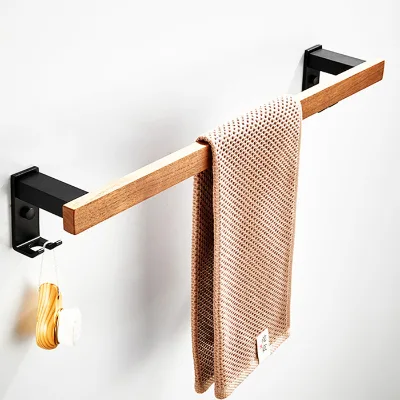
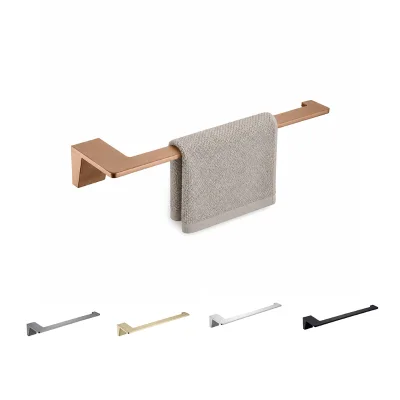
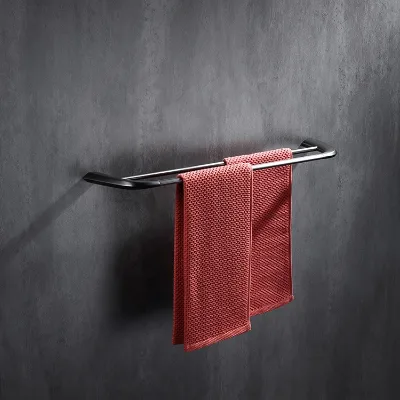
Common materials include stainless steel, zinc, space aluminum, and walnut wood. Some products combine stainless steel with iron steel and ABS plastic. Surface finishes range from chrome to walnut. Buyers can select materials based on durability requirements, aesthetic preferences, and budget constraints for their projects.
What warranty periods are offered for towel racks?
Warranty periods typically range from one to three years. Many modern designs offer a three-year warranty with online technical support or free spare parts. Buyers should confirm the specific warranty terms with the supplier to ensure adequate protection against manufacturing defects and material failures.
Where are these towel bars manufactured?
Most products are manufactured in Guangdong, China, with some originating from Zhejiang, China. Major dispatch ports include Jiangmen, Shenzhen, and Guangzhou. Buyers can filter suppliers by location to manage logistics costs and lead times more effectively for their international shipping requirements.
What customization options are available for towel bars?
Suppliers provide ODM and OEM services with light customization capabilities. Options include graphic processing and customized designs on demand. Buyers can request specific finishes, lengths, or branding. Verify customization limits and additional costs with the supplier before placing bulk orders for tailored products.