Illuminated Smart Magic Mirror Suppliers and Manufacturers
Source 29 verified suppliers for Illuminated Smart Magic Mirror units. Compare grounded dimensions including response times, lead times, MOQs, and certifications like ISO 9001. Review product specs and request quotes directly from manufacturers in China; review the available evidence before requesting comparable quotations from suitable candidates.
Updated
Suppliers List

Shuyang Yingjie Kitchen & Bath Co., Ltd.
- Verified by TUVRHEINLAND
- Combined
- China Jiangsu
- Lead time23 days
- Avg. response≤ 24h
Main productsBathroom Vanity, Bathroom Cabinet, Bathroom Furniture, LED Mirror, LED Mirror Cabinet, Mirror Cabinet
Main marketsEurope

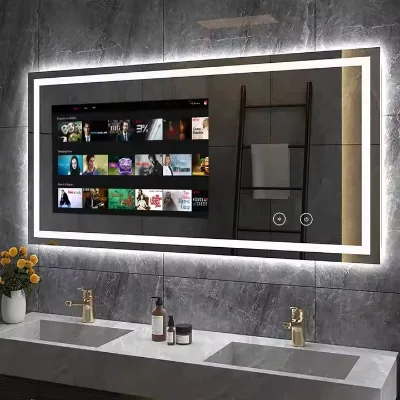
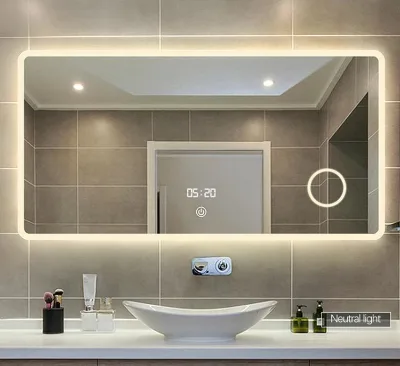
Touch Screen Smart Bathroom Android Magic Mirror Modern LED Light Mirror
$60.00 - $120.00
MOQ: 20 Sets


- Trading Company
- Shandong, China
- Lead time28 days
- Avg. response≤ 3h
Main productsClear Float Glass,Low Iron Glass,Tinted Glass,Reflective Glass,Laminated Glass
Main marketsSouth America(70.00%), North America(10.00%), Oceania(10.00%), Africa(5.00%), Southern Europe(5.00%)
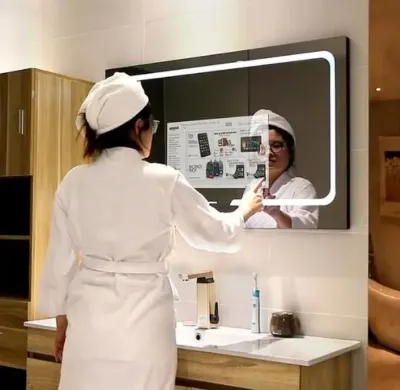
$10.8111 - $12.3555
MOQ: 10 pieces
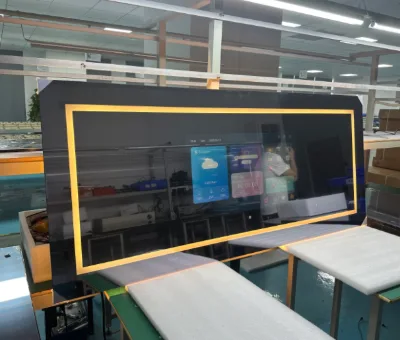
Hebei Huicheng Glass Products Co., Ltd.
- Verified by SGS Group
- Manufacturer, Trading Company
- Lead time0 days
- Avg. response≤ 2h
Main productsFloor Mirror, Home Decoration Mirror, LED Mirror, Mural, Furniture
Main marketsWestern Europe(46%), Mid East(20%), Oceania(19%)
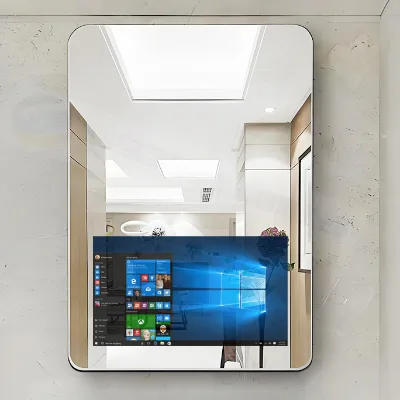
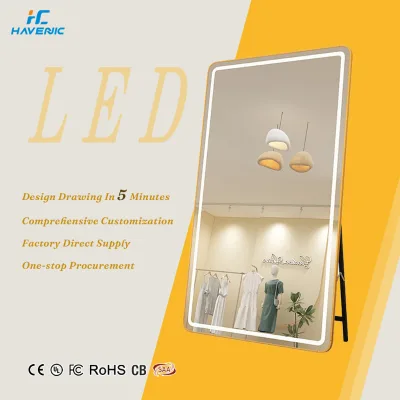
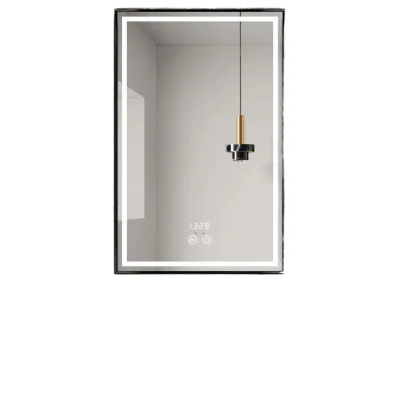
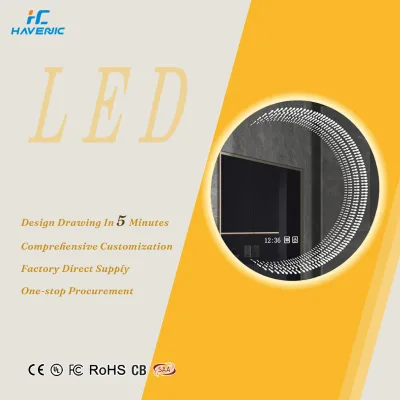
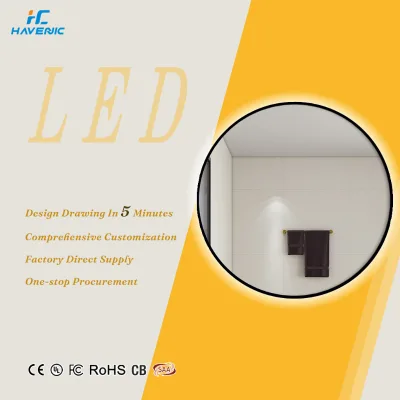
Touch Screen Remote Control Smart TV Mirror Bathroom Magic Mirrors
$240.00 - $300.00

Shenzhen MSUN Sanitary Ware Co., Ltd.
- Manufacturer/Factory
- China Guangdong
- Lead time23 days
- Avg. response≤ 3h
Main productsSolid Surface Sheet, Solid Surface Wash Basin, Solid Surface Bathtub, Solid Surface Worktop, Corian, Stool, Sanitary Ware, Solid Surface Bathroom Sink, Wash Basin, Bathtub
Main marketsSouth America,Eastern Europe,Mid East,North America,Southeast Asia,Eastern Asia,Oceania,Western Europe

Qingdao Globalstar Glass Technology Co., Ltd.
- Combined
- China Shandong
- Lead time15 days
- Avg. response≤ 16h
Main productsBuilding Glass, Float Glass, Sheet Glass, Aluminum Mirror, Reflective Glass, Figured Glass, Laminated Glass, Tempered Glass, Silver Mirror, Wired Glass
Main marketsDomestic,Europe
Shenzhen Hamirror Industrial Co., Ltd.
- Manufacturer
- Guangdong, China
- Lead time45 days
- Avg. response≤ 2h
Main productsbacklit mirror,bathroom mirror,full length mirror,framless LED mirror,metal framed mirror
Main marketsNorth America(80.00%), Northern Europe(10.00%), Mid East(10.00%)

Shenzhen Layson Optoelectronics Co., Ltd.
- Verified by TUVRHEINLAND
- Trading Company,Manufacturer/Factory
- China Guangdong
- Lead time0 days
- Avg. response≤ 3h
Main productsTouch Screen Kiosk, Advertising Player, Digital Signage, Outdoor Advertising Player, Magic Mirror Glass Display, Transparent LCD, Touch Table, Monitor
Main marketsSouth America,Eastern Europe,Mid East,North America,Southeast Asia,Eastern Asia,Oceania,Western Europe,Africa


43 Inch Smart Magic Mirror Fitness Mirror Virtual Fitting Mirror for Exercise
$300.00 - $500.00
MOQ: 1 Pieces
- Verified by TüVRheinland
- Manufacturer, Trading Company
- Lead time20 days
- Avg. response≤ 1h
Main productsWall Mirror, Floor Mirror, Bathroom Mirror, LED Mirror, Glass
Main marketsNorthern Europe(40%), North America(30%), Eastern Europe(30%)
Dongguan Xinkai Glass Mirror Industry Co., Ltd.
- Verified by SGS Group
- Manufacturer, Trading Company
- Lead time15 days
- Avg. response≤ 2h
Main productsBathroom Led Mirror, Mirror Cabinet, LED Mirror, Full-length Mirror, Frame Mirror
Main marketsNorth America(20%), Northern Europe(20%), Southern Europe(20%)
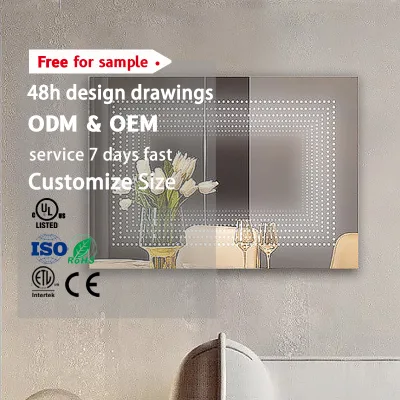
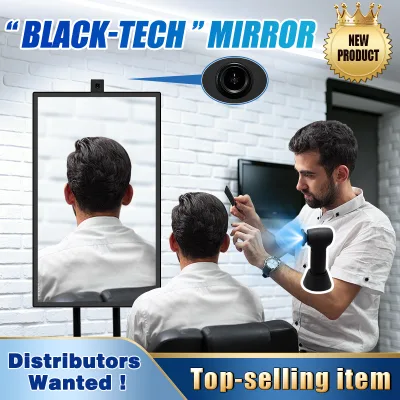
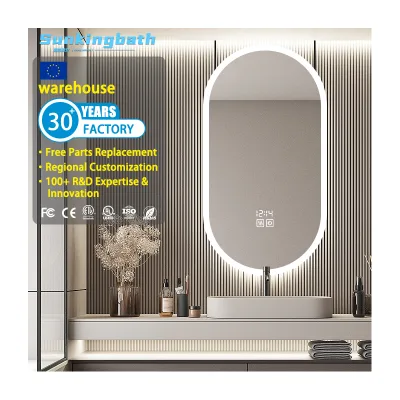
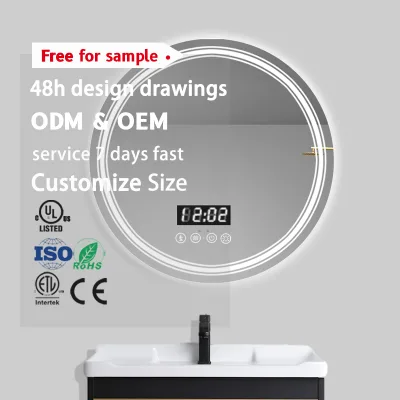
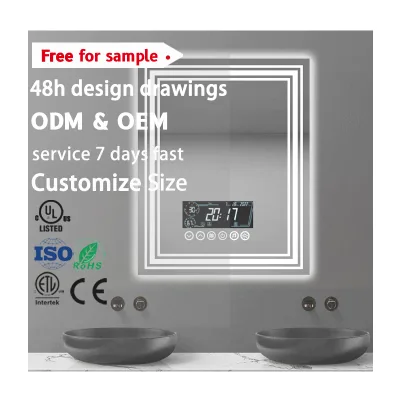
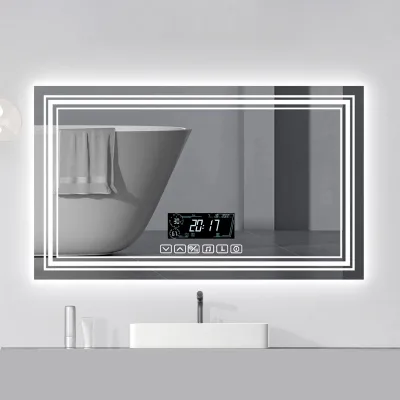
$28.7886 - $49.3516
MOQ: 20 pieces

Chaozhou Ocean Ceramic Co., Ltd.
- Trading Company
- China Guangdong
- Lead time30 days
- Avg. response≤ 3h
Main productsSanitary Wares, Bathroom Equipment, Toilet Set Water Closet, Basin with Pedestal, Bathroom Cabinet, Bathroom Accessories, Sink Waste Washbasin, Faucet Tap Mixer Shower, Bath Tub Shower Room, Plumbing Fittings Toilet Accessories
Main marketsSouth America,Southeast Asia/ Mideast,Europe


Bathroom Mirrors, Magic Mirrors, Espejo, LED Smart Mirrors, Salon Mirrors
$5.00 - $10.00
MOQ: 500 Pieces
Chaoan Meizhi Ceramics Co., Limited
- Verified by SGS Group
- Manufacturer, Trading Company
- Lead time30 days
- Avg. response≤ 3h
Main productsSanitary Wares
Main marketsSouth America(30%), Domestic Market(14%), Africa(12%)

Kingkonree International China Surface Industrial Co., Ltd.
- Verified by TUVRHEINLAND
- Combined
- China Guangdong
- Lead time15 days
- Avg. response≤ 3h
Main productsSolid Surface Sheet, Solid Surface Wash Basin, Solid Surface Bathroom Sink, Solid Surface Bathtub, Solid Surface Countertop, Solid Surface Table, Corian, Bathroom Vanity Top, Sanitary Ware, Marble Table
Main marketsSouth America,Africa,Southeast Asia/ Mideast,East Asia(Japan/ South Korea),Europe,Australia,North America

- Verified by SGS
- Combined
- China Hubei
- Lead time30 days
- Avg. response≤ 1h
Main productsGlass Deep Processing, Clear Tempered Glass, Laminated Glass, Wired Glass, Pattern Glass, Glazed Glass, Mirror, Oil Sand Glass, Insulating Glass, Paint Glass
Main marketsDomestic,North America
Chaozhou Ankapa Sanitary Ware Co., Ltd.
- Manufacturer, Trading Company
- Guangdong, China
- Lead time20 days
- Avg. response≤ 7h
Main productstoilet,basin,cabinet
Main marketsMid East(50.00%), South Asia(5.00%), Northern Europe(5.00%), Central America(5.00%), Eastern Asia(5.00%), North America(5.00%), Oceania(5.00%), Africa(5.00%), Southeast Asia(5.00%), Eastern Europe(5.00%), South America(5.00%)
Foshan Guapo Building Materials Co., Ltd.
- Manufacturer
- Guangdong, China
- Lead time30 days
- Avg. response≤ 5h
Main productsAlumium Window,Alumium Door,Railing,LED Mirror,Bath Mirror
Main marketsAfrica(20.00%), North America(15.00%), Mid East(12.00%), South America(10.00%), Oceania(10.00%), Eastern Europe(7.00%), Western Europe(6.00%), Northern Europe(5.00%), Southern Europe(5.00%), Southeast Asia(5.00%), Domestic Market(3.00%), Central America(2.00%)
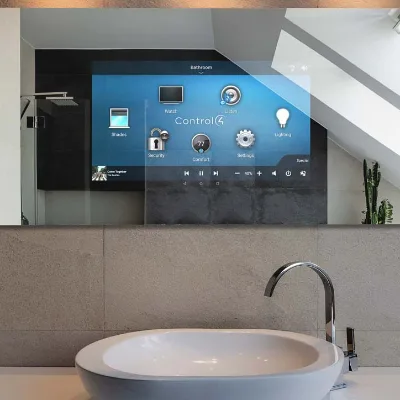
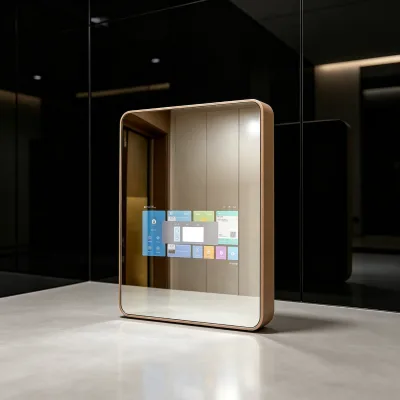
Bathroom Led Smart Mirror Android Smart Makeup Mirror Spiegel Smart Mirror With Camera
$600.00 - $750.00
MOQ: 2 pieces
Foshan Coobath Sanitary Ware Co., Ltd.
- Verified by Intertek
- Trading Company
- Lead time0 days
- Avg. response≤ 2h
Main productsBathtub, Sauna Steam Room, Bathroom Cabinet, Faucet, Bathroom Accessory
Main marketsAfrica(30%), North America(25%), Western Europe(18%)
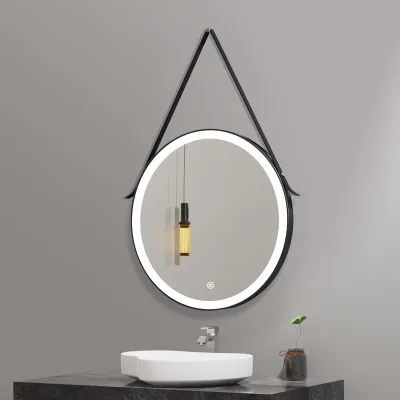
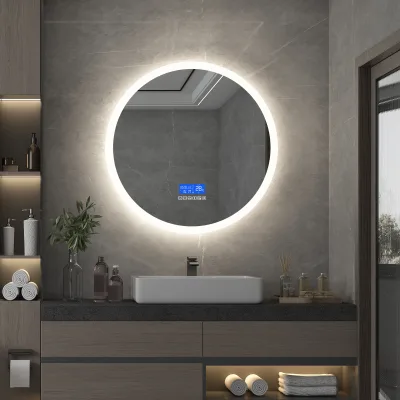
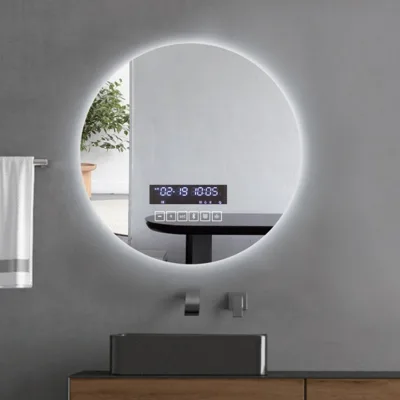
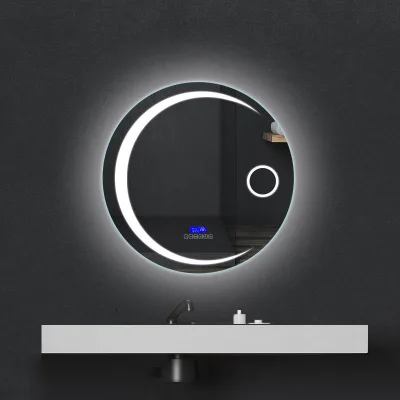
Round Smart Bluetooth LED Backlit Light Vanity Mirror with Clock and Time Display
$63.0269 - $67.1284
MOQ: 50 pieces
Shenzhen Hongnuo Zhuanxian Technology Co., Ltd.
- Verified by Intertek
- Manufacturer, Trading Company
- Lead time0 days
- Avg. response≤ 2h
Main productsDigital Signage, Outdoor Digital Signage, Window Display, Magic Mirror, Stretch Screen
Main marketsDomestic Market(50%), North America(10%), Southeast Asia(10%)

Anhui Dman Smart Home Co., Ltd.
- Verified by SGS
- Trading Company,Manufacturer/Factory
- China Anhui
- Lead time30 days
- Avg. response≤ 4h
Main productsShower Room, Shower Enclosure, Freestanding Bathtub, Shower Tray, Mirror, Bathroom Vanity, Massage Bathtub, Steam Room, Bathroom Accessories
Main marketsEastern Europe,Mid East,Western Europe,Africa


Illuminated Smart Backlit Mirror Lighted Bathroom Mirrors LED Mirror Round
$28.00 - $30.00
MOQ: 20 Pieces


Hebei Chuangying Intelligent Technology Co., Ltd.
- Verified by SGS Group
- Manufacturer, Trading Company
- Lead time15 days
- Avg. response≤ 2h
Main productsCommercial Robots, Vending Machines, Digital Signage and Displays, Self Service Kiosk
Main marketsDomestic Market(70%), North America(5%), South America(5%)

Hangzhou Spremium Bathroom Co., Ltd.
- Verified by TUVRHEINLAND
- Combined
- China Zhejiang
- Lead time30 days
- Avg. response≤ 3h
Main productsBathroom Vanity, LED Mirror, Bathroom Cabinet, Bathroom Furniture, MDF Bathroom Cabinet, PVC Bathroom Cabinet, LED Bathroom Mirror
Main marketsNorth America

Smart LED Mirrors Touch Lamp Mirror Rectangle Mounted Wall Bathroom Mirror
$35.00 - $45.00
MOQ: 30 Pieces


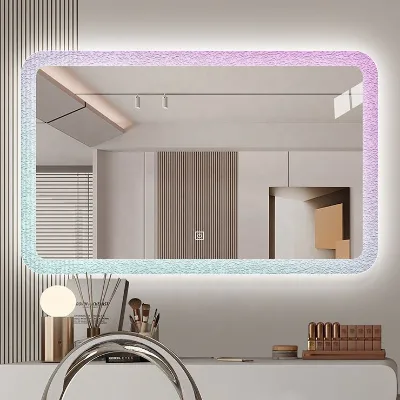
Factory Modern Touch Screen LED Bathroom Smart Mirror with Adjustable Color
$12.83 - $17.88
MOQ: 10 Pieces

New and Popular Ellipse Design Multi-Function LED Smart Mirror for Bathroom with Light
$20.00 - $45.00
MOQ: 50 Pieces


SHOUGUANG SENTUO WOOD CO., LTD.
- Verified by BV
- Manufacturer/Factory
- China Shandong
- Lead time15 days
- Avg. response≤ 4h
Main productsPlywood, MDF, OSB, WPC Wall Panel, PVC Wall Panel, PVC Marble Sheet, Melamine MDF, Particleboard, Zebra Blinds, Door Skin
Main marketsSouth America,Eastern Europe,Mid East,North America,Southeast Asia,Eastern Asia,Oceania,Western Europe,Africa

Zhongshan Chaolang Lighting Co., Ltd.
- Verified by SGS
- Combined
- China Guangdong
- Lead time30 days
- Avg. response≤ 1h
Main marketsEurope


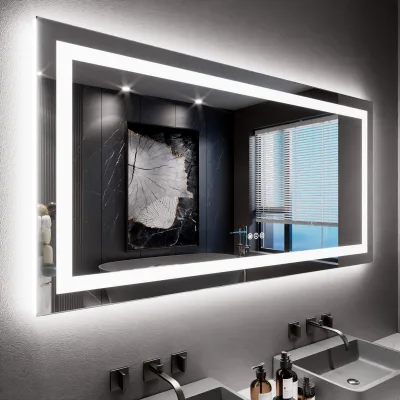
Modern Smart Illuminated Rectangular LED Bathroom Mirror with Infrared Sensor
$35.00 - $55.00
MOQ: 100 Pieces


Versatile Decorative Smart LED Mirror for Bathroom and Makeup Applications
$30.00 - $50.00
MOQ: 100 Pieces

High Quality Decorative Mirrors LED Light Smart Mirror for Home Interior
$50.00 - $70.00
MOQ: 50 Pieces

Qingdao Salience Industry Co.,Ltd
- Verified by SGS
- Trading Company,Manufacturer/Factory
- China Shandong
- Lead time15 days
- Avg. response≤ 2h
Main productsLaminated Glass, Tempered Glass, Silver Mirror, Aluminium Mirror, Reflective Glass, Building Glass, Tinted Glass, Float Glass, Acid Etched Glass, Pattern Glass
Main marketsSouth America,Eastern Europe,Mid East,North America,Southeast Asia,Eastern Asia,Oceania,Western Europe,Africa

LED Lighted Bathroom Mirror Waterproof Smart LED Mirror with Anti Fog Function
$1.36 - $25.26
MOQ: 1000 Square Meters

Modern LED Smart Touch Bathroom Mirror with Adjustable Lighting
$15.48 - $25.38
MOQ: 1000 Square Meters
Chaozhou Chaoan Changfa Sanitary Cover Plate Manufacture Limited Company
- Verified by TüVRheinland
- Manufacturer, Trading Company
- Lead time20 days
- Avg. response≤ 5h
Main productsPP Toilet Seat Cover, UF Toilet Seat Cover, Squatting Pan Water Tank
Main marketsWestern Europe(35%), Domestic Market(30%), South America(15%)

- Verified by CTI
- Combined
- China Anhui
- Lead time30 days
- Avg. response≤ 1h
Main productsBathroom Vanity, Bathroom Cabinet, Bathroom Furniture, MDF Bathroom Cabinet, PVC Bathroom Cabinet, Bathroom Accessories, LED Mirror, Basin
Main marketsDomestic


High-Quality Factory Price Smart LED Mirror with Bluetooth and Dimmable Lights
$22.00 - $43.00
MOQ: 50 Sets

Milestone (hainan) Technology Co., Ltd.
- Verified by TüVRheinland
- Trading Company
- Lead time15 days
- Avg. response≤ 2h
Main productsMirror, Floor Mirror, LED Mirror, Makeup Mirror, Glass
Main marketsNorth America(30%), Eastern Europe(20%), Western Europe(10%)

Beijing Fenghuayuan Trade Co. Ltd.
- Verified by SGS
- Trading Company
- China Beijing
- Lead time15 days
- Avg. response≤ 25h
Main productsStainless Steel Glass Products, Interior Decorative Divider, Indoor Stair Fence, Stainless Steel Screen, Waterproof Metal Room Divider, Waterproof Balcony Safety Railing, Indoors Stairs Railings
Main marketsDomestic

- Manufacturer/Factory
- China Guangdong
- Lead time90 days
- Avg. response≤ 4h
Main productsDigital Signage, LCD Kiosk, LCD Video Wall, LCD Totem, Ultra-Wide Stretch Bar LCD Display, Interactive Kiosk Touch Screen Kiosk, Advertising Player, LCD Display, Interactive Touch White Board, Media Player
Main marketsSouth America,Eastern Europe,Mid East,North America,Southeast Asia,Eastern Asia,Western Europe

Guangdong Youyuan Trading Co., Ltd.
- Verified by BV
- Trading Company,Manufacturer/Factory
- China Guangdong
- Lead time0 days
- Avg. response≤ 11h
Main productsSanitary Ware, Toilet Seat Cover, Bathroom Toilet, Smart Toilet, Bathroom Cabinet, Smart Mirror
Main marketsSouth America,Eastern Europe,Mid East,North America,Southeast Asia,Eastern Asia,Oceania,Western Europe,Africa

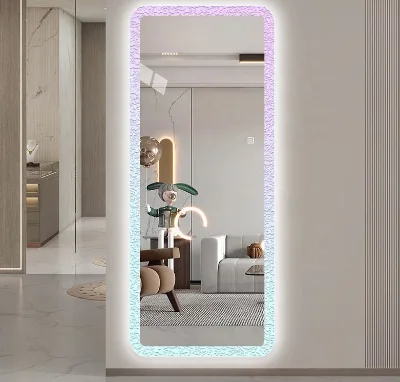
Factory Smart Mirror LED Mirror with Color Light Customized Function Bathroom
$6.80 - $7.40
MOQ: 50 Pieces








Comprehensive Sourcing Guide
Illuminated Smart Magic Mirror Supplier Concentration and Factory Types
The current supplier landscape for illuminated smart magic mirrors reveals a distinct geographic and operational diversity that buyers must navigate carefully. Evidence indicates that manufacturing capabilities are concentrated in specific industrial hubs within China, with Jiangsu emerging as a notable location for suppliers specializing in bathroom vanity and furniture integrations. These entities often operate as combined entities, blending manufacturing prowess with trading functions to offer comprehensive solutions. This dual nature allows them to manage both the production of complex electronic components, such as LED mirrors and touch-screen interfaces, and the logistical coordination required for international distribution. The presence of suppliers in Shandong further diversifies the sourcing pool, with some entities focusing primarily on trading activities for glass-based products. This trading-centric model often leverages broader supply chains to offer competitive pricing on raw materials like reflective glass, which serves as the foundational component for many smart mirror applications. Understanding this concentration helps buyers identify whether they are engaging with a direct factory capable of custom engineering or a trading company that aggregates products from multiple sources.
Operational models vary significantly across these suppliers, ranging from pure manufacturers to hybrid firms that offer both Original Design Manufacturing (ODM) and Original Equipment Manufacturing (OEM) services. Suppliers in Jiangsu, for instance, demonstrate strong ODM and OEM capacities, indicating they can adapt existing smart mirror designs to meet specific brand requirements or develop entirely new products based on buyer specifications. This flexibility is crucial for buyers seeking unique features, such as integrated Android systems, Bluetooth connectivity, or specialized lighting configurations. In contrast, trading companies may offer a wider variety of standard products with faster availability but less control over the manufacturing process. The distinction is vital because it impacts the level of customization available, the quality control measures in place, and the ability to scale production. Buyers should assess whether their project requires deep technical collaboration with a factory or the convenience of sourcing pre-existing inventory from a trader. Recognizing these factory types ensures that the selected partner aligns with the strategic goals of the procurement, whether that involves brand differentiation through custom design or cost efficiency through standardized products.
How to Verify Illuminated Smart Magic Mirror Suppliers
Verifying the legitimacy and capability of suppliers requires a multi-layered approach that goes beyond basic company profiles. One critical step is examining third-party verification badges, which serve as independent validations of a supplier’s business status and operational history. For example, some suppliers display verification from TÜV Rheinland, a globally recognized testing and certification organization, which adds a layer of credibility to their claims. Similarly, others may hold verification from SGS Group, another authoritative body that assesses company capabilities and product quality. These badges are not merely decorative; they indicate that the supplier has undergone rigorous audits regarding their legal registration, factory conditions, and management systems. Buyers should prioritize suppliers with these verifications, as they reduce the risk of engaging with fraudulent entities or poorly managed operations. However, verification alone is not sufficient; it must be complemented by an assessment of the supplier’s technical certifications and product compliance standards.
Technical certifications are equally important for illuminated smart mirrors, given their electrical and electronic nature. Suppliers may hold various system certifications that attest to their adherence to international quality and safety standards. For instance, some manufacturers possess ISO 9001 certification, which demonstrates a commitment to consistent quality management processes. Additionally, product-specific certifications such as CE, FCC, RoHS, and LVD are crucial for ensuring that the electronic components within the smart mirrors meet regulatory requirements for electromagnetic compatibility, radio frequency interference, and hazardous substance restrictions. These certifications are particularly relevant for suppliers in regions like Hebei, where specific product lines may be certified under these standards. Buyers should request copies of these certificates and verify their validity with the issuing bodies. Furthermore, assessing the supplier’s response time and lead time can provide indirect evidence of their operational efficiency and reliability. A supplier with a rapid response time and consistent lead times is likely to have robust internal processes, which is a positive indicator of their overall reliability in fulfilling orders.
What to Compare Across Illuminated Smart Magic Mirror Suppliers
When evaluating multiple suppliers, buyers must systematically compare key operational metrics to identify the most suitable partner for their specific needs. One of the most critical factors is the minimum order quantity (MOQ), which varies significantly across the supplier base. Some suppliers may require an MOQ of 20 units, while others might accept orders as low as 10 units. This difference can be decisive for small businesses or those testing new markets, as lower MOQs reduce initial inventory risk and financial commitment. Additionally, the price range for similar products can differ substantially, with some suppliers offering illuminated smart mirrors at prices starting from as low as $10.50 to $12.35, while others may quote higher prices ranging from $60.00 to $120.00 for more feature-rich or larger models. Buyers should analyze these price points in conjunction with the product specifications to ensure they are comparing equivalent items. It is essential to look beyond the base price and consider the value proposition, including the quality of materials, the complexity of the electronic integration, and the durability of the finish.
Another vital aspect of comparison is the supplier’s response time and lead time, which directly impact project timelines and customer satisfaction. Suppliers with response times as low as two to three days demonstrate high operational agility, allowing for quicker negotiations and issue resolution. Lead times, which indicate the duration from order placement to shipment, also vary, with some suppliers offering lead times of zero days for ready stock, while others may require 23 to 28 days for production. Buyers should align these metrics with their sales cycles and inventory requirements. Furthermore, the range of main products offered by each supplier can indicate their specialization and expertise. Suppliers focusing on bathroom vanities and furniture may offer better integration solutions for bathroom mirrors, while those specializing in glass products might provide superior raw material quality. By comparing these dimensions—MOQ, price, response time, lead time, and product specialization—buyers can create a weighted scoring matrix to objectively rank suppliers and select the one that best balances cost, speed, and quality for their specific procurement strategy.
Common Illuminated Smart Magic Mirror Sourcing Risks
Sourcing illuminated smart magic mirrors involves several inherent risks that buyers must proactively manage to ensure a successful procurement outcome. One significant risk is the variability in product quality and technical performance, particularly regarding the electronic components. Smart mirrors integrate complex technologies such as touch screens, LED lighting, and Android operating systems, which can be prone to failure if not manufactured to high standards. Buyers may encounter issues such as unresponsive touch interfaces, flickering lights, or software glitches if the supplier lacks rigorous quality control processes. This risk is exacerbated when sourcing from trading companies that may not have direct oversight of the manufacturing process. To mitigate this, buyers should request detailed product specifications and test reports, and consider ordering samples before committing to large volumes. Additionally, the risk of intellectual property infringement exists, especially when working with suppliers who offer extensive customization services. Buyers must ensure that their designs and branding are protected through proper legal agreements and that the supplier does not share their proprietary information with competitors.
Another common risk is the discrepancy between the quoted lead times and the actual delivery dates. Suppliers may promise rapid turnaround times to secure orders but fail to meet these commitments due to production bottlenecks or supply chain disruptions. This can lead to stockouts and lost sales opportunities for the buyer. Furthermore, the risk of hidden costs can arise from unclear shipping terms or unexpected customs duties, particularly when importing from regions like China. Buyers must carefully review the Incoterms and ensure that all costs, including freight, insurance, and taxes, are accounted for in their budget. Additionally, the risk of poor after-sales support is a concern, as electronic products often require technical assistance or warranty claims. Buyers should verify the supplier’s after-sales service capabilities, such as online technical support or replacement part availability, before finalizing the agreement. By identifying and addressing these risks early in the sourcing process, buyers can establish stronger contracts, implement stricter quality checks, and build more resilient supply chains that protect their business interests.
Illuminated Smart Magic Mirror Regional Sourcing and Logistics
The geographic location of suppliers plays a crucial role in determining logistics costs, delivery times, and overall supply chain efficiency. Suppliers located in Jiangsu, China, benefit from proximity to major ports and established manufacturing clusters, which can facilitate faster and more cost-effective shipping. This region is known for its robust infrastructure and skilled labor force, making it a hub for high-quality bathroom furniture and electronic integrations. Buyers sourcing from Jiangsu can expect streamlined logistics processes, with suppliers often offering conventional export packing that ensures product safety during transit. However, the specific location of the factory within the region can still impact last-mile delivery costs and transit times. Buyers should inquire about the exact factory address and assess its proximity to shipping hubs to estimate logistics expenses accurately. Additionally, suppliers in Shandong may offer different logistical advantages, particularly if they specialize in glass products that require specialized handling and packaging. Understanding these regional nuances helps buyers optimize their supply chain and reduce transportation costs.
Logistics planning must also account for the specific requirements of illuminated smart mirrors, which are fragile and contain sensitive electronic components. Proper packaging is essential to prevent damage during shipping, and buyers should verify that suppliers use robust packaging methods, such as reinforced cartons and protective foam. Some suppliers offer customized packing solutions, which can provide additional protection but may increase costs. Buyers should negotiate packaging standards in their contracts to ensure that products arrive in pristine condition. Furthermore, the choice of shipping method, whether by sea, air, or express courier, will impact lead times and costs. Sea freight is cost-effective for large volumes but has longer transit times, while air freight and express services offer speed at a higher price. Buyers should align their shipping method with their inventory needs and customer expectations. Additionally, buyers must consider the regulatory requirements of their destination country, including customs clearance procedures and product compliance standards. Working with suppliers who have experience in international shipping can help navigate these complexities and ensure smooth delivery.
Illuminated Smart Magic Mirror Commercial Terms and Order Planning
Effective order planning for illuminated smart magic mirrors requires a thorough understanding of commercial terms and financial structures. Buyers should carefully review the payment terms offered by suppliers, which can range from partial upfront payments to full payment upon shipment. Negotiating favorable payment terms, such as using escrow services or letter of credit, can provide financial security and protect against fraud. Additionally, buyers must consider the total cost of ownership, which includes not only the product price but also shipping, insurance, customs duties, and any potential tariffs. Some suppliers may offer tiered pricing based on order volume, allowing buyers to achieve cost savings by increasing their order size. However, buyers must balance these savings against the risk of excess inventory and storage costs. It is also important to clarify the warranty terms and return policies, as these can significantly impact the long-term profitability of the procurement. Suppliers that offer comprehensive warranty coverage and easy return processes provide greater peace of mind and reduce the financial risk associated with defective products.
Order planning should also account for the customization process, which can introduce additional lead times and costs. If buyers require custom sizes, finishes, or electronic configurations, they must engage in detailed technical discussions with the supplier to define the specifications clearly. This process may involve multiple rounds of communication and sample approvals, which can extend the timeline before mass production begins. Buyers should build these lead times into their production schedules to avoid delays. Furthermore, buyers should consider the scalability of the supplier’s production capacity. Suppliers with strong ODM and OEM capabilities can adapt to changing market demands, but buyers must ensure that the supplier has the resources to handle volume increases without compromising quality. Establishing a clear communication channel and regular update schedule with the supplier can help manage
FAQs
What is the price range for smart LED mirrors?
Prices typically range from $10.50 to $120.00 per unit depending on specifications. Basic reflective glass models start near $10.50, while advanced touch-screen Android mirrors with custom sizes cost up to $120.00. Buyers should verify exact pricing based on their required dimensions and feature sets.
What is the minimum order quantity for these mirrors?
The minimum order quantity is generally 10 to 20 pieces. Some suppliers require a minimum of 20 units for standard LED mirror cabinets, while others accept orders as low as 10 pieces for specific smart mirror models. Always confirm the MOQ with the supplier before placing an order.
How long does production and delivery take?
Lead times vary between 0 and 28 days depending on the supplier and customization level. Some manufacturers offer immediate availability with zero lead time, while others require up to 28 days for production. Response times also differ, ranging from 2 to 23.69 hours for initial inquiries.
Are these mirrors customizable in size and design?
Yes, customization is widely available for size, frame material, and special functions. Suppliers offer customized sizes, silver finishes, and explosion-proof glass options. Features like fogless, waterproof, and lighted functions can be tailored. Buyers should specify their exact dimensions and functional requirements during the inquiry process.
What certifications do these smart mirrors have?
Certifications vary by supplier, with some holding ISO 9001, RoHS, CE, FCC, and LVD standards. Others may not list specific system certifications. Verification services like TÜV Rheinland and SGS Group are also available for certain manufacturers. Buyers should request specific certification documents to ensure compliance with their market regulations.
Where are these smart mirrors manufactured?
Manufacturing locations include Jiangsu, Shandong, and Hebei provinces in China. Suppliers in these regions offer various products, from bathroom vanities to interactive gym mirrors. The origin affects logistics and lead times, so buyers should confirm the specific production site to align with their shipping preferences and supply chain requirements.