Moisturizing Vitamin C Foot Mask Suppliers and Manufacturers
Source 28 verified suppliers for Moisturizing Vitamin C Foot Mask. Compare locations in China, certifications like FDA and GMP, response times, and MOQs. Review product specs and request samples to verify quality; review the available evidence before requesting comparable quotations from suitable candidates.
Suppliers List

Henan Geesion Medical Devices Co., Ltd.
- Verified by BV
- Trading Company
- China Henan
- Lead time15 days
- Avg. response≤ 7h
Main productsPain Relief Patch, Cooling Gel Patch, Detox Foot Patch, Slimming Patch, Capsicum Plaster, Stop Smoking, Nasal Strips, Dental Mouthguard, Cough Relieve Patch, Wormwood Knee Patch
Main marketsSouth America,Africa,Southeast Asia/ Mideast,East Asia(Japan/ South Korea),Europe,Australia,North America

Guangzhou Shiruoni Cosmetics Co., Ltd.
- Trading Company,Manufacturer/Factory,Group Corporation
- China Guangdong
- Lead time15 days
- Avg. response≤ 6h
Main productsSkin Care, Jelly Mask, Face Serum, Face Toner, Face Cream, Facial Mask, Sunscreen, Face Cleanser, Soap, Skin Care Set
Main marketsSouth America,Eastern Europe,Mid East,North America,Southeast Asia,Eastern Asia,Oceania,Western Europe,Africa
Guangzhou Elov Cosmetics Co., Ltd
- Manufacturer, Trading Company
- Guangdong, China
- Lead time3 days
- Avg. response≤ 4h
Main productsMask/Eye Pad, Body Cream/Facial and Body Spray/Foot and Hand Mask
Main marketsDomestic Market(40.00%), North America(12.00%), Western Europe(10.00%), Southern Europe(8.00%), Mid East(8.00%), South Asia(5.00%), Eastern Europe(5.00%), Southeast Asia(5.00%), South America(2.00%), Eastern Asia(1.00%), Oceania(1.00%), Central America(1.00%), Northern Europe(1.00%), Africa(1.00%)
Guangzhou Elov Cosmetics Co., Ltd.
- Verified by SGS Group
- Manufacturer, Trading Company
- Lead time20 days
Main productsMask, Eye Pad, Body Cream, Facial and Body Spray, Foot and Hand Mask
Main marketsDomestic Market(40%), North America(12%), Western Europe(10%)

Guangzhou Dephin Cosmetics Co., Ltd
- Verified by CTI
- Trading Company,Manufacturer/Factory
- China Guangdong
- Lead time23 days
- Avg. response≤ 3h
Main productsSkin Care Products, Hair Care, Body Care, Gel Products, Cream & Lotions, Body Deodorant, Face Serum, Hand & Foot Care, Nail Care, Makeup
Main marketsSouth America,Eastern Europe,Mid East,North America,Southeast Asia,Eastern Asia,Oceania,Western Europe,Africa

Cosmetics Foot Care Exfoliating Collagen Foot Mask for Soft Smooth Feet
$0.29 - $0.49
MOQ: 3000 Pieces


Guangzhou Zohe Wellness Technology Co. Ltd
- Verified by SGS
- Combined
- China Guangdong
- Lead time15 days
- Avg. response≤ 2h
Main marketsDomestic
Hangzhou Houde Fuze Technology Co., Ltd.
- Verified by SGS Group
- Manufacturer, Trading Company
- Lead time10 days
Main productsFoot Mask, Steam Eye Mask, Acne Patch, Collagen Eye Mask, Body Warmer Patch
Main marketsSouth America(17%), Eastern Europe(15%), Western Europe(15%)
Hebei Enyu Imp. & Exp. Trade Company Limited
- Verified by SGS Group
- Trading Company
- Lead time15 days
Main productsBath Bomb, Soap, Spa Foot Jelly, Shower Steamer, Shampoo Bar
Main marketsNorth America(40%), South America(16%), Eastern Europe(16%)


$0.59 - $0.78
MOQ: 50 pieces
Hebei Houde Hanfang Medical Devices Group Co., Ltd.
- Trading Company
- Lead time旺季: "1 - 3000":31,"3001 - 10000":31,"> 10000":"To be negotiated", 淡季: "1 - 3000":31,"3001 - 10000":31,"> 10000":"To be negotiated"
Main productsFoot Patch, Hydrogel Patch, Scar Removal Patch, Non Woven Fabric Patch, Beauty Personal Care Products
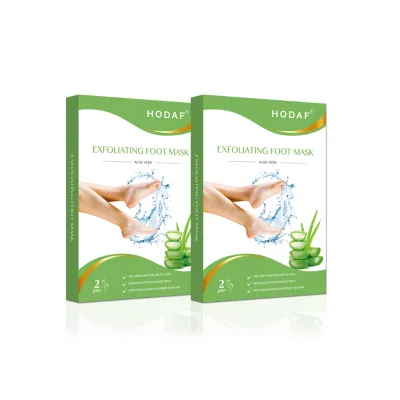
Vitamin-Enriched Foot Mask for Nourishing and Revitalizing Tired Feet, Enhances Skin Elasticity
$0.42 - $0.48
MOQ: 200 bags
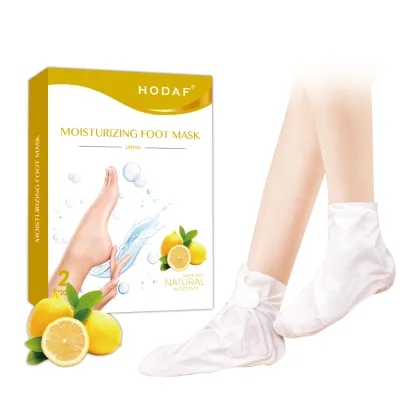
Foot Mask Natural Hydrating Moisturizing Socks Nourishing Feet Mask for Dry Cracked Feet
$0.41 - $0.48
MOQ: 200 boxes

Shaanxi Imika Biotech Co., Ltd.
- Trading Company
- Shaanxi, China
- Lead time15 days
- Avg. response≤ 3h
Main productsBeauty equipment,Skin care products,Cosmetics,Oral care,Nail supplies
Main marketsWestern Europe(10.00%), Southern Europe(10.00%), Central America(10.00%), Oceania(10.00%), Northern Europe(10.00%), Southeast Asia(10.00%), Eastern Europe(10.00%), South America(10.00%), North America(10.00%), Mid East(5.00%), Africa(2.00%), Domestic Market(1.00%), South Asia(1.00%), Eastern Asia(1.00%)

Guangzhou Kanglixin Medical Biotechnology Co, Ltd.
- Verified by TUVRHEINLAND
- Manufacturer/Factory
- China Guangdong
- Lead time23 days
- Avg. response≤ 10h
Main productsSkin Care Products, Body Care, Hair Care Products, Makeup, Men's Care Products, Ferminine Care Products, Serum, Facial Mask, Face Cream, Scrub
Main marketsSouth America,Eastern Europe,Mid East,North America,Southeast Asia,Eastern Asia,Oceania,Western Europe,Africa

OEM Foot Skin Care Products Feet Sheet Mask Socks Peeling Exfoliating Peel Coconut Foot Mask
$0.50 - $0.80
MOQ: 1000 pieces

Private Label Nourishing Exfoliating Foot Mask Effective Natural Hydrating Peeling Foot Mask
$0.50 - $0.80
MOQ: 1000 pieces

$0.50 - $0.80
MOQ: 1000 pieces

$0.50 - $0.80
MOQ: 1000 pieces

Exfoliating Foot Mask Pedicure Exfoliation for Feet Mask Remove Dead Skin Heels Foot Peeling Mask
$0.30 - $0.40
MOQ: 10000 pieces

$0.30 - $0.40
MOQ: 10000 pieces
Guangzhou Nongcai Cosmetics Co., Ltd.
- Verified by SGS Group
- Manufacturer, Trading Company
- Lead time25 days
Main productsHair Color Cream, Hair Color Shampoo, Hair Shampoo, Hair Wax, Hair Mask
Main marketsNorth America(30%), Southeast Asia(20%), Mid East(20%)

Anhui Xuanwuyan Pharmaceutical Co., Ltd.
- Verified by BV
- Combined
- China Anhui
- Lead time30 days
- Avg. response≤ 2h
Main productsPain Relief Patch, Fever Cooling Patch, Capsicum Plaster, Tiger Capsicum Plaster, Cough Relief Patch, Anti-Diarrheal Patch, Corn Removal Plaster, Motion Sickness Patch, Slimming Patch, Heat Therapy Patches
Main marketsSouth America,Southeast Asia/ Mideast,North America
- Trading Company
- Hong Kong S.A.R.
- Lead time0 days
- Avg. response≤ 8h
Main productsStainless Steel Tumblers,Lunch Box
Main marketsSouthern Europe(10.00%), Northern Europe(10.00%), Central America(10.00%), Western Europe(10.00%), Eastern Asia(10.00%), Mid East(10.00%), Southeast Asia(10.00%), Eastern Europe(10.00%), South America(10.00%), North America(10.00%)

Jinan Gongqi Technology Co., Ltd.
- Trading Company
- Shandong, China
- Lead time90 days
- Avg. response≤ 2h
Main productsSkin care products,Cosmetic,Pinata,Artificial flowers,Press on nails
Main marketsSouth America(16.00%), Eastern Europe(14.00%), North America(12.00%), Northern Europe(10.00%), Southern Europe(9.00%), Western Europe(8.00%), South Asia(8.00%), Eastern Asia(7.00%), Africa(6.00%), Domestic Market(3.00%), Southeast Asia(3.00%), Central America(2.00%), Mid East(2.00%)
Foshan Sanshui Qiaoxifu Daily Necessities Co., Ltd.
- Manufacturer, Trading Company
- Lead time旺季: "1 - 240":7,"> 240":"To be negotiated", 淡季: "1 - 240":7,"> 240":"To be negotiated"
- Avg. response≤ 4h
Main productsFacial Mask/Eye Mask/Serum/Make Up/Facial Cream
Hanyutang (guangzhou) Cosmetics Manufacturing Co., Ltd.
- Verified by SGS Group
- Trading Company
- Lead time15 days
Main productsSkin Care, Make Up, Body Lotion, Shower Gel, Scrub
Main marketsNorth America(19%), Western Europe(14%), Mid East(12%)

Private Label Foot Mask Long Leg Foot Mask Moisturizing Whitening Foot Mask Socks
$0.52 - $0.60
MOQ: 2 pieces

Guangzhou Chuyu Cosmetics Co., Ltd.
- Verified by SGS Group
- Manufacturer, Trading Company
- Lead time30 days
Main productsFacial Mask, Foot Mask, Facial Serum, Hair Care/Skin Care, Makeup/Bath Salt
Main marketsNorth America(34%), Mid East(10%), Western Europe(10%)
Tianjin Haoyang Commercial Co., Ltd.
- Manufacturer, Trading Company
- Lead time旺季: "1 - 160":15,"> 160":"To be negotiated", 淡季: "1 - 160":15,"> 160":"To be negotiated"
- Avg. response≤ 3h
Main productsGold eye mask,Foot mask,Face care serum,Essential oil,jade roller
Guangzhou Ailian Cosmetic Co., Ltd.
- Verified by SGS Group
- Manufacturer, Trading Company
- Lead time15 days
Main productsMask, Body Care, Make Up, Cosmetics, Skin Care
Main marketsDomestic Market(30%), Eastern Europe(25%), Southeast Asia(12%)
- Trading Company
- Hong Kong S.A.R.
- Lead time3 days
- Avg. response≤ 7h
Main productsfacial mask,Essence liquid,emulsion,Facial cleanser,Skincare products
Main marketsDomestic Market(40.00%), North America(12.00%), Western Europe(10.00%), Mid East(8.00%), Southern Europe(8.00%), Eastern Europe(5.00%), South Asia(5.00%), Southeast Asia(5.00%), South America(2.00%), Africa(1.00%), Eastern Asia(1.00%), Northern Europe(1.00%), Oceania(1.00%), Central America(1.00%)
Tianjin Hodaf Technology Co., Ltd.
- Manufacturer, Trading Company
- Lead time旺季: "1 - 5000":31,"> 5000":"To be negotiated", 淡季: "1 - 5000":31,"> 5000":"To be negotiated"
Main productsFoot Mask, Foot Patch, Under Eye Pad, Heat Pack, Steam Eye Mask

Guangzhou Danjia Cosmetics Co., Ltd.
- Verified by BV
- Manufacturer/Factory
- China Guangdong
- Lead time0 days
- Avg. response≤ 21h
Main productsDizao Facial Masks, Breast Enlarging Cream Slimming Cream, Dizao Foot Mask, Bb Cream, Breast Enlarging/ Hip up /Slimming Cream, Facial Cleanser, Body Lotion, Razor Shaving Cream, Facial Cream, Hand Cream
Main marketsSouth America,Eastern Europe,Mid East,North America,Southeast Asia,Eastern Asia,Oceania,Western Europe,Africa

Guangzhou Mebamy Cosmetics Co., Ltd.
- Verified by TUVRHEINLAND
- Manufacturer/Factory
- China Guangdong
- Lead time15 days
- Avg. response≤ 5h
Main productsFace Serum, Soap, Face Cream, Sunscreen, Eyelash Growth Serum, Teeth Whitening, Face Mask, Facial Cleanser, Essential Oil, Hair Care Series
Main marketsNorth America,Western Europe


Beauty Lasting Hydrating & Nourishing Treatment Moisturizing Care Foot Mask
$0.50 - $5.00
MOQ: 3000 Pieces


Guangzhou Boss Biological Technique Ltd.
- Combined
- China Guangdong
- Lead time15 days
- Avg. response≤ 6h
Main productsBio-Enzyme Epm Eyelash Growth Enhancer Serum, Anti-Wrinkle Anti-Aging Serum& Cream, Slimming&Fat Burning Cream, Skincare Essential Oil, Hydrating & Moisturizing Product, Cleanser & Suncare Product, Brightening & Firming Product, Freckle Removal & Acne Treatment Cream, Hydrating & Anti-Wrinkle Capsules, Anti-Aging Repair Powder
Main marketsEurope,Australia,North America


$0.70 - $0.90
MOQ: 5000 Pieces

Guangzhou Aifujia Biotechnology Co., Ltd.
- Trading Company
- China Guangdong
- Lead time15 days
- Avg. response≤ 6h
Main productsFace Cream, Face Serum, 24K Serum, Rose Spray, Vitamin C Serum, Skin Care Set, Essential Oil, Facial Mask, Face Lotion, Anti Aging Whitening Face Cream
Main marketsSoutheast Asia/ Mideast,Europe,North America

$0.88 - $2.11
MOQ: 1000 Pieces


Brand Ultra-Thin Comfortable Healing Moisturizing Foot Exfoliating Mask
$0.88 - $2.11
MOQ: 1000 Pieces
Zhongshan Gincharm Beauty Co., Ltd.
- Verified by Intertek
- Trading Company
- Lead time15 days
Main productsSkincare Serum, Facial Mask, Toner Pad, Eye Pad, Face Cream
Main marketsDomestic Market(97%), North America(1%), South America(1%)
Foshan Jecko Biotechnology Co., Ltd.
- Verified by TüVRheinland
- Manufacturer, Trading Company
- Lead time0 days
Main productsHair Shampoo, Hair Mask, Hair Wax, Body Care, Hair Conditioner
Main marketsNorth America(18%), South America(15%), Southeast Asia(12%)


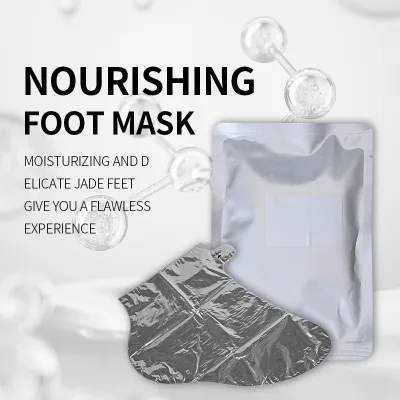
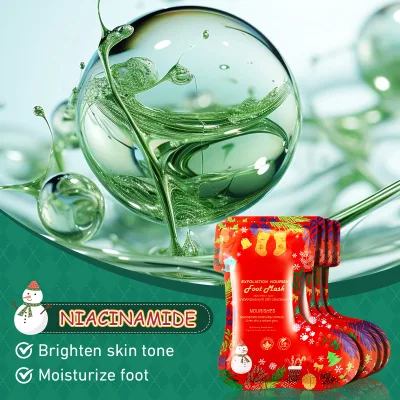


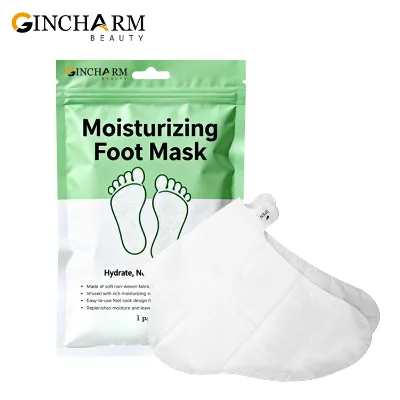
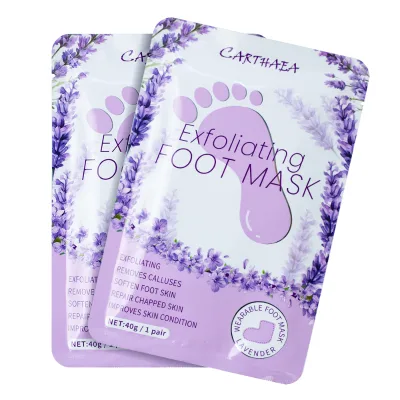
Comprehensive Sourcing Guide
Moisturizing Vitamin C Foot Mask Supplier Concentration and Factory Types
The sourcing landscape for Moisturizing Vitamin C Foot Mask products reveals a distinct concentration of manufacturing and trading entities within specific Chinese provinces, primarily Henan and Guangdong. These regions serve as critical hubs for personal care item production, offering buyers access to a dense network of suppliers capable of handling high-volume orders. In Henan, the supplier base is heavily characterized by trading companies that facilitate the export of various foot care solutions, including exfoliating and detoxifying patches. These entities often act as intermediaries, connecting international buyers with local factories that specialize in sheet mask technology and chemical peeling formulations. The presence of verified suppliers in this region indicates a mature supply chain infrastructure, where companies have undergone third-party verification processes to establish credibility. Buyers looking for straightforward procurement channels may find these trading companies particularly useful due to their streamlined communication and established logistics networks. However, it is essential to recognize that while these suppliers offer convenience, they may not always represent the direct manufacturing source, which can impact pricing flexibility and customization depth.
In contrast, suppliers located in Guangdong present a more diversified operational model, often combining manufacturing capabilities with trading functions. This region is known for its advanced cosmetic manufacturing infrastructure, supporting a wider range of company types, including manufacturer/factory entities and group corporations. This structural diversity allows for greater flexibility in production methods, such as OEM and ODM services, which are crucial for brands seeking unique formulations or private labeling opportunities. The Guangdong-based suppliers often highlight certifications such as ISO 20000 and GMP, signaling a commitment to quality management systems and good manufacturing practices. This is particularly relevant for products involving active ingredients like vitamin C, where stability and safety are paramount. The concentration of these advanced manufacturing facilities in Guangdong suggests a higher level of technological integration and regulatory compliance compared to simpler trading operations. Buyers evaluating suppliers in this cluster should look for evidence of in-house R&D capabilities and the ability to handle complex customization requests, as these factors often differentiate high-quality manufacturers from standard trading companies.
How to Verify Moisturizing Vitamin C Foot Mask Suppliers
Verification is a critical step in ensuring the reliability and quality of suppliers offering Moisturizing Vitamin C Foot Mask products. Buyers should prioritize suppliers that have undergone third-party verification processes, such as Bureau Veritas (BV) certification, which provides an independent assessment of the company’s business legitimacy and operational capabilities. This verification status serves as a foundational indicator of trustworthiness, reducing the risk of engaging with fraudulent or non-existent entities. Beyond basic verification, buyers must scrutinize the specific certifications claimed by the supplier, particularly those related to product safety and manufacturing standards. For foot masks containing active ingredients like vitamin C, certifications such as FDA and MSDS are essential, as they demonstrate compliance with international safety regulations and provide detailed information on ingredient composition and handling. These documents are not merely formalities but are vital for ensuring that the products meet the regulatory requirements of the buyer’s target market, thereby preventing potential legal issues or product recalls.
In addition to certifications, buyers should assess the supplier’s response time and communication efficiency as indicators of their operational maturity. A rapid response time, such as those observed in the range of 5 to 7 hours, suggests a well-staffed and responsive customer service team capable of addressing inquiries and resolving issues promptly. This is particularly important during the negotiation and sampling phases, where quick feedback can accelerate the sourcing process. Furthermore, buyers should verify the supplier’s ability to provide samples, as this allows for direct evaluation of product quality, packaging, and ingredient efficacy before committing to large orders. The availability of sample services, often highlighted in supplier profiles, indicates a confidence in product quality and a willingness to engage in transparent business practices. By combining verification status, relevant certifications, response speed, and sample availability, buyers can construct a comprehensive profile of a supplier’s reliability, ensuring that they partner with entities that can consistently deliver high-quality Moisturizing Vitamin C Foot Mask products.
What to Compare Across Moisturizing Vitamin C Foot Mask Suppliers
When evaluating multiple suppliers for Moisturizing Vitamin C Foot Mask products, buyers must compare key operational metrics to identify the most suitable partner for their specific needs. One of the primary dimensions for comparison is the minimum order quantity (MOQ), which varies significantly across suppliers. For instance, some suppliers may offer low MOQs starting at 10 pairs, making them ideal for small businesses or testing new markets, while others may require MOQs of 1,000 or even 10,000 pieces, catering to larger enterprises with established distribution channels. Understanding these MOQ differences is crucial for aligning supplier capabilities with the buyer’s inventory management strategy and cash flow constraints. Additionally, buyers should compare the lead times associated with order fulfillment, as delays can impact market availability and customer satisfaction. Lead times of around 15 days are common, but variations may exist based on production capacity and customization requirements. Comparing these timelines helps buyers plan their supply chain more effectively and avoid stockouts.
Another critical aspect of comparison is the pricing structure and the range of products offered. Prices for foot masks can vary based on factors such as ingredient quality, packaging complexity, and customization options. Buyers should analyze the price ranges provided by different suppliers, noting that costs may range from approximately $0.62 to $1.70 per unit depending on the specific product features and order volume. It is also important to compare the main products and customization capabilities of each supplier. Some suppliers may specialize in basic exfoliating masks, while others offer advanced formulations with additional benefits like anti-aging or whitening effects. The availability of OEM and ODM services is another key differentiator, allowing buyers to create unique products that stand out in the market. By systematically comparing MOQs, lead times, pricing, and product customization options, buyers can make informed decisions that balance cost, quality, and operational efficiency, ensuring they select a supplier that best supports their business objectives.
Common Moisturizing Vitamin C Foot Mask Sourcing Risks
Sourcing Moisturizing Vitamin C Foot Mask products involves several inherent risks that buyers must proactively manage to ensure a successful procurement process. One significant risk is the variability in product quality and ingredient consistency, particularly when dealing with active components like vitamin C, which can be sensitive to oxidation and degradation. If suppliers do not adhere to strict manufacturing standards, the efficacy of the product may be compromised, leading to customer dissatisfaction and potential brand damage. This risk is exacerbated when buyers engage with suppliers that lack proper certifications or verification, as there is no guarantee that the production processes meet international safety and quality benchmarks. Additionally, the use of non-compliant materials or unverified ingredient sources can result in products that fail to meet regulatory requirements in the buyer’s target market, leading to legal complications and financial losses. Buyers must therefore prioritize suppliers with robust quality control systems and transparent ingredient sourcing practices.
Another common risk is the potential for miscommunication regarding customization and packaging specifications, which can lead to discrepancies between the ordered product and the final delivery. This is particularly relevant when working with trading companies that may not have direct control over the manufacturing process, increasing the likelihood of errors in production. Furthermore, delays in lead times can disrupt supply chain operations, especially if suppliers fail to meet agreed-upon delivery schedules. Buyers should be aware that factors such as raw material shortages or production bottlenecks can impact lead times, and it is essential to have contingency plans in place. Additionally, the risk of intellectual property infringement exists when working with suppliers that offer OEM services, as there is a potential for unauthorized replication of proprietary formulations or designs. To mitigate these risks, buyers should conduct thorough due diligence, establish clear contractual agreements, and maintain open lines of communication with suppliers throughout the sourcing process.
Moisturizing Vitamin C Foot Mask Regional Sourcing and Logistics
The regional concentration of suppliers in China, particularly in Henan and Guangdong, offers distinct advantages and challenges for sourcing Moisturizing Vitamin C Foot Mask products. Henan-based suppliers, often operating as trading companies, provide a streamlined entry point for buyers seeking cost-effective solutions. These suppliers typically leverage established logistics networks to facilitate the export of goods, making it easier for international buyers to manage shipping and customs procedures. However, the reliance on trading intermediaries may result in less direct control over production quality and lead times. In contrast, Guangdong-based suppliers, which include manufacturers and group corporations, offer greater proximity to advanced manufacturing infrastructure and specialized cosmetic production facilities. This region’s logistical advantages include access to major ports and efficient transportation networks, which can reduce shipping times and costs for bulk orders. Buyers should consider these regional differences when selecting suppliers, as the location can impact both the cost structure and the reliability of the supply chain.
Logistics planning is a critical component of sourcing foot masks, as these products are often lightweight but require careful handling to maintain product integrity. Buyers should evaluate the supplier’s shipping options, which may include air, express, sea, or road freight, depending on the order volume and urgency. Air and express shipping are suitable for smaller, time-sensitive orders, while sea freight is more cost-effective for large-volume shipments. It is also important to consider the packaging specifications, as proper packaging is essential to protect the masks from damage and contamination during transit. Suppliers that offer customized packaging solutions can help buyers enhance brand visibility and ensure product safety. Additionally, buyers should be aware of any import regulations or duties applicable in their target markets, as these factors can influence the total landed cost of the products. By understanding the logistical implications of sourcing from different regions, buyers can optimize their supply chain strategies and ensure timely delivery of high-quality Moisturizing Vitamin C Foot Mask products.
Moisturizing Vitamin C Foot Mask Commercial Terms and Order Planning
Effective commercial terms and order planning are essential for managing the procurement of Moisturizing Vitamin C Foot Mask products successfully. Buyers should negotiate clear payment terms that align with their cash flow requirements and risk tolerance, such as using escrow services to secure transactions until product delivery is confirmed. This approach provides an additional layer of protection against fraud and ensures that suppliers are incentivized to meet quality and delivery standards. Additionally, buyers should establish detailed specifications for each order, including ingredient concentrations, packaging materials, and labeling requirements, to minimize the risk of misunderstandings. Clear communication of these specifications is crucial, especially when working with suppliers that offer OEM or ODM services, as it ensures that the final product meets the buyer’s brand standards and regulatory requirements. Buyers should also consider the shelf life of the products, which is typically around two to three years, and plan their orders accordingly to avoid inventory obsolescence.
Order planning should also account for the supplier’s production capacity and lead times to ensure timely delivery. Buyers should request production schedules and update them regularly to stay informed about the status of their orders. This proactive approach helps identify potential delays early and allows for adjustments in inventory management or marketing strategies. Furthermore, buyers should evaluate the supplier’s flexibility in handling order modifications or cancellations, as market conditions can change rapidly. Establishing a long-term partnership with a reliable supplier can provide greater stability and access to preferential terms, such as volume discounts or priority production slots. By focusing on robust commercial terms and strategic order planning, buyers can mitigate risks, optimize costs, and ensure a consistent supply of high-quality Moisturizing Vitamin C Foot Mask products that meet their business objectives and customer expectations.
FAQs
What is the price range for moisturizing vitamin C foot masks?
Prices for these masks typically range from $0.62 to $1.70 per pair. The cost varies based on customization options, packaging requirements, and order volume. Buyers should expect lower unit prices for larger orders meeting the minimum quantity thresholds set by suppliers.
What is the minimum order quantity for these foot masks?
Minimum order quantities vary significantly by supplier. Some manufacturers accept orders as low as 10 pairs, while others require 100 pairs or more. For OEM or private label services, the MOQ can be substantially higher, often starting at 1000 pieces or 10,000 pieces.
How long does it take to receive an order?
Standard lead times for production are approximately 15 days. However, delivery speed depends on the shipping method chosen, such as air, express, sea, or road transport. Buyers should confirm specific timelines with suppliers, as expedited options may be available for urgent requirements.
Are these foot masks suitable for sensitive or dry skin?
Yes, many formulations are designed for dry or combination skin types. Ingredients often include hyaluronic acid, vitamin C, glycerol, and lactic acid to moisturize and exfoliate. Products are generally labeled for external use with no reported side effects, making them suitable for adult consumers.
Can I get custom branding or private label services?
Customization is widely available, including OEM and ODM services. Suppliers offer private labeling, custom scents, and tailored packaging solutions. Buyers can request specific formulas, such as those with honey or lavender extracts, to align with their brand identity and target market preferences.
What certifications do these foot masks have?
Products may carry FDA and MSDS certifications, ensuring safety and compliance. Some suppliers also hold ISO 20000 and GMP system certifications. Buyers should verify specific documentation for each product batch to ensure it meets the regulatory standards required for their destination market.
Where are these foot masks manufactured?
Manufacturing locations are primarily in China, specifically in Henan and Guangdong provinces. These regions are known for their robust personal care manufacturing capabilities. Buyers can source directly from these areas to benefit from established supply chains and competitive production costs.