Waterproof Japanese Quartz Watch Suppliers and Manufacturers
Explore 25 verified suppliers offering Waterproof Japanese Quartz Watch options with varying lead times, certifications, and customization capabilities. Compare response times, MOQs, and production standards to select the right partner for your needs; review the available evidence before requesting comparable quotations from suitable candidates.
Suppliers List
Shenzhen Grace Clock & Watch Co., Ltd.
- Verified by SGS Group
- Manufacturer, Trading Company
- Lead time25 days
- Avg. response≤ 1h
Main productsMechanical Watch, Quartz Watch, Watch Case & Watch Band, Jewelry, Smart Watch
Main marketsDomestic Market(40%), Southeast Asia(18%), North America(12%)

Shenzhen Jin Laiyi Watch Co., Ltd.
- Manufacturer
- China Guangdong
- Lead time15 days
- Avg. response≤ 9h
Main productsWatch, Wrist Watch, Fashion Watch, Steel Watch, Plastic Watch, Classic Watch, Automatic Watch, Quartz Watch, Digital Watch, Kids Watch
Main marketsEurope,North America


Quality Factory Wholesale Low MOQ Waterproof Japan Movement Custom Watches with Private Logo
$5.20 - $7.20
MOQ: 100 Pieces

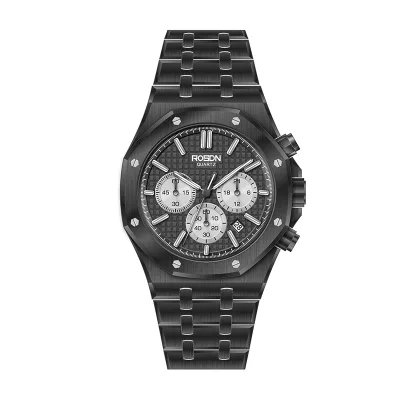
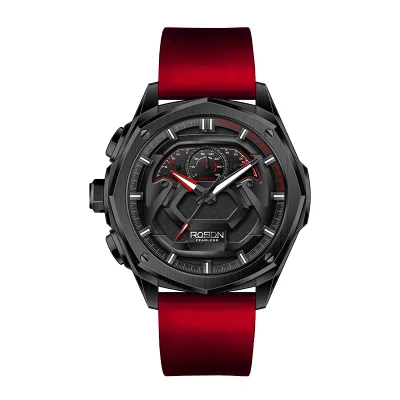
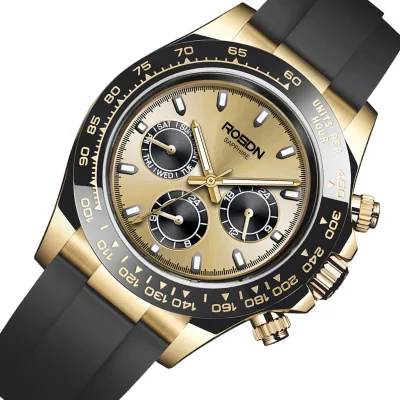
Shenzhen Rosdn Intelligent Technology Co., Ltd.
- Manufacturer
- Guangdong, China
- Lead time45 days
- Avg. response≤ 3h
Main productsMechanical Watch,Quartz Watch,Smart Watch
Main marketsNorth America(25.00%), Western Europe(18.00%), Mid East(12.00%), Northern Europe(8.00%), Southeast Asia(7.00%), Central America(5.00%), South America(5.00%), Eastern Asia(5.00%), Oceania(5.00%), Southern Europe(5.00%), Eastern Europe(3.00%), Africa(2.00%)

Shenzhen Laipute Watch Co., Ltd.
- Verified by BV
- Combined
- China Guangdong
- Lead time23 days
- Avg. response≤ 8h
Main productsWatch, Watches
Main marketsSouth America,Africa,Southeast Asia/ Mideast,East Asia(Japan/ South Korea),Europe,Australia,North America

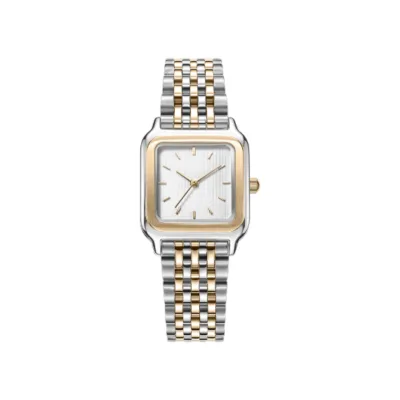
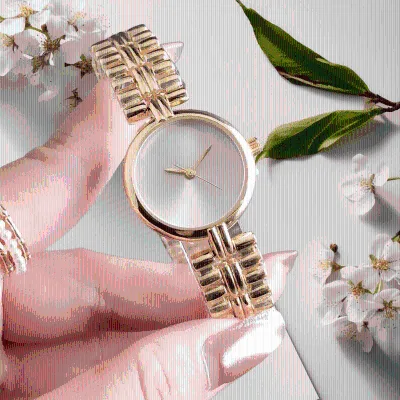
Quartz Watch for Women 2 Hands Japanese Movement Waterproof Elegant Ladies Wristwatch
$10.15 - $10.74
MOQ: 2 Pieces


Hannah Martin Women's Waterproof Leather Strap Watch Japanese Movement Quartz Wristwatch
$9.41 - $10.00
MOQ: 2 Pieces

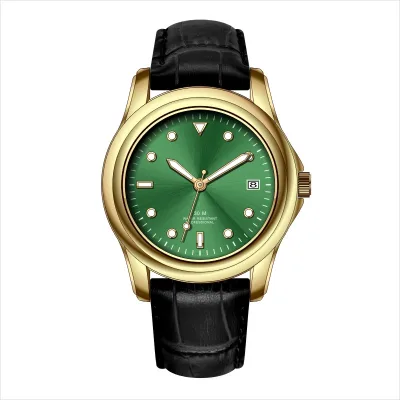
Women's Watch Japanese Movement Waterproof Jade Emerald Green Dial Fashion Quartz Wristwatch
$13.97 - $14.55
MOQ: 2 Pieces


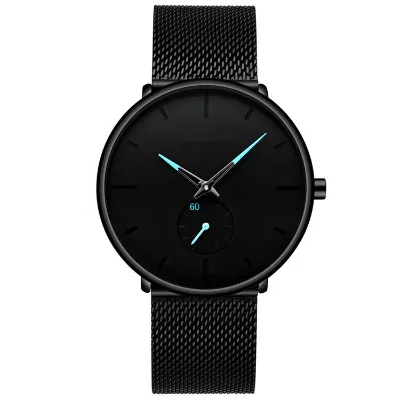
Men's Quartz Watch Japanese Movement Waterproof Thin Leather Strap European Fashion Casual
$4.77 - $5.36
MOQ: 2 Pieces
- Trading Company
- Guangdong, China
- Lead time40 days
- Avg. response≤ 5h
Main productsWatches,Watch Part,automatic watch,men watch,lady watch
Main marketsNorth America(60.00%), Northern Europe(10.00%), Western Europe(10.00%), Mid East(6.00%), Southeast Asia(5.00%), Eastern Europe(3.00%), South America(3.00%), Oceania(3.00%)
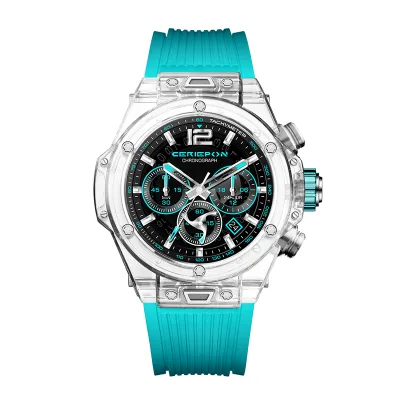
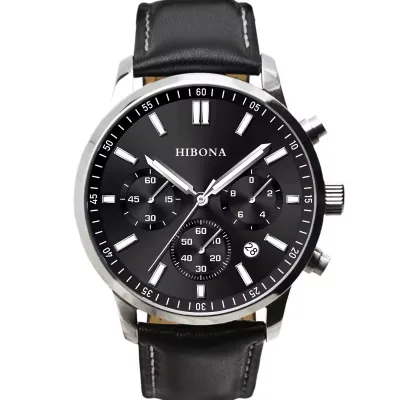
Chronograph Watch Men Wristwatches Quartz Three-eye Plastic Eletronic Japanese Quartz Movement Watch
$22.50 - $30.00
MOQ: 1 pieces
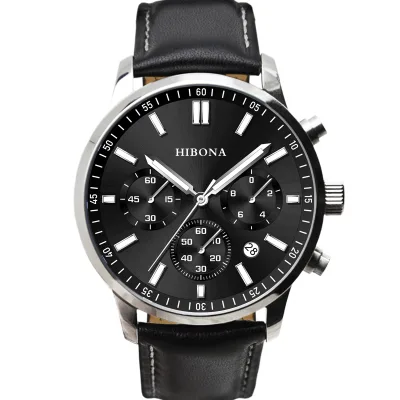
$15.70 - $24.50
MOQ: 300 pieces
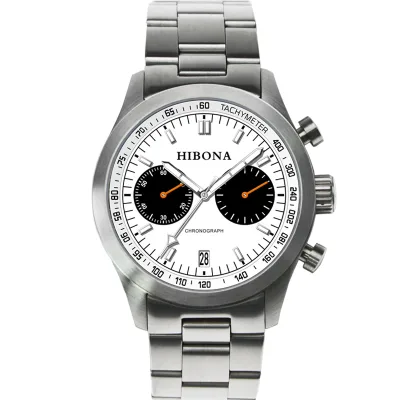
$26.34 - $32.92
MOQ: 300 pieces
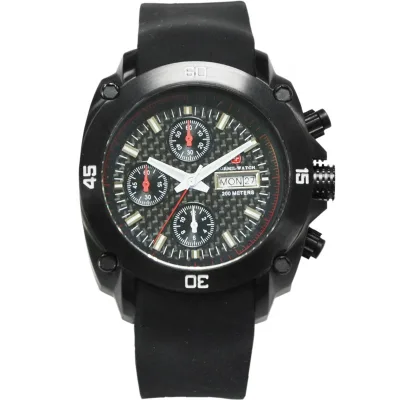
$24.50 - $28.50
MOQ: 300 pieces

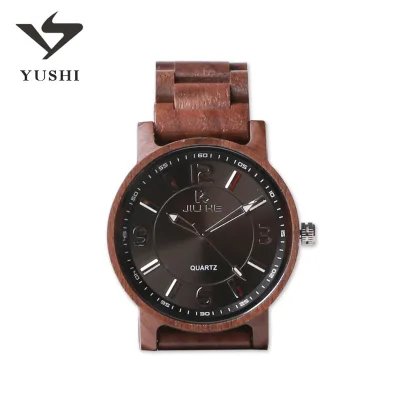
Jiangxi Yushi Industrial Co., Ltd.
- Manufacturer, Trading Company
- Jiangxi, China
- Lead time30 days
- Avg. response≤ 4h
Main productsWood box,Wood watch,Wood key chain,Wooden craft,Wood tray
Main marketsDomestic Market(47.00%), North America(7.00%), Africa(6.00%), South Asia(5.00%), Oceania(5.00%), Eastern Europe(4.00%), Mid East(4.00%), Northern Europe(4.00%), South America(3.00%), Eastern Asia(3.00%), Southern Europe(3.00%), Southeast Asia(3.00%), Central America(3.00%), Western Europe(3.00%)

Jinjiang Jiaxing Import and Export Co., Ltd.
- Verified by CTI
- Manufacturer/Factory
- China Fujian
- Lead time120 days
- Avg. response≤ 1h
Main productsShoes, Slipper, Clothes, Promotion Gifts, Silicone Products, Outdoor Sports Products, Bags, Fashion Accessories, Consumer Electronics
Main marketsSouth America,Eastern Europe,Mid East,North America,Southeast Asia,Eastern Asia,Oceania,Western Europe,Africa
- Trading Company
- Hong Kong S.A.R.
- Lead time0 days
- Avg. response≤ 20h
Main productswatch,women watch,men watch,children watch,jewelry watch
Main marketsDomestic Market(20.00%), North America(5.00%), South Asia(5.00%), Southern Europe(5.00%), Northern Europe(5.00%), Central America(5.00%), Western Europe(5.00%), Eastern Asia(5.00%), Mid East(5.00%), Oceania(5.00%), Africa(5.00%), Southeast Asia(5.00%), Eastern Europe(5.00%), South America(5.00%)
Quanzhou Beike Laien Trading Co., Ltd.
- Verified by SGS
- Trading Company
- China Fujian
- Lead time15 days
- Avg. response≤ 12h
Main productsWatch
Main marketsEurope,North America

Huizhou Weisheng an Hardware Products Co., Ltd.
- Verified by SGS
- Combined
- China Guangdong
- Lead time30 days
- Avg. response≤ 4h
Main productsWatch Case, Watch Bracelet
Main marketsDomestic

Japanese Quartz Chronograph Watch for Women with Day Date and 24 Hour Indicators
$40.00 - $99.00
MOQ: 5 Pieces

$55.00 - $999.00
MOQ: 5 Pieces

Japanese Style Minimalist Watch with Thin Stainless Steel Band for Everyday Wear
$55.00 - $999.00
MOQ: 5 Pieces

$55.00 - $999.00
MOQ: 5 Pieces

Dongguan Dongcheng Huishengya Trading Co., Ltd.
- Trading Company
- China Guangdong
- Lead time23 days
- Avg. response≤ 8h
Main productsWatch, Quartz Watches, Mechanical Watches, Custom Watch Services, Watch Accessories, Watch Box, Sunglasses
Main marketsSouth America,Eastern Europe,North America


1232 Business Lightweight Business Timing 3ATM Waterproof Japanese Quartz Movement Men's Watch
$8.30 - $10.30
MOQ: 2 Pieces


1412 Retro Fashion Square Timer Calendar Lightweight Popular Japanese Quartz Movement Men's Watch
$7.20 - $9.10
MOQ: 10 Pieces
Quanzhou Xiyi Trading Co., Ltd.
- Verified by BV
- Trading Company
- China Fujian
- Lead time15 days
- Avg. response≤ 11h
Main productsWatch
Main marketsEurope,North America

Hm-1231 Wholesale Timing Calendar Genuine Leather Japanese Quartz Movement Waterproof Men's Watch
$7.60 - $9.10
MOQ: 10 Pieces

5003 Design Stainless Steel Luminous Japanese Quartz Movement Waterproof Ultra-Thin Men's Watch
$9.90 - $12.00
MOQ: 2 Pieces
Shenzhen Giant Watch Co., Ltd.
- Verified by SGS Group
- Manufacturer, Trading Company
- Lead time50 days
- Avg. response≤ 4h
Main productsQuartz Watches, Mechanical Watches, Stainless Steel Watches, Chronograph Watches, Custom Watches
Main marketsNorth America(40%), Western Europe(20%), Northern Europe(20%)
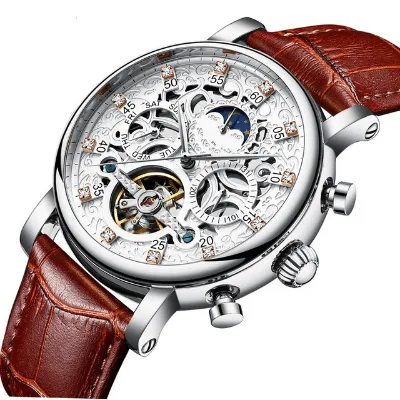
Hot Selling Details Quartz Watches with Japan Movement Stainless Case OEM Design and Logo
$19.90 - $30.20
MOQ: 500 pieces

Chinapack Ningbo Import & Export Co., Ltd.
- Verified by SGS
- Trading Company,Manufacturer/Factory
- China Zhejiang
- Lead time23 days
- Avg. response≤ 17h
Main productsSnowboard, Water Bottle, Promotional Hats, Glass Bottle, Ski Set, Snowboot, Snowboard Binding, Home Sock, Hood, Scarf
Main marketsSouth America,Eastern Europe,North America,Southeast Asia,Eastern Asia,Oceania,Western Europe
Shenzhen Eston Watch Co., Ltd.
- Manufacturer, Trading Company, Distributor/Wholesaler
- Lead time旺季: "1 - 100":7,"101 - 500":25,"501 - 10000":35,"> 10000":"To be negotiated", 淡季: "1 - 100":7,"101 - 500":25,"501 - 10000":35,"> 10000":"To be negotiated"
- Avg. response≤ 6h
Main productssteel watches,wooden watches,alloy watches,silicone watches,gift watches

Xiamen Ebei Import & Export Co., Ltd.
- Verified by CTI
- Trading Company,Manufacturer/Factory
- China Fujian
- Lead time45 days
- Avg. response≤ 2h
Main productsEco-Friendly Products, Bamboo Tableware, Bamboo Furniture, Bamboo Kitchenware, Bamboo Office Supply, Bamboo Fibre Products, Biodegradable Products, Bamboo Towel, Solar Energy Products, Bamboo Garden Products
Main marketsSouth America,Eastern Europe,Mid East,North America,Southeast Asia,Eastern Asia,Oceania,Western Europe,Africa
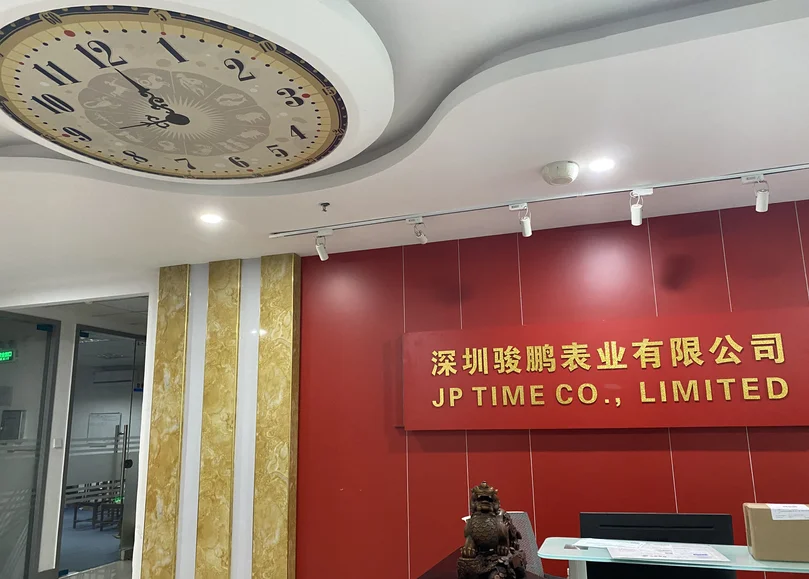
- Manufacturer
- Guangdong, China
- Lead time30 days
- Avg. response≤ 5h
Main productsStainless Steel Watch/Quartz Watch/Wood Watch/Automatic Mechanical Watch/Water Resistant Watch,quartz watch,mechanical watch,wood watch,gift watch
Main marketsNorth America(30.00%), Western Europe(15.00%), Southern Europe(15.00%), Central America(14.00%), Oceania(10.00%), Northern Europe(4.00%), Mid East(3.00%), Domestic Market(3.00%), Eastern Europe(2.00%), Africa(2.00%), Eastern Asia(1.00%), South America(1.00%)
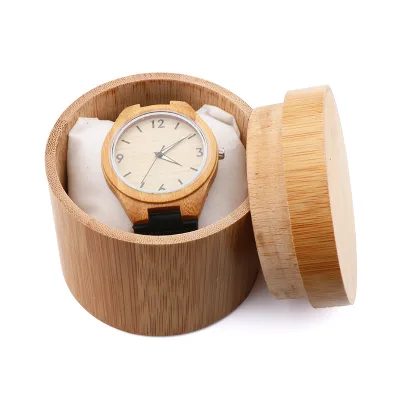
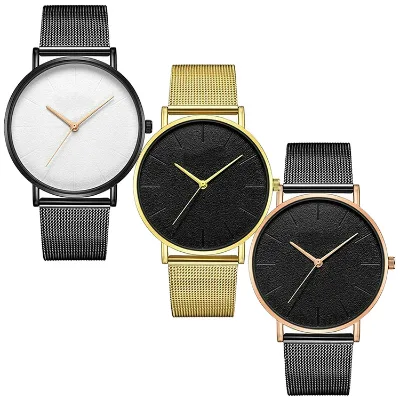
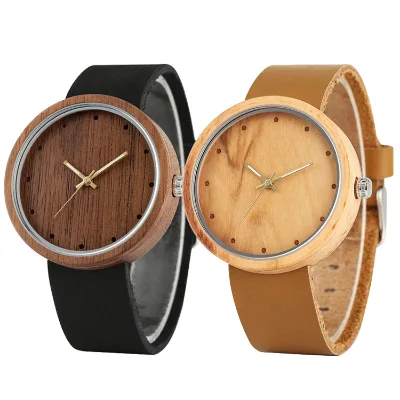
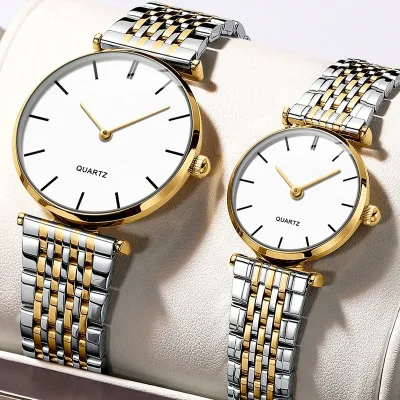
Japan Movement China Factory Handmade Waterproof Black Private Label Wrist Watches Men
$10.88 - $11.88
MOQ: 500

Shenzhen Shi Ying Technology Co., Ltd.
- Verified by BV
- Trading Company
- China Guangdong
- Lead time23 days
- Avg. response≤ 1h
Main productsWatch, Pocket Watch, Nurses Watch, Carabiner Watch, Lady Watch, Men Watch, Fashion Watch, Digital Watch, Wood Watch, Mini Insert Clock
Main marketsEurope


Custom Made Quality Japan Brass Engraved Gold Quartz Pocket Watch with Chain
$13.88 - $24.58
MOQ: 500 Pieces


Dongguan Jingli Watch Industry Co., Ltd.
- Manufacturer, Trading Company
- Guangdong, China
- Lead time0 days
- Avg. response≤ 5h
Main productswatchband,watch movement,watch cell,electronic meter,dial plate
Main marketsNorth America(50.00%), Eastern Europe(40.00%), South America(10.00%)

Guangzhou Weiya Watch Co., Ltd.
- Verified by TUVRHEINLAND
- Combined
- China Guangdong
- Lead time60 days
- Avg. response≤ 12h
Main productsWatch, Quartz Watch, Woman Watch, Ladies Watch, Alloy Watch, Steel Watch, Leather Strap Watch, Watches, Watch OEM, Custom Watch
Main marketsDomestic

Japan Movement Quartz Watch Fashion Wrist Genuine Leather Watches Wy-023
$2.00 - $8.00
MOQ: 500 Pieces


Shantou Love Summer Technology Co., Ltd.
- Verified by BV
- Trading Company
- China Fujian
- Lead time15 days
- Avg. response≤ 3h
Main productsWatch, Shoes, Bag, Costume
Main marketsSouth America,Africa,Southeast Asia/ Mideast,East Asia(Japan/ South Korea),Europe,Australia,North America
- Verified by SGS Group
- Manufacturer, Trading Company
- Lead time45 days
- Avg. response≤ 12h
Main productsWatch, Smart Watch, Charms
Main marketsDomestic Market(50%), North America(25%), Eastern Europe(15%)
- Manufacturer, Trading Company
- Guangdong, China
- Lead time40 days
- Avg. response≤ 4h
Main productsQuartz Watch/Wrist Watch/Stainless Steel Watch/Leather Watch/Mechanical Watches
Main marketsSouth Asia(70.00%), North America(10.00%), Mid East(5.00%), Southeast Asia(5.00%), Eastern Asia(1.00%), South America(1.00%), Oceania(1.00%), Western Europe(1.00%), Southern Europe(1.00%), Central America(1.00%), Northern Europe(1.00%), Africa(1.00%), Eastern Europe(1.00%), Domestic Market(1.00%)
GENUINE INTERNATIONAL CO.,LTD.
- Manufacturer, Trading Company
- Taiwan, China
- Lead time0 days
- Avg. response≤ 1h
Main productsWatch,Watch parts,Accessories,Jewels,silver
Main marketsEastern Asia(100.00%)
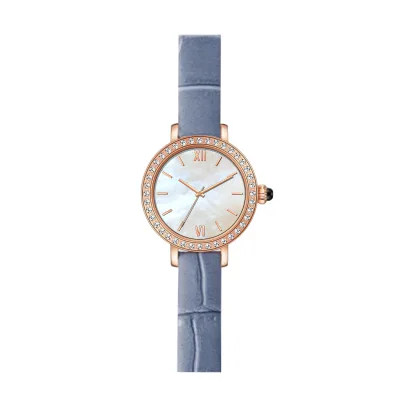
Superior Quality Leather Band Japan Movement Quartz Watches Men Women Stylish Watches
$29.01 - $36.12
MOQ: 50 pieces
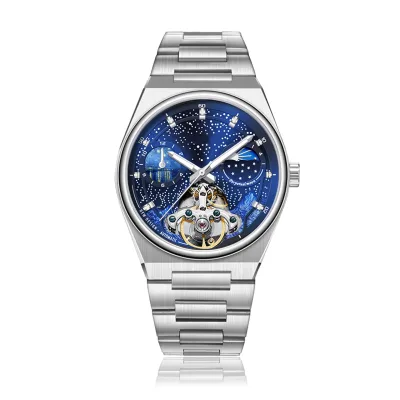
Women's Watch Japan Quartz Movement Waterproof Lightweight Metal Band Wristwatch
$50.00 - $56.90
MOQ: 50 pieces
Shenzhen Foksy Industry Co., Ltd.
- Manufacturer, Trading Company
- Lead time旺季: "1 - 50":35,"> 50":"To be negotiated", 淡季: "1 - 50":35,"> 50":"To be negotiated"
- Avg. response≤ 2h
Main productsQuartz Watches, Automatic Watches, Digital Watches, Watch Band









Comprehensive Sourcing Guide
Waterproof Japanese Quartz Watch Supplier Concentration and Factory Types
The current supplier landscape for waterproof Japanese quartz watches reveals a distinct concentration of manufacturing activity within specific regions, with Guangdong, China, appearing as a verified location for multiple active listings. This geographic clustering suggests a mature ecosystem where raw material sourcing, component assembly, and final packaging are streamlined to support high-volume production. Buyers should prioritize suppliers explicitly listing this location in their verified facts, as it indicates proximity to established supply chains for stainless steel, leather straps, and Japanese movement components. While some results indicate a mix of manufacturer and trading company types, the presence of verified factory capabilities like sample processing and light customization points to direct production access rather than pure intermediation.
When assessing the company type, it is critical to distinguish between entities that hold the manufacturing license and those acting as trading companies. The available data shows that some suppliers are verified as manufacturers with specific RD capacities for customized on-demand work, while others may operate as trading firms. Buyers must verify the actual company type through the supplier's profile rather than assuming based on product listings. A manufacturer typically offers more flexibility for ODM and OEM requests, such as modifying the case shape or strap material, whereas a trading company might offer a broader range of existing stock but less control over the production process. Understanding this distinction helps in selecting the right partner for specific project needs, whether that involves low-volume custom runs or large-scale standard production.
How to Verify Waterproof Japanese Quartz Watch Suppliers
Verification of supplier credibility relies heavily on third-party audit results and specific system certifications rather than self-reported claims. In the current dataset, several suppliers have undergone verification by SGS Group, which serves as a concrete indicator of operational legitimacy. Buyers should look for this specific verification badge as a primary filter, ensuring the entity has been physically inspected and validated. Additionally, system certifications such as RoHS and EMC are present in the product attributes, indicating compliance with environmental and electromagnetic standards. These certifications are not merely marketing terms but represent adherence to specific regulatory frameworks that protect the buyer from non-compliant goods.
Beyond external verification, buyers must scrutinize the response time and lead time metrics provided in the supplier profiles. A response time of one day suggests a highly active sales team capable of addressing inquiries promptly, which is crucial for resolving technical questions about movement specifications or waterproof ratings. Conversely, a response time of nearly nine days may indicate a slower operational pace or a larger backlog. Lead times also vary significantly, with some suppliers offering a 15-day turnaround while others require up to 45 days. These figures are not arbitrary; they reflect the actual production capacity and current order volume. Buyers should cross-reference these timeframes with their own project deadlines to ensure the supplier can deliver within the required window without compromising quality or communication.
What to Compare Across Waterproof Japanese Quartz Watch Suppliers
Comparing suppliers requires a systematic evaluation of key operational dimensions, including minimum order quantities, pricing structures, and production capabilities. The data shows a wide range in MOQs, from as low as 50 units for certain custom designs to 300 units for standard wholesale models. This variance allows buyers to select partners that align with their inventory strategy, whether they are testing a new market with a small batch or securing bulk stock for established retail channels. Price points also fluctuate based on material quality and movement origin, with some listings starting around 3.90 USD and others reaching 46.00 USD. Buyers must analyze these price ranges in the context of the specified materials, such as 316L stainless steel versus alloy, to determine the true value proposition.
Production capacity and customization options form another critical comparison point. Some suppliers explicitly list capabilities for graphic processing and customized on-demand work, which is essential for brands seeking private labeling or unique design features. The availability of ODM and OEM services varies, with some manufacturers offering full customization of the dial color, case shape, and strap material, while others may be limited to standard configurations. Buyers should compare the specific attributes listed, such as the movement type (Japan original movement versus generic quartz) and the waterproof rating (5 ATM or standard waterproof). These technical specifications directly impact the final product's performance and durability, making them essential criteria for differentiation when selecting a long-term manufacturing partner.
Common Waterproof Japanese Quartz Watch Sourcing Risks
One significant risk in sourcing waterproof Japanese quartz watches involves the discrepancy between claimed movement origins and actual product specifications. While many listings advertise "Japan Movement" or "Japanese Quartz Chronograph," the product attributes sometimes list generic "Digital" or unspecified movements. Buyers must verify the movement brand and origin through the product details, looking for explicit mentions of "Japan original movement" rather than relying on the product title alone. This verification is crucial because the performance, accuracy, and longevity of the watch are heavily dependent on the quality of the internal mechanism. Mislabeling can lead to receiving lower-quality components that fail to meet the expected standards of a Japanese movement.
Another prevalent risk relates to the consistency of waterproof ratings and material durability claims. Although many products are labeled as waterproof, the specific depth rating (such as 5 ATM) is not always clearly defined in the general product keywords. Buyers need to confirm the exact waterproof capability through the product attributes to ensure the watch meets the intended use case, whether for daily wear or swimming. Additionally, the material composition, such as the difference between stainless steel and alloy cases, affects both the aesthetic finish and resistance to corrosion. Without clear evidence of the plating technics or material warranty, there is a risk of receiving products that degrade quickly or fail under water exposure, leading to returns and reputational damage.
Waterproof Japanese Quartz Watch Regional Sourcing and Logistics
The geographic location of the supplier plays a pivotal role in determining logistics efficiency and shipping costs. The verified data indicates a strong concentration of suppliers in Guangdong, China, a region known for its robust manufacturing infrastructure and established export channels. Sourcing from this specific location can streamline the logistics process, as many suppliers in this area have experience handling international shipments and are familiar with the necessary documentation for customs clearance. Buyers should prioritize suppliers with this verified location to minimize transit times and reduce the complexity of coordinating with multiple regional hubs.
However, buyers must also consider the lead time implications of regional sourcing. While a supplier in Guangdong may offer faster production cycles, the total delivery time depends on the specific lead time listed, which ranges from 15 to 45 days in the current data. A shorter lead time of 15 days allows for quicker inventory replenishment, whereas a 45-day lead time requires more advanced planning and potentially higher safety stock levels. Buyers should calculate the total time from order placement to arrival, factoring in both the production duration and the shipping transit time. Understanding these regional logistics dynamics helps in creating a realistic supply chain schedule that avoids stockouts and ensures timely market entry.
Waterproof Japanese Quartz Watch Commercial Terms and Order Planning
Commercial terms and order planning are heavily influenced by the specific MOQ and pricing tiers established by each supplier. The data reveals that MOQs can range from 50 units for highly customized items to 300 units for standard wholesale models, requiring buyers to align their order volume with the supplier's production thresholds. Pricing is similarly variable, with some products starting at 3.90 USD and others reaching 46.00 USD, depending on the complexity of the design and the quality of materials used. Buyers must carefully calculate the total cost of ownership, including the unit price, shipping fees, and any potential tariffs, to ensure the final margin remains viable.
Order planning must also account for the customization capabilities and response times of the supplier. Suppliers with a response time of one day are better equipped to handle urgent inquiries and rapid prototyping, which is essential for brands launching new collections. In contrast, those with longer response times may require more lead time for design approvals and sample iterations. Buyers should plan their order timeline to accommodate these response windows, ensuring that design finalization and sample approval occur well before the production start date. Additionally, verifying the availability of escrow services and payment terms is crucial for securing the transaction and protecting the buyer's financial interests throughout the order fulfillment process.
FAQs
What is the typical lead time for these watches?
Manufacturers generally require 15 to 45 days to produce orders. The specific duration depends on the factory's current workload and order volume. Some suppliers offer faster turnaround times for smaller batches, while larger custom orders may take longer to complete production and quality checks.
What is the minimum order quantity for custom watches?
Minimum order quantities vary significantly by supplier. Some factories accept orders as low as 50 pieces, while others require 100 or 300 units. Buyers should check individual product listings to confirm the specific MOQ, as lower quantities often apply to standard stock items rather than custom designs.
Are these watches certified for safety and compliance?
Many suppliers provide products with CE and RoHS certifications. These certifications ensure the watches meet specific European safety and environmental standards. Buyers should verify the exact certification documents for each product, as some listings may only list RoHS or other specific compliance marks depending on the manufacturer.
What is the price range for Japanese quartz watches?
Prices typically range from approximately $3.90 to $46.00 per unit. The cost depends on materials, movement quality, and customization options. Basic models with plastic cases are cheaper, while luxury stainless steel watches with leather straps command higher prices. Bulk orders often reduce the per-unit cost.
Can I get a custom logo on the watch?
Yes, most manufacturers offer OEM and ODM services for custom logos. Buyers can typically add their brand to the dial, case back, or packaging. This customization is available for various watch styles, including quartz and mechanical models, allowing businesses to create unique products that reflect their brand identity.
Where are these watches manufactured?
The majority of these watches are manufactured in Guangdong, China. This region is a major hub for watch production, offering access to high-quality components and skilled labor. Buyers sourcing from this location can often benefit from efficient supply chains and competitive pricing due to the concentration of manufacturers.
How quickly do suppliers respond to inquiries?
Response times vary, with some suppliers replying within one hour and others taking up to nine hours. Fast response times indicate active customer service teams ready to assist with quotes and samples. Buyers should prioritize suppliers with quick response rates to ensure smooth communication throughout the sourcing and ordering process.