Laminated Roller Ball Squeeze Tube Suppliers and Manufacturers
Source 17 verified suppliers for Laminated Roller Ball Squeeze Tube packaging. Compare grounded dimensions including ISO certifications, lead times, and MOQs. Review product specifications and request quotes to streamline your procurement process; review the available evidence before requesting comparable quotations from suitable candidates.
Suppliers List

- Manufacturer/Factory
- China Guangdong
- Lead time38 days
- Avg. response≤ 3h
Main productsCosmetic Packaging, PE Cosmetic Tubes, Aluminum Laminated Tubes, High Glossy Tubes, Beauty Packaging, Contract Packaging, Airless Cosmetic Tube Packaging, Makeup Tubes, Lip Balm Tubes, Skin Care Packaging
Main marketsSouth America,Eastern Europe,North America,Southeast Asia,Eastern Asia,Oceania,Western Europe,Africa

Guangzhou Amy Plastic Tube Co., Ltd.
- Verified by BV
- Combined
- China Guangdong
- Lead time30 days
- Avg. response≤ 15h
Main productsCosmetic Packaging Tube, Plastic Tube, Cosmetic Packaging, Cosmetic Tube, Aluminium Laminated Tube, Packaging Solution, Plastic Packaging, Flexible Soft Tube, Cosmetic Container
Main marketsSouth America,Africa,Southeast Asia/ Mideast,East Asia(Japan/ South Korea),Europe,Australia,North America


Double Massage Roller Empty Oval Plastic Squeeze Tube for Cream Lotion Cosmetics
$0.50
MOQ: 10000 Pieces


$0.64 - $0.65
MOQ: 10000 Pieces


Wholesale Cosmetics Packaging Body Care Plastic Tube Double Roller Ball Tube
$0.60 - $0.65
MOQ: 10000 Pieces

Shijiazhuang Su Kai Import and Export Trade Co., Ltd.
- Verified by SGS
- Trading Company
- China Hebei
- Lead time15 days
- Avg. response≤ 6h
Main productsPerfume Bottle, Glass Dropper Bottle, Glass Jar, Cosmetic Packaging Bottle, Paper Bag, Squeeze Tube, Plastic Jar, Paper Tube, Candle Jar, Paper Box
Main marketsSouth America,East Asia(Japan/ South Korea),Europe,North America

Zhuhai Dinshine Plastic Products Co., Ltd.
- Verified by SGS
- Trading Company,Manufacturer/Factory
- China Guangdong
- Lead time0 days
- Avg. response≤ 2h
Main productsLipgloss Tube/Container, Mascara Tube/Container, Lipstick/Lip Balm Tube, Eyeliner Tube, Powder Case, Soft Tube, Eco-Friendly Packaging

Pink Plastic Valve 10ml Custom Empty Roller Ball Eye Cream Squeeze Tube
$0.33 - $0.43
MOQ: 12000 Pieces

20ml Massage Roller Ball Cosmetic Custom Empty Eye Cream Squeeze Tube Wholesale
$0.23 - $0.33
MOQ: 15000 Pieces

15ml Roller Ball Massage PE Custom Empty Lotion Squeeze Bottle Wholesale
$0.23 - $0.33
MOQ: 15000 Pieces
Guangzhou Boran Plastic Packaging Products Co., Ltd.
- Verified by Intertek
- Trading Company
- Lead time30 days
- Avg. response≤ 2h
Main productsCosmetic Tube, PET PE Bottle, Toothpaste Tube, Plastic Tube, Acrylic Bottle
Main marketsMid East(24%), North America(22%), Africa(16%)

Junsam (Zhongshan) Packaging Products Co., Ltd.
- Verified by BV
- Trading Company,Manufacturer/Factory
- China Guangdong
- Lead time23 days
- Avg. response≤ 7h
Main productsAluminum Collapsible Tubes, Cosmetic Packaging Tubes, Empty Aluminum Tubes, Pharmaceutical Aluminum Tubes, Plastic Lamanited Tubes, Plastic Dispenser Pump, Color Chart, Aluminum Hair Color Tube, Abl Toothpaste Tube, Pbl Plastic Tube
Main marketsSouth America,Eastern Europe,Mid East,North America,Southeast Asia,Eastern Asia,Oceania,Western Europe,Africa


Plastic Pbl Tube with Roll Ball Cosmetic Soft Packaging Quality Warranty Toiletry Product
$0.01 - $0.20
MOQ: 10000 Pieces

Ningbo Yufan Packaging Co., Ltd.
- Verified by CTI
- Manufacturer/Factory
- China Zhejiang
- Lead time23 days
- Avg. response≤ 6h
Main productsAluminum Bottle, Aluminum Jar, Aluminum Tin, Trigger Sprayer, Cream Pump, Sprayer Pump
Main marketsSouth America,Eastern Europe,Mid East,North America,Southeast Asia,Eastern Asia,Oceania,Western Europe,Africa

Multi- Function Cosmetic Plastic Soft Tube with Hair Massage Roller Ball Packaging Squeeze Tube
$0.10 - $0.50
MOQ: 5000 Pieces

$0.10 - $0.50
MOQ: 5000 Pieces

Custom Design Soft Tube Massage Applicator Stainless Balls Plastic Squeeze Lotion Cosmetic Tube
$0.10 - $0.50
MOQ: 5000 Pieces

$0.10 - $0.50
MOQ: 5000 Pieces

Factory Price 15ml 50ml Cosmetic Plastic Soft Roller Ball Massage Cream Tube
$0.10 - $0.50
MOQ: 5000 Pieces

Custom Massage Cream Roller Ball Plastic Lotion Bottle Soft Tube for Body Eye Cream
$0.10 - $0.50
MOQ: 5000 Pieces

- Verified by TUVRHEINLAND
- Combined
- China Jiangsu
- Lead time23 days
- Avg. response≤ 10h
Main productsCosmetic Tube, Plastic Packaging Tube, Cosmetic Packaging, Pet Jar and HDPE Jar
Main marketsNorth America

$0.05 - $0.40
MOQ: 10000 Pieces

Eye Cream Soft Tube Stainless Steel Roller Ball Massage Squeeze Plastic Tube Cosmetic Packaging
$0.05 - $0.40
MOQ: 10000 Pieces


New Arrival Aluminum Cosmetic Squeeze Tube Abl Tube for Eye Cream Aluminum Plastic Tube
$0.03 - $0.30
MOQ: 10000 Pieces


- Verified by CTI
- Trading Company
- China Zhejiang
- Lead time30 days
- Avg. response≤ 2h
Main productsAirless Bottle, Glass Bottle, Comb, Cosmetic Packaging, Food Packaging, Sprayer, Lotion Pump Machine, Gift, Roll on Ball
Main marketsAfrica,Southeast Asia/ Mideast

15g 20g Plastic Squeeze Eye Cream Packaging Tube with Three Roller Balls and Screw Cap
$0.10 - $0.11
MOQ: 5000 Pieces

Massage Roller Ball Cosmetic Tube Multi-Function Tubes Massage Packaging Tubes
$0.61 - $0.75
MOQ: 10000 Pieces

guangzhou huaxin plastic product co.ltd
- Verified by CTI
- Combined
- China Guangdong
- Lead time30 days
- Avg. response≤ 4h
Main productsPlastic Tube, Cosmetic Tube, Soft Tube, Plastic Tube Packaging, PE Tube, Clear Plastic Tube, Hand Cream Tube, Eye Cream Tube, Pet Bottle, Cosmetic Jar
Main marketsSouth America,Africa,Southeast Asia/ Mideast,East Asia(Japan/ South Korea),Domestic,Europe,Australia,North America

$0.75 - $0.77
MOQ: 10000 Pieces


$0.58 - $0.60
MOQ: 10000 Pieces


Beauty Sky Packing (Shenzhen) Co., Ltd.
- Trading Company,Manufacturer/Factory
- China Guangdong
- Lead time30 days
- Avg. response≤ 9h
Main productsAluminum Collapsible Tubes, Empty Aluminum Tubes, Cosmetic Tube, Packaging Tube, Hair Color Packaging Tube, Pharmaceutical Packaging Tube, Cosmetic Container, Hand Cream Packaging Tube, Aluminum Squeeze Tubes, Flexible Packaging Tube
Main marketsSouth America,Eastern Europe,Mid East,North America,Southeast Asia,Eastern Asia,Oceania,Western Europe,Africa

Guangzhou Lancai Packaging Technology Co., Ltd.
- Verified by TUVRHEINLAND
- Manufacturer
- China Guangdong
- Lead time30 days
- Avg. response≤ 8h
Main productsPlastic Packaging Containers for Cosmetics, Plastic Bottle, Plastic Jar, Plastic Tube, Cosmetic Packaging, Containers for Cosmetics, Cosmetic Bottle, Cosmetic Tube, Cosmetic Jar

Empty White Squeeze Tubes with Metal Roller Ball for Eye Serum Beauty Packaging Plastic Tube
$0.25 - $0.40
MOQ: 5000 Pieces


NINGBO KINPACK COMMODITY CO., LTD.
- Verified by TUVRHEINLAND
- Trading Company
- China Zhejiang
- Lead time30 days
- Avg. response≤ 4h
Main productsFoam Pump, Ailress Bottle, Trigger Sprayer, Lotion Pump, Airless Jars, Treatment Pump, Lotion Bottle, Mini Trigger Sprayer, Cosmetics Package, Outdoor Products
Main marketsSouth America,Africa,Southeast Asia/ Mideast,East Asia(Japan/ South Korea),Domestic,Europe

$0.60 - $0.90
MOQ: 10000 Pieces

$0.60 - $0.90
MOQ: 10000 Pieces

Empty 200ml Oval Plastic Squeeze Tube with Massage Roller for Cream Lotion
$0.60 - $0.90
MOQ: 10000 Pieces

Squeeze Cosmetic Tube Massage Roller Applicator Tube for Body Cream Custom Plastic Soft Tube
$0.60 - $0.90
MOQ: 10000 Pieces

SHAOXING SHANGYU MANLIJIN PACKAGING CO., LTD.
- Manufacturer/Factory
- China Zhejiang
- Lead time23 days
- Avg. response≤ 5h
Main productsPlastic Tube, Cosmetic Packaging, Cosmetic Tube, Cosmetic Bottle, Paper Box, Tin Box, Plastic Bottle, Soft Tube, Plastic Packaging
Main marketsSouth America,Eastern Europe,Mid East,North America,Southeast Asia,Eastern Asia,Oceania,Western Europe,Africa


Plastic Lotion Tube Packaging with Five Metal Roller Ball for Massage Cream
$0.40 - $0.60
MOQ: 5000 Pieces

Plastic PE Tube Squeezable Cosmetic Packaging Custom Soft Tube with Roll-on Ball
$0.16 - $0.35
MOQ: 5000 Pieces

Ningbo Pack Imp. & Exp. Co., Ltd.
- Verified by SGS
- Trading Company,Manufacturer/Factory
- China Zhejiang
- Lead time30 days
- Avg. response≤ 7h
Main productsAluminum Jar, Aluminum Bottle, Tin Box, Glass Dropper Bottle, Glass Tube, Paper Box, Paper Tube, Plastic Pop Top Tube, Plastic Bottle, Silicone Gummy Mold
Main marketsSouth America,Eastern Europe,Mid East,North America,Southeast Asia,Eastern Asia,Oceania,Western Europe,Africa

GOLD FORTUNE (GUANGDONG) IMPORT & EXPORT CO., LTD.
- Trading Company,Manufacturer/Factory
- China Guangdong
- Lead time23 days
- Avg. response≤ 23h
Main productsCollapsible Aluminium Tube, Laminated Tube, PE Cosmetic Tube, Aluminium and Tinplate Aerosol Can, Hair Colour Chart, Pet/PE Bottle, Packaging Paper Box, Aluminium Bottle, Aerosol Actuator and Valve, OEM Aerosol Products
Main marketsSouth America,Eastern Europe,Mid East,North America,Southeast Asia,Africa

Squeeze Tube Containers Adhesive Clue Tube with Internal Coating and Sealed Nozzles
$0.03 - $0.05
MOQ: 30000 Pieces


Airtight Aluminum Squeeze Tube for Pharmaceuticals, Cosmetics and Foods
$0.03 - $0.05
MOQ: 30000 Pieces

$0.22 - $1.88
MOQ: 10000 Pieces


Anhui Avantis Packaging Technology Co., Ltd.
- Verified by CTI
- Trading Company
- China Anhui
- Lead time23 days
- Avg. response≤ 5h
Main productsGlass Bottle, Glass Container, Rolling Tray, Mylar Bag, Rolling Cone Tube, Plastic Joint Tubes, Glass Tube, Hinged Cap Vials, Child-Resistant Packaging, Sitz Bath
Main marketsSouth America,Africa,Southeast Asia/ Mideast,Europe,Australia,North America


Factory Custom Conical Squeeze Plastic Tube with Flip Top Cap Empty Child Resistant Pre Rolling Tube
$0.02 - $0.05
MOQ: 10000 Pieces




Comprehensive Sourcing Guide
Laminated Roller Ball Squeeze Tube Supplier Concentration and Factory Types
Current data indicates a concentration of manufacturing activity in China Guangdong, where specific facilities list Cosmetic Packaging and PE Cosmetic Tubes as primary outputs. These entities are identified as Manufacturer/Factory or Combined entities, suggesting a mix of production and trading capabilities within the same operational structure. The presence of BRC, ISO 9001, ISO 14001, and SA 8000 certifications among these Guangdong-based suppliers provides a baseline for quality management systems, though not all listed entities display identical credential sets. Some suppliers in this region also hold ISO9001:2015 and ISO14001:2015 certificates, alongside verification from third-party agencies like BV, which adds a layer of external validation to their operational claims.
In contrast, other sourcing clusters appear in regions like China Hebei, where the supplier profile shifts toward Trading Company status. These entities often list diverse product ranges including Perfume Bottles and Glass Jars alongside squeeze tubes, indicating a broader portfolio rather than specialized manufacturing focus. The distinction between Manufacturer/Factory and Trading Company is critical for buyers seeking direct production control versus a consolidated sourcing solution. While Guangdong suppliers emphasize OEM and ODM capacities with specific tube shapes and customization options, Hebei-based trading companies may offer different logistical advantages despite potentially lacking direct factory certifications. Buyers must verify the actual production capability of each entity rather than assuming all listed suppliers possess in-house manufacturing lines for laminated roller ball tubes.
How to Verify Laminated Roller Ball Squeeze Tube Suppliers
Verification of supplier legitimacy requires cross-referencing multiple data points including system certifications, third-party verification status, and response time metrics. Several suppliers in the current results display BV verification, while others rely on SGS verification, providing different levels of external audit confidence. Buyers should prioritize suppliers who explicitly list ISO 9001, ISO 14001, or BRC certifications, as these indicate adherence to international quality and environmental standards. However, the absence of a specific certification in the provided data does not automatically disqualify a supplier; it simply necessitates a direct request for documentation before proceeding with an order. The response time metric, ranging from approximately 2.83 to 14.44 hours, serves as an initial indicator of operational responsiveness and customer service readiness.
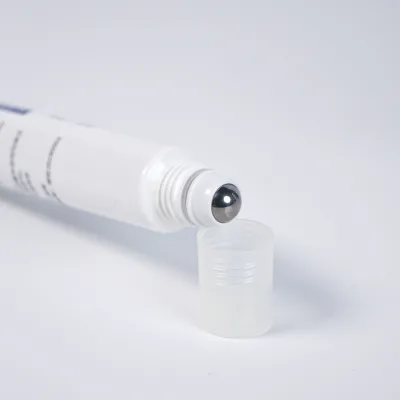
Beyond certifications, buyers must scrutinize the specific product attributes listed against their technical requirements. Evidence shows variations in material composition, with some products specified as Plastic while others are explicitly PE, and features like recyclability are noted for certain models. The presence of detailed product attributes such as "Customization: Available" and specific production times helps confirm the supplier's ability to meet unique design needs. Buyers should request samples to validate claims regarding tube shapes, decoration methods like silk screen or offset printing, and the functionality of the roller ball applicators. It is essential to confirm that the supplier can provide the exact capacity range, such as 3ml to 400ml, and that the tube standard dimensions match the intended application before finalizing any agreement.
What to Compare Across Laminated Roller Ball Squeeze Tube Suppliers
When evaluating potential partners, buyers should systematically compare lead times, minimum order quantities, and pricing structures to ensure alignment with project timelines and budget constraints. Current data reveals lead times varying between 30 and 38 working days, with some suppliers offering faster turnaround options. Minimum order quantities also differ significantly, with some listings requiring 5,000 pieces while others set the threshold at 10,000 pieces. These variations directly impact inventory planning and cash flow, making it necessary to calculate the total cost of ownership rather than focusing solely on the unit price. Pricing ranges observed span from 0.10 to 0.65 per unit, reflecting differences in material quality, decoration complexity, and order volume tiers.
In addition to cost and time, the scope of customization and production capacity must be weighed carefully. Suppliers offering OEM and ODM services provide flexibility for branding and design, but the extent of this capability varies. Some entries explicitly state "OEM & ODM: Yes" and list specific sampling times of 7-10 working days, which is crucial for rapid prototyping. Buyers should also compare the specific product attributes, such as the number of rollers, cap types, and surface treatments like hot foil or labeling. The capacity to handle different tube shapes, including round, oval, or polygonal forms, and the ability to produce specific diameters from 13mm to 60mm are key differentiators. A supplier with a broader range of capabilities may offer better long-term value, even if their initial unit price is slightly higher.
Common Laminated Roller Ball Squeeze Tube Sourcing Risks
One significant risk involves the discrepancy between claimed certifications and actual production standards, particularly when suppliers list multiple certifications but lack specific product-level validation. While system certifications like ISO 9001 are common, the absence of product-specific test results or material safety data sheets can lead to compliance issues in target markets. Buyers must verify that the materials used, such as PE or plastic, meet the intended usage requirements for cosmetics, medicine, or food. The variation in product attributes, such as the hardness of the tube or the type of cap, introduces another layer of risk if the specifications are not clearly defined in the purchase order. Misalignment in these technical details can result in product failure or rejection by end consumers.
Another critical risk is the inconsistency in lead times and production schedules, which can disrupt supply chain planning. While some suppliers quote a lead time of 30 days, others indicate 38 days, and sampling times can extend up to 10 working days. These delays can be exacerbated by the need for customizations like holographic printing or specific roller ball configurations. Furthermore, the reliance on third-party verification like BV or SGS does not guarantee that every batch will meet the same quality standards. Buyers should establish clear communication channels to monitor production progress and request pre-shipment inspections. The potential for variation in packing methods, such as export cartons versus inner tray PE bags, also poses a risk of damage during transit if not properly specified and agreed upon in advance.
Laminated Roller Ball Squeeze Tube Regional Sourcing and Logistics
Sourcing from China Guangdong offers distinct advantages due to the concentration of specialized manufacturers and established logistics infrastructure. Suppliers in this region often provide detailed product origins, such as Guangzhou, and utilize standard export packing methods like export cartons. The proximity to major ports facilitates efficient shipping, and the presence of multiple manufacturers allows for competitive pricing and faster response times. However, buyers must account for the specific lead times associated with this region, which can range from 30 to 38 working days depending on the complexity of the order. The availability of OEM and ODM services in Guangdong also supports rapid prototyping and customization, making it a preferred hub for high-volume cosmetic packaging needs.
In contrast, sourcing from regions like China Hebei may involve different logistical considerations, particularly for trading companies that aggregate products from various sources. These suppliers often list diverse product lines, which can simplify the sourcing process but may complicate quality control for specific tube types. The lead times in these regions can be shorter, with some suppliers indicating a 15-day turnaround, but the lack of direct manufacturing control might introduce variability in product consistency. Buyers should evaluate the trade-off between speed and specialization when choosing between these regions. Additionally, the origin of the product, whether Guangzhou or other parts of China, affects shipping costs and delivery schedules. It is essential to confirm the exact shipping terms and packaging requirements to ensure the laminated roller ball tubes arrive in optimal condition.
Laminated Roller Ball Squeeze Tube Commercial Terms and Order Planning
Commercial terms for laminated roller ball squeeze tubes vary significantly based on the supplier's capacity and the specific product configuration. Minimum order quantities are a primary factor, with some suppliers requiring 5,000 pieces while others set the bar at 10,000 pieces. These thresholds directly influence the unit price, which ranges from 0.10 to 0.65 per unit depending on the order volume and customization level. Buyers must calculate the total cost, including shipping and potential tariffs, to determine the most economical option. The availability of customization, such as specific tube shapes or decoration methods, often comes with additional costs and longer production times, which must be factored into the overall budget and timeline.
Order planning requires careful attention to sampling and production timelines to avoid delays. Sampling times typically range from 7 to 10 working days, followed by production times of 25 to 30 working days. These durations can extend if the order involves complex features like holographic printing or specific roller ball configurations. Buyers should plan for these lead times by placing orders well in advance of their required delivery dates. Additionally, the choice of packing, whether export cartons or inner tray PE bags, impacts the final cost and handling requirements. It is crucial to agree on all commercial terms, including payment methods, delivery schedules, and quality assurance protocols, before finalizing the order to ensure a smooth transaction and timely delivery of the laminated roller ball squeeze tubes.
FAQs
What is the typical lead time for laminated roller ball tubes?
Manufacturers in China generally require 30 to 38 days for production. This timeframe covers material sourcing, tube extrusion, and roller ball assembly. Buyers should confirm specific schedules with suppliers, as peak seasons may extend delivery windows beyond standard estimates.
What are the minimum order quantities for these tubes?
MOQs typically range from 5,000 to 10,000 pieces per design. Some suppliers offer lower thresholds for standard sizes, while custom holographic or multi-roller designs often require higher volumes. Always verify the exact MOQ with the supplier before placing an order.
Which certifications do these cosmetic tubes usually hold?
Most manufacturers hold ISO 9001, ISO 14001, and BRC certifications. These ensure quality management and environmental standards are met. Some suppliers also provide SA 8000 for social accountability. Buyers should request valid certificates to verify compliance with international safety standards.
What materials are used for laminated roller ball tubes?
Tubes are commonly made from PE plastic or aluminum laminated materials. These materials offer durability, recyclability, and excellent barrier properties for cosmetics. The choice depends on product viscosity and branding needs. Suppliers often provide samples to test material compatibility with specific formulations.
How much do laminated roller ball tubes cost?
Prices typically range from $0.10 to $0.65 per unit. Costs vary based on tube size, roller complexity, and customization options like printing or holographic finishes. Bulk orders usually secure better rates. Buyers should request detailed quotes including mold fees for custom designs.
Can suppliers provide OEM and ODM services?
Yes, most manufacturers offer both OEM and ODM services. Buyers can customize tube shapes, sizes, and roller configurations. Customization includes logo printing, color matching, and unique cap designs. Lead times may increase slightly for fully custom designs compared to standard stock items.