Waterproof Nylon Bike Bag Suppliers and Manufacturers
Compare 12 verified suppliers offering waterproof nylon bike bags with details on location, lead times, certifications, and pricing. Review product specifications like material and capacity to select the right factory for your needs; review the available evidence before requesting comparable quotations from suitable candidates.
Suppliers List

QUANZHOU DANKIN IMP AND EXP CO., LTD.
- Manufacturer/Factory
- China Fujian
- Lead time45 days
- Avg. response≤ 3h
Main productsBackpack, Cooler Bag, Tool Bag, Laptop Bag, Gun Bag, Travel Bag, Hiking Bag, Tennis Bag, Running Bag, Diaper Bag
Main marketsSouth America,Eastern Europe,Mid East,North America,Southeast Asia,Eastern Asia,Oceania,Western Europe,Africa


Waterproof Bike Accessories Bag Bicycle Rack Bag Rain Cover Bike Rear Bag
$7.00 - $11.90
MOQ: 500 Pieces


Bike Bicycle Rear Outdoor Waterproof Large Carrier Cycling Travel Bag Backpack
$9.00 - $11.99
MOQ: 500 Pieces

- Manufacturer/Factory
- China Fujian
- Lead time30 days
- Avg. response≤ 22h
Main productsBag, Polyester Bag, Promotion Gift, School Bag, Outdoor Backpack, Backpack, Rucksack, Laptop Bag, Yoga Bag, Sport Bag
Main marketsSouth America,Eastern Europe,Mid East,North America,Southeast Asia,Eastern Asia,Oceania,Western Europe,Africa
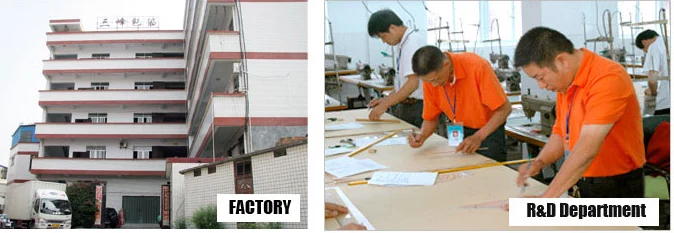
- Manufacturer, Trading Company
- Fujian, China
- Lead time35 days
- Avg. response≤ 6h
Main productsBackpack,Sports Bag,Bike Bag,Outdoor Bag,Bike Bag
Main marketsWestern Europe(50.00%), North America(25.00%), Eastern Europe(5.00%), Southern Europe(4.00%), South America(4.00%), Northern Europe(3.00%), Mid East(2.00%), Central America(2.00%), Oceania(2.00%), Southeast Asia(2.00%), Eastern Asia(1.00%)

- Verified by BV
- Trading Company
- China Fujian
- Lead time30 days
- Avg. response≤ 25h
Main productsBackpack Bag, School Bag, Travel Bag, Backpack, Waterproof Bag, Cooler Bag, Trolley Suitcase, Luaggage
Main marketsSouth America,Europe,North America


Bicycle Handlebar Bag Weekend Waterproof Outdoor Storage Bike Cycling Riding Bag
$8.81
MOQ: 2000 Pieces


High Quality Waterproof Outdoor Adjustable Shoulder Strap Bike Bicycle Bag with Phone Holder
$5.00 - $5.30
MOQ: 500 Pieces

High Quality Waterproof Sport Bike Cycling Tool Bag for Outdoor Bicycle and Travel
$2.62
MOQ: 2000 Pieces


Quanzhou Lingyuan Bags Co., Ltd.
- Verified by SGS
- Combined
- China Fujian
- Lead time45 days
- Avg. response≤ 3h
Main productsSchool Bag, Sports Bag, Trolley Bag, Promotional Bag, Ladies Bag, Backpack, Hiking Backpack, Ski Bag, Hockey Bag, Bike Bag
Main marketsEurope,North America


Waterproof Bike Handlebar Bag, Phone Holder, 4-Layer Protection Bicycles Bags
$7.00 - $8.00
MOQ: 500 Pieces


Quanzhou Zhengdong Bags Co., Ltd
- Verified by BV
- Trading Company,Manufacturer/Factory
- China Fujian
- Lead time30 days
- Avg. response≤ 3h
Main productsSchool Bag, Backpack, Running Bag, Cycling Bag, Hydration Pack, Tool Bag, Laptop Bag, Lapotp Backpack, Outdoor Bag, Sports Bag
Main marketsSouth America,Eastern Europe,Mid East,North America,Southeast Asia,Eastern Asia,Oceania,Western Europe,Africa

Mountain Bike Waterproof Bag, Seat Cycling Bag, Bicycle Seat Bag, Seat Bag for Road Bikes
$3.13 - $8.12
MOQ: 100 Pieces

$5.88 - $10.31
MOQ: 100 Pieces


- Verified by CTI
- Manufacturer/Factory
- China Fujian
- Lead time23 days
- Avg. response≤ 6h
Main productsTrolley Luggage, Travel Bags, School Bag, Cooler Bag, Special Backpack, Delivery Bag, Picnic Bag, Hunting Bag, Duffel Bag, Rolling Bag
Main marketsMid East,North America,Southeast Asia,Western Europe

Manufactory OEM Custom Print Logo Bike Trunk Bag Waterproof Cycling Bag
$10.98 - $12.98
MOQ: 500 Pieces


Waterproof Bike Bag Front Bag with Reflective Strips for Road Mountain Bike
$5.66 - $7.99
MOQ: 500 Pieces


Quan Zhou Xinqi Light Industry Co., Ltd.
- Verified by SGS
- Combined
- China Fujian
- Lead time45 days
- Avg. response≤ 3h
Main productsSports Glove, Glove, Cap, Sports Bag, Backpack, Fitness Products, Working Glove, Tool Bag, Running Glove and Bag, Cycling Bag and Glove
Main marketsSouth America,Europe,North America

Xiamen Minghui Import and Export Co., Ltd.
- Verified by BV
- Manufacturer/Factory
- China Fujian
- Lead time30 days
- Avg. response≤ 11h
Main productsBag, Sport Bag, Duffel Bag, Travel Bag, School Bag, Backpack, Rucksack, Laptop Bag, Cosemtic Bag, Document Bag
Main marketsSouth America,Eastern Europe,Mid East,North America,Southeast Asia,Eastern Asia,Oceania,Western Europe,Africa

Quanzhou Hengshunfa Travel&Bags Co., Ltd.
- Manufacturer/Factory
- China Fujian
- Lead time45 days
- Avg. response≤ 3h
Main productsBackpack, School Bag, Travel Bag, Lunch Bag, School Supplies, Sports Bag, Travel Accessories, Outdoor Pursuits Products, Bags, Sport Accessories
Main marketsSouth America,Eastern Europe,Mid East,North America,Southeast Asia,Eastern Asia,Western Europe,Africa

Waterproof Bicycle Handlebar Bag Quick Release Cycling Front Storage Bag
$7.79 - $11.58
MOQ: 100 Pieces

Bicycle Storage Bags Mobile Phone Bag Collapsible Rear Bag Bike Rear Seat Bag
$1.30 - $1.50
MOQ: 300 Pieces

Wholesale Bike Mobile Phone Bag Small Accessories Storage Bag Bicycle Bags
$4.35 - $5.00
MOQ: 500 Pieces

Xiamen Ederbou Industry&Trade Co., Ltd.
- Verified by CTI
- Combined
- China Fujian
- Lead time30 days
- Avg. response≤ 7h
Main productsCooler Insulated Bags, Backpacks, Delivery Bags, Travel Bags, Sports Bags, Picnic Bags
Main marketsSouth America,Southeast Asia/ Mideast,East Asia(Japan/ South Korea),Europe,Australia,North America

Waterproof Front Bicycle Storage Bag with Shoulder Strap and Phone Pouch Bike
$3.25 - $4.99
MOQ: 300 Pieces

Durable Waterproof Adjustable Lightweight Front Storage Cycling Bicycle Handlebar Bag
$2.55 - $3.89
MOQ: 300 Pieces

NINGBO THREESOTR OUTDOOR GEAR CO., LTD.
- Verified by TUVRHEINLAND
- Trading Company
- China Zhejiang
- Lead time30 days
- Avg. response≤ 6h
Main productsBlanket&Tarp, Tool Bags, Camping Table&Chair, Survival Kit&First Aid Kit, Emergency Kits, Car Washing Kit, Bicycle&Motorcycle Bags, Travling Bags, Pet Carriers, Storage Organizer
Main marketsSouth America


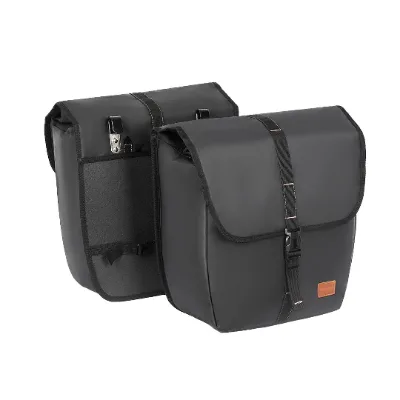
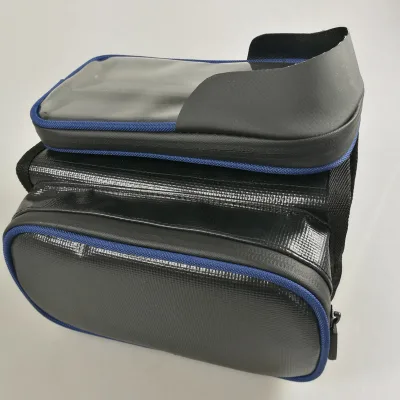
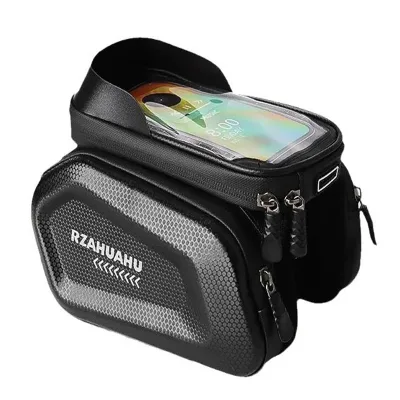


Comprehensive Sourcing Guide
Waterproof Nylon Bike Bag Supplier Concentration and Factory Types
Buyers searching for waterproof nylon bike bags will encounter suppliers concentrated in China, with results in the current set pointing to Fujian as a sourcing location. When a region is confirmed by supplier data, it is reasonable to treat it as a manufacturing cluster and prioritize outreach there, since proximity to materials, stitching workshops, and export infrastructure tends to shorten sampling and production cycles. However, concentration should guide emphasis, not exclusivity; suppliers outside a named cluster may still be competitive, so treat cluster data as one screening signal among several rather than a filter that disqualifies everyone else.
The supplier types in this category skew toward manufacturers and factories rather than pure trading companies, which matters for customization depth. Current results show suppliers offering own brand, OEM, and ODM capabilities, alongside broader bag portfolios spanning backpacks, cooler bags, tool bags, laptop bags, travel bags, hiking bags, tennis bags, and diaper bags. A wide bag portfolio is actually a positive indicator here: factories that sew many bag styles on shared lines can usually adapt to bike-specific constructions like frame bags, saddle bags, and rear rack bags without major tooling. Note that not every listed supplier will display the same attributes; some show system certifications while others show only product evidence, so build your shortlist from the labels each supplier actually discloses and verify the rest directly.
How to Verify Waterproof Nylon Bike Bag Suppliers
Verification starts with matching claimed capabilities to documented evidence. In current results, some suppliers list system certifications including BSCI, ISO 9000, ISO 9001, and SEDEX, which cover social compliance and quality management. Do not assume every supplier holds these; where certificates are absent from a profile, request copies directly and check validity and scope. Confirm the entity behind the listing is the actual factory: ask for a business license, verify registered scope covers bag manufacturing, and reconcile the company type label with what production staff tell you during a call or video audit.
Second, verify product claims through the listings themselves. Current products are described as waterproof polyester or nylon bike bags with rain covers, listed under bicycle bags and boxes categories, with attributes such as frame, saddle, and rear rack types, unisex design, and outdoor usage. Ask each supplier which of these listed products are made in-house versus bought in, and request a sample of the specific waterproof model you intend to order. Test the sample yourself for seam sealing, zipper performance, and fabric coating rather than relying on the word waterproof in a title. Finally, verify responsiveness in practice: response time figures in current results range dramatically, from roughly two hours to nearly twenty-two hours, so send the same technical question to several suppliers and compare how quickly and substantively each answers before committing to sampling.
What to Compare Across Waterproof Nylon Bike Bag Suppliers
Build a comparison sheet from the attributes suppliers actually display. Useful dimensions in this category include lead time, MOQ, response speed, location, company type, main products, and R&D capacity such as OEM, ODM, and own-brand capability. Current results illustrate the spread: quoted lead times of around thirty days versus forty-five days, product-level MOQs around five hundred pieces, and response times ranging from about two hours to nearly twenty-two hours. These gaps translate directly into cash-flow timing and launch schedules, so rank suppliers on the values that matter to your calendar, and never assume an attribute exists because a competitor displays it.
Compare product-level economics alongside company-level labels. Listed waterproof bike bag products span a wide price band: frame phone bags around twelve to sixteen dollars, saddle bags near seven to nine dollars, rear rack bags seven to twelve dollars, and riding backpacks as low as four to six dollars. Note dimensions, materials, and packing details too, since listings vary from rain-cover-equipped rack bags at thirty-two by nineteen by seventeen centimeters to compact frame bags under eight inches. Weight capacity claims, such as three to ten kilograms on one saddle bag, should be cross-checked against your own load testing. Where a supplier omits MOQ, price, or lead time, mark it as unknown and request it in writing, then compare like-for-like quotations on identical specifications.
Common Waterproof Nylon Bike Bag Sourcing Risks
The most common risk is treating catalog claims as production reality. A listing marked waterproof with a rain cover may describe a sample-grade product that changes in bulk production, especially if the factory substitutes fabric, coating weight, or zipper suppliers without telling you. Mitigate this by specifying materials in a written spec sheet, referencing the exact listed model numbers where relevant, and requiring a pre-production sample for approval before mass production begins. Another frequent problem is scope creep at factories with broad portfolios; a maker of tool bags and diaper bags may deprioritize a small bike bag order during peak season.
Timing risks are equally concrete. Production times in current listings run forty-five to sixty days after deposit for some items, with sample lead times of seven to ten days, while supplier-level lead times elsewhere show around thirty or forty-five days. If you plan a seasonal launch, work backward from these figures and add buffer for shipping and customs. MOQ risk also deserves attention: a five-hundred-piece minimum on one model is workable for many buyers but punishing if you want six colorways, since each may carry its own minimum. Finally, watch communication risk; a supplier answering after twenty-plus hours will slow every decision, so set response expectations in your first exchange and treat chronic silence as a screening signal, not an annoyance to tolerate.
Waterproof Nylon Bike Bag Regional Sourcing and Logistics
Where location data is confirmed, use it for logistics planning. Suppliers in the current set are located in Fujian, China, which positions sourcing on the southeast coast with access to established export channels. For buyers, regional knowledge should shape freight decisions: confirm which nearby ports the factory ships from, whether quotes are FOB or include inland haulage, and how the factory's location affects consolidation if you also source other bag categories from the same province. Where a supplier's location is not displayed, ask directly and verify against the business license rather than guessing from product photography.
Mode selection should follow from the category's weight and volume profile. Bike bags are relatively compact and lightweight per unit, which makes air freight viable for urgent top-ups and samples, while sea freight remains the default for bulk orders given production lead times already running thirty to sixty days. Plan the sequence explicitly: approve a pre-production sample, begin production, then book freight so the container is not waiting on a delayed line. Ask each supplier about packing methods, since current listings describe one bag per polybag and some ship flat-packed, which affects carton counts and container utilization. Also confirm whether the factory handles export documentation itself or works through an agent, because this affects who is responsible if paperwork errors delay clearance. Build these logistics questions into first contact, not after the deposit.
Waterproof Nylon Bike Bag Commercial Terms and Order Planning
Commercial terms should be negotiated in writing before any deposit. Current supplier data shows lead times of roughly thirty and forty-five days and product MOQs near five hundred pieces, with listed unit prices spanning roughly four to sixteen dollars depending on style, size, and features. Use these as calibration points for negotiation, but require each shortlisted supplier to quote on your exact specification, including material, dimensions, waterproofing method, logo printing, and packing, since otherwise comparisons are meaningless. Clarify the production trigger: some listings state production begins forty-five to sixty days after receiving deposit, so the deposit date, not the order date, starts your clock.
Order planning should also account for customization and sampling economics. Multiple listings confirm customization is available, including logo printing, and sample lead times around seven to ten days appear in product details, so budget both the sample cost and the calendar time before mass production. Payment structure deserves explicit attention: agree on deposit and balance percentages, the currency, and whether escrow or another protective mechanism applies, and do not assume protection exists just because a platform offers it somewhere. Plan initial orders conservatively, concentrating volume on one or two proven models rather than spreading a minimum across many variants, then scale after the first shipment passes your inspection. Finally, document inspection rights, rejection thresholds, and remedy timelines in the purchase agreement so quality disputes have a defined path before money changes hands.
FAQs
What materials are commonly used for waterproof nylon bike bags?
Waterproof nylon bike bags are commonly made from polyester or nylon with waterproof coatings or rain covers. Listed products in this category include polyester frame bags, saddle bags, and rear rack bags, plus nylon carrier backpacks. Confirm with suppliers whether the fabric is fully waterproof or water-resistant, and whether seams are taped or welded for added protection.
What is the typical minimum order quantity for waterproof bike bags?
Minimum order quantities vary by model and customization level. One listed bike frame bag shows an MOQ of 500 pieces, while other models may have different requirements. Always request the exact MOQ for the specific design you want, because customized colors, logos, or sizes can raise the minimum compared with stock items.
How much do waterproof bicycle bags cost per unit?
Prices for the listed waterproof bike bags range from roughly 3.99 to 15.99 US dollars per piece depending on style and size. Small riding backpacks sit at the lower end, while frame bags with rain covers sit at the higher end. Quoted prices typically move with order quantity, materials, and customization, so request formal quotations for your specification.
How long does production take for a custom waterproof bike bag order?
One listed supplier reports a 45-day average lead time, and a rear rack bag product lists production of 45 to 60 days after receiving the deposit. Sample lead time is about 7 to 10 days for that item. Build in extra time for shipping and quality inspection when planning seasonal product launches.
Can waterproof bike bags be customized with my logo and branding?
Yes, customization is listed as available across the products shown, and one handlebar bag explicitly includes logo printing. Suppliers in this category offer OEM and ODM services, and some support their own brand as well. Provide artwork files early and request a pre-production sample to check logo placement, print durability, and waterproofing before mass production.
What sizes and styles of waterproof bike bags are available?
Available styles include frame bags, saddle bags, handlebar bags, rear rack bags, and riding backpacks. Listed dimensions range from a compact 4 by 5 by 7.5 inch frame phone bag to a 28 by 15 by 44.5 cm rear carrier backpack. Medium capacity is common, and some saddle bags carry 3 to 10 kg, so match size to your intended use.
Do suppliers of these bike bags hold recognized certifications?
One listed manufacturer reports system certifications including BSCI, ISO 9000, ISO 9001, and SEDEX, which cover social compliance and quality management. Not every factory in this category publishes the same credentials, so ask each shortlisted supplier for current certificates and verify scope, validity, and audit dates directly before committing to an order.
How quickly do bike bag suppliers respond to buyer inquiries?
Response times differ significantly between suppliers in this category. One manufacturer reports an average response time of about 2 hours, while another reports around 22 hours. Fast responders are usually better for urgent sampling and production questions, so factor response speed into your shortlisting alongside lead time, pricing, and customization capability.