Men Carbon Midsole Running Shoes Suppliers and Manufacturers
Explore 18 verified options for Men Carbon Midsole Running Shoes from factories in China Guangdong and Fujian. Compare response times, lead times, certifications like BSCI and ISO 9001, and product specifications to source effectively. Contact suppliers directly to request quotes.
Suppliers List

GUANGZHOU ZUTA IMPORT AND EXPORT TRADING CO., LTD.
- Trading Company,Manufacturer/Factory
- China Guangdong
- Lead time23 days
- Avg. response≤ 13h
Main productsHiking Shoes, Sport Shoes, Leisure Shoes, Fashionshoes, Slippers, Vulcanized Shoes, Canvas Shoes, Kid's Shoes, Footwear, Casual Shoes
Main marketsSouth America,Eastern Europe,Mid East,North America,Southeast Asia,Eastern Asia,Oceania,Western Europe,Africa

Quanzhou Shengxiang Sporting Goods Co.,Ltd.
- Verified by TUVRHEINLAND
- Combined
- China Fujian
- Lead time60 days
- Avg. response≤ 7h
Main productsShoes
Main marketsDomestic

QUANZHOU JINJIANG NEW BLT SHOES CO.,LTD
- Verified by BV
- Trading Company,Manufacturer/Factory
- China Fujian
- Lead time0 days
- Avg. response≤ 20h
Main productsSport Shoes, Casual Shoes, Hiking Shoes, School Shoes, Canvas Shoes, Water Shoes, Outdoor Shoes, Skateboard Shoes, PVC Injection Shoes, Running Shoes

Zhangzhou Xiangcheng Danxing Trading Co., Ltd
- Verified by SGS
- Trading Company
- China Fujian
- Lead time15 days
- Avg. response≤ 20h
Main productsDress Shoes, Sports Shoes, Heel Shoes, Kids Shoes, Outdoor Shoes, Basketball Shoes, Trainers, Casual Shoes, Clothes, Bags
Main marketsSouth America,Africa,Southeast Asia/ Mideast,East Asia(Japan/ South Korea),Europe,Australia,North America


Men's High Top Mesh Breathable Lightweight Sports Shoes, Casual Running Shoes
$10.58 - $12.35
MOQ: 1 Pieces

Xiamen Mango Fashion Shoes Trade Co., Ltd
- Verified by BV
- Trading Company
- China Fujian
- Lead time45 days
- Avg. response≤ 13h
Main productsSneaker, Women Sneakers, Sport Shoes, Skateboards, Casual Shoes, Vulcanized, Boots, Sandals, Slippers
Main marketsSouth America,Southeast Asia/ Mideast,North America


Casual Men Sport Shoes Jogging Shoes Track Shoes Running Shoes Mens Trainers
$6.00 - $8.00
MOQ: 1000 Pairs


Quanzhou Xinpu Trading Co., Ltd.
- Verified by SGS
- Trading Company
- China Fujian
- Lead time15 days
- Avg. response≤ 5h
Main marketsNorth America
Zhijiang Zhuozun Trading Co., Ltd.
- Trading Company
- China Hubei
- Lead time0 days
- Avg. response≤ 9h
Main productsShoes, Clothes, Bags, Sneakers, Casual Shoes, Basketball Shoes, Down Jacket, Wallet, Handbag, Perfume


Men's Lightweight Sports Shoes - Lace-up Mesh Running Shoes - Sports Shoes
$38.00 - $45.00
MOQ: 1 Pieces


Dongguan Qiangying Safety Shoes Material Co., Ltd.
- Manufacturer, Trading Company
- Guangdong, China
- Lead time15 days
- Avg. response≤ 2h
Main productsanti-puncture insole,anti-static anti-penetration insole,steel toe cap,plastic toe cap,midsole
Main marketsNorth America(6.0%), South America(5.5%), Southeast Asia(2.2%), Mid East(1.8000000000000003%), Northern Europe(1.5%), Southern Europe(1.0%), Eastern Europe(1.0%), Western Europe(1.0%)

Quanzhou Kunhao Investment Co., Ltd
- Trading Company
- China Fujian
- Lead time0 days
- Avg. response≤ 10h
Main productsSports Shoe High Heel, Tatical Boots/Police Boots, Waterproof Hiking Shoes / Trekking & Hiking Shoe, Protective Shoes/Work Boots / Safety Shoes, Walking Hiking Outdoor Sandals/Flip Flops, Athletic Shoes, Preliminary Material Preparation for Production, Shoemaking Machine, Used Machines for Shoes and Clothing in Stock

Sports Shoes Running Shoes Walking Shoes Athletic Shoes Sneaker Shoes / Men Shoe
$3.95 - $9.15
MOQ: 1200 Pairs


Jinjiang Chidian Xuqi Trading Firm (Individual Business)
- Trading Company
- China Fujian
- Lead time0 days
- Avg. response≤ 3h
Quanzhou Jianxi Technology Co., Ltd
- Verified by CTI
- Trading Company
- China Fujian
- Lead time30 days
- Avg. response≤ 10h
Main productsShoes, Designer Shoes, Walking Style Shoes, Sneakers, Running Shoes, Watch
Main marketsEurope,North America


Breathable Lightweight Running Shoes for Parkour with Shock Absorbing Midsole
$40.00 - $50.00
MOQ: 1 Pairs


Quanzhou Bestway Import and Export Co., Ltd.
- Verified by CTI
- Trading Company,Manufacturer/Factory
- China Fujian
- Lead time45 days
- Avg. response≤ 11h
Main productsSports Shoe, Shoe, Casual Shoes, Soccer Shoes, Hiking Shoes, Moulds, Machinery, Leisure Shoes, Children Shoes, Sneaker
Main marketsSouth America,Eastern Europe,Mid East,North America,Southeast Asia,Western Europe,Africa

Jinjing Shengruixin Import And Export Co., Ltd.
- Verified by TUVRHEINLAND
- Trading Company
- China Fujian
- Lead time60 days
- Avg. response≤ 21h
Main productsStock Shoes, Shoes, Sport Shoes, Casual Shoes, Canvas Shoes
Main marketsSoutheast Asia/ Mideast

Jinjiang Maituo Import and Export Trading Co., Ltd.
- Verified by CTI
- Combined
- China Fujian
- Lead time60 days
- Avg. response≤ 7h
Main productsShoe, Shoe Accessories, Sporting Shoes, Shoe Machine, Shoe Sole, Microfiber PU, Space Leather, TPU, Basketball Cover, Textile Fabrics
Main marketsEurope

Footwear Gym Sports Running Shoes for Men and Women Footwear Sports Shoes
$13.39 - $13.89
MOQ: 600 Pairs

Running Shoes Sneakers Trainer Sole Breathable Cushioning Long Runner Running Shoes
$8.95 - $9.45
MOQ: 600 Pairs


Quanzhou Taihui Shoes Co., Ltd
- Verified by SGS
- Combined
- China Fujian
- Lead time30 days
- Avg. response≤ 6h
Main productsSneaker
Main marketsEurope,North America


New Men Fashion Running Shoes Men's Sneakers Casual Shoes with High Quality
$15.00 - $25.00
MOQ: 20 pairs

- Verified by SGS
- Trading Company
- China Fujian
- Lead time30 days
- Avg. response≤ 7h
Main productsBoots, Sneakers, Sandals, Corkshoes, Kids Shoes, Customized Shoes, Footwear, Slipper, Winter Boots, Snow Boots
Main marketsEast Asia(Japan/ South Korea)


Professional Marathon Running Shoes and Lightweight Sneakers for Men with Advanced Cushioning
$10.80 - $18.50
MOQ: 500 Pieces

Comfortable Running Shoes for Jogging and Sports with Cushioned Support
$10.80 - $18.50
MOQ: 500 Pieces
Xiamen Navigation Future Import and Export Co., Ltd.
- Verified by CTI
- Trading Company
- China Fujian
- Lead time15 days
- Avg. response≤ 3h
Main marketsEurope,North America

$34.00 - $40.00
MOQ: 2 Pieces

$26.00 - $32.00
MOQ: 2 Pieces

Jinjiang Jiaxing Import and Export Co., Ltd.
- Verified by CTI
- Manufacturer/Factory
- China Fujian
- Lead time120 days
- Avg. response≤ 1h
Main productsShoes, Slipper, Clothes, Promotion Gifts, Silicone Products, Outdoor Sports Products, Bags, Fashion Accessories, Consumer Electronics
Main marketsSouth America,Eastern Europe,Mid East,North America,Southeast Asia,Eastern Asia,Oceania,Western Europe,Africa


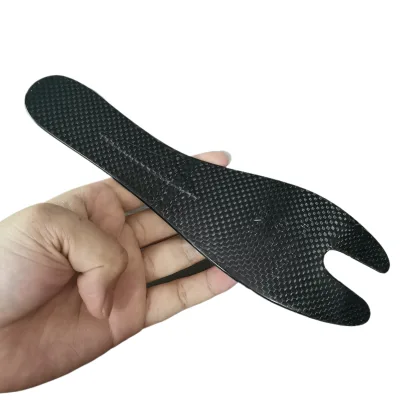
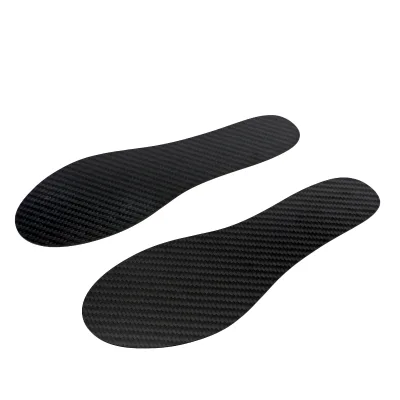


Comprehensive Sourcing Guide
Men Carbon Midsole Running Shoes Supplier Concentration and Factory Types
Current data indicates that active suppliers for this category are concentrated in specific Chinese provinces, with Guangdong and Fujian appearing as primary manufacturing hubs. These regions host a mix of trading companies and manufacturers capable of producing athletic footwear, including running shoes with specialized midsoles. The presence of facilities in Hebei is also noted for specific product lines, suggesting a broader geographic spread for general footwear that may extend to performance models. Buyers should verify if a supplier's physical factory aligns with these known clusters, as proximity to raw material sources often influences production speed and cost efficiency.
The supplier landscape includes entities classified as trading companies, manufacturers, and combined operations offering both OEM and ODM services. Some suppliers list their capacity to produce own brands like Pedsey alongside custom manufacturing, indicating flexibility in production models. When evaluating concentration, buyers must distinguish between pure trading firms and those with actual factory floors, as this distinction impacts quality control and customization capabilities. The availability of specific certifications like BSCI and ISO 9001 among these entities suggests a baseline of operational standards, though verification of these claims remains essential for high-volume orders.
How to Verify Men Carbon Midsole Running Shoes Suppliers
Verification begins with checking for recognized third-party audit reports, such as those from TÜV Rheinland, which appear in the current supplier pool. These certifications provide a layer of assurance regarding factory conditions and management systems, but they should be cross-referenced with the specific product lines offered. Buyers must confirm that the certification covers the specific manufacturing processes required for carbon midsole technology, as general factory audits may not validate specialized equipment or material sourcing. The response time metrics, such as the 6.01-hour average observed, can also serve as a proxy for operational responsiveness and communication reliability.
Beyond certifications, buyers should validate the supplier's ability to handle customization requests, which are frequently listed as available for this product category. Evidence shows that many suppliers accept customer logos and offer various material options, but the depth of this capability varies. It is critical to request samples that match the specific technical requirements, such as the carbon plate integration and upper material composition, before committing to large orders. The presence of detailed product attributes, including specific model numbers and packing standards, indicates a level of documentation that can be used to verify the authenticity of the supplier's claims during the due diligence phase.
What to Compare Across Men Carbon Midsole Running Shoes Suppliers
When comparing potential partners, lead time is a critical differentiator, with observed ranges spanning from 23 days to 60 days depending on the supplier and order complexity. A shorter lead time may indicate higher inventory availability or more streamlined production lines, while longer timelines often reflect custom manufacturing cycles. Buyers should also scrutinize the Minimum Order Quantity (MOQ), which varies significantly from 20 pairs for stock items to 1000 pairs for custom runs. This variance directly impacts cash flow and inventory risk, requiring a strategic match between the buyer's volume needs and the supplier's production thresholds.
Price and response speed are equally vital comparison points, with unit costs ranging from approximately $4.00 to $14.42 based on material and construction complexity. Suppliers with faster response times, such as those averaging under seven hours, often demonstrate better communication channels, which is crucial for resolving technical queries regarding midsole technology. Additionally, the main product focus of each supplier should be evaluated; some specialize in general casual shoes while others focus on athletic performance. Buyers must ensure that the supplier's primary product mix aligns with the specific technical demands of carbon midsole running shoes to avoid sourcing from generalists who may lack specialized expertise.
Common Men Carbon Midsole Running Shoes Sourcing Risks
One significant risk involves the discrepancy between claimed materials and actual product specifications, particularly regarding the upper and outsole composition. While many listings specify mesh or fabric uppers with EVA insoles, the critical carbon midsole component requires rigorous verification to ensure it meets performance standards. Some suppliers list products as "Not Waterproof," which may be acceptable for certain markets but poses a risk if the buyer requires all-weather durability. Without physical testing or third-party lab reports, buyers cannot confirm that the advertised carbon plate technology is genuine or effectively integrated into the shoe structure.
Another risk stems from inconsistent quality control across different production batches, especially when dealing with suppliers offering both stock and custom options. The variation in MOQs, such as 20 pairs versus 200 pairs, suggests that some suppliers may prioritize small, quick-turn orders over consistent large-scale production quality. Furthermore, the reliance on "Original Package" or standard packing without specific protective measures for high-value components like carbon plates can lead to damage during transit. Buyers must establish clear quality assurance protocols and inspection criteria to mitigate these risks before finalizing any purchase agreements.
Men Carbon Midsole Running Shoes Regional Sourcing and Logistics
Sourcing from regions like Guangdong and Fujian offers logistical advantages due to established port infrastructure and mature supply chains for footwear manufacturing. These locations facilitate efficient export processes, though buyers must account for the specific origin details listed, such as Hebei for certain product lines, which may involve different shipping routes and transit times. The standard packing dimensions provided, such as 32.00cm by 22.00cm by 12.00cm, allow for accurate freight cost calculations and container optimization. Understanding the geographic origin of each product variant is essential for predicting delivery schedules and managing inventory levels effectively.
Logistics planning must also consider the specific packing standards and dimensions associated with each supplier's offerings. Variations in box sizes, ranging from 57.5cm to 64cm in length, impact how many units can be shipped per container, directly affecting the landed cost per pair. Buyers should verify if the supplier offers consolidated shipping options or if they require separate shipments for different product models. Additionally, the origin location influences customs duties and import regulations, making it necessary to confirm the country of origin for every batch to ensure compliance with local trade laws and to avoid unexpected delays at the destination port.
Men Carbon Midsole Running Shoes Commercial Terms and Order Planning
Commercial terms regarding payment and customization must be clearly defined, as many suppliers offer flexible options including OEM and ODM services. The availability of customer logos and customizable colors indicates a high degree of adaptability, but these services often come with specific MOQ requirements that can range from 20 to 1000 pairs. Buyers need to negotiate terms that balance the cost of customization with the volume needed to achieve economies of scale. Understanding the specific model numbers and production standards, such as the 57.554.531.5 dimensions, helps in setting realistic expectations for production timelines and final product specifications.
Order planning should account for the diverse price points and lead times observed across the supplier base, which can range from $4.00 to $14.42 and 23 to 60 days respectively. A strategic approach involves segmenting orders based on urgency and volume, utilizing suppliers with shorter lead times for immediate needs and those with lower costs for long-term stock. Buyers must also verify the specific seasonality of the products, as some listings indicate Autumn or Winter suitability, which affects the timing of order placement. Careful coordination of these commercial terms ensures that the supply chain remains resilient and responsive to market fluctuations.
FAQs
What is the price range for men's running shoes?
Prices for men's running shoes typically range from $4.00 to $14.42 per pair. The cost varies based on materials, with canvas options starting lower and carbon plate models reaching higher price points. Buyers should check specific product listings for exact pricing tiers and volume discounts.
What is the minimum order quantity for these shoes?
Minimum order quantities vary by supplier and product type. Standard running shoes often require 200 pairs per color, while some stock items may allow as few as 20 pairs. Higher-end carbon plate models may require a minimum of 1000 pairs. Always verify the specific MOQ for your chosen model.
How long does production take for custom orders?
Lead times for production generally range from 23 to 60 days depending on the supplier and order complexity. Suppliers in Guangdong often report faster turnaround times around 23 days, while those in Fujian may require up to 60 days. Confirm the exact timeline with your supplier before placing an order.
Are these shoes suitable for autumn and winter seasons?
Yes, many models are designed for autumn and winter seasons. Products feature mesh linings and fabric or leather uppers to provide comfort during cooler weather. Some options include winter-specific designs with PU uppers. Check the seasonal attributes listed for each product to ensure suitability for your target climate.
What certifications do the suppliers hold?
Suppliers often hold BSCI and ISO 9001 system certifications, ensuring adherence to international quality and social responsibility standards. Some suppliers are also verified by TUV Rheinland. These certifications indicate a commitment to manufacturing quality and ethical practices, providing buyers with greater confidence in their supply chain partners.
Can I customize the logo and packaging?
Customization is available for most running shoe models. Buyers can typically add their own logo and request original packaging. Options include custom colors and specific packing standards. Confirm customization details and any associated costs with the supplier to ensure your branding requirements are met accurately.