Waterproof Roll Top Backpack Suppliers and Manufacturers
Explore 30 verified suppliers offering waterproof roll top backpacks with varying lead times, MOQs, and certifications. Compare response times, locations in China, and product specs like PVC material and capacity before requesting quotes; review the available evidence before requesting comparable quotations from suitable candidates.
Updated
Suppliers List

NINGBO THREESOTR OUTDOOR GEAR CO., LTD.
- Verified by TUVRHEINLAND
- Trading Company
- China Zhejiang
- Lead time30 days
- Avg. response≤ 8h
Main productsBlanket&Tarp, Tool Bags, Camping Table&Chair, Survival Kit&First Aid Kit, Emergency Kits, Car Washing Kit, Bicycle&Motorcycle Bags, Travling Bags, Pet Carriers, Storage Organizer
Main marketsSouth America

Fuzhou ADF International CO., LTD.
- Verified by BV
- Trading Company,Manufacturer/Factory
- China Fujian
- Lead time45 days
- Avg. response≤ 5h
Main productsBags, Suitcase, Backpack, Travel Bags, School Bags, Storage Ottoman, Luggage, Cooler Bag, Household Products
Main marketsSouth America,Eastern Europe,Mid East,North America,Southeast Asia,Eastern Asia,Oceania,Western Europe,Africa


Waterproof Outdoor Backpack Dry Bag Water Resistant Heavy Duty Roll-Top Bag
$3.00 - $8.00
MOQ: 1000 Pieces

Unisex Anti-Theft Large Capacity Roll Top Backpack Waterproof Durable Backpack
$4.20 - $6.50
MOQ: 500 Pieces

Black Outdoor Hiking Roll Top Waterproof Backpack Sports Travel Camping Dry Backpack
$4.20 - $6.50
MOQ: 1000 Pieces


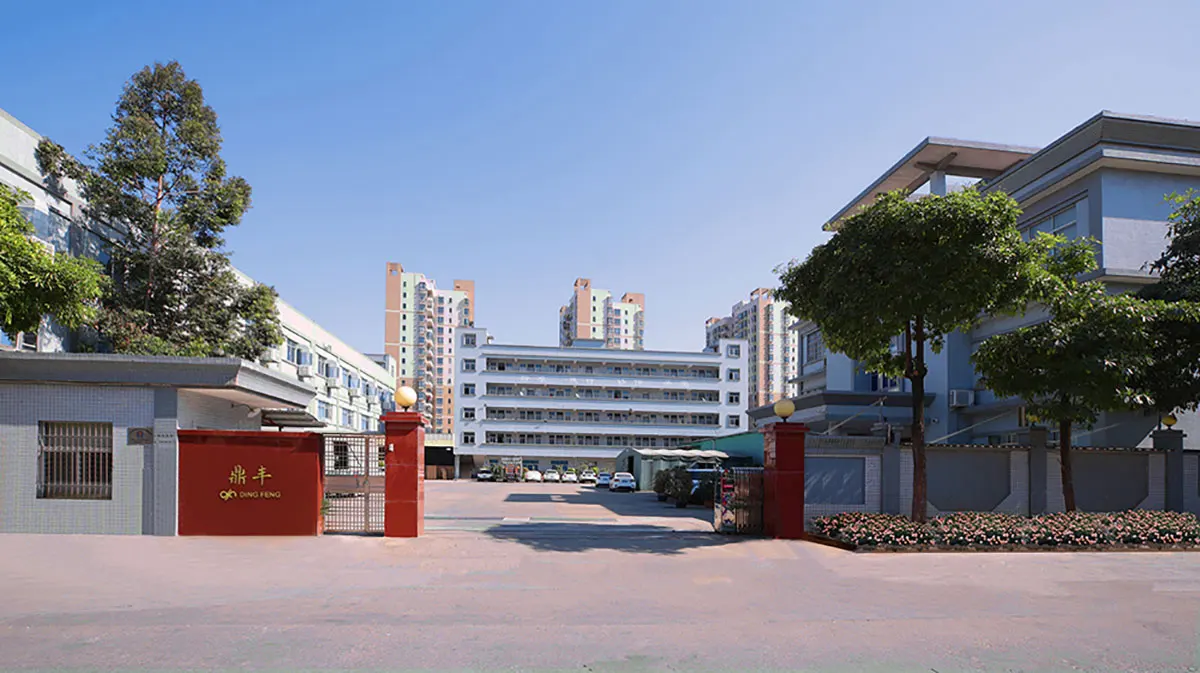
Dingfeng General Merchandise Co., Ltd.
- Trading Company
- Guangdong, China
- Lead time30 days
- Avg. response≤ 3h
Main productsTool Bags,Storage Bags,Carrying Cases,EVA Cases,4WD Bags
Main marketsNorth America(90.00%), Oceania(80.00%), Western Europe(50.00%), Central America(40.00%), Southern Europe(10.00%), Northern Europe(10.00%), Eastern Europe(10.00%), Domestic Market(1.00%), South Asia(1.00%), Mid East(1.00%), South America(1.00%), Southeast Asia(1.00%), Africa(1.00%), Eastern Asia(1.00%)

WeIVan (Hangzhou) International Import and Export Trading Co., Ltd.
- Verified by SGS
- Trading Company
- China Zhejiang
- Lead time23 days
- Avg. response≤ 3h
Main productsBag, Suitcase, Outdoor Bag, Backpack Bag, Acrylic Products
Main marketsEurope
Xiamen Beichenxi Supply Chain Management Co., Ltd.
- Manufacturer, Trading Company, Distributor/Wholesaler
- Fujian, China
- Lead time20 days
- Avg. response≤ 3h
Main productsHiking Backpacks,Waterproof Bags,Cooler Bags & Lunch Bags,Sports & Duffel Bags,Outdoor Gear Bags
Main marketsNorthern Europe(20.00%), Western Europe(20.00%), North America(20.00%), Southern Europe(10.00%), Mid East(10.00%), Central America(10.00%), Eastern Europe(10.00%)
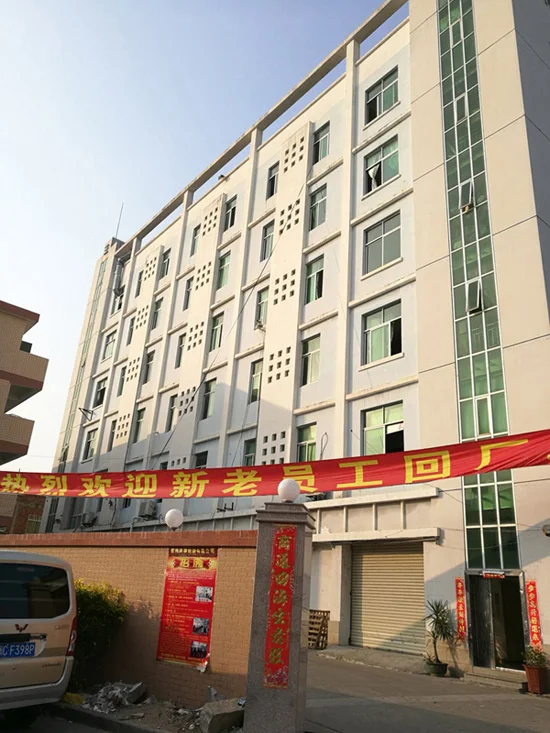
Quanzhou Leadking Bags Co., Ltd.
- Trading Company
- Fujian, China
- Lead time45 days
- Avg. response≤ 5h
Main productsDiaper bags,Laptop bags,Backpack,metal detecting bag,Duffle bags
Main marketsNorth America(35.00%), Eastern Europe(9.00%), Western Europe(7.00%), Southern Europe(5.00%), Domestic Market(5.00%), Central America(5.00%), South America(5.00%), Eastern Asia(5.00%), South Asia(5.00%), Oceania(5.00%), Africa(5.00%), Southeast Asia(5.00%), Northern Europe(2.00%), Mid East(2.00%)
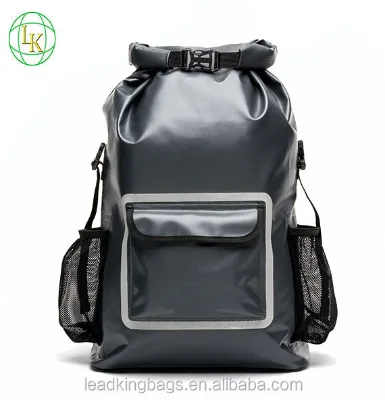
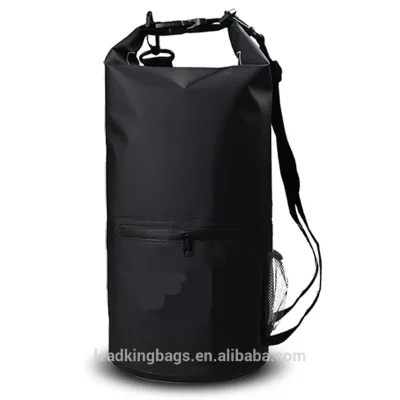
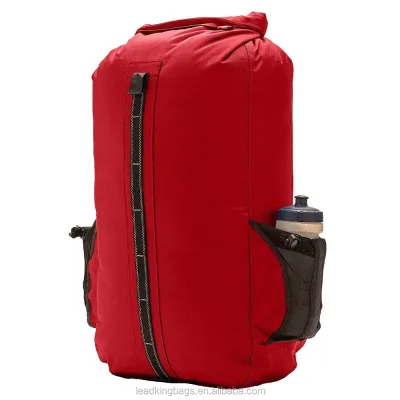
Heacvy Duty Hiking Traevling Roll Top Dry Bag Good Quality Waterproof Laptop Backpack
$7.1877 - $13.3486
MOQ: 500 pieces
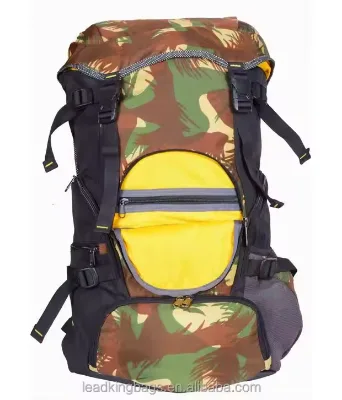
$5.00 - $10.00
MOQ: 500 pieces

- Verified by CTI
- Manufacturer/Factory
- China Fujian
- Lead time23 days
- Avg. response≤ 6h
Main productsTrolley Luggage, Travel Bags, School Bag, Cooler Bag, Special Backpack, Delivery Bag, Picnic Bag, Hunting Bag, Duffel Bag, Rolling Bag
Main marketsMid East,North America,Southeast Asia,Western Europe

Custom Outdoor High Quality Eco-Friendly Laptop Roll Top Waterproof Backpack
$7.89 - $10.59
MOQ: 500 Pieces

Large Capacity Roll Top Backpack Hiking Durable Water-Resistant Laptop Backpack
$8.89 - $11.59
MOQ: 500 Pieces


Lightweight Outdoor Hiking Student Multi-Functional Waterproof Roll Top Dry Backpack
$7.89 - $10.59
MOQ: 500 Pieces
Anhui Three Six Seven Travel Products Co., Ltd.
- Manufacturer, Trading Company
- Lead time旺季: "1 - 100":15,"101 - 500":20,"> 500":"To be negotiated", 淡季: "1 - 100":15,"101 - 500":20,"> 500":"To be negotiated"
- Avg. response≤ 3h
Main productsBackpack, School Bags, Messenger bags, Women Bags, Fanny pack
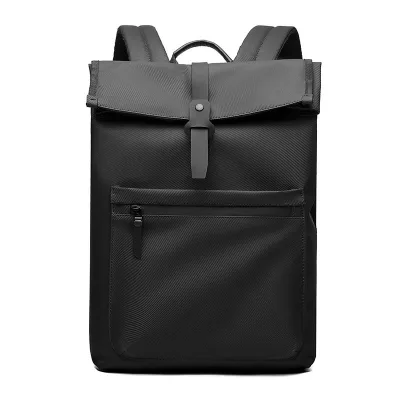
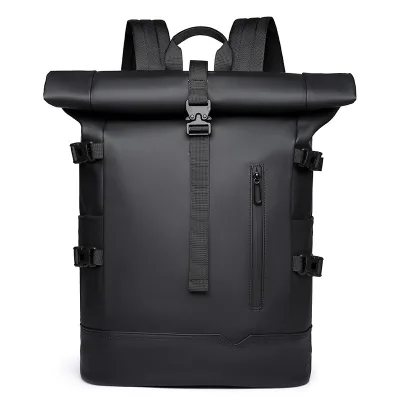
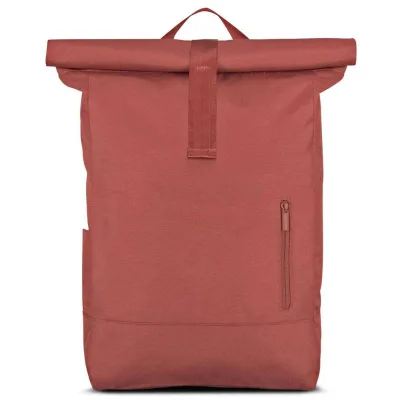
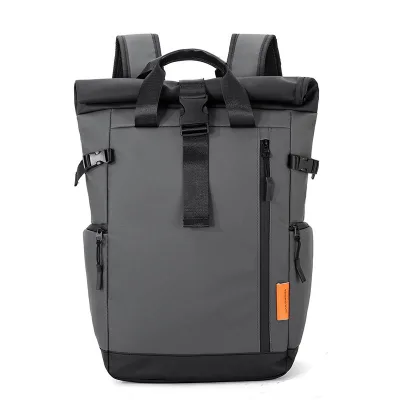
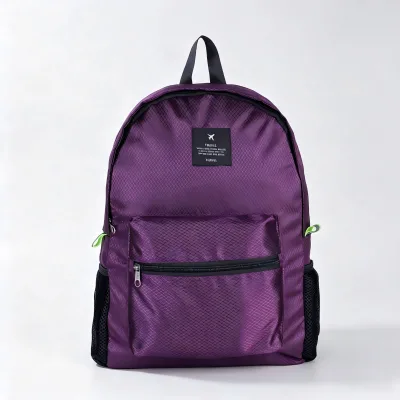
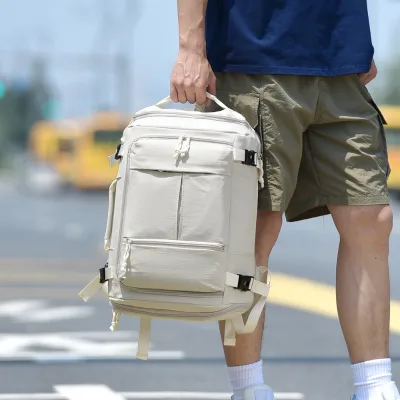
$7.37 - $8.08
MOQ: 100 pieces

Xiamen Daysun Industrial Co., Ltd.
- Verified by SGS
- Trading Company
- China Fujian
- Lead time30 days
- Avg. response≤ 5h
Main productsBackpack, Travel Bag, Sports Bag, Laptop Bag, Shopping Bag, Cosmetic Bag, Cooler Bag, RPET Bag, Clothing, Neoprene Case
Main marketsEurope,Australia,North America

QUANZHOU DANKIN IMP AND EXP CO., LTD.
- Manufacturer/Factory
- China Fujian
- Lead time45 days
- Avg. response≤ 3h
Main productsBackpack, Cooler Bag, Tool Bag, Laptop Bag, Gun Bag, Travel Bag, Hiking Bag, Tennis Bag, Running Bag, Diaper Bag
Main marketsSouth America,Eastern Europe,Mid East,North America,Southeast Asia,Eastern Asia,Oceania,Western Europe,Africa

Waterproof Floating Dry Sack Bag Roll Top Keeps Gear Hiking Dry Backpack
$8.00 - $12.00
MOQ: 500 Pieces

Roll-Top Stylish Computer Backpack Waterproof Large Daypack Laptop Backpack Bag
$7.99 - $19.99
MOQ: 500 Pieces

Roll Top Rucksack Laptop Backpack Business Travel Waterproof Computer Bag
$8.99 - $9.90
MOQ: 500 Pieces

Waterproof Floating Backpack Roll Top Dry Compression Bag Keeps Gear Dry
$13.90 - $14.70
MOQ: 500 Pieces


Dongguan Devance Outdoor Products Co., Ltd.
- Trading Company
- Guangdong, China
- Lead time10 days
- Avg. response≤ 5h
Main productswaterproof bags,waterproof duffel bag,backpacks,shopping bag,tote bag
Main marketsNorth America(50.00%), Eastern Europe(15.00%), Central America(10.00%), Southern Europe(5.00%), Northern Europe(5.00%), South America(5.00%), Western Europe(5.00%), Southeast Asia(5.00%)
- Verified by SGS Group
- Manufacturer, Trading Company
- Lead time0 days
- Avg. response≤ 2h
Main productsPickleball Bags, Outdoor Bags, Golf Bags, Equipment Bags, Other Casual Bags
Main marketsNorth America(85%), Western Europe(15%)

Xiamen Heanoo Industry and Trade Co., Ltd
- Trading Company
- China Fujian
- Lead time45 days
- Avg. response≤ 4h
Main productsBackpack, School Bag, Travel Bag, Promotion Bag, Laptop Bag, Outdoor Backpack, Waterproof Dry Bag, Sports Backpack, Business Backpack, Tactical Backpack
Main marketsEurope,Australia

Xiamen Chuanghuasheng Imp.& Exp.Co., Ltd.
- Verified by BV
- Manufacturer/Factory
- China Fujian
- Lead time15 days
- Avg. response≤ 9h
Main productsBackpack, School Bag, Cooler Bag, Duffle Bag, Sporting Bag, Laptop Bag, Mommy Bag, Hydration Backpack, Cosmetic Bag, Promotion Bag
Main marketsSouth America,Eastern Europe,Mid East,North America,Southeast Asia,Eastern Asia,Oceania,Western Europe,Africa
Quanzhou Chaumet Bags Co., Ltd.
- Verified by Intertek
- Manufacturer, Trading Company
- Lead time45 days
- Avg. response≤ 5h
Main productsSport Bag, Tennis Bag, Outdoor Bag, Travel Bag, Running Vest
Main marketsOceania(30%), North America(25%), Northern Europe(15%)
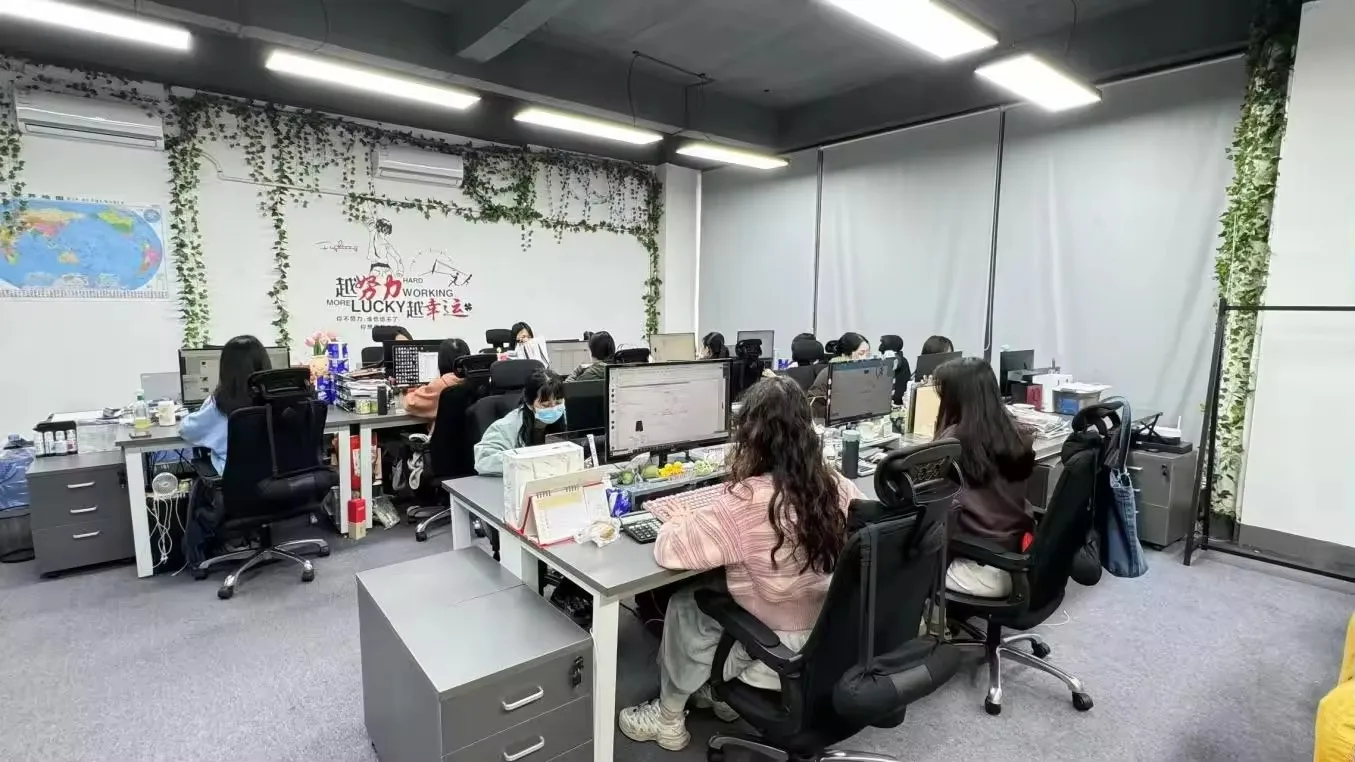
Guangzhou Maz Bags Manufacture Co., Ltd.
- Manufacturer
- Guangdong, China
- Lead time20 days
- Avg. response≤ 2h
Main productstote bags,shoulder bags,backpack,cooler bags,tool bag
Main marketsSouth America(50.00%), Eastern Europe(10.00%), North America(10.00%), Central America(5.00%), Western Europe(5.00%), Southern Europe(5.00%), Oceania(2.00%), Northern Europe(2.00%)
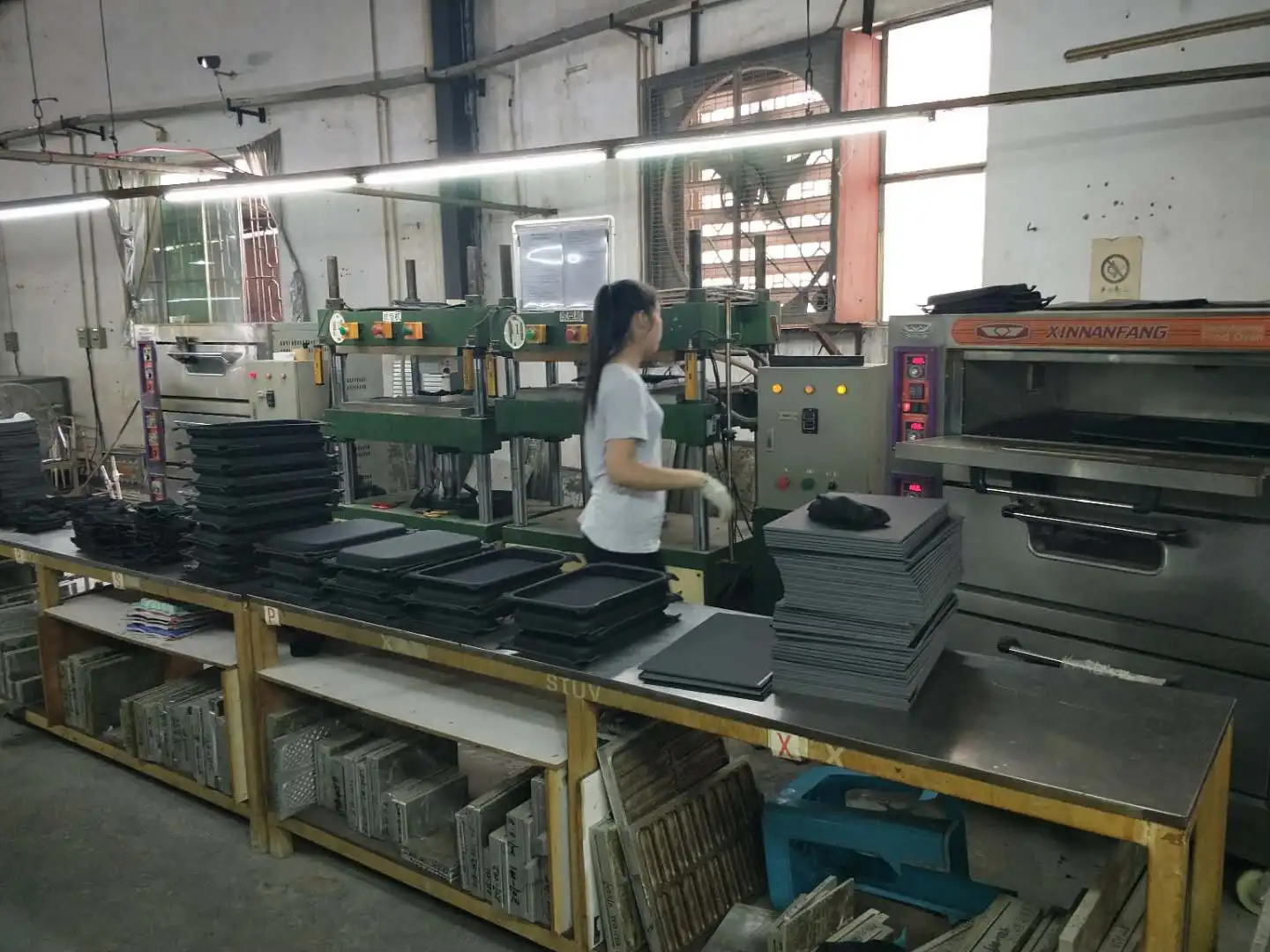
Shenzhen Xinda Package Technology Co., Ltd.
- Manufacturer
- Guangdong, China
- Lead time30 days
- Avg. response≤ 5h
Main productsClear Top Canvas Bag,Tailgate Bag,Car Detailing Tool Bag,Lineman Tool Apron,Hard EVA Case
Main marketsNorth America(40.00%), Oceania(20.00%), Northern Europe(20.00%), Mid East(10.00%), Africa(5.00%), Eastern Asia(5.00%)

- Manufacturer/Factory
- China Fujian
- Lead time30 days
- Avg. response≤ 22h
Main productsBag, Polyester Bag, Promotion Gift, School Bag, Outdoor Backpack, Backpack, Rucksack, Laptop Bag, Yoga Bag, Sport Bag
Main marketsSouth America,Eastern Europe,Mid East,North America,Southeast Asia,Eastern Asia,Oceania,Western Europe,Africa


Laptop Backpack Casual Backpack Water Proof Business Backpack Travel Backpack
$3.00 - $5.00
MOQ: 500 Pieces


Quanzhou Song Hu Bags Co., Ltd.
- Verified by BV
- Combined
- China Fujian
- Lead time30 days
- Avg. response≤ 2h
Main productsTravel Bag, Backpacks, School Bag, Cooler Bag, Bike Bags, Laptop Documents Briefcase, Documents Bag, Sports Bag, Hydration Bag, Mountain Backpacks
Main marketsDomestic
Quanzhou Le City Outdoor Equipment Co., Ltd.
- Verified by SGS Group
- Manufacturer, Trading Company
- Lead time45 days
- Avg. response≤ 5h
Main productsWaterproof Backpacks, Waterproof Duffel Bags, Cooler Bags, Fishing Bags, Cycling Bags
Main marketsNorth America(50%), Western Europe(20%), Oceania(10%)
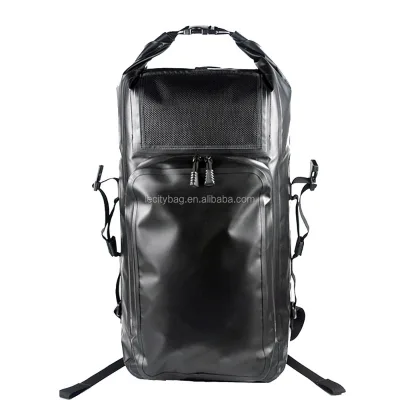
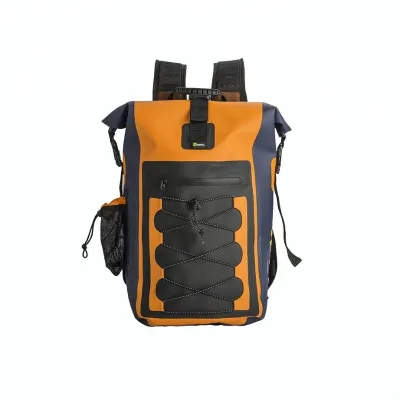
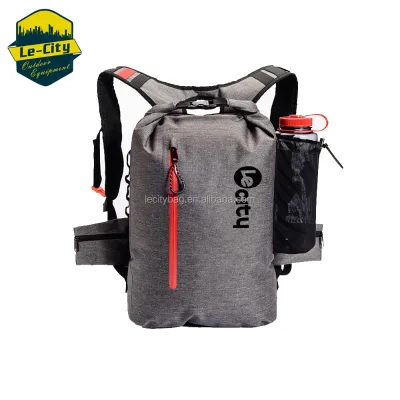
Heavy Duty Waterproof Floating Backpack for Outdoor Trekking for Camping & Hiking
$18.20 - $18.80
MOQ: 500 pieces
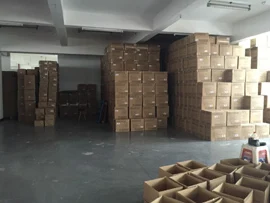
Waterproof Rucksack Dry Bag for Outdoor Activities Floating Survival Gear Keep Dry
$23.50 - $120.00
MOQ: 500
Quanzhou Besttrust Bags Co., Ltd.
- Trading Company
- Fujian, China
- Lead time45 days
- Avg. response≤ 1h
Main productsdry bag,cooler bag,Tactical Bag,motorcycle bag,hydration bladder
Main marketsSouth America(30.00%), North America(30.00%), Eastern Europe(20.00%), Oceania(10.00%), Southern Europe(5.00%), Western Europe(5.00%)

Wenzhou Guanmin Import and Export Co., Ltd.
- Verified by BV
- Trading Company,Manufacturer/Factory
- China Zhejiang
- Lead time120 days
- Avg. response≤ 7h
Main productsShopping Bag, Cooler Bag, Notebook, Pen, Color Pencil, Lanyard, Beach Ball, Umbrella, Sunshade, Air Freshener
Main marketsSouth America,Eastern Europe,Mid East,North America,Southeast Asia,Eastern Asia,Western Europe

- Verified by BV
- Trading Company
- China Fujian
- Lead time23 days
- Avg. response≤ 3h
Main productsMouth Care and Soap, Field Kitchen Trailer, Camping Tents, Boots and Shoes, Camo Uniform and Clothes, Outdoor Backpacks and Bags, Camouflage Net and Ghillie Suit, Blankets and Sleeping Bags, Canteens and Mess Tins, Tactical Helmet
Main marketsSouth America,Africa,Southeast Asia/ Mideast,East Asia(Japan/ South Korea),Europe,Australia,North America
- Manufacturer, Trading Company
- Fujian, China
- Lead time30 days
- Avg. response≤ 4h
Main productsBackpack,Travel Bag,Cooler Bag,Cosmetic Bag,Tool Bag
Main marketsNorth America(30.00%), Northern Europe(20.00%), Eastern Asia(20.00%), Southern Europe(20.00%), Eastern Europe(10.00%)
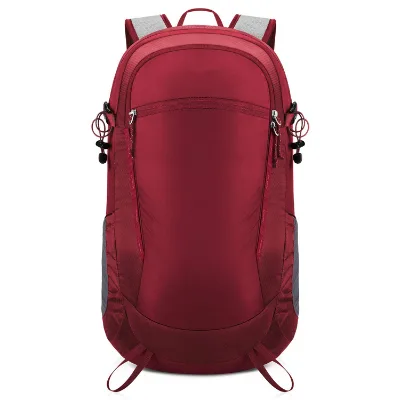
Red High Quality Waterproof Hiking Daypack Backpack for Camping
$10.2157 - $20.4404
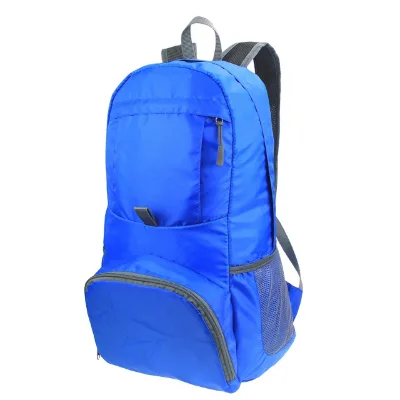

Xiamen Minghui Import and Export Co., Ltd.
- Verified by BV
- Manufacturer/Factory
- China Fujian
- Lead time30 days
- Avg. response≤ 12h
Main productsBag, Sport Bag, Duffel Bag, Travel Bag, School Bag, Backpack, Rucksack, Laptop Bag, Cosemtic Bag, Document Bag
Main marketsSouth America,Eastern Europe,Mid East,North America,Southeast Asia,Eastern Asia,Oceania,Western Europe,Africa
- Verified by TüVRheinland
- Trading Company
- Lead time25 days
- Avg. response≤ 4h
Main productsCanvas Bag, Backpack, Luggage Case, Handbag, Cooler Bag
Main marketsAfrica(33%), Domestic Market(21%), Southeast Asia(13%)
Hebei Maxman Luggage Manufacturing Co.,Ltd
- Verified by Intertek
- Manufacturer, Trading Company
- Lead time15 days
- Avg. response≤ 2h
Main productsTravel Bags
Main marketsMid East(40%), North America(20%), Western Europe(20%)
- Verified by SGS Group
- Manufacturer, Trading Company
- Lead time30 days
- Avg. response≤ 2h
Main productsDry Backpack, Cooler Bag, Hiking Backpack, Tactical Bag, Waterproof Duffel Bag
Main marketsWestern Europe(45%), North America(25%), Northern Europe(15%)

China Xinxing Shanghai Import and Export Co., Ltd.
- Verified by TUVRHEINLAND
- Trading Company
- China Shanghai
- Lead time15 days
- Avg. response≤ 6h
Main productsAnti-Riot Suit
Main marketsSouth America,Africa,Southeast Asia/ Mideast,Europe


Lightweight 90L Waterproof Backpack for Travel and Outdoor Activities
$70.00 - $72.00
MOQ: 1000 Pieces
Xiamen Beyond Creative Gifts Co., Ltd.
- Verified by Intertek
- Trading Company
- Lead time15 days
- Avg. response≤ 2h
Main productsPencil Case, School Bag
Main marketsNorth America(35%), Domestic Market(27%), Eastern Europe(10%)
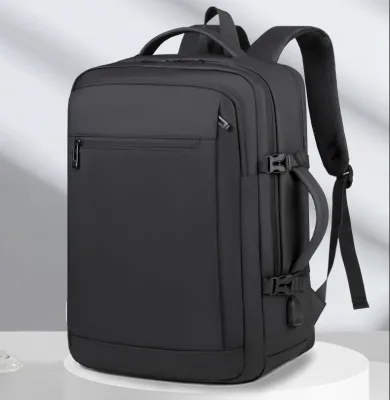
$9.2638 - $11.2065
MOQ: 500 pieces
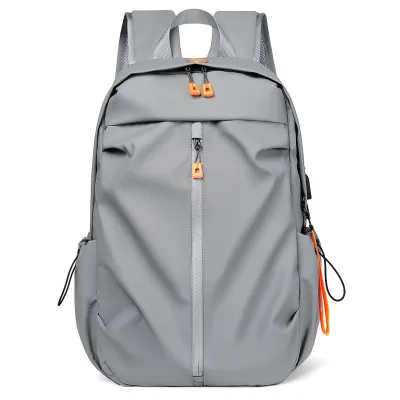
$4.70 - $4.93
MOQ: 5 Minimum
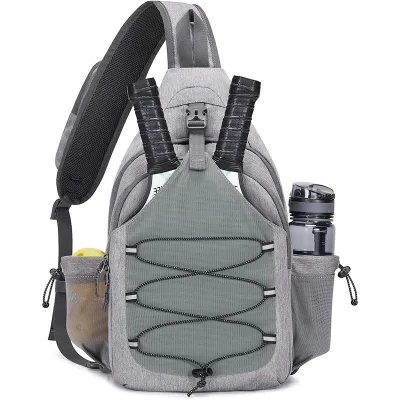
Backpack, Men's and Women's Backpack, Can Protect 2 Rackets, Convenient and Durable
$10.8573 - $13.1402
MOQ: 500 pieces






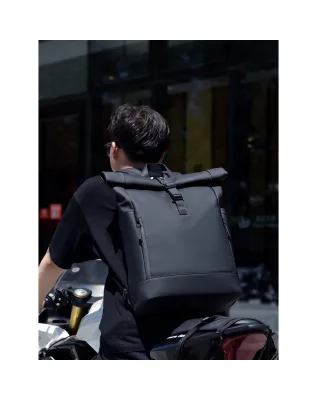
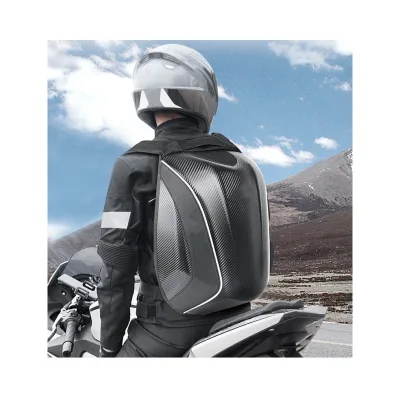
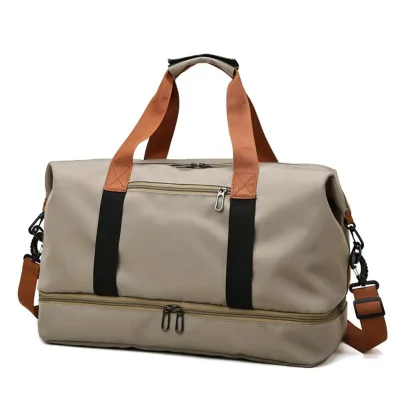


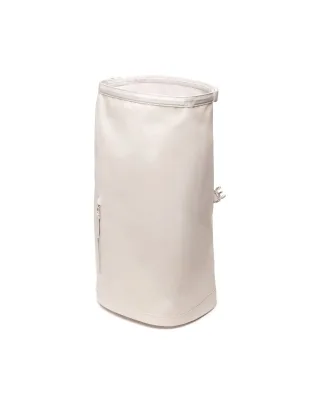
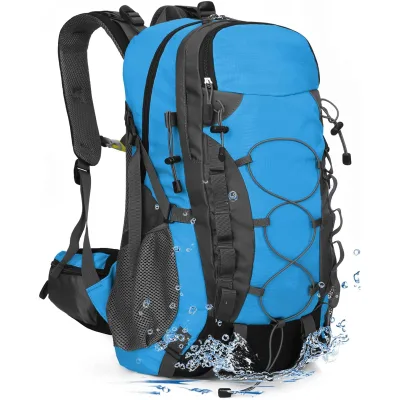
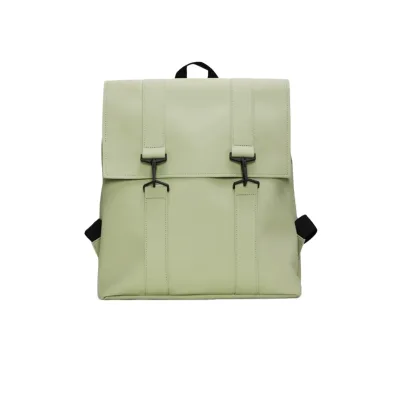
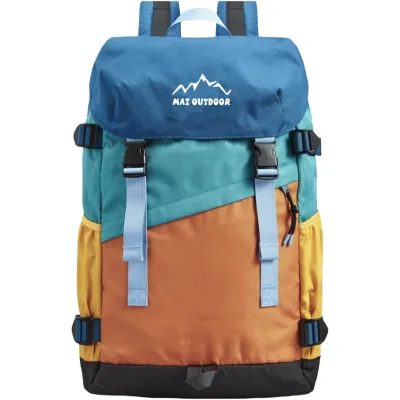
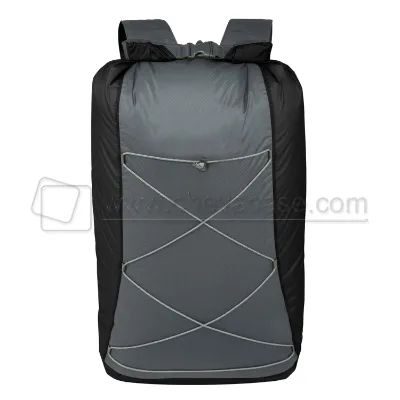




Comprehensive Sourcing Guide
Waterproof Roll Top Backpack Supplier Concentration and Factory Types
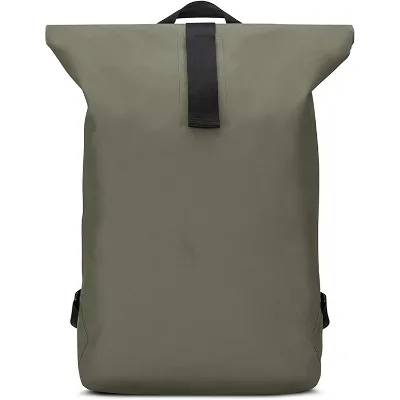
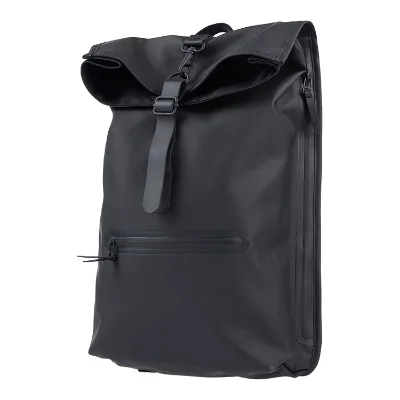
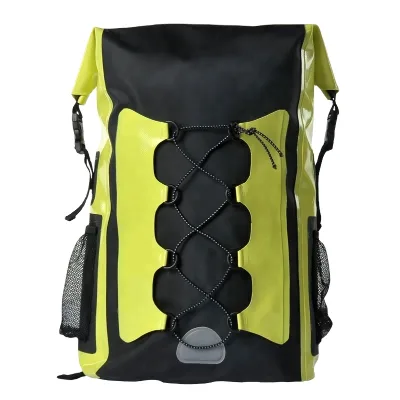
The current supplier landscape for waterproof roll top backpacks reveals a distinct concentration of manufacturing and trading entities within specific Chinese provinces, primarily Zhejiang and Fujian. These regions serve as critical hubs for the production of outdoor gear, luggage, and specialized travel accessories. Suppliers located in Zhejiang often specialize in a diverse array of products including blankets, tarpaulins, and survival kits, indicating a broad capability in textile and polymer processing. Meanwhile, suppliers in Fujian demonstrate a focus on bags, suitcases, and household products, suggesting a mature ecosystem for leather and synthetic material goods. This geographic clustering allows buyers to access a wide variety of product styles, from simple PVC dry bags to complex laptop backpacks with roll-top closures. The presence of both trading companies and manufacturers in these locations provides flexibility for buyers seeking either direct factory pricing or the logistical support of established trading firms. Understanding this distribution helps in targeting sourcing efforts toward regions with proven expertise in waterproof materials and bag construction.
Supplier types vary significantly, ranging from pure trading companies to integrated manufacturers with OEM and ODM capabilities. Some entities operate solely as trading companies, leveraging their network to source products from various factories, while others maintain their own production facilities. This distinction is crucial for buyers evaluating cost structures and quality control processes. Manufacturers often offer greater customization options, such as private labeling and specific material selections, whereas trading companies may provide faster access to a broader catalog of existing designs. The verification status of these suppliers also varies, with some holding certifications from recognized bodies like TÜV Rheinland or Bureau Veritas. These verifications provide an additional layer of confidence regarding the supplier’s operational standards and compliance with international trade requirements. Buyers should carefully assess whether a supplier’s business model aligns with their specific needs for customization, volume, and quality assurance.
How to Verify Waterproof Roll Top Backpack Suppliers
Verifying the authenticity and reliability of suppliers requires a multi-faceted approach that goes beyond simple profile reviews. Buyers should prioritize suppliers who have undergone third-party verification processes, such as those conducted by TÜV Rheinland or Bureau Veritas. These verifications often include on-site inspections of manufacturing facilities, assessment of production capabilities, and review of quality management systems. For instance, some suppliers in the current results hold BSCI and ISO 9001 certifications, which indicate adherence to specific social compliance and quality management standards. These certifications are particularly important for buyers who need to ensure their supply chain meets ethical and quality benchmarks. Additionally, checking the supplier’s response time can provide insights into their operational efficiency and customer service commitment. A faster response time, such as under five hours, often correlates with a more responsive and organized procurement process.
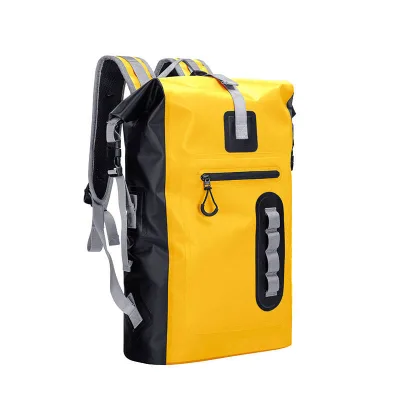
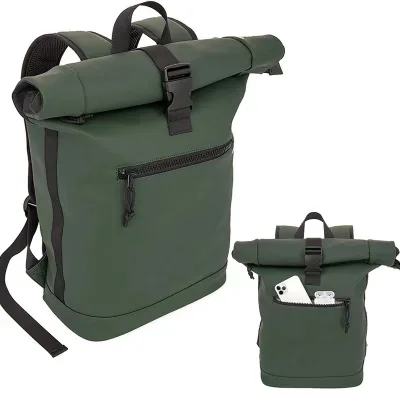
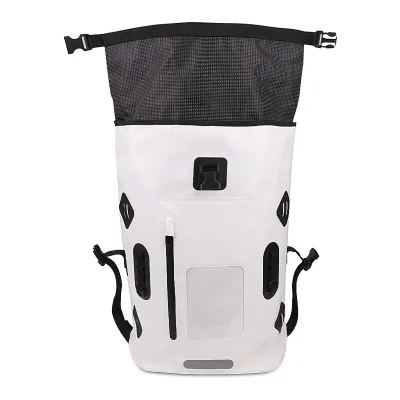
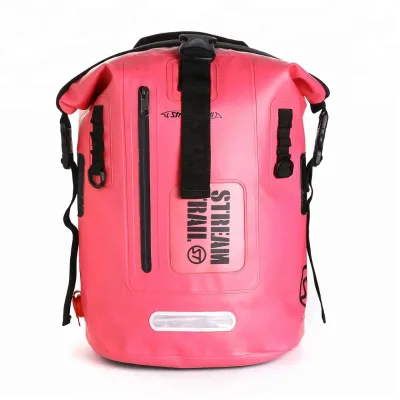
Beyond certifications and response metrics, buyers should examine the specific product evidence provided by suppliers. Detailed product attributes, such as material composition, waterproof levels, and closure types, offer tangible proof of the supplier’s expertise. For example, some suppliers specify the use of PVC materials with medium-soft hardness and polyester linings, which are critical for durability and comfort. Others highlight features like roll-close mechanisms and waterproof zippers, which are essential for the functionality of dry backpacks. Buyers should also look for consistency in product descriptions and specifications across different listings. Inconsistencies may indicate a lack of direct control over product details or a reliance on generic templates. Furthermore, verifying the supplier’s main products can help determine if they are a specialized manufacturer or a generalist trader. Specialized suppliers often have deeper expertise in specific product categories, leading to better quality and innovation.
What to Compare Across Waterproof Roll Top Backpack Suppliers
When evaluating multiple suppliers, buyers must compare key operational metrics to determine the best fit for their business needs. Lead times are a critical factor, with some suppliers offering production cycles of thirty days, while others may require up to forty-five days. This variation can significantly impact inventory planning and market responsiveness. Buyers should also consider the minimum order quantities (MOQ) required by each supplier. Some suppliers may have MOQs as low as five hundred units, making them suitable for smaller orders or testing new markets, while others may require one thousand units or more. These differences can influence pricing structures and cash flow management. Additionally, comparing response times can help identify suppliers who are more likely to provide timely support during the procurement process. Faster response times often indicate a more agile and customer-centric approach.
Price ranges and customization options are another vital area of comparison. Suppliers may offer products with price points ranging from four dollars to twenty dollars per unit, depending on materials, features, and order volume. Buyers should assess whether the price includes customization services, such as logo printing or specific color choices. Some suppliers explicitly state that customization is available, while others may have limited options. The type of closure, such as roll-top or zipper, and the material used, such as PVC or polyester, also affect the final price. Buyers should request detailed quotations that break down costs for materials, labor, and customization. Comparing these details across suppliers can help identify the best value proposition. Additionally, considering the supplier’s main products can provide insights into their core competencies. Suppliers with a broad range of related products may offer better bundling opportunities or complementary items.
Common Waterproof Roll Top Backpack Sourcing Risks
Sourcing waterproof roll top backpacks from international suppliers involves several potential risks that buyers must mitigate. One significant risk is the variability in product quality, particularly regarding waterproof performance. While some suppliers specify "waterproof" attributes, the actual performance can vary based on material thickness, seam sealing, and zipper quality. Buyers should request samples to test the waterproof level, such as light waterproof versus fully waterproof, before placing large orders. Another risk is the discrepancy between product descriptions and actual delivered goods. This can occur if suppliers rely on generic templates or if there is a miscommunication regarding specifications. To mitigate this, buyers should provide detailed technical specifications and require suppliers to confirm compliance before production begins. Regular communication and clear documentation are essential to ensure alignment on product requirements.
Supply chain disruptions and logistical challenges are also common risks in international sourcing. Lead times can be affected by raw material shortages, production bottlenecks, or shipping delays. Buyers should plan for potential delays by ordering earlier than necessary and maintaining buffer stock. Additionally, verifying the supplier’s production capacity and reliability is crucial to avoid delays. Some suppliers may have limited capacity or rely on subcontractors, which can introduce variability. Buyers should assess the supplier’s ability to handle peak demand and their track record for on-time delivery. Furthermore, cultural and language barriers can lead to misunderstandings regarding product details or contract terms. Using clear, concise language and confirming understanding through written summaries can help minimize these risks. Engaging with suppliers who have strong communication skills and responsive support teams can also reduce the likelihood of errors.
Waterproof Roll Top Backpack Regional Sourcing and Logistics
The geographic location of suppliers plays a significant role in logistics planning and cost management. Suppliers located in Zhejiang and Fujian, China, offer distinct advantages in terms of proximity to major ports and established supply chains. Zhejiang, in particular, is known for its robust manufacturing infrastructure and access to international shipping routes. This location can facilitate faster transit times to global markets, reducing overall lead times for buyers. Additionally, the concentration of suppliers in these regions often leads to competitive pricing due to economies of scale and efficient logistics networks. Buyers should consider the shipping costs and transit times associated with each supplier’s location when evaluating total landed costs. Understanding the logistical advantages of specific regions can help in making informed sourcing decisions.
Logistics planning also involves considering the packaging and handling requirements of the products. Some suppliers use polybag packaging, while others may use cartons for better protection during transit. The choice of packaging can impact shipping costs and product safety. Buyers should ensure that the packaging meets their storage and distribution needs. Additionally, coordinating with freight forwarders to optimize shipping routes and consolidate shipments can help reduce costs. For buyers sourcing from multiple suppliers, consolidating shipments from the same region can further enhance logistical efficiency. Understanding the specific logistical capabilities of each supplier, such as their experience with international shipping and documentation, is crucial for smooth operations. Buyers should also consider the impact of seasonal variations on shipping availability and costs, planning accordingly to avoid peak season surcharges.
Waterproof Roll Top Backpack Commercial Terms and Order Planning
Commercial terms and order planning are essential components of a successful sourcing strategy. Buyers should negotiate clear payment terms, such as using escrow services to protect their funds until the goods are received and verified. Escrow services provide a secure transaction mechanism, reducing the risk of fraud or non-delivery. Additionally, buyers should establish clear delivery terms, such as Incoterms, to define responsibilities for shipping, insurance, and customs clearance. Understanding these terms helps in managing costs and risks associated with international trade. Buyers should also consider the supplier’s flexibility in handling order modifications or cancellations, as market demands can change rapidly. Clear communication regarding commercial terms from the outset can prevent disputes and ensure a smooth transaction process.
Order planning involves forecasting demand and aligning it with supplier capabilities. Buyers should analyze historical sales data and market trends to estimate future demand for waterproof roll top backpacks. This analysis helps in determining the appropriate order quantities and timing. Buyers should also consider the supplier’s lead times and production capacity when planning orders. For example, if a supplier has a lead time of thirty days, buyers should place orders well in advance to ensure timely delivery. Additionally, buyers should plan for potential variations in demand by maintaining a flexible order schedule. Regularly reviewing and adjusting order plans based on market feedback and supplier performance can help optimize inventory levels and reduce costs. By integrating commercial terms and order planning into their sourcing strategy, buyers can enhance efficiency and profitability in their procurement operations.
FAQs
What is the price range for waterproof roll top backpacks?
Prices typically range from $4.20 to $20.00 per unit depending on material and customization. PVC models often fall between $5.00 and $15.00, while laptop-compatible versions may cost $4.20 to $6.50. Buyers should verify specific quotes based on order volume and feature requirements.
What is the minimum order quantity for these backpacks?
Minimum order quantities vary by supplier, generally starting at 500 units for standard PVC dry bags. Some manufacturers require 1000 units for laptop-compatible or custom-branded options. Buyers must confirm the exact MOQ with each supplier before placing orders to ensure alignment with production capabilities.
How long does production take for these items?
Lead times typically range from 30 to 45 days after order confirmation. Suppliers in Zhejiang often offer faster turnaround times around 30 days, while those in Fujian may require up to 45 days. Buyers should confirm specific schedules during negotiation to plan inventory effectively.
Are these backpacks customizable for branding?
Yes, customization is widely available across most suppliers. Options include custom logos, mixed colors, and specific capacity adjustments ranging from 10L to 50L. Buyers can request OEM or ODM services, particularly from manufacturers offering both trading and factory capabilities for tailored branding solutions.
What materials are used for waterproof roll top backpacks?
Most backpacks are constructed from PVC material with polyester linings for durability. Some models feature medium-soft hardness and horizontal square shapes. The roll-top closure ensures waterproof integrity, making them suitable for outdoor activities, camping, and sports where moisture protection is essential for gear safety.
Which suppliers offer verified certifications for these products?
Suppliers in Fujian often hold BSCI and ISO 9001 certifications, verified by BV. Zhejiang-based trading companies may display TÜV Rheinland verification. Buyers should request current certification documents to ensure compliance with international standards and ethical manufacturing practices before finalizing any supply agreements.