Kayak Deck Insulated Cooler Bag Suppliers and Manufacturers
Compare 30 verified suppliers for kayak deck insulated cooler bags based on location, lead times, MOQ, response times, and certifications. Review product specs like material and insulation features, then request samples to verify quality before placing orders; review the available evidence before requesting comparable quotations from suitable candidates.
Updated
Suppliers List
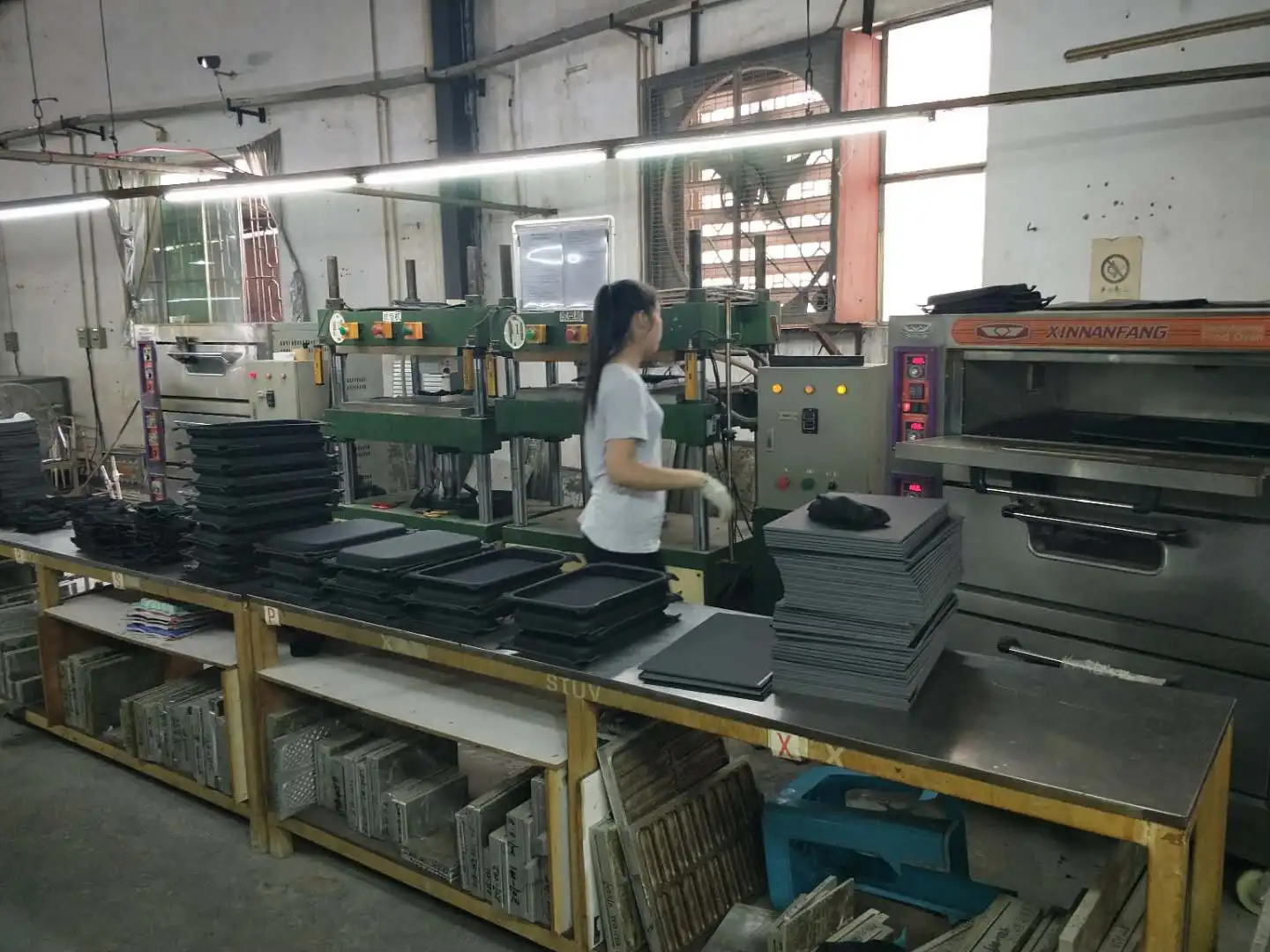
Shenzhen Xinda Package Technology Co., Ltd.
- Manufacturer
- Guangdong, China
- Lead time30 days
- Avg. response≤ 5h
Main productsClear Top Canvas Bag,Tailgate Bag,Car Detailing Tool Bag,Lineman Tool Apron,Hard EVA Case
Main marketsNorth America(40.00%), Oceania(20.00%), Northern Europe(20.00%), Mid East(10.00%), Africa(5.00%), Eastern Asia(5.00%)
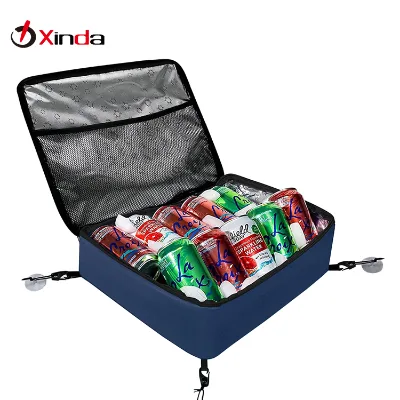
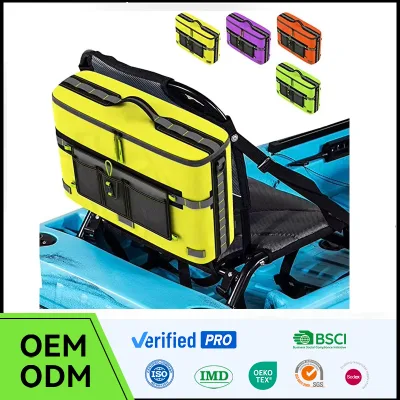
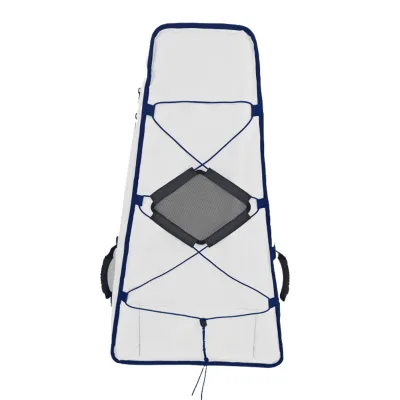
Thermal Insulated Paddleboard Beverage Storage Bag Kayak Deck Cooler Bag
$5.44 - $9.00
MOQ: 1000 pieces

- Verified by CTI
- Manufacturer/Factory
- China Fujian
- Lead time23 days
- Avg. response≤ 6h
Main productsTrolley Luggage, Travel Bags, School Bag, Cooler Bag, Special Backpack, Delivery Bag, Picnic Bag, Hunting Bag, Duffel Bag, Rolling Bag
Main marketsMid East,North America,Southeast Asia,Western Europe


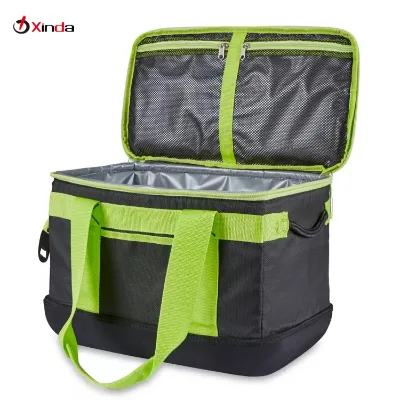
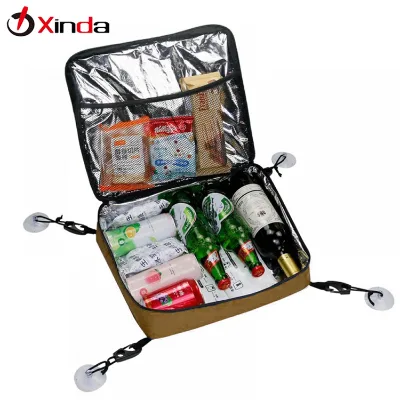
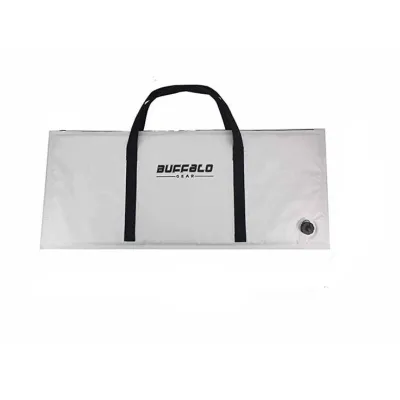
Leakproof Fish Cooler Bag Fish Food Beverages for Fishing Camping Kayak
$17.99 - $20.88
MOQ: 500 Pieces


Soft Beverage Wine Cooler Bag Eco-Friendly Insulated Cooler Bag for Camping Beach
$3.99 - $6.88
MOQ: 500 Pieces

Lunch Bag New Design Insulated Fishing Cooler Backpack for Hiking, Camping, Beach
$8.99 - $10.99
MOQ: 500 Pieces
Shenzhen Bi Bei Maternal & Infant Co., Ltd.
- Verified by SGS Group
- Manufacturer, Trading Company
- Lead time30 days
- Avg. response≤ 2h
Main productsDiaper Bag, Stroller Organizer, Changing Pad, Tool Bags, Cooler Bag
Main marketsDomestic Market(37%), North America(18%), Western Europe(10%)
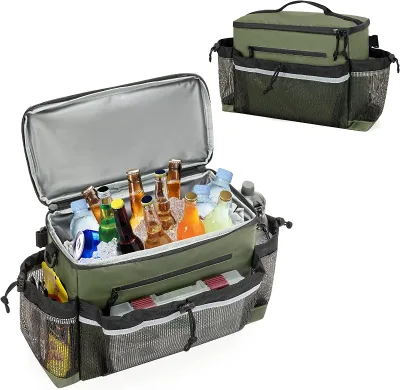
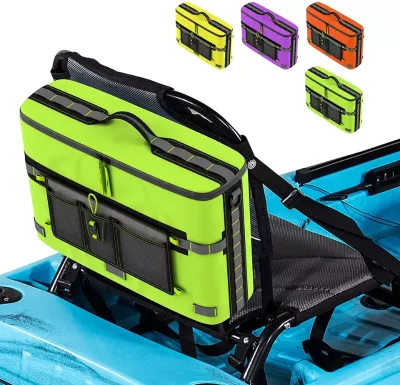
Custom Portable Ice Chest Cooler Waterproof Tarpaulin Insulated Kayak Seat Back Cooler Bag
$6.88 - $7.99
MOQ: 500 pieces
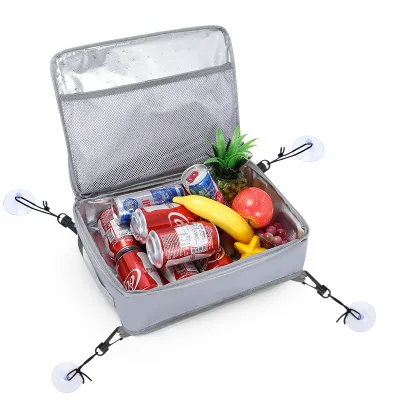
Custom SUP Deck Cooler Bag Deck Storage Bag Portable Suction Cup Zipper Paddle Board Cooler Bag
$3.60 - $4.67
MOQ: 500 pieces
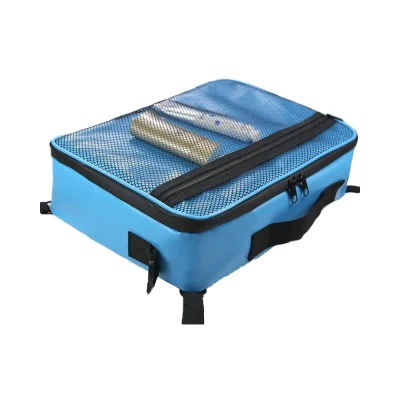
$3.5916 - $4.8253
MOQ: 500 pieces
Shenzhen Babai Leather Co., Ltd.
- Verified by SGS Group
- Manufacturer, Trading Company
- Lead time30 days
- Avg. response≤ 2h
Main productsCooler Bag, Sports Bag, Travel Bag, Pet Bag, Diaper Backpacks
Main marketsNorth America(40%), Western Europe(20%), Oceania(11%)
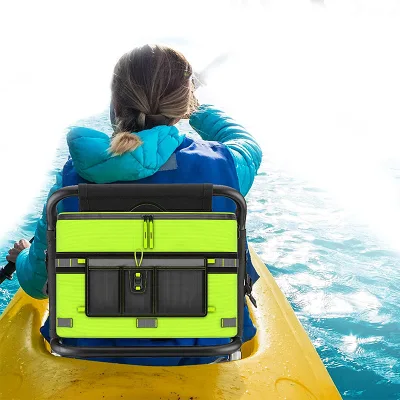
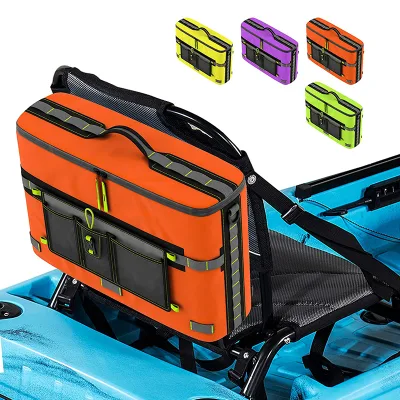
The Ultimate Slim Seat-back Kayak Cooler Bag Waterproof Kayak Cooler Bag for Kayaking Compatible
$8.937 - $10.0388
MOQ: 500 pieces
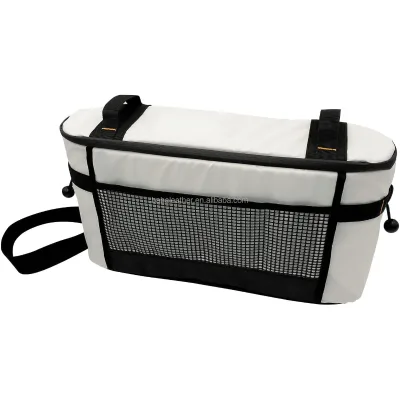
$10.02 - $12.65
MOQ: 500 pieces
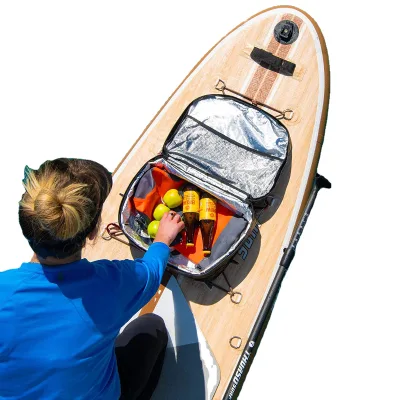
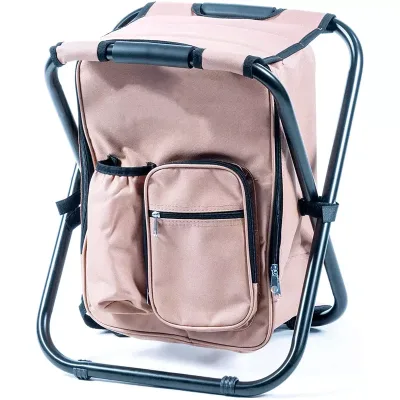
OEM ODM High Quality Foldable Hiking Camping Fishing Cooler Bag With Chair
$9.70 - $10.58
MOQ: 500 pieces

Shenzhen Lebon Handbags Luggage Co., Ltd
- Verified by SGS
- Combined
- China Guangdong
- Lead time30 days
- Avg. response≤ 3h
Main marketsNorth America

Custom 15L Insulated Kayak Cooler Bag for Fishing and Paddle Board Trips
$8.00 - $10.00
MOQ: 200 Pieces

Quanzhou Le City Outdoor Equipment Co., Ltd.
- Verified by SGS Group
- Manufacturer, Trading Company
- Lead time45 days
- Avg. response≤ 5h
Main productsWaterproof Backpacks, Waterproof Duffel Bags, Cooler Bags, Fishing Bags, Cycling Bags
Main marketsNorth America(50%), Western Europe(20%), Oceania(10%)
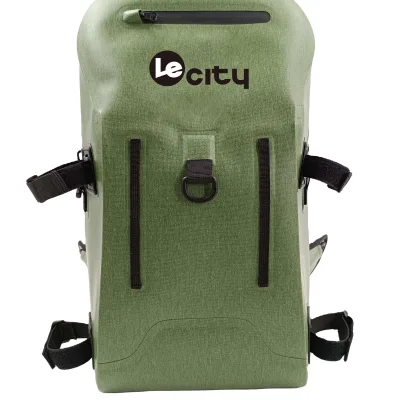
PVC Fish Bag Waterproof Insulated Tarpaulin Large Fishing Bag Kayak Fishing Cooler Bag
$21.28 - $23.50
MOQ: 500
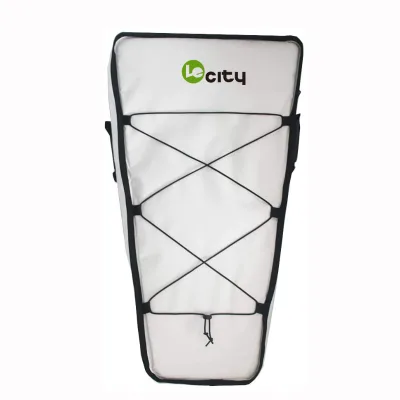
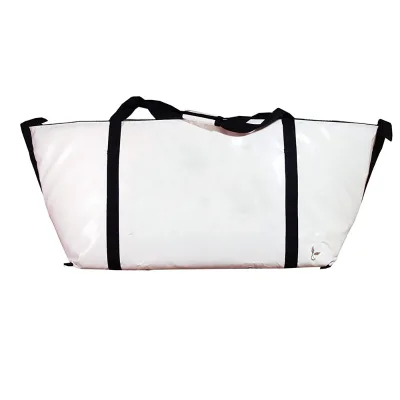
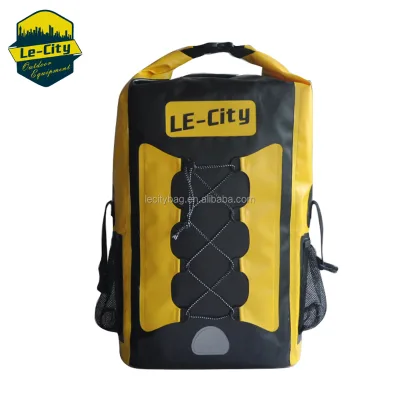
New Design Kayaking Hiking and Camping Dry Backpack PVC Waterproof Cooler Bag
$23.00 - $100.00
MOQ: 600

Ouyi Technology (Quanzhou) Co., Ltd
- Verified by TUVRHEINLAND
- Trading Company,Manufacturer/Factory
- China Fujian
- Lead time45 days
- Avg. response≤ 2h
Main productsWaterproof Bag, Bicycle Bag, School Bag, Disc Golf Bag, Sport Bag, Gym Bag, Team Bag, Grill Cover
Main marketsSouth America,Eastern Europe,Mid East,North America,Southeast Asia,Eastern Asia,Oceania,Western Europe,Africa

Custom Fishing Cooler Bag Water-Resistant Insulated Bag Kayak Accessories for Outdoor Sports
$15.98 - $19.60
MOQ: 100 Pieces

Custom Water-Resistant Insulated Deck Bag Drink Cooler Bag for Kayaking Paddling
$5.85 - $6.48
MOQ: 100 Pieces


$19.98 - $28.60
MOQ: 100 Pieces

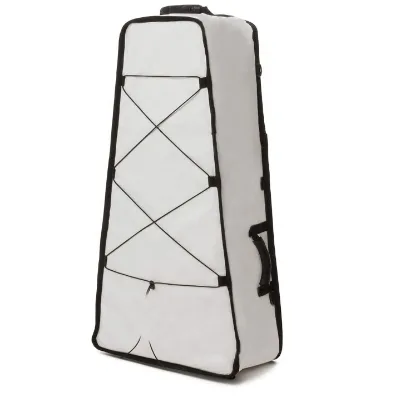
Customized Flat Bottom Insulated Fishing Kill Cooler Bag for Offshore Boat Kayak Ice Fly Fishing
$46.30 - $52.40
MOQ: 100 Pieces

$12.20 - $15.40
MOQ: 100 Pieces
NINGBO JOYSON OUTDOOR TECHNOLOGY CO., LTD.
- Manufacturer
- Zhejiang, China
- Lead time30 days
- Avg. response≤ 10h
Main productsfish cooler,dry bag,cooler bag,swim bouy,aqua bag
Main marketsNorth America(80.00%), Eastern Asia(10.00%), Eastern Europe(10.00%)
Shenzhen Yu Chuang Wei Industrial Co., Ltd.
- Verified by TüVRheinland
- Manufacturer, Trading Company
- Lead time30 days
- Avg. response≤ 1h
Main productsCosmetic Bag, Cooler Bag, Diaper Backpack, Travel Bag, Storage Bag
Main marketsDomestic Market(37%), North America(20%), Western Europe(15%)
QUANZHOU EVERSUCCESSBAGS CO., LTD
- Manufacturer, Trading Company
- Fujian, China
- Lead time0 days
- Avg. response≤ 7h
Main productsWaterproof Bag, Cooler Bag, Bicycle Bag, Fishing Bag
Main marketsNorth America(40.00%), Western Europe(40.00%), Oceania(10.00%), Northern Europe(10.00%)
Quanzhou Exquisite Bags Co., Ltd.
- Verified by SGS Group
- Trading Company
- Lead time45 days
- Avg. response≤ 2h
Main productsBackpack, Cooler Bag, Sport Bag, Pet Bag, Diaper Bag
Main marketsNorth America(60%), Western Europe(18%), Africa(10%)
Xiamen Herisen Commercial Co., Ltd.
- Verified by Intertek
- Manufacturer, Trading Company
- Lead time45 days
- Avg. response≤ 1h
Main productsDelivery bag, Outdoor bag, Cooler bag
Main marketsNorth America(48%), Western Europe(37%), Northern Europe(15%)
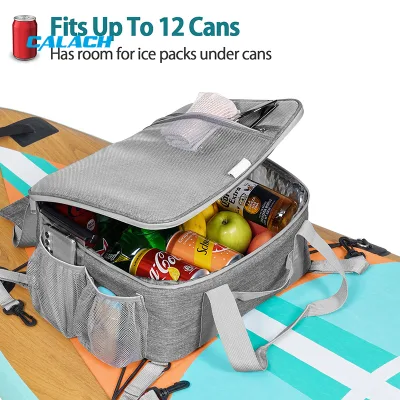
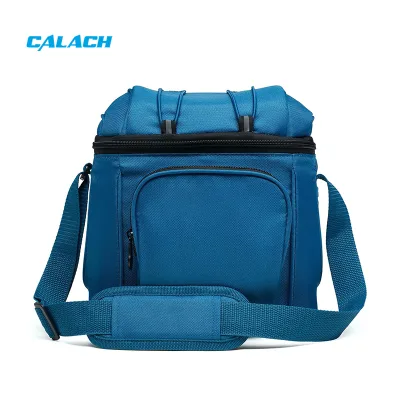
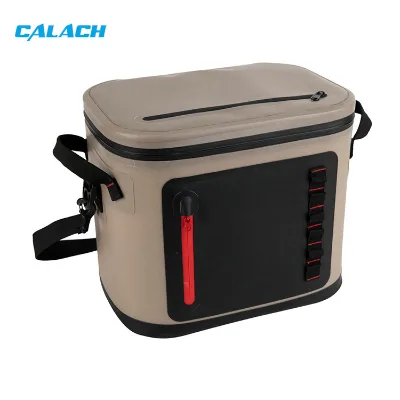
$4.80 - $6.80
MOQ: 300 pieces

QUANZHOU DANKIN IMP AND EXP CO., LTD.
- Manufacturer/Factory
- China Fujian
- Lead time45 days
- Avg. response≤ 3h
Main productsBackpack, Cooler Bag, Tool Bag, Laptop Bag, Gun Bag, Travel Bag, Hiking Bag, Tennis Bag, Running Bag, Diaper Bag
Main marketsSouth America,Eastern Europe,Mid East,North America,Southeast Asia,Eastern Asia,Oceania,Western Europe,Africa


Waterproof 45L Insulated Cooler Backpack Lunch Backpack Leakproof Double Deck Cooler Bag
$8.00 - $12.00
MOQ: 500 Pieces


Acoolda Bags Technology Co., Limited
- Verified by SGS
- Combined
- China Guangdong
- Lead time30 days
- Avg. response≤ 3h
Main productsFood Delivery Bag, Delivery Bag, Cooler Bag, Water Bottle, Delivery Cloth, Helmet
Main marketsSoutheast Asia/ Mideast,Europe,North America

OEM Large Capacity Fishing Insulated Kayak Fish Bag Cooler Bag with Easy Grip Handles
$9.50 - $10.00
MOQ: 300 Pieces

Promotional Waterproof Reusable Insulated Cooler Bags Picnic Ice Cooler Bag
$24.00 - $25.00
MOQ: 300 Pieces


Waterproof Travel Cooler Bag with Insulation for Fishing and Outdoor Adventures
$24.00 - $25.00
MOQ: 300 Pieces
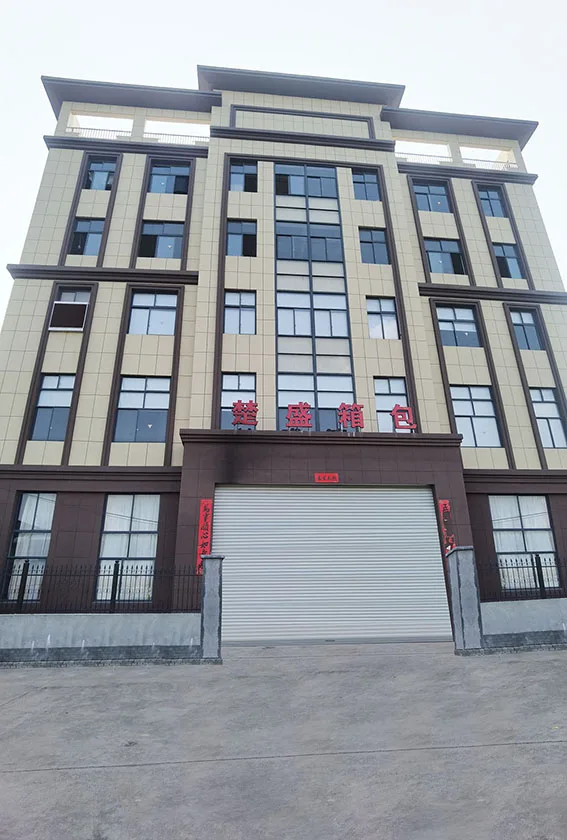
Zhejiang Chusheng Luggage Co., Ltd.
- Manufacturer, Trading Company
- Zhejiang, China
- Lead time30 days
- Avg. response≤ 1h
Main productsOrganizer bag,Backpack,Shopping Bag,Cosmetic Bag,Travel bag
Main marketsNorth America(20.00%), Central America(15.00%), Eastern Europe(15.00%), Western Europe(15.00%), Domestic Market(10.00%), Southeast Asia(5.00%), South America(5.00%), Southern Europe(5.00%), Northern Europe(5.00%), Mid East(2.00%), Oceania(2.00%), Africa(1.00%)
- Manufacturer
- Zhejiang, China
- Lead time30 days
- Avg. response≤ 2h
Main productsWatersports product,Marine product,Aquaculture product,entertainment product
Main marketsNorth America(30.00%), Domestic Market(10.00%), Southern Europe(10.00%), Northern Europe(10.00%), Southeast Asia(5.00%), South Asia(5.00%), Eastern Europe(5.00%), South America(5.00%), Western Europe(5.00%), Eastern Asia(5.00%), Mid East(5.00%), Oceania(5.00%)
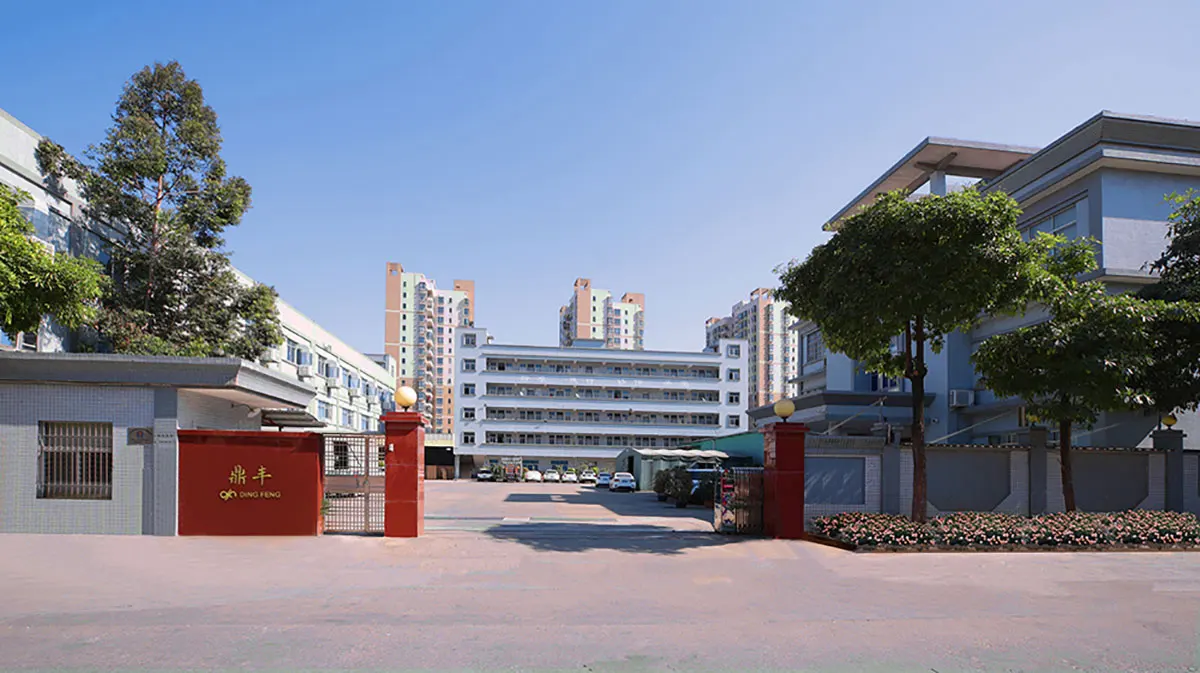
Dingfeng General Merchandise Co., Ltd.
- Trading Company
- Guangdong, China
- Lead time30 days
- Avg. response≤ 3h
Main productsTool Bags,Storage Bags,Carrying Cases,EVA Cases,4WD Bags
Main marketsNorth America(90.00%), Oceania(80.00%), Western Europe(50.00%), Central America(40.00%), Southern Europe(10.00%), Northern Europe(10.00%), Eastern Europe(10.00%), Domestic Market(1.00%), South Asia(1.00%), Mid East(1.00%), South America(1.00%), Southeast Asia(1.00%), Africa(1.00%), Eastern Asia(1.00%)

- Verified by BV
- Trading Company
- China Zhejiang
- Lead time30 days
- Avg. response≤ 7h
Main productsOEM/ODM Hard Plastic Tool Cases, OEM/ODM Aluminum Cases, OEM/ODM Bags
Main marketsSouth America,Southeast Asia/ Mideast,Europe,North America

25L Sup Kayak Deck Cooler Bag Fit 30 Cans with Waterproof Phone Pouch Cooler Bag
$9.50 - $11.50
MOQ: 300 Pieces

Good Quality 25L Sup Kayak Deck Cooler Bag Fit 30 Cans with Waterproof Phone Pouch Cooler Bag
$9.50 - $11.50
MOQ: 300 Pieces


Quanzhou Xiangshun Bags Co., Ltd
- Verified by CTI
- Trading Company,Manufacturer/Factory
- China Fujian
- Lead time60 days
- Avg. response≤ 7h
Main productsDisc Golf Bag, Bicycle Bag, Garment Bag, Sport Bag, Gym Bag, Team Bag, Waterproof Bag, Grill Cover
Main marketsMid East,North America

Waterproof Shell 24 Cans Paddle Board Cooler Bag, Sup Deck, Kayak Cooler Bag Accessories
$13.90 - $14.60
MOQ: 500 Pieces

$24.90 - $25.60
MOQ: 500 Pieces

Paddle Board Cooler Bag for Paddleboarding, Kayaking, Functional for Outdoor Water Adventures
$12.70 - $13.20
MOQ: 500 Pieces

Waterproof Cooler Backpack, 40 Can Insulated Soft Cooler Bag for Beach, Picnic, Lunch and Camping
$18.30 - $18.90
MOQ: 500 Pieces

35L Insulated Cooler Backpack Portable Waterproof Dry Bag for Hiking, Picnic, Camping, Fishing
$14.00 - $14.50
MOQ: 500 Pieces

Zhejiang Benfan Machinery Co., Ltd.
- Verified by SGS
- Combined
- China Zhejiang
- Lead time30 days
- Avg. response≤ 6h
Main productsRotomolding Machine, Molds, Rotomolded Cooler Box, Rotomolded Kayak
Main marketsSouth America,Africa,Southeast Asia/ Mideast,East Asia(Japan/ South Korea),Domestic


Portable Backpack Cooler Bag Waterproof Cooler Beach Bag TPU Outdoor Camping
$52.53 - $53.32
MOQ: 200 Pieces

PIN INTERNATIONAL (NINGBO) LTD.
- Verified by TUVRHEINLAND
- Manufacturer/Factory
- China Zhejiang
- Lead time90 days
- Avg. response≤ 2h
Main productsWooden Toys Kids Toys Educational Toys, Arts and Crafts, Stem Toys, DIY Products, Subscription Box for Kids
Main marketsSouth America,Eastern Europe,North America,Eastern Asia,Western Europe
Ningbo Dongkuo Outdoor Product Co., Ltd.
- Verified by Intertek
- Manufacturer, Trading Company
- Lead time30 days
- Avg. response≤ 2h
Main productsCooler Bag, Dry Bag, Waterproof Backpack, Cooler Box, Swimming Buoy
Main marketsNorth America(40%), Western Europe(30%), Mid East(10%)

- Manufacturer/Factory
- China Fujian
- Lead time30 days
- Avg. response≤ 22h
Main productsBag, Polyester Bag, Promotion Gift, School Bag, Outdoor Backpack, Backpack, Rucksack, Laptop Bag, Yoga Bag, Sport Bag
Main marketsSouth America,Eastern Europe,Mid East,North America,Southeast Asia,Eastern Asia,Oceania,Western Europe,Africa


Soft Lightweight Thermal Picnic Travel Outdoor Cooler Bag for Outdoor Camping Hiking
$4.00 - $7.00
MOQ: 500 Pieces

- Verified by SGS
- Trading Company
- China Zhejiang
- Lead time15 days
- Avg. response≤ 13h
Main productsTents, BBQ Grill, Folding Table and Chair, Cooler Bag, Outdoor Lamp, Beach Mat, Picnic Blanket, Sleeping Bag, Water Bottle, Hammock
Main marketsEurope,Australia

New Design Double Deck Large Portable Storage Basket Picnic Insulated Cooler Bag
$2.72 - $2.76
MOQ: 500 Pieces

New Design Foldable Outdoor Sturdy Storage Camping Basket Picnic Insulated Cooler Bag
$4.90 - $5.00
MOQ: 200 Pieces
Shenzhen Sanhu Industrial Co.,ltd.
- Verified by Intertek
- Manufacturer, Trading Company
- Lead time7 days
- Avg. response≤ 3h
Main productsWaterproof Phone Bags, Dry Bags, Waterproof Crossbody Bags, Waterproof Backpacks
Main marketsNorth America(32%), Eastern Asia(25%), Domestic Market(14%)
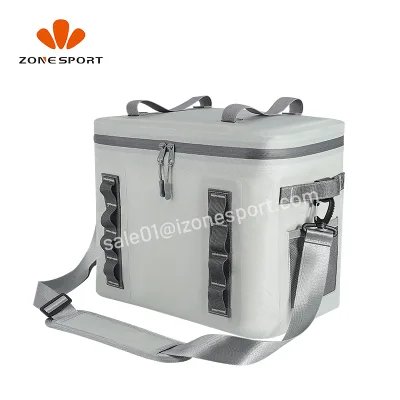
$22.00 - $25.00
MOQ: 100 pieces
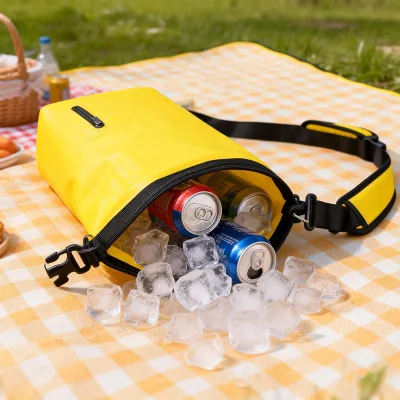
Bespoke Durable Cooler Waterproof Bag Camping PVC Insulated Dry Bag for Drinks Wine
$5.49 - $5.88
MOQ: 300
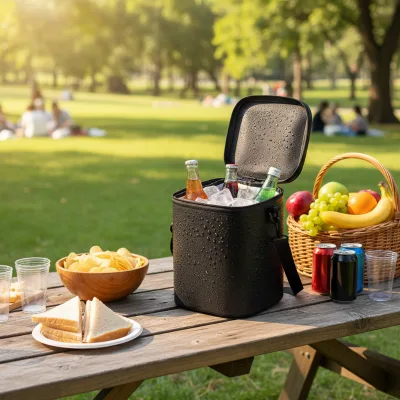

- Verified by CTI
- Manufacturer/Factory
- China Fujian
- Lead time45 days
- Avg. response≤ 8h
Main productsBackpack, Duffle Bag, Cooler Bag, Medical Bag, Canvas Bag, Pet Carrier, Tote Bag, Tool Bag, Makeup Bag, Drawstring Bag
Main marketsSouth America,Eastern Europe,Mid East,North America,Southeast Asia,Eastern Asia,Oceania,Western Europe,Africa

Quanzhou Song Hu Bags Co., Ltd.
- Verified by BV
- Combined
- China Fujian
- Lead time30 days
- Avg. response≤ 2h
Main productsTravel Bag, Backpacks, School Bag, Cooler Bag, Bike Bags, Laptop Documents Briefcase, Documents Bag, Sports Bag, Hydration Bag, Mountain Backpacks
Main marketsDomestic
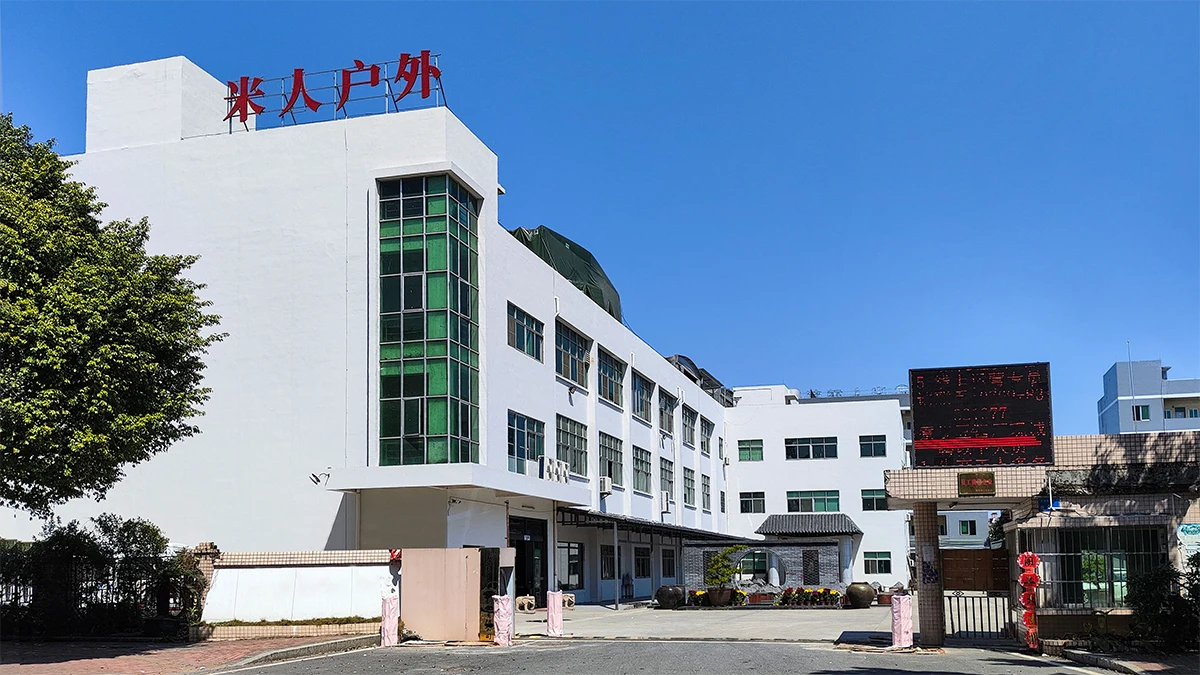
Dongguan Miren Outdoor Products Co., Ltd.
- Manufacturer, Trading Company
- Guangdong, China
- Lead time15 days
- Avg. response≤ 4h
Main productsSoft Cooler,Cooler Backpack,Waterproof Bag,Waterproof Backpack,Cycling Bag
Main marketsNorth America(60.00%), Eastern Europe(10.00%), Eastern Asia(10.00%), Domestic Market(5.00%), Western Europe(5.00%), South America(5.00%), Mid East(5.00%)
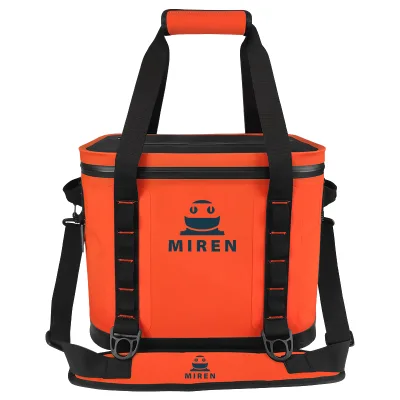
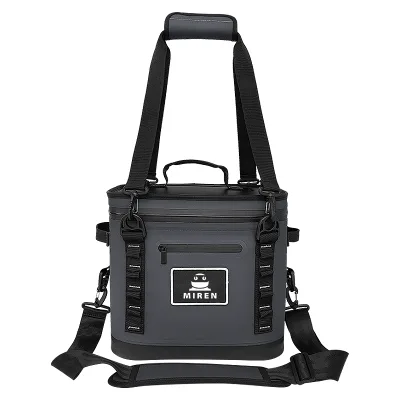
Ex factory price camping Cooler Bag,fishing Cooler Bag,travel Cooler Bag ,portable Cooler Box
$37.00 - $40.00
MOQ: 100 pieces
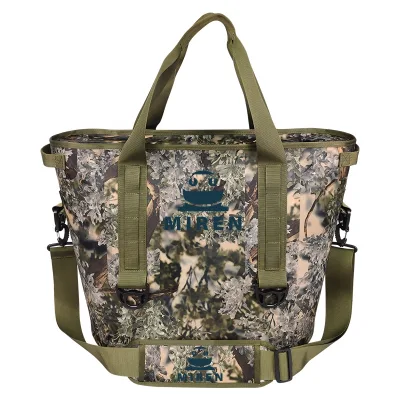
Customization Camouflage Outdoor Beach Fishing Soft Cooler Bag, thermal lined cooler backpack
$43.7078 - $49.9677
MOQ: 100 pieces
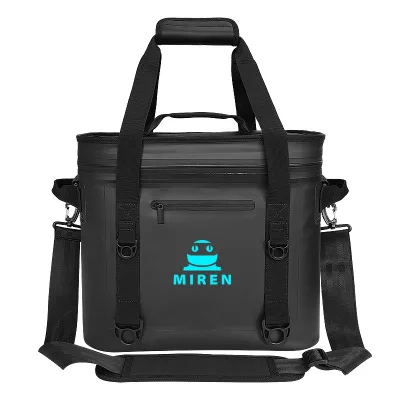
$37.8617 - $43.3136
MOQ: 100 pieces
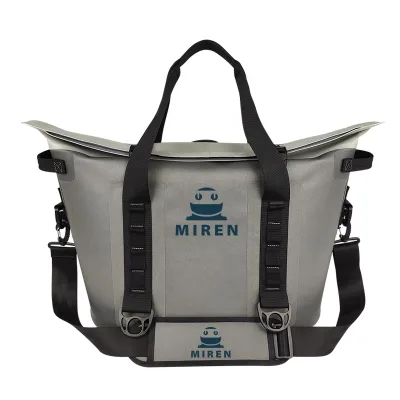

Xiamen Chuanghuasheng Imp.& Exp.Co., Ltd.
- Verified by BV
- Manufacturer/Factory
- China Fujian
- Lead time15 days
- Avg. response≤ 9h
Main productsBackpack, School Bag, Cooler Bag, Duffle Bag, Sporting Bag, Laptop Bag, Mommy Bag, Hydration Backpack, Cosmetic Bag, Promotion Bag
Main marketsSouth America,Eastern Europe,Mid East,North America,Southeast Asia,Eastern Asia,Oceania,Western Europe,Africa

Multifunction Fishing Foldable Chair Cooler Bag Camping Beach Insulated Bag
$4.90 - $7.50
MOQ: 1000 Pieces

Reusable Thermal Lunch Bag Waterproof Picnic Insulated Cooler Bag for Beach
$3.50 - $4.40
MOQ: 1000 Pieces

Waterproof Cooler Bag Outdoor Foldable Insulated Bag Fishing Chair Backpack Camo
$5.90 - $7.90
MOQ: 1000 Pieces

Fuzhou Haomin Imp. & Exp. Co., Ltd.
- Verified by SGS
- Trading Company
- China Fujian
- Lead time30 days
- Avg. response≤ 4h
Main productsBackpacks, Beach Bags, School Bags, Shopping Bags, Canvas Bags, Sports Bags, Cosmetic Bags, Pet Bags, Cotton Bag, Travel Bag
Main marketsEast Asia(Japan/ South Korea),Europe,North America
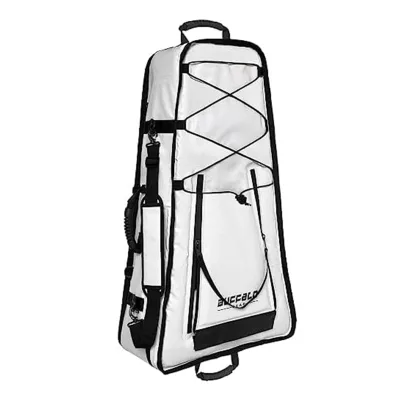
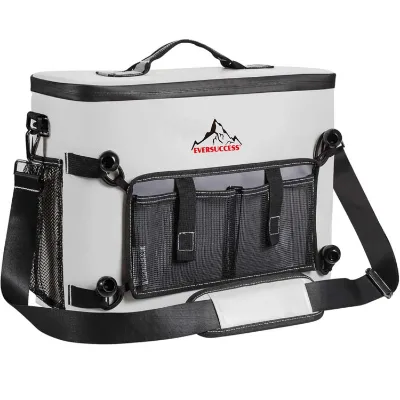
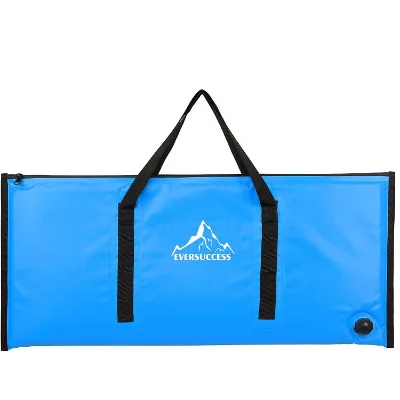
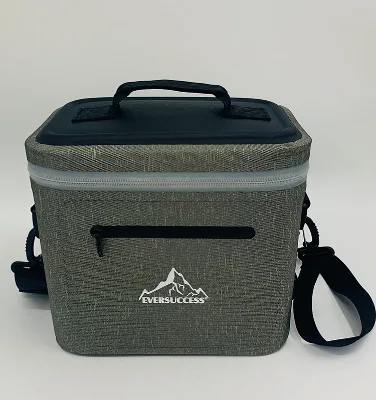
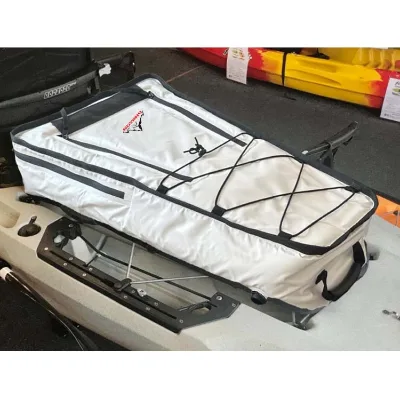
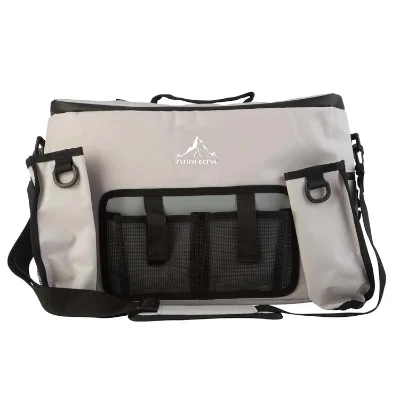
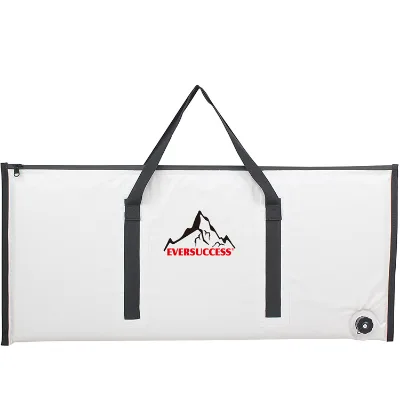
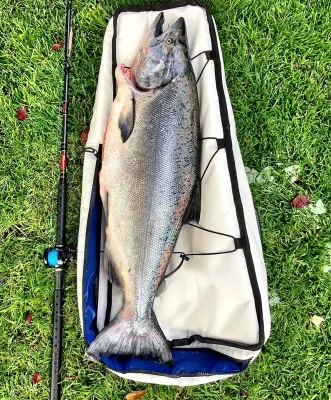
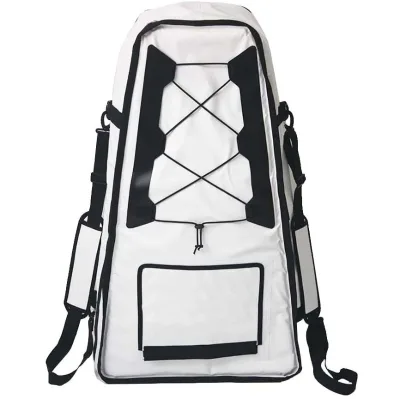
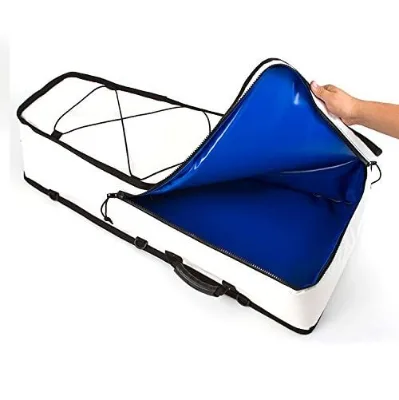
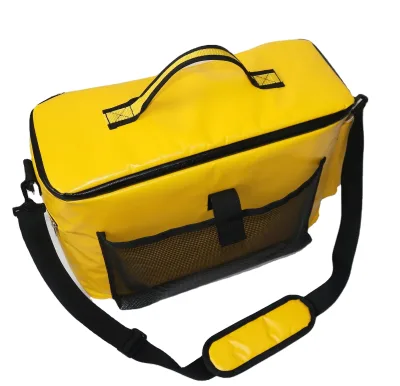
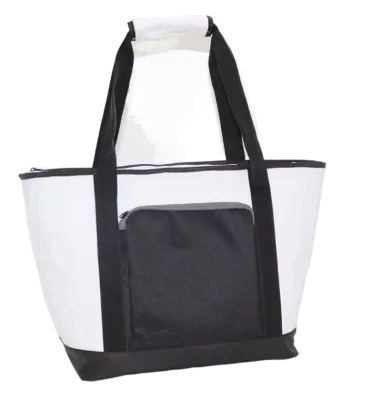
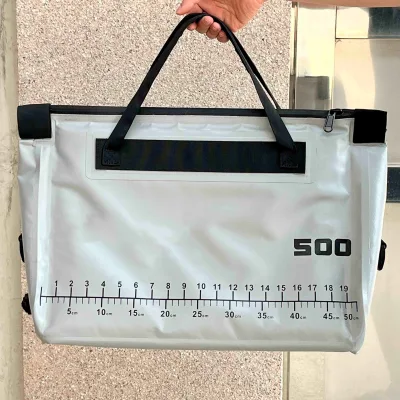




Comprehensive Sourcing Guide
Kayak Deck Insulated Cooler Bag Supplier Concentration and Factory Types
The current supplier landscape for kayak deck insulated cooler bags reveals a distinct geographic concentration in Guangdong, China, where manufacturers specialize in items like clear top canvas bags, tailgate bags, and hard EVA cases. These facilities often operate as established manufacturers with origins dating back to 1998, indicating a mature industrial base capable of handling complex customizations. The primary product focus in this region includes thermal insulated paddleboard beverage storage bags and kayak deck cooler bags, which are frequently constructed from materials such as nylon, polyester, canvas, PU, or PVC. Buyers evaluating these suppliers should note that the location is a key identifier for this specific cluster, as it correlates with the availability of specialized insulation and waterproofing technologies required for marine environments. The presence of OEM branding options suggests that these factories are equipped to handle private label projects, allowing buyers to integrate their own brand identity into the product design. This concentration implies a competitive market where suppliers are accustomed to meeting specific performance standards for outdoor and marine gear.
In contrast, other regions such as Fujian, China, present a different supplier profile, with manufacturers focusing on a broader range of luggage and travel bags, including trolley luggage, school bags, and special backpacks alongside cooler bags. These suppliers often highlight certifications such as BSCI, TS 16949, and ISO 9001, which may indicate a different approach to quality management and ethical manufacturing practices compared to the Guangdong cluster. The main products in Fujian include insulated kayak fishing PVC bags and leakproof fish cooler bags, suggesting a specialization in multi-use fishing gear rather than just deck storage. Buyers should recognize that while both regions offer relevant products, the factory types and core competencies may differ significantly. The Fujian-based suppliers often emphasize their capability for OEM, ODM, and own-brand production, which could be advantageous for buyers seeking unique design collaborations. Understanding these regional distinctions helps buyers align their sourcing strategy with the specific manufacturing strengths and product focuses available in each location.
How to Verify Kayak Deck Insulated Cooler Bag Suppliers
Verifying the legitimacy and capability of Kayak Deck Insulated Cooler Bag suppliers requires a careful examination of their response times, lead times, and established operational history. Suppliers in the Guangdong cluster often display a response time of approximately five days, which serves as an initial indicator of their communication efficiency and customer service readiness. Additionally, lead times for these manufacturers are typically around thirty days, providing a realistic timeline for production and delivery planning. Buyers should cross-reference these metrics with the supplier’s establishment year, such as the fact that some factories have been operating since 1998, to gauge their experience and stability in the market. A longer operational history often correlates with refined production processes and a deeper understanding of industry-specific challenges, such as maintaining insulation integrity in varying weather conditions. These quantitative metrics offer a baseline for assessing whether a supplier can meet your project deadlines and communication needs effectively.
Beyond operational metrics, buyers must scrutinize product evidence and certification claims to ensure compliance with international standards and quality expectations. Suppliers in the Fujian region, for instance, may display system certifications like BSCI, TS 16949, and ISO 9001, which provide third-party validation of their manufacturing processes and ethical labor practices. Verification services such as CTI may also be indicated, offering an additional layer of trust regarding the supplier’s operational integrity. Buyers should request detailed product specifications, including material compositions like polyester or PVC, and confirm features such as waterproofing and insulation capabilities. It is crucial to verify that the supplier’s claims about customization options, such as logo printing via silk-screen or embroidery, align with their actual production capabilities. By combining operational data with certification and product evidence, buyers can build a comprehensive profile of each supplier’s reliability and suitability for their specific sourcing requirements.
What to Compare Across Kayak Deck Insulated Cooler Bag Suppliers
When comparing suppliers, buyers should prioritize key dimensions such as minimum order quantities (MOQ), pricing structures, and material specifications to ensure alignment with their business model. For kayak deck insulated cooler bags, MOQs can vary significantly, with some suppliers requiring a minimum of 1000 pieces, while others may accept orders as low as 500 pieces for specific models like PVC folding cooler bags. This variation allows buyers to choose suppliers that match their inventory capacity and risk tolerance. Pricing is another critical factor, with costs ranging from approximately $5.44 to $9.00 for certain insulated bags, and up to $10.24 for custom leakproof options. Buyers must evaluate these prices in the context of the materials used, such as nylon, polyester, or canvas, and the level of customization required, including size and color options. A lower MOQ might come with a higher unit price, so buyers should calculate the total cost of ownership, including sample fees and shipping, to make an informed decision.
In addition to cost and volume, buyers should compare the range of main products and customization capabilities offered by each supplier. Guangdong-based manufacturers often specialize in clear top canvas bags and hard EVA cases, which may indicate a strength in durable, structured designs. In contrast, Fujian-based suppliers may offer a broader portfolio including trolley luggage and school bags, suggesting versatility in handling diverse product lines. Buyers should assess whether the supplier’s main products align with their long-term sourcing strategy, as a supplier with a focused product range may offer deeper expertise and better quality control. Customization options, such as the ability to provide custom sizes, Pantone swatch colors, and various logo application methods, are also essential differentiators. By systematically comparing these attributes, buyers can identify suppliers that not only meet their immediate product needs but also support their brand’s unique identity and market positioning.
Common Kayak Deck Insulated Cooler Bag Sourcing Risks
One significant risk in sourcing kayak deck insulated cooler bags is the potential mismatch between expected and actual product performance, particularly regarding insulation and waterproofing. Suppliers may claim features such as thermal insulation and waterproof construction, but without rigorous testing or certification, these claims may not hold up in real-world marine environments. Buyers must be cautious of suppliers who do not provide detailed material specifications or fail to demonstrate the effectiveness of their insulation layers. For instance, while some products are described as having a thermal insulated feature, the actual performance can vary based on the thickness and quality of the materials used, such as nylon or polyester. Buyers should request samples to physically test the insulation and waterproofing capabilities before committing to large orders. This due diligence helps mitigate the risk of receiving products that fail to protect beverages or food from temperature changes or water exposure, which could lead to customer dissatisfaction and returns.
Another risk involves the reliability of supply chain timelines and the consistency of production quality across large orders. Suppliers with longer lead times, such as thirty days, may face delays due to material shortages or production bottlenecks, which can disrupt a buyer’s inventory planning. Additionally, the variability in response times, ranging from five to nearly six days, can indicate differences in operational efficiency and customer service responsiveness. Buyers should be wary of suppliers who do not provide clear communication channels or fail to address inquiries promptly, as this can lead to misunderstandings regarding order specifications and delivery schedules. Furthermore, the reliance on OEM branding and customization can introduce risks if the supplier lacks the technical expertise to execute complex designs accurately. Buyers must ensure that the supplier has a proven track record of delivering customized products on time and to specification, avoiding potential delays and quality issues that can arise from poor project management.
Kayak Deck Insulated Cooler Bag Regional Sourcing and Logistics
Sourcing kayak deck insulated cooler bags from Guangdong, China, offers logistical advantages due to the region’s established manufacturing infrastructure and proximity to major shipping ports. Suppliers in this area often benefit from a mature supply chain ecosystem, which can facilitate faster access to raw materials such as nylon, polyester, and PVC. This proximity to material sources can help reduce production lead times and improve cost efficiency, making Guangdong a attractive hub for buyers seeking competitive pricing and reliable supply. The concentration of manufacturers in this region also fosters competition, which can drive innovation in product design and functionality, such as the development of custom leakproof and thermal insulated bags. Buyers should consider the logistical benefits of sourcing from Guangdong, including the potential for lower freight costs and shorter transit times to international markets, which can enhance overall supply chain efficiency.
In contrast, sourcing from Fujian, China, may present different logistical considerations, particularly for buyers interested in suppliers with a broader range of luggage and travel bag products. While Fujian is also a significant manufacturing hub, the focus on diverse product lines may require buyers to manage more complex logistics if they are sourcing multiple product categories from the same supplier. The presence of certifications like BSCI and ISO 9001 in Fujian-based suppliers may indicate a higher level of operational standardization, which can simplify quality control and compliance processes. Buyers should evaluate the logistical implications of sourcing from Fujian, including the potential for longer lead times or higher shipping costs, depending on the specific factory location and shipping arrangements. By understanding the logistical nuances of each region, buyers can optimize their sourcing strategy to balance cost, speed, and quality, ensuring a smooth and efficient supply chain for their kayak deck insulated cooler bags.
Kayak Deck Insulated Cooler Bag Commercial Terms and Order Planning
Effective order planning for kayak deck insulated cooler bags requires a thorough understanding of commercial terms, including payment structures, sample policies, and production timelines. Suppliers often require a minimum order quantity, such as 1000 pieces for certain models, which buyers must factor into their financial planning and inventory management. Sample times can vary, with some suppliers offering samples within seven workdays, while others may take five to seven days for more complex customizations. Buyers should budget for sample costs and shipping fees, as these are typically not included in the unit price. Additionally, lead times of around thirty days for production must be accounted for in the overall project schedule, allowing for adequate time for quality inspections and international shipping. By carefully planning these commercial terms, buyers can avoid unexpected delays and ensure that their orders are delivered on time to meet market demand.
Buyers must also negotiate clear terms regarding customization, branding, and quality assurance to protect their interests and ensure product consistency. Suppliers may offer various logo application methods, such as silk-screen, embroidery, or debossed labels, which should be specified in the purchase agreement to avoid discrepancies. It is crucial to define the acceptable quality standards and inspection criteria before production begins, ensuring that the final products meet the buyer’s expectations. Buyers should also clarify the terms for handling defects or non-conforming products, including return policies and compensation mechanisms. By establishing comprehensive commercial terms and maintaining open communication with suppliers, buyers can mitigate risks and build a reliable partnership. This proactive approach to order planning and contract negotiation is essential for successful sourcing of kayak deck insulated cooler bags, ensuring that both parties are aligned on expectations and responsibilities throughout the procurement process.
FAQs
What is the typical lead time for these bags?
Manufacturers in Guangdong, China, generally require 30 days for production. Suppliers in Fujian may offer faster turnaround times around 23 days. Buyers should confirm specific schedules with the factory before placing orders to ensure timely delivery for their projects.
What is the minimum order quantity for custom bags?
Minimum order quantities typically start at 1000 pieces for standard insulated models. Some specialized fishing or PVC folding options allow for lower minimums of 500 pieces. Buyers must verify the exact MOQ with the supplier, as it depends on the material and customization level.
How much do insulated kayak cooler bags cost?
Prices generally range from $5.44 to $10.24 per unit for basic nylon or polyester models. Premium options with features like EVA bottoms or suction cups can cost up to $20.88. The final price depends on the material choice, size, and order volume.
Can I get a sample before placing a bulk order?
Yes, suppliers typically provide samples within 5 to 7 workdays. This allows buyers to verify quality, insulation performance, and customization options like logos. Buyers should confirm sample costs and shipping details with the manufacturer before requesting a preview of the product.
What materials are used for these cooler bags?
Common materials include nylon, polyester, canvas, PU, and PVC. Some models feature EVA bottoms for added durability and structure. Buyers can choose materials based on their specific needs for waterproofing, insulation, and weight, ensuring the bag meets their functional requirements.
Are these bags suitable for food storage?
Yes, many models are explicitly designed for food use with insulated features. They help maintain temperature for beverages and snacks during outdoor activities. Buyers should check the specific product attributes to ensure the material and lining are safe for direct food contact.