Waterproof Vegan Foundation Stick Suppliers and Manufacturers
Explore 27 verified suppliers offering waterproof vegan foundation sticks with customizable options. Compare dimensions like location in China Guangdong, response times, lead times, certifications including ISO 9001 and GMP, and pricing ranges. Contact suppliers directly to request samples or place orders.
Suppliers List

Guangzhou Kanglixin Medical Biotechnology Co, Ltd.
- Verified by TUVRHEINLAND
- Manufacturer/Factory
- China Guangdong
- Lead time23 days
- Avg. response≤ 9h
Main productsSkin Care Products, Body Care, Hair Care Products, Makeup, Men's Care Products, Ferminine Care Products, Serum, Facial Mask, Face Cream, Scrub
Main marketsSouth America,Eastern Europe,Mid East,North America,Southeast Asia,Eastern Asia,Oceania,Western Europe,Africa


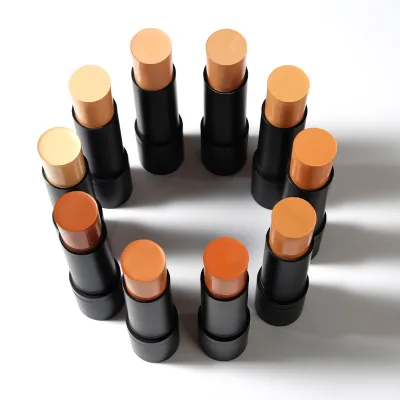
Wholesale Luxury Private Label Waterproof Vegan Makeup Concealer Foundation Contour Stick
$2.10 - $2.50
MOQ: 1000 pieces

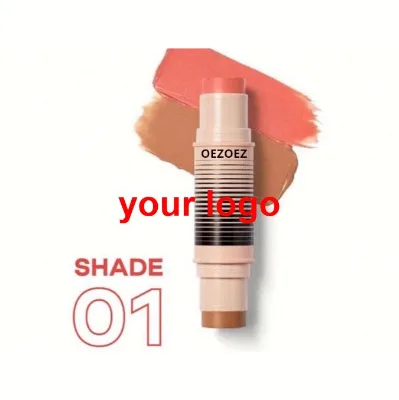
Custom Private Label Waterproof Vegan Bronzer Makeup Concealer Foundation Contour Stick
$2.00 - $2.50
MOQ: 100 Pieces

Custom Private Label Waterproof No Logo Vegan Bronzer Makeup Concealer Foundation Contour Stick
$1.50 - $2.00
MOQ: 50 pieces

Custom Private Label Waterproof Vegan Bronzer Makeup Contour Foundation Cream Concealer Stick
$1.50 - $2.00
MOQ: 50 pieces


Shenzhen Fundy Cosmetics Co., Ltd.
- Verified by TUVRHEINLAND
- Manufacturer/Factory
- China Guangdong
- Lead time30 days
- Avg. response≤ 5h
Main productsEyeshadow, Lipgloss, Foundation, Lipstick, Blusher, Highlighter, Makeup, Makeup Tool, OEM/ODM
Main marketsSouth America,Eastern Europe,Mid East,North America,Southeast Asia,Eastern Asia,Oceania,Western Europe,Africa


Full Coverage Concealer Foundation Stick Cream Private Label Vegan Luxury Hydrating Contour Stick
$2.50 - $3.00
MOQ: 100 pieces

$1.60 - $2.50
MOQ: 50 pieces

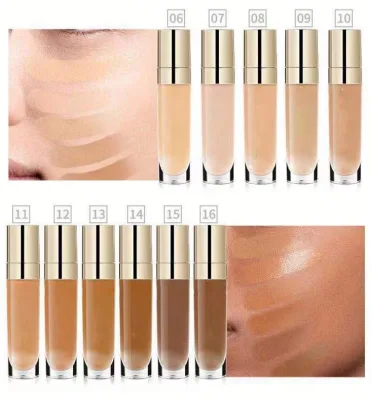
Wholesale Waterproof Concealer Private Label Custom Logo Vegan Full Coverage Liquid Foundation
$2.00 - $3.00
MOQ: 50 pieces


Zhejiang Smile Biological Technology Co., Ltd
- Verified by BV
- Combined
- China Zhejiang
- Lead time23 days
- Avg. response≤ 6h
Main productsLipstick
Main marketsAfrica,Southeast Asia/ Mideast,Europe,Australia,North America


$0.98 - $1.78
MOQ: 1000 pieces


Yiwu Bimei Cosmetics Co., Ltd.
- Verified by SGS Group
- Trading Company
- Lead time15 days
- Avg. response≤ 2h
Main productsBlush, Foundation, Lip Gloss, Eyeshadow
Main marketsNorth America(45%), Western Europe(20%), Mid East(10%)

Shantou Una Cosmetics Co., Ltd
- Verified by CTI
- Trading Company
- China Guangdong
- Lead time45 days
- Avg. response≤ 14h
Main productsLipsticks, Lip Gloss, Cosmetics, Nail Polish, Makeup, Foundation, Mascara, Eye Shadow, Lip Balm
Main marketsSoutheast Asia/ Mideast,Europe,North America
Shenzhen Jermay Technology Co., Ltd.
- Verified by TüVRheinland
- Trading Company
- Lead time15 days
- Avg. response≤ 3h
Main productsEyeshadow, Lipgloss, Blush, Foundation, Highlighter
Main marketsNorth America(45%), Western Europe(18%), South Asia(18%)
Shenzhen Youweiyoupin Tech Co., Ltd.
- Verified by SGS Group
- Trading Company
- Lead time7 days
- Avg. response≤ 4h
Main productsLint Remover, Blender, Face & Neck Lifting Massager, Shoulder & Neck Massager, Education Toys
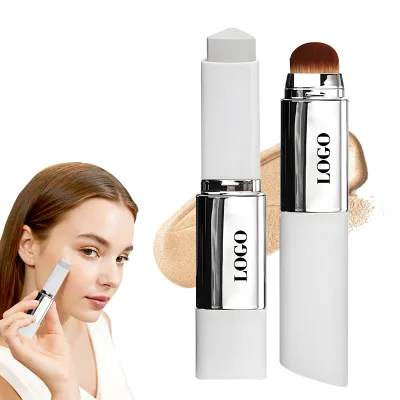
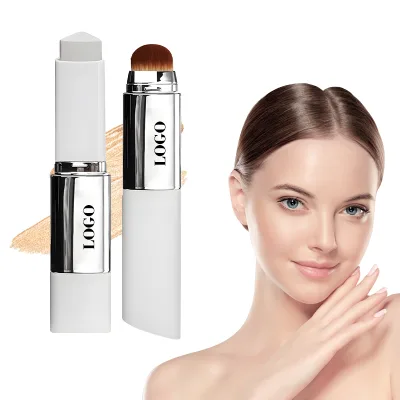
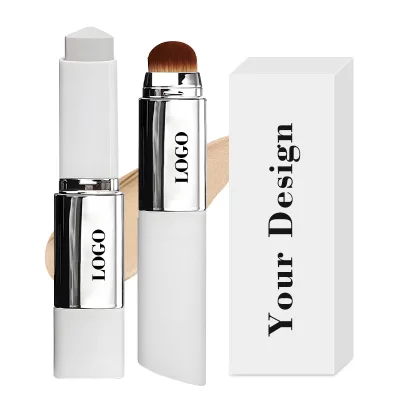
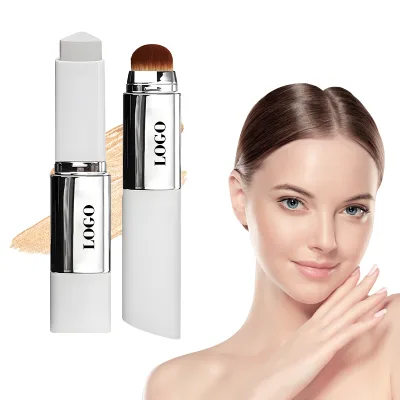
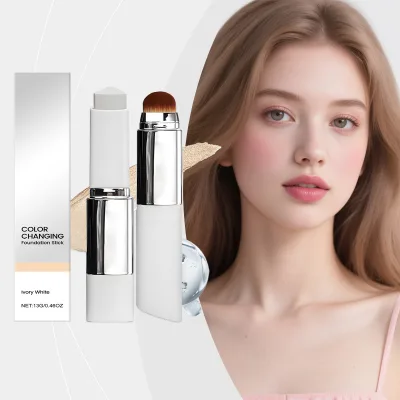
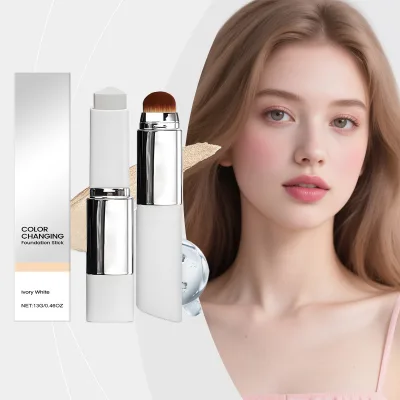
Matte Concealer Foundation Stick, Whitening & Long-Lasting, Waterproof , Pool & Summer Activities
$1.29 - $2.17
MOQ: 2 pieces
Enffel (tianjin) Technology Co., Ltd.
- Trading Company
- Tianjin, China
- Lead time10 days
- Avg. response≤ 4h
Main productseyelash,blush,foundation,Essential Oil,conclear
Main marketsNorth America(45.00%), Central America(33.00%), South America(13.00%), Mid East(5.00%), South Asia(4.00%)
Enffel (tianjin) Technology Co., Ltd.
- Trading Company
- Lead time旺季: "1 - 20000":15,"> 20000":"To be negotiated", 淡季: "1 - 20000":15,"> 20000":"To be negotiated"
- Avg. response≤ 3h
Main productsface products,Shimmer Body Oils,eye products,lip products,Massage oil
Tianjin Haoyang Commercial Co., Ltd.
- Manufacturer, Trading Company
- Tianjin, China
- Lead time90 days
- Avg. response≤ 4h
Main productsGold eye mask,skin care serum,foot mask,jade roller,stretch cream
Main marketsNorth America(50.00%), South America(15.00%), Northern Europe(10.00%), Western Europe(10.00%), Eastern Europe(5.00%), Central America(5.00%), Africa(2.00%), Eastern Asia(2.00%), Domestic Market(1.00%)

Shenzhen Huazhong Sun May Technology Co., Ltd
- Verified by SGS
- Trading Company,Manufacturer/Factory
- China Guangdong
- Lead time15 days
- Avg. response≤ 6h
Main productsLipstick, Lip Gloss, Cosmetics, Eyeshadow, Blusher, Makeup, Skin Care, Makeup Brush, Perfume, Parfum
Main marketsSouth America,Eastern Europe,Mid East,North America,Southeast Asia,Eastern Asia,Oceania,Western Europe,Africa


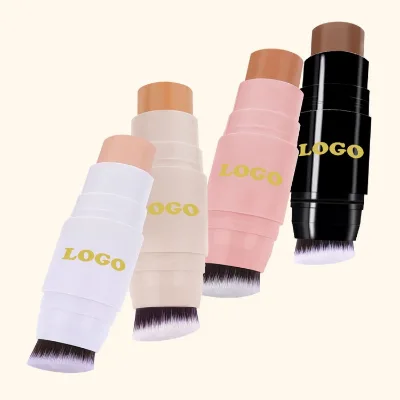
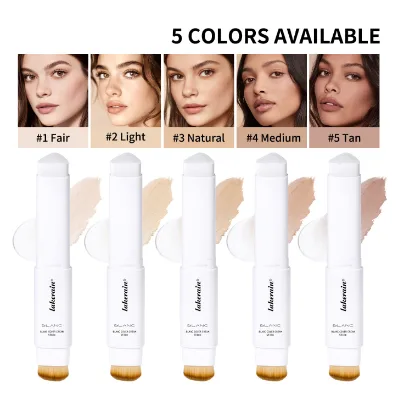
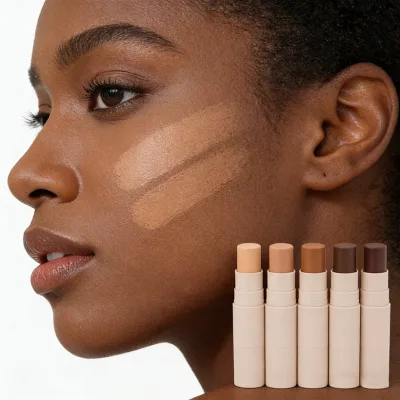
Waterproof Full Coverage Vegan Duo-End Bronzer Makeup Foundation Contour Stick with Brush
$2.20 - $2.70
MOQ: 50 Pieces

Custom Logo Waterproof Private Label Lipstick Makeup Vegan Matte Lipstick
$1.30 - $1.80
MOQ: 50 pieces

No Logo Makeup Full Coverage Waterproof Liquid Foundation HD Makeup Foundation
$2.00 - $2.60
MOQ: 50 Pieces

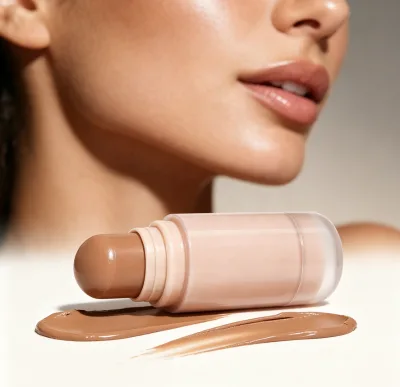
30ml White Bottle Packaging Vegan Waterproof Natural Makeup Moisturizer Liquid Cream Foundation
$1.50 - $2.20
MOQ: 50 Pieces

Zhejiang Runcaqian Biotechnology Co., Ltd.
- Verified by CTI
- Manufacturer/Factory
- China Zhejiang
- Lead time0 days
- Avg. response≤ 12h
Main productsBeauty Makeup


$1.21 - $1.48
MOQ: 5000 pieces

Yixing Allwin Products Co., Ltd.
- Verified by CTI
- Trading Company,Manufacturer/Factory,Group Corporation
- China Jiangsu
- Lead time23 days
- Avg. response≤ 2h
Main productsFace Cream, Lip Care, Bath Care, Perfume/ Body Mist, Personal Care, Luxury Cosmetic, Laundry Detergent, Soap Flowers, Package
Main marketsSouth America,Eastern Europe,Mid East,North America,Southeast Asia,Eastern Asia,Oceania,Western Europe,Africa

Hangzhou JUKO Beauty Cosmetics Co., Ltd
- Verified by SGS
- Trading Company
- China Zhejiang
- Lead time15 days
- Avg. response≤ 5h
Main productsLipgloss, Eyeshadow, Matte Lipstick, Hair Stick Gel, Hair Wax Stick, Foundation, Lip Plumper, Lip Balm, Mascara, Skin Care
Main marketsSouth America,Africa,Southeast Asia/ Mideast,Europe,Australia,North America


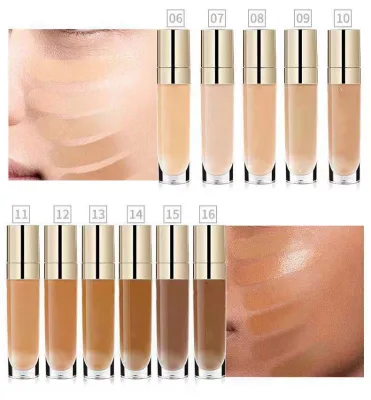
Custom High Definition Concealer Vegan Waterproof Concealer Make up Private Label
$0.85 - $1.80
MOQ: 150 pieces

Custom Make up Foundation Makeup Liquid Cosmetics Dark Skin Vegan Cream Full Coverage Foundation
$2.20 - $3.20
MOQ: 50 pieces

Guangzhou Mebamy Cosmetics Co., Ltd.
- Verified by TUVRHEINLAND
- Manufacturer/Factory
- China Guangdong
- Lead time15 days
- Avg. response≤ 5h
Main productsFace Serum, Soap, Face Cream, Sunscreen, Eyelash Growth Serum, Teeth Whitening, Face Mask, Facial Cleanser, Essential Oil, Hair Care Series
Main marketsNorth America,Western Europe

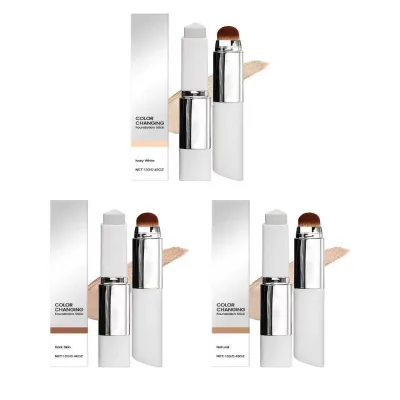
Hot Sale Waterproof Foundation Stick Color Changing Full Coverage Stick Foundation
$1.88
MOQ: 5000 Pieces

Guangzhou Cong Mei Biotechnology Co., Ltd.
- Trading Company
- Guangdong, China
- Lead time15 days
- Avg. response≤ 5h
Main productsEye Shadow, Lipgloss, Foundation, Eyelashes, Concealer
Main marketsNorth America(45.00%), South America(10.00%), Oceania(10.00%), Northern Europe(10.00%), Mid East(10.00%), Southeast Asia(10.00%), Africa(5.00%)

Rhine International Biotechnology (Guangdong) Co., Ltd.
- Verified by CTI
- Manufacturer/Factory
- China Guangdong
- Lead time23 days
- Avg. response≤ 5h
Main productsSkin Care, Face Serum, Face Cream, Eye Cream, Body Lotion, Cosmetics, Makeup, Lipstick, Lip Gloss, Lip Balm
Main marketsSouth America,Eastern Europe,Mid East,North America,Southeast Asia,Eastern Asia,Oceania,Western Europe,Africa


OEM Lipstick Makeup Waterproof Vegan Lipstick Private Label Custom Lipstick
$1.30 - $2.50
MOQ: 1000 Pieces

Cosmetics Vendor Private Label Long Lasting Vegan Cosmetic Waterproof Matte Lipstick
$1.22 - $2.20
MOQ: 1000 Pieces

Waterproof Base Makeup Vegan Private Label Lip Balm Lip Gloss Lip Stick
$0.80 - $0.82
MOQ: 10000 Pieces

OEM Matte Lipstick Waterproof Vegan Lipstick Wholesale Private Label Lipstick
$1.30 - $2.30
MOQ: 1000 Pieces

New Arrival Vegan Lipstick OEM Private Label Waterproof Longlasting Matte Lipstick
$1.30 - $2.80
MOQ: 1000 Pieces

Guangzhou King Style Trading Co., Ltd.
- Verified by TUVRHEINLAND
- Trading Company
- China Guangdong
- Lead time23 days
- Avg. response≤ 19h
Main productsPerfume, Cosmetics, Fragrance, Perfume Oil, Brand Perfume, Make up, Face Care
Main marketsSouth America,Eastern Europe,Mid East,North America,Southeast Asia,Eastern Asia,Western Europe,Africa


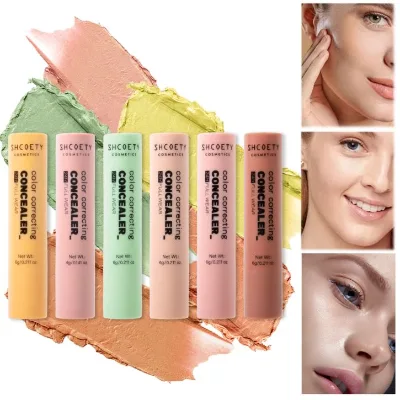
Skin Concealer Foundation 3 Color Control Oil Foundation Pre-Isolation Foundation
$2.20 - $2.60
MOQ: 1000 Pieces
- Trading Company
- Hong Kong S.A.R.
- Lead time30 days
- Avg. response≤ 1h
Main productsLipgloss,Blush,Highlighter,Contour,Eyeshadow
Main marketsNorth America(35.00%), South America(15.00%), Eastern Europe(12.00%), Western Europe(8.00%), Northern Europe(8.00%), Southern Europe(8.00%), Southeast Asia(2.00%), Africa(2.00%), Oceania(2.00%), Mid East(2.00%), Eastern Asia(2.00%), Central America(2.00%), South Asia(1.00%), Domestic Market(1.00%)
Shenzhen Beauty Secret Tech Co., Limited
- Verified by TüVRheinland
- Trading Company
- Lead time10 days
- Avg. response≤ 6h
Main productsLipstick, Lip Gloss, Eyeshadow
Main marketsNorth America(65%), South America(15%), Eastern Europe(10%)

Guangzhou Olehana Biotechnology Co., Ltd
- Verified by BV
- Manufacturer/Factory
- China Guangdong
- Lead time45 days
- Avg. response≤ 21h
Main productsFace Serum, Face Cream, Skin Care Set, Hair Growth, Beauty Device, Lip Gloss, Lip Stick, Lip Balm, Beard Care, Body Care
Main marketsEastern Europe,North America,Western Europe

Ningbo YMS Imp & Exp Co., Ltd.
- Trading Company
- China Zhejiang
- Lead time45 days
- Avg. response≤ 8h
Main productsLipstick Case, Cosmetic Compact, Lip Gloss Case, Mascara Tube, Eyeliner Bottle, Cosmetic Pen, Acrylic Jar, Cosmetic Pot, Loose Powder Container, Airless Lotion Bottle
Main marketsSouth America,Southeast Asia/ Mideast,Europe
Shenzhen Branpac Technology Co., Ltd.
- Verified by SGS Group
- Trading Company
- Lead time25 days
- Avg. response≤ 3h
Main productsEyeshadow, Lipgloss, Foundation, Lipstick, Loose Powder
Main marketsNorth America(34%), Southern Europe(20%), Eastern Europe(15%)
Guangzhou Kaxiou Biotechnology Co., Ltd.
- Verified by SGS
- Combined
- China Guangdong
- Lead time30 days
- Avg. response≤ 11h
Main productsMakeup
Main marketsSoutheast Asia/ Mideast,Domestic

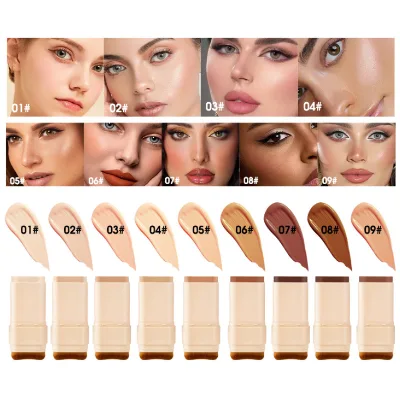
No Logo Liquid Foundation Make-up Cosmetic PRO Face Makeup Concealer Foundation Stick Private Label
$2.05 - $2.80
MOQ: 500 Pieces

Oil-Control Foundation Stick with Built-in Concealer - Long-Lasting Matte Formula for Oily Skin
$1.15 - $1.49
MOQ: 500 Pieces
Guangzhou Congmei Biotechnology Co., Ltd.
- Verified by TüVRheinland
- Trading Company
- Lead time15 days
- Avg. response≤ 4h
Main productsEye Shadow, Lipgloss, Foundation, Eyelashes, Concealer
Main marketsNorth America(45%), South America(10%), Southeast Asia(10%)
- Manufacturer, Trading Company
- Taiwan, China
- Lead time0 days
- Avg. response≤ 3h
Main productsMakeup,Cosmetics,Lipstick,Lipgloss,Compact powder
Main marketsMid East(15.00%), Eastern Europe(15.00%), South America(15.00%), North America(15.00%), Domestic Market(5.00%), Southern Europe(5.00%), Northern Europe(5.00%), Central America(5.00%), Western Europe(5.00%), Southeast Asia(5.00%), Oceania(5.00%), Africa(5.00%)
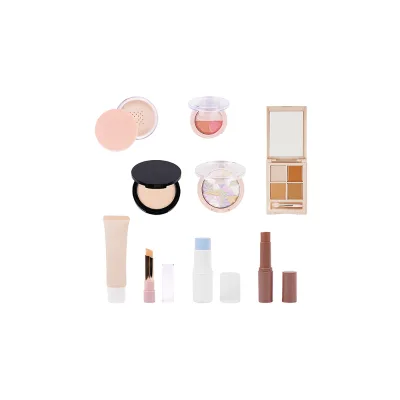
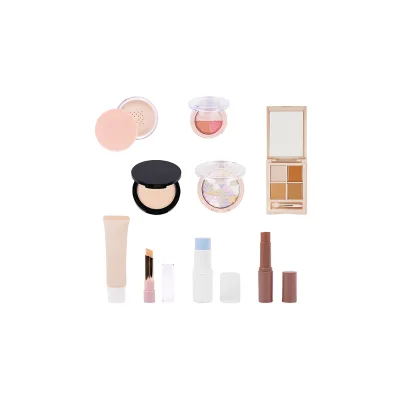
$0.80 - $1.00
MOQ: 6000 pieces
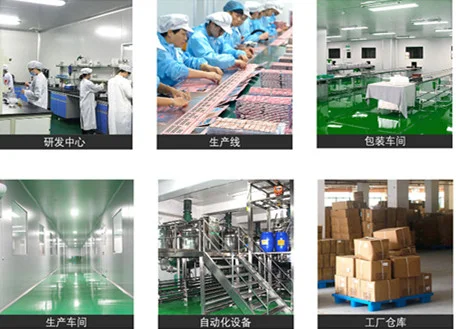
Xi'an Canal Fashion Bio-Tech Co., Ltd.
- Trading Company
- Shaanxi, China
- Lead time1 days
- Avg. response≤ 3h
Main productsPet clothing,Pet shoes and socks,Pet bowls and feeders,Pet toys,Pet beds and kennels
Main marketsNorth America(40.00%), Northern Europe(30.00%), South Asia(5.00%), South America(5.00%), Eastern Asia(5.00%), Mid East(5.00%), Africa(5.00%), Southeast Asia(5.00%)


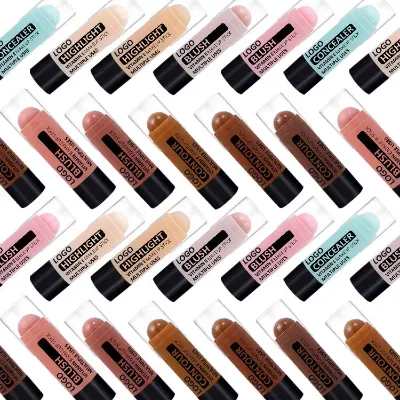
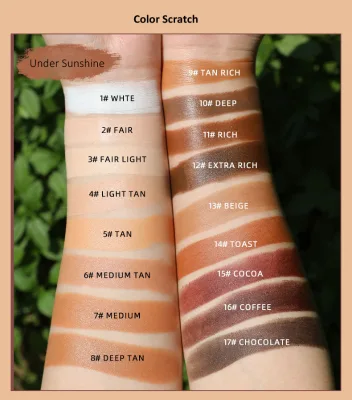
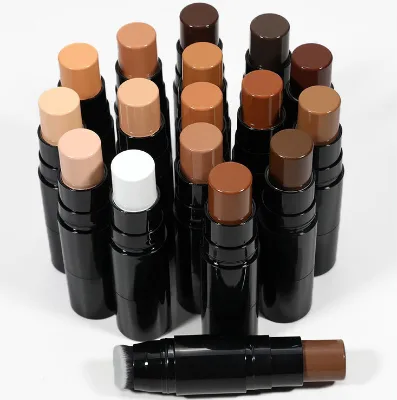
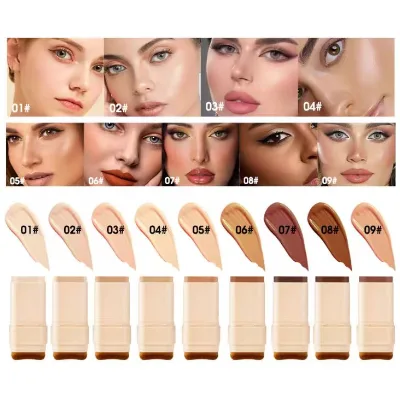
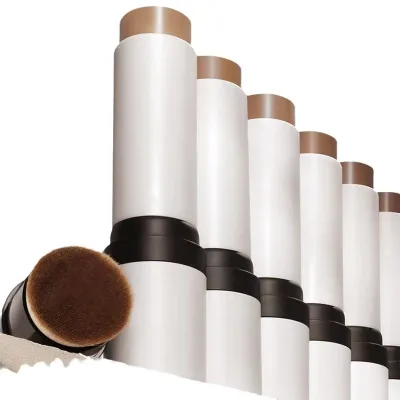
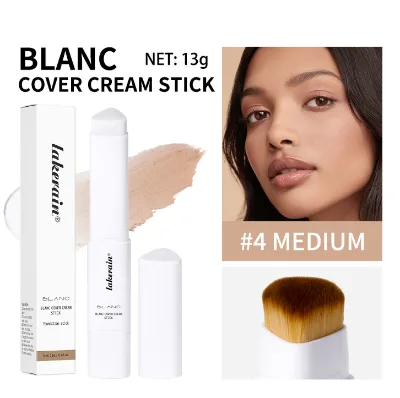
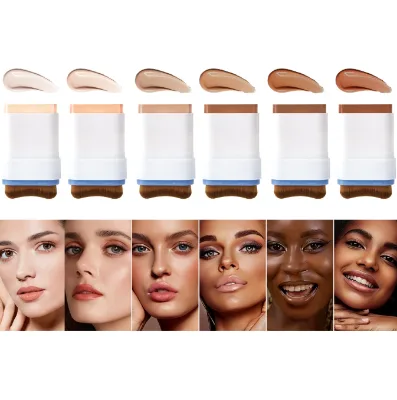
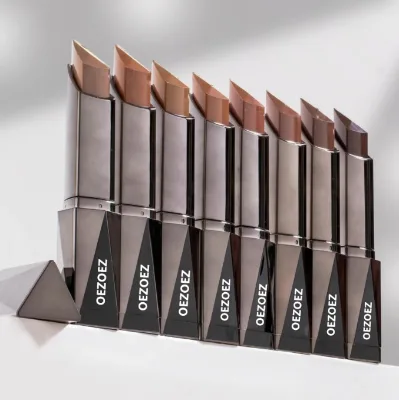




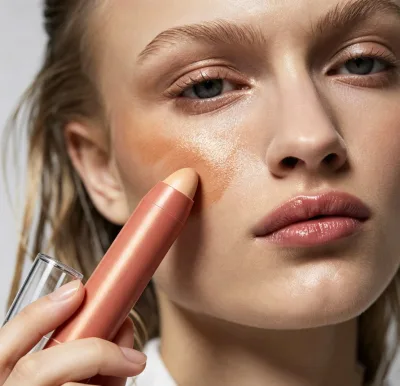
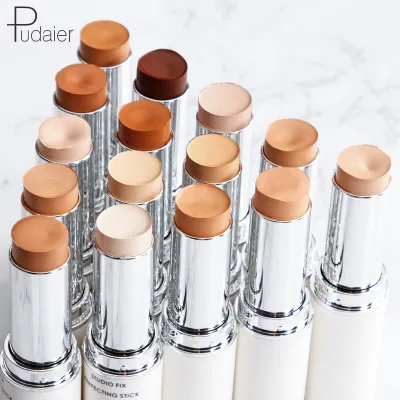
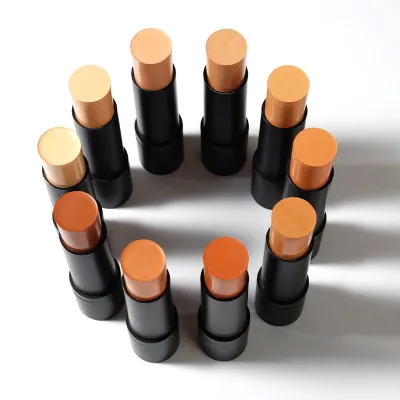
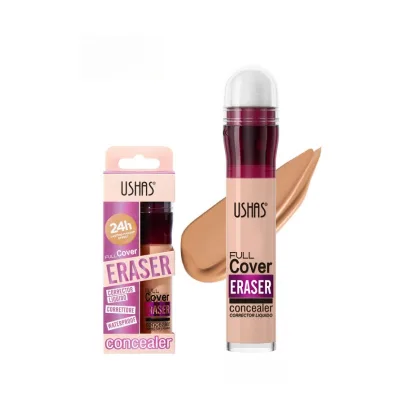
Comprehensive Sourcing Guide
Waterproof Vegan Foundation Stick Supplier Concentration and Factory Types
Buyers searching for a Waterproof Vegan Foundation Stick will encounter a supplier base that mixes true manufacturers with trading intermediaries. In the current results, the suppliers presenting themselves as Manufacturer/Factory type offer full private-label capability, including OEM and ODM services and, in at least one case, an own brand alongside contract manufacturing. Their main product lines extend well beyond face makeup into skin care, body care, hair care, makeup, men's care and feminine care, which tells you these are diversified cosmetics factories rather than stick-foundation specialists. That breadth is not a defect, but it changes how you should evaluate them: a factory that spreads capacity across many categories may prioritize different lines at different times of year.
Location evidence in these results points to Guangdong, China, which is consistent with where much of the color cosmetics supply chain sits. When location data is not displayed for a given supplier, do not guess: check the company profile, ask directly whether the entity is a factory or a trading company, and request evidence such as business licenses or production floor photos or video calls. A practical clustering question to ask is which city a supplier's production actually occurs in, since trading companies often register in one place and subcontract in another. Confirm whether the same entity will hold responsibility for formulation, filling, packaging and export documentation before you commit.
How to Verify Waterproof Vegan Foundation Stick Suppliers
Verification for this category should start with third-party auditing signals that are actually displayed rather than assumed. In the results, one factory carries TUVRHEINLAND verification and a system certification set including BSCI, ISO 9001, GMP and SEDEX; another lists an extensive certification roster spanning ISO 9001, ISO 14001, ISO 22000, ISO 13485 and GMP among others. Treat these as claims to validate, not guarantees. Ask each supplier for certificate copies that show scope, issuing body and validity dates, and confirm the certificate covers the entity producing your sticks, not just a parent company. For vegan positioning, note that no vegan certification appears in the displayed data, so you must request ingredient declarations and any vegan standard documentation separately.
Product-level documentation matters as much as system certificates. The foundation stick listings themselves display claims such as GMPC, ISO, MSDS, FDA, GMP and REACH, plus waterproof and sunscreen function attributes, but these are supplier-stated attributes. Verify what each abbreviation means in the supplier's context: MSDS refers to safety data sheets, REACH and FDA references concern chemical and market compliance, and none of them substitutes for vegan confirmation. Ask for full INCI ingredient lists, allergen and animal-derived ingredient screening, and stability or waterproof test reports specific to the formula you will buy. Finally, request samples and match batch consistency across units, since a sample that differs from production lots is a common verification failure.
What to Compare Across Waterproof Vegan Foundation Stick Suppliers
Build a comparison sheet using only the dimensions that suppliers actually display, because coverage is uneven. In the current results, response times range from roughly four to nearly nine hours, and stated lead times run 23 to 30 days, while individual product listings show production times of 7 to 30 days and some quote 3 to 7 day delivery windows for certain items. Do not assume every supplier publishes every attribute; where lead time or response speed is missing, message the supplier and record the reply time yourself as a first-hand data point. Compare main products as well: a supplier listing eyeshadow, lipgloss, foundation, lipstick and blusher signals broad color cosmetics capability, whereas one centered on skin care may subcontract your makeup.
Structural differences deserve their own columns. Factory-type suppliers offer OEM and ODM, and at least one supports small orders, with product MOQs as low as 50 pieces in some listings and 100 or 1,000 in others, so MOQ flexibility varies sharply even within one supplier's catalog. Compare customization depth too: the listings advertise private label and custom logo options, but you should confirm whether customization covers formula, shade, packaging and tooling or only sticker labeling. Add location, company type, verification status, and whether escrow or platform-backed payment is offered, since those affect dispute recourse. Rank suppliers on verified capability first, then price, then convenience factors.
Common Waterproof Vegan Foundation Stick Sourcing Risks
The most category-specific risk is vegan claim integrity. Listings in these results describe products as vegan and herbal or mineral based, but no displayed evidence confirms third-party vegan certification, and one listing mixes mineral and chemical ingredient declarations. If your brand makes a vegan promise on the label, a supplier-side ingredient change, a beeswax or carmine substitution, or cross-contamination on shared lines can turn a marketing claim into a compliance problem. Require written ingredient commitments, notification clauses for formula changes, and clarity on whether filling lines handle animal-derived materials for other clients.
Quality and consistency risks follow closely. Waterproof performance, coverage and shade accuracy are formulation properties that can drift between sample and mass production, especially when a factory runs many categories and swaps production schedules. One listing pairs a 115g net weight figure with a stick format product, which illustrates why you should verify every attribute against a physical sample rather than trusting listing data. Other recurring risks include sticker-label "customization" that fails to distinguish your brand, MOQ bait where the lowest MOQ applies only to stock colors rather than your shade range, and certification mismatches where a factory holds GMP but the specific product claims, such as sunscreen function, require additional regulatory work in your destination market. Sequence a pre-production sample, a signed specification sheet, and an inspection checkpoint to contain all three.
Waterproof Vegan Foundation Stick Regional Sourcing and Logistics
The only location evidence in these results is Guangdong, China, which aligns with that province's role as a dense color cosmetics manufacturing region. When you evaluate a supplier whose location is not displayed, reconstruct regional context yourself: ask where the factory is registered, where production occurs, and which port shipments leave from, because in southern China the practical difference between factory and port city affects inland freight cost and a few days of transit. Keep a note of each supplier's stated origin per product, since one listing here already shows prod_origin China as a product attribute, and origin statements affect import documentation.
Logistics planning should anchor on lead times that suppliers actually state: 23 to 30 days at company level, with product listings quoting production windows of 7 to 30 days and expedited 3 to 7 day delivery for some items. Reconcile these figures before ordering; the 3 to 7 day claims likely apply to stock or sample situations, not full custom production. Trade terms in the listings include EXW, FOB, CIF, CFR and DDP, so decide which term matches your freight control preference, and confirm shipping channels, since one listing names DHL, EMS, FedEx and UPS as options. For vegan or waterproof claims destined for regulated markets, build extra calendar time for customs queries and compliance paperwork into any lead time the supplier quotes.
Waterproof Vegan Foundation Stick Commercial Terms and Order Planning
Order planning in this category should start from the MOQ spread visible in the listings: 50, 100 and 1,000 piece minimums appear across products from the same suppliers, with prices spanning roughly 1.30 to 4.00 per unit depending on the listing. Use that spread in negotiations by asking which formula, shade and packaging combination triggers each MOQ tier, and whether a higher unit price at low quantity is the right trade for a first order. Confirm whether the quoted price includes private label packaging, carton packing, or only the bare stick, since packing details appear inconsistently in the listings and materially change landed cost.
Payment and milestone structure should reflect the verification gaps discussed earlier. If a platform offers escrow or transaction protection, note whether the specific supplier participates, and otherwise structure payments so a meaningful balance remains until post-production inspection passes against your signed specification. Lock production timing in writing: reconcile the supplier-level 23 to 30 day lead time with the product-level 7 to 30 day production window, and add clause language for delays when peak season compresses factory capacity across their many product categories. Finally, plan reorder economics before the first order: record actual per-unit cost, tooling or printing fees, sample costs and freight per trade term, because vegan and waterproof claims may justify retaining the same supplier rather than switching for marginal savings.
FAQs
What certifications do waterproof vegan foundation sticks have?
Products often carry GMPC, ISO, MSDS, FDA, GMP, and REACH certifications. Some listings also show BSCI, SEDEX, and ISO 9001 system certifications. Verify specific product attributes for the exact compliance standards required for your market before placing an order.
What is the typical lead time for custom orders?
Production times generally range from 7 to 30 days depending on order volume. Some suppliers list a standard lead time of 23 days, while others may require up to 30 days for complex customizations. Confirm the exact delivery schedule with the manufacturer before finalizing the purchase.
What are the minimum order quantities for private label products?
Minimum order quantities vary significantly by supplier and product model. Some listings accept orders as low as 50 pieces, while others require 100 or 1000 units. Check the specific MOQ for the desired contour stick or foundation model to ensure it fits your budget.
Are OEM and ODM services available for these cosmetics?
Yes, most manufacturers offer both OEM and ODM services for custom branding. You can request private labels, custom packaging, and specific formulations like herbal or mineral ingredients. Ensure the supplier confirms their capacity for your specific customization needs before proceeding with the order.
What is the price range for wholesale waterproof foundation sticks?
Wholesale prices typically range from 1.30 to 4.00 USD per unit based on specifications. Lower MOQs often start around 1.30 USD, while larger orders or premium features may cost up to 4.00 USD. Request a detailed quote to confirm the final price for your specific quantity.
Where are these cosmetic manufacturers located?
Most suppliers are located in Guangdong, China. This region is a major hub for cosmetics manufacturing with established supply chains. Verify the specific factory location to assess shipping logistics and potential tariffs for your destination market before committing to a supplier.
How quickly do suppliers typically respond to inquiries?
Response times vary, with some suppliers averaging around 4 hours and others taking up to 9 hours. Faster response times often indicate better communication channels. Check the specific response metric for each supplier to ensure timely updates on your order status and production progress.
What main ingredients are used in these foundation sticks?
Common ingredients include herbal extracts, minerals, and chemical compounds. Some products are formulated for all skin types and offer waterproof or sunscreen functions. Review the ingredient list carefully to ensure the formula meets your safety standards and skin compatibility requirements.