Source Waterproof Herbal Face Powder for Cosmetics, Crafts, and Textiles
Compare 30 listings for Waterproof Herbal Face Powder suitable for cosmetics, crafts, and textile applications. Buyers can evaluate specifications like mesh size, color options, and packaging details from verified suppliers in China; compare the available evidence and request quotations based on your requirements.
Key considerations
Products List

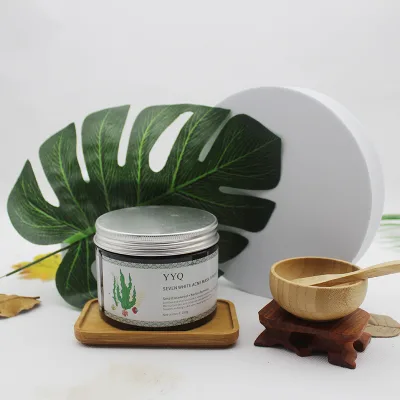


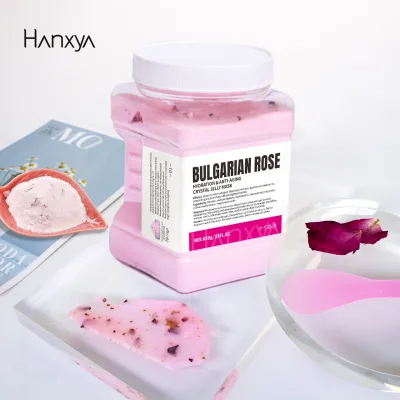




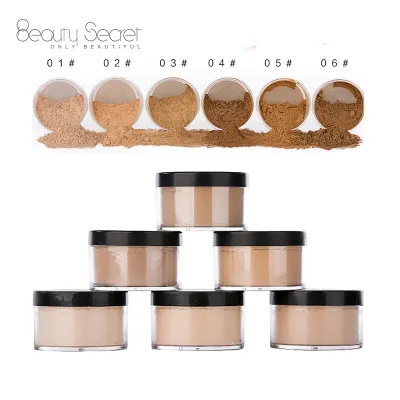



Comprehensive Sourcing Guide
Waterproof Herbal Face Powder Sourcing Guide
Procuring Waterproof Herbal Face Powder requires distinguishing between cosmetic-grade pigments and industrial chemical additives that share similar descriptive terms. The available market data indicates a complex landscape where products labeled with "herbal" ingredients often coexist with synthetic powders designed for industrial applications like ink, paint, and plastic manufacturing. Buyers must rigorously verify that the specific batch intended for facial application meets cosmetic safety standards rather than general chemical industry specifications, as the supply chain frequently mixes these distinct categories under broad product descriptions.
The observed product attributes reveal a wide variance in particle size, ranging from 1/500 inch to 1/8 inch, which directly impacts the texture and finish of the final cosmetic product. While some listings specify a "dry" eye shadow type with single-color options, others describe the material as a chemical raw material with acid and alkali resistance suitable for heavy-duty industrial use. Sourcing success depends on isolating suppliers who can provide clear documentation proving the herbal component is safe for human skin contact, rather than relying on generic terms that might apply to non-cosmetic industrial powders.
Product Scope and Observed Listing Signals
Buyers should expect to encounter a diverse array of color options including violet, yellow, orange, blue, red, green, brown, black, and beige, which suggests a broad inventory of synthetic and natural pigments. The product scope extends beyond simple face powder to include applications in textiles, leather, and ceramics, indicating that many suppliers operate as general chemical distributors rather than specialized cosmetic manufacturers. This breadth of application requires careful filtering to ensure the selected powder is formulated specifically for cosmetic use and not merely a generic pigment suitable for industrial coloring processes.
The listing signals also highlight specific functional claims such as waterproof capabilities and heat resistance exceeding 600 degrees Celsius, which are unusual for standard cosmetic face powders. These high-performance attributes often point toward specialized industrial coatings or refractory materials rather than typical beauty products. Procurement teams must scrutinize the "Main Ingredient" field, as some entries list "herbal" components while others specify "chemical raw material," necessitating a clear definition of the intended end-use to avoid purchasing industrial-grade powders that lack the necessary skin safety profiles.
Technical Specifications to Verify
Verification of particle size is critical, as the observed range spans from 15 microns to 50 microns, with specific mentions of 38um and 25um characterizations. These dimensions determine the smoothness and adherence of the powder to the skin, and deviations can lead to a gritty texture or poor color payoff. Buyers must request precise mesh size data, such as the 80mesh or 120mesh standards noted in some listings, to ensure the particle distribution aligns with cosmetic industry expectations for fine, blendable face powders.
Solubility and chemical resistance properties must also be confirmed to match the intended application environment. While some products are described as insoluble and resistant to acids and alkalis, these traits are essential for industrial durability but may not be the primary concern for cosmetic formulations. It is vital to confirm whether the "waterproof" function refers to water resistance on the skin or chemical inertness in a manufacturing process, as the latter does not guarantee the product is suitable for direct human application without additional safety testing.
Compliance and Safety Documentation
Safety documentation is paramount when sourcing herbal face powder, especially given the mixed signals regarding "herbal medicine" smells and "chemical raw material" structures. Buyers must demand certificates of analysis that explicitly confirm the absence of heavy metals and harmful contaminants, as the presence of ISO certification alone does not guarantee cosmetic-grade purity. The distinction between a product certified for food or general chemical use and one approved for topical application on the face is significant and must be validated through specific regulatory compliance documents.
Regulatory compliance should also address the specific claims of health benefits, such as weight reduction or blood pressure lowering, which are inappropriate for topical cosmetic products. These functional claims often appear in listings for ingestible supplements rather than face powders, creating a potential compliance risk if the product is marketed for skin application. Procurement teams must ensure that all safety data sheets and ingredient declarations align with the actual physical form of the product, which is typically a dry powder, to avoid regulatory violations regarding false health claims.
Cost Drivers and Commercial Terms
Pricing in this sector is highly volatile, with observed ranges spanning from $0.42 to $700 per unit, reflecting the vast difference between bulk industrial chemicals and premium cosmetic ingredients. The cost is heavily influenced by the purity of the herbal extract, the specific particle size required, and the level of customization available, such as logo printing or specific packaging formats. Buyers should anticipate that lower prices often correlate with industrial-grade materials, while higher price points may reflect cosmetic-grade processing and stricter quality controls.
Commercial terms vary significantly, with minimum order quantities ranging from 1 to 12,000 units and packaging options including 25kg drums, plastic bags, and 150g net weight containers. The choice of packaging, such as the 25kg per bag standard or the 150g specific unit, directly impacts logistics costs and storage requirements. Additionally, the availability of 24-hour service and the origin location in Anhui, China, can influence lead times and shipping expenses, requiring buyers to factor these logistical variables into their total cost of ownership calculations.
Supplier Qualification and Quality Control
Supplier qualification must extend beyond basic ISO or HACCP certifications to include specific audits of their cosmetic manufacturing capabilities. The presence of multiple certifications like ISO and HACCP suggests a robust quality management system, but buyers must verify that these certifications cover the specific production lines used for herbal face powders. It is essential to confirm that the supplier has experience in the cosmetic sector, as their expertise in chemical raw materials may not translate to the stringent safety and texture requirements of beauty products.
Quality control protocols should include rigorous testing of the "herbal" ingredient source and the final particle size distribution. Buyers should request batch-specific test results for assay methods like UV and HPLC to verify the concentration of active herbal compounds and the absence of impurities. Given the diverse applications listed, from crafts to cosmetics, suppliers must demonstrate a clear segregation of production lines to prevent cross-contamination between industrial-grade and cosmetic-grade products, ensuring the final output meets the specific safety standards required for facial application.
Long-Term Procurement Checks
Establishing a long-term procurement strategy requires regular re-verification of the product's stability and consistency over time. The "herbal medicine" smell and specific color attributes like yellow, blue, and red must remain consistent across batches to maintain brand integrity and consumer trust. Buyers should implement a schedule for periodic re-testing of the powder's solubility, heat resistance, and particle size to ensure that the product continues to meet the original specifications and does not degrade or change properties during storage.
Supply chain resilience is another critical factor, particularly given the potential for confusion between cosmetic and industrial product lines. Buyers should maintain open communication with suppliers regarding changes in raw material sources, such as shifts in the "herbal" ingredient supply, which could alter the final product's characteristics. Regular audits of the supplier's storage conditions, specifically the requirement to keep products in a cool and dry place, will help prevent moisture absorption or degradation that could compromise the waterproof and cosmetic qualities of the face powder.
FAQs
What certifications are available for Waterproof Herbal Face Powder?
ISO certification is available for these products. Some listings also include HACCP certification. These credentials verify quality management systems. Buyers should verify specific documents with suppliers. The powder is synthetic and herbal. It meets industrial standards for cosmetics.
Can I customize the packaging for bulk orders?
Customization is available for packaging requirements. Standard options include 25kg drums or plastic bags. Some items use random packing methods. Buyers can request specific labeling or container types. This flexibility supports diverse distribution needs. Contact suppliers to confirm custom packaging details.
What is the typical MOQ for this product?
The minimum order quantity ranges from 1 to 12,000 units. This wide range accommodates small trials and large industrial purchases. Buyers should check specific supplier listings for exact MOQs. Prices vary based on the order volume. Smaller orders may have higher per-unit costs.
Where are these waterproof herbal face powders manufactured?
Products originate from China, specifically Anhui province. This region is known for chemical and cosmetic raw materials. Buyers can filter suppliers by this location. Shipping logistics are optimized from this origin. Verify factory addresses during the sourcing process.
What colors are available for the powder?
Available colors include violet, yellow, orange, blue, red, green, brown, black, and beige. The product is typically single-color. These pigments are used in cosmetics and crafts. Buyers can select specific shades for their formulations. Check product listings for exact color availability.
Is the powder suitable for cosmetic applications?
Yes, it is suitable for cosmetic applications. The product is used in eye shadows and nail art. It is also applied in paints and plastics. The herbal ingredient adds specific functional benefits. Ensure the grade matches cosmetic safety standards.