Source 11-20t hazardous materials transport truck for fuel, chemical, and gas delivery
Compare 30 listings for the 11-20t hazardous materials transport truck to find reliable options for fuel, chemical, and gas delivery. Buyers can review specifications like engine capacity, load capacity, and safety features to select the right vehicle for their logistics needs.
Key considerations
Products List
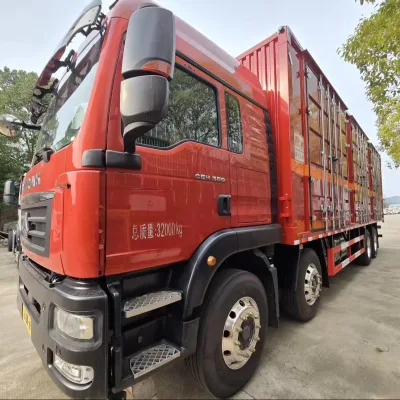


Chenglong H7 Hazardous Materials Truck 6X4 for Safe Hazardous Cargo Transportation
$33500.00 - $35500.00
MOQ: 1 units

Safecargo H7 Hazardous Materials Transport Truck with Weichai Engine
$33500.00 - $35500.00
MOQ: 1 units

6X4 Chenglong H7 Hazardous Materials Truck Ensures Safe Dangerous Cargo Delivery
$33500.00 - $35500.00
MOQ: 1 units


Mine Dump Trucks Trucks Mine Rescue Rapid Transportation Rescue Materials
$55000.00 - $57000.00
MOQ: 1 Pieces


$3200.00 - $3300.00
MOQ: 1 unit


12 Ton Mining Dump Truck for High-Efficiency Material Transportation
$9999.00 - $12999.00
MOQ: 1 Pieces
Comprehensive Sourcing Guide
Strategic Sourcing Guide for 11-20t Hazardous Materials Transport Trucks
Procuring a heavy-duty vehicle designed for the transportation of hazardous materials within the 11-20 tonne load capacity range requires a rigorous approach that balances technical specifications with strict regulatory compliance. The market for such specialized assets is characterized by a wide variance in configuration, engine performance, and safety features. Buyers must navigate a landscape where product attributes often vary significantly between listings, necessitating a verification process that relies on observed data rather than generalized assumptions. This guide outlines the critical factors for sourcing these vehicles, focusing on the specific constraints and opportunities presented by the current market data.
Technical Specifications and Performance Parameters
When evaluating trucks in the 11-20 tonne load capacity bracket, the first step is to scrutinize the core mechanical specifications. The market data indicates a diverse range of engine capacities and power outputs, which directly impacts the vehicle's suitability for long-haul hazardous material transport. Buyers should observe that engine capacity can range from less than 4 liters to over 8 liters, with specific high-performance models featuring capacities exceeding 8 liters. For heavy-duty applications, an engine capacity greater than 8 liters is often preferred to ensure sufficient torque and reliability under load.
Power output is another critical variable. Listings show a wide spectrum of horsepower, ranging from less than 150 horsepower to over 450 horsepower. Specific high-end configurations may feature a maximum horsepower of 460 HP with a maximum torque of 2100 N·M, driven by engines such as the Weichai Wp10.5h460e62. In contrast, other listings may indicate power outputs between 351 and 450 HP. The transmission type is equally varied, with both manual and automatic options available. A manual transmission is frequently cited in heavy-duty contexts, offering direct control, while automatic transmissions provide operational ease.
The physical dimensions and weight limits are paramount for compliance. The gross vehicle weight (GVW) for these trucks can reach up to 32,000 kg, with a single gross weight of 32,000.000 kg observed in specific models. The load capacity is explicitly categorized into the 11-20 tonne range for the target keyword, though some listings may show capacities between 1 and 10 tonnes, requiring careful filtering. Dimensions also vary; single package sizes can be as large as 11,995 mm in length, 3,960 mm in width, and 2,600 mm in height, while other standards list dimensions around 6.89 meters by 2.525 meters by 3.8 meters. Buyers must verify that the specific vehicle's dimensions align with local road regulations and bridge weight limits.
Compliance and Certification Verification
Transporting hazardous materials subjects the vehicle to stringent international and local safety standards. The certification landscape for these trucks is complex, with tire certifications ranging from ECE to GCC, ISO, and DOT standards. Buyers must ensure that the tires and the vehicle as a whole meet the specific regulatory requirements of the destination country. For instance, the ECE certification is a common baseline, but additional certifications like GCC (Gulf Cooperation Council) or DOT (Department of Transportation) may be mandatory depending on the operational region.
Emission standards are another critical compliance factor. The data shows variations in emission compliance, with some units meeting Euro standards while others specify "Euro Engine Capacity" in conjunction with high horsepower. It is essential to verify the exact emission standard (e.g., Euro 5, Euro 6) to ensure the vehicle can operate in regions with strict environmental regulations. Furthermore, the vehicle's condition, whether new or used, impacts its certification status. Used vehicles may require re-certification or inspection to confirm they still meet current safety and emission norms.
The "Hazardous Materials Transport" keyword implies specific structural requirements. The heat preservation type, such as a steel corrugated plate, is a common feature designed to protect the cargo and the vehicle from external elements. The storage configuration is also vital; for fuel tankers, the storage must be designed specifically for oil or hazardous liquids. Buyers should verify that the vehicle's design includes necessary safety features like high-position bumpers and specialized driving cabs, such as the Hw76 New Front Face Cab, which may offer enhanced safety and visibility for operators.
Cost Drivers and Pricing Structures
The pricing for 11-20 tonne hazardous materials trucks is influenced by a multitude of factors, resulting in a broad observed range of 2,000 to 150,000 USD. This wide disparity suggests that the price is not solely determined by the load capacity but by the aggregate of engine power, brand reputation, condition, and included features. High-end models with over 450 horsepower, advanced transmission systems, and comprehensive certifications will naturally command prices at the upper end of this spectrum. Conversely, basic configurations or used units may be found at the lower end.
The "Selling Units" are typically listed as single items, indicating that these are high-value assets rather than consumable goods. The "Nude Packing" method observed in some listings suggests that the vehicle is shipped without extensive protective casing, which can affect shipping costs and insurance requirements. Buyers should also consider the "Customization" availability. While customization is available, it often incurs additional costs and extends the lead time. The warranty period, typically observed as 1 year, is a standard factor in the total cost of ownership calculation. A longer warranty or extended service package may increase the initial purchase price but reduce long-term maintenance risks.
Typical Applications and Operational Use Cases
Vehicles in the 11-20 tonne load capacity range are primarily designed for the transport of hazardous materials, including fuels, chemicals, and other dangerous goods. The specific model numbers, such as FB0384V6308 or CL5045XQY6BXW, often correspond to specialized configurations for these tasks. The "H7 Hazardous Materials Truck" designation highlights a specific class of vehicle optimized for safety and efficiency in this sector.
The operational environment for these trucks is demanding. With a maximum speed of 89 km/h, these vehicles are built for stability and safety rather than speed. The drive wheel configuration, such as 4× or 6×, and the wheelbase of 3300 + 1350 mm, are designed to handle heavy loads over long distances. The seating capacity, typically limited to 2 persons, reflects the specialized nature of the cab, which is designed for the driver and potentially a co-pilot or safety officer. The "Single Bridge" design and "Tubeless" tire configuration are chosen for their durability and reduced risk of blowouts, which is critical when carrying hazardous cargo.
Supplier Evaluation and Origin Analysis
The geographic origin of the vehicle is a significant factor in supplier evaluation. The data indicates that these trucks are predominantly manufactured in China, with specific origins noted in Hubei and Guangxi provinces. While these regions are known for their automotive manufacturing capabilities, buyers must conduct due diligence on the specific supplier's reputation and track record. The "Brand Name" is often listed as "special vehicle," which may indicate a generic or OEM manufacturer rather than a globally recognized brand.
When evaluating suppliers, buyers should look for evidence of consistent quality and adherence to the stated specifications. The "Condition" of the vehicle, whether new or used, is a key indicator of the supplier's inventory management and sales practices. For used vehicles, the history of maintenance and previous usage is crucial. The "Customization" option suggests that the supplier is capable of tailoring the vehicle to specific client needs, which is a valuable service for specialized transport requirements. However, buyers should verify the supplier's ability to deliver these customizations within the agreed timeframe and budget.
Quality Control and Long-Term Procurement Considerations
Quality control is paramount when procuring vehicles for hazardous material transport. The "Condition" of the vehicle, whether new or used, must be verified through independent inspection. For new vehicles, the warranty period of 1 year provides a baseline for quality assurance, but buyers should also inquire about the availability of spare parts and service support. The "Heat Preservation Type" and "Tire Certification" are specific quality indicators that should be checked against the vehicle's actual build.
Long-term procurement considerations include the total cost of ownership, which encompasses fuel efficiency, maintenance costs, and potential downtime. The engine capacity and horsepower directly influence fuel consumption, while the transmission type affects operational efficiency. Buyers should also consider the "Emission Standard" compliance, as future regulatory changes could impact the vehicle's operability. The "Wheelbase" and "Front Track" dimensions affect the vehicle's maneuverability and stability, which are critical for long-term safety.
Comparison of Key Specifications
To assist in the decision-making process, the following table summarizes the key specifications observed in the market for 11-20 tonne hazardous materials transport trucks. This comparison highlights the variability in attributes that buyers must verify.
| Specification Category | Observed Range / Options | Critical Verification Point |
|---|---|---|
| Load Capacity | 1-10t, 11-20t | Confirm exact capacity matches operational needs. |
| Engine Capacity | <4L, >8L, >8L | Verify capacity aligns with power requirements. |
| Horsepower | <150hp, 351-450hp, >450hp, 460HP | Ensure power is sufficient for the load and terrain. |
| Transmission | Manual, Automatic | Select based on driver preference and operational efficiency. |
| Emission Standard | Euro, Euro Engine Capacity | Confirm compliance with local environmental laws. |
| Tire Certification | ECE, GCC, ISO, DOT | Verify certification matches destination country requirements. |
| Condition | New, Used | Assess condition for used units; verify warranty for new. |
| Origin | Hubei, China; Guangxi, China | Evaluate supplier reputation and logistics from origin. |
| Gross Vehicle Weight | Up to 32,000 kg | Ensure GVW complies with road regulations. |
Final Procurement Recommendations
Sourcing a 11-20 tonne hazardous materials transport truck is a complex process that requires careful attention to technical details, regulatory compliance, and supplier reliability. Buyers must navigate a market with significant variability in specifications, from engine capacity and horsepower to emission standards and tire certifications. The observed price range of 2,000 to 150,000 USD reflects the diversity of options available, necessitating a clear definition of requirements before engaging with suppliers.
The key to successful procurement lies in rigorous verification. Buyers should not rely on general listings but must demand specific documentation for each vehicle, including certification records, engine specifications, and condition reports. The origin of the vehicle, whether from Hubei or Guangxi, should be factored into the logistics and supply chain planning. By focusing on these critical aspects, buyers can secure a vehicle that meets their operational needs while ensuring safety and compliance in the transportation of hazardous materials.
FAQs
What is the load capacity range for these trucks?
The load capacity ranges from 1 to 20 tonnes, with specific models designed for the 11 to 20 tonne bracket. Buyers must verify the exact capacity as listings vary between 1-10t and 11-20t to ensure compliance with operational needs.
Which engine capacities are available for these vehicles?
Engine capacities vary significantly, with options ranging from less than 4 liters to over 8 liters. High-performance models often feature capacities exceeding 8 liters to support heavy-duty hazardous material transport requirements effectively.
Can I find trucks with specific tire certifications?
Yes, tire certifications include ECE, GCC, ISO, and DOT standards. Buyers should verify that the specific vehicle meets the regulatory requirements of the destination country before finalizing the procurement of hazardous material transport assets.
What is the typical warranty period for new units?
The standard warranty period for new units is typically 1 year. This baseline coverage applies to most new vehicles, though extended service packages may be available depending on the supplier and specific customization options selected.
How do I identify the origin of these trucks?
These trucks are predominantly manufactured in China, with specific origins noted in Hubei and Guangxi provinces. Buyers should evaluate the supplier reputation and logistics capabilities from these specific regions to ensure reliable delivery.
What is the maximum horsepower observed in this category?
Maximum horsepower ranges from under 150 hp to over 450 hp, with specific models reaching 460 HP. High-end configurations often feature engines like the Weichai Wp10.5h460e62 to ensure sufficient torque for heavy loads.