Source 12mm Bezel Setting Beaded Bracelet for gifts, decoration, and formal occasions
Explore 30 listings for the 12mm Bezel Setting Beaded Bracelet, comparing options in materials like beads, silicone, and stainless steel. Buyers can evaluate customization, MOQs, and packing details for gifts, decoration, and formal or informal occasions.
Key considerations
Products List


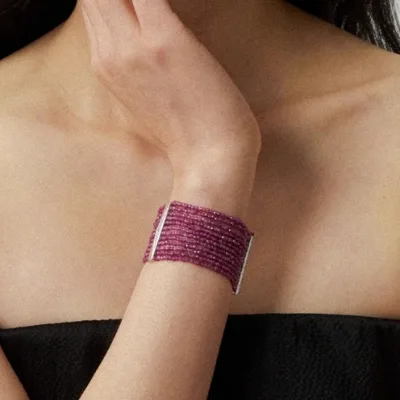
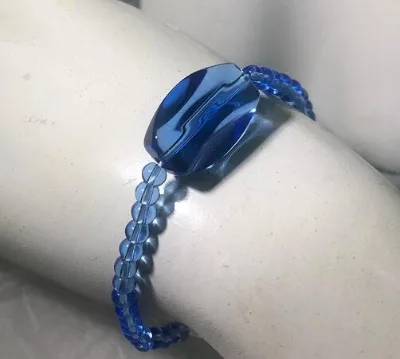


Style Simple Beaded Bracelet Elastic Stacked Bracelet Adjustable Bracelets
$1.25 - $2.15
MOQ: 60 Pieces


$1.00 - $8.00
MOQ: 2000 Pieces
Comprehensive Sourcing Guide
Strategic Sourcing Guide for 12mm Bezel Setting Beaded Bracelets
The global market for beaded jewelry has evolved significantly, moving beyond simple fashion accessories to become a versatile category encompassing health, formal decoration, and personalized gifting. For procurement professionals targeting the specific niche of a 12mm Bezel Setting Beaded Bracelet, the sourcing strategy requires a nuanced understanding of material diversity, customization capabilities, and supply chain logistics. While the core keyword suggests a specific dimensional and structural requirement, the actual product landscape reveals a complex array of variations in material composition, origin, and intended usage. This guide synthesizes available product attributes and industry standards to provide a disciplined framework for evaluating potential suppliers and defining procurement specifications.
Defining Technical Specifications and Dimensional Standards
When sourcing a 12mm Bezel Setting Beaded Bracelet, the primary technical challenge lies in reconciling the specific dimensional requirement with the diverse product models currently available in the market. The term "bezel setting" typically implies a metal rim securing a central stone or bead, yet the observed product data indicates a broad spectrum of materials ranging from natural beads to silicone and stainless steel. Procurement teams must verify if the "12mm" specification refers to the bead diameter, the bezel width, or the overall bracelet circumference.
The supplied data highlights that product models such as Beaded Bracelet-054O and Eye Shape Beaded Bracelet-072U offer customized sizes, suggesting that dimensional flexibility is a standard industry feature. However, specific standard sizes like 8*10cm or 578mm are also listed, which may refer to packaging dimensions or component sizes rather than the final bracelet length. Buyers must explicitly confirm that the 12mm bezel setting aligns with the bead diameter, as the "Beads" material category is distinct from the "Stainless Steel" or "Silicone" options observed in other listings.
Furthermore, the craftsmanship varies significantly. Some products feature a "Cutting out & Polish" technique, while others utilize standard beading methods. The "Natural" and "Simple" styles observed suggest that the bezel setting may be minimalistic, designed to highlight the bead rather than obscure it. Buyers should request technical drawings or physical samples to ensure the bezel setting mechanism is robust enough to secure the 12mm component without compromising the aesthetic integrity of the "Multicolour" or "Gold" finishes often requested.
Material Composition and Performance Characteristics
Material selection is a critical determinant of the bracelet's durability, cost, and suitability for specific applications. The market data reveals three primary material categories: Beads, Silicone, and Stainless Steel. Each material offers distinct advantages and limitations that must be weighed against the procurement goals.
Products made from Beads are frequently associated with a "Natural" style and are suitable for "Decoration" and "Gift" purposes. These items often come in "Multicolour" options and are targeted toward a female demographic. The "Natural" attribute suggests the use of semi-precious stones or organic materials, which may require specific care instructions regarding moisture and chemicals.
Conversely, Silicone variants are noted for dual usage in "Decoration" and "Health." This material is often preferred for active wear or therapeutic applications, offering flexibility and hypoallergenic properties. The "Gold" color option in silicone suggests a coating or dyeing process that must be verified for longevity and resistance to peeling.
The Stainless Steel category presents a more industrial and durable option, specifically marked with "No" for oxidation. This makes it ideal for "Informal Occasions" and suitable for "Male" demographics. The "Silver" color and "Cutting out & Polish" craft indicate a high-polish finish that resists tarnishing. For a 12mm bezel setting, stainless steel offers superior structural integrity compared to beads or silicone, ensuring the setting remains secure under daily wear.
| Material | Primary Usage | Target Demographic | Key Attribute | Oxidation Resistance |
|---|---|---|---|---|
| Beads | Decoration, Gift | Female | Natural Style | Not Specified |
| Silicone | Decoration, Health | Unisex | Flexible | Not Specified |
| Stainless Steel | Gift, Informal | Male | Polished Finish | No (High) |
Compliance, Certification, and Origin Verification
Sourcing from Fujian, China and general China origins is common for this product category, but it necessitates rigorous compliance checks. The supplied facts indicate that products are often "Customized" and accept "OEM Orders," which implies that the final product specifications may deviate from standard factory defaults. This customization capability requires clear communication regarding material safety and chemical compliance.
Buyers must verify that the "Beads" or "Stainless Steel" materials comply with international standards for jewelry, such as restrictions on lead, cadmium, and nickel content. While the data mentions "Customized" standards, it does not explicitly list certifications like REACH, RoHS, or ISO 9001. Procurement teams should not assume compliance based on the "Customized" label alone. Instead, they must request specific test reports for the chosen material batch.
The "prod_standard" field often lists "customized" or specific dimensions like "8*10cm," which may refer to packaging or component standards rather than safety certifications. It is essential to distinguish between product specifications and regulatory compliance. For products intended for the "Formal Occasions" market, higher scrutiny on material purity and finish quality is required to meet the expectations of luxury retailers. Additionally, the "Oxidize?: No" attribute for stainless steel products should be validated through independent testing to ensure the claim holds true over the product's lifecycle.
Cost Drivers and Pricing Dynamics
The observed price range of 0.27 to 20.88 USD indicates a highly segmented market with significant variance in unit costs. This wide disparity is driven by several key factors: material composition, customization level, and order volume.
The lower end of the price spectrum, likely around 0.27 USD, corresponds to basic bead or silicone bracelets with minimal customization and high-volume production. These items often utilize standard packaging like "PP Bag" or "Polybag" and may have a higher Minimum Order Quantity (MOQ) to achieve economies of scale. The data shows an observed MOQ range of 5 to 2000, with specific listings citing 500 PCS or 10000 as standard thresholds.
Conversely, the higher price point, reaching 20.88 USD, is associated with premium materials like stainless steel, complex "Cutting out & Polish" craftsmanship, and bespoke packaging solutions such as "OPP Bag + Bubble Bag + Carton." These products often cater to the "Gift" market and may include custom logos or specific color requirements. The "Customized" attribute is a significant cost driver; adding a custom logo or altering the bezel setting design will increase the unit price and potentially the lead time.
Buyers must also consider the impact of the MOQ on the unit cost. While some suppliers accept orders as low as 5 PCS, this often results in a significantly higher per-unit price due to setup costs. For a strategic procurement of 12mm bezel setting bracelets, balancing the MOQ with the budget is crucial. The "10000" MOQ for certain models suggests that large-scale corporate gifting or retail distribution requires substantial upfront commitment, whereas smaller batches may be better suited for sampling or niche marketing campaigns.
Supplier Evaluation and Customization Capabilities
Evaluating suppliers for beaded bracelets requires a focus on their ability to handle customization and maintain quality consistency. The data confirms that OEM Orders and ODM/Custom services are "Warmly Welcome" and "Available" across the market. This indicates a mature supply chain capable of adapting to specific buyer requirements.
Key evaluation criteria should include:
- Customization Flexibility: Can the supplier accommodate specific bezel settings, bead sizes, and color combinations? The "Any Color" attribute for beaded bracelets suggests high flexibility, but the "Gold" or "Silver" specific options indicate that some suppliers may have limited color palettes for certain materials.
- Packaging Options: Suppliers offer various packaging, from simple "PP Bag" to "Each Packed in a Polybag" or "OPP Bag + Bubble Bag + Carton." The choice of packaging affects the final product presentation and protection during transit. Buyers should verify if the packaging meets their retail or gifting requirements.
- Production Capacity: With MOQs ranging from 5 to 2000, suppliers vary in their capacity to handle small versus large orders. A supplier with a 10000 MOQ may not be suitable for a startup brand, while one with a 500 MOQ might be ideal for a boutique retailer.
- Origin and Logistics: Most products originate from Fujian, China or general China. Buyers should assess the supplier's logistics capabilities, including lead times and shipping methods, to ensure timely delivery.
Quality Control and Long-Term Procurement Strategy
Ensuring consistent quality in beaded bracelets involves a multi-stage quality control process. Given the "Natural" and "Multicolour" attributes, visual inspection is paramount to ensure color consistency and bead uniformity. For stainless steel products, checking for "Oxidize?: No" claims through scratch tests or salt spray tests is recommended.
Long-term procurement strategies should focus on building relationships with suppliers who demonstrate stability in their "Customized" production capabilities. The "prod_packing" variations suggest that packaging standards can be adjusted, but buyers must establish clear specifications to avoid discrepancies between samples and bulk orders.
Furthermore, the "Usage" attributes of "Decoration," "Health," and "Gift" imply different quality benchmarks. A bracelet marketed for "Health" usage may require stricter material safety certifications than one intended solely for "Decoration." Buyers should align their quality control protocols with the intended usage of the product.
Finally, the "Style" attributes of "Natural" and "Simple" suggest a trend toward minimalism. Procurement teams should monitor market trends to ensure that the 12mm bezel setting remains relevant. Adapting to changes in consumer preference, such as a shift from "Multicolour" to "Single Colour" options, will be essential for maintaining a competitive edge in the market. By rigorously evaluating suppliers based on these factors, buyers can secure a reliable supply chain for high-quality 12mm bezel setting beaded bracelets.
FAQs
Can I customize the color and logo for 12mm bezel setting beaded bracelets?
Yes, customization is available for colors and logos on these bracelets. Suppliers accept OEM orders and allow any color selection, with specific models like Beaded Bracelet-054O offering customized sizes and packaging options to meet your branding needs.
What materials are used for 12mm bezel setting beaded bracelets?
These bracelets are primarily made from beads, silicone, or stainless steel. Beads offer a natural style suitable for decoration, while silicone supports health and decoration uses, and stainless steel provides a polished, oxidation-resistant finish ideal for informal occasions.
Which suppliers offer low MOQ for 12mm bezel setting beaded bracelets?
Some suppliers accept minimum orders as low as 5 pieces, while others require 500 or 10000 pieces. The observed MOQ range spans from 5 to 2000, allowing flexibility for small batch sampling or large-scale corporate gifting projects depending on the vendor.
How much does a 12mm Bezel Setting Beaded Bracelet cost?
The price ranges from 0.27 to 20.88 USD per unit based on material and customization. Lower costs apply to basic bead or silicone options with standard packaging, while premium stainless steel items with custom logos and complex packing command higher prices.
Where are 12mm bezel setting beaded bracelets manufactured?
Most products originate from Fujian, China or other regions within China. This location is common for the category, and buyers should verify specific factory details and logistics capabilities when sourcing from these Chinese manufacturing hubs for their orders.
What packaging options are available for 12mm bezel setting beaded bracelets?
Packaging varies from simple PP bags to polybags with bubble wrap and cartons. Options include each item packed in a polybag or OPP bag plus bubble bag, allowing buyers to select protection levels suitable for retail display or direct gifting purposes.