Source 12pcs Stainless Steel Cookware Set with Glass Lid for Hotels, Restaurants, and Homes
Explore 30 listings for the 12pcs Stainless Steel Cookware Set with Glass Lid, featuring various models like R-10-32 and HJ-PC1179. Buyers can compare specifications including material grades, handle types, and induction compatibility across suppliers in Jiangmen, China.
Key considerations
Products List


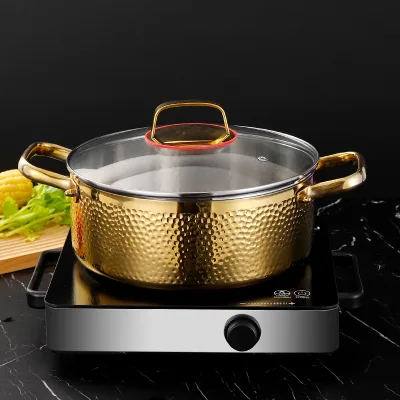


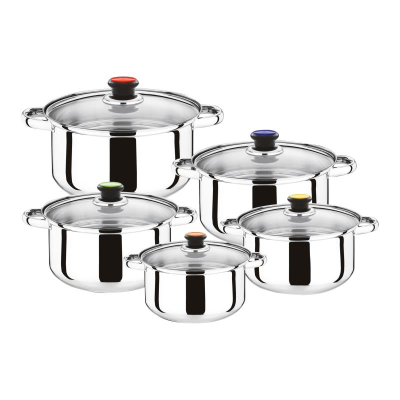


Comprehensive Sourcing Guide
Strategic Sourcing Guide for 12-Piece Stainless Steel Cookware Sets with Glass Lids
Understanding the Core Product Configuration
The procurement of a 12-piece stainless steel cookware set with a glass lid represents a significant investment in kitchen infrastructure for both retail distribution and hospitality sectors. Based on observed market data, this product category is defined by specific structural and material attributes that distinguish it from single-item purchases. The core configuration typically includes a variety of pot sizes, often ranging from 16cm to 24cm in diameter, to accommodate diverse cooking tasks. The "12-piece" designation usually encompasses a combination of saucepans, stockpots, and frying pans, often accompanied by lids and auxiliary tools.
A critical observation in the current supply landscape is the variation in material composition. While high-end sets utilize 304 or 316 stainless steel for superior corrosion resistance, the market also features sets constructed from 201 stainless steel. This distinction is vital for buyers to understand, as 201 steel offers a cost-effective alternative but may have different magnetic properties and durability profiles compared to 304 or 316 grades. The presence of a glass lid is a standard requirement for this keyword, with specific observations noting 3.5mm C-shape blue glass lids or standard clear glass lids. These lids are often paired with stainless steel handles, which can be hollow for heat insulation or feature soft-touch coatings for ergonomic safety.
The finish of the cookware is another defining characteristic. Suppliers commonly offer a satin or mirror polish exterior, sometimes combined with satin lines on the body. This aesthetic choice not only influences the visual appeal but also impacts the cleaning experience, as satin finishes tend to hide fingerprints better than mirror finishes. The cooking sources supported by these sets are generally versatile, including induction, ceramic, gas, and electric stovetops, provided the bottom of the cookware is designed with an induction-compatible base.
Technical Specifications and Material Standards
When evaluating the technical specifications of a 12-piece stainless steel cookware set, buyers must scrutinize the body material, lid construction, and handle design. The material of the body is the primary determinant of longevity and safety. While some listings indicate a single material grade like 201ss, others offer a mix of 201ss, 304ss, and 316ss. Buyers should verify the specific grade used for each piece in the set, as the base of the pots often requires a different thickness or alloy composition to ensure even heat distribution on induction cooktops.
The lid specification is equally critical. The standard observation points to a glass lid, with specific models featuring a 3.5mm thickness and a C-shape design. This thickness is generally considered robust for thermal shock resistance. However, buyers must confirm whether the lid includes a stainless steel rim or if it is entirely glass, as the rim provides structural integrity and a secure grip. The handle design varies significantly across suppliers. Options include hollow stainless steel handles, which are traditional and durable, or soft-touch handles that offer enhanced comfort. Some premium configurations feature gold-plated or black-plated hollow stainless steel handles, which add a decorative element but require careful handling to prevent plating wear.
The standard sizes observed in the market include 16cm, 18cm, 20cm, 22cm, and 24cm. A typical 12-piece set might include a 14cm, 16cm, 20cm, 22cm, and 24cm configuration, potentially including multiple pieces of the same size or specific auxiliary items to reach the 12-piece count. The bottom of the cookware is designed for induction compatibility, a feature that is now a baseline expectation for modern stainless steel cookware. This induction bottom usually involves a layered construction where a magnetic steel layer is bonded to the stainless steel body to facilitate heating on induction surfaces.
Compliance, Certification, and Regulatory Verification
Navigating the regulatory landscape for stainless steel cookware requires a rigorous verification of certifications. The supply chain data indicates that compliant products often carry FDA and LFGB certifications. These certifications are essential for ensuring that the materials used in the cookware are safe for food contact and do not leach harmful substances. FDA certification is particularly relevant for the North American market, while LFGB is the standard for the European Union.
Beyond food safety, buyers should look for additional certifications such as CIQ (China Inspection and Quarantine), CE/EU, and EEC. These marks indicate that the product meets specific safety and quality standards required for export and sale in various jurisdictions. The presence of these certifications is not merely a marketing claim but a verification of the manufacturing process and material sourcing. For instance, the CE mark confirms conformity with health, safety, and environmental protection standards for products sold within the European Economic Area.
Buyers must verify that the certifications provided are current and applicable to the specific model being sourced. It is important to note that while some suppliers list these certifications, the actual test reports and documentation should be requested and reviewed. The absence of these certifications in a product listing should be treated as a red flag, prompting further inquiry into the supplier's quality assurance protocols. Additionally, the product origin, often listed as Jiangmen City, China, or generally China, should be cross-referenced with the certification documents to ensure the manufacturing location matches the declared origin.
Cost Drivers and Pricing Dynamics
The pricing of a 12-piece stainless steel cookware set is influenced by several key factors, primarily material composition, manufacturing complexity, and packaging requirements. The observed price range in the market spans from $0.8 to $36 per unit, a wide variance that reflects differences in quality, material grade, and brand positioning. Sets constructed from 201 stainless steel typically fall on the lower end of this spectrum, while those utilizing 304 or 316 stainless steel command higher prices due to the increased cost of raw materials and superior performance characteristics.
The finish and handle design also play a significant role in cost determination. A satin or mirror polish finish requires additional processing steps, which can increase the unit cost. Similarly, handles with soft-touch coatings or gold plating add to the manufacturing expense. The packaging is another cost driver; while basic sets may come in simple cartons, customized color boxes and master cartons add to the overall cost. The volume of the order is a critical factor in pricing. The Minimum Order Quantity (MOQ) varies significantly, with some suppliers requiring as few as 2 units, while others set the bar at 1000 or even 3000 pieces.
Buyers should also consider the logistics costs associated with shipping. The quantity per 40-foot high cube container is a crucial metric for calculating landed costs. Data indicates that a 12-piece set can yield approximately 1680 to 2000 sets per container, depending on the specific dimensions and packaging. This density directly impacts the shipping cost per unit. Furthermore, the lead time, typically around 60 days after deposit, affects cash flow and inventory planning. Buyers must factor in these timeframes when negotiating prices, as rush orders or expedited shipping may incur additional premiums.
Supplier Evaluation and Quality Control Protocols
Evaluating a supplier for a 12-piece stainless steel cookware set requires a multi-faceted approach that goes beyond price comparisons. The location of the supplier, often in industrial hubs like Jiangmen City, China, can provide insights into the local supply chain capabilities and logistics efficiency. However, the physical location should not be the sole criterion; the supplier's track record, production capacity, and quality control systems are paramount.
Quality control should be integrated into every stage of the procurement process. Buyers should request detailed information on the manufacturing process, including the polishing techniques used for the satin or mirror finish. The consistency of the glass lid thickness and the durability of the handle attachments are critical quality indicators. Suppliers who offer customization options, such as customized color boxes or specific handle designs, demonstrate flexibility and a commitment to meeting buyer specifications.
To ensure quality, buyers should implement a robust inspection protocol. This may include pre-production samples, in-process inspections, and final random inspections before shipment. The inspection should verify the material grade, the integrity of the induction bottom, and the functionality of the glass lids. Suppliers who are transparent about their quality control measures and willing to share test results or certification documents are generally more reliable partners. Additionally, the supplier's ability to meet the lead time of 60 days after deposit is a key performance indicator of their operational efficiency.
Typical Applications and Market Positioning
The 12-piece stainless steel cookware set with a glass lid is designed for a wide range of applications, from residential kitchens to commercial hospitality settings. In the residential market, these sets are valued for their durability, aesthetic appeal, and versatility. The inclusion of various pot sizes allows for efficient meal preparation, while the glass lids enable cooks to monitor the cooking process without releasing heat or moisture. The induction-compatible bottom makes these sets suitable for modern kitchens that utilize induction cooktops.
In the commercial sector, such as hotels, restaurants, and catering services, the demand for durable and high-volume cookware is significant. The 12-piece configuration offers a comprehensive solution for kitchen operations, reducing the need for multiple separate purchases. The stainless steel construction ensures that the cookware can withstand frequent use and rigorous cleaning cycles. The glass lids are particularly useful in commercial settings where visual monitoring of food is essential for quality control.
The market positioning of these sets varies based on the material grade and finish. Sets made from 201 stainless steel with basic finishes are often positioned as budget-friendly options for mass-market retail. In contrast, sets made from 304 or 316 stainless steel with premium finishes and specialized handles are targeted at the high-end market, appealing to consumers who prioritize longevity and performance. The customization options available, such as branded packaging or specific handle designs, allow suppliers to tailor their products to specific market segments.
Long-Term Procurement Considerations and Strategic Planning
Sourcing a 12-piece stainless steel cookware set is not just a transactional activity but a strategic decision that impacts long-term business operations. Buyers should consider the scalability of the supply chain and the supplier's ability to meet future demand. The MOQ of 1000 pieces or more may be a barrier for small businesses, but it can be a strategic advantage for larger buyers seeking volume discounts and consistent supply.
The lead time of 60 days after deposit is a critical factor in inventory management. Buyers must plan their orders well in advance to avoid stockouts and ensure a steady supply of products. The variability in the quantity per container, ranging from 1680 to 2000 sets, should be factored into logistics planning to optimize shipping costs and minimize waste.
Furthermore, the long-term viability of the product depends on the availability of replacement parts and the supplier's commitment to after-sales support. While the stainless steel construction is inherently durable, the glass lids and handles may require replacement over time. Buyers should inquire about the availability of spare parts and the supplier's policy on warranty and returns.
In conclusion, sourcing a 12-piece stainless steel cookware set with a glass lid requires a comprehensive understanding of the product's technical specifications, compliance requirements, cost drivers, and market applications. By carefully evaluating suppliers and implementing robust quality control measures, buyers can secure a reliable supply of high-quality cookware that meets their specific needs and market demands. The strategic planning of orders, considering lead times and container quantities, ensures a smooth procurement process and long-term business success.
FAQs
What certifications do these cookware sets have?
These sets typically hold FDA and LFGB certifications for food safety. Some models also include CIQ, CE/EU, and EEC marks to ensure compliance with international export standards and regulatory requirements for various jurisdictions.
Which materials are used for the cookware body?
The body is commonly made from 201 stainless steel, though options may include 304 or 316 grades. Buyers should verify the specific alloy for each piece, as 201 offers a cost-effective solution while 304 and 316 provide superior corrosion resistance.
Can these sets be used on induction cooktops?
Yes, the sets feature an induction bottom designed for compatibility with induction, ceramic, gas, and electric stovetops. This layered construction ensures efficient heat distribution and functionality across diverse modern kitchen cooking sources.
What is the typical lead time for production?
The standard lead time is 60 days after the deposit is received. This duration allows for manufacturing, quality control, and packaging preparation before the goods are shipped via sea freight to the destination.
What customization options are available for buyers?
Customization is available for packaging, handle designs, and specific product models. Suppliers can provide customized color boxes and vary handle types, such as hollow stainless steel or soft-touch options, to meet specific buyer requirements.
What is the minimum order quantity for these sets?
The MOQ varies by supplier, ranging from 2 units up to 3000 pieces. Some specific listings indicate an MOQ of 1000 pieces or 800 sets, so buyers must confirm the threshold with the specific manufacturer.
Where are these cookware sets manufactured?
The products originate from China, with specific manufacturing hubs located in Jiangmen City. This location is a known industrial center for stainless steel cookware production and export logistics.