Source 16-in-1 Multifunctional Electric Pressure Cooker for Home Hotel Restaurant
Explore 30 listings for the 16-in-1 multifunctional electric pressure cooker featuring mechanical and microcomputer controls. Buyers can compare models with aluminum or stainless steel inner pots, varying power ratings, and programmable cooking functions suitable for household and commercial use.
Key considerations
Products List


Electric Pressure Cooker with 16 Functions, Affordable for Household Use
$24.60 - $25.90
MOQ: 500 Pieces

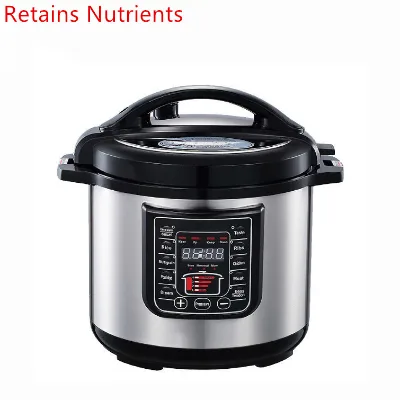


Stainless Steel Electric Pressure Cooker with Multi Cooking Functions
$20.00 - $23.00
MOQ: 1000 Pieces

Touch-Controlled Multi Cooker: Electric Pressure Cooker for Quick Meals
$16.50 - $18.00
MOQ: 1000 Pieces

Electric Pressure Cooker 6 Qt Stainless Steel Multi Cooker Multi-Function Cooker
$16.50 - $18.00
MOQ: 1000 Pieces

Multi Cooker with Touch Control for Electric Pressure Cooking Convenience
$16.50 - $18.00
MOQ: 1000 Pieces

Electric Pressure Cooker Multi Cooker Provides Reliable Service with a Simple Timer Setting.
$15.00 - $18.50
MOQ: 1000 Pieces

The Electric Pressure Cooker Multi Cooker with Essential Features Offers a Manual Timing Control.
$15.00 - $18.50
MOQ: 1000 Pieces


Electric Pressure Cooker, Removable Cover, One-Touch Multi-Cook, Keep Warm.
$6.11 - $6.22
MOQ: 1000 Pieces


Comprehensive Sourcing Guide
Strategic Sourcing Guide for 16-in-1 Multifunctional Electric Pressure Cookers
The global market for electric pressure cookers has evolved significantly, moving from single-function appliances to complex, multifunctional units capable of handling diverse culinary tasks. While the specific search term "16-in-1 multifunctional electric pressure cooker" suggests a high degree of versatility, buyers must navigate a landscape where manufacturers often use varying terminologies to describe their capabilities. The actual product count available in current listings indicates a robust supply chain, yet the specific "16-in-1" claim requires careful verification against the actual feature sets observed in the market. This guide provides a disciplined approach to sourcing these units, focusing on technical realities, compliance, cost structures, and supplier evaluation based on verified industry data.
Technical Specifications and Functional Verification
When evaluating electric pressure cookers, the primary distinction lies in the control mechanisms and the specific functions integrated into the device. The market currently features a mix of mechanical and microcomputer-controlled units. Mechanical control systems offer durability and simplicity, often preferred in high-volume commercial settings where robustness is paramount. In contrast, microcomputer control systems provide programmable features, including automatic cooking cycles, 24-hour presetting, and precise temperature management.
A critical observation in the current supply base is the variation in inner pot materials. Buyers must distinguish between Aluminum Alloy and Stainless Steel options. Aluminum pots are often lighter and offer excellent heat conductivity, frequently paired with non-stick coatings to facilitate easy cleaning. Stainless steel pots, while heavier, offer superior durability and are often preferred for their resistance to scratching and long-term wear. The observed data indicates that some models feature an Aluminum Pot with non-stick coatings, while others utilize Stainless Steel Pots, each serving different user preferences regarding cooking speed versus longevity.
Power consumption is another vital technical parameter. The observed range for power ratings includes 900W, 1000W, and 1200W variants. A 1000W unit is a common standard for household and light commercial use, balancing energy efficiency with cooking speed. However, higher wattage models, such as the 1200W units, may offer faster pressure build-up times. Buyers should verify the specific wattage against their local electrical infrastructure to ensure compatibility. Furthermore, the operating language is predominantly English in the international market, which is a standard requirement for export-oriented products.
Compliance, Certification, and Safety Standards
Safety is the paramount concern when sourcing pressure cookers, as these devices operate under significant internal pressure. The working pressure for observed models typically ranges from 40-70kPa, with a limiting pressure of 90kPa maximum. This specification is crucial for understanding the safety margins built into the design. The devices must include essential safety features such as pressure release devices and overheat protection mechanisms to prevent accidents.
Regarding certifications, the market data shows a low-confidence reference to CE certification. Buyers should not assume that all listed products possess this certification without explicit verification from the supplier. CE marking indicates conformity with health, safety, and environmental protection standards for products sold within the European Economic Area. In the absence of confirmed certification data for specific listings, procurement teams must request valid test reports and certification documents directly from the manufacturer. Relying on unverified claims can lead to regulatory non-compliance and potential liability issues.
Energy efficiency is another compliance-related attribute. Many observed units carry an Energy Efficiency Rating Class a, indicating a high level of energy conservation. This is a significant factor for buyers looking to reduce operational costs in large-scale environments like hotels or restaurants. However, buyers must verify that the "Class a" rating is based on recognized testing standards applicable to the target market, as labeling standards can vary by region.
Cost Drivers and Pricing Dynamics
The pricing for electric pressure cookers in the current market ranges from $3.75 to $50 USD. This wide variance is driven by several key factors, including the material of the inner pot, the complexity of the control system, and the brand positioning. Models featuring stainless steel inner pots and microcomputer controls generally command higher prices compared to those with aluminum pots and mechanical controls. The "16-in-1" functionality, if present, often correlates with higher-end models that include advanced features like app control, LED displays, and multiple cooking presets.
Packaging and logistics also influence the final cost. The observed single package size of 50x50x50 cm and a single gross weight of 5.000 kg provide a baseline for calculating shipping costs. Corrugated boxes are the standard packaging type, designed to protect the unit during transit. Buyers should consider that the "Selling Units" are often listed as single items, which can affect the per-unit cost when ordering in bulk. The Minimum Order Quantity (MOQ) ranges from 1 to 1000 units, offering flexibility for both small retailers and large distributors. Understanding these cost drivers allows buyers to negotiate more effectively and allocate budgets appropriately.
Typical Applications and Usage Scenarios
The versatility of these multifunctional cookers makes them suitable for a wide range of applications. The observed data lists usage scenarios including home, hotel, restaurant, and office environments. In a household setting, the programmable features and automatic cooking functions simplify meal preparation, allowing users to prepare complex dishes with minimal supervision. The 24-hour presetting feature is particularly valuable for busy families who wish to have meals ready upon returning home.
For commercial applications such as hotels and restaurants, the durability and efficiency of the units are critical. The "Multi-Use Pressure Cooker" designation suggests that these devices can handle various cooking tasks, from rice preparation to stewing and steaming. The ability to operate at specific working pressures allows for faster cooking times, which is essential in high-volume food service environments. Additionally, the "Free Spare Parts" after-sales service provided by some suppliers is a significant advantage for commercial buyers who require minimal downtime.
The "7-In-1" functionality observed in some models indicates a high level of integration, where a single device replaces multiple kitchen appliances. This consolidation reduces the need for separate equipment, saving counter space and reducing overall capital expenditure. For offices, these units can be used for communal meal preparation, offering a cost-effective solution for employee catering.
Supplier Evaluation and Selection Criteria
Selecting the right supplier is a critical step in the procurement process. Buyers should prioritize suppliers who provide transparent information regarding product origins and manufacturing standards. The observed data indicates that the place of origin is primarily Guangdong, China, a region known for its robust manufacturing capabilities in small appliances. However, the specific brand names, such as "Hungstar," should be evaluated based on their track record and reputation in the market.
When evaluating suppliers, buyers should request detailed product specifications, including the exact model number (e.g., ALY-WK01, YS012, J02, TOP-1) and the specific features offered. It is essential to verify that the supplier can meet the required customization needs, as customization is listed as an available attribute. This could include branding, packaging, or specific feature configurations.
The warranty period is another key indicator of supplier confidence. A standard warranty of 1 year is observed in the market, but buyers should negotiate for extended coverage if the intended use involves heavy commercial usage. Additionally, the availability of after-sales support, such as free spare parts, is a strong indicator of a reliable supplier. Buyers should also assess the supplier's ability to handle the observed MOQ range, ensuring they can meet the demand without compromising on quality or delivery timelines.
Quality Control and Long-Term Procurement Considerations
Implementing a robust quality control (QC) process is essential to ensure that the sourced products meet the required standards. Given the variation in inner pot materials and control types, buyers should conduct random sampling and testing upon receipt of goods. This includes verifying the working pressure limits, checking the functionality of safety release devices, and inspecting the durability of the non-stick coatings.
Long-term procurement considerations involve building a sustainable relationship with suppliers who can consistently deliver high-quality products. Buyers should establish clear communication channels to address any issues that arise, such as defects or performance discrepancies. The "Multi-function cooking" capability should be tested to ensure that all advertised functions operate correctly and efficiently.
Furthermore, buyers should consider the environmental impact of the products. The energy efficiency ratings and the materials used in construction should align with the company's sustainability goals. As the market continues to evolve, staying informed about new technologies and standards will help buyers make informed decisions that balance cost, quality, and performance.
Comparative Analysis of Product Attributes
To facilitate a clearer understanding of the market offerings, the following table summarizes the key attributes observed in the current product listings. This comparison highlights the diversity in specifications and helps buyers identify the most suitable options for their specific needs.
| Attribute | Observation 1 | Observation 2 | Observation 3 |
|---|---|---|---|
| Inner Pot Material | Aluminum Alloy | Stainless Steel | Aluminum |
| Control Type | Mechanical Control | Microcomputer Control | Programmable Control |
| Power Rating | 1000W | 1000W | 1200W |
| Energy Efficiency | Rating Class a | Class a | Not Specified |
| Warranty | 1 Year | 1 Year | 1 Year |
| Model Number | ALY-WK01 | YS012 | TOP-1 |
| Key Features | Non-Stick, Automatic | Automatic, Programmable | LED Display, Overheat Protection |
| Usage | Household | Home, Hotel, Restaurant | Home, Office |
| Working Pressure | 40-70kPa (Limit 90kPa) | 40-70kPa (Limit 90kPa) | Adjustable Pressure Setting |
This table illustrates that while there is a common thread of safety and efficiency, the specific features and materials vary significantly. Buyers must carefully match these attributes to their operational requirements to ensure optimal performance and value.
Conclusion
Sourcing a 16-in-1 multifunctional electric pressure cooker requires a meticulous approach that balances technical specifications, compliance requirements, and cost considerations. By understanding the nuances of inner pot materials, control systems, and safety standards, buyers can make informed decisions that align with their specific needs. The observed market data provides a solid foundation for evaluation, but continuous verification and supplier engagement are essential to ensure long-term success. As the market continues to evolve, staying vigilant about quality control and emerging standards will be key to maintaining a competitive edge in the procurement of these versatile kitchen appliances.
FAQs
What inner pot materials are available for these cookers?
Inner pots are available in Aluminum Alloy, Stainless Steel, or Aluminum. Buyers must verify the specific material for each model as options vary between lightweight conductivity and superior durability against scratching.
Which control types are used in these electric pressure cookers?
Control types include Mechanical Control and Microcomputer Control. Microcomputer units offer programmable features like 24-hour presetting, while mechanical systems provide robustness suitable for high-volume commercial environments.
Can these units operate at specific working pressures?
Yes, observed models operate at 40-70kPa with a limiting pressure of 90kPa maximum. Essential safety features like pressure release devices and overheat protection are required to manage these internal pressures safely.
What power ratings are common for these appliances?
Common power ratings include 900W, 1000W, and 1200W. Buyers should verify the specific wattage against their local electrical infrastructure to ensure compatibility and optimal cooking speed.
How is energy efficiency rated for these products?
Many units carry an Energy Efficiency Rating Class a. Buyers must verify that this rating is based on recognized testing standards applicable to their target market to ensure accurate energy conservation claims.
What warranty periods are typically offered by suppliers?
A standard warranty of 1 year is observed in the market. Buyers should negotiate for extended coverage if the intended use involves heavy commercial usage to minimize downtime risks.
Which packaging types are used for shipping these cookers?
Corrugated boxes are the standard packaging type for these units. The observed single package size is 50x50x50 cm with a gross weight of 5.000 kg, which affects shipping cost calculations.