Find Non-Stick Square Electric Frying Pan for Home, Restaurant, Kitchen
Explore 30 Non-Stick Square Electric Frying Pan options to compare specifications, materials, and pricing. This guide helps buyers evaluate features like capacity and coating types for various commercial and residential cooking needs; compare the available evidence and request quotations based on your requirements.
Key considerations
Products List








Comprehensive Sourcing Guide
Non-Stick Square Electric Frying Pan Sourcing Guide
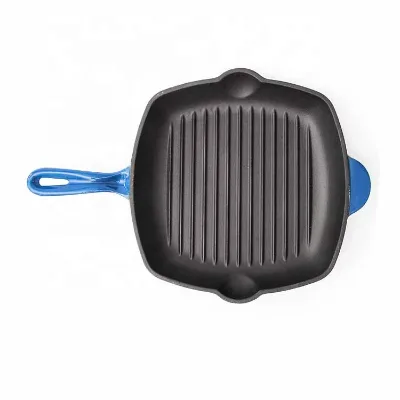
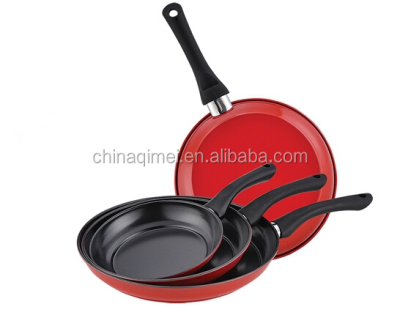
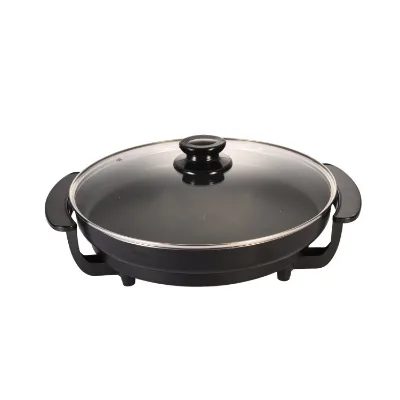
Procuring non-stick square electric frying pans requires a disciplined approach to verifying product consistency across diverse supplier listings. Buyers must distinguish between standalone electric units and traditional cookware that may be mislabeled or bundled with electric components. The observed data indicates a mix of product types, including cast iron enamel grill pans and aluminum electric cookers, which can lead to specification mismatches if not carefully filtered.
To mitigate risk, procurement teams should prioritize suppliers who provide clear technical datasheets rather than relying solely on marketing keywords. Verify whether the "electric" designation refers to a self-contained heating element or if the product is merely compatible with induction stoves. This distinction is critical for inventory planning, as electric units require different packaging, safety certifications, and logistics considerations compared to passive cookware.
Product Scope and Observed Listing Signals
The market for this keyword presents a fragmented landscape where product definitions vary significantly. Listings often conflate square-shaped frying pans with multifunction electric cookers, leading to ambiguity in the actual product form factor. Observed attributes include both round and square shapes, with some products featuring steamers and others lacking covers entirely. Buyers must clarify the exact geometry and functional components before issuing purchase orders.
Specific listing signals reveal a range of capacities, with some units specified at 4.5 to 5 liters, while others are defined by diameter measurements such as 26 cm or 38 to 41 cm. The presence of handles, whether helper handles or standard long handles, also varies across listings. Standardizing these physical attributes early in the sourcing process prevents receiving goods that do not fit the intended retail display or user experience requirements.
Technical Specifications to Verify
Technical verification must focus on the heating mechanism and material composition to ensure performance consistency. For electric models, confirm the power rating, voltage compatibility, and thermostat range, as these factors directly impact energy efficiency and cooking precision. The observed data mentions aluminum and cast iron materials, each offering distinct thermal properties. Aluminum provides rapid heat distribution, while cast iron offers superior heat retention, which is essential for searing applications.
Coating integrity is another critical technical parameter. Listings indicate enamel coatings and non-stick surfaces, but buyers must verify the specific type of non-stick material used, such as PTFE or ceramic, to ensure durability and safety. Additionally, check the bottom material compatibility with induction stoves if the product is marketed for dual use. Ensuring the base is magnetic and flat is necessary for induction functionality, which is a common requirement in modern kitchen setups.
Compliance and Safety Documentation
Safety compliance is non-negotiable for electric kitchen appliances, particularly those involving high-temperature heating elements. Buyers must request valid test reports and certifications from recognized testing laboratories. While some listings mention FDA, LFGB, CE, and CB certifications, these claims must be independently verified through original documentation. Ensure that the certificates cover the specific model number and batch being procured, as generic certificates may not apply to the exact product variant.
Electrical safety standards are paramount, requiring verification of insulation resistance, leakage current, and grounding integrity. For non-electric cookware components, focus on food contact safety, ensuring that coatings and materials comply with local regulations regarding heavy metal migration and chemical stability. Requesting material safety data sheets (MSDS) for all components, including handles and covers, provides an additional layer of assurance regarding the chemical composition and potential allergens.
Cost Drivers and Commercial Terms
Understanding cost drivers is essential for accurate budgeting and negotiation. The primary cost factors include the material grade, such as cast iron versus aluminum, and the complexity of the electrical components. Electric units with digital controls and multiple heating zones typically command higher prices than simple analog models. Packaging also influences cost, with observed configurations ranging from single boxes to cartons containing multiple units, affecting per-unit logistics expenses.
Commercial terms should be negotiated based on order volume and payment structure. Observed MOQs range from 1 to 2000 pieces, with some suppliers requiring multiples of 500 for selling units. Buyers should clarify whether the quoted price includes customization options, such as logo printing, which can add to the unit cost. Additionally, review the payment terms, such as T/T or L/C, and ensure that the contract specifies the Incoterms to clarify responsibility for shipping and insurance.
Supplier Qualification and Quality Control
Supplier qualification involves assessing the manufacturer's production capabilities and quality management systems. Verify that the supplier has a dedicated production line for electric cookware and possesses the necessary technical expertise to handle complex assemblies. Requesting a factory audit report or visiting the facility can provide insights into the production environment, workforce training, and equipment maintenance practices.
Implementing a robust quality control plan is crucial for minimizing defects. Define acceptance criteria for key parameters, such as coating adhesion, electrical safety, and dimensional accuracy. Pre-shipment inspections should include functional testing of the heating elements and thermostat controls. Establishing a clear protocol for handling non-conforming goods, including replacement or refund terms, protects the buyer from financial losses due to quality issues.
Long-Term Procurement Checks
Long-term procurement success depends on maintaining consistent quality and reliable supply chains. Establish regular communication channels with the supplier to monitor production schedules and address any potential disruptions. Review the supplier's financial stability and market reputation to ensure they can sustain operations over time. Diversifying the supplier base can reduce dependency on a single source and provide leverage in negotiations.
Continuously monitor market trends and technological advancements in electric cookware to stay competitive. Evaluate the supplier's R&D capabilities and their willingness to collaborate on product improvements or new features. Regularly update the technical specifications and compliance requirements to align with evolving regulatory standards and consumer preferences. This proactive approach ensures that the procurement strategy remains aligned with business goals and market demands.
FAQs
What is the capacity of the Non-Stick Square Electric Frying Pan?
The capacity ranges from 4.5 to 5 liters for the electric cooker models listed. This volume supports cooking for multiple servings in home or restaurant kitchens. The specific capacity depends on the model selected, ensuring versatility for various meal preparations.
Can I customize the logo on the Non-Stick Square Electric Frying Pan?
Yes, customized logos are acceptable for this product line. Buyers can request branding on the cookware to match their business identity. This customization option is available for orders meeting the minimum quantity requirements set by the manufacturer.
Which certifications does the Non-Stick Square Electric Frying Pan hold?
The product holds FDA, LFGB, CE/EU, and CB certifications. These standards ensure safety and compliance for international markets. Buyers can verify these credentials when sourcing from suppliers who adhere to these specific quality and safety protocols.
How is the Non-Stick Square Electric Frying Pan packaged for shipment?
Each unit is packed individually in a box, with six boxes per carton. The outer box dimensions are 650 by 520 by 580 millimeters with a gross weight of 18 kilograms. This packaging ensures safe transport and efficient handling during logistics.
What is the minimum order quantity for the Non-Stick Square Electric Frying Pan?
The minimum order quantity is 500 pieces for this specific product model. Some listings may show different ranges, but 500 is the confirmed standard for this batch. Buyers should plan their procurement volume accordingly to meet this threshold.
Where is the Non-Stick Square Electric Frying Pan manufactured?
The product originates from Dongguan, China, with some variants from Henan, China. These locations are known for manufacturing metal cookware. Buyers can expect consistent production quality from these established industrial regions in China.
What material is used for the bottom of the Non-Stick Square Electric Frying Pan?
The bottom material is cast iron, providing durability and heat retention. Some models feature an enamel coating on the exterior for added protection. This construction supports use on general gas and induction cookers for versatile cooking applications.