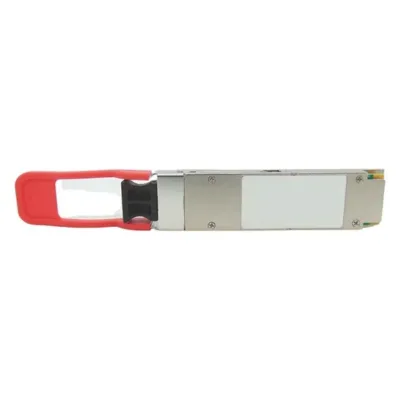
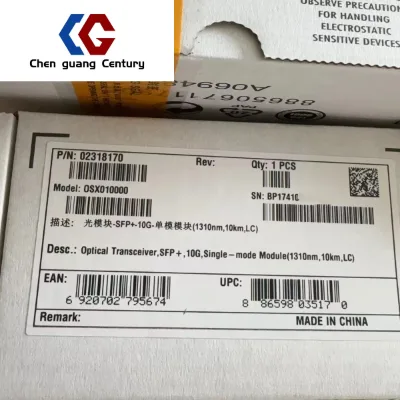
Source 200G Fec Enabled QSFP56 Transceiver for Data Centers, Cloud, and HPC
Explore 30 listings for the 200G Fec Enabled QSFP56 Transceiver to compare specifications like data rate, reach, and package types. Buyers can evaluate options ranging from 100m to 10km reach with various Tx and Rx configurations to find the right component for their network infrastructure.
Key considerations
Products List

$28.50 - $32.50
MOQ: 1 Pieces


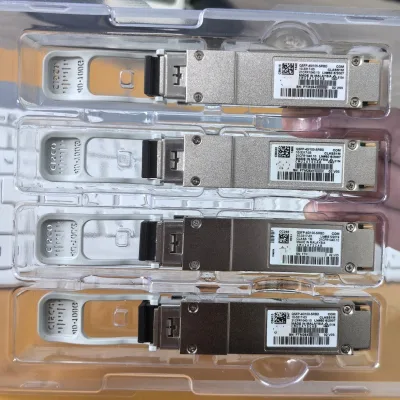
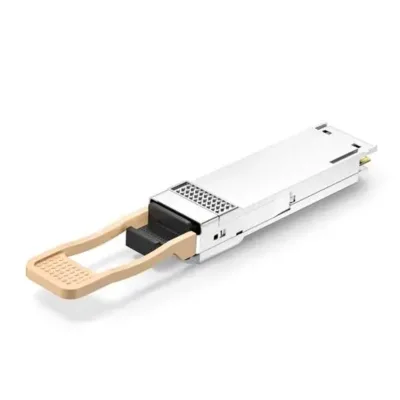


Comprehensive Sourcing Guide
Strategic Sourcing Guide for 200G FEC-Enabled QSFP56 Transceivers
The procurement of 200G FEC-enabled QSFP56 transceivers represents a critical decision point for modern data center infrastructure upgrades. As network architectures evolve to support higher bandwidth densities, the transition from legacy 40G and 100G modules to 200G solutions requires a rigorous understanding of technical specifications, compliance standards, and supply chain reliability. This guide provides an evidence-based framework for buyers evaluating this specific category of optical components, ensuring that procurement decisions are grounded in verified product attributes and industry best practices rather than unverified marketing claims.
Technical Architecture and Performance Specifications
Understanding the underlying technical architecture is the first step in sourcing 200G QSFP56 modules. These transceivers are designed to operate at data rates of 200 Gbps, typically utilizing four lanes of 50 Gbps per lane signaling. The "FEC" (Forward Error Correction) capability is a defining feature, allowing the module to correct bit errors in real-time, which is essential for maintaining signal integrity over longer distances or in high-noise environments.
When evaluating the physical layer, buyers must verify the wavelength and modulation format. While specific observed data in the current market context highlights 850nm wavelengths for short-reach applications (such as 100m) and 1271-1331nm ranges for longer reaches, the 200G QSFP56 form factor often employs advanced modulation schemes like PAM4 (Pulse Amplitude Modulation) to achieve the necessary throughput within the electrical constraints of the QSFP56 package.
Key technical parameters to verify include:
- Data Rate: Must be confirmed as 200 Gbps.
- Wavelength: Depending on the reach, this could range from 850nm for multimode fiber applications to 1310nm or C-band wavelengths for single-mode fiber.
- Reach: Specifications vary significantly, from 100 meters for SR (Short Reach) applications to 10km or 20km for LR (Long Reach) variants.
- Transmitter and Receiver Types: The transmitter (Tx) technology is critical. For short-reach 200G modules, VCSEL (Vertical-Cavity Surface-Emitting Laser) arrays are common, whereas longer-reach modules typically utilize DFB (Distributed Feedback) lasers or DWDM (Dense Wavelength Division Multiplexing) technologies.
- Optical Power: Buyers should expect specific Tx power ranges, such as -7.6 to 2.4 dBm for certain short-reach configurations, and Rx sensitivity values that ensure reliable detection, often around -9.5 dBm or better depending on the specific model.
The form factor itself, QSFP56, is distinct from the QSFP+ or QSFP28. It is designed to accommodate the higher pin count and thermal requirements of 200G signaling. The package must be compatible with the host switch or router, and the physical dimensions must adhere to the QSFP MSA (Multi-Source Agreement) standards.
Compliance, Certification, and Regulatory Standards
In the B2B procurement of optical transceivers, compliance is not merely a formality but a prerequisite for network stability and legal operation. Buyers must rigorously verify that the products meet international safety and environmental standards. Based on observed market data, high-confidence certifications often include ISO, RoHS, and CE.
- ISO Certification: Indicates that the manufacturer adheres to international quality management standards. This is a strong indicator of a controlled manufacturing process.
- RoHS (Restriction of Hazardous Substances): Ensures the transceiver does not contain restricted hazardous materials such as lead, mercury, or cadmium. This is mandatory for sale in the European Union and increasingly required in other global markets.
- CE Marking: Confirms that the product meets EU health, safety, and environmental protection requirements.
Beyond these general certifications, buyers must check for specific optical industry standards. The QSFP56 form factor is governed by the QSFP MSA, which defines the mechanical, electrical, and optical interfaces. Additionally, compliance with IEEE standards (such as IEEE 802.3bs for 100G/200G Ethernet) is essential to ensure interoperability with standard networking equipment.
It is important to note that while some products may be listed with "NIB Original" (New in Box) or "New Original" status, these are condition descriptors rather than certifications. Buyers should request the specific test reports and compliance certificates for the batch they intend to purchase. The absence of a visible certification on a product listing does not automatically imply non-compliance, but it necessitates a direct inquiry to the supplier for documentation.
Cost Drivers and Pricing Dynamics
The pricing of 200G FEC-enabled QSFP56 transceivers is influenced by a complex interplay of factors, including technology maturity, volume, and supply chain logistics. The observed price range in the current market spans from $3 to over $11,000 USD, reflecting the vast difference between basic components and high-end, specialized modules.
Several key drivers affect the final cost:
- Technology Complexity: Modules utilizing advanced modulation (PAM4) and FEC engines are more expensive to manufacture than simple on/off keying modules.
- Reach and Wavelength: Long-reach modules (e.g., 10km or 20km) using DFB lasers and DWDM technology command a premium over short-reach 850nm VCSEL modules.
- Brand and Origin: Products originating from established manufacturing hubs like Zhejiang or Beijing in China often compete on price, while branded modules from major vendors may carry a higher price point due to brand assurance and warranty support.
- Volume and MOQ: The Minimum Order Quantity (MOQ) significantly impacts unit cost. Observed data shows an MOQ of 1 piece for many listings, allowing for small-batch testing. However, bulk purchasing often yields substantial discounts.
Buyers should be wary of prices that seem abnormally low, as they may indicate counterfeit products, refurbished units sold as new, or components with unverified performance. Conversely, extremely high prices do not always guarantee superior performance if the technical specifications do not align with the buyer's specific network requirements.
Typical Applications and Deployment Scenarios
The 200G FEC-enabled QSFP56 transceiver is primarily designed for high-performance computing (HPC) environments, large-scale data centers, and cloud service providers. The integration of FEC makes these modules particularly suitable for applications where signal integrity is paramount over distance.
- Data Center Interconnects (DCI): For connections between data center buildings or within a large campus, 200G modules provide the necessary bandwidth to handle the growing volume of traffic.
- High-Performance Computing (HPC): In supercomputing clusters, the low latency and high throughput of 200G links are essential for parallel processing tasks.
- Cloud Infrastructure: Cloud providers utilize these transceivers to scale their backbone networks, ensuring that customer traffic can be routed efficiently without bottlenecks.
- Telecommunications: In 5G fronthaul and midhaul networks, the robustness of FEC-enabled modules helps maintain connection quality in challenging environments.
The choice between SR (Short Reach) and LR (Long Reach) variants depends on the physical distance between the transmitting and receiving devices. For example, a 100m reach is typical for rack-to-rack connections within a data center, while 10km or 20km reaches are used for connections between different buildings or cities.
Supplier Evaluation and Quality Assurance
Selecting the right supplier is as critical as selecting the right product. Buyers should evaluate potential suppliers based on their ability to provide verified product attributes and reliable after-sales support.
Key Evaluation Criteria:
- Product Condition: Verify if the product is listed as "New," "NIB Original," or "Stock." The distinction is vital, as refurbished or used parts may have reduced lifespans.
- Origin and Location: Products originating from regions like Zhejiang or Beijing should be scrutinized for their manufacturing quality. While these regions are major hubs for electronics manufacturing, the specific factory's reputation matters.
- Warranty and Support: A standard warranty period, such as 1 year, is a common offering. Buyers should confirm the terms of the warranty, including whether it covers defects in materials and workmanship.
- Packaging: The standard packing unit, often listed as "1PCS/Carton," should be verified to ensure safe transport.
- Customization: Some suppliers offer customization options. Buyers should determine if their specific network requirements (e.g., custom firmware or specific connector types) can be met.
Quality Control Measures: Before finalizing a purchase, buyers should request a comprehensive quality control report. This should include:
- Test Results: Verification of Tx power, Rx sensitivity, and wavelength accuracy.
- Compatibility Testing: Confirmation that the module works with the intended host equipment (e.g., Cisco, Juniper, Arista).
- Environmental Testing: Evidence that the module can withstand the operating temperature and humidity ranges of the intended deployment environment.
Long-Term Procurement Considerations
Sourcing 200G transceivers is not a one-time transaction but part of a long-term infrastructure strategy. Buyers must consider the lifecycle of the product, the availability of spare parts, and the potential for future upgrades.
Lifecycle Management: Optical transceivers have a finite lifespan. Buyers should plan for periodic replacements to prevent network failures due to component aging. The "New Original" status of a product suggests a fresh inventory, but the manufacturing date should be verified to ensure the product has not been sitting in storage for an extended period, which could affect its performance.
Scalability and Interoperability: As networks evolve, the ability to scale from 200G to 400G or 800G is a key consideration. Buyers should ensure that the selected transceivers are part of a modular ecosystem that allows for easy upgrades. The QSFP56 form factor is a stepping stone, and compatibility with future QSFP-DD or OSFP standards should be evaluated.
Supply Chain Resilience: Given the global nature of the electronics supply chain, buyers should diversify their supplier base to mitigate risks associated with geopolitical tensions, shipping delays, or manufacturing disruptions. The observed MOQ of 1 piece allows for small, frequent orders, which can help maintain inventory flexibility without tying up excessive capital.
Total Cost of Ownership (TCO): While the initial purchase price is important, the TCO includes energy consumption, cooling requirements, and maintenance costs. High-performance modules with FEC may consume more power but can reduce the need for signal regeneration, potentially lowering the overall TCO.
Conclusion
Procuring 200G FEC-enabled QSFP56 transceivers requires a meticulous approach that balances technical specifications, compliance requirements, and cost considerations. By focusing on verified attributes such as data rate, wavelength, and certification status, buyers can make informed decisions that ensure network reliability and performance. The market offers a wide range of options, from short-reach 850nm modules to long-reach 10km and 20km variants, each with its own set of cost drivers and application scenarios.
Ultimately, the success of the procurement process depends on thorough supplier evaluation, rigorous quality control, and a clear understanding of the long-term needs of the network. By adhering to the guidelines outlined in this guide, buyers can navigate the complexities of the optical transceiver market and secure high-quality components that meet the demands of modern data center infrastructure.
FAQs
What certifications do these optical transceivers typically hold?
These optical transceivers typically hold ISO, RoHS, and CE certifications. Buyers should verify that specific batches include these compliance documents to ensure adherence to international safety and environmental standards before finalizing procurement.
How is the minimum order quantity defined for these modules?
The minimum order quantity is defined as 1 piece for many listings. This low threshold allows buyers to test product compatibility and performance with small batches before committing to larger volume orders for network deployment.
Which data rates are available for the QSFP+ and QSFP28 packages?
Available data rates include 40 Gbps for QSFP+ and 100 Gbps for QSFP28 packages. Specific models also support 25 Gbps in SFP28 form factors, allowing flexibility for different network infrastructure requirements and legacy equipment compatibility.
Can buyers request customization for these optical transceiver products?
Buyers can request customization for these optical transceiver products as it is listed as available. This option allows for tailored solutions to meet specific network architecture needs, though it may require direct consultation with the supplier.
What is the typical origin location for these electronic components?
The typical origin location for these electronic components is Zhejiang or Beijing in China. Buyers should verify the specific factory location for each order to ensure quality control and understand potential logistics implications for their supply chain.
How long is the warranty period for new original condition items?
The warranty period for new original condition items is typically 1 year. This coverage protects against defects in materials and workmanship, ensuring reliability for critical data center and high-performance computing network applications.
Which wavelength ranges are supported for short and long reach applications?
Supported wavelength ranges include 850nm for short reach and 1271-1331nm for long reach applications. These specific wavelengths determine the fiber type compatibility and maximum transmission distance achievable for the specific transceiver model selected.