Source 2002-2009 rear bumper for Ford F150, Trucks, and Repair
Find and compare 2002-2009 rear bumper options for Ford F150 and truck applications. This sourcing page lists 30 products with varying materials like steel and plastic, CE and ISO certifications, and OEM availability for repair and replacement needs.
Key considerations
Products List
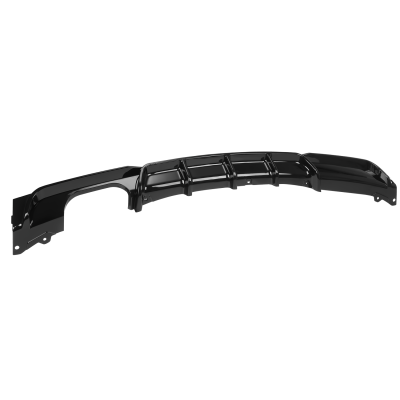
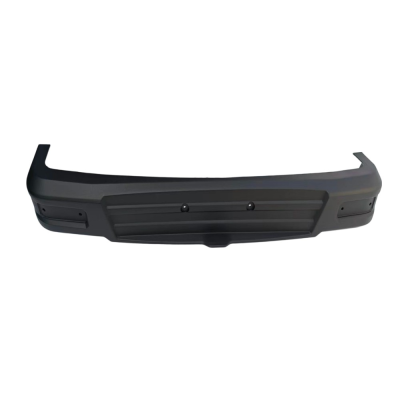


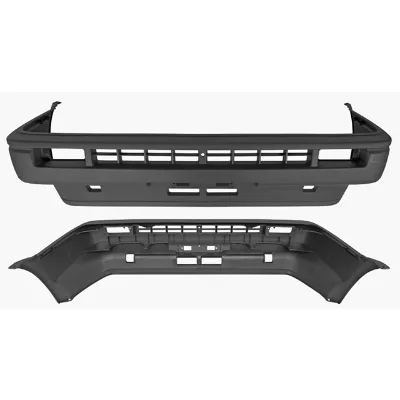


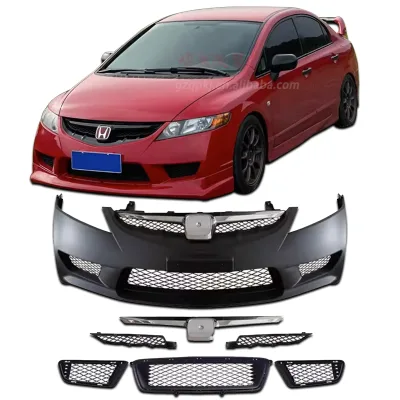
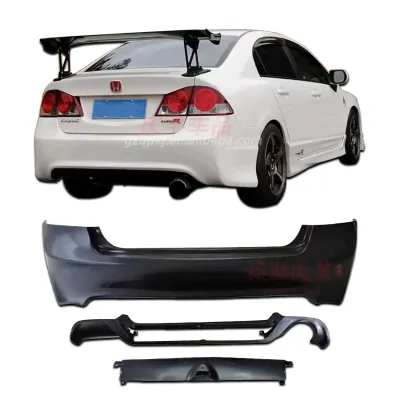
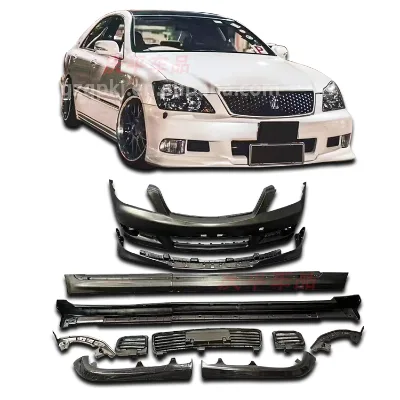


Comprehensive Sourcing Guide
2002-2009 Rear Bumper Sourcing Guide
Sourcing replacement rear bumpers for vehicles manufactured between 2002 and 2009 requires a disciplined approach to verifying fitment, material integrity, and supplier reliability. The automotive aftermarket for this era is characterized by a mix of OEM-equivalent parts and aftermarket reproductions, where visual similarity does not guarantee structural compatibility or safety performance. Buyers must navigate a landscape where "direct replacement" claims often mask subtle differences in mounting points, sensor integration, or paint preparation. This guide provides a structured framework for evaluating suppliers and products, ensuring that procurement decisions are based on verified data rather than marketing assertions. By focusing on observable listing signals, technical specifications, and commercial terms, buyers can mitigate the risks associated with cross-border sourcing and ensure that the components received meet the functional requirements of the target vehicle platform.
The following sections detail the critical verification steps necessary for successful procurement. Each section is designed to address a specific aspect of the sourcing process, from initial product identification to long-term supplier relationship management. The guidance is grounded in the observed attributes of available listings and general industry knowledge regarding automotive body parts. It is essential to treat product attributes as observations of specific listings rather than universal claims for all products in the category. This evidence-based approach allows buyers to build a robust qualification process that can be applied to multiple suppliers and product variations, ultimately leading to more consistent quality and fewer operational disruptions in the supply chain.
Product Scope and Observed Listing Signals
The market for rear bumpers in this vehicle age range presents a diverse array of materials, finishes, and customization options. Observed listings indicate that bumpers are available in materials such as plastic and steel, with color options ranging from black and white to silver, often requiring post-purchase painting or finishing. Some suppliers offer parts specifically designed for replacement or repair purposes, emphasizing their condition as new and their ability to restore the vehicle’s original appearance. The presence of customization options suggests that buyers can request specific packaging, labeling, or minor design adjustments, which is particularly useful for private-label distributors or specialized repair shops. However, the variation in materials and finishes necessitates careful verification to ensure that the selected bumper aligns with the vehicle’s structural and aesthetic requirements.
Listing signals also reveal significant variability in packaging and shipping attributes, which directly impact logistics costs and product protection. Products are described as being packed in corrugated boxes, cartons, or specialized multi-layer packaging such as bubble bags and foam, indicating that suppliers have different standards for protecting fragile body parts during transit. The observed single gross weights range from lightweight plastic components to heavier steel assemblies, with some listings noting weights up to 25kg, which influences freight calculations and handling requirements. Additionally, the place of origin is predominantly China, with some specific origins noted as Jiangsu or Taiwan, providing buyers with insight into the manufacturing hubs and potential supply chain dynamics. These signals serve as initial filters for buyers to narrow down potential suppliers based on their logistical capabilities and product specifications.
Technical Specifications to Verify
Verifying technical specifications is paramount to ensuring that the rear bumper fits the target vehicle model accurately. Buyers must confirm the model number and dimensional standards, as observed listings show a wide range of sizes, from compact components measuring 25x10x12mm to larger assemblies like 1090x250x155mm or 560x270x160mm. The model number, such as 6T or HL-HBXG, serves as a unique identifier that should be cross-referenced with the vehicle’s parts catalog to ensure compatibility. Dimensional accuracy is critical, as even minor deviations in length, width, or height can result in misalignment with the vehicle’s frame, gaps in panel fitment, or interference with other components. Buyers should request detailed technical drawings or CAD files from suppliers to verify these dimensions against the vehicle’s specifications before placing an order.
In addition to dimensions, buyers must verify the material composition and structural integrity of the bumper. While some listings specify plastic or steel materials, others mention composite materials or specific manufacturing processes that affect durability and impact resistance. The application of the bumper, whether for car or truck use, also influences the design and strength requirements. For vehicles like the F150 from 1997-2003, the bumper must withstand higher impact forces and may require additional reinforcement or mounting points. Buyers should inquire about the manufacturing process, such as injection molding for plastic parts or stamping for steel parts, to assess the quality and consistency of the product. Verifying these technical details helps prevent fitment issues and ensures that the bumper meets the safety and performance standards expected for the vehicle.
Compliance and Safety Documentation
Compliance with safety and regulatory standards is a critical consideration when sourcing automotive body parts, even for replacement bumpers. While some listings mention certifications such as CE or ISO, buyers must verify the specific scope and validity of these certifications, as they may not directly relate to automotive safety standards. In many markets, rear bumpers must meet specific crashworthiness and pedestrian protection regulations, which require rigorous testing and documentation. Buyers should request test reports or compliance certificates from suppliers to ensure that the product meets the relevant standards in the destination market. This is particularly important for buyers who intend to sell the parts through regulated channels or who need to provide warranty coverage to end-users.
Safety documentation also includes information about the product’s performance under various conditions, such as temperature extremes, UV exposure, and chemical resistance. Buyers should inquire about the paint quality and adhesion properties, especially for pre-painted or color-matched bumpers, to ensure that the finish will withstand environmental stressors without peeling or fading. Additionally, buyers should verify that the supplier provides clear instructions for installation and maintenance, including any necessary tools or hardware. This documentation helps ensure that the bumper is installed correctly and performs as intended, reducing the risk of premature failure or safety hazards. By prioritizing compliance and safety documentation, buyers can protect their customers and maintain the reputation of their business.
Cost Drivers and Commercial Terms
The cost of rear bumpers is influenced by several factors, including material costs, manufacturing complexity, and packaging requirements. Plastic bumpers are generally less expensive than steel ones, but the cost can vary significantly based on the quality of the resin and the intricacy of the design. Customization options, such as specific packaging or labeling, can also add to the cost, as they require additional labor and materials. Buyers should request detailed quotes that break down these costs to understand the true value of the product and identify potential areas for cost savings. Understanding the cost drivers helps buyers negotiate better prices and make informed decisions about which products to source.
Commercial terms, including payment methods, minimum order quantities (MOQ), and lead times, are also critical factors in the sourcing process. Observed listings show a wide range of MOQs, from as low as 1 unit to 200 units, allowing buyers to choose suppliers that match their inventory needs. Payment terms such as TT, Western Union, and PayPal are commonly offered, providing flexibility for different types of transactions. Lead times can vary based on the supplier’s production capacity and the complexity of the order, so buyers should confirm these timelines before placing an order to avoid delays. Additionally, buyers should verify the port of shipment, with options like Guangzhou, Ningbo, Shanghai, Tianjin, and Qingdao being common, to plan logistics and freight arrangements effectively.
Supplier Qualification and Quality Control
Qualifying suppliers is essential to ensuring a reliable supply of high-quality rear bumpers. Buyers should conduct thorough due diligence on potential suppliers, including verifying their business licenses, manufacturing capabilities, and quality control processes. Suppliers that offer factory-direct sales and professional service are often more reliable, as they have direct control over the production process and can provide better support. Buyers should also request samples to evaluate the product’s quality, fitment, and finish before committing to a larger order. This hands-on verification helps identify any potential issues early in the sourcing process and allows buyers to make informed decisions about which suppliers to partner with.
Quality control measures should be clearly defined and agreed upon with the supplier before production begins. This includes specifying inspection criteria, such as dimensional accuracy, surface finish, and structural integrity, as well as defining the acceptable defect rate. Buyers should also inquire about the supplier’s quality management system and whether they conduct regular internal audits. For larger orders, buyers may consider hiring third-party inspection services to verify the quality of the products before shipment. By implementing robust quality control measures, buyers can minimize the risk of receiving defective products and ensure that their customers receive high-quality components.
Long-Term Procurement Checks
Establishing long-term procurement relationships requires ongoing monitoring and evaluation of supplier performance. Buyers should track key performance indicators (KPIs) such as on-time delivery, product quality, and responsiveness to issues to assess the supplier’s reliability over time. Regular communication with the supplier is essential to address any concerns promptly and to explore opportunities for improvement or cost reduction. Buyers should also stay informed about changes in the market, such as new vehicle models or updated safety standards, to ensure that their sourcing strategy remains relevant and effective. By maintaining a proactive approach to supplier management, buyers can build a resilient supply chain that supports their business growth.
Continuous improvement is a key aspect of long-term procurement success. Buyers should regularly review their sourcing processes and identify areas for optimization, such as consolidating orders to reduce shipping costs or negotiating better payment terms. They should also seek feedback from end-users to understand how the products perform in real-world conditions and use this information to refine their specifications and requirements. By fostering a culture of continuous improvement, buyers can enhance the quality and value of their procurement activities and maintain a competitive edge in the market. This ongoing commitment to excellence ensures that the sourcing of rear bumpers remains a strategic advantage rather than a mere operational task.
FAQs
What materials are used for the 2002-2009 rear bumper?
The product is available in both plastic and steel materials. Some listings specify steel for the rear bumper application while others indicate plastic construction. Buyers should verify the specific material composition required for their vehicle repair needs before ordering.
Can I get custom packaging for this rear bumper?
Customization is available for this product including custom packaging options. The standard packing often involves corrugated boxes or cartons, but clients can request specific packaging requirements. This flexibility allows buyers to meet their unique logistical or branding needs effectively.
Which certifications does the rear bumper hold?
The product holds CE and ISO certifications as verified in the specifications. These certifications indicate compliance with specific safety and quality standards required for automotive parts. Buyers seeking certified components for their supply chain can rely on these documented attributes.
How is the product shipped from the origin?
The item originates from China with ports including Guangzhou, Ningbo, Shanghai, Tianjin, and Qingdao. Shipping methods utilize original packing or neutral packing depending on the order. The single gross weight varies by model, ranging from 1.7 kg to 25 kg for different configurations.
What is the minimum order quantity for this bumper?
The minimum order quantity ranges from 1 to 200 units depending on the specific supplier and product variant. Some listings allow single item purchases while others may require higher volumes. Buyers should check the specific MOQ for their selected model before finalizing the purchase.
Can I find a supplier with high weekly capacity?
Yes, some suppliers offer a supply ability of 20,000 pieces per week. This capacity ensures that large orders can be fulfilled without significant delays. Buyers requiring bulk quantities for fleet repairs or inventory restocking can utilize these high-capacity sources.
What payment terms are accepted for this product?
Accepted payment terms include TT, Western Union, and PayPal for transaction security. These options provide flexibility for international buyers to manage their cash flow effectively. Buyers should confirm the specific payment method with the supplier before initiating the order process.