Source 200ml Cosmetic Glass Lotion Bottle for Beauty Salons, Dispensing, Storage
Compare 30 verified listings for the 200ml Cosmetic Glass Lotion Bottle from manufacturers in China. Buyers can evaluate options based on shape, closure type, and customization availability for personal care applications.
Key considerations
Products List


30ml-100ml Lotion Skincare Packaging Glass Cosmetic Bottle with Lotion Pump
$0.43 - $0.65
MOQ: 5000 Pieces


High Quality Empty Glass Cosmetic Container Glass Perfume Bottles Lotion Bottle
$0.10 - $0.11
MOQ: 5000 Pieces


Cosmetic Packaging Bottle, Cosmetic Lotion Pump Spray Glass Bottle for Lotion
$0.60 - $0.80
MOQ: 10000 Pieces

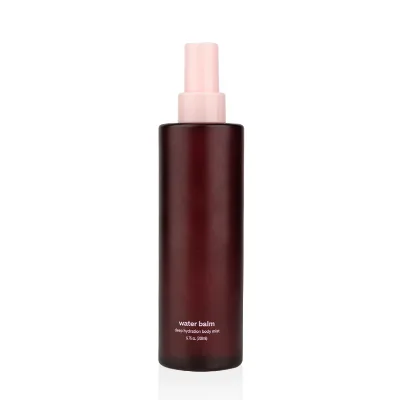


Empty Lotion Bottle Cosmetic Bottle for Skincare Cosmetic with Lotion Pump
$0.21 - $0.88
MOQ: 10000 Pieces


Comprehensive Sourcing Guide
Strategic Sourcing Guide for 200ml Cosmetic Glass Lotion Bottles
Understanding Product Specifications and Variability
When sourcing a 200ml Cosmetic Glass Lotion Bottle, buyers must first navigate the significant variability inherent in the market. The core keyword suggests a specific capacity, yet the supplied data reveals a fragmented landscape where "200ml" is not a universal standard for all listed inventory. The observed product attributes indicate a wide range of standard capacities, including 30ml, 60ml, 80ml, 100ml, and 280ml, alongside specific 50ml and 50g configurations. This discrepancy highlights that a 200ml bottle may not be a stock item but rather a custom specification or a specific model number like RY-90R1, RY-90Z, or LW-66Y3 that requires verification.
The physical construction of these bottles varies significantly. While the primary material is consistently identified as High-Transparency Glass or simply Glass, the shape is not uniform. Some units are described as Round, while others are Rectangular. This geometric difference impacts the internal volume calculation and the external footprint, which is critical for shelf display and packaging logistics. Furthermore, the neck size is a critical specification; one observed model features a 15mm neck size, which dictates the compatibility of the pump or closure mechanism. Buyers must explicitly confirm that the 200ml target aligns with the specific neck diameter and bottle profile of the manufacturer's catalog, as a mismatch here renders the bottle unusable with standard dispensing hardware.
Material Integrity and Surface Treatment
The integrity of the glass container is paramount for preserving the stability of cosmetic formulations. The supplied facts confirm that the base material is High-Transparency Glass, a choice that offers excellent barrier properties against light and oxygen, essential for active ingredients in lotions and foundations. However, the visual and tactile finish of the bottle is heavily influenced by the surface treatment processes employed.
Common treatments observed include Silk Screen printing, Electroplating, Spray Painting, and Gold Stamping. These processes are not merely aesthetic; they serve functional roles in branding and product differentiation. For instance, the "Patterned" design attribute suggests that custom graphics are a standard offering. Buyers should verify the durability of these treatments, as the "Good Tightness" and "Leak-Proof" sealing performance rely on the structural integrity of the glass neck and the precision of the surface finish. The "Crafting" attributes list Spray Painting and Screen Printing, indicating that color customization is a viable option, though the "Color MOQ" of 20,000 pieces suggests that achieving specific color matches for smaller batches may be cost-prohibitive or logistically challenging.
Closure Systems and Functional Accessories
The functionality of a 200ml lotion bottle is entirely dependent on its closure system. The data presents a diverse array of closure types, ranging from Screw Lids to Airless Pumps and Press Caps. The choice of closure is dictated by the viscosity of the product and the desired dispensing mechanism. For example, an "Airless Pump" is often preferred for high-value lotions to prevent contamination and oxidation, while a "Spray Cap" might be selected for lighter formulations.
The accessories listed are equally varied. Some configurations come as a "Complete Set Including Inner Container + Cream Lid," while others specify a "Silver Electroplated Aluminum Spray Pump & ABS Lid." The material of the pump components, such as the ABS plastic for the lid and aluminum for the spray mechanism, must be compatible with the chemical composition of the lotion to prevent degradation. The "Sealing Performance" is noted as "Good Tightness," but this is a general observation. Buyers must test specific closure combinations with their actual product formulations to ensure that the "Leak-Proof" claim holds true under shipping conditions, especially given the weight of a 200ml glass bottle.
Cost Drivers and Minimum Order Quantities
Procurement costs for glass cosmetic bottles are driven by a complex interplay of material, customization, and volume. The observed price range in the market spans from $0.05 to $1.50 USD, a wide variance that reflects differences in glass thickness, decoration complexity, and closure quality. A 200ml bottle, being larger than the observed 50ml or 100ml units, will likely sit at the higher end of this spectrum due to increased glass usage.
Minimum Order Quantities (MOQ) are a significant barrier to entry for new buyers. The data shows an observed MOQ range of 3,000 to 20,000 units. Specific attributes indicate an MOQ of 10,000 pieces for standard orders, with a "Color MOQ" of 20,000 pieces. This implies that if a buyer requires a specific color or custom decoration for a 200ml bottle, they may need to commit to a 20,000-unit order. The "Customization: Available" and "Customizable: Customized" attributes suggest that while bespoke orders are possible, they come with higher volume thresholds. Buyers must calculate the total landed cost, including the high MOQ, to determine if the unit price justifies the inventory investment.
Supplier Evaluation and Geographic Origins
Identifying a reliable supplier requires careful analysis of their geographic location and production capabilities. The supplied facts list origins in Anhui, China, and Ningbo, China. These regions are known for glass manufacturing, but the specific capabilities of a supplier must be verified. The "prod_packing" attributes mention "Carton," "Reinforced Cartons," and "Packaging for Fragile Items," as well as "Carton+Pallet." This indicates that the supplier has experience with fragile goods, but the buyer must confirm the specific packaging standards for a 200ml bottle, which is heavier and more prone to breakage than smaller variants.
Lead times are another critical factor. One observed attribute lists a "Delivery Time" of 25 days. This is a baseline figure that can fluctuate based on the complexity of the customization, the availability of glass, and the specific closure components. Buyers should not assume this lead time applies universally. The "Sample: Offer" attribute is a positive indicator, suggesting that suppliers are willing to provide prototypes for testing. However, the cost and lead time for these samples should be clarified before placing a bulk order.
Quality Control and Compliance Verification
Quality control in the glass packaging industry is non-negotiable. While the data mentions "Good Tightness" and "Leak-Proof" performance, these are observations rather than certified guarantees. Buyers must implement their own quality assurance protocols. This includes verifying the "Sealing Performance" through drop tests and pressure tests, especially for a 200ml bottle which presents a higher risk of leakage during transit.
Regarding compliance, the data includes a low-confidence reference to ISO 14001, but this should not be treated as a confirmed certification for any specific product. Buyers must explicitly request current certification documents from the supplier. The "prod_standard" attributes list 50G, 50ml, and various milliliter capacities, but there is no mention of international safety standards like FDA or EU regulations for cosmetic packaging. It is the buyer's responsibility to verify that the glass and the closure materials meet the regulatory requirements of the target market. The "Disposable: Yes" attribute is also noted, which may imply single-use or specific disposal guidelines that need to be aligned with local environmental laws.
Long-Term Procurement and Supply Chain Stability
Sourcing a 200ml Cosmetic Glass Lotion Bottle is a long-term commitment that requires strategic planning. The "Customization: Accept" and "Customization: Acceptable" attributes suggest a flexible supply chain, but this flexibility comes with the risk of supply chain disruption if the customization is complex. The "Usage" attributes list "Cosmetic Liquid Storage," "Cosmetic Dispensing," "Beauty Salons," and "Personal Care Product," indicating a broad application scope. However, the specific formulation of the lotion (e.g., oil-based vs. water-based) can affect the compatibility of the glass and the closure.
Buyers should consider the scalability of the supplier. With an MOQ of 10,000 to 20,000 pieces, a supplier must have the capacity to ramp up production if the product becomes successful. The "prod_packing" details, such as "Reinforced Cartons," are essential for long-term storage and shipping. Buyers should also evaluate the supplier's ability to maintain consistent quality over time, as glass manufacturing can suffer from variations in thickness and transparency. Establishing a long-term partnership with a supplier who understands the nuances of 200ml glass bottles, including the specific neck sizes and closure types, will ensure a stable supply chain and consistent product quality.
Summary of Key Sourcing Considerations
The following table summarizes the critical attributes buyers must verify when sourcing a 200ml Cosmetic Glass Lotion Bottle based on the available data:
| Attribute Category | Key Observation | Verification Requirement |
|---|---|---|
| Capacity | Observed range: 30ml to 280ml; 50ml common. | Confirm 200ml availability and exact volume tolerance. |
| Shape | Round or Rectangular observed. | Verify shape matches design requirements and shelf space. |
| Neck Size | 15mm observed. | Confirm neck diameter compatibility with chosen pump/lid. |
| Material | High-Transparency Glass. | Verify glass thickness and chemical resistance. |
| MOQ | Range: 3,000 to 20,000 units. | Confirm MOQ for 200ml size and custom colors. |
| Lead Time | 25 days observed. | Confirm lead time for custom 200ml orders. |
| Packing | Carton, Reinforced Carton, Pallet. | Verify packaging for 200ml weight and fragility. |
| Closure | Screw, Airless, Press, Spray. | Test closure compatibility with specific lotion formula. |
In conclusion, sourcing a 200ml Cosmetic Glass Lotion Bottle requires a meticulous approach that goes beyond the core keyword. Buyers must navigate the variability in capacity, shape, and closure systems while carefully managing the high MOQs and lead times associated with glass manufacturing. By rigorously verifying specifications, testing quality, and understanding the cost drivers, buyers can secure a reliable supply of high-quality packaging that meets their brand's standards and market demands.
FAQs
What is the typical MOQ for a 200ml Cosmetic Glass Lotion Bottle?
The typical minimum order quantity ranges from 3,000 to 20,000 units depending on customization. Standard orders often require 10,000 pieces, while specific color requests may increase the threshold to 20,000 pieces for production feasibility.
Can I customize the shape and color of the glass bottle?
Customization is available for both shape and color, though options vary between round and rectangular profiles. Buyers should note that custom colors often carry a higher minimum order quantity of 20,000 pieces to justify the production setup.
What closure types are compatible with these glass bottles?
Compatible closures include screw lids, airless pumps, press caps, and spray caps depending on the product formula. The specific neck size, such as 15mm, must be verified to ensure the selected pump or lid fits securely without leakage.
How long does delivery take for a custom glass bottle order?
The standard delivery time is approximately 25 days from order confirmation. This timeline may vary based on the complexity of surface treatments like silk screen printing or electroplating and the specific capacity required for the order.
What materials are used for the bottle and its accessories?
The bottles are made of high-transparency glass, while accessories often include silver electroplated aluminum spray pumps and ABS lids. Some sets come with complete inner containers and cream lids designed for lotion and foundation dispensing.
Where are these cosmetic glass bottles manufactured?
Manufacturing origins include Anhui and Ningbo in China, which are known for glass packaging production. Buyers should verify the specific factory location to ensure compliance with their regional shipping and quality standards.