Source 2P Straight LED Strip Connector for Lighting, Home, Office
Compare 30 listings for the 2P Straight LED Strip Connector with varying certifications, voltages, and packing options. Buyers can evaluate specifications like PCB size, warranty periods, and lead times to find suitable suppliers for LED light and strip applications.
Key considerations
Products List






Comprehensive Sourcing Guide
2P Straight LED Strip Connector Sourcing Guide
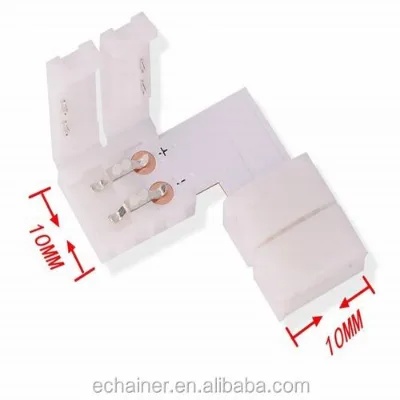
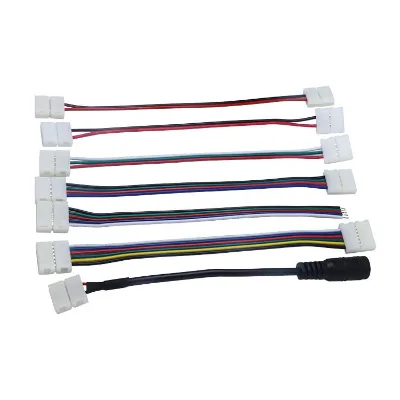
Selecting the right 2P Straight LED Strip Connector is a critical step in ensuring reliable electrical continuity and mechanical stability for LED lighting installations. These connectors serve as the bridge between individual LED strip segments and power supplies, allowing for modular designs that can accommodate complex layouts, corners, and extensions. The "2P" designation typically refers to a two-pin configuration, which is standard for single-color or non-dimmable LED strips that require only positive and negative connections. The "straight" orientation indicates that the connector aligns with the strip in a linear fashion, as opposed to right-angle or L-shaped variants, making it ideal for runs that do not require directional changes. Procurement teams must prioritize connectors that offer secure locking mechanisms and low contact resistance to prevent voltage drops and overheating, which are common failure points in large-scale LED deployments.
The market for these components is characterized by a high degree of customization and variability in material quality, which directly impacts long-term performance. Buyers often encounter a wide range of options, from basic plastic housings with copper contacts to more robust solutions featuring flame-retardant materials and enhanced sealing. The observed product landscape includes various models such as DK-PJ66 and DLK-PJ2, alongside generic descriptors like "fast strip connector" or "COB connector," indicating that suppliers may use different nomenclature for similar functional items. It is essential for buyers to look beyond the generic title and verify the specific pin pitch, housing material, and contact plating to ensure compatibility with their specific LED strip specifications. This diligence prevents mismatched connections that can lead to intermittent lighting or complete circuit failure.
Product Scope and Observed Listing Signals
The current market listings for 2P straight LED strip connectors reveal a diverse array of product attributes that buyers must navigate carefully. Observed price points range from $0.02 to $9.99, reflecting a significant disparity in quality, material composition, and packaging standards. At the lower end of the spectrum, products may utilize basic plastic and copper materials with minimal protective features, while higher-priced items often include advanced certifications and specialized packaging such as anti-static bags or export-grade cartons. The minimum order quantity (MOQ) varies widely from 1 to 1000 units, suggesting that suppliers cater to both small-scale prototyping needs and large-volume industrial procurement. Buyers should be cautious of extremely low prices, as they may correlate with inferior contact materials or lack of essential safety certifications.
Listing signals also highlight variations in physical specifications and packaging methods that are crucial for logistics and installation planning. Common PCB widths observed include 5mm, 8mm, 10mm, and 12mm, with some products specifying a standard width of 18.5x9.5mm. Packaging details range from simple paper cartons to more protective options like anti-static bags combined with outer cartons, which are vital for preserving the integrity of the connectors during shipping. Additionally, some listings mention specific models like "Crystal connector" or "COB connector," which may imply specialized applications for Chip-on-Board LED strips. Understanding these listing signals helps buyers filter out irrelevant products and focus on suppliers who offer the specific dimensions and packaging required for their supply chain.
Technical Specifications to Verify
Verifying technical specifications is paramount to ensuring that the selected 2P straight connector is compatible with the LED strip and the overall lighting system. Buyers must confirm the pin pitch and width, as mismatches can prevent proper insertion or cause short circuits. Observed specifications indicate a variety of PCB widths, including 6mm, 8mm, 10mm, and 12mm, with some products supporting multiple sizes. It is critical to match the connector's internal contact spacing to the LED strip's solder pad layout. Furthermore, the material composition of the contacts should be verified; while some listings mention "Plastic+Copper," high-quality connectors often feature tin-plated copper to enhance conductivity and resist corrosion. Buyers should request detailed datasheets that specify the contact resistance and current-carrying capacity to ensure the connector can handle the load without excessive heat generation.
Electrical ratings and environmental resilience are other key technical factors that require thorough verification. The observed voltage ranges for these connectors vary, with some products rated for 12-36V DC and others supporting AC220V or 220V systems. This distinction is crucial, as using a DC-rated connector on an AC circuit can lead to catastrophic failure. Additionally, the operating temperature range should be confirmed, with observed specifications indicating a range of -25°C to 60°C. For outdoor or high-temperature applications, buyers should verify the IP grade, with some products offering IP44 protection against solid objects and water splashes. The power handling capability, often listed as 6-10W per segment, must also align with the LED strip's power consumption to prevent overheating. Ensuring these technical parameters are met is essential for the longevity and safety of the lighting installation.
Compliance and Safety Documentation
Compliance with international safety and environmental standards is a non-negotiable aspect of sourcing LED strip connectors, particularly for projects in regulated markets. The observed product listings frequently mention certifications such as CE, RoHS, EMC, and LVD, which indicate adherence to European safety and environmental directives. Some suppliers also provide CCC, UL, CSA, UKCA, and SAA certifications, which are essential for accessing markets in China, North America, the UK, and Australia. Buyers must verify the validity of these certifications by requesting test reports or certificates from accredited laboratories. It is important to note that certification status can vary between product models, so buyers should not assume that all items from a supplier are certified. Ensuring that the specific connector model has the necessary approvals prevents legal liabilities and ensures that the product meets local regulatory requirements.
Beyond formal certifications, buyers should also consider the material safety and environmental impact of the connectors. RoHS compliance, in particular, restricts the use of hazardous substances such as lead, mercury, and cadmium in electronic components. This is especially relevant for connectors that may be disposed of or recycled at the end of the product's life. Additionally, the flame retardancy of the housing material should be verified, as LED strips can generate heat, and non-flammable materials reduce the risk of fire. Buyers should inquire about the specific plastic grade used in the housing, such as UL94 V-0 rated materials, which offer superior fire resistance. Documenting these compliance aspects in the procurement process ensures that the supply chain remains robust and compliant with global environmental and safety standards.
Cost Drivers and Commercial Terms
Understanding the cost drivers behind 2P straight LED strip connectors helps buyers make informed decisions that balance quality and budget. The primary cost factors include the material composition, particularly the quality of the copper contacts and the type of plastic used for the housing. Connectors with tin-plated contacts and flame-retardant plastics typically command higher prices but offer better performance and longevity. Packaging also influences cost, with options like anti-static bags and export-grade cartons adding to the unit price but providing better protection during transit. Buyers should evaluate the total cost of ownership, considering that higher-quality connectors may reduce installation time and minimize the risk of field failures, which can be costly to repair.
Commercial terms such as lead time, MOQ, and payment conditions are also significant factors in the procurement process. Observed lead times are typically around 5 working days, which is favorable for just-in-time inventory management. However, buyers should confirm whether this lead time applies to standard stock items or customized orders, as OEM/ODM services may extend production times. The MOQ ranges from 1 to 1000 units, offering flexibility for both small and large orders. Buyers should negotiate volume discounts for larger quantities and clarify any additional costs for custom packaging or labeling. Understanding these commercial terms allows buyers to plan their inventory effectively and avoid unexpected delays or costs that could impact project timelines.
Supplier Qualification and Quality Control
Supplier qualification is a critical step in ensuring a reliable supply of 2P straight LED strip connectors. Buyers should assess the supplier's production capabilities, with observed data indicating a production ability of 10,000 meters per day for extrusion processes. This capacity suggests that the supplier can handle large orders efficiently, but buyers should verify if this capacity is dedicated to connectors or if it is shared with other products. Additionally, the supplier's location, often listed as Shenzhen or Guangdong in China, is a hub for electronics manufacturing, which can be an advantage in terms of supply chain efficiency. Buyers should request information about the supplier's quality management systems, such as ISO 9001 certification, to ensure that consistent quality standards are maintained.
Quality control measures should be clearly defined and agreed upon before placing orders. Buyers should inquire about the supplier's inspection processes, including incoming material inspections, in-process quality checks, and final product testing. Observing the packaging details, such as the use of anti-static bags and outer cartons, can provide insights into the supplier's attention to detail. Buyers should also consider implementing their own quality control checks upon receipt of goods, such as visual inspections for defects and electrical tests for continuity and resistance. Establishing a clear quality agreement with the supplier, including criteria for acceptable quality levels and procedures for handling non-conforming products, helps mitigate risks and ensures that the purchased connectors meet the required standards.
Long-Term Procurement Checks
Long-term procurement success depends on establishing ongoing checks and balances with suppliers to ensure consistent performance and supply reliability. Buyers should conduct periodic audits of the supplier's quality control processes and production facilities to verify that standards are being maintained over time. This includes checking for any changes in materials or manufacturing processes that could affect product performance. Additionally, buyers should monitor supplier performance metrics, such as on-time delivery rates and defect rates, to identify potential issues early. Establishing a feedback loop with the supplier allows for continuous improvement and addresses any concerns promptly. Regular communication and collaboration help build a strong partnership that can withstand market fluctuations and supply chain disruptions.
Furthermore, buyers should stay informed about industry trends and technological advancements that may impact the selection of LED strip connectors. As LED technology evolves, new connector designs and materials may emerge that offer improved performance or cost efficiency. Buyers should regularly review their specifications and compare them with current market offerings to ensure they are using the best available solutions. This proactive approach helps buyers remain competitive and ensures that their lighting installations are equipped with the most reliable and efficient components. By maintaining a strategic focus on long-term procurement checks, buyers can secure a stable supply of high-quality 2P straight LED strip connectors that support their business objectives and customer satisfaction.
FAQs
What certifications do the 2p straight led strip connectors have?
The connectors carry CE and RoHS certifications as standard. Some models also include EMC, LVD, CCC, UL, CSA, Ukca, and SAA approvals to ensure compliance with international safety and environmental regulations for various markets.
How long is the lead time for these connectors?
The standard lead time is 5 working days for most orders. This quick turnaround supports urgent project needs while maintaining production capacity of 10,000 meters per day through machine extrusion processes.
Can I customize the packaging for bulk orders?
Yes, customization is available for packaging requirements. Options include rolls, paper cartons, export cartons, or anti-static bags with outer cartons depending on specific client needs and shipping logistics.
What is the warranty period for these connectors?
Most products come with a 3-year warranty coverage. Some specific models may offer a 2-year warranty, ensuring reliability and performance standards are met for the duration of the product lifecycle.
Which PCB sizes are compatible with these connectors?
Compatible PCB sizes include 6mm, 8mm, 10mm, and 12mm widths. These dimensions ensure a secure fit for various LED strip configurations and allow for flexible integration into different lighting systems.
What is the working temperature range for the connectors?
The connectors operate effectively within a temperature range of -25 to 60 degrees Celsius. This wide range ensures stable performance in diverse environmental conditions from cold storage to hot industrial settings.
Can I get OEM or ODM services for these connectors?
OEM and ODM customization services are available for buyers. This allows clients to tailor product specifications, branding, and packaging to meet unique project requirements while leveraging existing manufacturing capabilities.