Source 2U Enterprise Rack Server for Data Centers, AI, and Virtualization
Find and compare 30 available 2U Enterprise Rack Server options tailored for high-performance computing. Evaluate specifications such as CPU threads, memory capacity, and warranty terms to identify the most suitable hardware for your infrastructure needs.
Key considerations
Products List


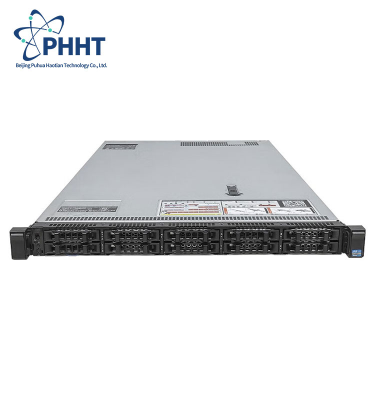


Premium 18u and 32u Rack Server Solutions for Wholesale Distribution
$1143.00 - $5714.00
MOQ: 1 Pieces


22U Data Center Server Network Rack network cabinet Network Rack Cabinet
$18.00 - $21.00
MOQ: 10 Pieces
Comprehensive Sourcing Guide
2U Enterprise Rack Server Sourcing Guide
The 2U Enterprise Rack Server represents a critical infrastructure component designed for high-density data center environments where space efficiency and performance are paramount. These systems typically support dual-socket configurations and are engineered to handle demanding workloads ranging from virtualization and cloud computing to large-scale database management. Buyers must recognize that while the form factor is standardized, the internal architecture varies significantly between RISC and CISC instruction sets, directly impacting software compatibility and application performance. Understanding the distinction between non-X86 and X86 server architectures is essential before initiating a procurement cycle, as this choice dictates the entire ecosystem of supported operating systems and middleware.
Sourcing these units requires a disciplined approach to verifying the specific model's intended application, whether it serves as a desktop workstation, a mobile unit, or a dedicated rack-mounted enterprise solution. The market presents a wide spectrum of configurations, from systems with 16 CPU threads to those supporting up to 20 threads, alongside memory capacities that can range from 16GB to 32GB depending on the specific model and customization options. Procurement teams must carefully align the observed listing signals with their actual infrastructure needs, ensuring that the selected server's physical dimensions and weight align with the cooling and load-bearing capabilities of the existing rack infrastructure.
Product Scope and Observed Listing Signals
When evaluating product listings, buyers should expect to encounter a diverse range of models, including specific identifiers such as the Sr658, 2488H V5, SR590, and FusionServer-2488-V5, each tailored to different performance tiers. The observed price range in the market spans from approximately 18 USD to 8999 USD, reflecting the vast differences in component quality, brand reputation, and customization levels. It is crucial to treat these price points as indicative of the specific configuration rather than a universal standard, as the final cost is heavily influenced by the inclusion of specific processors, memory modules, and storage capacities that exceed the baseline 1TB hard disk requirement.
Listing signals often highlight the availability of customization services, allowing buyers to tailor the server to specific enterprise-level requirements. The physical specifications observed include dimensions of roughly 3.39 inches by 17.60 inches by 29.45 inches, with net weights varying between 15kg and 20kg depending on the packaging and included accessories. Buyers must verify whether the listed product is a desktop workstation, a mobile workstation, or a true rack server, as the "Workstation Type" attribute can vary even within the same product family, affecting the mounting hardware and thermal management strategies required for deployment.
Technical Specifications to Verify
Technical due diligence must begin with the instruction system and system architecture, as the market contains both RISC-based non-X86 servers and traditional X86 servers. A buyer must confirm whether the system supports the required instruction set for their specific applications, noting that some listings indicate a CISC architecture while others specify RISC, and that the maximum CPU support can vary from single-socket to dual-socket configurations with thread counts ranging from 12 to 20. Verifying the supporting memory capacity is equally critical, as observed listings show capacities ranging from 16GB to 32GB, and failing to match this with the application's memory demands can lead to severe performance bottlenecks.
Storage and thermal specifications are the next area requiring rigorous verification, as the operating environment dictates the necessary durability of the hardware. Buyers should confirm that the storage temperature range meets the facility's requirements, with observed data indicating a range from -40°C to +70°C, which is suitable for harsh industrial or data center environments. Additionally, the physical dimensions and weight must be cross-referenced with the rack's load limits, as some units are packaged in double boxes or cartons with a standard weight of 32.6kg, while others may have a net weight of 20kg, impacting shipping logistics and installation planning.
Compliance and Safety Documentation
Compliance verification extends beyond basic safety standards to include the specific documentation required for enterprise-level deployment in regulated industries. Buyers should request evidence of the product's adherence to international safety and electromagnetic compatibility standards, ensuring that the server's design meets the rigorous demands of continuous operation with availability targets exceeding 0.99999. While specific certification names may not be explicitly listed in all product descriptions, the expectation for a clean Smartnet status and adherence to standard industrial protocols is a baseline requirement for any reputable enterprise-grade hardware.
Documentation regarding the product's origin and manufacturing standards is also essential for supply chain transparency and risk management. The place of origin is frequently cited as Beijing, China, and buyers should verify that the manufacturing process adheres to the stated product standards, which may include specific weight and dimension tolerances. It is vital to ensure that the warranty documentation clearly outlines the coverage period, as observed listings show variations ranging from one year to three years, and the terms of service must be explicitly defined to protect the buyer's investment against premature hardware failures.
Cost Drivers and Commercial Terms
The total cost of ownership for a 2U Enterprise Rack Server is driven by several factors beyond the initial unit price, including customization fees, shipping terms, and the complexity of the supply chain. The observed market offers a wide price spectrum, but the final cost is heavily influenced by the specific configuration, such as the number of CPU threads, memory capacity, and storage type. Buyers must also account for the lead time, which is typically reported as 1-2 days after payment, and the shipping method, which often includes options like DHL, FedEx, or UPS air freight, all of which add to the overall procurement cost.
Commercial terms such as the Minimum Order Quantity (MOQ) and payment conditions play a significant role in the financial planning of the procurement. While some listings indicate an MOQ of just one set, others may have different thresholds, and the price is often quoted on an FOB (Free on Board) basis, requiring the buyer to manage the logistics from the delivery port in Beijing. Understanding these terms is crucial for budgeting, as the cost of freight, insurance, and customs duties can significantly impact the final landed cost, especially when importing from China to international destinations.
Supplier Qualification and Quality Control
Supplier qualification requires a thorough assessment of the vendor's ability to deliver consistent quality and support, particularly given the variation in product attributes observed across the market. Buyers should verify that the supplier offers a warranty period that aligns with their operational risk tolerance, noting that terms can range from one to three years, and that the supplier provides clear documentation regarding the product's origin and manufacturing standards. The presence of a "private mold" status of "No" suggests that the products are likely standard off-the-shelf items, which can simplify the quality control process but may limit the ability to customize the hardware for niche applications.
Quality control measures must be established to ensure that the delivered units meet the specified technical requirements, including the instruction system, memory capacity, and physical dimensions. Buyers should implement a rigorous inspection protocol to verify that the server's weight, packaging, and internal components match the provided specifications, such as the 32.6kg standard or the 20kg net weight. Additionally, the supplier's ability to provide a clean Smartnet status and adhere to the stated delivery port and lead time is a key indicator of their reliability and operational efficiency in the global supply chain.
Long-Term Procurement Checks
Long-term procurement success depends on establishing a robust framework for ongoing maintenance, support, and performance monitoring of the deployed server fleet. Buyers should prioritize suppliers who offer extended warranty options and clear service level agreements that cover the critical three-year period observed in the market, ensuring that any hardware failures are addressed promptly to maintain the high availability targets required for enterprise operations. Regular audits of the server's performance against the original specifications, such as CPU thread counts and memory capacity, are essential to identify any degradation or obsolescence that may require upgrades or replacements.
Strategic planning for future scalability is another critical aspect of long-term procurement, as the demand for computing power and storage capacity is likely to increase over time. Buyers should evaluate the server's ability to support future upgrades, such as increased memory capacity or additional storage, and ensure that the supplier can provide compatible components and software updates. By maintaining a close relationship with the supplier and staying informed about the latest technological advancements in the 2U Enterprise Rack Server market, organizations can ensure that their infrastructure remains competitive and capable of meeting evolving business needs.
FAQs
What is the maximum memory capacity for this 2U Enterprise Rack Server?
The maximum memory capacity is 32GB. This configuration supports high-performance computing tasks required for enterprise-level applications. The system architecture is designed to handle substantial workloads efficiently. Users can rely on this capacity for standard operational demands without immediate need for upgrades.
Can I customize the specifications of the 2U Enterprise Rack Server?
Yes, customization is available for this server model. Buyers can request specific configurations to meet unique operational requirements. The supplier accommodates tailored requests within their production capabilities. This flexibility ensures the hardware aligns precisely with the intended enterprise environment and performance goals.
What is the lead time for delivery after payment?
The lead time is 1-2 days after payment. This rapid turnaround facilitates quick deployment for urgent enterprise needs. The delivery port is Beijing, ensuring efficient logistics from the origin. Buyers should account for shipping duration via DHL, FedEx, UPS, or air freight to their final destination.
What warranty period is provided for the 2U Enterprise Rack Server?
A 3-year warranty is provided for this server. This coverage ensures long-term reliability and support for enterprise operations. The warranty protects against manufacturing defects and performance issues. Buyers benefit from extended assurance, reducing the total cost of ownership and minimizing downtime risks.
How is the 2U Enterprise Rack Server packaged for shipment?
The server is packed in double boxes for protection. This packaging method safeguards the unit during transit. The net weight is 20kgs, and the gross weight is 32.6kg. Secure packing ensures the hardware arrives in pristine condition, ready for immediate installation in the data center.
What is the minimum order quantity for this server?
The minimum order quantity is 1 set. This low MOQ allows for flexible procurement and testing. Buyers can order single units for pilot deployments or small-scale implementations. This policy supports diverse business sizes, from startups to large enterprises, without requiring bulk commitments.