Source 2in1 Skin Detector with 7 Handles for Security, Factory, and Public Area
Find and compare 30 listings for the 2in1 Skin Detector with 7 Handles, featuring models like BVE-2000CW and JD-8600. Evaluate options with CE and ISO certifications, varying alarm forms, and industrial applications for security checks and factory use.
Key considerations
Products List


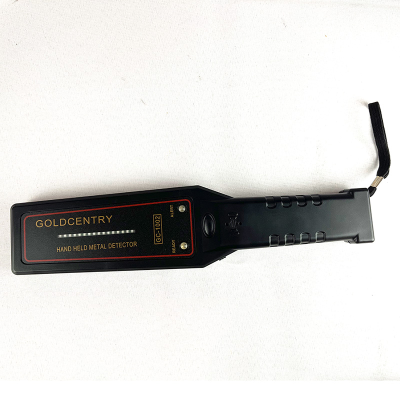


Portable Handheld Nuclear Detector Fast Response
$5000.00 - $14000.00
MOQ: 1 Sets
Zhengzhou Resound Photoelectric Technology Research Institute Co., Ltd.


$22000.00 - $25000.00
MOQ: 1 Pieces



Comprehensive Sourcing Guide
2in1 Skin Detector with 7 Handles Sourcing Guide
Product Scope and Observed Listing Signals
The market for advanced security screening equipment includes a diverse range of handheld and walk-through metal detectors, with specific models like the BVE-2000CW and BVE-300HD representing distinct categories of industrial and security check tools. While the core keyword references a "2in1 Skin Detector with 7 Handles," the available product data highlights a variety of form factors, including flatbed scanners and portable handheld units, which serve different operational needs in industrial and public security contexts. Buyers must carefully distinguish between general metal detection technology and specialized skin analysis devices, as the supplied facts indicate a strong presence of standard security detectors rather than dermatological imaging tools. The observed listings show a wide price range from $1 to $25,000, reflecting the disparity between basic handheld units and complex, stationary scanning systems.
Observed product attributes reveal that customization is available for many items, allowing buyers to tailor devices for specific environments such as factories, public areas, or examination rooms. The presence of models like the BVE-HIT200 and BVE-HD20 suggests that manufacturers offer solutions with varying sensitivity levels, such as the 0.8mm ferrous detection capability noted for certain handheld units. These devices often feature multiple alarm forms, including display alarms, sound and light alarms, and shock alarms, which are critical for user feedback in high-noise or high-stress security checkpoints. The diversity in packing methods, from plywood pallets to paper and carton packaging, indicates that logistics and handling requirements vary significantly depending on the size and weight of the specific detector model selected.
Technical Specifications to Verify
When evaluating security detectors, verifying the physical dimensions and weight is essential for determining portability and ease of deployment in the field. The supplied data lists specific pallet sizes, such as 2330650280mm for larger flatbed units and 275185130mm for smaller components, which directly impacts shipping costs and storage requirements. For handheld devices, unit dimensions like 440 X 60 X 110mm or 2956828mm provide insight into ergonomics and battery life potential, as larger housings may accommodate more robust power sources. Buyers should confirm whether the "7 handles" mentioned in the keyword correspond to multi-zone detection capabilities or physical accessory mounts, as standard handheld detectors typically feature a single handle with integrated sensors.
Sensitivity and detection accuracy are paramount technical specifications that must be validated against the intended application, whether it is clothing inspection, toy safety, or general security checks. The BVE-HD20 model, for instance, specifies a mini sensitivity of 0.8mm for ferrous materials, a metric that buyers should request for all candidate models to ensure they meet their specific threat detection thresholds. Additionally, the alarm form—whether it is a simple display, a sound and light combination, or a tactile shock alarm—must be tested for clarity and distinctiveness in noisy environments. It is also crucial to verify the operating frequency and discrimination capabilities, which allow the device to differentiate between ferrous and non-ferrous metals, thereby reducing false alarms in high-traffic areas like public venues or examination rooms.
Compliance and Safety Documentation
Certification is a non-negotiable aspect of procurement for security equipment, ensuring that devices meet international safety and electromagnetic compatibility standards. The observed listings frequently cite CE, ISO, and SGS certifications, which are critical for importing and operating equipment in various global markets. Buyers must request valid, up-to-date certification documents for each specific model, as these credentials verify that the device does not emit harmful radiation or interfere with other electronic equipment in sensitive environments like hospitals or airports. The presence of these certifications also indicates that the manufacturer adheres to recognized quality management systems, which is a strong indicator of consistent production quality and reliability.
Beyond hardware certifications, buyers should verify that the devices comply with local regulatory requirements for security screening tools, which may include specific data privacy standards if the device integrates with digital logging systems. The warranty terms, often listed as one year for these industrial-grade units, should be clearly defined in the contract, covering both parts and labor for any manufacturing defects. It is also important to confirm that the packaging materials, whether plywood, carton, or wooden crates, meet international phytosanitary standards to avoid customs delays, especially for shipments originating from regions like Shanghai, Dongguan, or Zhejiang in China. Ensuring that all documentation is in English and legally binding in the destination country is a vital step in mitigating legal and operational risks.
Cost Drivers and Commercial Terms
The price range of $1 to $25,000 observed in the market is driven by several key factors, including the complexity of the detection technology, the build quality of the housing, and the level of customization required. Basic handheld metal detectors with simple alarm functions are likely to be at the lower end of this spectrum, while advanced systems with multi-zone discrimination, digital displays, and industrial-grade durability will command higher prices. The "2in1" functionality, if it implies both metal detection and another capability such as trace detection or imaging, will significantly increase the cost due to the additional sensors and processing units involved. Buyers should request detailed breakdowns of costs to understand whether price differences are due to superior components, extended warranties, or bundled accessories.
Minimum Order Quantities (MOQ) ranging from 1 to 100 units suggest that suppliers are flexible, catering to both small-scale security firms and large institutional buyers. However, buyers should be aware that ordering below the MOQ may result in higher per-unit costs or limited customization options. Payment terms, shipping methods, and lead times are also critical commercial terms that affect the total cost of ownership. For instance, the origin of the product, whether from Shanghai, Dongguan, or Zhejiang, can influence shipping costs and transit times, especially if expedited delivery is required for urgent security deployments. Buyers should negotiate clear terms for returns, replacements, and after-sales support to protect their investment against potential defects or obsolescence.
Supplier Qualification and Quality Control
Selecting a reliable supplier requires a thorough vetting process that goes beyond checking certifications and price quotes. Buyers should verify the manufacturer’s production capacity, quality control processes, and history of delivering similar products to international clients. The fact that products originate from major manufacturing hubs like China indicates a mature supply chain, but it also necessitates rigorous due diligence to ensure that the supplier maintains consistent quality standards. Requesting factory audit reports or third-party inspection results can provide valuable insights into the supplier’s manufacturing capabilities and their ability to meet specific technical requirements. Additionally, verifying the supplier’s ability to provide OEM services, as indicated by the "OEM" brand name in some listings, is crucial for buyers who need branded solutions for their security operations.
Quality control should extend to the pre-shipment inspection phase, where buyers or their agents should verify that the delivered units match the agreed-upon specifications, including dimensions, alarm forms, and sensitivity levels. The packing method, whether it is paper, carton, or wooden, should be inspected to ensure that the devices are protected against damage during transit. Buyers should also establish a clear protocol for handling defective units, including the process for returns, repairs, and replacements. Building a strong relationship with the supplier through regular communication and feedback can help ensure that any issues are addressed promptly and that the supplier remains committed to delivering high-quality products.
Long-Term Procurement Checks
Long-term procurement success depends on the ability to monitor supplier performance and adapt to changing market conditions. Buyers should establish key performance indicators (KPIs) to track metrics such as on-time delivery, product defect rates, and customer support responsiveness. Regular reviews of these metrics can help identify potential issues early and allow for corrective actions to be taken before they impact security operations. Additionally, buyers should stay informed about technological advancements in security detection, such as improved sensitivity, reduced power consumption, or enhanced discrimination capabilities, to ensure that their equipment remains effective against evolving threats.
It is also important to plan for the lifecycle of the equipment, including maintenance, spare parts availability, and eventual replacement. The one-year warranty period is a starting point, but buyers should negotiate extended warranty options or service contracts to ensure long-term support. Keeping a stock of critical spare parts, such as batteries, sensors, or alarm modules, can minimize downtime in case of failures. Finally, buyers should regularly reassess their security needs and update their procurement strategies accordingly, ensuring that they continue to invest in the most effective and efficient detection technologies available.
FAQs
Can I find a 2in1 Skin Detector with 7 Handles that is portable?
Yes, portable models exist for this category, though many industrial units are non-portable. Some specific models like the BVE-HIT200 are designed as portable devices, while others like the BVE-2000CW are fixed flatbed systems. You must verify the portability attribute for each specific model before purchase.
What certifications do 2in1 Skin Detector with 7 Handles manufacturers typically hold?
Manufacturers often provide products with ISO and CE certifications to ensure safety and compliance. Some listings also include SGS standards alongside ISO and CE. These certifications are critical for industrial and security check applications where regulatory adherence is mandatory.
How is the alarm form configured for 2in1 Skin Detector with 7 Handles?
Alarm forms vary by model, ranging from display alarms to sound and light alarms. Some units also feature shock alarms for specific security scenarios. The specific alarm type depends on the product model and its intended application in factories or public areas.
Which customization options are available for 2in1 Skin Detector with 7 Handles?
Customization is available for certain models, allowing for tailored specifications to meet unique needs. However, other models are sold as non-customized standard units. Buyers should check the specific product attributes to determine if a customized solution is possible for their requirements.
What is the warranty period for 2in1 Skin Detector with 7 Handles?
The standard warranty period for these devices is typically one year. This coverage applies to the specific models listed in the product catalog. Buyers should confirm the exact warranty terms with the supplier to ensure they understand the scope of the one-year protection.
Can I source 2in1 Skin Detector with 7 Handles from Dongguan?
Yes, several products originate from Dongguan, China, as indicated in the product data. Other units may come from Shanghai or Zhejiang. The origin location affects shipping logistics and should be considered when selecting a supplier for your specific procurement needs.
What packing methods are used for 2in1 Skin Detector with 7 Handles?
Packing methods vary significantly, including plywood pallets, paper packing, cartons, and wooden crates. Specific dimensions and weights are provided for each packing type to ensure safe transport. The choice of packing depends on the product model and the shipping requirements of the buyer.