Source 3 Color Glass Soldier Decoration for Holiday, Home, and Window Displays
Explore 30 listings for the 3 Color Glass Soldier Decoration suitable for holiday, home, and window applications. Buyers can compare customization options, sizes, and lead times from verified Chinese manufacturers offering eco-friendly designs.
Key considerations
Products List

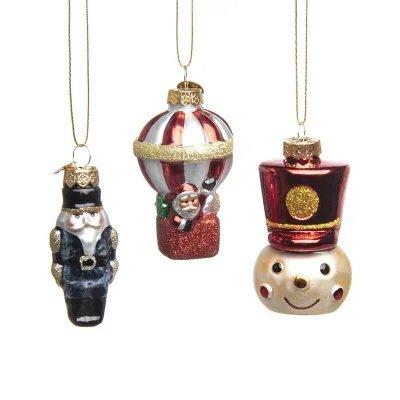


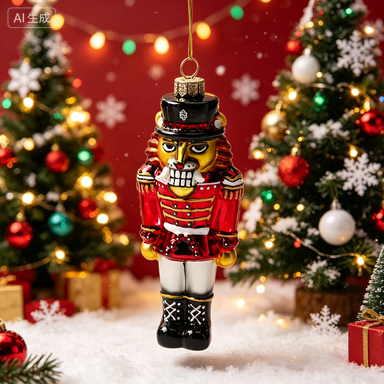
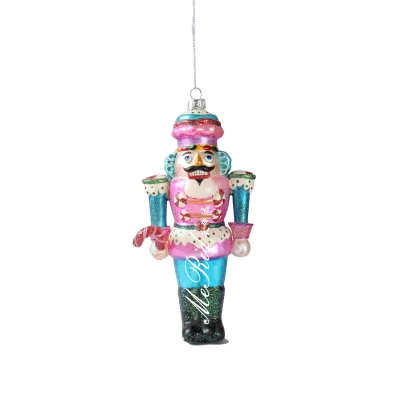
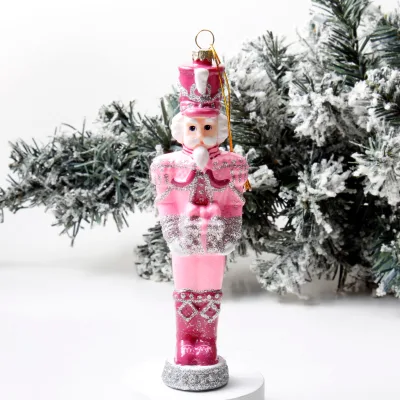

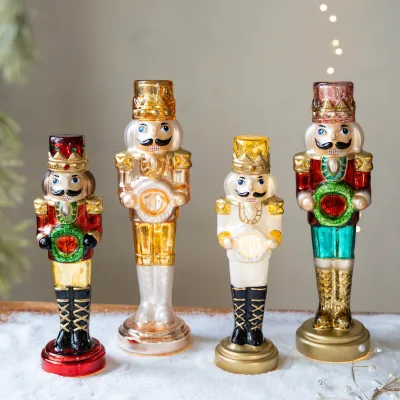


Wooden Soldier Christmas Nutcracker Ornaments Christmas Wood Gift Decoration
$2.90 - $3.14
MOQ: 200 Pieces


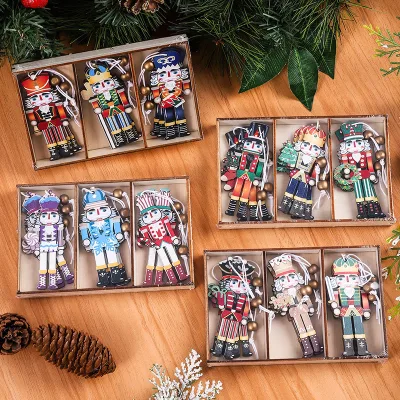
New Wooden Soldier Nutcracker Christmas Nutcracker Soldier Wooden Soldier
$3.38 - $3.55
MOQ: 200 Pieces


Collectable Decoration Casting Antique Style Custom Mini Metal Soldier Figurine
$6.99 - $8.99
MOQ: 100 Pieces


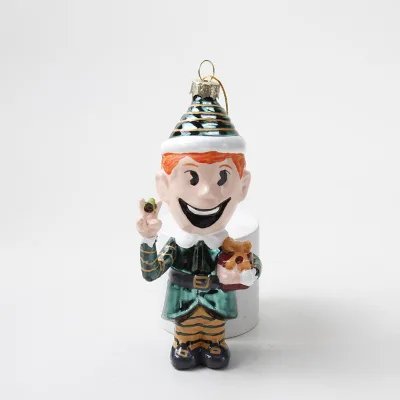
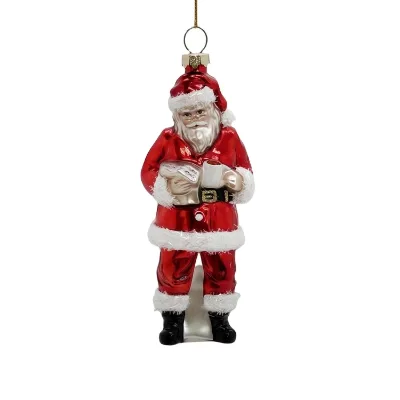

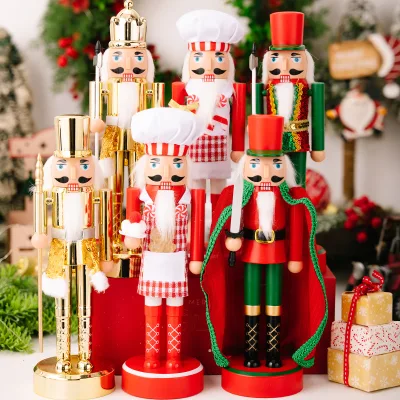
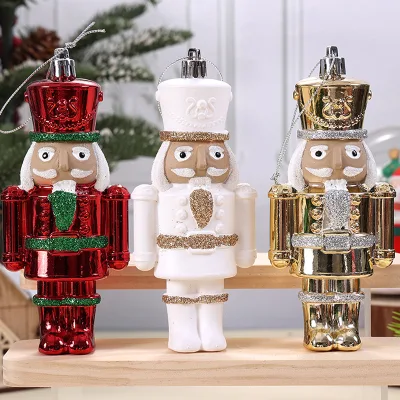
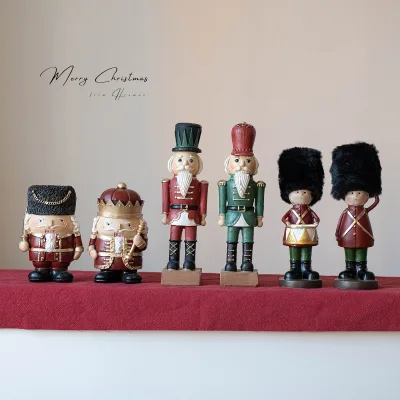
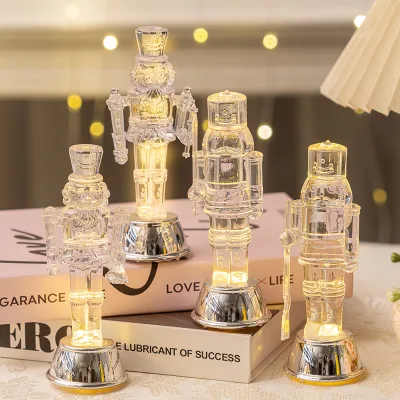


Comprehensive Sourcing Guide
Strategic Sourcing Guide for 3-Color Glass Soldier Decorations
The procurement of 3-color glass soldier decorations requires a nuanced understanding of the intersection between artistic craftsmanship and industrial manufacturing standards. These items, often categorized under holiday ornaments, ceramic decorations, or glass figurines, serve as critical components in seasonal retail and interior design strategies. Buyers must navigate a supply chain where customization is the norm rather than the exception, and where material integrity directly impacts the final aesthetic and durability of the product. The following guide outlines the essential technical, logistical, and quality parameters necessary for a successful sourcing operation, grounded in observed market data and standard industry practices for glass and ceramic holiday goods.
Technical Specifications and Material Composition
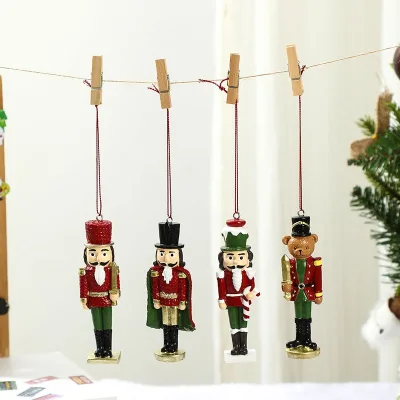
The core of any successful procurement strategy for glass soldier decorations lies in the precise definition of technical specifications. Based on observed market data, the primary material for these items is glass, often specified as tempered glass or high-grade glass to ensure durability. The "3-color" designation typically refers to a multi-tonal finish, which may be achieved through custom coloring processes or specific glazing techniques. In the current market, suppliers frequently offer "Customized Color" options, allowing buyers to align the product with specific brand palettes or seasonal themes, such as the observed "Red" or "Clear" variants.
The physical dimensions of these decorations vary significantly depending on the specific design model. Observed data indicates that single package sizes can range from compact units measuring approximately 5.85 x 5.85 x 7.45 cm to larger figures reaching 7 x 5 x 15.5 cm. The shape is a critical differentiator, with common forms including the "Nutcracker Soldier," "Rocking horse," "Soldier," and "Bear." These shapes often dictate the internal structure; for instance, a solid structure is frequently observed in high-quality glass figurines to prevent breakage during handling. The weight is another vital specification, with observed single gross weights as low as 0.025 kg, indicating that lightweight designs are common for hanging ornaments, while heavier, solid versions may be intended for table display.
When evaluating the "3-color" aspect, buyers should verify the specific application method. The market supports various printing techniques, including "Silk Screen Printing" and "Uv Printing," which are suitable for applying detailed graphics and color layers. Some suppliers also utilize "paint" as a primary coloring method, particularly for hand-painted items where the "3-color" effect is achieved through manual artistic application rather than industrial printing. The choice between these methods affects the final texture, color vibrancy, and resistance to fading.
Customization Capabilities and Design Flexibility
One of the most significant advantages in sourcing glass soldier decorations is the high degree of customization available. The market data confirms that "Customization" is a standard attribute, with suppliers offering "Customized" sizes and standards that can be tailored to specific buyer demands. This flexibility extends to the branding elements, where "Accept Customized Logo" is a common feature, allowing companies to embed their corporate identity or specific holiday messaging onto the soldier figures.
The design process often involves selecting from a library of existing shapes, such as the "Nutcracker Soldier" or "Rocking horse," and then applying custom colors and logos. The "Design" attribute is frequently described as "Holiday Decoration Gift," suggesting that the aesthetic is optimized for gifting and festive display. Buyers should note that while the base model might be standardized, the final product is often a bespoke item. For example, the "prod_standard" is listed as "customized" or "Customize according to demand," indicating that the manufacturing process is adaptable.
However, this flexibility comes with specific requirements regarding the design file and color matching. Since the "Color" is listed as "Customized," buyers must provide precise color codes or physical samples to ensure the "3-color" requirement is met accurately. The "printing techniques for graphics" section highlights that both digital methods like "Uv Printing" and traditional methods like "Silk Screen Printing" are available. The choice of technique will influence the minimum order quantity (MOQ) and the lead time, as screen printing often requires the creation of physical screens for each color layer.
Cost Drivers and Pricing Dynamics
Understanding the cost structure of glass soldier decorations is essential for budgeting and negotiation. The observed price range in the market spans from 0.1 to 300 USD, a wide spectrum that reflects the diversity in material quality, size, and customization complexity. A unit priced at the lower end of this range is likely a simple, mass-produced item with minimal customization, possibly utilizing standard colors and basic packaging. Conversely, items at the higher end may involve intricate hand-painting, complex multi-color designs, or premium packaging solutions.
Several factors drive these costs. The "material" grade is a primary determinant; "Excellent Grade" glass commands a higher price than standard glass due to its clarity and resistance to thermal shock. The "structure" of the item also plays a role; "Solid" structures require more material and careful handling during the molding and cooling processes, increasing production costs. Additionally, the "printing techniques" used can significantly impact the unit price. Hand-painted items, noted as a specific "technology" in the market, generally incur higher labor costs compared to machine-printed or screen-printed versions.
Packaging is another critical cost driver. The observed data lists "Crates" and "Carton" as standard packing methods. The choice between simple cartons and protective crates depends on the fragility of the item and the shipping distance. For international shipping, reinforced packaging is often necessary to prevent breakage, which adds to the overall cost. Furthermore, the "MOQ" (Minimum Order Quantity) varies, with observed ranges from 50 to 1000 pieces. Lower MOQs, such as 50 pieces, are often associated with higher per-unit costs due to the setup time required for custom runs, whereas larger orders benefit from economies of scale.
Compliance, Certification, and Safety Standards
While specific certification names are not universally mandated for all glass decorations, buyers must verify compliance with safety standards relevant to the target market. Glass products intended for children or general household use must meet specific safety requirements regarding breakage and chemical leaching. The "Feature" attribute often lists "Eco-friendly," which suggests that some suppliers adhere to environmental standards regarding the materials used and the manufacturing process. However, buyers should not assume this status without verification.
For products originating from China, particularly from regions like Guangdong, Jiangsu, and Fuzhou, compliance with international standards is crucial. Buyers should request documentation regarding the "prod_standard," which is often listed as "customized" or specific to the buyer's demand. This may include testing reports for lead content in paints, particularly for hand-painted items, and impact resistance tests for the glass structure. The "Grade" of the product, listed as "Excellent Grade," should be backed by quality control records that demonstrate consistency in the manufacturing process.
Additionally, the "place of origin" is a key factor in determining the regulatory environment. Products from different provinces in China may be subject to different local inspection regimes. Buyers should ensure that the supplier can provide necessary compliance certificates, such as those related to the safety of glass toys or holiday decorations, depending on the destination country's regulations. The "Structure" being "Solid" is a positive indicator for durability, but it does not replace the need for formal safety testing if the product is marketed for use by children.
Supplier Evaluation and Operational Logistics
Selecting the right supplier requires a thorough evaluation of their operational capabilities, including production capacity, lead times, and logistical reliability. The observed data indicates a wide range of lead times, with some suppliers offering a "Lead Time" of 2-3 days for standard items, while others specify a "Delivery Time" of 15-30 days for customized orders. This discrepancy highlights the importance of clarifying the timeline for the specific order at hand. Buyers must distinguish between the time required for production and the time required for shipping.
The "place of origin" varies, with suppliers located in Guangdong, Jiangsu, and Fuzhou. Each region has its own industrial strengths; for example, Guangdong is known for its extensive export infrastructure, while Jiangsu and Fuzhou may have specialized clusters for glass and ceramic manufacturing. Buyers should verify the supplier's location to assess the logistical implications, including shipping costs and transit times. The "prod_origin" and "place of origin" fields in the data suggest that the supply chain is distributed, and buyers should confirm the exact factory location to ensure transparency.
Supplier reliability is also gauged by their ability to handle customization. The "MOQ" ranges from 50 to 500 pieces, indicating that suppliers cater to both small boutique buyers and large retailers. Buyers should assess whether the supplier can scale production if demand increases. The "Selling Units" are listed as "Single item," which suggests that the supplier is capable of handling mixed orders or individual SKU management. However, for large-scale procurement, buyers should confirm the supplier's capacity to manage bulk orders without compromising quality or lead times.
Quality Control and Long-Term Procurement Strategy
Maintaining consistent quality is paramount when sourcing glass soldier decorations, especially given the fragile nature of the material. The "Single gross weight" and "Single package size" data points provide a baseline for quality control checks. Buyers should implement a rigorous inspection process that includes visual checks for color consistency, particularly for the "3-color" requirement, and structural integrity checks for the "Solid" construction. The "Feature" of being "Eco-friendly" should be verified through material safety data sheets and production audits.
Long-term procurement strategies should focus on building relationships with suppliers who demonstrate flexibility and reliability. The ability to customize "Logo," "Color," and "Size" is a significant advantage, but it requires clear communication and detailed specifications to avoid errors. Buyers should establish a standard operating procedure for design approvals, including the submission of color proofs and physical samples before mass production begins. This process helps mitigate the risk of receiving products that do not meet the "3-color" or design expectations.
Furthermore, buyers should consider the lifecycle of the product. The "Usage" field lists "Christmas Tree Decoration Ornaments" and "Furniture, Building, Window," indicating that these items are versatile. A long-term strategy might involve diversifying the product line to include different shapes and sizes, such as the "Nutcracker Soldier" or "Rocking horse," to cater to various market segments. The "Advantage" of "High Quality" should be a consistent benchmark, with regular quality audits to ensure that the "Excellent Grade" standard is maintained over time.
In conclusion, sourcing 3-color glass soldier decorations requires a balanced approach that combines technical precision with strategic supplier management. By focusing on material quality, customization capabilities, and rigorous quality control, buyers can secure a supply chain that delivers high-value products for the holiday season and beyond. The observed market data provides a solid foundation for making informed decisions, but continuous verification and clear communication remain essential for success in this dynamic and competitive sector.
FAQs
Can I customize the color and logo for these glass soldier decorations?
Yes, you can customize the color and logo as the product supports customized colors and accepts customized logos. Suppliers typically offer options like red or clear glass, allowing you to align the design with your specific brand palette or holiday theme requirements.
What are the minimum order quantities for these glass soldier ornaments?
The minimum order quantity varies by supplier, with observed ranges starting from 50 pieces up to 500 pieces. Lower MOQs like 50 units are common for custom runs, while larger orders may require higher quantities to achieve better economies of scale and pricing.
How long does it take to receive a customized order of these decorations?
Lead times vary significantly depending on the customization level, ranging from 2 to 3 days for standard items to 15 to 30 days for fully customized orders. Buyers should clarify the specific timeline with the supplier before placing an order to ensure timely delivery.
What printing techniques are used to apply graphics on these glass soldiers?
Suppliers use various printing techniques including silk screen printing, UV printing, and hand-painting to apply graphics. The choice of method affects the final texture and color vibrancy, with hand-painting often used for intricate multi-color designs on solid glass structures.
Where are these glass soldier decorations manufactured and shipped from?
These decorations are manufactured in China, with specific origins including Guangdong, Jiangsu, and Fuzhou. The location impacts shipping logistics, so buyers should verify the exact factory location to assess transit times and potential shipping costs for international delivery.
What materials and grades are used to make these glass soldier figures?
The primary material is glass, often specified as tempered glass or excellent grade glass to ensure durability. The structure is typically solid to prevent breakage, and the material quality directly influences the product's resistance to thermal shock and overall aesthetic finish.
How are these glass soldier ornaments packaged for shipping?
Products are packaged in cartons or crates depending on the fragility and shipping distance requirements. The single package size varies by model, ranging from approximately 5.85 x 5.85 x 7.45 cm to larger dimensions, ensuring protection during transit for these delicate glass items.