Source 300 GSM Bath Towel for Hotel, Home, and Gift Use
Find and compare 300 GSM Bath Towel options from 30 verified suppliers. Evaluate materials like cotton and microfiber, customization features, and pricing to select the best fit for your business needs.
Key considerations
Products List


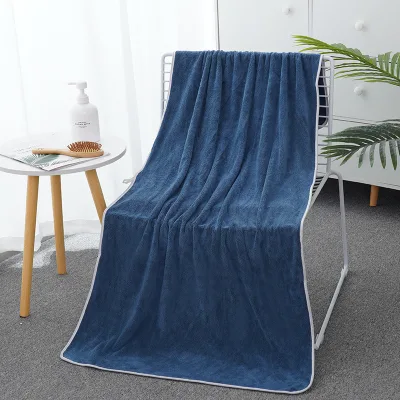
GSM Towels Embroidered Bath Towels Large Bath Towel Checkered Hand Towels
$1.00 - $2.50
MOQ: 2000 Pieces




Comprehensive Sourcing Guide
300 GSM Bath Towel Sourcing Guide
Sourcing a 300 GSM Bath Towel requires balancing weight specifications with material composition to ensure the final product meets both performance expectations and cost targets. The observed market data indicates that while 300-400 GSM is a common range for high-quality cotton towels, suppliers also offer variations in material such as 100% cotton, polyester blends, and microfiber, each delivering distinct tactile and drying characteristics. Buyers must verify that the specific GSM rating aligns with the intended application, as a 300 GSM cotton towel offers a different balance of absorbency and bulk compared to a microfiber alternative of similar weight.
Commercial listings reveal a wide spectrum of customization options, including custom logos, packaging, and design patterns, which significantly influence the final unit cost and minimum order quantities. The observed data shows that some suppliers support low minimums for sample orders while others enforce strict thresholds, such as 10,000 pieces, for custom production runs. Procurement teams should prioritize suppliers who explicitly state their ability to accommodate custom weight and packing requirements, as this flexibility is often a prerequisite for adapting the product to specific brand standards or retail packaging constraints.
Product Scope and Observed Listing Signals
The product scope for 300 GSM bath towels in the current market spans diverse usage scenarios, including hotel amenities, home use, sports activities, and promotional gifts. Listings frequently highlight features such as quick-dry capabilities, mothproof treatments, and ultra-soft textures, which are critical differentiators for buyers targeting the hospitality or retail sectors. It is essential to distinguish between products marketed as "quick dry" and those emphasizing "ultra soft," as these attributes often correlate with specific weave structures or fiber blends that affect the towel's longevity and user experience.
Observed listing signals indicate that product models vary significantly, ranging from specific codes like "Yulia" or "ES18L-T-15-" to generic descriptors like "T 17" or "JM." These model identifiers often correspond to specific production batches or design iterations, and buyers should request detailed specifications for each model to ensure consistency. The data also shows that patterns can range from plain dyed to printed designs, with edge finishes including binding, hemmed, or overlock styles, all of which must be verified against the buyer's quality standards before placing an order.
Technical Specifications to Verify
Material composition is the primary technical variable that dictates the performance of a 300 GSM towel, with 100% cotton, polyester/cotton blends, and microfiber being the most common options found in listings. Buyers must explicitly confirm the fiber content, as a 100% cotton towel will offer superior absorbency and natural feel, whereas a polyester blend may provide enhanced durability and faster drying times at the cost of softness. The technical specification of "300-400 GSM" suggests a range rather than a fixed value, so procurement teams should require a specific weight tolerance and testing protocol to ensure the delivered goods meet the exact 300 GSM target.
Construction details such as knitting techniques, edge finishes, and packing methods are equally critical for verifying product quality and logistics readiness. The observed data highlights that towels may be knitted with specific edge treatments like binding or overlocking, and packing can vary from individual OPP bags to seaworthy cartons containing 500 to 2000 pieces. Buyers should verify that the technical specifications for the product model match the intended use, ensuring that features like "custom weight" and "custom logo" are clearly defined in the technical datasheet to avoid discrepancies during production.
Compliance and Safety Documentation
While specific certification statuses like OEKO-TEX or GOTS are mentioned in background contexts, buyers must treat these as verification targets rather than guaranteed attributes of every listed product. The absence of explicit certification claims in the primary product data means that procurement teams must actively request third-party test reports to confirm that the towels are free from harmful substances, particularly for products intended for children or sensitive skin applications. Relying on the supplier's general statement of "customized as your requirement" is insufficient; a formal compliance document confirming adherence to relevant safety standards is necessary for high-volume orders.
Safety documentation should also address the chemical treatments applied to the towels, such as mothproofing or fragrance applications, which are noted as available customization options. Buyers need to ensure that any added fragrances or treatments are compliant with international regulations and do not introduce allergens or irritants. The verification process should include a review of the supplier's quality control records regarding these chemical applications, ensuring that the final product meets the safety expectations of the target market without relying on unverified background claims.
Cost Drivers and Commercial Terms
The cost of a 300 GSM Bath Towel is heavily influenced by the complexity of customization, including custom logos, specific packing requirements, and unique design requests. The observed data shows that while some suppliers offer flexible MOQs, others enforce high thresholds like 10,000 pieces, which directly impacts the unit price and the financial risk for the buyer. Buyers should analyze the cost structure to understand how much of the price is driven by material costs versus the premium for custom features, ensuring that the budget aligns with the value proposition of the specific product model.
Commercial terms regarding lead times and sample support are critical for managing the procurement timeline and mitigating supply chain risks. The availability of samples is a key indicator of a supplier's willingness to engage, but the lead time for mass production can vary based on the complexity of the custom requirements and the supplier's location, such as Jiangsu or Shanghai. Procurement teams must negotiate clear terms for sample approval and production scheduling, ensuring that the timeline accounts for potential delays in customizing materials or packaging to avoid disruptions in the supply chain.
Supplier Qualification and Quality Control
Supplier qualification for 300 GSM towels requires a rigorous assessment of their production capabilities, specifically their ability to maintain consistent GSM ratings and material quality across large batches. The observed data indicates that suppliers offer various production standards, from "customized as your requirement" to specific dimensions like 140*70cm, but buyers must verify that the supplier has the technical capacity to meet these precise specifications without compromising quality. A robust quality control process should be in place to monitor the knitting, dyeing, and finishing stages to ensure that the final product matches the approved sample.
Quality control checks should extend to the packaging and labeling, as the observed data shows a variety of packing methods from individual OPP bags to seaworthy cartons. Buyers must ensure that the supplier's packaging standards protect the towels during transit and that the labeling accurately reflects the product specifications, including weight, material, and care instructions. Regular audits of the supplier's production line and random sampling of finished goods are essential to maintain consistency and prevent defects from reaching the end customer, particularly for high-volume orders where quality deviations can be costly.
Long-Term Procurement Checks
Long-term procurement success depends on establishing a reliable supply chain that can adapt to changing market demands and quality expectations over time. Buyers should implement a system for periodic re-evaluation of supplier performance, focusing on consistency in GSM, material quality, and adherence to customization requests. The dynamic nature of the market, with varying product models and specifications, requires a proactive approach to supplier management to ensure that the 300 GSM towels continue to meet the brand's standards as production scales or design requirements evolve.
Sustainability and ethical sourcing should also be integrated into long-term checks, even if specific certifications are not immediately available in the initial product listings. Buyers should monitor the supplier's progress toward obtaining recognized certifications and ensure that their production practices align with evolving environmental and social responsibility standards. By maintaining a focus on continuous improvement and open communication, procurement teams can build a resilient supply chain that delivers high-quality 300 GSM bath towels while mitigating risks associated with regulatory changes or market fluctuations.
FAQs
What materials are used for 300 gsm bath towels?
These towels are typically made from 100% cotton or a polyester and cotton blend. The 300-400 GSM weight ensures a plush, absorbent feel suitable for hotel and home use. Some variants also utilize microfiber for quick-drying performance, offering durability and softness for various applications.
Can I customize the logo and packaging for these towels?
Yes, customization is available for both logos and packaging. Buyers can request custom logos printed or embroidered on the towels. Packaging options include individual OPP bags or seaworthy cartons, allowing for tailored presentation that meets specific branding requirements or retail standards for different markets.
What is the typical MOQ for ordering these towels?
The minimum order quantity varies by supplier, ranging from 1 to 10,000 pieces. Some manufacturers set a standard MOQ of 10,000 pieces for custom orders, while others may accept smaller trial quantities. Buyers should verify specific MOQ requirements with suppliers to align with their inventory needs.
Are samples available before placing a bulk order?
Sample support is generally available for quality verification. Buyers can request samples to check the fabric quality, GSM weight, and customization options before committing to large orders. This allows for assessment of the product's suitability for hotel, home, or gift purposes prior to finalizing procurement decisions.
What styles and patterns are offered for these towels?
Styles include plain dyed, printed, and jacquard designs. Colors can be customized to any request, and edges may feature binding, hemmed, or overlock finishes. These options allow for versatile aesthetic choices, catering to diverse preferences for home decor, hotel amenities, or promotional gift items.