Source 30 L Motorcycle Tail Box for Sports, Camouflage, and Rear Luggage
Explore 30 listings for the 30 L Motorcycle Tail Box, featuring options with waterproof protection, ISO9001 certification, and customizable colors. Buyers can compare specifications like dimensions, materials, and OEM services across models FD-02, FD-03, and TS-08.
Key considerations
Products List


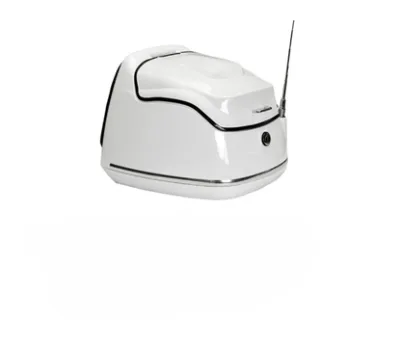


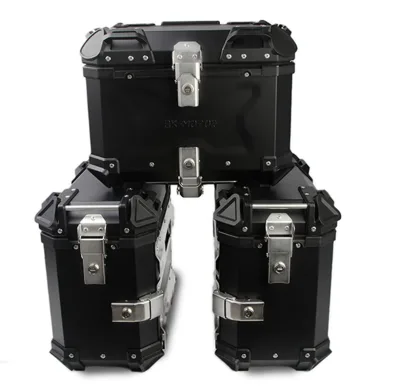


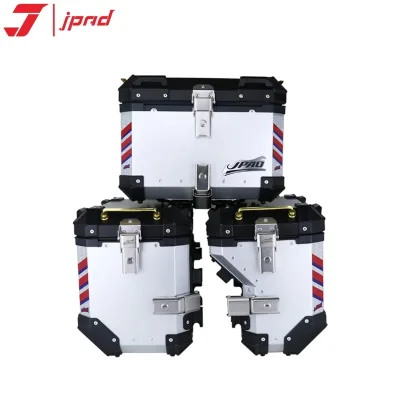
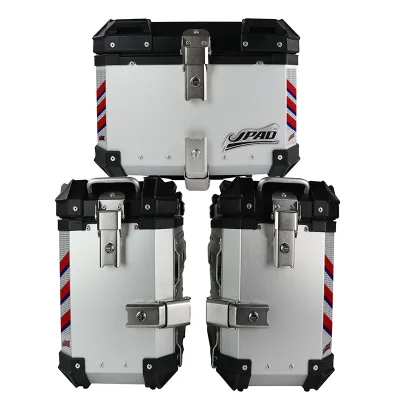

Comprehensive Sourcing Guide
Strategic Sourcing Guide for 30-Liter Motorcycle Tail Boxes
Understanding Product Specifications and Variability
When sourcing a 30-liter motorcycle tail box, buyers must first navigate the significant variance in technical specifications that exist within this product category. The term "30-liter" often serves as a general market descriptor, yet the actual physical dimensions and volume capacities can differ substantially between models. In the current market landscape, observed product attributes indicate that capacity can range from 38 liters to other specific volume measurements, suggesting that the "30-liter" label may be a rounded approximation or a specific sub-category rather than a strict universal standard.
Buyers should verify the exact internal volume and external dimensions before finalizing a purchase. Data from available listings shows specific model configurations with varying standard dimensions. For instance, one model configuration is listed with a standard of 59(L)*44(W)*32(H)cm, while another measures 40(L)*40(W)*30(H)cm. Other variations include 59(L)*45(W)*32(H)cm, 43(L)*50(W)*31(H)cm, and 42(L)*41(W)*31.5(H)cm. These discrepancies highlight that a "30-liter" box might physically occupy a footprint closer to 40x40x30cm or extend significantly longer at 59cm depending on the specific model code, such as FD-05, FD-02, FD-07, FD-04, or FD-03.
Furthermore, the material composition is a critical specification. The predominant material observed in this segment is Polypropylene (PP), which offers a balance of durability and weight. However, the weight of the unit itself is also a variable specification, with some units recorded at 2.2kgs. The length of the box is another key dimension, with specific observations noting lengths of 50cm and 40cm. Buyers must cross-reference the claimed volume with these physical dimensions to ensure the box fits the mounting rails and luggage rack of their specific motorcycle model. The packaging standard is typically a carton, and the condition of the product is generally listed as "New."
Compliance, Certification, and Safety Standards
Ensuring that a motorcycle tail box meets international safety and quality standards is paramount for both the supplier and the end-user. In the context of this product category, certification plays a vital role in establishing trust and product reliability. The most frequently observed certification in the supply chain for these items is ISO9001. This certification indicates that the manufacturer adheres to a quality management system that ensures consistent product quality. However, buyers should treat this as an observation of the supplier's capability rather than a guarantee that every single unit sold will possess identical performance characteristics.
Beyond general quality management, specific safety features are often integrated into these boxes. The presence of a "Reflective Warning Light" is a notable attribute found in certain models, while others are listed as "Without Reflective Warning Light." This distinction is crucial for riders concerned with visibility and safety regulations in their region. The reflective sheet color is another variable, with observed options including Red, Black, White, and Blue. When sourcing, buyers must verify if the specific model includes these reflective elements or if they are optional add-ons.
The quality of the product is often described as meeting "International Standard," though this is a broad claim. Buyers should look for specific test results or compliance with regional vehicle safety regulations rather than relying solely on generic quality statements. Additionally, the product origin is consistently listed as China, with specific mentions of Guangdong as a place of origin. This geographic concentration suggests a mature supply chain but also necessitates rigorous due diligence regarding the specific factory's reputation and adherence to export standards.
Cost Drivers and Pricing Dynamics
The pricing structure for motorcycle tail boxes is influenced by a complex array of factors, including material costs, customization levels, and order volume. The observed price range in the market is exceptionally wide, spanning from $0.50 to $907.68 USD. This vast disparity indicates that the "30-liter" category encompasses everything from basic, unbranded components to high-end, fully customized systems with advanced features.
Several key drivers contribute to this price variance. First, the level of customization is a primary cost factor. Products with "Available" customization options, such as specific colors or branding, typically command higher prices than standard off-the-shelf items. The "Body Painting Kit" attribute further illustrates this; some units are sold as a complete kit, while others are "Without Body Painting," significantly affecting the final cost. Second, the inclusion of additional features like a "Reflective Warning Light" or specific waterproofing capabilities can increase the unit price.
The Minimum Order Quantity (MOQ) also plays a significant role in the effective cost per unit. The observed MOQ range is between 1 and 200 units. Buyers purchasing small quantities may face higher per-unit costs, while those ordering near the upper limit of the MOQ range can often negotiate better pricing. Payment terms, such as T/T, L/C, or O/a, can also influence the financial dynamics of the transaction, with different terms potentially carrying different risk premiums or interest implications. Buyers must analyze the total cost of ownership, including shipping and potential tariffs, rather than focusing solely on the listed unit price.
Typical Applications and Usage Scenarios
The versatility of the 30-liter motorcycle tail box allows it to serve a wide range of applications, from recreational sports riding to practical utility transport. The primary usage categories observed include "Sports" and "Rear Tail Luggage." This dual functionality suggests that the product is designed to withstand the rigors of active riding while providing secure storage for essential items.
For sports applications, the box must offer robust protection and secure mounting. The "Waterproof" feature is a critical attribute for riders who encounter varying weather conditions, ensuring that contents remain dry during rain or accidental submersion. The "Camouflage" usage attribute indicates that some models are tailored for specific aesthetic preferences or tactical applications, though this is less common than standard sports or luggage uses. The product is also noted for its purpose of "replace/repair," suggesting that these boxes are often sourced as replacement parts for existing motorcycle setups.
The "OEM Brand" attribute being "Yes" indicates that many suppliers offer these boxes for private labeling, allowing motorcycle manufacturers or aftermarket retailers to brand the product as their own. This is particularly relevant for buyers looking to create a cohesive product line. The "Service" attribute, listing "OEM&ODM," further confirms that suppliers are equipped to handle custom design and manufacturing requests. Whether the application is for long-distance touring, daily commuting, or competitive sports, the specific model selection should align with the intended load requirements and mounting constraints of the motorcycle.
Supplier Evaluation and Operational Capabilities
Selecting the right supplier requires a thorough evaluation of their operational capabilities, particularly regarding customization, production capacity, and logistics. The "Customization" attribute being "Available" is a strong indicator of a supplier's flexibility. Buyers should verify the extent of this customization, including the ability to modify colors, dimensions, and branding. The "Brand Name" KOYU is observed in the market, but buyers should not assume this is the only brand available; rather, the presence of OEM services suggests that many suppliers can produce under the buyer's own brand.
Logistics and lead times are critical components of supplier evaluation. The observed "Delivery Time" is listed as 30 days, which serves as a baseline for planning. However, buyers must confirm if this lead time is consistent across all models or if it varies based on order volume and customization requirements. The "Packaging" options, including "OEM/Neutral" and "Each Packed with Carton," indicate that suppliers are prepared to handle various shipping needs. The "Selling Units" being listed as "Single item" suggests that suppliers are willing to accommodate small orders, which is beneficial for testing the market before committing to larger volumes.
Quality assurance is another vital area for supplier assessment. The "Warranty" of 1 year is a standard offering that buyers should verify in the contract. Additionally, the "Payment" terms, including T/T, L/C, and O/a, provide insight into the supplier's financial stability and willingness to engage in standard international trade practices. Buyers should prioritize suppliers who demonstrate transparency in their production processes and offer clear communication channels for resolving any issues related to product quality or delivery delays.
Quality Control and Long-Term Procurement Strategy
Implementing a robust quality control (QC) strategy is essential for mitigating risks associated with sourcing motorcycle tail boxes. Given the wide range of observed specifications and the potential for variability in product attributes, buyers should establish clear acceptance criteria before production begins. This includes verifying the material composition (PP), checking the exact dimensions against the provided standards, and ensuring that features like waterproofing and reflective elements function as intended.
Long-term procurement considerations involve building a sustainable relationship with suppliers who can consistently meet quality and delivery expectations. The "Condition: New" attribute is a basic requirement, but buyers should also look for evidence of consistent manufacturing processes. The "Standard" dimensions observed, such as 59(L)*44(W)*32(H)cm, should be used as a benchmark for quality checks. If a supplier deviates from these standards without prior notification, it may indicate a lack of process control.
Buyers should also consider the "Product Name" and "Purpose" when planning for future inventory. If the boxes are intended for "replace/repair" purposes, durability and compatibility with existing motorcycle models are paramount. The "Volume" of 38L observed in some listings suggests that buyers should be prepared for slight variations in capacity and ensure that their marketing or technical documentation reflects these nuances accurately. By maintaining a focus on continuous improvement and clear communication, buyers can ensure a steady supply of high-quality motorcycle tail boxes that meet the demands of their customers.
FAQs
What is the typical capacity of a 30 L Motorcycle Tail Box?
The observed capacity is 38 liters, which may differ from the general market label of 30 liters. Buyers should verify the exact internal volume against specific model dimensions before purchasing to ensure it fits their motorcycle rack.
Which materials are used to construct these tail boxes?
Polypropylene (PP) is the predominant material observed for these units. This material offers a balance of durability and weight, with some models weighing approximately 2.2 kilograms while maintaining structural integrity.
Can I customize the color of the motorcycle tail box?
Yes, customization is available for the product color, including options like black or customized colors. Buyers should confirm specific color requirements with the supplier as part of the customization process.
What certifications do the manufacturers typically hold?
Many suppliers hold ISO9001 certification, indicating adherence to quality management systems. This certification suggests consistent product quality, though buyers should verify specific factory standards for their region.
How long is the delivery time for these boxes?
The standard delivery time is 30 days from order confirmation. This lead time applies to production and shipping, but buyers should confirm if customization or volume affects this schedule.
What is the minimum order quantity for purchasing these boxes?
The minimum order quantity ranges from 1 to 200 units depending on the supplier. Small buyers can order single items, while larger volumes may offer better pricing tiers.
Are these boxes waterproof for outdoor use?
Yes, the product features are listed as waterproof to protect contents during rain. This attribute ensures the luggage remains dry during sports or rear tail luggage transport in various weather conditions.