Source 33mm Carburetor for Yamaha ATV for Engine Repair
Find and compare 33mm Carburetor for Yamaha ATV components from verified suppliers. This sourcing page lists 30 available options featuring alloy materials, ISO9001 certification, and customization support for various ATV engine applications.
Key considerations
Products List
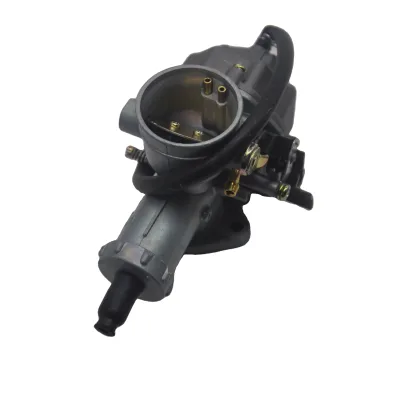


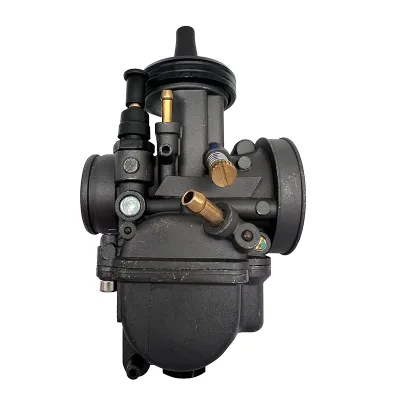
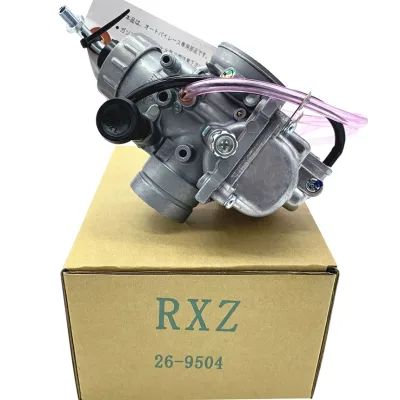
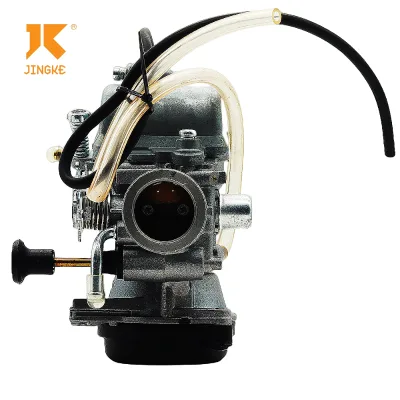
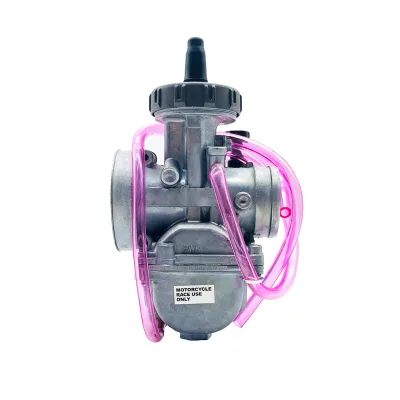
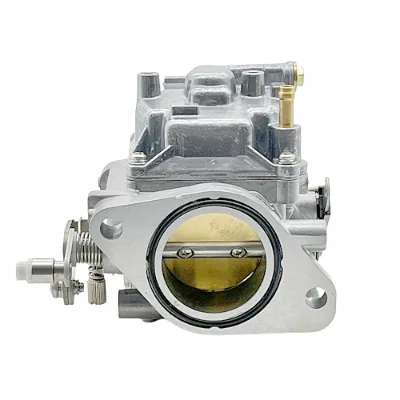
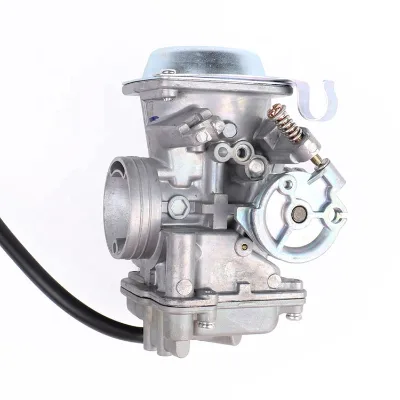
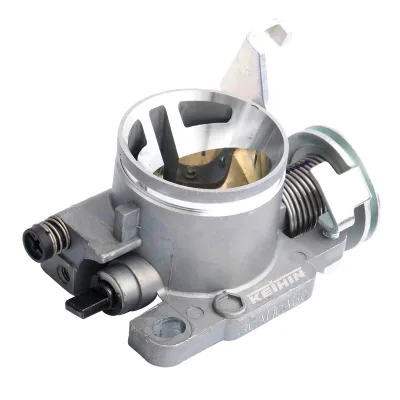
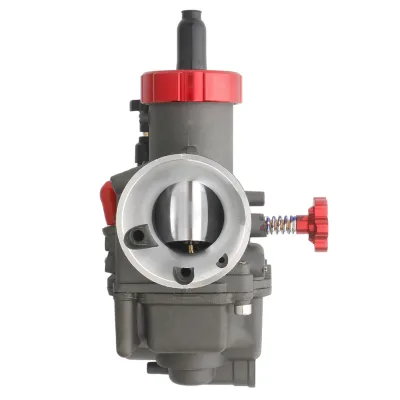
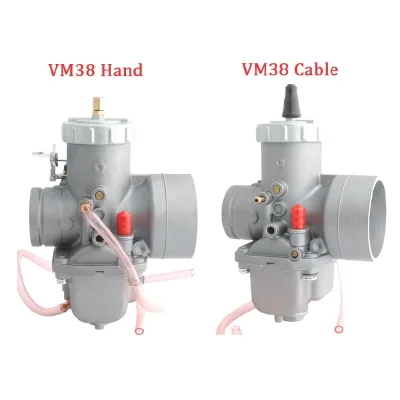


Comprehensive Sourcing Guide
33mm Carburetor for Yamaha ATV Sourcing Guide
Sourcing replacement carburetors for Yamaha ATVs requires a disciplined approach to technical verification and supplier qualification. The 33mm carburetor is a common component for mid-to-large displacement models, but compatibility is not guaranteed by size alone. Buyers must navigate a market where listings often mix specifications for different engine families, such as the 90cc, 110cc, and 125cc variants observed in current supply chains. This guide provides a structured framework for evaluating these components, ensuring that procurement decisions are based on verified technical data rather than generic marketing claims.
The following sections detail the critical steps for validating product scope, technical specifications, compliance documentation, commercial terms, and supplier reliability. By adhering to these evidence-based criteria, procurement professionals can mitigate the risks of receiving incompatible parts, non-compliant materials, or substandard manufacturing quality. The focus remains on actionable verification steps that protect the buyer’s operational continuity and end-user satisfaction.
Product Scope and Observed Listing Signals
The current market for ATV carburetors and related engine components displays a wide variance in product descriptions and observed listing signals. Listings frequently reference specific models such as the 90cc ATV, Mini ATV49cc, and 110cc engines, alongside broader categories like "Fuel System" and "Engine Parts." This diversity indicates that the 33mm carburetor may be listed under various model numbers or generic descriptions, requiring buyers to cross-reference part numbers rather than relying solely on the carburetor diameter. The presence of terms like "YBR125" and "CG-200" in supplier catalogs suggests that some manufacturers produce components for multiple engine platforms, which can lead to confusion if the specific Yamaha application is not explicitly confirmed.
Observed price ranges in the market span from $0.1 to $50 USD, reflecting significant differences in material quality, certification levels, and manufacturing origins. Minimum Order Quantities (MOQs) vary widely, with some suppliers offering samples or low MOQs of 1-10 units, while others require bulk purchases of 100-500 units. Buyers should interpret these signals as indicators of supplier scale and flexibility rather than direct value propositions. A lower price or MOQ does not necessarily indicate better value; it may simply reflect a different business model or a lack of comprehensive quality assurance processes. Understanding these market dynamics helps buyers set realistic expectations for lead times, pricing structures, and supplier engagement.
Technical Specifications to Verify
Technical verification is the most critical step in sourcing a 33mm carburetor for a Yamaha ATV. Buyers must confirm the engine type, specifically whether the component is designed for a four-stroke or two-stroke engine, as the internal mechanisms and fuel delivery systems differ significantly. The observed listings indicate a prevalence of four-stroke principles, including compression stroke mechanisms, which are common in modern ATV engines. However, buyers must verify that the carburetor’s jetting, float bowl design, and mounting flange dimensions match the specific Yamaha engine model. Relying on the "33mm" designation alone is insufficient, as throat diameter is only one of many critical dimensions.
Material composition and construction quality are also essential verification points. Listings mention materials such as alloy, aluminum alloy, and PP (polypropylene), indicating variations in durability and weight. The carburetor body is typically made from aluminum or aluminum alloy to ensure heat dissipation and structural integrity, while other components may use plastic or rubber. Buyers should request detailed material specifications and, if possible, physical samples to assess the finish, casting quality, and fitment of internal components like the throttle slide and needle. Additionally, the cooling style, often listed as air-cooled for these applications, should be confirmed to ensure compatibility with the ATV’s engine cooling system.
Compliance and Safety Documentation
Compliance and safety documentation are vital for ensuring that sourced carburetors meet regulatory standards and do not pose operational hazards. The observed listings include various certifications such as ISO9001, CE, UL, SONCAP, CCC, and SGS. While ISO9001 indicates a quality management system, it does not guarantee that the specific carburetor unit meets emission or safety standards for the target market. Buyers must verify which certifications apply to the specific product batch and whether they are relevant to the destination country’s regulations. For instance, CE marking is crucial for European markets, while CCC is required for China.
Buyers should also assess the environmental and operational safety implications of the carburetor’s design. Fuel systems must be leak-proof and resistant to vibration, which is critical for off-road vehicles. Documentation should include test reports or quality control records that verify the integrity of seals, gaskets, and fuel lines. Suppliers who provide comprehensive documentation, including material safety data sheets (MSDS) for any coatings or finishes, demonstrate a higher level of professionalism and commitment to safety. Buyers should prioritize suppliers who can provide clear, verifiable compliance evidence rather than those who merely list certification names without supporting documentation.
Cost Drivers and Commercial Terms
Understanding the cost drivers and commercial terms is essential for effective budgeting and negotiation. The price of a carburetor is influenced by factors such as material costs, manufacturing complexity, certification fees, and order volume. The observed MOQ of 100 units for some suppliers suggests that economies of scale play a significant role in pricing. Buyers who can consolidate orders or negotiate volume discounts may achieve better unit costs, but they must balance this against inventory holding costs and the risk of obsolescence. Additionally, shipping terms, such as "by Sea," impact the total landed cost and lead time, which should be factored into the procurement strategy.
Commercial terms also include payment conditions, warranty policies, and return procedures. Buyers should clarify whether samples are available and at what cost, as this can be a valuable tool for initial quality assessment. The observed listings indicate that samples are often available, which allows buyers to test fitment and performance before committing to a larger order. Warranty terms should be explicitly defined, covering defects in material and workmanship. Buyers should also inquire about the supplier’s policy for handling non-conforming goods, including return shipping costs and replacement timelines. Clear commercial terms reduce financial risk and ensure a smoother procurement process.
Supplier Qualification and Quality Control
Supplier qualification is a multi-faceted process that goes beyond checking certifications. Buyers should evaluate the supplier’s manufacturing capabilities, quality control processes, and track record. The observed listings mention OEM acceptance and customization availability, indicating that some suppliers can tailor products to specific requirements. However, buyers must verify the supplier’s ability to maintain consistent quality across batches. This includes assessing their incoming material inspection, in-process quality control, and final product testing procedures. Suppliers who invest in rigorous quality control are more likely to deliver reliable products.
The origin of the products, often listed as China or Guangzhou China, is a common factor in the ATV parts market. Buyers should conduct due diligence on the specific factory or trading company, verifying their business license, production capacity, and export experience. Requesting references from other buyers or conducting third-party audits can provide additional assurance of the supplier’s reliability. Additionally, buyers should assess the supplier’s communication and responsiveness, as these factors are critical for resolving issues that may arise during production or shipping. A qualified supplier is not just one that meets technical specifications, but one that demonstrates a commitment to long-term partnership and continuous improvement.
Long-Term Procurement Checks
Long-term procurement success depends on establishing ongoing checks and balances with suppliers. Buyers should implement regular performance reviews, assessing metrics such as on-time delivery, product quality, and responsiveness to issues. The dynamic nature of the ATV market means that product designs and regulations may change, requiring suppliers to adapt quickly. Buyers should maintain open communication channels to stay informed about any updates or changes in the product line. This proactive approach helps prevent disruptions in the supply chain and ensures that the ATV fleet remains operational.
Continuous improvement initiatives, such as joint quality improvement projects or feedback loops, can strengthen the buyer-supplier relationship. Buyers should share field performance data and customer feedback with suppliers to drive product enhancements. Additionally, buyers should periodically re-evaluate the supplier’s compliance status and market reputation to ensure they remain aligned with the buyer’s standards. By treating procurement as a strategic partnership rather than a transactional relationship, buyers can secure a reliable supply of high-quality carburetors and other engine components, supporting the long-term success of their ATV operations.
FAQs
What certifications do the engine parts hold?
The engine parts hold ISO9001, CE, UL, SONCAP, CCC, and SGS certifications. These standards ensure quality and safety compliance for international markets, particularly in South America where the main market focus lies.
Can I customize the product specifications?
Yes, customization is available for these engine parts. Buyers can request specific modifications to meet their unique requirements while maintaining the core alloy material and four-stroke principle design.
What is the minimum order quantity for these parts?
The minimum order quantity is 100 units for standard orders. However, samples are available for testing purposes, allowing buyers to verify quality before committing to larger bulk purchases.
How are the products packed for shipping?
Products are packed in carton boxes or yogurt boxes with internal plastic bags. This packaging ensures protection during transit, with shipping primarily conducted by sea to major destinations.
Which materials are used for the engine components?
The components are made from alloy, aluminum alloy, and PP materials. These durable materials support the internal combustion type thermal machine and ensure longevity for ATV and motorcycle engine applications.
What is the origin location of these products?
The products originate from China, specifically Guangzhou. This location supports efficient manufacturing and shipping logistics for global buyers seeking reliable engine parts and customization services.