Source 380V Wire Mesh Making Machine for fences, grids, and barriers
Find 30 verified listings for the 380V Wire Mesh Making Machine designed for industrial production. Compare specifications like mesh size, voltage, and output capacity from suppliers in China to identify the right equipment for your fencing or grid needs.
Key considerations
Products List


Comprehensive Sourcing Guide
Strategic Sourcing Guide for 380V Wire Mesh Making Machines
Understanding Technical Specifications and Operational Capabilities
When sourcing a 380V Wire Mesh Making Machine, buyers must first distinguish between the specific operational requirements of their production line and the capabilities listed in supplier catalogs. The core keyword implies a reliance on a three-phase power supply, which is standard for industrial machinery in many regions to ensure stable motor performance and higher torque output. Based on observed product attributes, the voltage requirements for these machines typically include both 220V and 380V configurations, with 380V being the preferred standard for heavy-duty continuous operation. The power consumption for such units is often observed around 3.8 kW, though this can vary depending on the specific model and the complexity of the mesh pattern being produced.
The physical dimensions of the machinery are a critical factor for facility planning. A typical footprint for a machine of this class is approximately 3600mm in length, 1300mm in width, and 1500mm in height. This substantial size necessitates adequate floor space and proper foundation planning to accommodate the machine's weight, which is frequently recorded around 1800 kg. The operational style of these machines varies; some are designed as horizontal units, while others function as vertical systems. The choice between horizontal and vertical styles often depends on the specific type of wire mesh required, such as ribbed wire or crimped wire mesh, and the available ceiling height in the manufacturing facility.
Production capacity is another vital technical metric. Buyers should verify that the machine's output aligns with their demand, as observed ranges indicate a production capacity between 30 and 100 square meters per hour. This variance suggests that different models or configurations within the same product category will yield different throughput rates. The machine's ability to handle specific wire diameters is equally important. Specifications indicate a capability to process wire diameters ranging from 1.2 mm to 4 mm for certain models, while others may support a broader range of 2.5 mm to 6.0 mm. The mesh opening size is also a defining characteristic, with observed ranges spanning from 3030 mm up to 150150 mm, or widths extending from 0.5 meters to 4 meters. Understanding these specific ranges is essential to ensure the machine can produce the exact mesh geometry required for the intended application.
Compliance, Certification, and Quality Standards
In the industrial machinery sector, compliance with international standards is not merely a formality but a prerequisite for operational safety and market acceptance. When evaluating a 380V Wire Mesh Making Machine, buyers should look for evidence of adherence to recognized quality management systems. Observed product data frequently references ISO9001 certification, specifically versions such as ISO9001:2000 or the general ISO9001 standard. This certification indicates that the manufacturer has established processes for consistent quality control, though buyers must verify the validity of the certificate for the specific model being purchased.
Safety and electrical compliance are equally critical. The presence of CE certification is a common observation in product listings, signifying that the machine meets European Union safety, health, and environmental protection requirements. Additionally, some listings mention SGS certification, which often relates to third-party inspection and verification of product quality. It is important to note that while these certifications are frequently listed, buyers must treat them as observations rather than guaranteed attributes for every unit. The specific model number, such as SR-ZWJ or SH2500-12, should be cross-referenced with the certification documents to ensure the specific configuration being ordered is covered.
The core components of the machine, particularly the motor, are central to its performance and safety. A machinery test report is often provided by suppliers, offering data on the machine's performance under load. This report serves as a critical document for verifying that the machine operates within the specified parameters before shipment. Buyers should request these reports to confirm that the motor and other critical components function correctly and meet the advertised power specifications. Furthermore, the production origin is a significant factor in compliance. Many machines originate from Anping County in Hebei Province, China, a region known for its wire mesh manufacturing industry. While this location is a hub for such equipment, buyers should verify the specific factory location and ensure that the export documentation aligns with the claimed origin to avoid customs or regulatory issues.
Cost Drivers and Pricing Structures
The pricing of a 380V Wire Mesh Making Machine is influenced by a complex array of factors, including technical specifications, customization options, and the level of automation. The observed price range for these machines is extensive, spanning from 1 USD to 36,000 USD. This wide disparity highlights the importance of defining precise requirements before engaging with suppliers. Lower-priced units may represent basic models with limited features, smaller production capacities, or minimal customization, while higher-priced units likely include advanced automation, larger dimensions, and enhanced safety features.
Customization is a primary driver of cost. Many suppliers offer customization services, allowing buyers to tailor the machine to specific mesh widths, wire diameters, or production speeds. The ability to customize the packing, such as using waterproof materials or wooden cases for the control box, can also impact the final price. Buyers should be aware that the "Selling Units" are often listed as single items, meaning the price quoted is for the entire machine rather than per component. However, the Minimum Order Quantity (MOQ) can vary, with observed ranges from 1 to 100 units. For most buyers, an MOQ of 1 is sufficient, but bulk orders may trigger different pricing tiers or logistical considerations.
The warranty period is another element that influences the total cost of ownership. While some listings indicate a standard 1-year warranty, others may offer extended coverage up to 2 years. A longer warranty period often reflects the manufacturer's confidence in their product quality and can reduce long-term risk for the buyer. However, buyers must scrutinize the terms of the warranty to understand what is covered, such as core components like the motor, and what is excluded. Additionally, the production capacity of the machine, ranging from 30 to 100 square meters per hour, directly correlates with its value. Higher capacity machines generally command higher prices but offer a better return on investment for high-volume production environments.
Typical Applications and Production Versatility
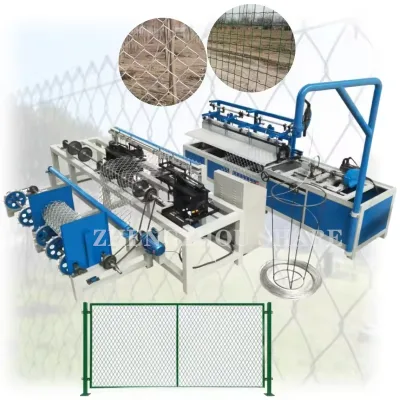
The versatility of 380V wire mesh making machines makes them suitable for a diverse range of industrial applications. The primary function of these machines is to create chain link fences, but their capabilities extend to producing various types of wire mesh products. The observed product names, such as "electric wire mesh making machine automatic chain link fence machine," indicate a focus on automated production, which is essential for maintaining consistency in large-scale manufacturing. The machine's ability to handle different wire diameters, from 1.2 mm to 6.0 mm, allows it to produce meshes for different structural requirements, ranging from lightweight fencing to heavy-duty industrial grates.
The mesh opening sizes, which can range from 3030 mm to 150150 mm, enable the production of meshes for security fencing, animal enclosures, and filtration systems. The width of the mesh, adjustable from 0.5 meters to 4 meters, provides flexibility for creating large panels or custom-sized sections. This versatility is particularly valuable for buyers who need to serve multiple market segments or adapt to changing customer demands. The machine's style, whether horizontal or vertical, also influences its application. Horizontal machines are often preferred for continuous production lines, while vertical machines might be better suited for specific weaving patterns or limited space environments.
Furthermore, the machine's role in producing ribbed wire or crimped wire mesh expands its utility beyond simple fencing. These specialized mesh types are used in construction, agriculture, and mining industries. The ability to produce these variations depends on the specific model and its core components. For instance, a machine labeled as a "Ribbed Wire Machine" will have different tooling and settings compared to a "Crimped Wire Mesh Weaving Machine." Buyers should ensure that the machine they select matches the specific type of mesh they intend to produce, as the technical specifications for each type vary significantly.
Supplier Evaluation and Verification Protocols
Evaluating suppliers for 380V wire mesh making machines requires a rigorous approach to verify claims and ensure reliability. The first step is to confirm the supplier's location and production capacity. Many suppliers are based in Anping County, Hebei Province, China, a region renowned for its wire mesh industry. However, buyers should not assume that all suppliers from this region offer the same quality. It is essential to verify the specific factory location and request documentation that proves the supplier's ability to meet the required production capacity of 30 to 100 square meters per hour.
The verification of certifications is a critical part of the evaluation process. Buyers should request copies of ISO9001, CE, and SGS certificates and verify their validity with the issuing bodies. It is important to note that while these certifications are frequently listed, they must be specific to the model being purchased. The presence of a machinery test report is another key indicator of a reputable supplier. This report should provide detailed data on the machine's performance, including motor efficiency, mesh accuracy, and production speed. Buyers should review these reports carefully to ensure they align with the advertised specifications.
Additionally, the warranty terms and after-sales support are crucial factors in supplier selection. A standard 1-year warranty is common, but some suppliers may offer 2 years. Buyers should inquire about the scope of the warranty, including coverage for core components like the motor, and the availability of technical support. The customization options provided by the supplier, such as specific packing requirements or control box configurations, should also be evaluated. A supplier that offers flexible customization and clear communication is more likely to deliver a product that meets the buyer's specific needs. Finally, buyers should check the supplier's track record and request references from previous customers to gauge their reliability and customer satisfaction levels.
Quality Control and Long-Term Procurement Considerations
Ensuring the quality of a 380V Wire Mesh Making Machine involves a comprehensive quality control process that extends beyond the initial purchase. The core components, particularly the motor, are the heart of the machine and require careful inspection. Buyers should verify that the motor meets the specified power requirements and is sourced from a reputable manufacturer. The machinery test report serves as a primary tool for this verification, providing data on the machine's performance under various conditions. Buyers should also inspect the physical construction of the machine, checking for robustness in the frame and precision in the mesh forming mechanisms.
Long-term procurement considerations include the availability of spare parts and the ease of maintenance. The machine's design, with a weight of 1800 kg and dimensions of 360013001500 mm, suggests that it is a substantial piece of equipment that will require regular maintenance. Buyers should ensure that the supplier provides a comprehensive maintenance manual and has a reliable supply chain for spare parts. The warranty period, whether 1 or 2 years, should be clearly understood, including the process for claiming warranty services. Additionally, the customization options, such as specific packing requirements, should be considered in the context of long-term logistics and storage.
The production capacity of the machine, ranging from 30 to 100 square meters per hour, should be aligned with the buyer's long-term production goals. A machine that is underutilized represents a wasted investment, while one that is overburdened may suffer from premature wear and tear. Buyers should consider the scalability of their operations and choose a machine that can adapt to future growth. The flexibility of the machine to handle different wire diameters and mesh sizes also contributes to its long-term value, allowing the buyer to diversify their product offerings without investing in additional equipment.
Comparative Analysis of Machine Models
To assist buyers in making informed decisions, the following table compares key attributes of different machine models based on observed product data. This comparison highlights the variations in specifications, certifications, and capabilities that buyers should consider when selecting a 380V Wire Mesh Making Machine.
| Attribute | Model SR-ZWJ | Model SH2500-12 | Model SH-CWM | Model SHA022 |
|---|---|---|---|---|
| Primary Function | Automatic Chain Link Fence | Wire Mesh Welding | Crimped Wire Mesh Weaving | Welding Wire Mesh |
| Voltage | 220V/380V | 380V | 380V | 380V |
| Wire Diameter | 1.2 - 4 mm | Not Specified | Not Specified | 2.5 - 6.0 mm |
| Mesh Size | 3030 - 150150 mm | Not Specified | Not Specified | 50mm - 200mm |
| Width | Not Specified | Not Specified | Not Specified | 2000mm |
| Production Capacity | 30-100㎡/h | Not Specified | Not Specified | Not Specified |
| Certifications | ISO9001:2000 | CE, ISO9001, SGS | ISO9001 | ISO |
| Warranty | 1 Year | 2 Years | Not Specified | Not Specified |
| Origin | Henan, China | Anping Hebei China | Anping County, Hebei | China Anping |
This table illustrates the diversity in the market, with each model offering unique features tailored to specific applications. Buyers should carefully review these attributes to ensure the selected machine meets their operational requirements. The variation in certifications, warranty periods, and production capacities underscores the importance of thorough due diligence before making a procurement decision. By understanding these differences, buyers can select a machine that optimizes their production efficiency and minimizes long-term risks.
FAQs
What voltage options are available for the machine?
The machine supports both 220V and 380V configurations. This flexibility allows operation in regions with different power standards, though 380V is preferred for heavy-duty industrial use.
What is the production capacity of the wire mesh machine?
Production capacity ranges from 30 to 100 square meters per hour. This variance depends on the specific model selected and the complexity of the mesh pattern being produced during operation.
Which certifications are typically provided for these machines?
Common certifications include ISO9001, CE, and SGS. These documents verify quality management systems and safety compliance, though buyers must confirm validity for the specific model ordered.
How wide can the mesh be produced by this equipment?
Mesh width is adjustable from 0.5 meters to 4 meters. This range allows the machine to create various panel sizes suitable for different fencing and industrial applications.
What wire diameters can the machine process effectively?
The machine handles wire diameters ranging from 1.2 mm to 6.0 mm depending on the model. Specific configurations support narrower ranges like 1.2-4 mm or 2.5-6.0 mm for different mesh types.
Is customization available for the machine specifications?
Customization is available for various requirements including mesh dimensions and packing. Buyers can request specific configurations for the control box or waterproof materials to suit their operational needs.
What is the warranty period for the core components?
Warranty periods typically range from 1 to 2 years for the machinery. Coverage often includes core components like the motor, but specific terms should be verified with the supplier before purchase.