Source Gothic Skirt for Halloween, Steampunk, and Casual Wear
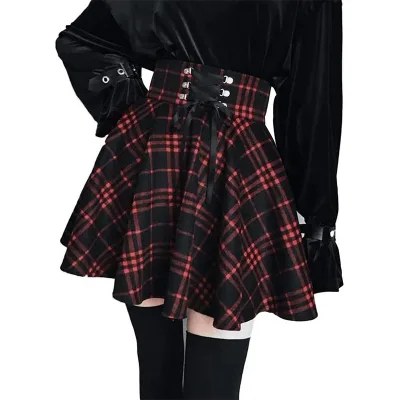
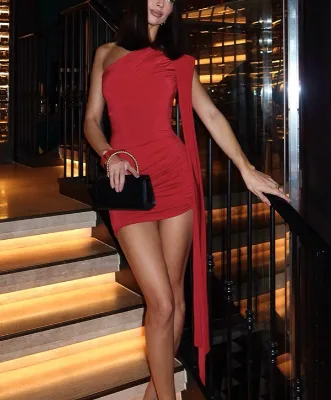
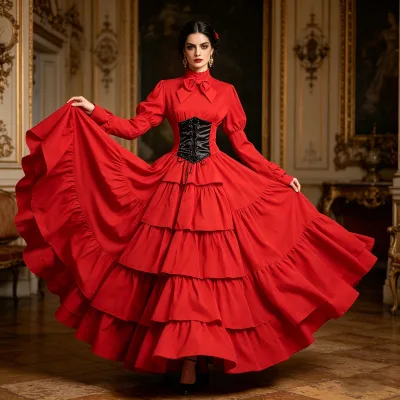
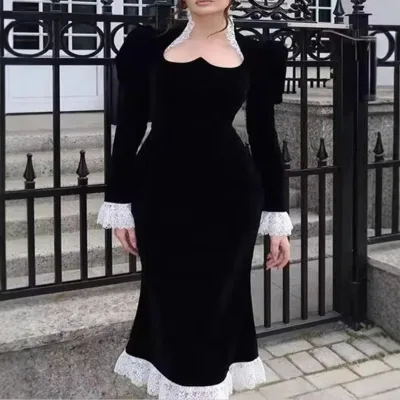
Find 21 verified options for the Gothic Skirt, ranging from mini leather styles to purple plaid designs. Buyers can compare customization, materials like polyester and cotton, and pricing between $3 and $26.2 across suppliers in Guangdong, China.
Key considerations
Products List





Comprehensive Sourcing Guide
Strategic Sourcing Guide for Gothic Skirt Procurement
Understanding Product Specifications and Variability
When sourcing a Gothic Skirt, the primary challenge lies in the inherent variability of product attributes found in the current market. Unlike standardized apparel items, gothic skirts often exist as a convergence of specific aesthetic requirements and functional specifications. Based on observed market data, buyers must navigate a landscape where material composition, style definitions, and dimensional specifications vary significantly between listings. The core keyword "Gothic Skirt" encompasses a wide range of sub-styles, including punk mini skirts, steampunk skirts, and patchwork skirts, each demanding distinct verification protocols.
A critical observation in the current supply base is the divergence in material composition. While some listings specify 100% Polyester, others indicate 100% Cotton. This discrepancy is not merely a marketing nuance but a fundamental determinant of the garment's drape, breathability, and durability. A buyer seeking a structured, stiff silhouette for a steampunk aesthetic may find 100% Polyester more suitable, whereas a buyer prioritizing comfort for casual wear might prefer the breathability of 100% Cotton. Furthermore, the "Gothic" style is frequently paired with specific technical features such as lace, bows, ruffles, lace-up details, and patchwork construction. These decorative elements are not merely aesthetic; they represent complex manufacturing processes that require specific quality control checks to ensure the integrity of the stitching and the attachment of hardware.
The sizing and fit specifications also present a unique set of considerations. The market data indicates a standard range of sizes from S to 5XL, with some listings offering specific model numbers like P11V28204 or AVA101695. However, the waist shape varies between high-waist, natural waistline, and loose waist configurations. Buyers must verify that the "High Waist" or "Natural Waist" designation aligns with their target demographic's fit expectations. Additionally, the length specification is often listed as "Mini," which is a common attribute for gothic and punk styles, but this must be cross-referenced with the specific model number to ensure the hemline meets the desired visual impact. The "Single Color" attribute is frequently observed, yet the actual color options available often include specific shades like Red, Blue, Brown, Purple, Black, and White, sometimes described with qualifiers such as "plaid" or "tartan." This suggests that while the base product may be single-color, the pattern or dyeing technique introduces significant visual complexity that requires precise sampling.
Compliance, Certification, and Material Verification
In the B2B procurement of fashion items, particularly those with niche aesthetics like gothic skirts, compliance and material verification are paramount. The supply origin is predominantly identified as Guangdong, China, a region known for its extensive textile manufacturing capabilities. However, the location of origin does not automatically guarantee adherence to international safety or environmental standards. Buyers must treat all material claims as observations until verified through independent testing. For instance, while a listing may state "Eco-Friendly" as a feature, this claim requires substantiation through recognized environmental certifications or third-party laboratory reports, which are not explicitly detailed in the general product descriptions.
The material composition is a primary area for compliance scrutiny. The presence of both 100% Polyester and 100% Cotton in the same product category necessitates a rigorous verification process. Buyers should request Material Safety Data Sheets (MSDS) or fiber content certificates to confirm the actual blend ratios. This is particularly important for items marketed as "Breathable" or "Eco-Friendly," as these claims often rely on specific fiber treatments or organic certifications that are not standard for all polyester or cotton garments. Furthermore, the use of decorative elements such as lace, bows, and metal hardware (often implied by "lace-up" or "steampunk" styles) introduces additional compliance risks. These components must be free from harmful substances like lead or nickel, which are strictly regulated in many markets, including the EU and North America.
Certification checks should extend beyond the fabric to the production process. The "Gothic" style often involves complex dyeing techniques, such as the "purple tartan" or "plaid" patterns observed in the market. Buyers must verify that the dyes used meet local regulations regarding azo dyes and heavy metals. While the supply type is listed as "In-Stock Items," this does not preclude the need for batch-specific testing. For custom orders, where the "Brand Name" is listed as "Customized," the buyer assumes greater responsibility for ensuring that the final product meets all destination market requirements. The "Carton" or "OPP Box" packing methods also require verification to ensure they meet sustainability standards or specific retailer packaging guidelines.
Cost Drivers and Pricing Dynamics
The pricing structure for gothic skirts in the current market is influenced by a complex interplay of material costs, design complexity, and order volume. The observed price range of 3 to 26.2 USD indicates a significant disparity that reflects the variation in product quality and customization levels. At the lower end of the spectrum, prices likely correspond to basic polyester skirts with minimal decoration and standard packaging. Conversely, the higher price points are associated with intricate designs featuring multiple layers of lace, patchwork construction, and specialized printing methods like the "purple plaid" or "tartan" patterns.
Material cost is a primary driver. The difference between 100% Polyester and 100% Cotton can significantly impact the base cost, with cotton generally commanding a higher price due to raw material and processing expenses. Additionally, the "Customization" attribute allows for brand-specific modifications, which invariably increase the unit cost. The "Small Orders: Accepted" feature suggests that suppliers are willing to accommodate lower volumes, but this flexibility often comes with a premium per unit compared to bulk orders. The Minimum Order Quantity (MOQ) range of 2 to 1000 units further illustrates this dynamic. Buyers seeking to test the market with low MOQs will face higher unit costs, while those committing to larger volumes can negotiate better pricing, potentially bringing the cost closer to the lower end of the observed range.
Packaging and logistics also contribute to the overall cost structure. The "Single gross weight" of 0.290 kg and the "Single package size" of 18x16x12 cm are critical factors for calculating shipping costs. For international buyers, these dimensions and weights determine the freight charges, which can be a significant portion of the total landed cost, especially for smaller orders. The "Carton" versus "OPP Box" distinction also affects packaging costs, with cartons generally being more expensive but offering better protection for bulk shipments. Buyers must factor in these logistical costs when evaluating the total cost of ownership, rather than focusing solely on the ex-factory price.
Typical Applications and Market Segmentation
The Gothic Skirt serves a diverse range of applications, extending beyond simple fashion wear into specific subcultures and event-based markets. The "Gothic" style is frequently associated with "Halloween skirts" and "punk" aesthetics, indicating a strong seasonal demand, particularly around October. The "Summer" season attribute suggests that these skirts are also designed for warmer weather, likely due to the use of breathable fabrics or shorter lengths like the "Mini" style. This duality allows buyers to target both seasonal event markets and year-round fashion segments.
The "Style Type: Comfortable and Casual" and "Commuter Wind" attributes indicate that gothic skirts are increasingly being integrated into everyday wear, moving away from purely costume-based applications. This shift is driven by the "Patchwork Skirt" and "Collage/Patchwork" technologies, which create unique, artistic pieces that appeal to consumers seeking individuality. The "Sleeveless" design and "Natural Waistline" further support the versatility of these garments for various body types and occasions.
Market segmentation also includes the "Customized" brand segment, where businesses can create private label products for specific niches. The "Gothic clothing" and "Steampunk skirt" labels suggest a strong appeal to niche communities that value authenticity and detailed craftsmanship. Buyers should consider these segmentation factors when selecting suppliers, as those specializing in high-detail, custom designs may be better suited for the private label market, while those focusing on "In-Stock Items" may be more appropriate for quick-turnaround retail needs.
Supplier Evaluation and Selection Criteria
Selecting the right supplier for gothic skirts requires a thorough evaluation of their capabilities, particularly regarding customization and production flexibility. The "Customization: Available" and "Brand Name: Customized" attributes highlight the importance of finding suppliers who can accommodate private labeling and design modifications. Buyers should assess the supplier's ability to handle the "Collage/Patchwork" and "Lacing" techniques, as these require specialized skills and equipment.
The "Supply Type: In-Stock Items" and "Small Orders: Accepted" features indicate a supplier's readiness to handle both immediate needs and trial orders. However, buyers must verify the supplier's capacity to scale up production if demand increases. The "7 days sample order lead time" is a positive indicator of responsiveness, but it should be balanced against the lead time for bulk orders. Buyers should request a detailed production schedule to understand the timeline from sample approval to final delivery.
Geographic location is another critical factor. With the "Place of Origin: Guangdong, China" and "Prod Origin: China," buyers should be aware of the logistical implications of sourcing from this region. While the region offers a robust supply chain, buyers must consider potential disruptions, such as port delays or regulatory changes. Evaluating the supplier's track record in handling international shipments and their familiarity with export regulations is essential for a smooth procurement process.
Quality Control and Long-Term Procurement Strategy
Quality control for gothic skirts must address both the aesthetic and functional aspects of the product. The "Decoration: Lace, bow, Ruffles, Lace-up" elements require close inspection to ensure they are securely attached and do not detract from the garment's overall appearance. The "Weaving method: punk mini skirt" and "Printing Methods: purple tartan skirt" also necessitate checks for color fastness, pattern alignment, and fabric consistency. Buyers should implement a rigorous inspection protocol that includes visual checks for defects, measurements for size accuracy, and functional tests for zippers, buttons, and lace-up closures.
Long-term procurement considerations involve building a sustainable relationship with suppliers who can consistently deliver high-quality products. The "Feature: Breathable, Eco-Friendly" attributes suggest a growing demand for sustainable and comfortable products. Buyers should prioritize suppliers who demonstrate a commitment to environmental standards and can provide evidence of their eco-friendly practices. Additionally, the "Customized" nature of the product means that buyers should work closely with suppliers to refine designs and improve quality over time. Establishing clear communication channels and setting realistic expectations for lead times and quality standards will be crucial for maintaining a successful long-term partnership.
| Attribute Category | Key Observation | Verification Requirement |
|---|---|---|
| Material | 100% Polyester vs. 100% Cotton | Request fiber content certificates |
| Style | Gothic, Punk, Steampunk, Patchwork | Verify design details and construction |
| Size | S to 5XL, Mini Length | Confirm size charts and fit models |
| Decoration | Lace, Bow, Ruffles, Lace-up | Inspect attachment strength and finish |
| Packaging | Carton, OPP Box | Check packaging durability and branding |
| Lead Time | 7 days sample, Variable bulk | Confirm production schedule and capacity |
| Origin | Guangdong, China | Verify export compliance and logistics |
By adhering to these guidelines and maintaining a disciplined approach to verification, buyers can effectively navigate the complex market for gothic skirts, ensuring they source high-quality products that meet their specific business needs and customer expectations.
FAQs
What materials are used for gothic skirts?
Gothic skirts are commonly made from 100% Polyester or 100% Cotton. Buyers should verify the specific fiber content before ordering, as material choice significantly impacts drape and breathability for different styles.
Which sizes are available for these skirts?
Available sizes range from S to 5XL, including specific increments like 2XL, 3XL, and 4XL. Standard sizing includes S, M, L, XL, and XXL, though specific model numbers may have unique size charts.
Can I customize the brand name on the skirt?
Yes, customization is available for the brand name on these skirts. Suppliers accept small orders and offer customized branding options, allowing buyers to create private label products for their specific niche.
How long is the sample order lead time?
The sample order lead time is supported within 7 days. This quick turnaround allows buyers to verify quality and design details before committing to larger bulk production runs for their inventory.
What is the minimum order quantity for these items?
The minimum order quantity ranges from 2 to 1000 units depending on the supplier. Small orders are accepted, making it feasible for buyers to test the market with lower initial volume commitments.
Where are these gothic skirts manufactured?
These skirts originate from Guangdong, China. The manufacturing location is a key factor for logistics planning, as the region is known for extensive textile capabilities and export readiness for international buyers.
What decorative elements are featured on the skirts?
Decorative elements include lace, bows, ruffles, lace-up details, and steampunk accents. These features are common in patchwork and collage styles, requiring specific quality checks for attachment integrity and durability.