Source 3a Grade Shiny Rhinestone Trimmings for Bags Garment Shoes
Compare 3a Grade Shiny Rhinestone Trimmings from 30 verified suppliers offering customization for bags, garments, and shoes. Buyers can review material types, application methods, and pricing details to find the best fit for their projects.
Key considerations
Products List


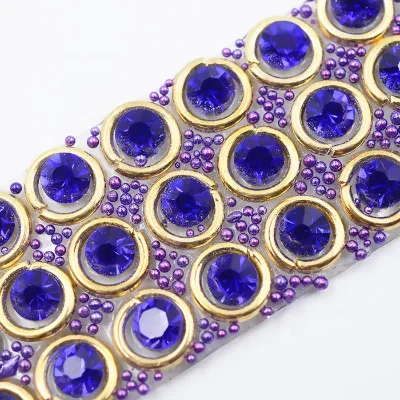


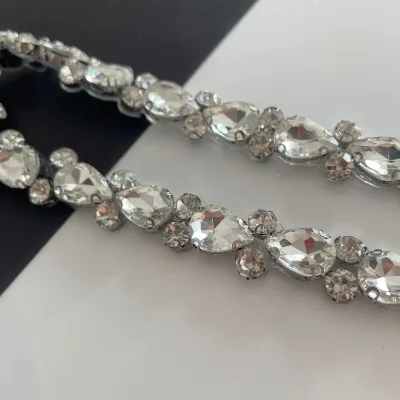
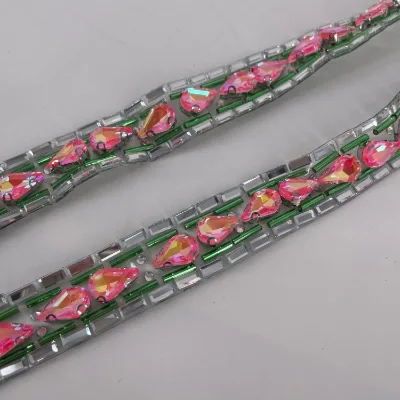
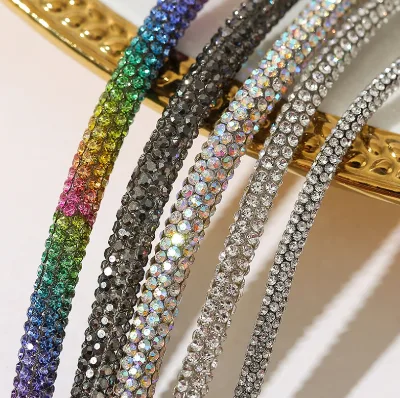
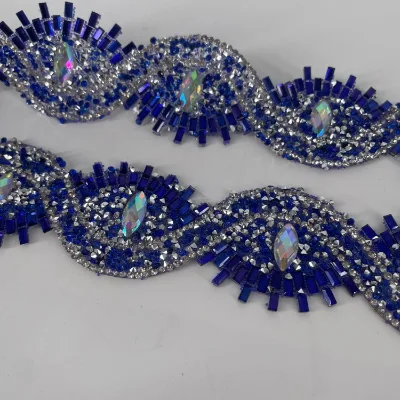

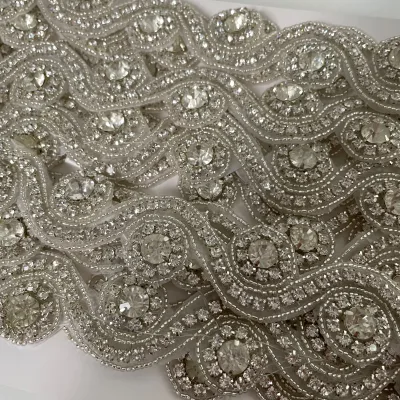


20mm Colorful Stone Glass Plastic Chain Rhinestone Trim for Garment Decoration
$3.50 - $5.00
MOQ: 1000 Card




Comprehensive Sourcing Guide
Strategic Sourcing Guide for 3a Grade Shiny Rhinestone Trimmings
Understanding Product Specifications and Material Composition
When sourcing 3a Grade Shiny Rhinestone Trimmings, buyers must first establish a clear understanding of the technical specifications that define the product's quality and functionality. The term "3A grade" typically refers to a specific clarity and cut quality in the gemstone industry, indicating high transparency and brilliance, though buyers should verify this specific grading against the supplier's actual product data sheets. In the context of the available market data, these trimmings are often categorized under specific product models such as "Rhinestone Trimming" or "Rhinestone Cup Chain." The physical dimensions are critical for integration into manufacturing lines. Observed specifications indicate a standard diameter of 4mm for the individual stones, with lengths exceeding 150cm per unit, often sold in rolls or packs.
The material composition is a primary differentiator in this category. The supply chain presents two distinct material profiles: Metal Alloy and Glass. Metal alloy variants often feature a "Rhinestone Cup Chain" structure with irregular chain link shapes, providing a durable base for the stones. Conversely, glass-based trimmings are frequently described with a "Flatback" style, which is essential for applications requiring a smooth finish against fabric or skin. The stones themselves may be described as "Loose Rhinestones" or "Coloured," with specific color palettes including Blue, Black, White, Silver, Red, Pink, Multi, Green, Gray, Gold, and Brown. The "Flower" shape is another observed design variation, suggesting that the trimmings are not limited to linear chains but can also be decorative motifs.
Buyers must distinguish between the base material and the setting. While the stones provide the visual "shiny" attribute, the backing material determines the application method. The data indicates that these products are designed for "Sew-on" application, though some listings mention "Easy to Apply" via sewing and gluing, or even "Ironable" and "Self-adhesive" options. This variability requires precise specification in the purchase order to ensure the trimmings match the intended production process. The standard packing size often aligns with a 91cm by 4.4cm dimension, or a 91cm per yard standard, with a typical pack containing 10 yards.
Compliance, Certification, and Safety Verification
In the B2B procurement of textile accessories and decorative trimmings, compliance with safety and environmental standards is paramount, particularly when the products are intended for children's wear, intimate apparel, or items that come into direct contact with skin. While the provided product data does not explicitly list specific certification bodies (such as OEKO-TEX or REACH), buyers must treat the absence of explicit certification claims as a requirement for verification rather than a guarantee of compliance. The "Grade Aaaaaa" quality claim observed in some listings is a marketing descriptor rather than a recognized international standard; therefore, it should not be relied upon for regulatory compliance.
Buyers should request documentation proving that the metal alloys used in the chain components do not contain prohibited levels of heavy metals like lead, cadmium, or nickel, which are strictly regulated in many jurisdictions. For glass-based trimmings, the focus should be on the lead content and the durability of the coating to prevent chipping or flaking. The "Waterproof Box" and "Packing Bag" options mentioned in the supply data suggest different levels of protection during transit, but these are packaging attributes, not compliance certifications.
Furthermore, the origin of the product plays a significant role in compliance verification. The data indicates origins in "China" and specifically "Guangdong, China." While this is a major manufacturing hub, it necessitates rigorous due diligence regarding the factory's adherence to international labor standards and environmental regulations. Buyers should not assume that products labeled as "Grade A" automatically meet the safety requirements of the destination market. Instead, the procurement strategy must include a requirement for the supplier to provide third-party test reports for the specific batch of goods, verifying that the materials meet the safety standards of the target region, such as CPSIA in the United States or EN71 in Europe.
Cost Drivers and Pricing Structure Analysis
The pricing of 3a Grade Shiny Rhinestone Trimmings is influenced by a complex interplay of material costs, production complexity, and order volume. The observed price range in the market spans from 0.2 to 10.5 USD, a wide variance that reflects differences in material quality, stone density, and chain construction. The primary cost driver is the material composition; glass stones generally command a different price point compared to those set in metal alloy chains, depending on the complexity of the setting and the clarity of the glass. The "3A grade" designation, if it implies superior cut and clarity, will inherently increase the unit cost compared to lower-grade alternatives.
Minimum Order Quantity (MOQ) is another critical factor affecting the effective cost per unit. The market data shows an MOQ range from 3 to 1000 units, with specific listings citing 10 yards or 30 yards as the standard entry point. Orders falling below the standard MOQ often incur higher per-unit costs or require a premium for sample production. The "7 Days Sample Order Lead Time" support indicates that small quantities are available, but the cost structure for these samples is likely higher than bulk orders. Buyers must calculate the total landed cost, including the MOQ requirement, to determine the feasibility of the purchase for their specific production volume.
Payment terms also influence the financial dynamics of the transaction. The available payment methods include T/T (Telegraphic Transfer), Western Union, and PayPal. While these offer flexibility, they may carry different transaction fees or risks depending on the buyer's location and the supplier's trust level. The "Grade Aaaaaa" quality claim, if interpreted as a premium offering, should be scrutinized against the price point to ensure value alignment. A price at the lower end of the 0.2-10.5 USD range may indicate a lower stone density or a different material composition, while the higher end likely reflects a more intricate design, such as the "Flower" shape or "Irregular Shape" chain links, which require more labor-intensive manufacturing.
Typical Applications and Design Integration
The versatility of 3a Grade Shiny Rhinestone Trimmings makes them suitable for a diverse array of applications across multiple industries. The observed usage data highlights "Bags, Garment, Shoes, Souvenir, Wedding, Engagement" as primary application areas. The "Sew-on" and "Sew and Glue" application methods allow for seamless integration into fashion design. For the garment industry, these trimmings are ideal for embellishing hems, necklines, and cuffs, particularly in evening wear, bridal gowns, and high-end casual wear where the "shiny" aesthetic is desired. The "Flatback" style is particularly advantageous for T-shirts and bags where a smooth back is necessary to prevent irritation or snagging.
In the footwear sector, the trimmings can be used to decorate heels, straps, and uppers, adding a touch of luxury to shoes. The durability of the metal alloy chain or the adhesion of the glass-based flatbacks is crucial here, as shoes undergo significant flexing and friction. The "Nail Art" and "Hair" applications mentioned in the data suggest a secondary market for beauty and personal accessories, where the small size (4mm diameter) and vibrant colors (Red, White, Multi Colors) are utilized for detailed decoration. The "Customized Design" and "Customized Accepted" attributes indicate that these trimmings can be tailored to specific brand requirements, allowing for unique patterns or color combinations that align with a designer's vision.
The "Rhinestone Ribbon Fringe Trim Chain" and "Rhinestone Banding Trim" product types suggest specific design uses, such as creating borders or adding movement to a garment. The "Ironable" and "Self-adhesive" options provide alternatives for manufacturers who may not have sewing capabilities or who require faster assembly times. However, buyers must ensure that the adhesive or ironing temperature does not damage the rhinestones or the chain structure. The "Custom Size" specification allows for bespoke applications, ensuring that the trimmings fit perfectly into unique design layouts without the need for cutting or modification that could compromise the integrity of the stones.
Supplier Evaluation and Quality Control Protocols
Evaluating suppliers for 3a Grade Shiny Rhinestone Trimmings requires a systematic approach to verify the consistency of quality and the reliability of the supply chain. The "Grade Aaaaaa" claim observed in the data is a strong indicator of the supplier's confidence in their product, but it is not a substitute for physical verification. Buyers should implement a quality control protocol that includes visual inspection of the stone clarity, the uniformity of the chain links, and the strength of the setting. The "Irregular Shape" of the chain links in some products suggests that buyers must define acceptable tolerances for shape consistency to avoid production issues.
The production origin, specifically "Guangdong, China," is a significant factor in supplier evaluation. This region is known for its extensive textile and accessory manufacturing capabilities, but it also requires rigorous vetting to ensure that the supplier adheres to consistent quality standards. Buyers should request samples that match the exact specifications of the bulk order, including the "91*4.4cm" standard or "91CM/Yard" dimensions, to verify that the supplier can maintain consistency across different batches. The "Waterproof Box" and "Packing Bag" options should be evaluated for their ability to protect the product during shipping, as damaged goods can result in significant losses.
Quality control should also extend to the packaging and labeling. The "Packing Bag" and "Waterproof Box" are standard, but the specific packaging requirements for the buyer's market should be confirmed. For instance, if the destination market requires specific labeling for material composition or country of origin, the supplier must be able to accommodate these requirements. The "7 Days Sample Order Lead Time" is a positive indicator of the supplier's responsiveness, but buyers should also assess the lead time for bulk orders, which may range from 1-4 working days to 7-9 working days depending on the complexity and volume.
Long-Term Procurement and Supply Chain Considerations
Establishing a long-term procurement relationship for 3a Grade Shiny Rhinestone Trimmings involves more than just securing a one-time purchase; it requires building a resilient supply chain that can adapt to changing market demands. The "Customization" and "Customized Design" capabilities of the suppliers are key assets for long-term partnerships, as they allow for product differentiation and brand identity. Buyers should prioritize suppliers who demonstrate flexibility in design changes and the ability to scale production up or down based on seasonal demand.
The payment terms, including "Paypal, T/T, Western Union," offer various levels of security and flexibility. For long-term contracts, buyers should negotiate terms that balance risk and cash flow, potentially moving towards letters of credit or escrow services for larger orders. The "Shipment" options, including "DHL, UPS, FedEx, EMS, TNT, Epacket, by Air, by Sea," provide multiple logistics channels. Buyers should evaluate the cost and speed of these options to optimize their inventory management and ensure timely delivery to production facilities.
Sustainability and ethical sourcing are increasingly important in long-term procurement strategies. While the provided data does not explicitly mention sustainability certifications, buyers should inquire about the supplier's practices regarding waste reduction, energy efficiency, and labor conditions. The "Metal Alloy" and "Glass" materials have different environmental impacts, and understanding the supplier's approach to these materials can help in making informed decisions. Finally, maintaining open communication channels, such as the provided contact number "+86 19515158602," is essential for resolving issues quickly and ensuring a smooth procurement process. By focusing on these long-term considerations, buyers can secure a reliable supply of high-quality rhinestone trimmings that meet their evolving business needs.
FAQs
What materials are used for 3a Grade Shiny Rhinestone Trimmings?
These trimmings are constructed from metal alloy or glass materials. Metal alloy variants often feature irregular chain link shapes, while glass options typically use flatback styles suitable for direct application on fabric surfaces.
How can I apply these rhinestone trimmings to garments?
You can apply them using sew-on techniques or by gluing. Some specific listings also offer ironable and self-adhesive options, allowing for flexible integration into bags, shoes, and various garment types.
Which customization options are available for these trimmings?
Customized designs are welcomed and accepted for these products. Buyers can request custom sizes and specific color combinations, with the standard offering including a wide palette of colors like red, white, and multi-colors.
What is the typical minimum order quantity for these items?
The minimum order quantity varies between 3 and 1000 units depending on the supplier. Specific listings often set the standard entry point at 10 yards or 30 yards per pack for bulk purchasing.
How long does delivery take for sample orders?
Sample orders typically have a lead time of 7 days. Bulk delivery times can range from 1 to 9 working days depending on the shipping method selected, such as DHL, UPS, or FedEx.
Can I find these trimmings with specific dimensions?
Yes, standard specifications include a diameter of 4mm and lengths exceeding 150cm. Some products are sold in rolls with a standard dimension of 91cm by 4.4cm or 91cm per yard.