Source 3D Resin Rectangle Fridge Magnet for Souvenirs, Promotions, and Decor
Explore 30 listings for the 3D Resin Rectangle Fridge Magnet featuring custom shapes, 3D embossing, and varied packing options. Buyers can compare specifications like size, material, and certification to find suitable promotional gifts or souvenirs.
Key considerations
Products List


World Wholesale Resin Polyresin Fridge Magnet 3D Resin Refrigerator Magnet
$0.35 - $0.52
MOQ: 1000 Pieces


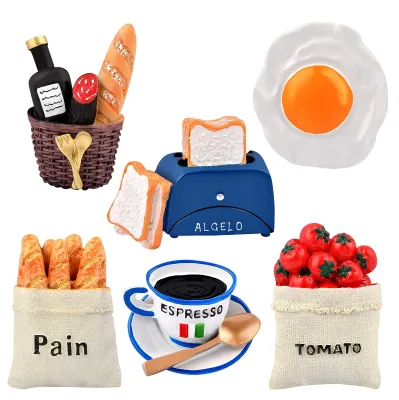
Comprehensive Sourcing Guide
Strategic Sourcing Guide for 3D Resin Rectangle Fridge Magnets
The global market for promotional merchandise and souvenir items continues to expand, with 3D resin rectangle fridge magnets representing a high-value segment due to their durability, aesthetic versatility, and utility. For procurement professionals, sourcing these items requires a nuanced understanding of material composition, manufacturing techniques, and the specific regulatory landscape governing adhesive and decorative products. This guide synthesizes observed market data and technical attributes to provide a structured approach for acquiring high-quality resin magnets while mitigating supply chain risks.
Material Composition and Technical Specifications
The foundation of a successful procurement strategy lies in verifying the material composition. While the core keyword specifies "resin," the market data indicates a divergence in material definitions that buyers must navigate. The primary material observed is Polyresin, often combined with a rubber magnet backing to ensure adhesion to metallic surfaces. However, some listings in the same category reference Ceramic or Neodymium Magnet materials, suggesting a broader product ecosystem where the term "fridge magnet" may encompass different magnetic cores.
For a 3D resin rectangle magnet, the standard specification involves a polyresin body cast into a specific shape, typically a block or rectangle, with a size range observed between 7-8 cm. The manufacturing technique is frequently described as "Handicraft," implying a level of manual finishing or molding that distinguishes these items from mass-produced plastic alternatives. The magnetic component is critical; the data confirms the presence of "Self Adhesive: Magnet" and "Two-Sided Magnetic" features, ensuring the product functions effectively on vertical surfaces.
Buyers must explicitly define the magnetic grade required for their application. While general promotional magnets often use standard ferrite or rubber-backed magnets, industrial-grade inquiries may require Neodymium magnets with specific grades such as N35. The distinction between an "Isotropic Magnet" and other magnetic types is also relevant for applications requiring uniform magnetic field distribution. When sourcing, procurement teams should request a material data sheet that clarifies whether the product uses Polyresin, Ceramic, or a composite of Resin + Rubber Magnet, as this directly impacts weight, cost, and magnetic strength.
Customization Capabilities and Design Flexibility
One of the primary drivers for selecting 3D resin magnets is the high degree of customization available. The market data confirms that "Customized" is a standard attribute, with suppliers offering "Customized" standards and "Customised" production models. This flexibility extends to the physical dimensions, with "Customized Magnet Size" listed as a standard option, allowing buyers to tailor the 7-8 cm baseline to specific branding requirements.
Design customization is equally robust. The logo application methods observed include 3D or 2D options, with techniques such as Embossed, Debossed, and Printed finishes. The "Color Painting" technique is frequently cited, enabling vibrant, multi-colored designs that are essential for tourist souvenirs or corporate branding. Furthermore, the "OEM: Acceptable" attribute indicates that suppliers are generally willing to produce goods under the buyer's brand name, provided the design files are provided.
However, buyers must be aware of intellectual property constraints. The data explicitly notes "Whether IP Authorized: No" for several products, meaning that standard designs may not be licensed. If a buyer intends to produce magnets featuring copyrighted characters or specific brand logos, they must verify IP authorization status separately. The "Style: Modern" attribute suggests a trend toward sleek, contemporary designs, but the "Handicraft" nature implies that intricate 3D details may vary slightly between production runs.
Compliance, Certification, and Safety Standards
In the B2B procurement of decorative and promotional items, compliance is non-negotiable. The observed market data lists specific certifications including ISO, CE, and RoHS. These certifications are critical indicators of a supplier's adherence to international quality management systems (ISO), European safety standards (CE), and restrictions on hazardous substances (RoHS).
For products originating from China, particularly those intended for export to the European Union or North America, RoHS compliance is essential to ensure the absence of lead, mercury, cadmium, and other restricted substances in the resin and paint. The "CE" marking suggests the product meets EU safety, health, and environmental protection requirements, which is particularly relevant for items that might be handled by children or used in public spaces.
Buyers should not assume that all listed products automatically possess these certifications. The data presents these as attributes of specific listings rather than universal guarantees for the entire category. Therefore, procurement protocols must include a verification step where the supplier provides valid, up-to-date certification documents for the specific batch being ordered. Additionally, while "High Class" quality is an observed attribute, it is a subjective claim. Buyers should request third-party test reports or quality assurance certificates to validate the durability and safety of the resin and the magnetic backing.
Cost Drivers and Pricing Dynamics
Understanding the cost structure of 3D resin magnets is vital for budget planning. The observed price range in the market is between $0.22 and $1.08 USD per unit. This significant variance is driven by several factors, including material complexity, customization level, and order volume.
The Minimum Order Quantity (MOQ) is another critical cost driver, with observed ranges spanning from 50 to 2000 units. Lower MOQs, such as 50 units, are typically associated with sample orders or highly customized, small-batch production, which incurs a higher unit cost. Conversely, larger orders approaching the 2000-unit threshold benefit from economies of scale, often bringing the unit price closer the lower end of the observed range.
Additional cost factors include the packaging method. The data lists various options such as Bubble Bag, OPP Bag, Plastic Box, and Gift Box. Premium packaging, such as a "Gift Box," will increase the unit cost compared to a simple "Bubble bag." The "Handicraft" nature of the production also adds labor costs, which are reflected in the price. Buyers should request a detailed breakdown of costs, separating the material, labor, tooling, and packaging fees to ensure transparency.
Typical Applications and Market Segmentation
The versatility of 3D resin rectangle magnets allows them to serve multiple market segments. The "Usage" attribute highlights applications in Decoration, Collection, Ceremonies, Holiday Gifts, Business Gifts, Tour, and Sport. This broad applicability makes them suitable for a wide range of promotional campaigns.
For the tourism sector, these magnets function as "Tourist Souvenir" items, often featuring local landmarks or cultural symbols. The "Applicable Gift Occasions: Travel Souvenir" confirms this primary use case. In the corporate sector, they are utilized as "Promotional Gifts" for business relationships, with specific applicability for Junior, Lover, Colleague, Friend, Child, and Classmate relationships. The "Gift Purpose: Promotional Gifts" designation underscores their role in brand awareness and customer retention.
Furthermore, the "Application" attribute notes "Home Decoration" and "Industrial Magnet" uses. While the primary function is decorative, the magnetic properties allow for utility in organizing or labeling. The "General" applicable festival status indicates that these products are not limited to specific holidays, making them a year-round procurement option for marketing departments.
Supplier Evaluation and Quality Control Protocols
Selecting the right supplier requires a rigorous evaluation process. The data indicates that the primary origin for these products is China, with specific mentions of Zhejiang as a manufacturing hub. While the "Location" is known, buyers must verify the specific factory capabilities.
Key evaluation criteria include the supplier's ability to handle "Customized" orders and their track record with "High Class" quality. Buyers should assess the supplier's response to the "Sample: Avaliable" request, as receiving a physical sample is the most effective way to verify the "Handicraft" quality, color accuracy, and magnetic strength. The "OEM: Acceptable" status should be confirmed with a signed agreement to protect intellectual property.
Quality control (QC) protocols must be established before production begins. Given the "Handicraft" nature, visual inspection for defects such as air bubbles, uneven coloring, or incomplete embossing is essential. The "Two-Sided Magnetic" feature should be tested to ensure consistent adhesion. For bulk orders, a pre-shipment inspection is recommended to verify that the packaging (Bubble Bag, OPP Bag, etc.) meets the specified standards and that the product count matches the order.
Long-Term Procurement and Supply Chain Considerations
Sourcing 3D resin magnets is not a one-time transaction but a strategic relationship. The "Customized" nature of the product means that tooling and design files must be managed carefully to ensure consistency across future orders. Buyers should establish a centralized repository for design assets to facilitate quick reordering.
Lead times and production capacity are critical for supply chain stability. While specific lead times are not provided in the data, the variability in MOQ (50-2000) suggests that suppliers may have different production schedules for small versus large batches. Buyers should negotiate clear lead time commitments in their contracts to avoid delays in promotional campaigns or holiday gift distributions.
Sustainability is an emerging consideration. Although not explicitly detailed in the provided data, the use of resin and the potential for single-use packaging (like Bubble Bags) may require buyers to explore eco-friendly alternatives for future orders. Additionally, the "Whether IP Authorized: No" attribute suggests that buyers must be vigilant about design infringement, ensuring that their custom designs are original or properly licensed to avoid legal complications.
By adhering to these guidelines, procurement professionals can navigate the complexities of the 3D resin magnet market, ensuring they acquire high-quality, compliant, and cost-effective products that meet their specific branding and operational needs. The key lies in detailed specification, rigorous supplier vetting, and a proactive approach to quality assurance.
FAQs
What materials are used for 3d resin rectangle fridge magnets?
The primary material is polyresin, often combined with a rubber magnet backing for adhesion. Some listings also specify ceramic or neodymium magnet cores, so buyers must verify the specific material composition before ordering to ensure the correct weight and magnetic strength.
Can I customize the size and logo on these magnets?
Yes, customization is available for both size and logo application. Buyers can request customized magnet sizes and choose from 3D or 2D logos using embossed, debossed, or printed techniques, though intellectual property authorization must be confirmed separately for branded designs.
Which certifications should I look for in these products?
Reputable listings often include ISO, CE, and RoHS certifications. These indicate compliance with international quality management systems and safety standards, which is essential for export to regions like the European Union, but buyers must request valid documents for each specific batch.
How much does a 3D Resin Rectangle Fridge Magnet cost?
The observed price range is between 0.22 and 1.08 USD per unit. This variance depends on factors like material complexity, customization level, and order volume, with higher unit costs typically associated with lower minimum order quantities or premium packaging options.
What is the minimum order quantity for these magnets?
The minimum order quantity ranges from 50 to 2000 units depending on the supplier and customization needs. Lower MOQs like 50 units are often available for samples or small batches, while larger orders may benefit from economies of scale to reduce the unit price.
Where are these magnets typically manufactured?
Most products originate from China, with specific manufacturing hubs noted in Zhejiang. Buyers should verify the exact factory location and capabilities during the supplier evaluation process to ensure the production site meets their quality and logistics requirements.
Are samples available for 3d resin rectangle fridge magnets?
Yes, samples are available for most suppliers to verify quality before bulk production. Receiving a physical sample allows buyers to check the handicraft details, color accuracy, and magnetic strength, which is critical given the manual finishing nature of these items.