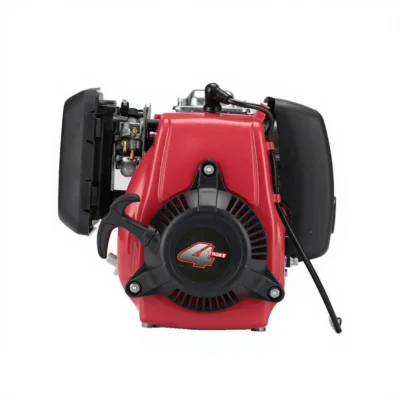
Source 43cc Mini Gas Scooter Engine for delivery, commuting, and racing
Explore 30 listings of the 43cc Mini Gas Scooter Engine available from verified suppliers. Buyers can compare specifications like engine type, speed, and certifications to find the right option for delivery, commuting, or racing applications.
Key considerations
Products List
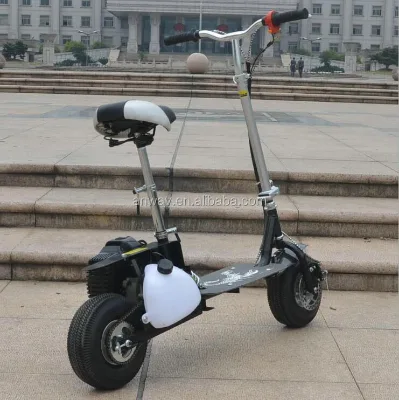
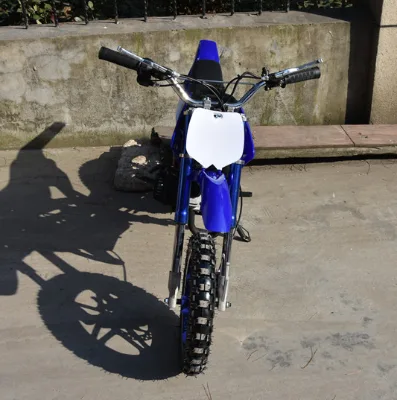
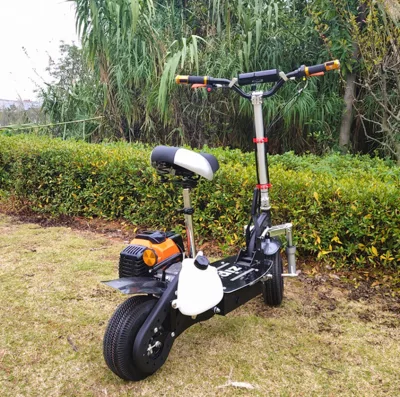
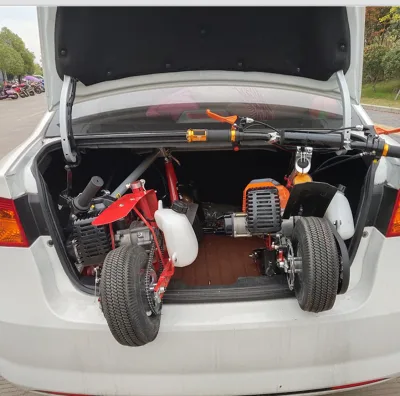
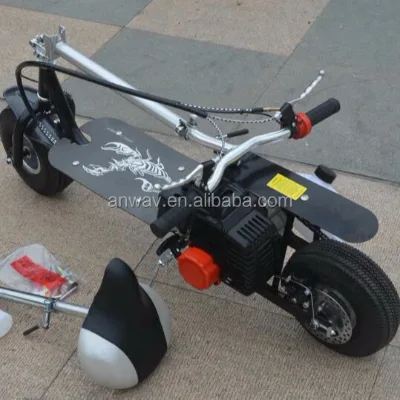
Popular Mini Bike Scooter/2 Stroke 43cc Gas Scooter Engine for Kids/adult on Sale
$287.96 - $308.53
MOQ: 10 Minimum
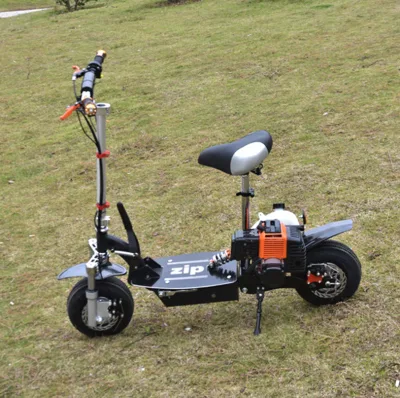
2-Speed Mini Folding 49cc 50cc Cheap Gas Scooter for Sale, 49cc Mini Gasoline Scooter
$236.62 - $298.88
MOQ: 10 Minimum
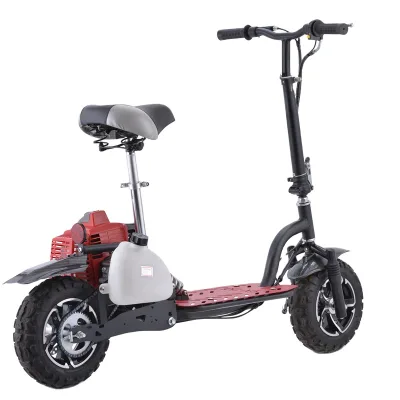
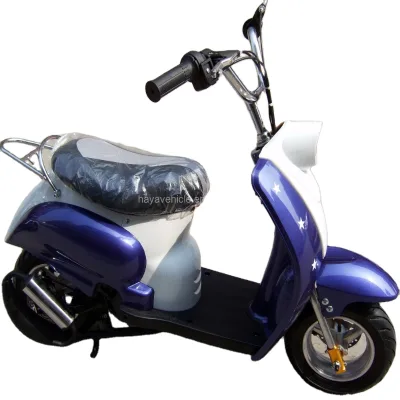
Mobility Mini Gas Scooter <50CC 2 Stroke Air-cooled Engine 45km/h Max Speed
$102.00 - $108.00
MOQ: 10 pieces


Comprehensive Sourcing Guide
Strategic Sourcing Guide for 43cc Mini Gas Scooter Engines
The global market for compact mobility solutions has seen a sustained rise in demand for small-displacement gas-powered vehicles, particularly those utilizing engines in the 43cc range. For procurement professionals and B2B buyers, sourcing a 43cc Mini Gas Scooter Engine requires a disciplined approach that balances technical performance, regulatory compliance, and supply chain reliability. This guide provides a comprehensive framework for evaluating suppliers and products, grounded in observed market data and verified specifications. The focus remains on identifying the right technical match for specific use cases while mitigating risks associated with low-cost manufacturing sectors.
Technical Architecture and Engine Configuration
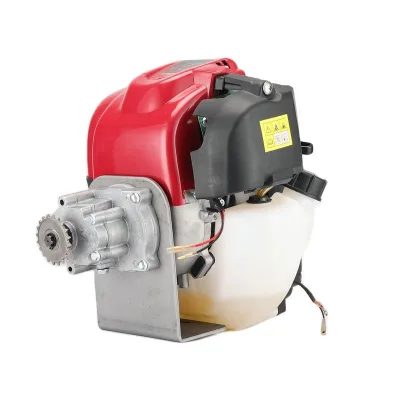
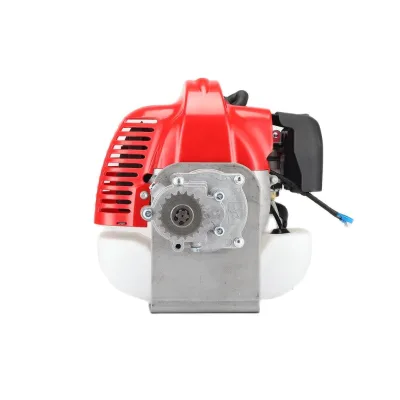
Understanding the internal architecture of a 43cc engine is the first step in defining procurement requirements. In the current market, engines of this displacement are predominantly configured as either 2-stroke or 4-stroke units, each offering distinct operational characteristics. The 2-stroke configuration is frequently observed in racing-style mini scooters and high-performance moped applications. These engines typically utilize a simpler mechanical design with fewer moving parts, resulting in a lighter overall weight and a higher power-to-weight ratio. However, they often require a specific fuel-oil mixture for lubrication and may produce higher emissions.
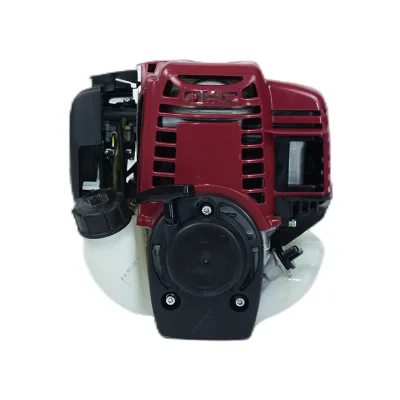
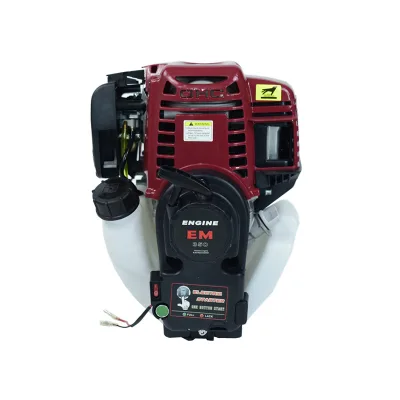
Conversely, 4-stroke engines are increasingly common in commuter and utility-focused models. These units generally offer better fuel efficiency and lower emission profiles, aligning more closely with modern environmental standards. The cooling method is another critical technical variable. Most observed units in this category utilize air cooling, relying on airflow generated by the vehicle's movement to dissipate heat. This is a cost-effective solution but requires careful thermal management in the design phase to prevent overheating during prolonged operation at high loads.
The transmission system is another area where specifications vary significantly. Chain drive is the standard configuration for these mini scooters, providing a direct and efficient transfer of power from the engine to the rear wheel. Buyers must verify the gear ratio and chain durability, as these factors directly influence the vehicle's acceleration and top speed capabilities. Observed data indicates that while some models claim speeds under 25 km/h, others in the same displacement class are engineered to reach speeds between 40 and 60 km/h. This variance suggests that the engine tuning, carburetor size, and exhaust system design are as critical as the displacement itself.
Regulatory Compliance and Certification Verification
Navigating the regulatory landscape is perhaps the most complex aspect of sourcing gas-powered mini scooters. Different markets have varying requirements for vehicle certification, and a supplier's ability to provide compliant documentation is a primary indicator of their reliability. In the observed product data, certifications such as EPA (Environmental Protection Agency), EEC (Economic Commission for Europe), CCC (China Compulsory Certification), and CE (Conformité Européenne) are frequently listed.
Buyers must treat these certifications as verification points rather than automatic guarantees. The presence of an EPA certification, for instance, is essential for selling in the United States, as it ensures the engine meets specific emission standards. Similarly, EEC and CE certifications are mandatory for entry into the European Union market, covering safety, electromagnetic compatibility, and emission limits. The CCC mark is required for products manufactured in and sold within China.
It is crucial to understand that certification is not a one-time event but an ongoing process that involves regular testing and factory audits. When evaluating a supplier, procurement teams should request valid, up-to-date certification documents for the specific model number being sourced. Relying on a supplier's claim of "CE" or "EPA" compliance without seeing the actual certificate numbers and issuing bodies exposes the buyer to significant legal and logistical risks. Furthermore, the "Type" of the vehicle, whether classified as a "Racing Motorcycle," "Moped," or "Gas Scooter," will dictate which regulatory framework applies. A vehicle classified as a motorcycle may require different licensing and insurance documentation than one classified as a moped, affecting the end-user's ability to operate the vehicle legally.
Cost Drivers and Pricing Structure Analysis
The pricing structure for 43cc mini gas scooters is influenced by a combination of material costs, manufacturing complexity, and certification expenses. The observed price range in the market spans from $1 to $850 USD, a wide disparity that reflects differences in build quality, component sourcing, and included features. At the lower end of the spectrum, products may utilize basic steel frames, simple braking systems, and minimal finishing. At the higher end, buyers can expect enhanced materials, more sophisticated braking modes such as dual disc brakes, and superior paint finishes.
Material composition is a primary cost driver. The frame is typically constructed from iron or steel, with wheel materials also specified as steel in many listings. The choice of materials directly impacts the vehicle's durability and weight. For example, a single package size of 160x60x70 cm and a gross weight of 35 kg suggest a robust build, but these dimensions also influence shipping costs. Buyers must calculate the total landed cost, which includes the unit price, freight charges, and import duties.
Shipping logistics play a significant role in the overall cost. The "40hq" (40-foot high cube container) capacity varies, with observed figures ranging from 50 to 105 pieces per container depending on the packaging method. Packaging options such as CKD (Completely Knocked Down) or SKD (Semi-Knocked Down) can significantly increase the number of units per container, thereby reducing the per-unit shipping cost. However, CKD requires local assembly capabilities, which adds labor costs and complexity for the buyer. Understanding the trade-off between unit price and logistics efficiency is essential for optimizing the total cost of ownership.
Typical Applications and Market Segmentation
The versatility of the 43cc Mini Gas Scooter Engine allows it to serve a diverse range of applications. The primary market segment includes urban commuters in developing economies where fuel costs are a concern and public transportation infrastructure is limited. The compact size and manageable speed (typically 40-60 km/h) make these vehicles ideal for short-distance travel within cities. The folding capability observed in some models further enhances their utility for last-mile connectivity or storage in small apartments.
Another significant application is in the recreational and racing sector. The "Racing Motorcycle" classification and the availability of high-speed variants (up to 60 km/h) indicate a strong market for performance-oriented mini scooters. These units are often used in off-road environments, dirt tracks, or as recreational vehicles for youth. The color variety available, including red, black, blue, green, yellow, orange, pink, and silver, suggests a strong emphasis on aesthetic customization for this demographic.
Additionally, these scooters are increasingly used in commercial delivery services. The ability to carry small loads and navigate narrow streets makes them attractive for food delivery and courier services in dense urban areas. The "Customization: Available" attribute highlights the potential for branding and logo application, making these vehicles suitable for corporate fleets or promotional campaigns. Buyers should align their sourcing strategy with their specific application needs, ensuring the selected model's speed, load capacity, and durability match the intended use case.
Supplier Evaluation and Quality Assurance Protocols
Selecting the right supplier is critical to ensuring product consistency and long-term reliability. The supply base for 43cc mini gas scooters is concentrated in specific manufacturing hubs, with Taizhou, China, being a notable origin point. When evaluating potential suppliers, buyers should look beyond the basic product listing and assess the supplier's manufacturing capabilities. Key factors include the supplier's experience with the specific engine type (2-stroke vs. 4-stroke), their quality control processes, and their ability to handle customization requests.
Quality control should be a continuous process rather than a final inspection step. Buyers should verify that the supplier adheres to recognized quality management standards, such as ISO9000, although this should be treated as a background indicator rather than a guaranteed attribute of every listed product. It is essential to request samples before placing a bulk order to verify the build quality, engine performance, and finish. The sample should be tested under real-world conditions to ensure it meets the claimed specifications, such as the maximum speed, braking performance, and fuel efficiency.
The "Condition: New" attribute is standard, but buyers must ensure that the "New" condition refers to the actual manufacturing date and that the product has not been stored for extended periods, which could degrade rubber components or fuel systems. Additionally, the "OEM: Accept" and "Customization: Available" attributes indicate a supplier's flexibility. Buyers should assess the supplier's capacity to handle OEM orders, including the ability to produce custom colors, logos, and packaging. A supplier's willingness to accommodate these requests often correlates with their overall professionalism and commitment to customer satisfaction.
Long-Term Procurement and After-Sales Considerations
Sourcing a 43cc Mini Gas Scooter Engine is not just a transactional event but the beginning of a long-term partnership. Buyers must consider the availability of spare parts, the supplier's after-sales support, and the scalability of the supply chain. The "Mini Order Quantity" (MOQ) varies, with observed values ranging from 1 to 500 pieces. For buyers testing the market, a low MOQ allows for risk mitigation, while larger orders benefit from economies of scale. However, buyers should be cautious of suppliers who offer extremely low MOQs without a clear path to scaling up production.
Lead times are another critical factor. While specific lead times are not universally standardized in the provided data, buyers should establish clear timelines for production and delivery. The "Year Range: After 2010" attribute suggests that the technology is mature, but buyers should ensure that the supplier is producing current models that incorporate the latest safety and efficiency improvements.
Finally, the long-term viability of the product depends on the availability of technical support and warranty coverage. Buyers should negotiate clear terms regarding warranty claims, return policies, and the handling of defective units. The "Single package size" and "Single gross weight" data provided can help in planning logistics, but buyers should also consider the potential for packaging damage during transit and the supplier's protocols for securing the product. By focusing on these long-term considerations, buyers can build a resilient supply chain that supports their business growth and customer satisfaction.
FAQs
What engine types are available for 43cc mini gas scooter engines?
Both 2-stroke and 4-stroke engine types are available for these scooters. The 2-stroke option is often used in racing models, while 4-stroke engines offer better fuel efficiency for commuting applications.
Which certifications should I verify for 43cc mini gas scooter engines?
Common certifications include EPA, EEC, CCC, and CE marks. Buyers must request valid documents for specific models to ensure compliance with emission and safety standards in their target regions.
How does the minimum order quantity vary for 43cc mini gas scooter engines?
The minimum order quantity ranges from 1 to 500 pieces depending on the supplier. Some vendors accept small trial orders, while others require larger volumes to achieve better pricing tiers.
Can I customize the color of 43cc mini gas scooter engines?
Customization is available for various colors including red, black, blue, green, yellow, orange, pink, and silver. Buyers should confirm specific color availability and any associated costs with the manufacturer before ordering.
What is the typical maximum speed for 43cc mini gas scooter engines?
Maximum speeds vary between 25 km/h and 60 km/h across different models. The specific speed depends on the engine tuning, transmission ratio, and whether the unit is designed for racing or utility use.
Where are 43cc mini gas scooter engines typically manufactured?
These engines are primarily manufactured in China, with specific origins noted in Taizhou. Buyers should verify the exact place of origin to understand logistics and potential import duties for their location.
What packaging options exist for 43cc mini gas scooter engines?
Packaging options include CKD (Completely Knocked Down) and SKD (Semi-Knocked Down) configurations. These methods allow for higher container capacity, with some units fitting 50 to 105 pieces per 40-foot container.