Source 4400mAh Laptop Battery Packs for Laptops, Tablets, and Repair Shops
Browse a curated selection of 4400mAh Laptop Battery products sourced from Guangdong manufacturers, with 30 listings available for review. Compare voltage, capacity, certifications, customization options, warranty terms, and MOQ ranges across listings to find the right fit for your repair or retail needs.
Updated
Key considerations
Products List


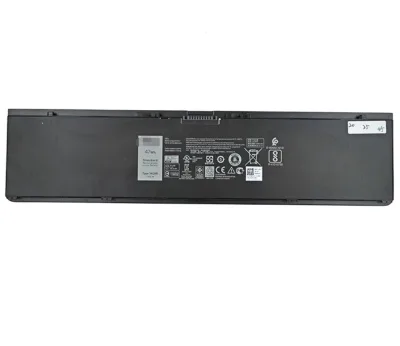
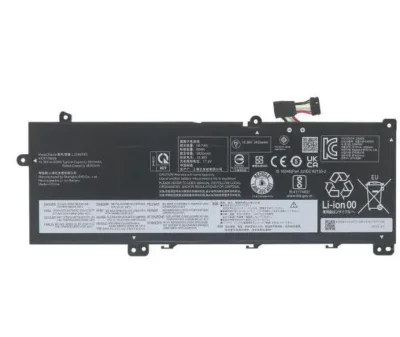
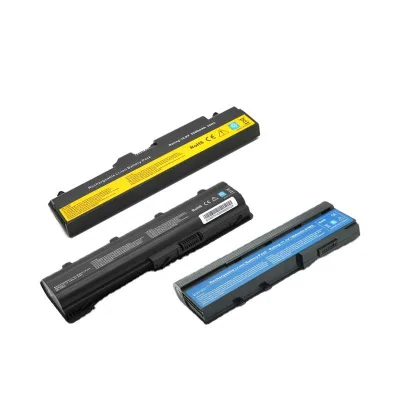
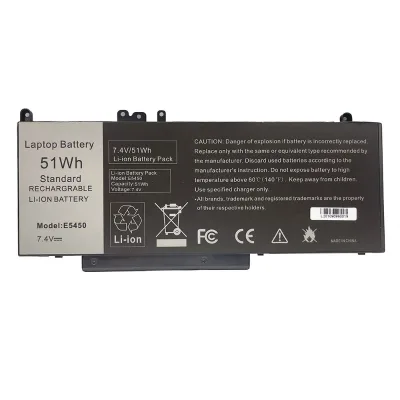
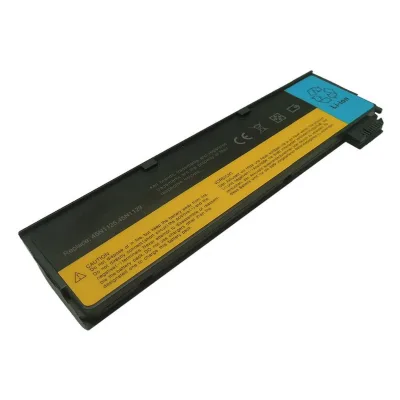
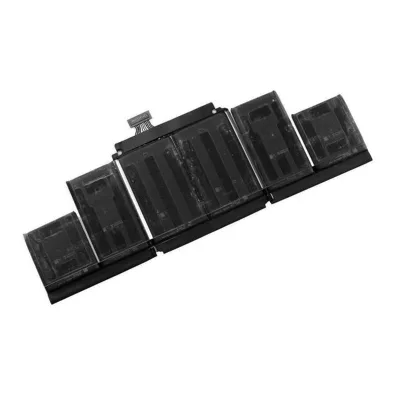
Wholesale Notebook Battery 11.1V 5000mAh Portable Laptop Battery for Lenovo
$11.50 - $12.90
MOQ: 10 Pieces


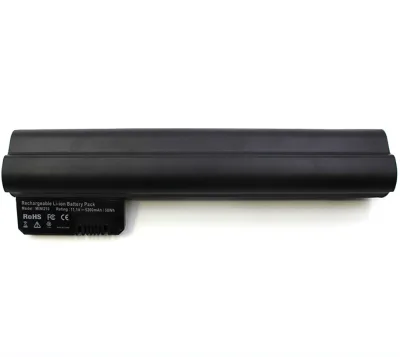
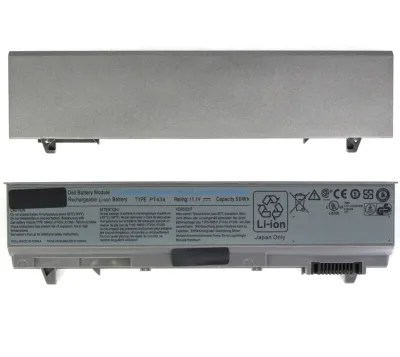
Laptop Battery for Lenovo G550 3000 B460 3000 B550 3000 G430 11.1V 5200mAh Black
$10.00 - $20.00
MOQ: 10 Pieces

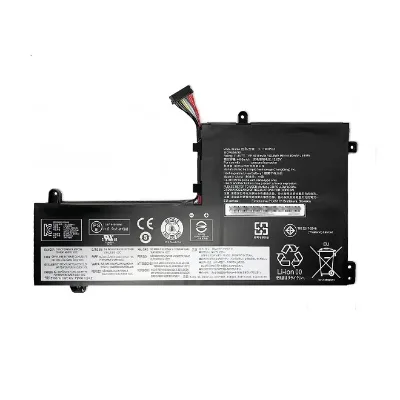
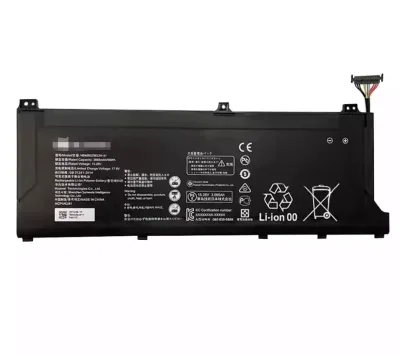
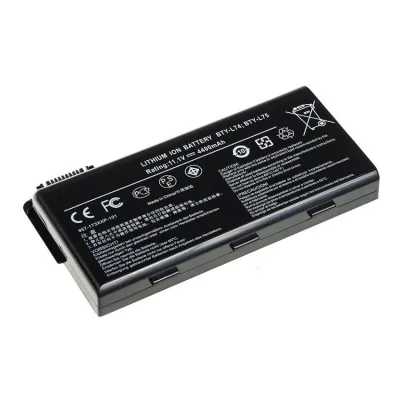
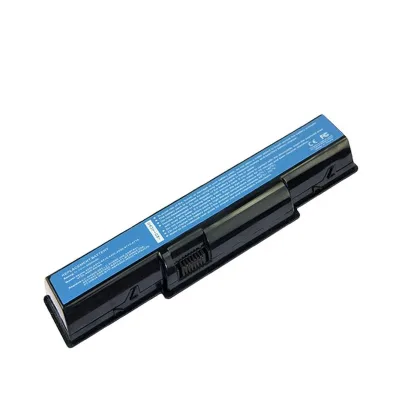


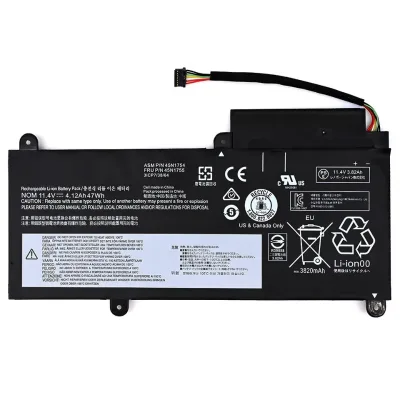
Comprehensive Sourcing Guide
4400mAh Laptop Battery Sourcing Guide
Procurement teams sourcing a 4400mAh Laptop Battery face a market where listings cluster around a small set of proven formats, but quality varies significantly between manufacturers. The listings observed in this category include replacement packs for business and consumer notebooks, sold under brand names such as Apower, with configurations spanning 10.8V, 11.1V, and higher-capacity variants like 5000mAh and 5200mAh cells. Understanding which listed attributes are fixed standards versus negotiable options is the first step in a disciplined sourcing process.
This guide walks through seven decision areas: product scope, technical verification, compliance, commercial terms, supplier qualification, and long-term procurement controls. Each section distills what the observed listings actually state—warranty periods, cycle life claims, certifications, packaging formats—into verification steps buyers can apply before committing to purchase orders. Treat every listed attribute as a starting observation to confirm in writing, not as a guaranteed deliverable, and use the structure below to build a checklist that survives contact with real supplier negotiations.
Product Scope and Observed Listing Signals
The listings in this category concentrate on replacement lithium-ion and lithium-polymer battery packs for laptops and tablets, with charger-type products appearing alongside battery-only SKUs. Observed models include an A1245 laptop battery specified at 11.1V 5000mAh for DELL use, a T40 pack at 10.8V 4400mAh rechargeable format, and packs referencing model numbers such as E6430u, SL410, and Y460. Weights range from 280g to 350g, and most packs are positioned as "a+ grade" or equivalent quality tiers, which buyers should treat as marketing language until independently verified.
Several signals help buyers interpret listing quality. Packs marked "Recyclable" versus "Non-Recyclable" signal different cell chemistries and end-of-life handling obligations, so confirm which classification applies to your target SKU. Intelligent charger listings with standard battery and prismatic size designations indicate accessory SKUs that may pair with battery packs in the same order. Customization is listed as available, and most listings originate from Guangdong, China, which concentrates the supply base geographically and simplifies factory audits and sample logistics for buyers consolidating volume.
Technical Specifications to Verify
Start verification with the electrical specification sheet rather than the listing summary. Observed standards include 11.1V 5000mAh, 10.8V 4400mAh, and 11.1V 5200mAh configurations, with one pack rated at 60Wh nominal capacity. Confirm that nominal voltage, cell count, and capacity align across the datasheet, the printed label, and the physical sample, because mismatches between these three sources are a common early indicator of assembly-line inconsistency. For the T40 pack, the listing claims a cycle life of over 500 times—request the underlying cycle test report rather than accepting the number at face value.
Cell chemistry and form factor are the next verification checkpoints. Observed materials include Li Polymer and general Lithium Battery classifications, with one listing specifying a prismatic size. Confirm the cell brand and grade used in assembly, since regraded or refurbished cells can carry the same printed capacity as new cells while delivering materially lower runtime. Discharge characteristics are listed only as "depend on the datasheet," so require the actual discharge curve at your device's typical load before approving a sample for fit, voltage sag, and thermal behavior in the host laptop.
Compliance and Safety Documentation
Certification claims vary widely across the observed listings, so buyers should require certificates, not accept logos. One listing claims CE, UL, CB, TUV, RoHS, CTIA, and KC; another claims CE, CB, TUV, RoHS, CTIA, PSE, KC, GOST-R, and SASO; a third lists only CE and RoHS. Because claimed scope differs so dramatically between SKUs in the same category, verify that each certificate is current, matches the exact model number you are purchasing, and covers the destination market. Request certificate copies with report numbers you can cross-check against issuing body databases.
Destination-market requirements drive which certificates are mandatory versus optional. For European Union distribution, CE and RoHS are baseline; for North America, UL or equivalent listings are typically expected; for other regions, CTIA, KC, PSE, GOST-R, and SASO apply depending on the market. Lithium battery shipments additionally trigger transport documentation obligations, which are separate from product safety certification and should be confirmed with your freight forwarder. Do not rely on a supplier's certificate summary table; audit the underlying test reports for the specific battery model, including any cell-level certificates that feed into the pack-level approval.
Cost Drivers and Commercial Terms
Observed listing prices range from roughly 1 to 99 USD, a spread wide enough to signal that the category spans everything from single replacement units to bulk-pack accessories and chargers. Rather than anchoring on the lowest listed price, decompose quoted cost into cell cost, pack assembly, protection circuitry, casing, packaging, and certification amortization. A pack quoted well below peers with identical printed capacity and certifications likely reflects savings somewhere—typically cell grade, protection board quality, or omitted testing—and those savings surface later as field failures and warranty claims.
Commercial terms in the observed listings show MOQs from 1 to 500 units, meaning suppliers accommodate both sample-stage buyers and volume orders, so use the low end to secure samples before negotiating tiered pricing. Packaging is listed as 1PCS/Box or single package, which affects shipping volume and retail readiness; confirm whether neutral, branded, or custom packaging is available given that customization is offered. Warranty is listed at 1 year, so clarify what the warranty covers—replacement, repair, or credit—and whether defective-unit return freight is borne by the buyer or supplier before signing a framework agreement.
Supplier Qualification and Quality Control
Because the supply base is concentrated in Guangdong, China, on-site or third-party factory audits are practical and should be scheduled before first volume order. Focus the audit on incoming cell inspection, pack welding and assembly line controls, protection circuit board testing, and final aging or capacity-grading processes. A supplier claiming "a+ Grade 100%" quality should be able to show the grading records that back that claim, including how cells are sorted, what acceptance thresholds apply, and how graded lots are traced to finished packs.
Quality control should extend beyond the audit into a documented inspection protocol for each shipment. Require pre-shipment inspection covering capacity verification on a sampling basis, weight and dimension checks against listed figures (observed packs weigh 280g to 350g), label accuracy, and packaging integrity. For the rechargeable T40-type packs, agree on a cycle-life sampling test frequency so the "over 500 times" claim is periodically validated rather than assumed. Define rejection criteria and corrective-action timelines in the purchase contract so that failed inspections trigger a clear process rather than a negotiation over each defect.
Long-Term Procurement Checks
Long-term supply stability depends on the supplier's ability to maintain consistent cell sourcing and specification continuity across production runs. Lock down the bill of materials—including cell model, protection board, and connector—so that substitutions require written approval. Battery model lines such as the A1245, T40, SL410, and Y460 references observed in this category represent host-device ecosystems that remain in service for years, so confirm the supplier will support the model for the duration of your replacement-parts program, not just the initial order cycle.
Establish a periodic requalification rhythm: re-verify certifications at renewal dates, re-run capacity and cycle-life sampling on incoming lots, and track field failure rates against the 1-year warranty commitment to detect drift early. Because customization is available, use it deliberately—logo, packaging, and label adjustments can improve brand presentation but should not alter electrical specifications without fresh verification. Keep documentation for each lot, including origin (China/Guangdong), material classification, and recyclable status, since end-of-life handling obligations and customer disclosure requirements increasingly depend on these attributes being accurate at the batch level.
FAQs
What does a 4400mAh Laptop Battery rating mean for runtime?
A 4400mAh rating indicates the charge capacity the battery can deliver at its nominal voltage, such as 10.8V. Higher mAh generally means longer runtime than a lower-capacity pack of the same voltage. Actual runtime still depends on your laptop model, workload, screen brightness, and battery age, so treat the rating as a comparison point rather than a fixed usage time.
Which voltage should I match when replacing a 4400mAh Laptop Battery?
Match the nominal voltage printed on your original battery, commonly 10.8V or 11.1V, which are compatible groupings for most laptop packs. Check the label or existing pack before ordering. Using a different voltage can cause charging faults or damage, so confirm the model number and voltage together when selecting a replacement for your specific laptop.
Can I order a 4400mAh Laptop Battery in small quantities first?
Yes, listed minimum order quantities in this category range from 1 to 500 pieces, so small trial orders are possible. Many buyers start with one carton, often packed as a single piece per box, to verify fit and performance. Customization is also available, so discuss packaging, labeling, and branding requirements with the supplier before placing a larger order.
How long do rechargeable laptop batteries of this type typically last?
Rechargeable lithium packs in this category are commonly rated for over 500 charge cycles, though cycle life depends on usage patterns. Avoid full deep discharges, excessive heat, and constant charging at 100% to extend life. A warranty period, typically one year on listed products, provides recourse if the pack fails prematurely under normal use.
What certifications should I check before importing these batteries?
Listed products in this category carry certifications such as CE, CB, TUV, RoHS, KC, CTIA, PSE, GOST-R, and SASO. Required marks depend on your destination market and import channel. Ask suppliers for current certificate copies matched to the exact battery model, since certification is issued per model and design rather than for a product category in general.
What battery chemistry and packaging details should buyers confirm?
Laptop packs in this category commonly use lithium-ion or lithium polymer cells, with listed weights around 280 to 350 grams depending on capacity and model. Confirm the chemistry, capacity in mAh or watt-hours, and packing format, which is typically one piece per box. Recyclable options exist, so specify your preference when requesting quotations from suppliers.