RC Toys Balance Charger Suppliers and Manufacturers
Explore 27 verified options for RC Toys Balance Charger from Guangdong and Hebei factories. Compare response times, lead times, certifications like CE and ISO 9000, and product specifications to source the right balance charger for your needs today; review the available evidence before requesting comparable quotations from suitable candidates.
Suppliers List

Shenzhen Chigift Electronic Co., Limited
- Manufacturer, Trading Company, Distributor/Wholesaler
- Guangdong, China
- Lead time15 days
- Avg. response≤ 16h
Main productsRC Toys,Toy Spare Parts,Promotional Gifts,Electronic Toys,Ice bucket
Main marketsWestern Europe(20.00%), North America(15.00%), Southern Europe(10.00%), Northern Europe(10.00%), South America(10.00%), Eastern Europe(10.00%), Mid East(8.00%), Southeast Asia(5.00%), Central America(5.00%), Oceania(2.00%), Africa(2.00%), South Asia(2.00%), Eastern Asia(1.00%)
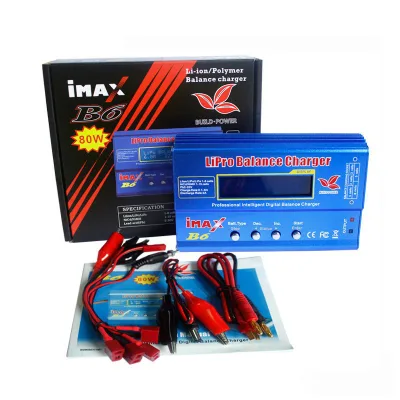
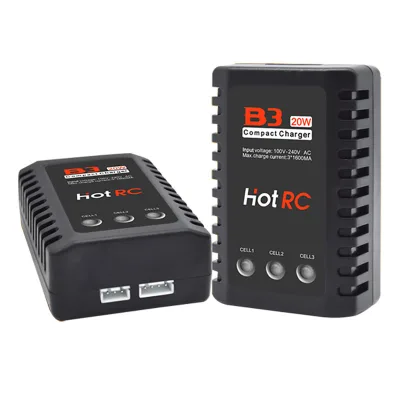
$5.00 - $6.00
MOQ: 5 pieces
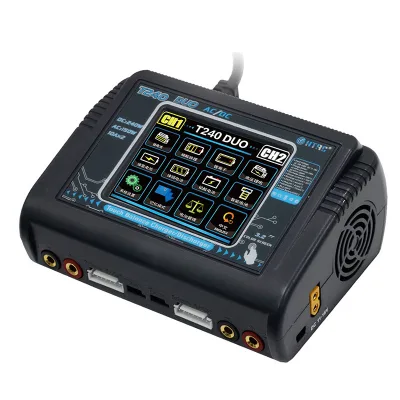
$48.00 - $65.00
MOQ: 3 pieces
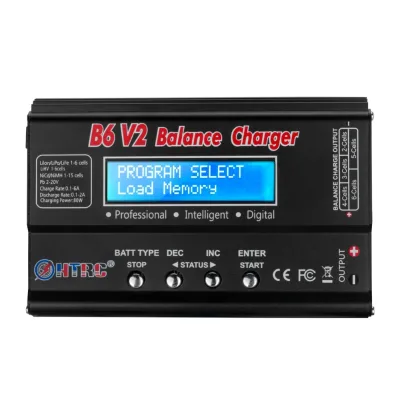
Black HTRC B6 V2 Balance Charger Smart Model Plane Lithium Battery Charger
$18.56 - $25.78
MOQ: 5 pieces
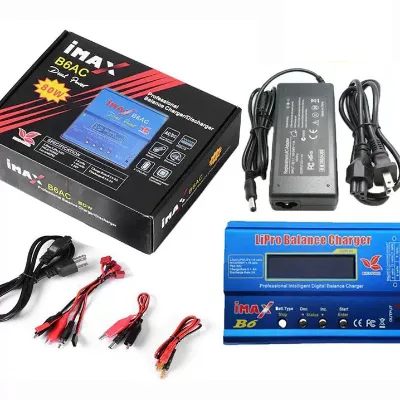
B6 80W Balance Battery Charger With Power Supply USA Europe Australia UK Plug
$12.21 - $16.27
MOQ: 3 pieces
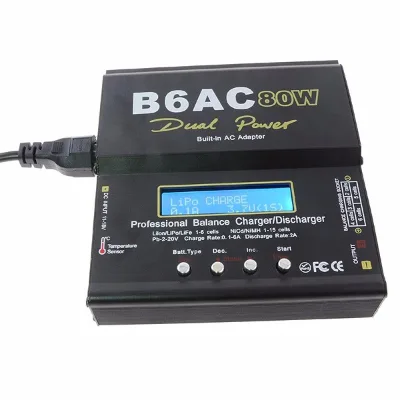
Black B6AC 80W Balance Li-po Ni-Mh RC Toys Battery Charger
$16.50 - $22.00

Hebei Naqiang Automobile Industry Co., Ltd
- Verified by TUVRHEINLAND
- Manufacturer/Factory
- China Hebei
- Lead time30 days
- Avg. response≤ 3h
Main productsElectric Bike, E Bike, Scooter, Children Toy, Balance Bike, Sport Product, Motor Bike, Bike Spear Parts
Main marketsSouth America,Eastern Europe,Mid East,North America,Southeast Asia,Eastern Asia,Oceania,Western Europe,Africa
Chengdu Kemanzhuo Technology Co., Ltd.
- Verified by SGS Group
- Trading Company
- Lead time10 days
- Avg. response≤ 4h
Main productsFPV Motor, Flight Controller, Brushless ESC, FPV VTX, FPV Camera
Main marketsEastern Europe(50%), Domestic Market(30%), Southeast Asia(10%)
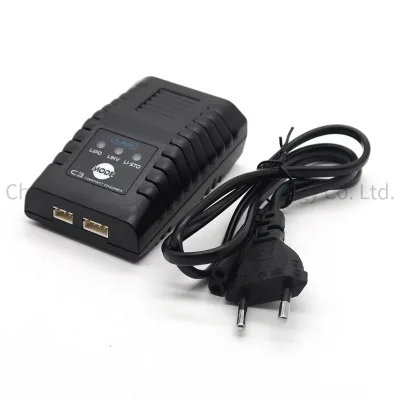
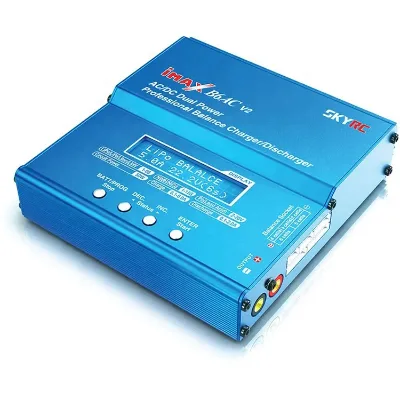
$32.37 - $37.80
MOQ: 10 pieces
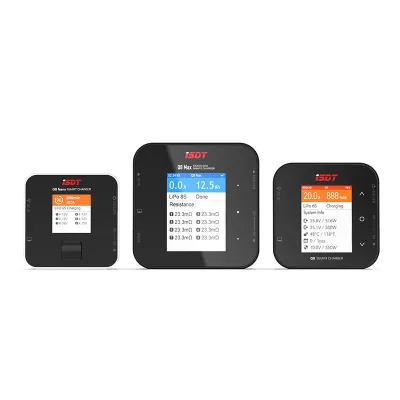
ISDT Q8 MAX 1000W 30A Battery Balance Charger for Lilon LiPo LiHV NiMH Pb RC Models Plastic 1-6S
$66.21 - $73.60
MOQ: 10 pieces
$22.07 - $26.00
MOQ: 2 pieces
$42.50 - $48.66
MOQ: 10 pieces
Shenzhen Nereus Industrial Co., Ltd.
- Verified by TUVRHEINLAND
- Trading Company
- China Guangdong
- Lead time15 days
- Avg. response≤ 3h
Main productsDrone, Electronic Speed Controller, Flight Controller, Brushless Motor, Servo Motor, Video Transmission System, Drone Camera Module, Fpv Camera Module
Main marketsNorth America

$19.00 - $100.00
MOQ: 5 Pieces


$68.00 - $78.50
MOQ: 1 Pieces


Dual Channel N-U98 Fast Charging Balance Charger 100-240V RC Drone Battery Pack
$99.90 - $121.50
MOQ: 1 Pieces


Shantou Chenghai Xaqi Toys Industrial Co., Limited
- Verified by BV
- Combined
- China Guangdong
- Lead time23 days
- Avg. response≤ 5h
Main productsRemote Control Car, Educational Toy, Sport Toy, Pretend Play Toys, Remote Contro Toy, Baby Toy, Summer Toy, B/O Toy
Main marketsSoutheast Asia/ Mideast,Domestic,Europe

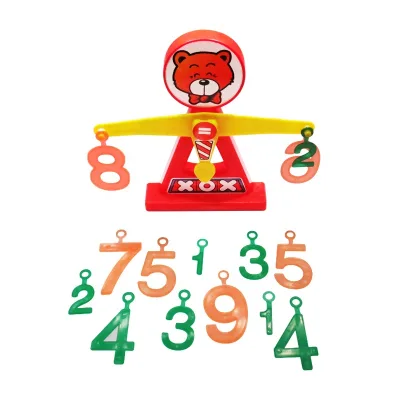
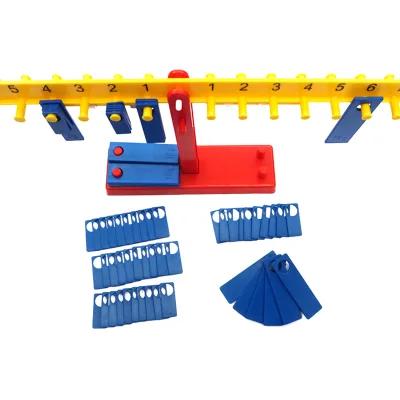
Early Educational Kids Toys Balance Scales Toy Maths Number Balance Games
$1.68 - $2.68
MOQ: 360 Pieces


RC Toy Remote Control Quadcopter Dual Remote Controller with Colorful Light
$21.66 - $22.66
MOQ: 120 Pieces


Shenzhen Resky Electronics Co., Ltd.
- Verified by BV
- Trading Company,Manufacturer/Factory
- China Guangdong
- Lead time15 days
- Avg. response≤ 3h
Main productsEbike Battery, Li-ion Battery, RC Lipo Battery, Lithium Polymer Battery, Battery Chargers, RC Accessories, Ni-MH Battery, LiFePO4 Battery
Main marketsSouth America,Eastern Europe,Mid East,North America,Southeast Asia,Eastern Asia,Oceania,Western Europe,Africa

Imaxa3 10W 20W Ni-MH Rechargeable Balance Charger for Electric Tool, RC Toys
$5.00 - $6.00
MOQ: 10 Pieces

RC Toy Battery 20W 2A Balance Charger for Ni-MH Ni-CD 5-8s 6V 9V Rechargeable Battery Pack
$5.00 - $6.00
MOQ: 10 Pieces

Imaxa3 20W 2A Balance Charger for RC Toy, Portable Tool Ni-MH Rechargeable Battery Pack
$5.00 - $6.00
MOQ: 10 Pieces
Shenzhen Cool-Young Technology Co., Ltd.,
- Manufacturer, Trading Company
- Guangdong, China
- Lead time0 days
- Avg. response≤ 3h
Main productsDrone,Anti-Drone,Drone Accessories,Drone Antennas,Drone Signal Amplifier
Main marketsSouth America(30.00%), North America(30.00%), Northern Europe(10.00%), Western Europe(10.00%), South Asia(5.00%), Africa(5.00%), Central America(5.00%), Southeast Asia(5.00%)
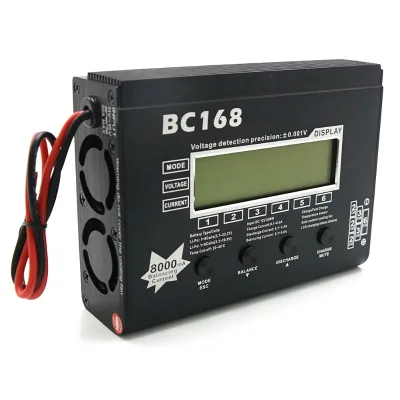
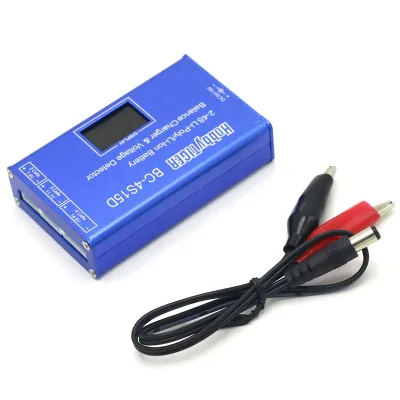
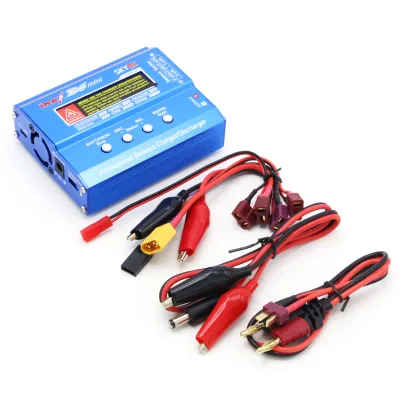
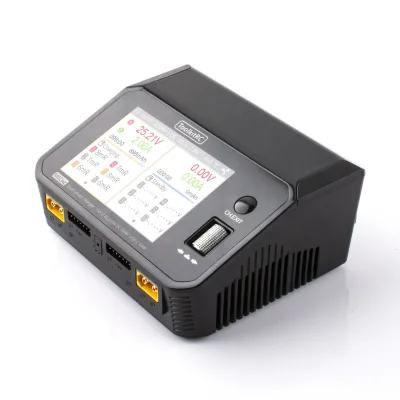
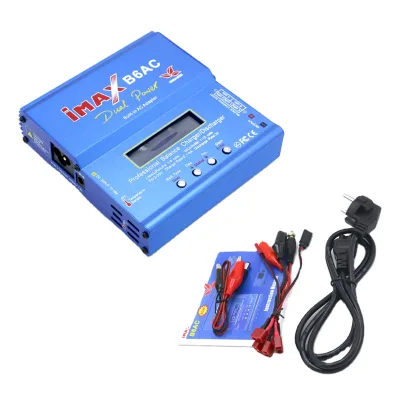
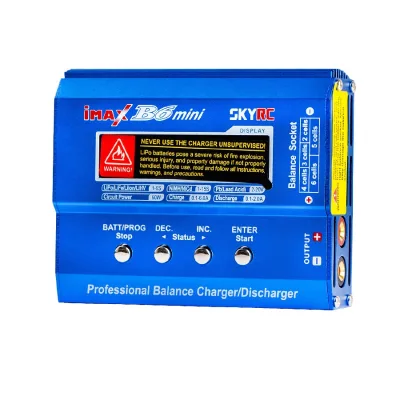
Imax B6 Mini Professional Battery Balance Charger +15V 6A Adapter for RC Helicopter Drone Charging
$4.90 - $37.05
MOQ: 1 Minimum

Junbai Industry and Trade Company(Hebei) Co., Ltd
- Verified by CTI
- Combined
- China Hebei
- Lead time30 days
- Avg. response≤ 5h
Main productsChildren's Toys Cars, Bicycle, Kids Bike, Scooter, Stroller, Children's Tricycle, Children's Electric Vehicles, Child Seat, Children's Car Accessories, Bicycle Accessories
Main marketsOthers(foreignTradeCapacity.exportBusinessCapacityMarketOther),Domestic

Children's Electric Balance Scooter, Remote-Controlled Kid's Vehicle, Baby Charging Toy Vehicle,
$18.00 - $21.00
MOQ: 1 Pieces


Hai Yang International Limited
- Verified by SGS
- Trading Company,Manufacturer/Factory
- China Zhejiang
- Lead time60 days
- Avg. response≤ 6h
Main productsWooden Toy, Montessori Material, Wooden Educational Toys, Wooden Puzzle, Wooden Blocks, Wooden Train Set, Wooden Nutcrackers, Wooden Crafts, Wooden Dolls, Wooden Chess
Main marketsEastern Europe,Mid East,North America,Southeast Asia,Eastern Asia,Oceania
Shenzhen Fx Dynamics Technology Co., Ltd.
- Verified by Intertek
- Trading Company
- Lead time0 days
- Avg. response≤ 2h
Main productsServo, RC Model Parts, Hardware Products, RC Car Parts, Battery Charger
Main marketsNorth America(30%), South America(10%)
$88.63 - $143.67
MOQ: 1 pieces
$40.60 - $61.09
MOQ: 2 pieces

Shantou Nanhuang Toys Co., Ltd.
- Verified by TUVRHEINLAND
- Trading Company
- China Guangdong
- Lead time15 days
- Avg. response≤ 4h
Main productsToys
Main marketsSoutheast Asia/ Mideast,Europe
Jinjiang Zhengzheng Technology Co., Ltd.
- Trading Company
- China Fujian
- Lead time0 days
- Avg. response≤ 1h

Dongguan Fengxiangbiao New Energy Technology Co., Ltd.
- Trading Company
- Guangdong, China
- Lead time7 days
- Avg. response≤ 2h
Main productsDrone accessories,Electronics,FPV accessory,battery,Motors
Main marketsNorthern Europe(40.00%), North America(20.00%), Eastern Europe(15.00%), South America(10.00%), Western Europe(10.00%), Southern Europe(5.00%)
- Verified by Intertek
- Manufacturer, Trading Company
- Lead time10 days
- Avg. response≤ 4h
Main productsRC Airplanes, RC Boat & Ship, RC Cars, RC Robot, Quadcopter
Main marketsNorth America(40%), Domestic Market(30%), Western Europe(17%)
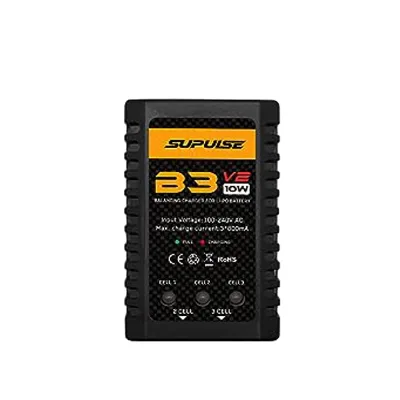
$3.58 - $4.60
MOQ: 20 pieces
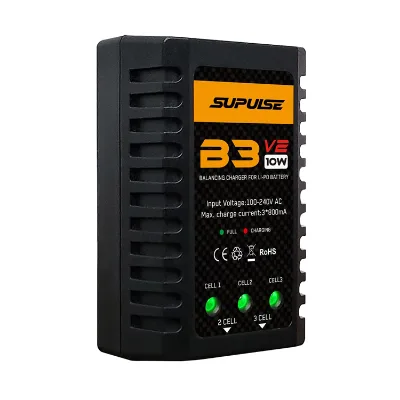
$3.57 - $4.59
MOQ: 20 pieces
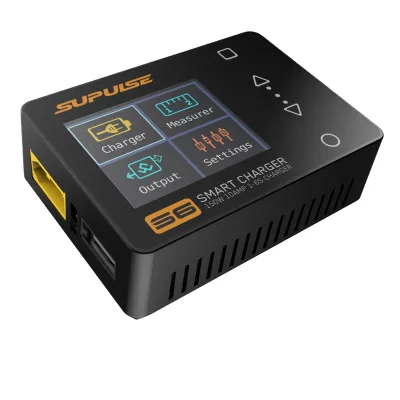
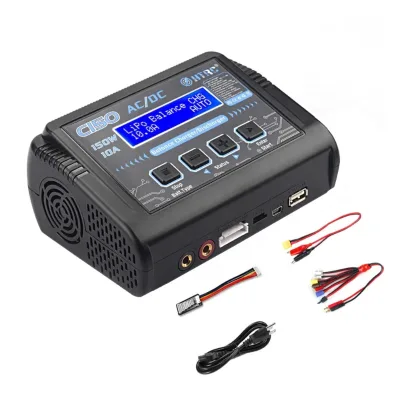
DC 150W 10A LCD 2-6S Lipo Battery Balance Charger Discharger for RC Quadcopter Drone FPV Spare Parts
$34.17 - $39.78
MOQ: 10 pieces
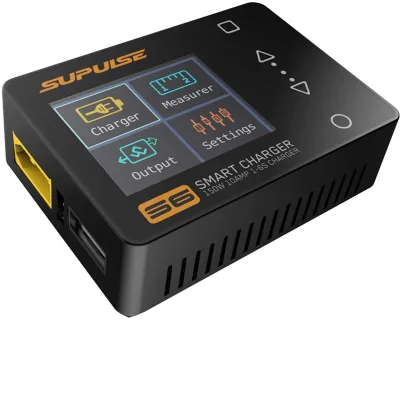
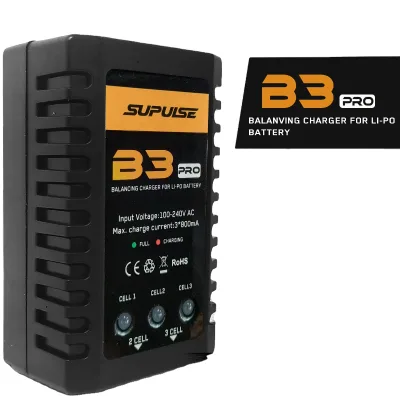
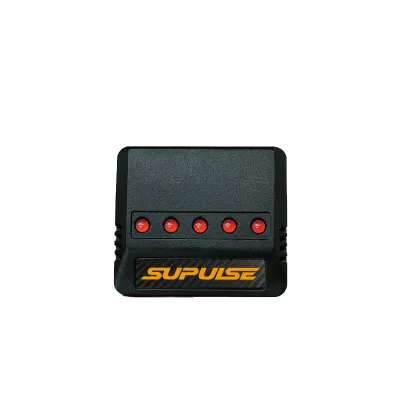
Li-Po & Li-on Battery Balance Charger B3 AC Use for 7.4-11.1V 2S-3S Battery RC Charging Port
$3.57 - $4.59
MOQ: 20 pieces

Shantou Kaixin Trading Co., Ltd
- Verified by BV
- Manufacturer
- China Guangdong
- Lead time23 days
- Avg. response≤ 8h
Main productsToy, Educational Toy, Remote Control Toy, Pretend Play Toy Set, Summer Toy, Vehicle Toy, Doll, Promotion Toy, Baby Toy, Game Toy

Wholesale Toys Novelty Electric Toy Balance Car Battery Operated (10500481)
$2.00 - $3.50
MOQ: 288 Pieces


XINGTAI REITERSTON VEHICLE CO., LTD.
- Combined
- China Hebei
- Lead time23 days
- Avg. response≤ 3h
Main productsChildrens Scooters, Kick Scooter, Bike, Children's Electric Cars, Mountain Biking, Scooter, Children's Balancing Car, Electric Motorcycle, Electric Car Toys, Juguetes Para Vehiculos Electricos
Main marketsDomestic
Hanhai International (HK) Technology Limited
- Trading Company
- Hong Kong S.A.R.
- Lead time7 days
- Avg. response≤ 2h
Main productsFPV/Drone parts,3D printer,Robot & parts,Agricultural UAV,Car charger
Main marketsNorth America(40.00%), Northern Europe(20.00%), South Asia(10.00%), Southern Europe(10.00%), Southeast Asia(10.00%), Western Europe(10.00%)
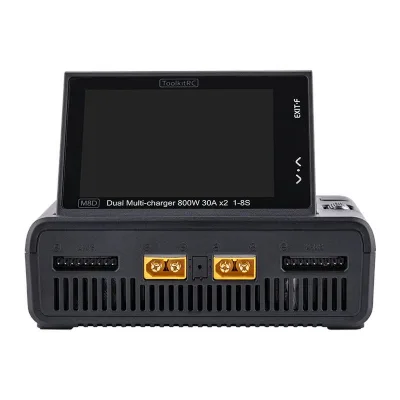
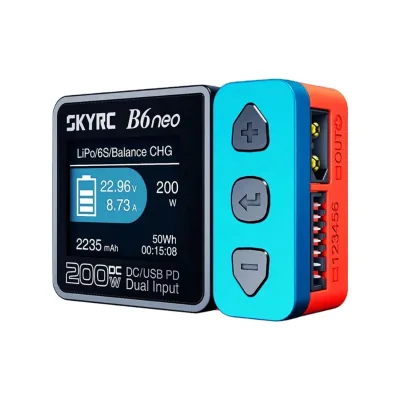
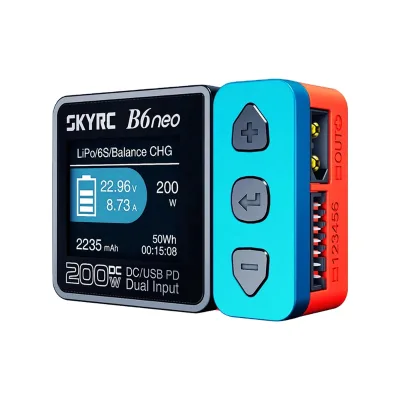
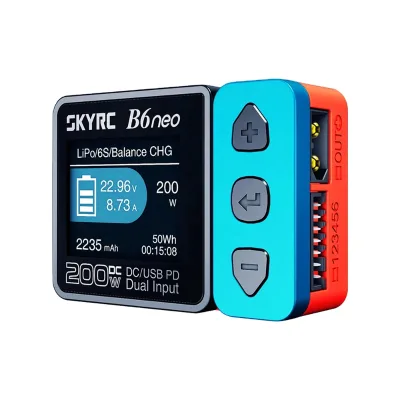
B6neo LiPo Battery Smart Balance Charger DC 200W PD 80W Input for RC Model Car Ship Boat Airplane
$22.22 - $26.18
MOQ: 2 pieces
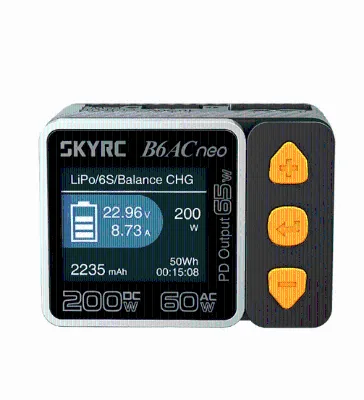
$41.94 - $48.01
MOQ: 10 pieces
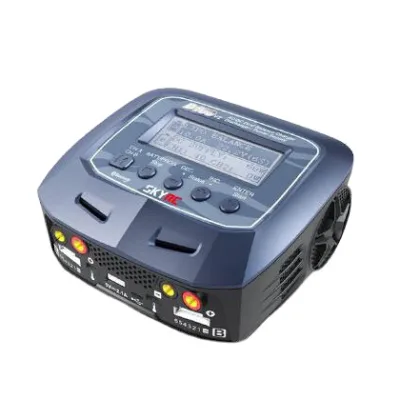
D100V2 Dual 100W DC Power Supply Charger AC DC Lipo Battery Balance for 1S-6S RC Plastic for
$95.47 - $100.26
MOQ: 10 pieces

Ningbo Shone Med-Tech Co., Ltd.
- Verified by SGS
- Trading Company,Manufacturer/Factory,Group Corporation
- China Zhejiang
- Lead time23 days
- Avg. response≤ 4h
Main productsWooden Games, Wooden Toys, Bingo Games, Wooden Sport Items, Wooden Box
Main marketsSouth America,Eastern Europe,Mid East,North America,Southeast Asia,Eastern Asia,Oceania,Western Europe,Africa
Shenzhen Furufei Technology Co., Ltd.
- Trading Company
- Guangdong, China
- Lead time10 days
- Avg. response≤ 3h
Main productsFPV,Model Airplane,RC Helicopter,RC Drone,Hobby parts
Main marketsWestern Europe(60.00%), South Asia(10.00%), South America(5.00%), Eastern Asia(5.00%), Domestic Market(2.00%), Southeast Asia(2.00%), Southern Europe(2.00%), Northern Europe(2.00%), Central America(2.00%), North America(2.00%), Eastern Europe(2.00%), Mid East(2.00%), Oceania(2.00%), Africa(2.00%)
Shenzhen Jinxinyi Electronic Co., Ltd.
- Verified by Intertek
- Manufacturer, Trading Company
- Lead time5 days
- Avg. response≤ 5h
Main productsRC Connectors, RC Connector Cable, Silicone Wire
Main marketsDomestic Market(45%), North America(5%), South America(5%)
- Trading Company
- Taiwan, China
- Lead time45 days
- Avg. response≤ 11h
Main productsEducational Toys,Traning Sport,Water Sport,Teaching aids
Main marketsEastern Asia(10.00%), Mid East(10.00%), Southern Europe(10.00%), Africa(10.00%), Northern Europe(10.00%), Western Europe(10.00%), South America(10.00%), North America(10.00%), Oceania(5.00%), Southeast Asia(5.00%), Central America(5.00%), Eastern Europe(5.00%)
Shenzhen Chuangheying Electronic Technology Co., Ltd.
- Trading Company
- Guangdong, China
- Lead time0 days
- Avg. response≤ 8h
Main productsIntegrated Circuit; Discrete Semiconductor; Optoelectronic Components; Modules; Connectors
Main marketsSouth America(15.00%), Northern Europe(12.00%), Southeast Asia(10.00%), Eastern Asia(10.00%), Mid East(8.00%), North America(8.00%), Africa(8.00%), Domestic Market(6.00%), Southern Europe(6.00%), Eastern Europe(5.00%), Central America(5.00%), Western Europe(3.00%), Oceania(2.00%), South Asia(2.00%)
Dongguan Juhai Electronic Technology Co., Ltd.
- Verified by TüVRheinland
- Manufacturer, Trading Company
- Lead time0 days
- Avg. response≤ 3h
Main productsFPV Drone Batteries, RC Car Lipo Batteries, RC Heli Lipo Battery, RC Boat Batteries, High-Capacity Lithium-Ion Batteries
Main marketsDomestic Market(30%), North America(20%), Northern Europe(15%)
Shantou Maxland Trading Co., Ltd.
- Verified by SGS Group
- Trading Company
- Lead time15 days
- Avg. response≤ 3h
Main productsPlayhouse Toys, Remote Control Toys, Baby Toys, Educational Toys, Sport Toys
Main marketsMid East(30%), South America(10%), Eastern Europe(10%)
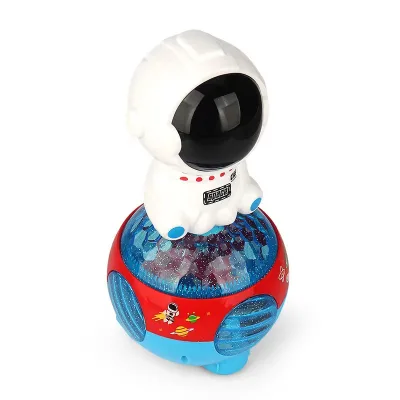
ITTL Electrical Space Robot Balance Ball Toy with Music and Light for Kids
$2.16 - $2.26
MOQ: 288 pieces

- Verified by BV
- Trading Company
- China Guangdong
- Lead time15 days
- Avg. response≤ 4h
Main productsPlastic Toys, Baby Toys, Educational Toys, Plush Toys, Pretend Play Toys, RC Toys, Doll Toys, Bubble Toys, DIY Toys, B/O Toys
Main marketsSouth America,Southeast Asia/ Mideast,East Asia(Japan/ South Korea),Europe,Australia,North America


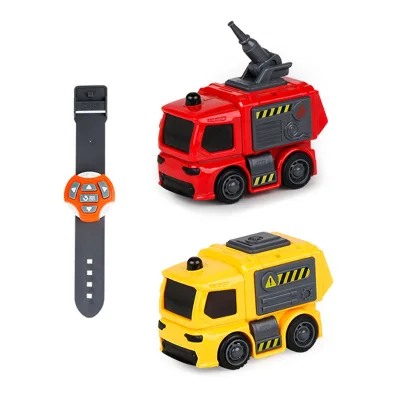
High Quality Kids Dual Mode Watch Remote Control Induction Flying Robot Toys
$3.43 - $3.49
MOQ: 360 Pieces


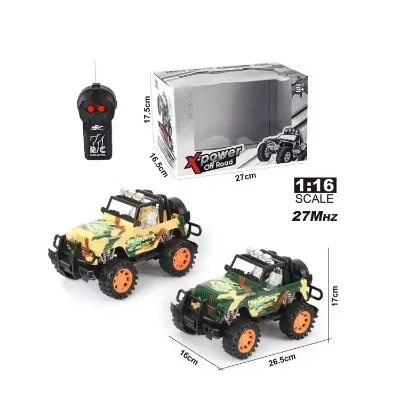
Hot Sales High Quality New Smart Interactive Plastic Remote Control Robot Toys
$6.94 - $7.10
MOQ: 90 Pieces


Shantou Xinxin Technology Co., Ltd
- Verified by CTI
- Trading Company
- China Guangdong
- Lead time15 days
- Avg. response≤ 3h
Main productsToys, RC Toys, Children's Cosmetics, Drone, Remote Control Toy, Plasticene, Superlight Clay, Electrical Toys, Remote-Control-Toys, Toy
Main marketsSouth America,Southeast Asia/ Mideast,Europe,North America
- Verified by SGS
- Manufacturer
- China Guangdong
- Lead time30 days
- Avg. response≤ 12h
Main productsRC Toys, Drone
Main marketsDomestic,Europe,Australia,North America


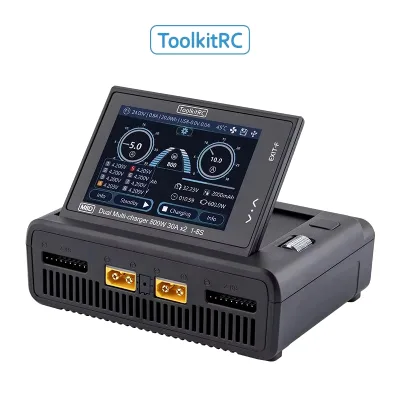


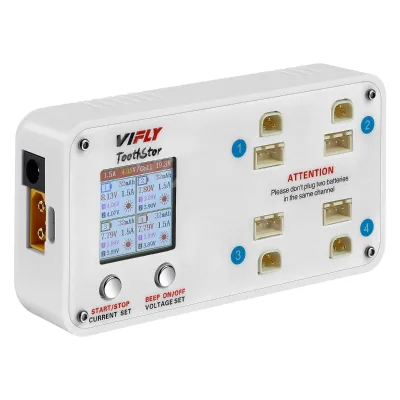
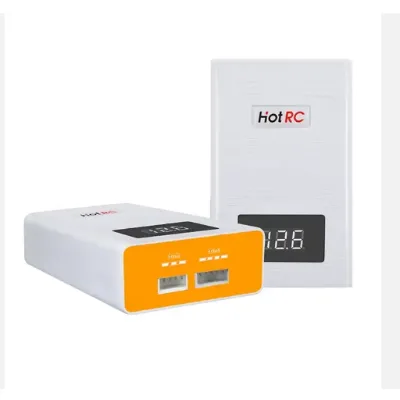
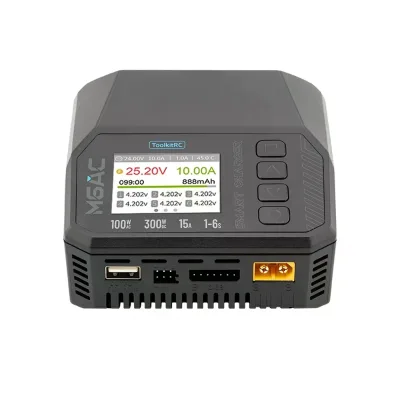


Comprehensive Sourcing Guide
RC Toys Balance Charger Supplier Concentration and Factory Types
The available data indicates a significant concentration of manufacturers and trading companies operating within Guangdong, China, specifically for electronic components like balance chargers. This region hosts a dense network of suppliers offering diverse product lines that include RC toys, spare parts, and promotional gifts alongside the specific charging equipment required for hobbyists. The presence of multiple factory types, including manufacturers, trading companies, and distributors, suggests a mature supply chain capable of handling both direct production and wholesale distribution needs. Buyers should note that while some entities are identified as manufacturers, others function as trading companies or wholesalers, which may influence the directness of the supply line and the flexibility of customization options.
In contrast, other regions such as Hebei, China, appear in the results with a focus on different product categories like electric bikes and balance bikes for children, rather than the specific electronic charging components for RC vehicles. This distinction highlights the importance of verifying the primary product focus of a supplier before engaging them for RC toy accessories. A supplier in Hebei might possess strong manufacturing capabilities in the bicycle sector but lack the specific electronic assembly lines required for high-precision balance chargers. Therefore, buyers must carefully examine the main product lists and company types to ensure the supplier's core competencies align with the specific technical requirements of RC battery charging systems, rather than assuming all Chinese factories offer the same range of electronic goods.
How to Verify RC Toys Balance Charger Suppliers
Verification of supplier credibility relies heavily on checking specific certifications and verification statuses provided in the search results. For instance, some suppliers in the electronic sector hold CE system certifications, which is a critical standard for electronic products sold in many international markets. Additionally, suppliers in other sectors, such as those producing balance bikes, may hold ISO 9000 certifications and undergo third-party verification processes like TUVRHEINLAND. Buyers should prioritize suppliers who can demonstrate these specific credentials relevant to their product category, as the absence of such documentation may indicate a lack of quality control or compliance with international safety standards. It is essential to request proof of these certifications directly from the supplier rather than relying solely on the initial search listing.
Response time and lead time are also critical metrics for verifying a supplier's operational readiness and reliability. The data shows varying response times, with some suppliers responding within 16 hours and others within 2.18 hours, indicating different levels of customer service efficiency. Similarly, lead times can range from 15 days to 30 days, which significantly impacts inventory planning and order fulfillment speed. Buyers should use these metrics to gauge the supplier's responsiveness and ability to meet tight deadlines. A supplier with a longer lead time or slower response rate might be less suitable for urgent orders or projects requiring rapid prototyping. Verifying these operational metrics ensures that the chosen partner can deliver products consistently and communicate effectively throughout the procurement process.
What to Compare Across RC Toys Balance Charger Suppliers
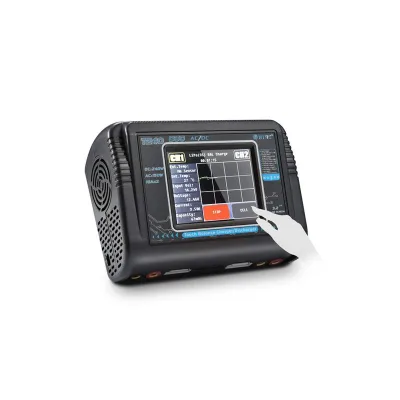
When evaluating potential partners, buyers should compare key commercial dimensions such as minimum order quantities (MOQ), pricing structures, and supply capabilities. The search results reveal a wide range of MOQs, with some suppliers requiring as few as 3 units while others set the bar at 5 units. Pricing also varies significantly, with some balance chargers listed between $5 and $6, while more advanced models with touch screens or dual channels can range from $48 to $65. These variations reflect differences in product complexity, brand value, and manufacturing costs. Buyers must align their order volume and budget constraints with the specific MOQ and price points offered by each supplier to ensure cost-effectiveness and feasibility.
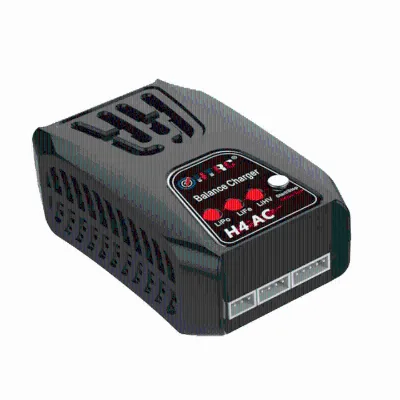
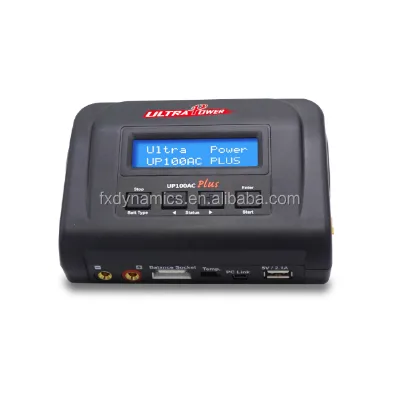
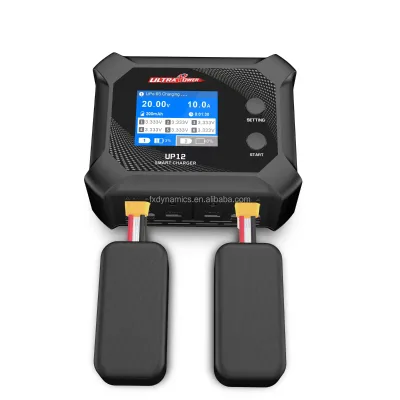
Beyond pricing and volume, comparing product specifications and brand names is essential for ensuring compatibility and quality. The results show various models, such as the B6, B3, and T240, each with distinct power ratings, input voltages, and features like touch screens or dual channels. Brands like VP, CF, HTRC, and HT are associated with different product lines, and buyers should verify which brand best suits their specific RC vehicle requirements. Additionally, supply ability metrics, such as 1000 pieces per week, provide insight into a supplier's capacity to handle large-scale orders without delays. By systematically comparing these technical and commercial attributes, buyers can identify the most suitable supplier for their specific needs, ensuring they receive the right product at the right price and volume.
Common RC Toys Balance Charger Sourcing Risks
One significant risk in sourcing RC toys balance chargers is the potential mismatch between a supplier's primary product focus and the specific electronic components required. While some suppliers in Guangdong specialize in RC parts and chargers, others may focus on broader toy categories or entirely different sectors like electric bikes. This diversification can lead to a lack of specialized expertise in the specific electronic assembly and testing required for high-performance balance chargers. Buyers must carefully scrutinize the main product lists to ensure the supplier has a dedicated focus on RC electronics, rather than treating them as a secondary offering, which could compromise product quality and technical support.
Another critical risk involves the variability in lead times and response speeds, which can disrupt supply chain planning. The data indicates lead times ranging from 15 to 30 days, and response times varying from under 3 hours to 16 hours. Such inconsistencies can lead to delays in production and shipping, particularly if a supplier is overwhelmed with orders or lacks efficient internal processes. Furthermore, the absence of standardized certifications across all suppliers poses a compliance risk. While some hold CE or ISO 9000 certifications, others may not, leaving buyers vulnerable to regulatory issues in their target markets. Mitigating these risks requires thorough due diligence and clear communication regarding expectations for delivery schedules and quality standards.
RC Toys Balance Charger Regional Sourcing and Logistics
The primary sourcing hub for RC toys balance chargers appears to be Guangdong, China, where a concentration of manufacturers and trading companies operates. This region offers logistical advantages due to its proximity to major ports like Shenzhen, which is explicitly mentioned as a port of dispatch for some products. The presence of a dedicated port facilitates efficient shipping and reduces transit times for international buyers. However, buyers should verify the specific port of dispatch for each supplier, as logistics can vary even within the same province. Understanding the local logistics infrastructure helps in estimating shipping costs and delivery timelines more accurately, ensuring a smoother procurement process.
In contrast, suppliers located in other regions like Hebei may have different logistical profiles, often focusing on heavy industrial goods or bicycles rather than small electronic components. While these suppliers might offer competitive pricing, their logistics networks may not be optimized for the small, high-value items typical of RC chargers. Buyers should assess the shipping capabilities of suppliers outside the primary electronic clusters to ensure they can handle the specific packaging and handling requirements of delicate electronic goods. Additionally, verifying the packaging details, such as the use of color boxes or specific dimensions, is crucial for minimizing damage during transit. A clear understanding of regional logistics strengths and weaknesses allows buyers to make informed decisions about where to source their products.
RC Toys Balance Charger Commercial Terms and Order Planning
Effective order planning requires a clear understanding of the commercial terms, including pricing tiers, payment conditions, and customization options. The search results indicate that some suppliers offer customization services, which can be vital for buyers seeking branded products or specific technical modifications. However, the availability of customization often depends on the supplier's capacity and the minimum order quantities required. Buyers should negotiate these terms early in the process to ensure that their specific branding or technical requirements can be met without incurring excessive costs or delays. Additionally, understanding the price ranges, which can vary from $5 to $65 depending on the model and features, helps in budgeting and forecasting expenses accurately.
Lead time and response time are also critical components of commercial terms that influence order planning and inventory management. With lead times ranging from 15 to 30 days, buyers must factor in these durations when scheduling production and delivery. A supplier with a shorter lead time, such as 15 days, may be preferable for urgent orders, while a longer lead time might be acceptable for planned, large-scale purchases. Furthermore, response times impact the speed of communication and problem resolution. A supplier that responds within 2 hours is likely more responsive to inquiries and issues than one taking 16 hours. By aligning commercial terms with operational capabilities, buyers can create a robust order plan that minimizes risks and ensures timely delivery of high-quality RC toys balance chargers.
FAQs
What is the typical lead time for RC toy balance chargers?
The typical lead time for these chargers is 15 days based on current supplier data. Some manufacturers in Hebei offer a 30-day window for larger orders. Buyers should confirm specific timelines with the supplier before placing an order to ensure timely delivery.
What is the minimum order quantity for these chargers?
Minimum order quantities vary by product model. The B6 charger requires a minimum of 5 units, while the HTRC T240 model requires only 3 units. Buyers must check the specific product listing to determine the exact MOQ required for their purchase.
Where are these RC toy chargers manufactured?
Most RC toy balance chargers listed originate from Guangdong, China. Some suppliers are also located in Hebei, China. All products listed indicate Guangdong as the primary place of origin for the charging components and related accessories.
What certifications do these chargers hold?
Many of the listed chargers carry CE certification. Some suppliers in Hebei also hold ISO 9000 system certification. Buyers should verify the specific certification documents for each product to ensure compliance with their local safety standards before purchasing.
What is the price range for these balance chargers?
Prices range from 5.00 to 65.00 depending on the model and features. Basic B3 chargers start around 5.00, while advanced dual-channel models like the T240 can reach 65.00. The final price depends on the specific specifications and quantity ordered.
How quickly do suppliers respond to inquiries?
Response times vary significantly among suppliers. Some manufacturers respond within 2.18 hours, while others may take up to 16 hours. Buyers should expect faster communication from verified suppliers and should check the specific response time listed on each product page.
What types of batteries do these chargers support?
These chargers support various battery types including Li-po, Ni-Mh, and Lithium batteries. Specific models like the B6 handle 12V 5A adapters, while the T240 supports dual-channel charging for different capacities. Always check the product specifications for compatible battery voltages.