Source 4way Wood Splitter for Firewood Processing, Logging, and Landscaping
Find and compare 30 available 4way Wood Splitter options from Chinese manufacturers. Evaluate hydraulic and electric models with varying thrust capacities, power sources, and certifications to select the right equipment for your wood splitting needs.
Key considerations
Products List


Electric Hydraulic Log Splitter Wood Splitter Firewood Splitter Good Price
$100.00 - $10000.00
MOQ: 1 Pieces


Horizontal Fast Log Splitter Wood Splitting Machine
$4080.00 - $4100.00
MOQ: 1 Pieces
Shandong Zouping Shuanghuan Machinery Manufacturing Co., Ltd.

Hydraulic Horizontal Wood Log Splitter
$4080.00 - $4100.00
MOQ: 1
Shandong Zouping Shuanghuan Machinery Manufacturing Co., Ltd.


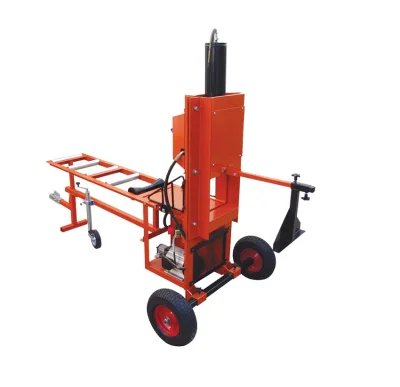
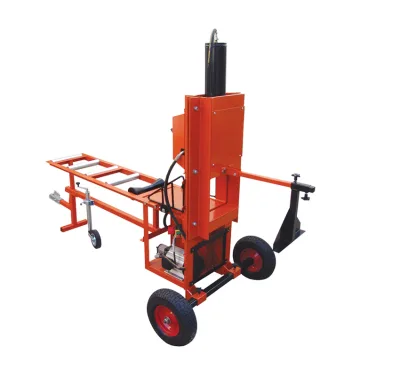


Diesel Powered Wood Splitter Firewood Processor Log Splitter for Sale
$2800.00 - $4900.00
MOQ: 1 Pieces


High Quality Wood Splitter Log Processor Horizontal Wood Splitter Log Splitter for Sale
$4200.00 - $4500.00
MOQ: 1 Pieces

Multi Functional Wood Splitter Hot Sale Firewood Processor Horizontal Log Splitter for Sale
$4200.00 - $4500.00
MOQ: 1 Pieces


Comprehensive Sourcing Guide
4way Wood Splitter Sourcing Guide
When sourcing a 4way Wood Splitter, buyers must navigate a market characterized by diverse power sources and varying structural designs. The available inventory reveals a spectrum of options ranging from compact, gasoline-powered units to heavy-duty hydraulic systems designed for high-volume operations. Understanding these distinctions is critical for aligning procurement with specific operational needs, whether for residential firewood preparation or industrial timber processing. The observed product landscape includes models with specific thrust capacities and stroke lengths, indicating that performance metrics vary significantly across different supplier listings.
Procurement decisions should be driven by a clear assessment of throughput requirements and site constraints. Some listed units offer customization options for mounting styles, including flange, foot, or screw thread configurations, which allows for integration into existing machinery or custom-built frames. Additionally, the presence of electric, hydraulic, and gasoline power sources suggests that energy availability at the point of use will dictate the feasible technology stack. Buyers must evaluate not just the splitting force but also the logistical implications of weight and packaging, as observed weights range from lightweight portable units to multi-ton industrial machines.
Product Scope and Observed Listing Signals
The current market signals indicate a strong emphasis on versatility and industrial-grade durability. Listings frequently highlight models such as the HY-WS550 and various LS-series units, which suggest a focus on standardized yet customizable solutions. The presence of specific model numbers like SH1200 and SH1500 points to a tiered product range where higher numbers may correlate with increased capacity or advanced features. Buyers should observe that many suppliers offer customization in packing and standard dimensions, allowing for tailored logistics solutions that can reduce shipping costs or improve storage efficiency at the destination site.
Power source diversity is a key signal in the current inventory, with options spanning gasoline, hydraulic, and electric drives. This variety allows buyers to match equipment to their operational environment, such as choosing electric units for indoor or noise-sensitive areas and gasoline or hydraulic units for remote or high-demand sites. The observed specifications include detailed metrics such as a 1200mm stroke and forward speeds of 80mm/s, which provide tangible data for evaluating cycle times. These signals suggest that suppliers are moving towards providing detailed technical transparency, enabling buyers to make more informed comparisons based on actual performance parameters rather than generic marketing claims.
Technical Specifications to Verify
Thrust capacity and stroke length are primary technical indicators that determine the splitter’s ability to handle different wood diameters and volumes. Buyers must verify the maximum thrust, with observed data pointing to capacities such as 30 tons for certain heavy-duty models, to ensure the machine can split dense hardwoods efficiently. The stroke length, observed at 1200mm in some listings, directly impacts the cycle time and the size of logs that can be processed in a single pass. It is essential to confirm that the stroke and thrust ratings are consistent with the intended wood species and log dimensions to avoid underperformance or mechanical strain.
Power delivery and speed metrics require careful scrutiny to ensure operational efficiency. For hydraulic systems, verifying the motor power, such as the observed 15kw specification, is crucial for understanding energy consumption and splitting force consistency. Speed parameters, including forward and backward speeds, influence the overall throughput of the splitting operation. Buyers should also check the mounting style options, such as earrings, flange, or foot mounting, to ensure compatibility with their existing infrastructure or custom frames. Additionally, the weight of the unit, ranging from 375kg to 2200kg in observed listings, affects portability and foundation requirements, necessitating a thorough assessment of site logistics.
Compliance and Safety Documentation
Certification status is a critical factor in ensuring that the equipment meets regional safety and environmental regulations. Observed listings frequently mention CE and ISO certifications, which are essential for market access in many international jurisdictions. Buyers must verify that the specific model they intend to purchase holds the relevant certifications for their destination country, as compliance requirements can vary significantly between regions. The presence of EPA certification for gasoline-powered units is particularly important for ensuring that emissions meet environmental standards, reducing the risk of regulatory penalties or import restrictions.
Safety features and documentation should be thoroughly reviewed before finalizing any procurement agreement. Buyers should request detailed operation manuals, maintenance guides, and safety warnings that comply with local occupational health and safety standards. It is advisable to confirm that the supplier provides video technical support and spare parts availability, as these services are crucial for maintaining safety protocols and ensuring quick resolution of any operational issues. Additionally, verifying that the equipment includes necessary safety guards and emergency stop mechanisms is essential to protect operators from potential hazards during high-pressure splitting operations.
Cost Drivers and Commercial Terms
The price range observed in the market, spanning from approximately $80 to $10,000, reflects the vast differences in power, capacity, and build quality. Buyers should understand that lower-priced units are likely to be smaller, gasoline-powered, or less robustly constructed, while higher-priced models often feature hydraulic systems, higher thrust capacities, and more durable materials. Minimum Order Quantities (MOQ) ranging from 1 to 100 units indicate flexibility for both single-unit purchases and bulk procurement, allowing buyers to scale their orders based on budget and operational needs. It is important to correlate price with the specific technical specifications and certifications to ensure value for money.
Commercial terms such as packaging and warranty significantly impact the total cost of ownership. Observed packaging options include carton, wooden cases, iron frames, and film wrapping, each with different implications for shipping costs and product protection. Buyers should negotiate packaging terms that minimize damage risk while optimizing freight efficiency. Warranty periods, such as the observed 2-year coverage, provide a safety net for early failures, but buyers must clarify the scope of coverage, including whether it includes labor, parts, or video technical support. Understanding these terms helps in forecasting long-term maintenance costs and avoiding unexpected expenses.
Supplier Qualification and Quality Control
Supplier location and origin are key indicators of manufacturing capabilities and supply chain reliability. Observed origins include Zhejiang, Linyi, Shandong, and Shanghai in China, each region potentially offering different specializations in machinery manufacturing. Buyers should assess the supplier’s production capacity and quality control processes to ensure consistent product quality. The availability of video outgoing inspections is a positive signal, indicating that suppliers are willing to provide transparency into the final product condition before shipment. This practice helps buyers verify that the equipment meets their specifications and is free from visible defects prior to delivery.
Brand reputation and after-sales support are critical components of supplier qualification. While specific brand names like JEEGEE are observed, buyers should evaluate the supplier’s overall track record in providing technical support and spare parts. The ability to provide video technical support and maintain a stock of spare parts is essential for minimizing downtime in case of mechanical issues. Buyers should also inquire about the supplier’s experience in exporting to their specific region, as this can impact the ease of customs clearance and the availability of localized support services. Establishing a clear communication channel with the supplier for technical queries is vital for long-term operational success.
Long-Term Procurement Checks
Continuous monitoring of supplier performance and product reliability is essential for maintaining operational efficiency. Buyers should establish key performance indicators (KPIs) related to equipment uptime, maintenance frequency, and spare parts availability. Regular feedback loops with the supplier can help identify recurring issues and drive improvements in product design or manufacturing processes. The availability of customization options, such as adjustable mounting styles and packing requirements, allows buyers to adapt their procurement strategy to changing operational needs over time.
Strategic relationship management with suppliers can lead to better pricing, priority support, and early access to new product developments. Buyers should consider long-term contracts or framework agreements that lock in favorable terms and ensure consistent supply. It is also important to stay informed about changes in certification requirements and safety standards in the buyer’s region to ensure ongoing compliance. By maintaining a proactive approach to supplier management and product evaluation, buyers can mitigate risks and optimize the total cost of ownership for their 4way Wood Splitter fleet.
FAQs
What power sources are available for 4way wood splitters?
Available power sources include gasoline, hydraulic, and electric options. Specific models feature 52cc gasoline engines or 15kw electric motors. Buyers should verify the power source type against their site requirements before ordering.
Which certifications do these wood splitters typically hold?
Many units carry CE and ISO certifications to ensure safety and quality standards. Some products also list EPA compliance for emissions. Buyers must confirm specific certification documents match their local regulatory needs.
Can I request customization for the wood splitter model?
Customization is available for various product attributes including mounting styles and packing requirements. Buyers can specify standard export packages or custom wooden cases. Contact suppliers to define exact customization parameters for your order.
What is the typical warranty period for these machines?
A standard warranty period of 2 years is commonly offered for these units. After-warranty services include video technical support and spare parts availability. Buyers should review the specific warranty terms provided by the manufacturer.
How is the product packed for international shipping?
Packaging options include cartons, wooden cases, iron frames, or film wrapping. Some sellers offer standard export packages or custom requirements based on buyer preference. Verify the packing method to ensure safe transit of the heavy equipment.
What is the maximum thrust capacity of these splitters?
Certain models feature a maximum thrust capacity of 30 tons. Other specifications list weights up to 2200kg for stability. Buyers should check the specific model datasheet to confirm the thrust rating matches their wood splitting needs.
Where are these wood splitters manufactured?
Manufacturing origins include provinces such as Zhejiang, Shandong, and cities like Linyi and Shanghai in China. Buyers can filter suppliers by specific province or city to find local partners. Origin details are essential for calculating shipping costs and lead times.