Source 4WD Electric Cargo UTV for Farms, Hunting & Site Hauling
Compare 30 4WD Electric Cargo UTV listings with specs covering PMSM motors, lead acid gel batteries, dump bed capacity, top speed, and range. Buyers can review certifications, packing options, MOQ levels, and price ranges to match farm, hunting, and worksite transport needs before requesting quotes.
Updated
Key considerations
Products List


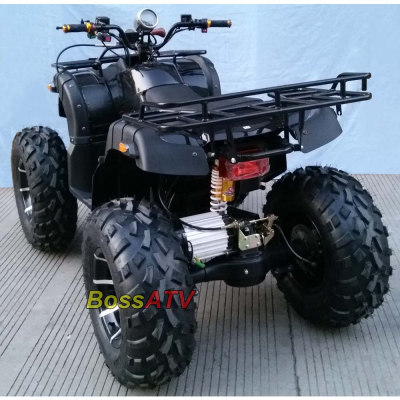


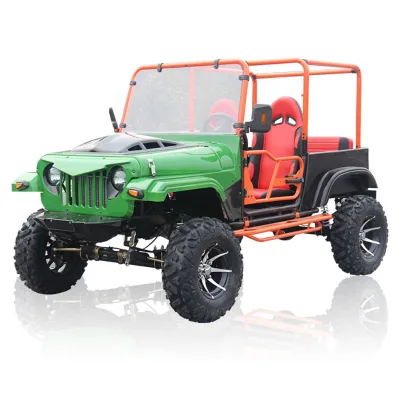
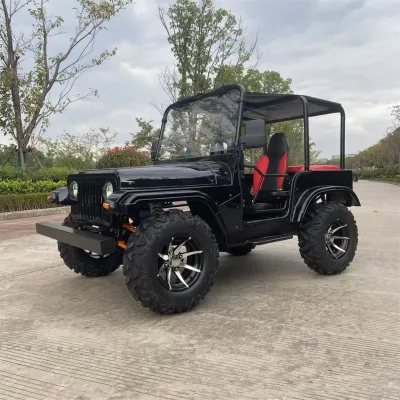
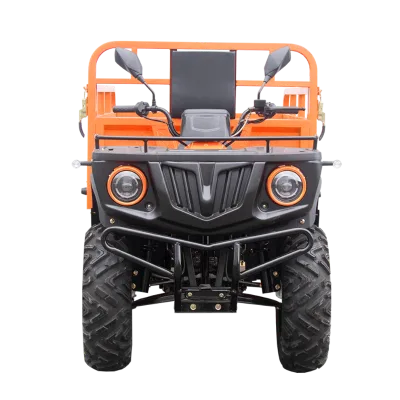
Factory Directly Selling Car Utv Shaft Drive Quad Bike Electric Atv Cargo for Sale
$3920.5792 - $4126.9254
MOQ: 1 pieces
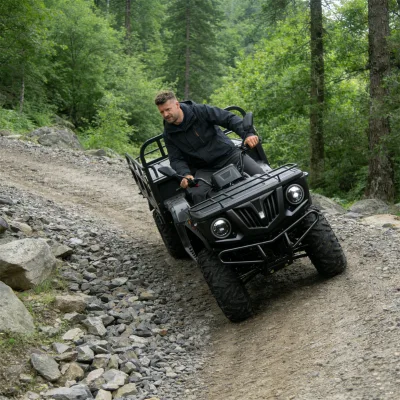
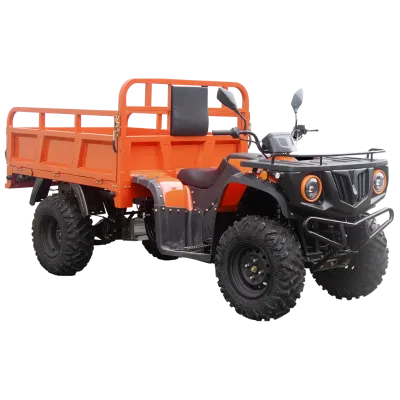
43Kmh Utv Utility Vehicle Sale Electric Atv for Hunting With Winch
$3901.7056 - $4107.0586
MOQ: 1 pieces

Certification Street Legal Utv Off Road Atvs Electric Atv Buggy With Eec and Coc
$3867.1989 - $4070.7357
MOQ: 1 pieces


High Quality 4WD Side by Sides off-Road Utility 4X4 UTV Electric Utility Vehicle
$8200.00 - $8900.00
MOQ: 1 unit


Electric Side-by-Side UTV for Farm and Ranch Utility Work with Cargo Bed
$7000.00 - $8900.00
MOQ: 1 unit
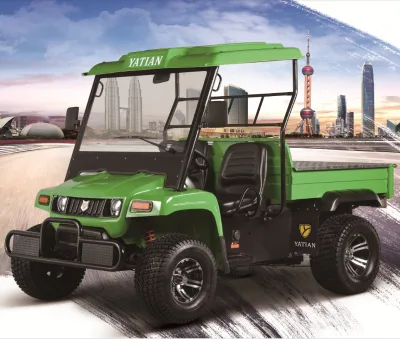
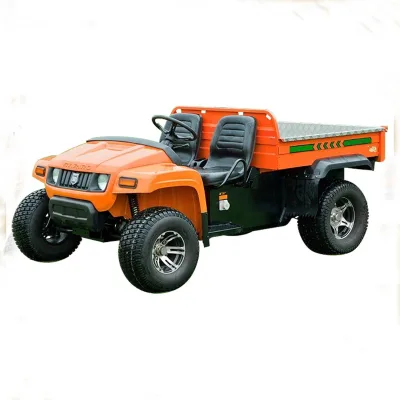
Electric Utv Eec Approved Lithium Battery Utv 72v 4x4 Lithium Battery Utvs With Eec Coc
$8477.7392 - $9304.8358
MOQ: 1 units
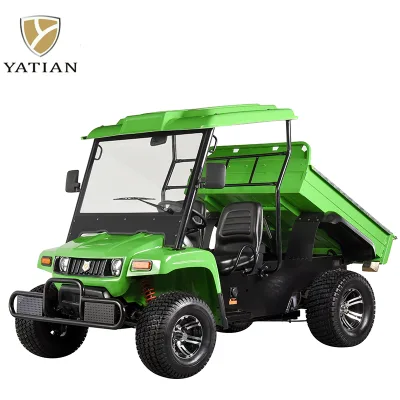
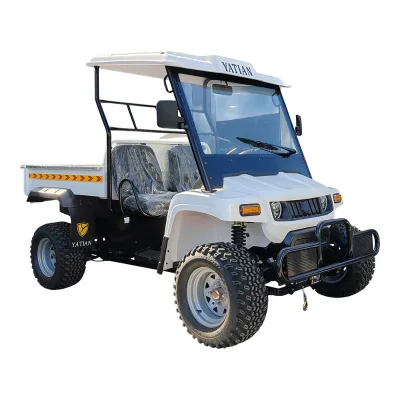
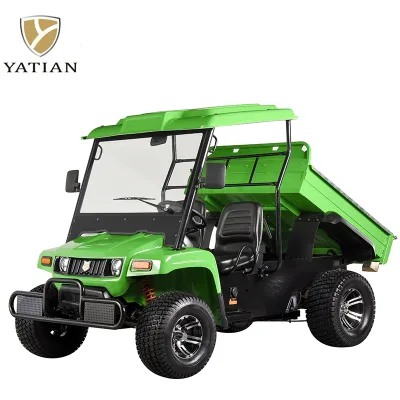
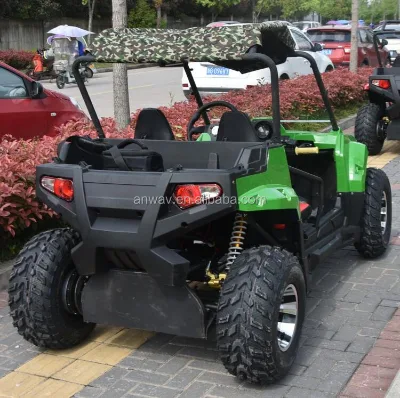
Comprehensive Sourcing Guide
4WD Electric Cargo UTV Sourcing Guide
Sourcing a 4WD Electric Cargo UTV for commercial or fleet use requires a disciplined approach that balances drivetrain capability, battery technology, payload requirements, and regulatory compliance. The product category spans small-format electric utility vehicles with dump beds and higher-displacement gas alternatives, so buyers must first clarify whether an electric powertrain genuinely fits their duty cycle. Electric units in observed listings typically use permanent magnet synchronous motors (PMSM) with lead acid gel batteries, automatic transmission, and rated power around 10KW, while competing gas models offer 250CC displacement with CVT transmission. Understanding where these architectures diverge is the foundation of a defensible procurement decision.
This guide walks through the full sourcing journey: defining product scope from observed listing signals, verifying technical specifications against your workload, assembling compliance documentation, negotiating commercial terms, qualifying suppliers, and establishing long-term procurement controls. Because listings frequently mix electric and gas variants, mixed origins (Shanghai and Zhejiang appear among observed origins), and different certification sets (EEC, EPA), buyers should treat every attribute as a claim to be verified in writing before committing to purchase orders or sample shipments.
Product Scope and Observed Listing Signals
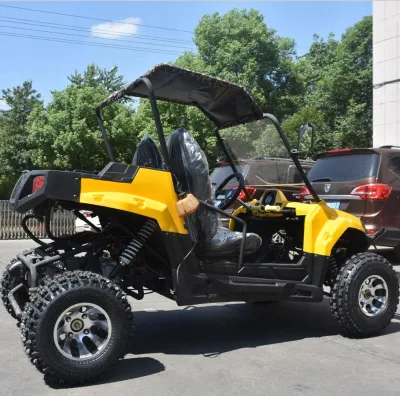
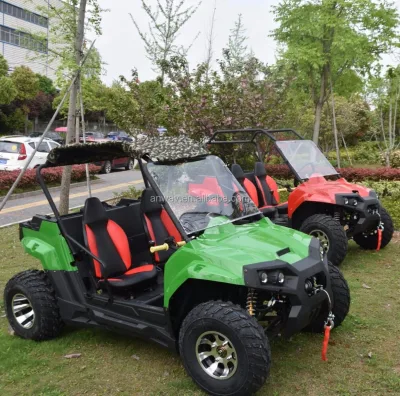
Observed listings in this category cluster around three recognizable formats. First, dedicated electric 4x4 cargo UTVs such as the EV100X 4X4 and EV100 4X4 models, which pair a 10KW PMSM motor with a 72V 140AH lead acid gel battery, an on-board charger, and a dump bed rated at 150kg with dimensions of 930x1270x380mm. Second, a shaft-drive electric variant (model BSE3000-2, brand BossATV) with a 60V system and 60V52ah lead acid battery. Third, gas-powered alternatives such as the SDLT-9 with 250CC displacement, 2X4 driveline, chain final drive, and 60km/h top speed. Buyers should map their intended tasks to these formats before comparing prices.
Listing signals also reveal meaningful range and sourcing patterns. Observed prices span roughly $1,021.86 to $9,304.84 in USD, with MOQs between 1 and 6 units, indicating that both sample-level and small-fleet orders are commercially feasible. One supplier reports capacity of 2,000 pieces per month with dispatch through the port of Ningbo, and customization is explicitly available on at least one electric model. Overall dimensions in observed listings include 2623x1440x2003mm, giving buyers a concrete envelope for transport and storage planning.
Technical Specifications to Verify
For electric 4WD units, the battery and drivetrain figures deserve the closest scrutiny. Confirm whether the quoted battery capacity—72V 140AH on one observed model, or 60V52ah on another—reflects usable capacity at the voltage your duty cycle demands, since lead acid gel chemistry has different depth-of-discharge behavior than lithium alternatives. Verify charge time (listed as 9–10 hours on observed units) against your shift scheduling, and confirm that the on-board charger matches your facility's electrical supply. Range claims of 75km under a single driver should be re-tested with cargo aboard.
Mechanical specs also need line-by-line confirmation. Observed electric models list a 52km/h maximum speed, automatic transmission, and front tires of 25x8-12 with rear tires of 25x10-12; confirm these sizes suit your terrain and that replacements are locally available. Grade ability is listed as ≥25° on one unit—validate this under load. For gas alternatives, confirm the CVT behavior, 1885mm wheelbase, 1000mm rear tread, and 290kg dry weight (360kg gross). Braking is listed as front disc plus rear disc; verify disc condition and performance in sample units before fleet orders.
Compliance and Safety Documentation
Certification requirements differ sharply by destination market, and observed listings show this variability directly. One electric model carries an EPA certificate, while another lists both EEC and EPA—coverage that matters if you plan to sell or register units in the United States or Europe respectively. Do not assume that a certification shown on one listing in a supplier's catalog extends to other models. Request the actual certificate documents, confirm the certificate holder's name matches the exporting entity, and verify that the specific model number on your purchase order appears on the certificate itself.
Beyond market-entry certificates, build a documentation package covering electrical safety and mechanical integrity. Because these vehicles use 60V to 72V systems, ask how the manufacturer validates insulation, connector quality, and battery management behavior, and whether any test reports exist for the lead acid gel battery packs. For dump bed operation, request documentation of the hydraulic or mechanical lift mechanism's rated capacity—listed at 150kg on one unit—and confirm overload behavior. Packaging documentation also matters: carton box, iron frame, and metal-frame-plus-cardboard formats appear across listings, so confirm which protects your units in ocean transit.
Cost Drivers and Commercial Terms
The observed price spread—from roughly $1,021.86 to $9,304.84—reflects genuine architectural differences rather than simple markup variation. Gas 250CC units with CVT and chain drive sit at one end of the complexity spectrum, while 4x4 electric models with 10KW PMSM motors, 72V 140AH battery packs, and dump bed mechanisms command the higher end. Battery capacity is likely the single largest cost lever in electric variants; a 60V52ah pack versus a 72V 140AH pack represents materially different bill-of-materials cost. Ask suppliers to quote identical configurations when comparing offers, and price battery replacement cycles into total cost of ownership.
Commercial terms should be negotiated with the same rigor as price. With MOQs observed between 1 and 6 units, buyers can structure staged orders—beginning with a single sample, then scaling—rather than committing to large initial volumes. Confirm what customization is included at your order volume, since customization is listed as available but scope and cost are undefined. Clarify packing format (carton box, iron frame, or metal frame with cardboard carton), the dispatch port (Ningbo appears in observed listings), freight responsibility, and payment milestones. Confirm whether the stated supply capacity of 2,000 pieces per month applies to your specific model and season.
Supplier Qualification and Quality Control
Qualify suppliers by validating the consistency between their claims and their documentation. Where a listing states a place of origin—Shanghai for one electric model, Zhejiang for a BossATV variant—confirm the actual manufacturing location, because it affects logistics, factory audit logistics, and any regional compliance considerations. A stated capacity of 2,000 pieces per month should be corroborated with production records or a factory visit, especially if you plan volume orders. Request the business license, verify export history for your destination market, and ask which certificate (EPA or EEC) applies to your exact model.
Quality control should be embedded in the contract, not assumed. For sample units, conduct a structured acceptance test: verify rated power output, top speed (52km/h claimed on electric models), grade ability under load, range with cargo, charge time against the 9–10 hour claim, and dump bed function at the 150kg rating. For production orders, define an inspection checkpoint before shipment covering battery voltage and capacity verification, brake function (front and rear disc), tire specification conformance (25x8-12 front, 25x10-12 rear), and packaging integrity in the agreed iron frame or carton format. Require photographic or third-party inspection evidence before balance payment.
Long-Term Procurement Checks
Plan for the aftermarket reality of lead acid gel battery systems from the outset. Batteries are consumable components, so establish expected service life with your supplier, confirm replacement pack availability and pricing for the exact 72V 140AH or 60V52ah configuration you purchase, and secure documentation of charging parameters so facility crews use compatible equipment. Because charge cycles run 9–10 hours, fleets running multiple shifts need either spare battery sets or staggered charging schedules—factor both into depot design. Also confirm long-term parts availability for PMSM motors, controllers, tires, and dump bed hardware.
Sustain supplier relationships through periodic performance reviews. Track defect rates across shipments, verify that product revisions (for example, changes to the 2623x1440x2003mm vehicle envelope or battery specification) are communicated before they reach your dock, and re-confirm certification validity annually, since EPA and EEC requirements evolve. Maintain customization agreements in writing so that fleet additions match earlier batches in motor, battery, and drivetrain specification. Finally, monitor the competitive landscape: as gas alternatives like the SDLT-9 and newer electric entrants appear, re-benchmark pricing and specifications periodically to ensure your contracted terms remain competitive without sacrificing the verified quality baseline you have established.
FAQs
What powertrain specifications do the 4WD Electric Cargo UTV models use?
The listed 4WD Electric Cargo UTV models use a PMSM permanent magnet synchronous motor with 10KW rated power, paired with automatic transmission and shaft drive. The EV100X 4X4 configuration carries a 72V 140AH lead acid gel battery, reaching a max speed of 52km/h and a max range of 75km with a single driver.
How long does charging take and what charging system is included?
Charging time is 9 to 10 hours for the listed electric models. An on-board charger is included, so the vehicle can be recharged wherever a suitable power connection is available. The battery type is a lead acid gel battery, and one listed variant uses a 60V52ah lead acid battery, so confirm the exact battery configuration per model before ordering.
What cargo capacity does the dump bed offer?
The dump bed capacity is 150kg, with dump bed dimensions of 930x1270x380mm on the listed models. This suits hauling soil, feed, tools, and materials around farms, worksites, and large properties. Check that the bed volume and load rating match your daily workload, and confirm whether hydraulic or manual dumping is offered for the specific model.
Which certifications do these 4wd electric cargo UTVs hold?
Certificate listings include EPA, and EEC appears alongside EPA for some models, so certification coverage varies by model. Always request the applicable certificate copies for your destination market before ordering, since road-use and registration requirements differ by country. Off-road farm and private-property use typically faces fewer certification requirements than public-road use.
Can the 4WD Electric Cargo UTV be customized?
Yes, customization is listed as available on the product page. Buyers can typically discuss specification adjustments such as battery capacity, packaging, or configuration details with suppliers before placing an order. Because customization may affect lead time and pricing, request a written confirmation of the final specification, quotation, and production schedule before committing to a purchase.
What terrain capability and braking setup do these vehicles have?
The listed models feature 4WD driving with a grade ability of at least 25 degrees, supported by front and rear disc brakes. Tire sizes are 25x8-12 at the front and 25x10-12 at the rear, providing traction on farm tracks and uneven ground. For steeper or softer terrain, confirm loaded gradeability with the supplier before ordering.
How are the units packed and shipped, and what is the dispatch port?
Packing options shown include carton box and iron frame, with one listing describing a metal frame plus cardboard carton. Units are sold as single items and dispatched through the port of Ningbo in China, with production origins in Zhejiang or Shanghai. Confirm the packing method, container loading quantity, and shipping terms with the supplier for your order size.