EEC Certified Mini Jeep UTV Suppliers and Manufacturers
Source 17 EEC Certified Mini Jeep UTV suppliers from China Zhejiang. Compare verified specs like CE certification, 30-day lead times, and MOQs of 3 units. Review product details and request quotes directly from manufacturers and trading companies; review the available evidence before requesting comparable quotations from suitable candidates.
Suppliers List

Yongkang Suyang Vehicle Co., Ltd.
- Verified by TUVRHEINLAND
- Combined
- China Zhejiang
- Lead time30 days
- Avg. response≤ 5h
Main productsMini Buggy
Main marketsSouth America,East Asia(Japan/ South Korea),Europe,North America
- Manufacturer, Trading Company
- Zhejiang, China
- Lead time25 days
- Avg. response≤ 9h
Main productsATV,QUAD,ELECTRIC ATV,UTV,GO KART
Main marketsEastern Europe(15.00%), South Asia(10.00%), Northern Europe(10.00%), Central America(10.00%), Western Europe(10.00%), Africa(10.00%), Southeast Asia(10.00%), North America(10.00%), South America(10.00%), Domestic Market(5.00%)
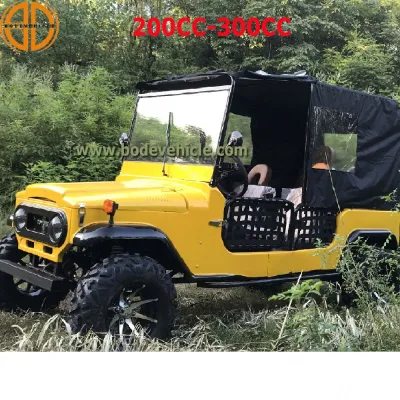
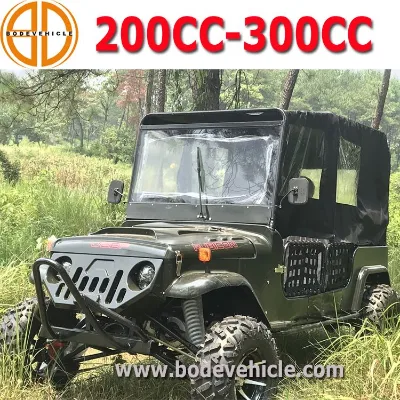
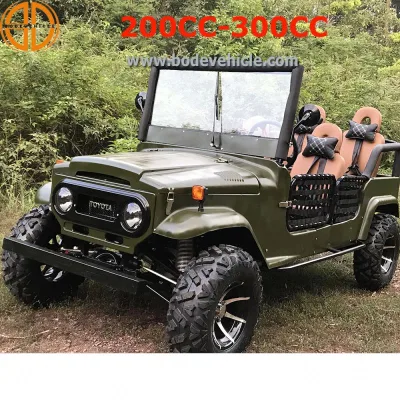
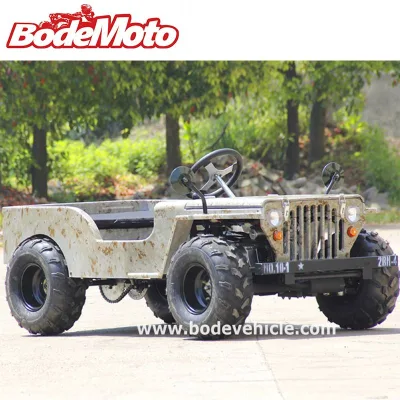
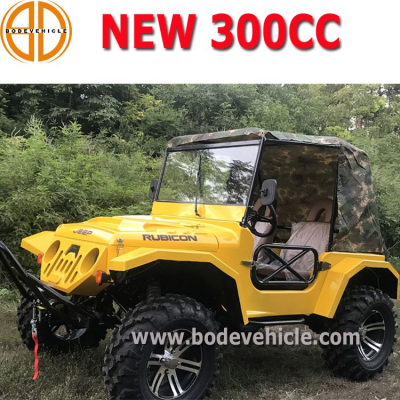
China Manufacture 200cc 250cc 300cc Willys Mini jeep for Kids Adults UTV
$2580.00 - $3280.00
MOQ: 1 Minimum
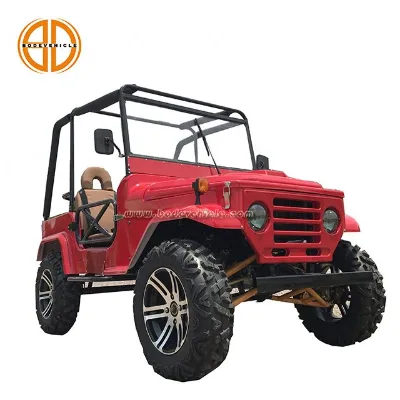
Yiwu Licong E-Commerce Company Limited
- Manufacturer, Trading Company
- Zhejiang, China
- Lead time15 days
- Avg. response≤ 2h
Main productsElectric Scooter,Go Kart,Farm ATV,Mini Jeep,UTV
Main marketsWestern Europe(20.00%), Eastern Europe(20.00%), Northern Europe(20.00%), Southern Europe(20.00%), Southeast Asia(5.00%), Domestic Market(5.00%), Mid East(4.00%), South America(3.00%), North America(3.00%)
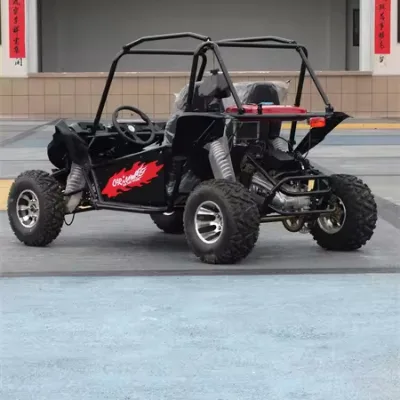
Hot New Products 200cc Dirt Quad Atv Gas Powered Utv off Road Mini jeep 4*4 for Adults and Kids
$2052.01 - $2577.91
MOQ: 1 pieces
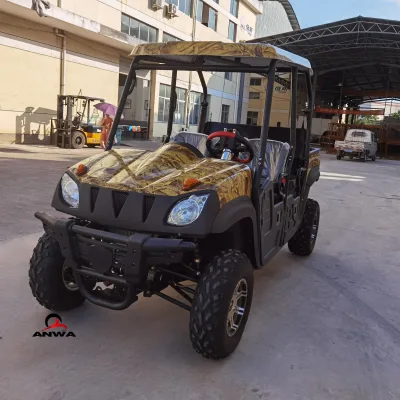
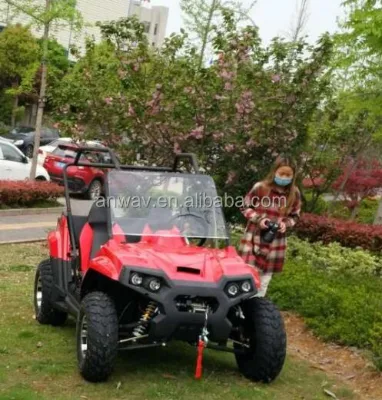
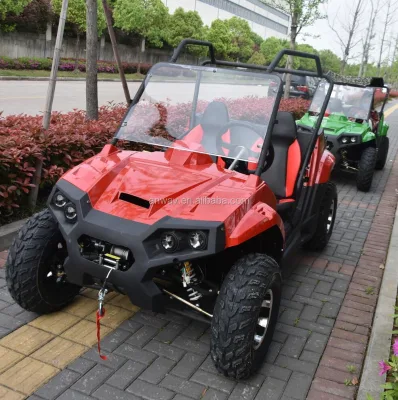
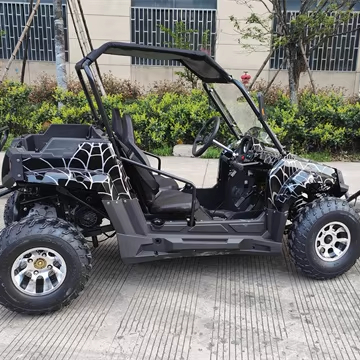
China Manufacture 300cc Willys Mini jeep for Kids Adults UTV
$1500.00 - $1600.00
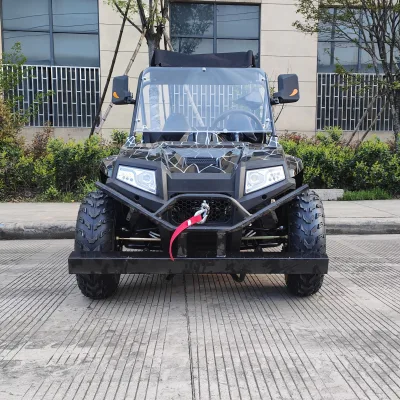
250cc UTV/hot Sales 300cc Cheap Utlity Sport Mini Kids Utv
$1500.00 - $2000.00
Guangdong Yatian Industrial Co., Ltd.
- Verified by SGS Group
- Manufacturer, Trading Company
- Lead time20 days
- Avg. response≤ 1h
Main productsElectric Vintage Car, Electric Golf Cart, Electric Sightseeing Car, Electric Multifunctional Vehicle, Electric Truck
Main marketsNorth America(40%), Western Europe(12%), South America(10%)
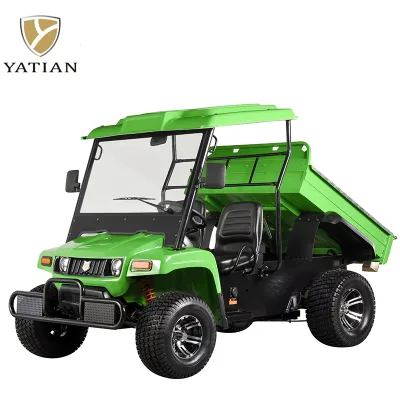
$7203.23 - $8438.07
MOQ: 1 sets
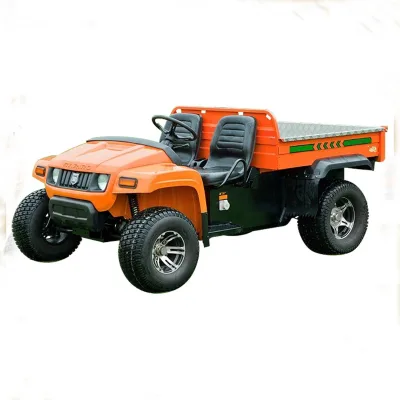
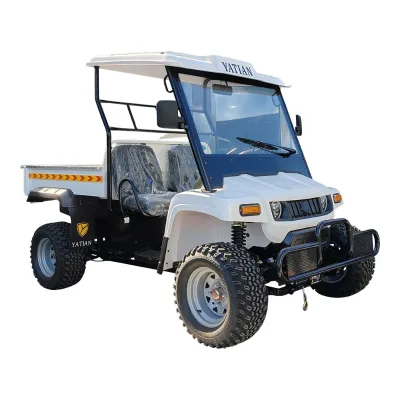
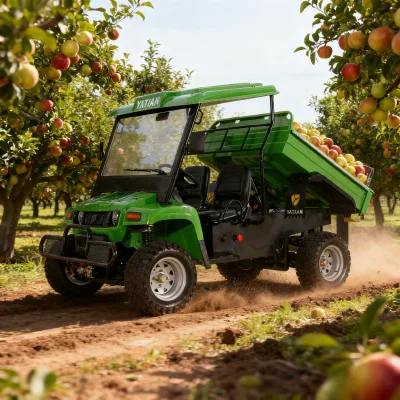
Mini Electric jeep Off Road Farm 2 Seater Power Driven Working Vehicle Jeep and China or Sale
$3051.23 - $8136.61
MOQ: 1 units
Henan Kingwoo Electric Vehicle Trading Co., Ltd.
- Verified by SGS Group
- Manufacturer, Trading Company
- Lead time20 days
- Avg. response≤ 8h
Main productsElectric UTVs, UTVs, Gasoline UTVs, ATV
Main marketsWestern Europe(80%), North America(20%)
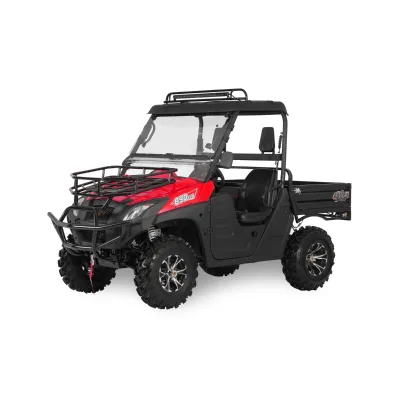
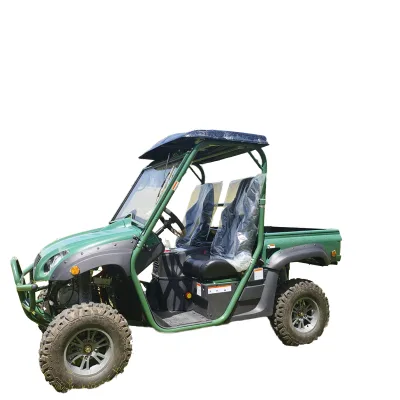
Hot Selling Two Seat Buggies, Electric Utv 4x4 for Adults with Shaft Drive
$6786.58 - $7089.44
MOQ: 6 Minimum
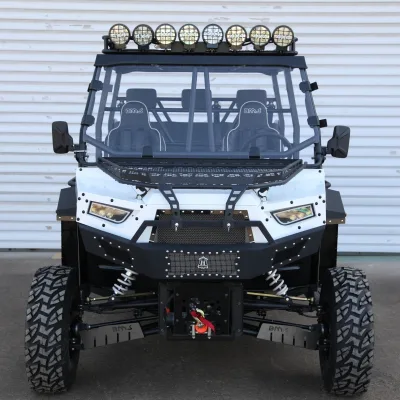
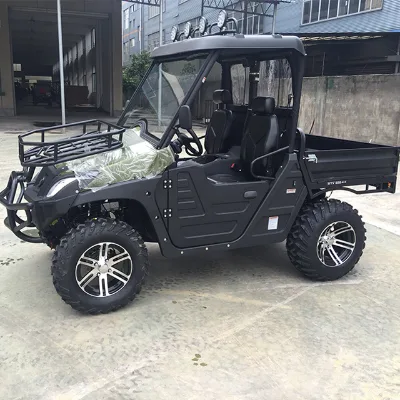
800CC EPA Approved Utv Side by Side/hunting Utility Vehicle
$6300.00 - $6500.00
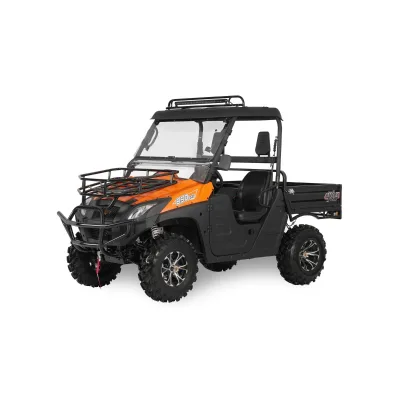
Fully Adjustable Suspension 800CC Gasoline UTV 4x4
$6500.00 - $6700.00
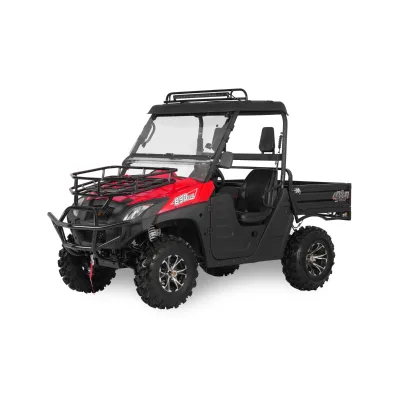
New Model 800cc Utv 4x4 Side by Side 2 Seat/4 Seat
$6300.00 - $6500.00

Shanghai Lannmarker Industrial Co., Ltd.
- Verified by TUVRHEINLAND
- Manufacturer/Factory
- China Shanghai
- Lead time15 days
- Avg. response≤ 3h
Main productsElectric Scooter, Electric Bike, Rice Transplanter, ATV/UTV, Motorcycle, Golf Cart, Plastic Bathtub
Main marketsSouth America,Eastern Europe,Mid East,North America,Southeast Asia,Eastern Asia,Oceania,Western Europe,Africa
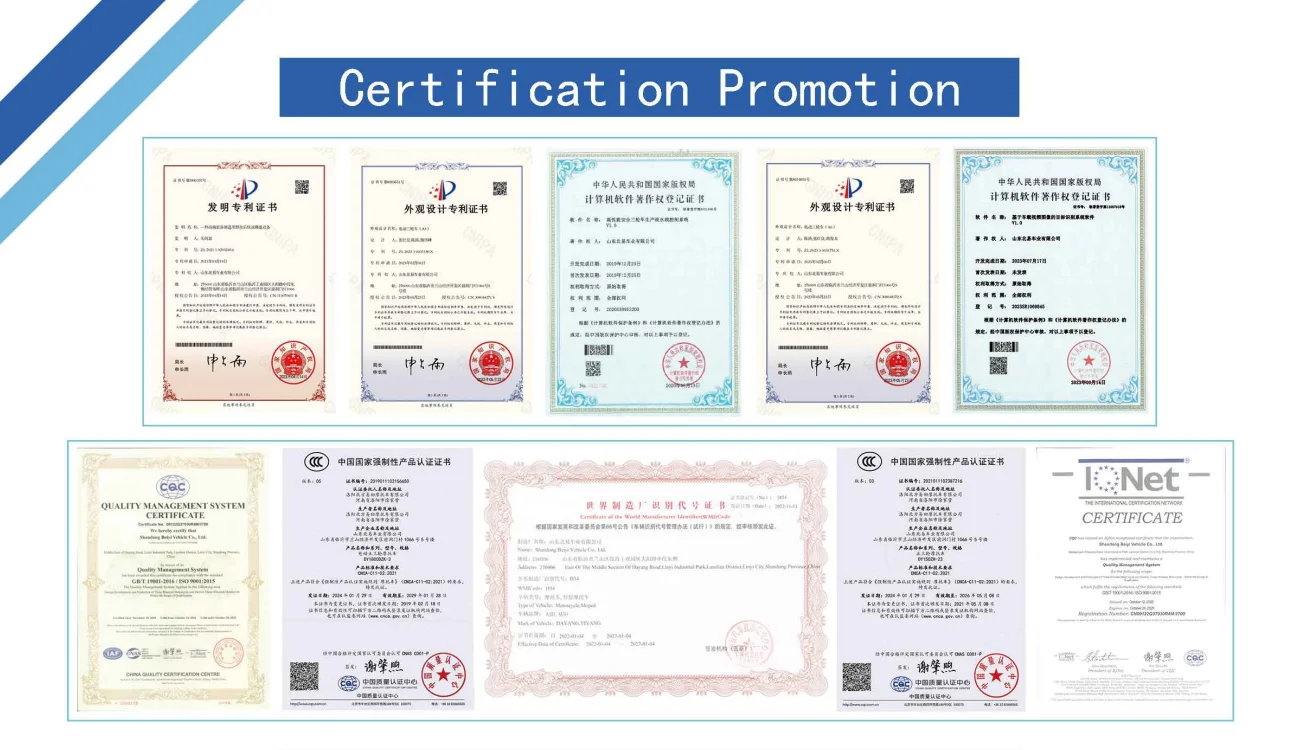
Zhengzhou Donwin Import And Export Co., Ltd.
- Trading Company
- Henan, China
- Lead time7 days
- Avg. response≤ 2h
Main productsGolf cart,Classic car,Electric bus,Mini jeep,Amusement equipment
Main marketsNorth America(20.00%), South America(15.00%), Eastern Europe(10.00%), Domestic Market(5.00%), South Asia(5.00%), Southern Europe(5.00%), Northern Europe(5.00%), Central America(5.00%), Western Europe(5.00%), Eastern Asia(5.00%), Mid East(5.00%), Oceania(5.00%), Africa(5.00%), Southeast Asia(5.00%)
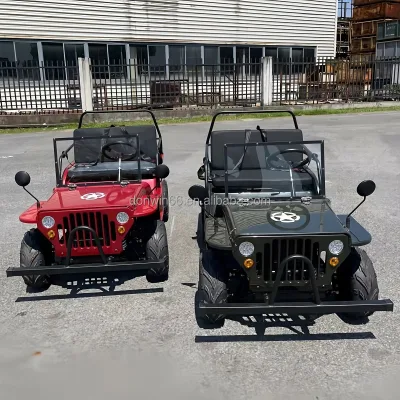
$1318.33 - $1420.53
MOQ: 1 pieces
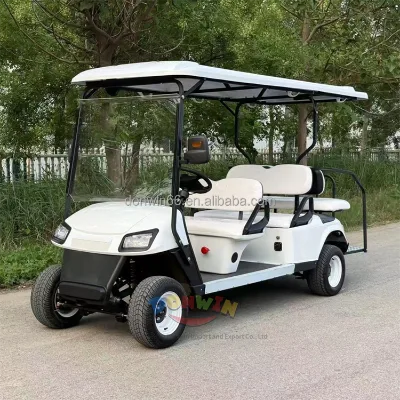
Special Transportation 5-6 Seater Mini jeep Buggy off Road Vehicle for Adult Jeep
$3580.00 - $4180.00
MOQ: 1 pieces
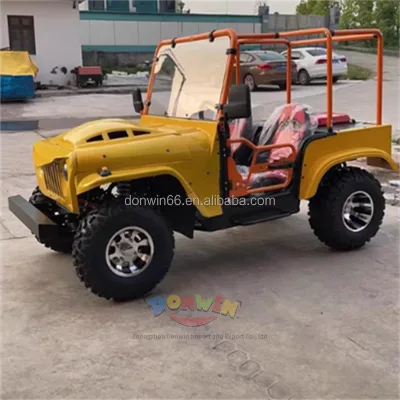
$1498.00 - $3598.00
MOQ: 1 pieces
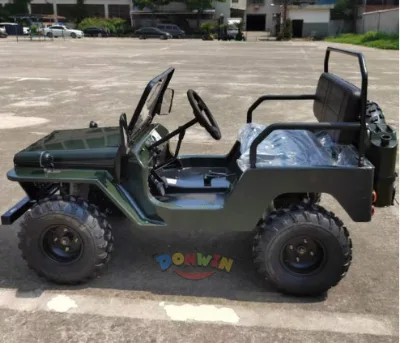
$1290.00 - $1390.00
MOQ: 1 pieces
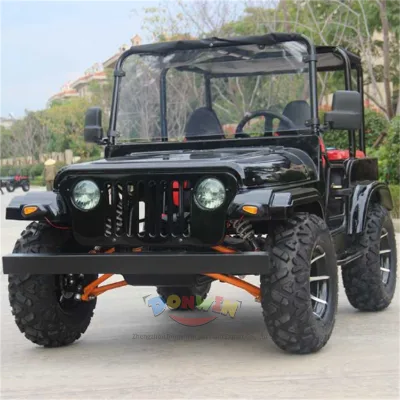
Buggy 250cc With 2 Seats Carting Car Mini jeep Buggy Mini jeep Cars for 2/4/5 Person
$1490.00 - $3590.00
MOQ: 1 pieces
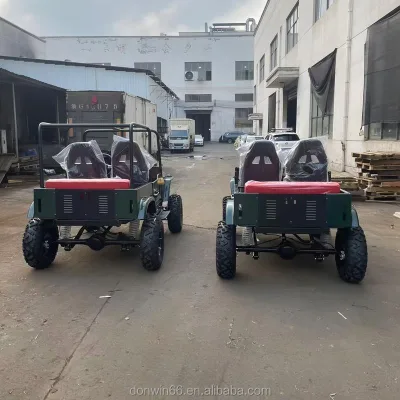

Guizhou Zhonghui Heavy Industry Co., Ltd.
- Verified by SGS
- Combined
- China Guizhou
- Lead time23 days
- Avg. response≤ 8h
Main marketsDomestic

$13200.00 - $16800.00
MOQ: 1 Pieces

Yongkang Kenuolei Industry And Trade Co., Ltd.
- Manufacturer, Trading Company
- Zhejiang, China
- Lead time0 days
- Avg. response≤ 6h
Main productsATV,UTV,Electic ATV,Scooter,pit bike
Main marketsSouth America(10.00%), Africa(10.00%), Oceania(9.00%), Southern Europe(9.00%), Western Europe(9.00%), Eastern Europe(9.00%), Eastern Asia(8.00%), Northern Europe(6.00%), Domestic Market(5.00%), South Asia(5.00%), North America(5.00%), Mid East(5.00%), Central America(5.00%), Southeast Asia(5.00%)
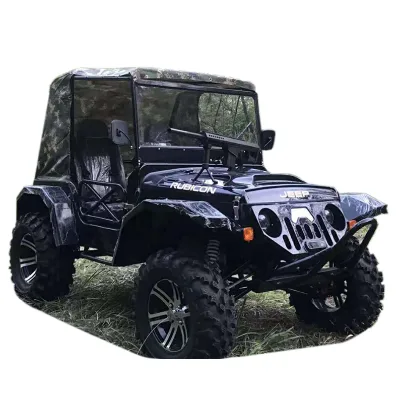
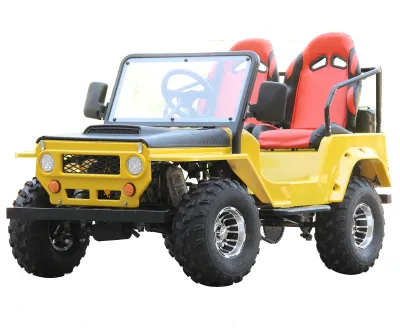
$822.08 - $919.71
MOQ: 5 pieces
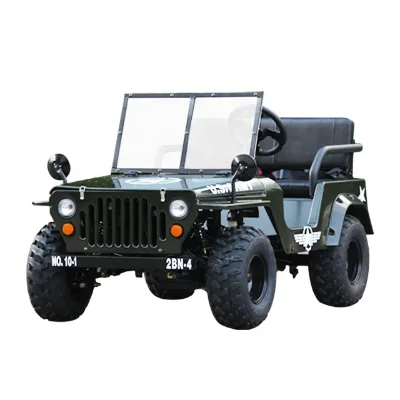
New Arrival off Road Racing Quad Bike Atv 150cc Mini jeep Willys Adults for Rent and Outside Driving
$800.00 - $880.00
MOQ: 5 pieces
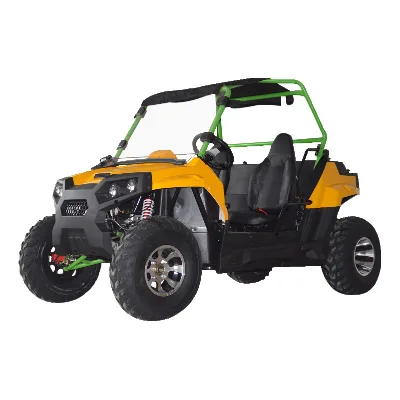
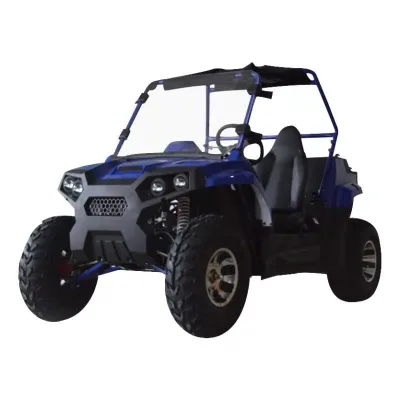
2024 New Electric Utv with 3000w Mini Quad Bike Utv
$1800.00 - $2200.00
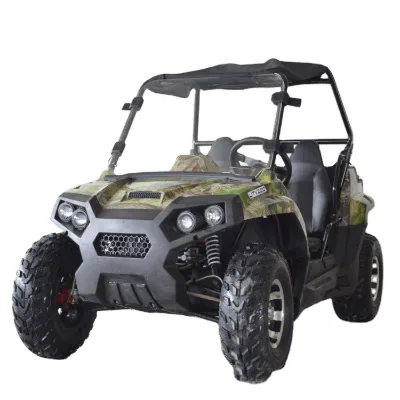
$2480.00

Yongkang Chiyao Industry and Trade Co., Ltd
- Verified by TUVRHEINLAND
- Combined
- China Zhejiang
- Lead time15 days
- Avg. response≤ 4h
Main productsATV, Pit Bike, Dirt Bike, Quad Bike, UTV, Snowmobile, Motorcycle, Go Kart, Ssv, Wheeler ATV
Main marketsDomestic
Yongkang Liqian Industry And Trade Co., Ltd.
- Verified by SGS Group
- Manufacturer, Trading Company
- Lead time30 days
- Avg. response≤ 5h
Main productsTrike, Mini Jeep, Classic Car, UTV, Go Kart
Main marketsNorth America(45%), Western Europe(40%), Mid East(10%)
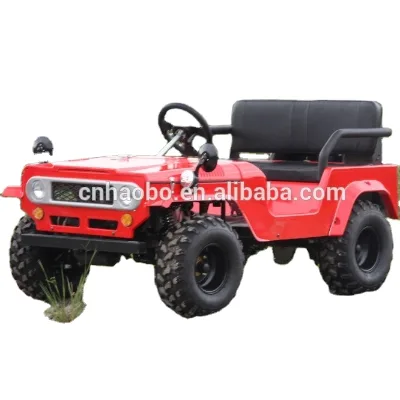
$1334.05 - $1539.28
MOQ: 1 sets
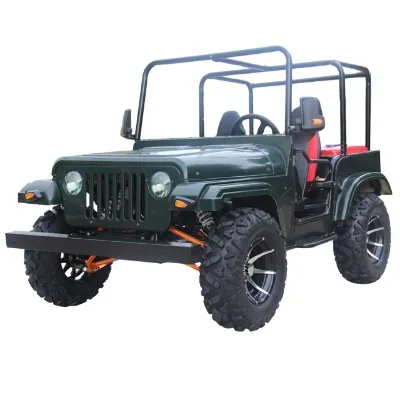
Gasoline UTVs for Adults and Children Special Transportation Cart for Sale
$1755.41 - $1838.01
MOQ: 2 pieces
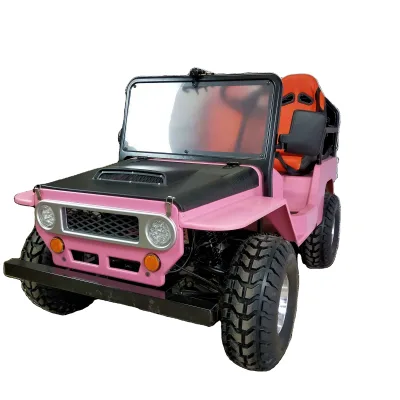

Guangdong Yatian Industrial Co., Ltd.
- Verified by BV
- Manufacturer
- China Guangdong
- Lead time23 days
- Avg. response≤ 3h
Main productsElectric Golf Cart, Electric Retro Car, Electric Tourist Bus, Electric Utility Car, Food Truck, Electric Fire Fighting Car, Hunting Golf Cart, 2WD UTV (Utility Task Vehicle), 4WD UTV (Utility Task Vehicle), Patrol Vehicle
Main marketsSouth America,Africa,Southeast Asia/ Mideast,Europe,Australia,North America

$7000.00 - $8900.00
MOQ: 1 unit


2-Seater Electric Side by Side UTV off-Road Ready Electric UTV for Sale
$7000.00 - $7900.00
MOQ: 1 Pieces

Yongkang Hao Hao Vehicle Co., Ltd.
- Verified by SGS
- Combined
- China Zhejiang
- Lead time30 days
- Avg. response≤ 16h
Main productsATV
Main marketsEurope
Anhui Forerunner Electronic Technology Co., Ltd.
- Verified by SGS Group
- Manufacturer, Trading Company
- Lead time7 days
- Avg. response≤ 4h
Main productsBattery Charger/Tiller Head/DC Converter/Accelerator/Battery Meter/Lithium Battery, Tiller Head, DC Converter, Accelerator, Battery Meter
Main marketsDomestic Market(33%), North America(15%), Southeast Asia(10%)
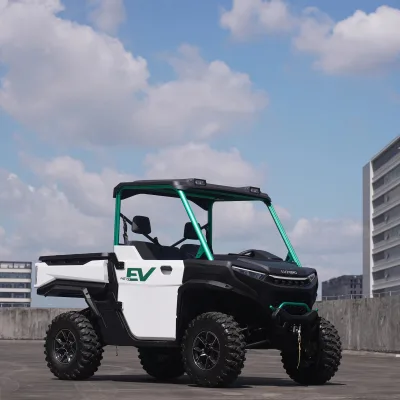
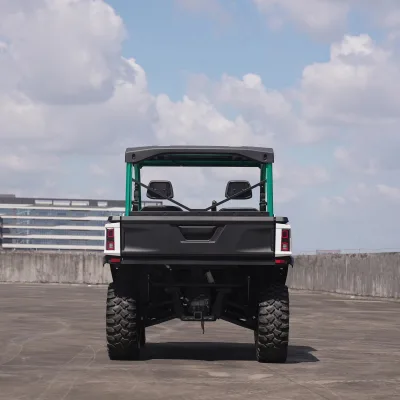
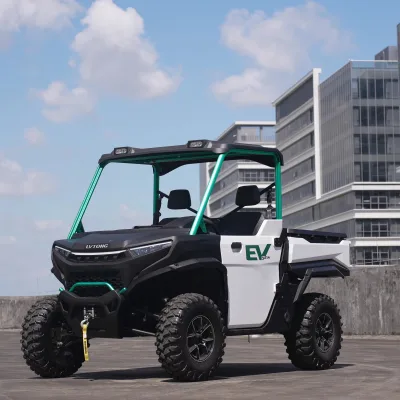
Hot Sale ODM Farm Utv 4x4 Side by Sides 2 Seater Utility Vehicle Automatic Utvs
$13601.91
MOQ: 2 Minimum

Yongkang Easy-Go Sporting Products Co., Ltd.
- Manufacturer
- Zhejiang, China
- Lead time25 days
- Avg. response≤ 2h
Main productsGo Kart,Buggy,Trampoline,scooter,bicycle
Main marketsSouthern Europe(15.00%), Western Europe(15.00%), Northern Europe(15.00%), Mid East(10.00%), Eastern Europe(10.00%), South America(10.00%), North America(10.00%), Central America(5.00%), Africa(5.00%), Oceania(2.00%), Southeast Asia(2.00%), Domestic Market(1.00%)
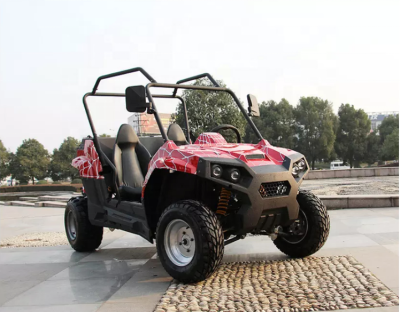
COC Standard EEC dune Buggy 200cc Cheap China Utv for Adults Racing
$1590.00 - $1680.00
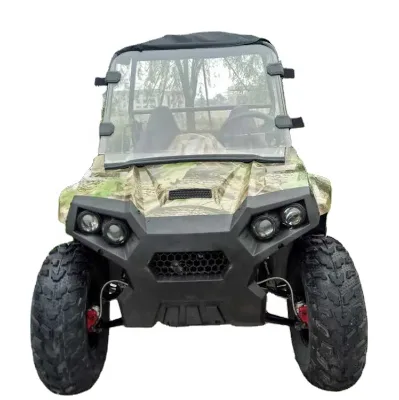
EGS Powerful 2 Seat off Road Buggy/ 200cc Utv
$1590.00 - $1680.00
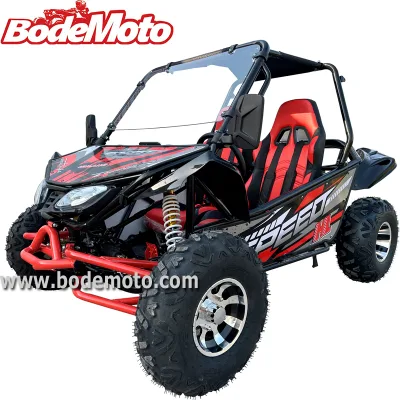
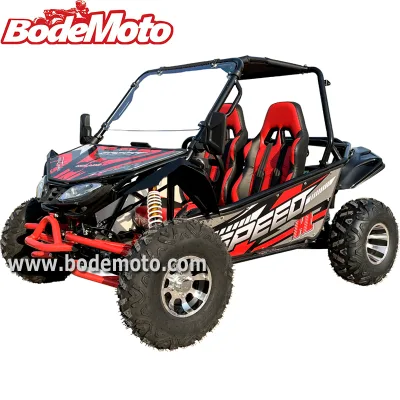
Yongkang Bode Industry Co., Ltd.
- Manufacturer, Trading Company
- Zhejiang, China
- Lead time25 days
- Avg. response≤ 9h
Main productsATV,BUGGY,GO KART,QUAD,DIRT BIKE
Main marketsWestern Europe(20.00%), Mid East(20.00%), Northern Europe(20.00%), South America(20.00%), Eastern Europe(10.00%), Central America(10.00%)

- Trading Company
- China Shandong
- Lead time0 days
- Avg. response≤ 7h
Main productsElectric Scooter, Electric Tricycle, Golf Cart


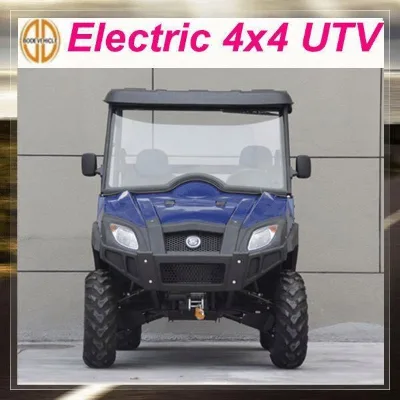
Electric UTV Eco-Friendly Utility Vehicle Perfect for Ranch & Park Patrol
$2100.00 - $2300.00
MOQ: 2 Pieces


Comprehensive Sourcing Guide
EEC Certified Mini Jeep UTV Supplier Concentration and Factory Types
The available data indicates a concentration of manufacturers and trading companies operating within Zhejiang, China, specifically focusing on the production of mini buggies, ATVs, and UTVs. This region serves as a primary hub for suppliers offering combined business models that blend direct manufacturing capabilities with trading services. Buyers observing these results should note that the supplier types listed include entities classified as both manufacturers and trading companies, suggesting a mixed ecosystem where some factories may also handle export logistics directly while others act as intermediaries. The presence of specific product lines like the 125cc, 150cc, and 200cc gasoline mini jeeps confirms that this cluster specializes in small-displacement off-road vehicles designed for both adult and youth use.
When evaluating the factory types in this region, buyers must distinguish between pure manufacturers and combined entities that may source components from third parties. The evidence shows suppliers listing main products such as electric ATVs, gas-powered quads, and go-karts alongside the mini jeep UTVs, indicating a diversified production line rather than a single-product facility. This diversification can be advantageous for buyers seeking a single source for multiple vehicle types, yet it requires verification that the specific mini jeep models are built in-house. The location data points to Zhejiang as the origin, but buyers should confirm if the specific factory floor for the mini jeep assembly is located within this province or if the company operates multiple sites. Understanding the exact nature of the supplier's operation is critical before proceeding with any engagement.
How to Verify EEC Certified Mini Jeep UTV Suppliers
Verification of EEC certification requires direct scrutiny of the documentation provided by the supplier, as the keyword search results mention CE and EEC certificates but do not guarantee universal compliance across all listed models. Buyers should request the specific EEC certificate number and cross-reference it with the official European Union database to ensure the certification covers the exact model number and engine displacement being ordered. The data shows some products listing CE certification, which is a prerequisite for EEC but not identical; therefore, buyers must explicitly ask for the EEC type-approval documents rather than accepting general compliance statements. Relying on a supplier's claim of certification without physical proof exposes the buyer to significant regulatory risks, especially when importing into markets that strictly enforce vehicle safety standards.
Beyond certification, verifying the supplier's response time and verification status is essential for assessing reliability. The observed data includes response times ranging from approximately 4.91 hours to 9 hours, which serves as a metric for communication efficiency but does not replace a formal audit. Some suppliers display verification badges from third-party inspection firms like TÜV Rheinland, which adds a layer of credibility regarding their business license and operational history. However, buyers should not assume that a verified badge covers product quality or certification validity. It is necessary to conduct a video call or request a live factory tour to confirm that the facility matches the claims made in the profile. This step ensures that the supplier is not merely a trading company reselling goods from an unverified third party without the necessary quality control measures in place.
What to Compare Across EEC Certified Mini Jeep UTV Suppliers
Comparing suppliers requires a detailed analysis of lead times, minimum order quantities, and response speeds to determine which partner aligns with the buyer's operational timeline. The data reveals lead times varying between 25 and 30 days, which indicates a standard production window for these vehicles but suggests that customization or high-volume orders might extend this period. Buyers should compare these figures against their own inventory needs, noting that a shorter lead time does not necessarily equate to better quality or lower costs. Additionally, the minimum order quantity (MOQ) is listed as 3 units for some models, which is relatively low and allows for smaller initial orders, though buyers must verify if this applies to mixed models or specific configurations.
Price and product specifications are equally critical dimensions for comparison, as the data shows price ranges starting around $1,250 to $1,450 for specific models. Buyers must compare these prices against the detailed specifications provided, such as engine displacement, top speed, and transmission type, to ensure they are comparing equivalent products. Some listings specify a 125cc engine with a top speed of 60km/h, while others offer 200cc engines with speeds up to 85km/h, creating a wide variance in value. The transmission systems also differ, with options including chain drives, shaft drives, and automatic CVT systems. A thorough comparison involves mapping these technical attributes to the price points to identify the most cost-effective solution that meets the required performance standards for the target market.
Common EEC Certified Mini Jeep UTV Sourcing Risks
One significant risk in sourcing these vehicles is the potential discrepancy between advertised specifications and actual product performance, particularly regarding engine displacement and top speed. The data shows variations in listed attributes, such as some models claiming 125cc displacement while others list 150cc or 200cc, and top speeds ranging from 50km/h to 85km/h. Buyers must be vigilant against suppliers who may inflate these figures to attract orders, as the actual performance could fall short of expectations. This risk is compounded by the fact that some product listings include conflicting data points, such as listing a battery type alongside gasoline specifications, which indicates a need for rigorous pre-shipment inspection to verify the actual build quality and engine type.
Another critical risk involves the validity of certifications and the ability to clear customs in the destination country. While some suppliers list EEC or CE certifications, the lack of specific certificate numbers in the public data means buyers cannot independently verify the authenticity of these claims without direct supplier interaction. If a supplier provides a certificate that is expired or does not match the specific model being shipped, the goods may be seized at the border, leading to financial loss and delays. Furthermore, the supply chain for these vehicles often involves complex logistics, and the risk of damage during transit is high given the size and weight of the units. Buyers should insist on robust packaging standards, such as steel frames and strong cartons, and consider purchasing insurance to mitigate the risk of transit damage.
EEC Certified Mini Jeep UTV Regional Sourcing and Logistics
Sourcing from the identified region in Zhejiang, China, offers logistical advantages due to the proximity to major ports like Ningbo and Shanghai, which are frequently listed as dispatch points in the supplier data. These ports provide efficient access to global shipping routes, facilitating the export of heavy vehicles like mini jeeps and UTVs. Buyers should leverage this geographic advantage by negotiating freight terms that utilize these specific ports to ensure faster transit times and potentially lower shipping costs. The data indicates that suppliers often use standard export packing with steel frames and strong cartons, which is suitable for container shipping, but buyers must confirm the exact packaging dimensions to optimize container utilization and reduce per-unit shipping costs.
However, regional sourcing also presents challenges related to customs clearance and import regulations in the destination country. The varying specifications of the vehicles, such as different engine types and fuel systems, may require specific documentation to clear customs smoothly. Buyers must ensure that the supplier provides all necessary export documents, including the commercial invoice, packing list, and the specific EEC certificates required for the destination market. Additionally, the lead times observed in the data suggest that production schedules can impact the overall delivery timeline, so buyers should plan their orders well in advance to avoid delays. Coordinating with a reliable freight forwarder who is familiar with the specific requirements for importing off-road vehicles from China can help navigate these logistical complexities effectively.
EEC Certified Mini Jeep UTV Commercial Terms and Order Planning
Commercial terms for these orders typically involve negotiations on payment methods, delivery schedules, and warranty provisions, which are not explicitly detailed in the public data but are standard in the industry. Buyers should expect to encounter terms that require a deposit before production begins, with the balance due before shipment or upon receipt of shipping documents. The lead times of 25 to 30 days observed in the data suggest that production is not immediate, so buyers must factor this into their order planning to ensure stock availability aligns with market demand. It is crucial to clarify the payment terms in the contract to avoid disputes, especially regarding the timing of the final payment and the conditions under which it is released.
Order planning must also account for the minimum order quantities and the potential for customization, which can affect the final price and lead time. The data shows an MOQ of 3 units for some models, but buyers should verify if this applies to a single model or a mix of different configurations. Customization requests, such as specific colors or branding, may increase the lead time and require additional costs, so these should be discussed early in the negotiation process. Additionally, buyers should plan for post-sales support, including the availability of spare parts and technical assistance, as the complexity of the vehicles requires ongoing maintenance. Establishing a clear communication channel with the supplier for after-sales service is essential to ensure long-term satisfaction and operational continuity for the end-users.
FAQs
What certifications do these mini jeeps have?
Many listed models carry CE certification for safety compliance. Some specific units also display EEC approval status. Buyers should verify the exact certificate type for each model before ordering to ensure regulatory fit for their target market.
What is the typical lead time for these vehicles?
Lead times generally range from 25 to 30 days for production and preparation. This duration covers manufacturing and initial quality checks. Buyers should confirm the specific timeline with the supplier as it may vary based on order volume and customization needs.
What is the minimum order quantity for these mini jeeps?
The minimum order quantity is typically set at three units per model. This threshold applies to standard wholesale orders for the 125cc and 150cc variants. Larger orders may qualify for better pricing tiers depending on the specific supplier terms.
Where are these mini jeep manufacturers located?
Manufacturers are primarily located in Zhejiang, China. This region is a known hub for vehicle production and export. Buyers can expect shipping options from major ports like Ningbo or Shanghai for international delivery.
What engine displacements are available for these models?
Available engine displacements include 125cc, 150cc, and 200cc options. These engines are typically four-stroke gasoline units designed for off-road use. Some models feature water-cooled engines for enhanced performance in demanding conditions.
What is the maximum speed of these mini jeeps?
Maximum speeds vary by model, ranging from 50km/h to 85km/h. Standard 125cc and 150cc units often reach 60km/h. Higher displacement models like the 200cc versions can achieve speeds up to 85km/h depending on the configuration.
Are these mini jeeps suitable for adult use?
Yes, many models are explicitly designed for adult use with robust frames. They feature four-wheel disc brakes and high ground clearance for stability. Some listings also mention suitability for kids, so buyers should check the specific weight capacity and dimensions.