Source anti-bacteria medical steel door with fiberglass screen netting for hospitals, clinics, and labs
Compare 30 verified options for the anti-bacteria medical steel door with fiberglass screen netting. Buyers can evaluate features like automatic operation, antibacterial powder coating, and customizable sizes for medical and industrial room applications.
Key considerations
Products List


Customizable Automatic Airtight Sliding Glass Medical Doors for Hospitals
$550.00 - $1100.00
MOQ: 1 Pieces


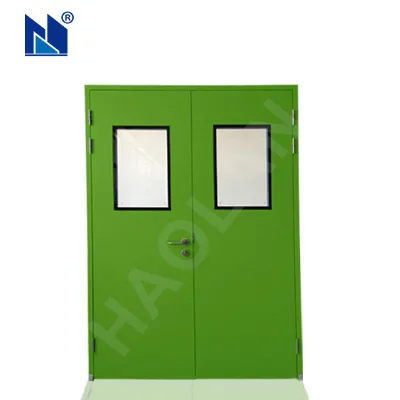
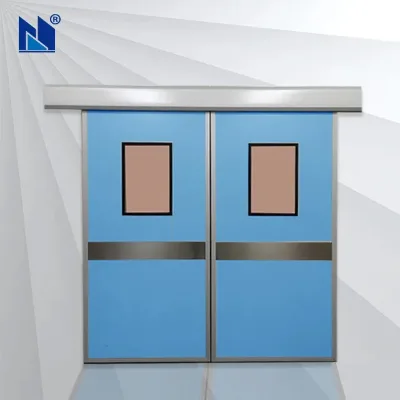

Hospital Clean Room Door Anti-Bacterial Medical Door for Hospital Operating Room
$100.00 - $500.00
MOQ: 5 Square Meters

Medical Door Easy to Clean Hospital Door for Hospital and Laboratory
$100.00 - $500.00
MOQ: 5 Square Meters


High-Quality Steel Clean Room Double Door for Healthcare Facilities
$150.00 - $300.00
MOQ: 100 Square Meters


Galvanized Plate Hygienic Hermetic Hospital Grade Steel Frame Clean Room Medical Door
$228.15 - $253.80
MOQ: 2 Pieces

Medical Air Tight Door Standard Hospital Room Doorpurification Steel Door Design
$150.65 - $253.80
MOQ: 2 Pieces


Best Price Plate Radiation Protection Hospital Medical Door and Steel Door for Hospital
$85.00 - $109.00
MOQ: 9 Square Meters


Hospital Door Prevent Dust From Entering Steel Clean Door for Clean Room
$150.00 - $170.00
MOQ: 1 Pieces
Comprehensive Sourcing Guide
Strategic Sourcing Guide for Anti-Bacteria Medical Steel Doors with Fiberglass Screen Netting
Understanding Technical Specifications and Material Composition
When sourcing anti-bacteria medical steel doors with fiberglass screen netting, buyers must first dissect the technical architecture of the product to ensure it meets the rigorous demands of healthcare environments. The core material of these doors is typically steel, providing the necessary structural integrity and durability required for high-traffic medical facilities. Specifically, the door skin material often utilizes galvanized steel, stainless steel, aluminum, or compact laminates, offering a robust barrier against physical impact and corrosion. The frame material is frequently constructed from powder-coated galvanized steel, which enhances resistance to chemical cleaning agents commonly used in hospital settings.
A critical component of the anti-bacterial specification is the surface treatment. The supplied data indicates that these doors undergo an antibacterial powder coating process. This treatment is not merely aesthetic; it is a functional layer designed to inhibit the growth of microorganisms on the door surface, a vital feature for infection control in medical rooms. The thickness of the door panel is a significant specification, with observed values reaching 50mm. This substantial thickness contributes to sound insulation and fire resistance, ensuring that the door can effectively isolate noise and potential fire hazards between different zones of a medical facility.
The inclusion of a fiberglass screen netting adds a layer of versatility to the door's functionality. While the primary material is steel, the screen netting material is specified as fiberglass in certain configurations. This allows for ventilation while maintaining a barrier against insects or larger particulates, which can be useful in specific medical or industrial room applications. The door operation can be either automatic or manual, with some models featuring a brush-less inverter motor operating on 100-240 V (50-60Hz). This automation capability is essential for hands-free operation in sterile environments, reducing the risk of cross-contamination from door handles. The open style varies between sliding and swing mechanisms, with sliding doors often categorized as push-and-pull types, while swing doors are standard for interior room access.
Compliance, Certification, and Regulatory Standards
Navigating the regulatory landscape is paramount when procuring doors for medical applications. Buyers must verify that the products they source carry recognized certifications that validate their safety and quality. The supplied product facts explicitly mention CE and RoHS certifications. The CE marking indicates conformity with health, safety, and environmental protection standards for products sold within the European Economic Area, while RoHS (Restriction of Hazardous Substances) ensures that the door does not contain specific hazardous materials like lead or mercury, which is crucial for maintaining a safe indoor environment.
Beyond the listed certifications, buyers should verify compliance with local building codes and medical facility standards. The standard size for these doors is often customizable, with typical dimensions observed at 9002100mm, 12002100mm, and 1500*2100mm. However, some specifications list a standard of 1200.00cm * 1150.00cm * 1200.00cm, which suggests that dimensional verification is critical as manufacturers may use different measurement conventions or offer bespoke sizing. The product standard is listed as "Customized" in some contexts, indicating that the door can be tailored to specific architectural requirements.
Buyers must also scrutinize the core material composition. While some doors utilize paper honeycomb for core material, others may use aluminum honeycomb or customized cores. The choice of core material impacts the door's fire rating and acoustic performance. In a medical setting, fire resistance is non-negotiable. Therefore, verifying the fire rating of the specific core material used in the door is a necessary step. Additionally, the surface finishing is described as "Finished," implying a ready-to-install state, but the buyer should confirm the specific finish quality to ensure it meets the hygiene standards of the intended facility.
Cost Drivers and Pricing Variables
The pricing of anti-bacteria medical steel doors is influenced by a complex array of factors, ranging from material costs to customization levels. The observed price range for these products spans from 70 to 1864 USD. This wide variance suggests that the final cost is heavily dependent on the specific configuration chosen by the buyer. Factors such as the type of steel used (e.g., 304 stainless steel versus galvanized steel), the complexity of the surface treatment, and the inclusion of automation features like the brush-less inverter motor will significantly drive up the price.
The Minimum Order Quantity (MOQ) is another critical cost driver, with observed ranges between 1 and 100 units. For smaller procurement projects, a lower MOQ allows for flexibility, but it may result in a higher unit cost. Conversely, larger orders can leverage economies of scale to reduce the per-unit price. The customization level is a primary determinant of cost. While standard sizes like 900*2100mm are likely more affordable, doors with customized dimensions, specific color requirements (such as Sky Blue, Light Green, Red, or Yellow), or unique veneer wood options like Black Walnut will incur additional charges.
Packaging and logistics also contribute to the total cost. The products are typically packed in wooden packages, which are robust but add to the shipping weight and volume. The origin of the product, often Guangdong or Jiangsu in China, influences freight costs and lead times. Buyers should also consider the after-sale service costs. Some suppliers offer online technical support and a one-year warranty, which adds value but may be reflected in the initial pricing structure. Understanding these variables allows buyers to budget accurately and negotiate effectively based on their specific project needs.
Typical Applications and Functional Requirements
Anti-bacteria medical steel doors with fiberglass screen netting are designed for a diverse range of applications, primarily within the medical and industrial sectors. The primary usage is for medical and industrial rooms, including hospitals, clinics, and laboratories. In these environments, the door must serve multiple functions: security, decoration, and infection control. The position of the door is typically interior, serving as a barrier between different rooms or zones within a facility.
The functional requirements extend beyond simple access control. The door must provide security, often equipped with a lock set including handles and keys. In automated configurations, the door operates via a motor, allowing for touchless entry, which is essential in operating theaters or isolation wards. The design style can vary from modern to industrial, allowing the door to blend seamlessly with the facility's aesthetic. The application areas include bathrooms, hospitals, and clean rooms, where hygiene is of utmost importance.
The specific design of the door, such as the version panel featuring tempering silk-printed black glass, adds a decorative element while maintaining functionality. This feature is particularly useful in corridors or waiting areas where visibility and aesthetics are important. The door's ability to provide sound insulation is another key requirement, ensuring that noise from medical equipment or patient conversations does not disturb adjacent areas. The combination of a steel frame, antibacterial coating, and fiberglass netting creates a versatile solution that can adapt to various medical and industrial room requirements.
Supplier Evaluation and Quality Assurance
Evaluating suppliers for medical-grade steel doors requires a rigorous approach to ensure quality and reliability. Buyers should look for suppliers who demonstrate a clear understanding of medical standards and can provide documentation for their certifications. The presence of CE and RoHS certifications is a baseline requirement, but buyers should also inquire about the supplier's quality control processes. The brand name "haolan" is mentioned in the context of after-sale services, indicating that established brands may offer more reliable support.
When evaluating a supplier, buyers should assess their project solution capability. Some suppliers offer graphic design services, which can be beneficial for customizing the door to match specific facility branding or design schemes. The warranty period is another critical factor, with a one-year warranty being a common offering. Buyers should verify the terms of this warranty, including what is covered and the process for claiming support.
Quality control should be a continuous process, not just a final inspection. Buyers should request sample testing results or third-party verification of the antibacterial properties and structural integrity of the doors. The material composition, such as the use of 304 stainless steel or powder-coated galvanized steel, should be verified against the supplier's specifications. Additionally, the surface treatment process, specifically the antibacterial powder coating, should be scrutinized to ensure it meets the required durability and efficacy standards.
Long-Term Procurement and Maintenance Considerations
Long-term procurement of medical steel doors involves considering the lifecycle costs and maintenance requirements. The durability of the antibacterial powder coating is a key factor in the long-term performance of the door. Buyers should verify the expected lifespan of the coating and the ease of cleaning it. The door's operation, whether manual or automatic, will also impact maintenance costs. Automated doors with brush-less inverter motors require periodic maintenance to ensure smooth operation and prevent motor failure.
The customization options, such as color and size, should be considered in the context of future renovations or facility changes. While customized doors offer a perfect fit initially, they may be harder to replace if the facility layout changes. Standard sizes like 900*2100mm offer more flexibility for future replacements. The packaging, typically wooden, should be evaluated for its ability to protect the door during shipping and storage, as damage during transit can lead to additional costs and delays.
Buyers should also consider the availability of spare parts and accessories. The inclusion of a lock set with handles and keys is standard, but buyers should ensure that replacement parts are readily available. The after-sale service, including online technical support, is crucial for troubleshooting any issues that arise after installation. A supplier with a strong track record in the medical sector is more likely to provide reliable long-term support. By focusing on these long-term considerations, buyers can ensure that their investment in anti-bacteria medical steel doors remains a valuable asset for their facility.
Comparative Analysis of Door Configurations
To assist buyers in making informed decisions, the following table compares key configurations of anti-bacteria medical steel doors based on the observed product data. This comparison highlights the differences in materials, operation, and applications to help buyers select the most suitable option for their specific needs.
| Feature | Configuration A | Configuration B | Configuration C |
|---|---|---|---|
| Primary Material | Steel (Galvanized/Stainless) | 304 Stainless Steel | Steel (Powder Coated) |
| Core Material | Aluminium Honeycomb | Paper Honeycomb | Customized |
| Screen Netting | Fiberglass | Nylon | Not Specified |
| Operation | Automatic (Brush-less Motor) | Manual | Automatic/Manual |
| Surface Treatment | Antibacterial Powder Coated | Finished | Antibacterial Powder Coated |
| Typical Application | Hospital, Medical Room | Clean Room | Industrial Room |
| Certification | CE, RoHS | CE, RoHS | CE, RoHS |
| Thickness | 50mm | 50mm | 50mm |
| Standard Size | 9002100mm, 12002100mm | Customized | Customized |
This table illustrates that while the core material and screen netting may vary, the fundamental specifications such as thickness and certification remain consistent across different configurations. Buyers should prioritize the configuration that best aligns with their specific application requirements, such as the need for automatic operation or specific material durability.
FAQs
What certifications do these medical steel doors have?
These doors carry CE and RoHS certifications. This ensures compliance with European health and safety standards while restricting hazardous substances like lead or mercury for safe indoor environments.
How is the door surface treated for hygiene?
The surface undergoes an antibacterial powder coating process. This functional layer inhibits microorganism growth on the door, which is vital for infection control in medical and industrial rooms.
Can the door operate automatically without touch?
Yes, the door can operate automatically using a brush-less inverter motor. It runs on 100-240 V power and allows for hands-free entry to reduce cross-contamination risks in sterile zones.
What materials are used for the door frame and skin?
The frame is made of powder-coated galvanized steel while the skin uses galvanized, stainless steel, aluminum, or compact laminate. These materials provide structural integrity and resistance to corrosion in high-traffic areas.
What is the standard thickness of the door panel?
The observed door thickness is 50mm. This substantial thickness contributes to sound insulation and fire resistance, effectively isolating noise and potential hazards between different facility zones.
Which core materials are available for these doors?
Available core materials include aluminum honeycomb, paper honeycomb, or customized options. The choice impacts fire rating and acoustic performance, which are critical for medical facility safety requirements.
What is the warranty period for these products?
The standard warranty period is one year. This coverage typically includes support for the antibacterial coating and structural integrity, with online technical assistance available for troubleshooting.