Source 500KN Lashing Bar for Cargo, Transport, and Shipping
Compare 30 verified listings for the 500KN Lashing Bar from manufacturers in China. Buyers can evaluate specifications like load capacity, material, and customization options to find the right solution for cargo securing needs.
Key considerations
Products List






Comprehensive Sourcing Guide
Strategic Sourcing Guide for 500KN Lashing Bar Acquisition
The procurement of high-strength cargo securing equipment, specifically items categorized under the 500KN Lashing Bar designation, requires a rigorous approach that balances technical performance with supply chain reliability. In the global logistics and heavy transport sectors, the integrity of lashing systems is paramount to preventing cargo shift, ensuring regulatory compliance, and protecting human life. This guide synthesizes available product attributes, manufacturing standards, and supplier evaluation criteria to provide a comprehensive framework for buyers seeking to source these critical components. The focus remains on evidence-based decision-making, utilizing observed market data and established industry standards to navigate the complexities of the supply chain.
Technical Specifications and Performance Parameters
When evaluating lashing bars intended for heavy-duty applications, the primary technical differentiator is the load capacity and material composition. Market observations indicate that specific models, such as the "LC25500dan-1113" and "CLB-001," are engineered to handle substantial loads. Buyers must verify that the Breaking Strength (B.S) and Working Load Limit (LC) align with their specific cargo requirements. Data from available listings suggests a range of capacities, with specific units demonstrating a B.S of 4000kg and 5000kg, while others indicate a capacity of 5T. It is crucial to understand that a 500KN specification implies a significantly higher load-bearing capability than the 5000kg (approximately 50KN) units observed in general catalogs. Therefore, the buyer must explicitly confirm the conversion factors and the specific engineering standards used to derive the 500KN rating, as this figure is not universally present in all standard listings.
Material selection is equally critical. The observed product attributes highlight the use of high-grade metals, with model numbers referencing alloys such as 6063, 6061, 2024, and 7075. These aluminum alloys are favored for their strength-to-weight ratio, though steel variants are also common in heavy lashing applications. The surface treatment processes observed include Galvanization (noted as "Galavanzied" in some records), Anodizing, Brushing, Mill finish, and Sand blasting. For a 500KN bar intended for marine or outdoor transport, Galvanization is often the preferred method to ensure corrosion resistance. The physical dimensions also vary; observed widths range from 50mm, with lengths specified as 2.4m and 4.7m. Buyers must ensure that the frame size, often cited as 20ft in container contexts, matches the lashing bar's geometry to ensure proper fitment on standard shipping containers or heavy haulage trailers.
Compliance and Certification Verification
In the realm of cargo securing, adherence to international standards is non-negotiable. The primary standard referenced in the supply chain data is EN12195-2, which governs the design and testing of lashing devices for road transport. Any supplier claiming to provide a 500KN Lashing Bar must be able to demonstrate compliance with this standard or an equivalent international regulation such as ISO9001 for quality management systems. The observed data confirms that ISO9001 certification is a common attribute among suppliers, serving as a baseline indicator of manufacturing consistency. Additionally, some listings mention GS certification, which is a German safety mark often required for equipment entering European markets.
Buyers must exercise caution when interpreting certification claims. While some product descriptions list "GS, ISO Color:Blue," this phrasing suggests a specific visual identifier rather than a standalone certification status. The verification process should involve requesting valid, current certificates from the supplier rather than relying solely on marketing descriptions. The standard "Standard According to: En12195-2" implies that the product undergoes specific testing protocols for tension, fatigue, and deformation. For a 500KN unit, the testing regime must be robust, likely involving proof load testing at 1.5 times the working load limit. Buyers should verify that the supplier's quality assurance protocols include third-party testing results for these high-load scenarios, as internal testing alone may not suffice for regulatory compliance in many jurisdictions.
Cost Drivers and Pricing Structures
The pricing of lashing bars is influenced by a complex matrix of factors, including material costs, manufacturing complexity, and order volume. The observed market data reveals a vast price range, from as low as $0.10 to nearly $20,000 USD. This disparity is largely driven by the distinction between individual components and complete systems, as well as the specific load ratings. A standard 50mm width bar may fall at the lower end of the spectrum, whereas a custom-engineered 500KN unit with specialized surface treatments and high-grade alloy construction will command a premium price.
Minimum Order Quantity (MOQ) is another significant cost driver. The data indicates an MOQ range of 1 to 1000 units, with specific listings showing an MOQ of 50PCS for certain items and 1 set for others. For a buyer requiring a large fleet of 500KN bars, negotiating a lower unit price based on volume is essential. However, buyers must also consider the "Small Orders: Accepted" attribute, which suggests flexibility for smaller procurement needs, albeit potentially at a higher per-unit cost. Packaging costs also play a role; options range from "in Pallet" to "Wooden Box" or "Carton Box," with the latter being more suitable for smaller, high-value items to prevent damage during transit. The "Single gross weight" of 1.500 kg for smaller items contrasts with the heavy nature of 500KN bars, which will incur higher shipping costs. Buyers should factor in these logistics expenses when calculating the total landed cost of the procurement.
Typical Applications and Operational Context
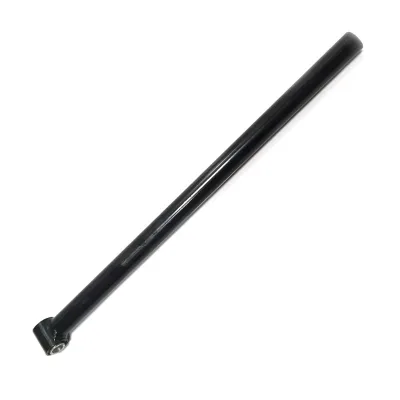
The 500KN Lashing Bar is designed for the most demanding logistics scenarios. While standard lashing bars are used for securing general cargo in containers, a 500KN unit is typically reserved for heavy machinery, industrial equipment, and oversized loads that exceed standard weight limits. The observed product attributes mention "Cargo Lashing" as the primary type, with specific applications including the replacement or repair of auto parts rods and bushings, such as Panhard bars. This indicates that these components are versatile and can be integrated into both transport securing systems and vehicle suspension repair contexts.
The "Universal" car model specification suggests adaptability, but for a 500KN bar, the application is likely industrial rather than automotive passenger transport. The "Type: Cargo Lashing" and "Purpose: for replace/repair" attributes highlight the dual nature of these products. In a maritime context, these bars might be used to secure heavy containers on deck where wind and wave forces exert immense stress. In rail transport, they secure heavy freight cars. The "Life Span: <25 Years" attribute suggests a long-term investment, provided the bars are maintained correctly. The "After-sales Service: 12 Months" indicates that suppliers typically offer a warranty period, which is crucial for high-stakes applications where failure could result in catastrophic loss. Buyers should ensure that the application environment matches the bar's design specifications, particularly regarding corrosion resistance and temperature tolerance.
Supplier Evaluation and Manufacturing Capabilities
Selecting the right supplier is as important as selecting the right product. The data indicates that suppliers are located primarily in China, with specific origins noted as Taizhou, Zhejiang, and general "China" designations. This region is a global hub for metal fabrication and automotive parts, offering a mature supply chain. However, buyers must verify the supplier's actual production capacity. The "Capacity: 5T" attribute might refer to the facility's lifting capability or production throughput, but it does not necessarily define the output volume of lashing bars.
Key evaluation criteria include the supplier's "Experience: 10 Years," which is a positive indicator of stability and expertise. The "Producing Period: <20 Days" suggests a relatively quick turnaround time, which is beneficial for urgent procurement needs. Buyers should also assess the supplier's customization capabilities, as "Customization: Available" and "Brand Name: accept custom" are listed attributes. This flexibility allows buyers to tailor the lashing bars to specific logistical requirements, such as unique dimensions or branding. The "Processing Service" list, including Bending, Cutting, Decoiling, Punching, and Welding, demonstrates a comprehensive manufacturing capability. Buyers should request evidence of these capabilities, such as photos of the CNC technology used or samples of previous work, to ensure the supplier can meet the precise engineering demands of a 500KN bar.
Quality Control and Long-Term Procurement Strategy
Ensuring the quality of 500KN lashing bars requires a proactive quality control strategy. The observed "quality: A grade" attribute is a general classification and should be supplemented with specific inspection protocols. Buyers should implement a rigorous inspection regime that includes visual checks for surface defects, dimensional verification against the "Width: 50mm" and "Length: 2.4 4.7m" specifications, and non-destructive testing for material integrity. The "Single package size: 80X20X20 cm" provides a baseline for packaging, but for heavy bars, reinforced "Wooden Box" or "Pallet" packing is often necessary to prevent deformation during shipping.
Long-term procurement considerations involve building a sustainable relationship with the supplier. The "After-sales Service: 12 Months" is a starting point, but buyers should negotiate extended support terms for critical equipment. Regular audits of the supplier's manufacturing process can help maintain quality consistency. Additionally, buyers should monitor the "Standard According to: En12195-2" compliance over time, as standards may be updated. The "Volume: 0" attribute in some listings is ambiguous and may indicate a placeholder; buyers should clarify the actual inventory levels to avoid supply disruptions. Finally, the "OEM: accept" and "OE NO.: no" attributes suggest that while custom branding is possible, the supplier may not have specific original equipment manufacturer part numbers. Buyers should ensure that all custom specifications are clearly documented in the purchase order to avoid miscommunication and ensure that the final product meets the exact 500KN performance requirements.
Comparative Analysis of Product Attributes
To facilitate decision-making, the following table summarizes key observed attributes relevant to sourcing lashing bars, highlighting the variability in specifications that buyers must navigate.
| Attribute Category | Observed Value/Range | Relevance to 500KN Sourcing |
|---|---|---|
| Material | 6063, 6061, 2024, 7075, Polyester | Determines strength and weight; alloys are critical for high load. |
| Surface Treatment | Galvanization, Anodizing, Sand blasting | Essential for corrosion resistance in harsh environments. |
| Certification | ISO9001, GS, EN12195-2 | Mandatory for regulatory compliance and safety assurance. |
| MOQ | 1 set to 1000 PCS | Impacts unit cost and inventory management strategy. |
| Lead Time | <20 Days | Influences supply chain responsiveness and planning. |
| Working Load | 2000kg - 5000kg (Observed) | Must be verified against the 500KN target requirement. |
| Origin | China (Taizhou, Zhejiang) | Indicates supply chain location and potential logistics costs. |
| Packing | Wooden Box, Pallet, Carton | Affects shipping costs and product protection. |
This comparative view underscores the need for precise specification matching. While the observed data provides a baseline, the specific 500KN requirement demands a deeper verification of load ratings and material grades beyond the standard 5000kg units often listed. By systematically addressing these factors, buyers can secure high-performance lashing bars that ensure safety and efficiency in their logistics operations.
FAQs
What certifications do 500KN Lashing Bar suppliers typically hold?
Suppliers typically hold ISO9001 certification for quality management and may offer GS certification for safety compliance. Some listings also reference standards like EN12195-2 for design and testing. Buyers must verify current certificates rather than relying on marketing descriptions.
How long is the production period for custom lashing bars?
The producing period is generally under 20 days for standard orders. Customization is available for specific dimensions or branding, which may affect the timeline. Buyers should confirm exact lead times based on their specific order volume and customization needs.
Which materials are used for high-strength lashing bars?
High-strength bars often use aluminum alloys like 6063, 6061, 2024, and 7075 for their strength-to-weight ratio. Some products may also utilize polyester or steel variants. The material choice depends on the required load capacity and environmental resistance.
Can I order small quantities of lashing bars?
Small orders are accepted with a minimum order quantity as low as one set or 50 pieces depending on the model. Specific listings show an MOQ of 1 set for certain items. Buyers should check individual product pages for exact minimums and pricing tiers.
What is the typical warranty period for these products?
The after-sales service typically covers a period of 12 months. This warranty ensures support for defects or issues arising during normal operation. Buyers should verify specific warranty terms and coverage details with the supplier before purchase.
How are lashing bars packaged for shipping?
Packaging options include wooden boxes, carton boxes, or pallets depending on the product type and size. Some items are packed in standard packaging while others allow for custom requests. Proper packaging ensures protection during transit and prevents damage to the bars.
What is the expected lifespan of a lashing bar?
The life span is typically under 25 years if maintained correctly. This longevity depends on usage conditions, surface treatments like galvanization, and regular inspections. Buyers should plan for periodic maintenance to ensure continued safety and performance.